We’re excited to introduce you to the always interesting and insightful Spencer Pepke. We hope you’ll enjoy our conversation with Spencer below.
Spencer, thank you so much for joining us. You are such a positive person and it’s something we really admire and so we wanted to start by asking you where you think your optimism comes from?
I was a really angry, lonely kid. I felt like the world I was discovering was both dumb and bad. I could always find art to connect to- art made by other angry, lonely people. There’s a definite strength in sharing those feelings, and from being real about the pain that comes from the world we live in, but I let them stew. That anger defined my scope of the world, and also of myself.
I came to believe that artistic expression was something tied to suffering. For someone to make great art, there must be something exceptional about their relationship with the world. At the same time, I failed to realize that so much of why society considers art ‘important’ is its usefulness as a commodity. After years of failing as a commodity, I gave up. After that, art became something I was doing just for me. It was something I did to grow as a person and process trauma, and I grew a lot with that new outlook.
Eventually I came to find the the art that is really important to me isn’t the most profound or exceptional- It’s the work where I’ve grown as a person alongside others. It’s the contributions I’ve made to the work of dear friends. It’s the moments where someone has overcome an insecurity or had a change in perspective. I’m still pissed off at things in this world, but together with others that anger becomes strength. I still love sad art, and together with others it becomes solace and empathy. I guess my optimism comes from the power we have to create, communicate, and heal.
Thanks, so before we move on maybe you can share a bit more about yourself?
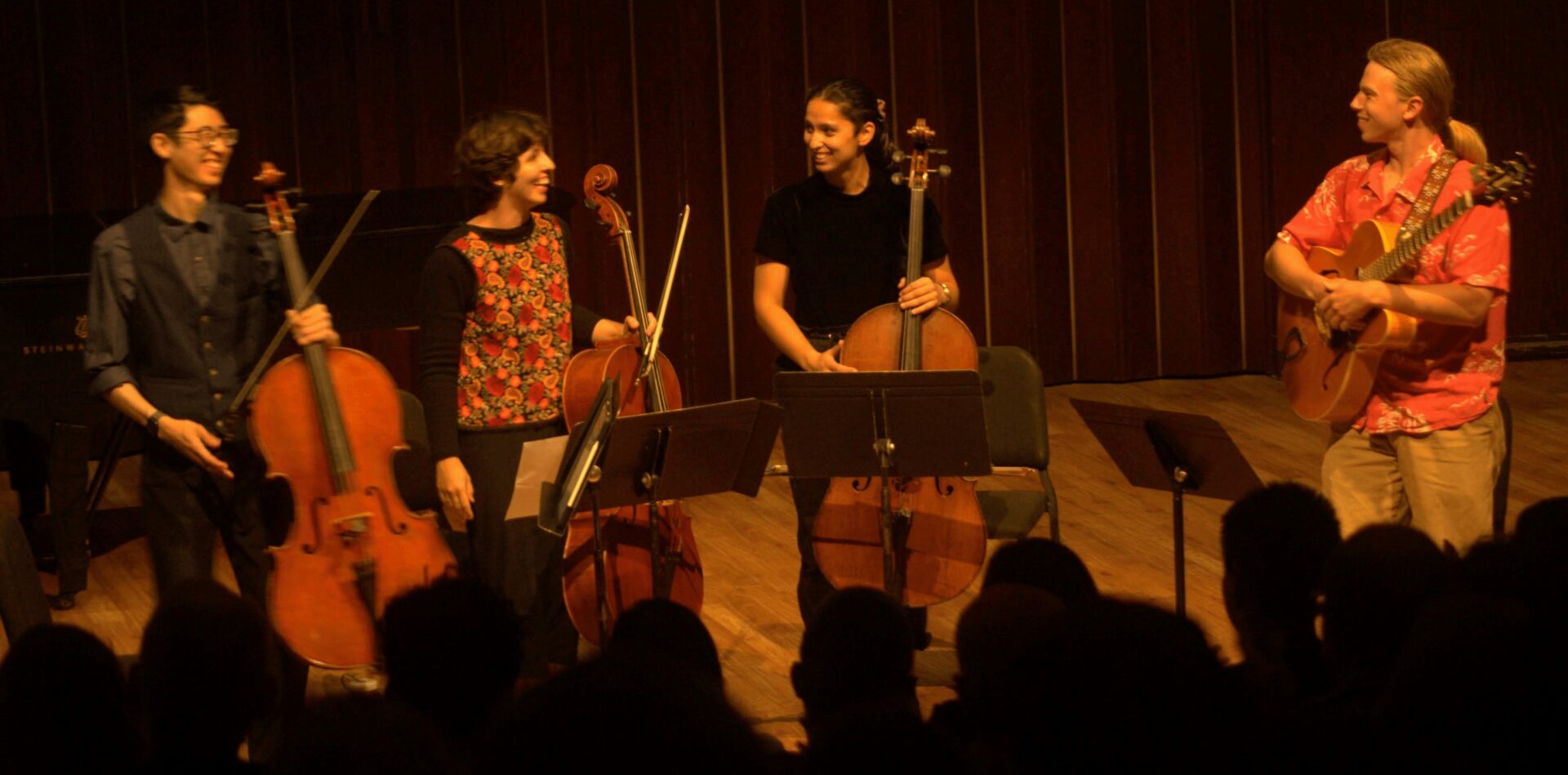
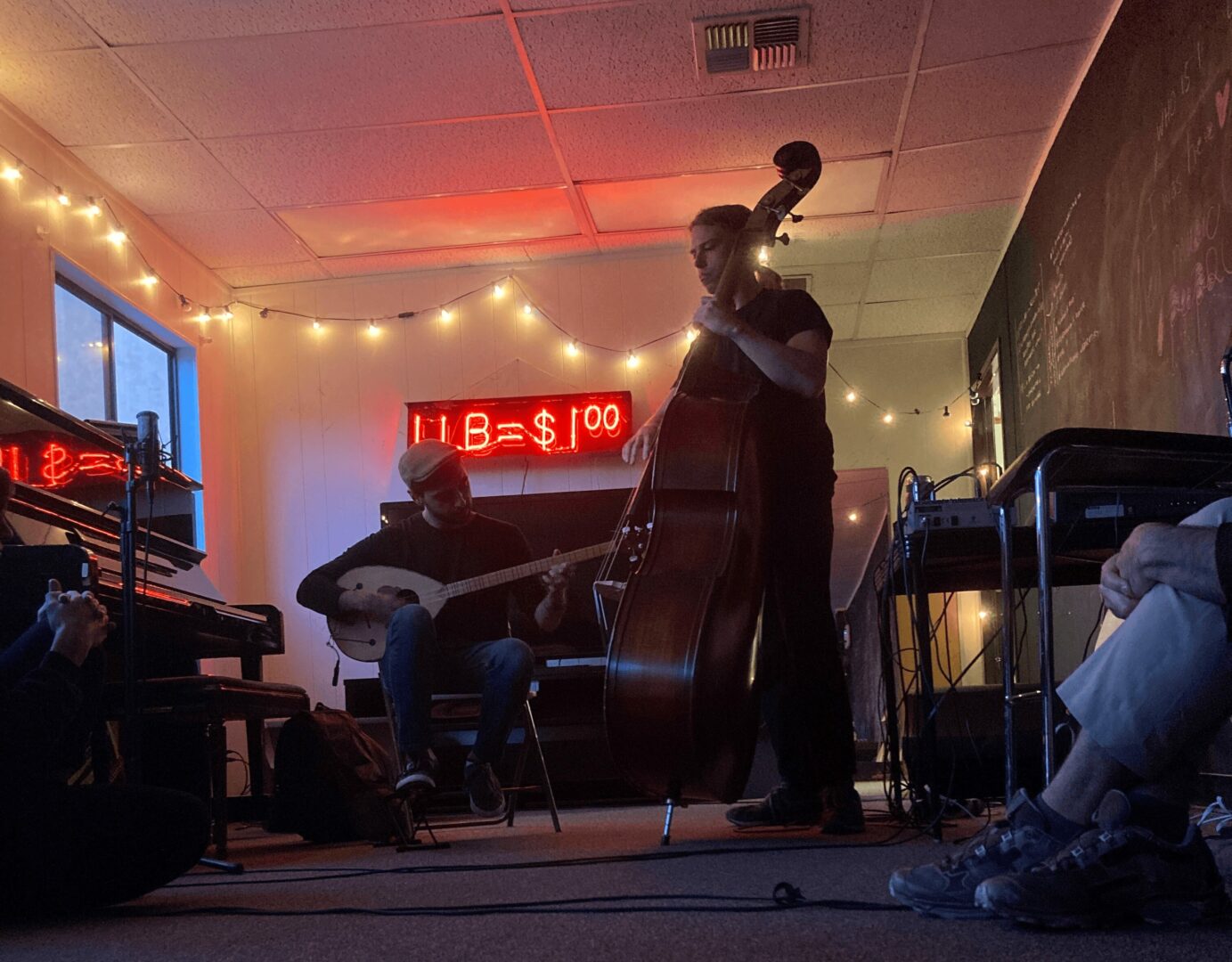
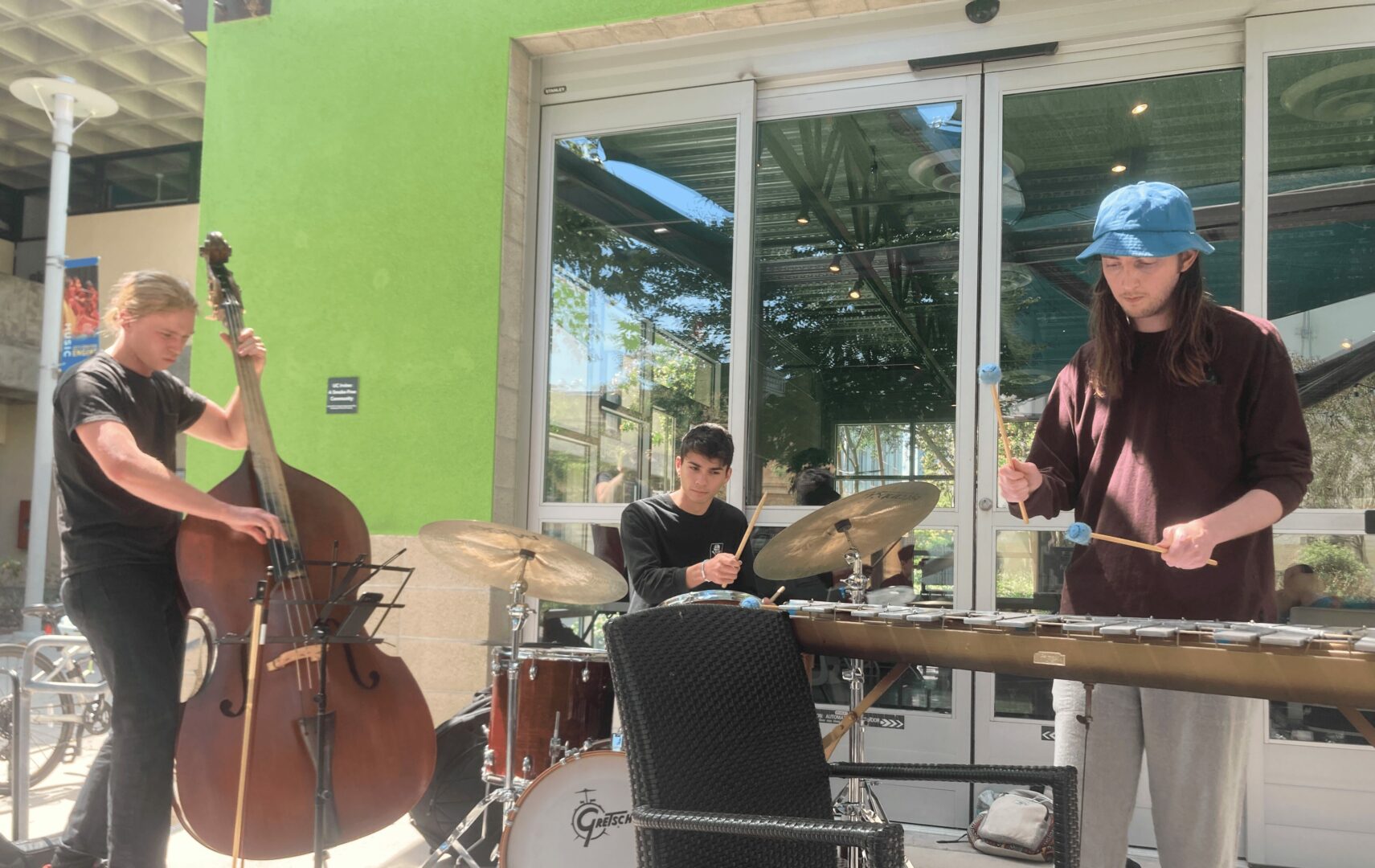
The most important thing that I’d like to broadcast is the Jazz scene around University of California, Irvine. I was studying there from 2020 to 2022 and I still live near by, so it has been a place for me to help build up the community. We do an open Jazz jam every other week on Friday at 11am- Its outside, open for anyone to take part in, and a safe space for people to learn and try out new things. Plenty of people also come just to chill or do work on the grass. There’s also a club run by current students called Jazz Co-Lab that I really enjoy playing with. They do collaborative improv between music and dance where the dancers and musicians get to learn from each-other and experiment.
Also, for cello and viola students, I wrote a book last year about how classical strings players can play in a jam session. It teaches how to understand chord progressions and groove, and it’s available on my website for free! (donations welcome)
Looking back, what do you think were the three qualities, skills, or areas of knowledge that were most impactful in your journey? What advice do you have for folks who are early in their journey in terms of how they can best develop or improve on these?
The most important and underrated skill I know of is the ability to make yourself care about things. I’ve failed at enough things to learn that we as humans aren’t meant to do things we don’t want to, and that we don’t want to do things we don’t care about. Whether its connecting it to what you already care about or changing your relationship to the thing, caring about the thing you’re trying to do will save you from much strife.
Sort of trailing off of that idea is to learn all the time. I hated school learning because that system didn’t give me reasons to care about what I was supposed to be learning, it just told me that the kind of person I was depended on my ability to do the work. We have to remove ourselves from other peoples decisions about what capitalism deems important and devote ourselves to developing the ideas that we as people think are important.
Lastly, learn to love chaos. Stuff happens. We do all that we can, but nothing is really fully in our control. It can be hard to relinquish control, but I think that once you do, its easier to accept things that we don’t want to happen. That gives me peace.
Any advice for folks feeling overwhelmed?
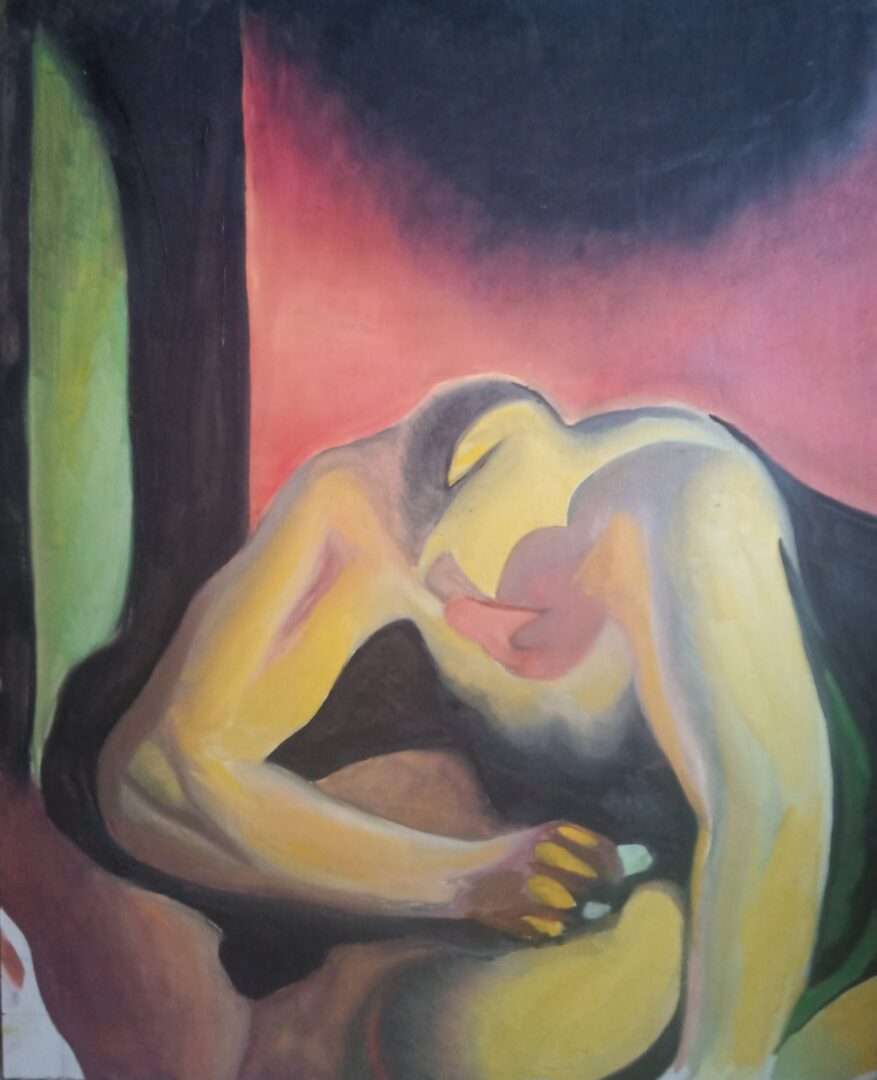
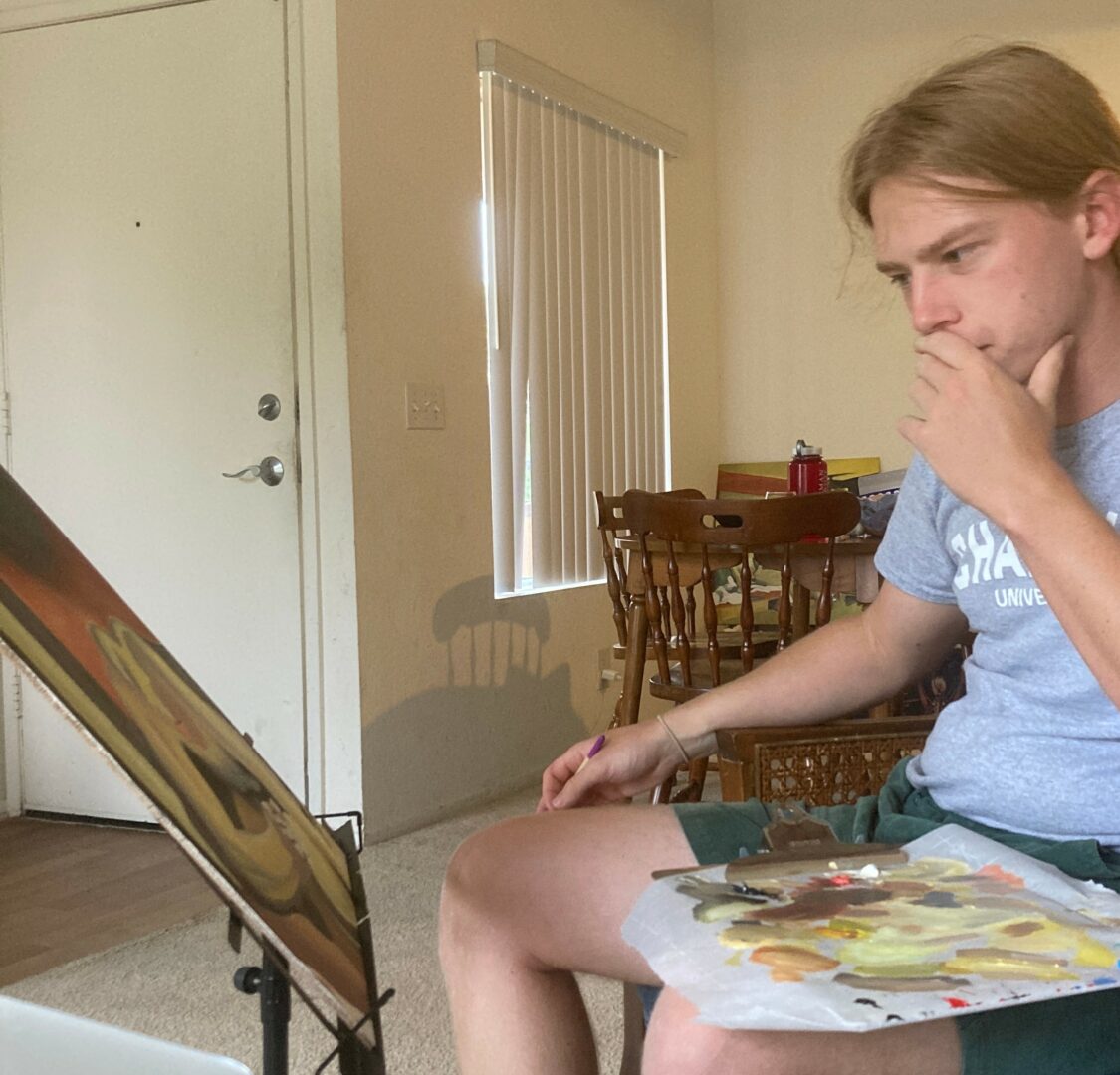
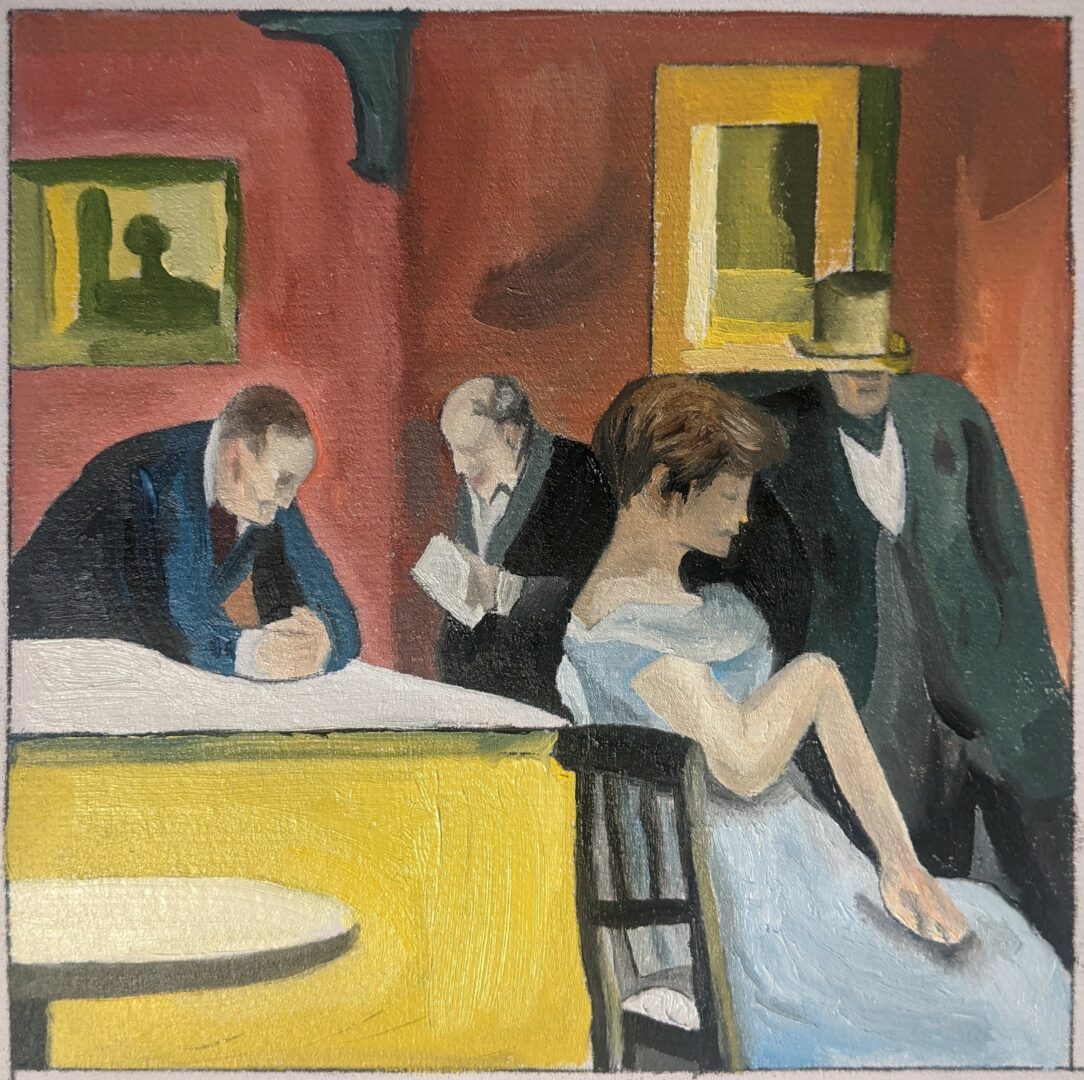
I go back to art as a form of therapy! In the past couple years I’ve gotten into painting, and my favorite thing about it is getting hyper-focused in a way that feels very meditative. I’ll spend like 10 minutes making a single line, mess it up, and try again. I stare at the same thing for so long the whole picture becomes gibberish. I’ve never been more relaxed. In the past I had a similar feeling with writing and playing slow, droning, repetitive music for long periods of time. Get into synthesizers!
Contact Info:
- Website: https://pepke.site
- Instagram: soupimprov
- Youtube: soupimprov
so if you or someone you know deserves recognition please let us know here.