Alright – so today we’ve got the honor of introducing you to Yukang Tao. We think you’ll enjoy our conversation, we’ve shared it below.
Yukang, so excited to have you with us today. So much we can chat about, but one of the questions we are most interested in is how you have managed to keep your creativity alive.
I keep my creativity alive by immersing myself in old cult films and theoretical books, which often introduce me to unique perspectives and inspire new ideas. These films, with their unconventional storytelling and vivid imagery, ignite my imagination, while the theoretical texts challenge my understanding of art, technology, and human experience. Additionally, I make it a point to lie down and space out, allowing my mind to wander freely. This practice of mental relaxation helps me to disconnect from the everyday and open up space for new, unstructured ideas to emerge. These activities together nourish my creative process, allowing me to stay curious, inspired, and ready to explore uncharted territories in my work.
Appreciate the insights and wisdom. Before we dig deeper and ask you about the skills that matter and more, maybe you can tell our readers about yourself?
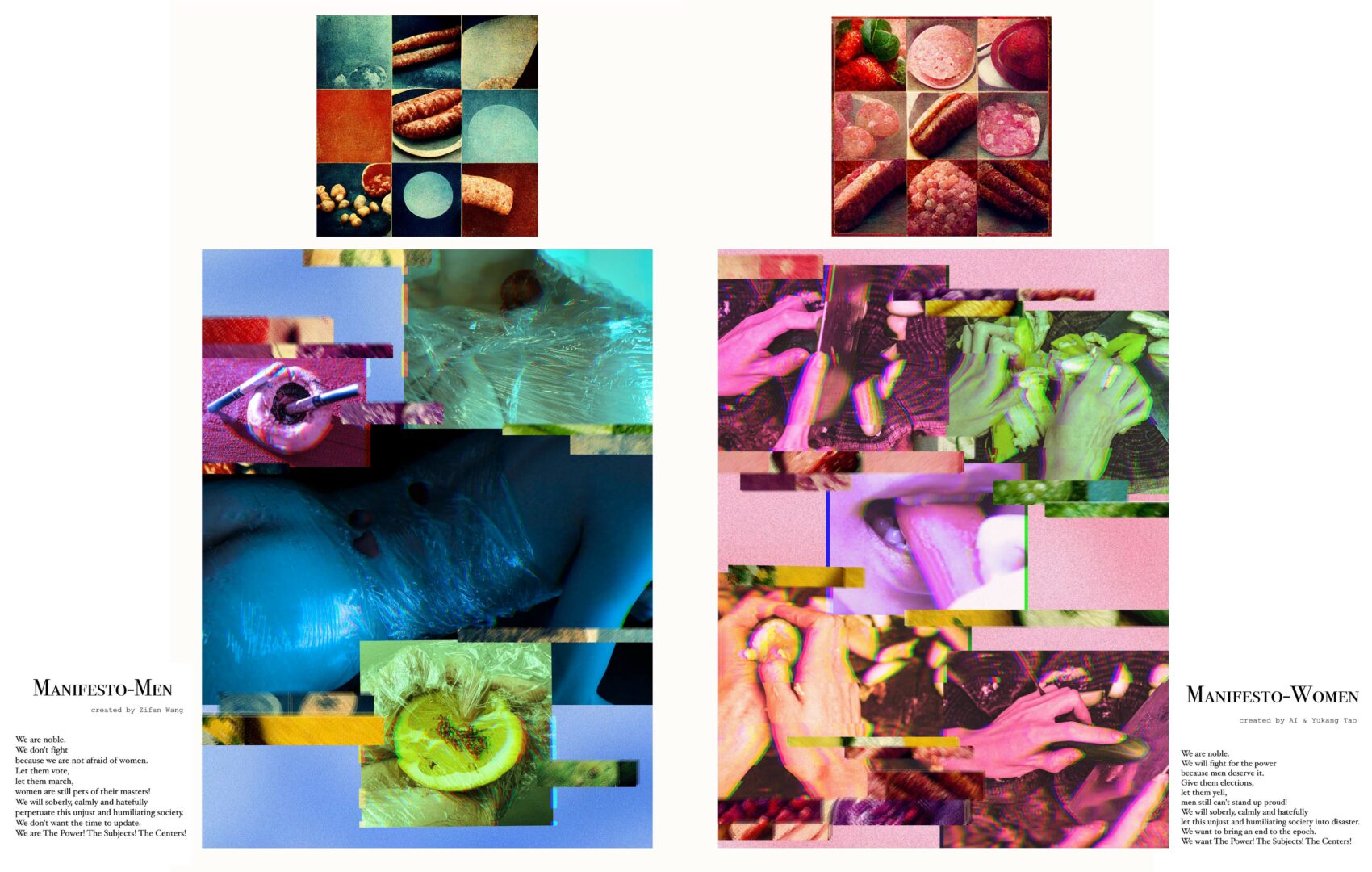
As an interdisciplinary artist working across electronic arts, animation, video, and performance, my practice explores the intersection of technology, humanity, and animality. My work often engages with themes of surveillance, self-absorption, and the ways in which media shapes our perceptions of identity and power. By blending data-driven aesthetics with deeply personal narratives, I strive to create immersive experiences that challenge conventional boundaries between the organic and the artificial.
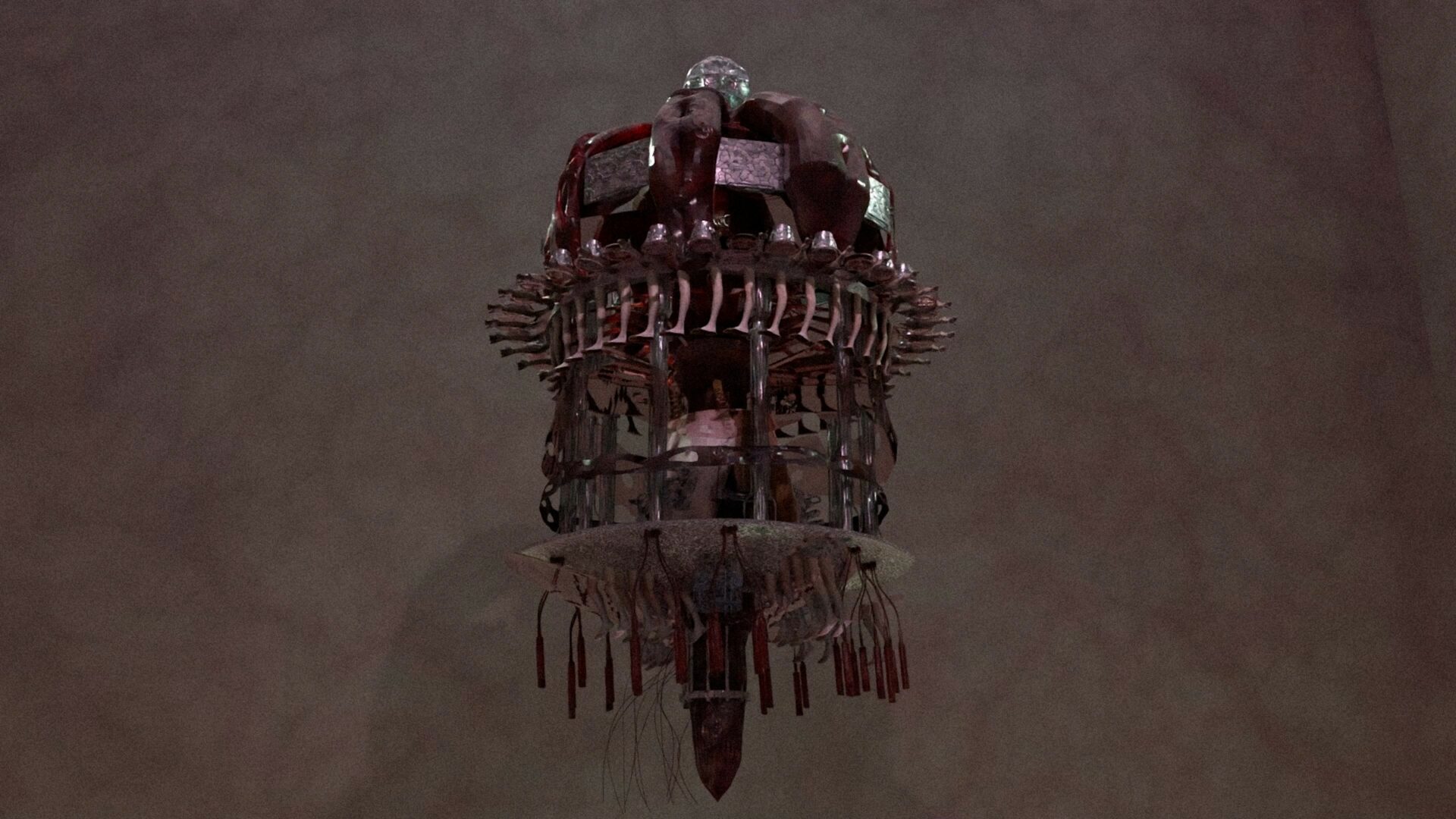
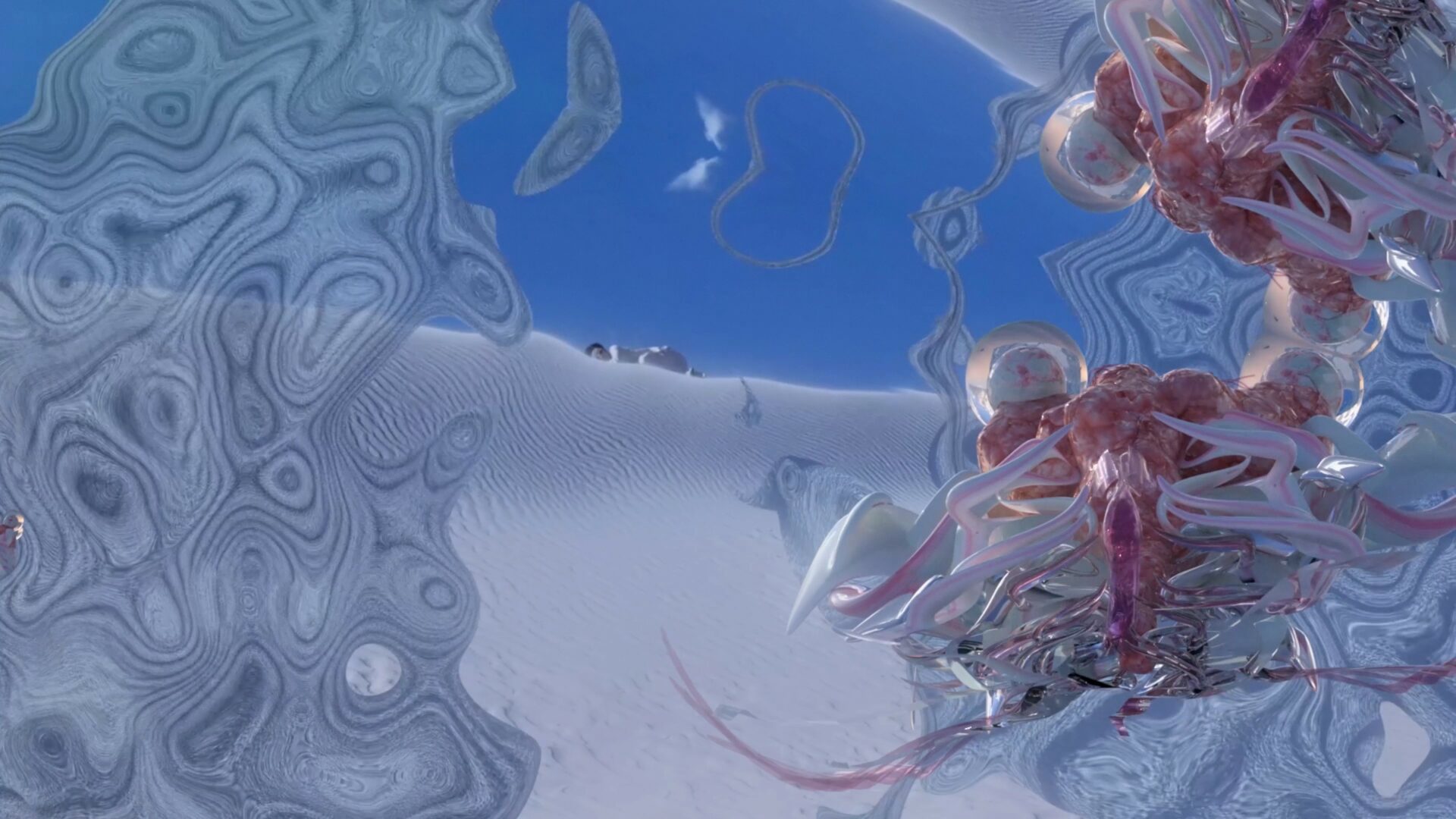
What excites me most about my work is its ability to serve as a bridge between rational systems, such as AI, digital simulations, and algorithmic processes and deeply human, often unquantifiable emotions. I am particularly fascinated by the contradictions that arise when non-organic technology is used to interpret complex sensations, relationships, and ethical dilemmas. This duality is central to my latest project, Annihilation, which examines the commodification of life and ethical consumption through a speculative, posthuman lens. Through digital simulations, performance art, and sculptural installations, I reimagine the slaughterhouse as a site where bodies, both human and non-human, are reconstructed, fragmented, and questioned.
There is so much advice out there about all the different skills and qualities folks need to develop in order to succeed in today’s highly competitive environment and often it can feel overwhelming. So, if we had to break it down to just the three that matter most, which three skills or qualities would you focus on?
Three key qualities that have been most impactful in my journey as an artist are adaptability, interdisciplinary thinking, and critical engagement with technology.
Thanks so much for sharing all these insights with us today. Before we go, is there a book that’s played in important role in your development?
The most influential books in my development has been Michel Foucault’s Discipline and Punish and The History of Sexuality. His examination of power structures, surveillance, and the regulation of bodies has profoundly shaped my understanding of identity, control, and agency, core themes in my artistic practice.
Contact Info:
- Website: https://www.yukangtao.com
- Instagram: https://www.instagram.com/kanokano.tao/
so if you or someone you know deserves recognition please let us know here.