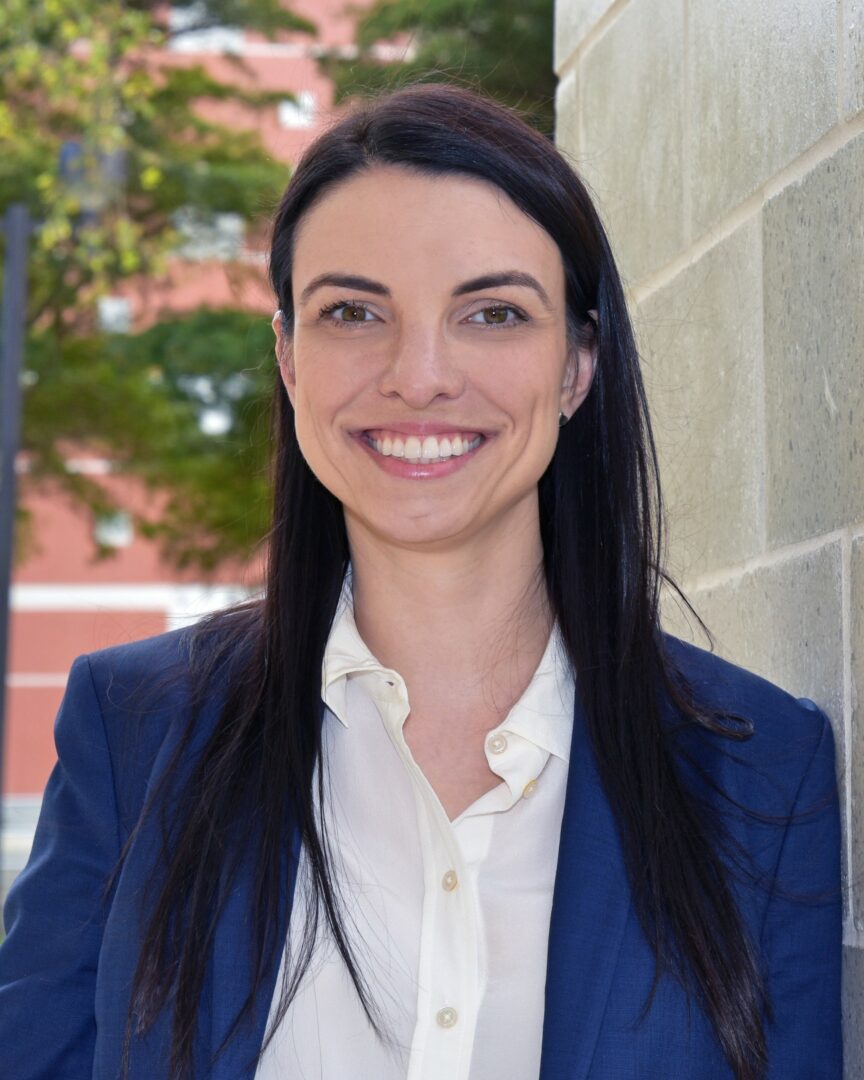
We’re excited to introduce you to the always interesting and insightful Vassilia Binensztok, Phd. We hope you’ll enjoy our conversation with Vassilia below.
Hi Vassilia, thanks for sharing your insights with our community today. Part of your success, no doubt, is due to your work ethic and so we’d love if you could open up about where you got your work ethic from?
I think my work ethic is innate, but it’s deeply fueled by my passion for what I do. I’ve always been someone who’s driven by curiosity and creativity, constantly coming up with new ideas for business, therapy approaches, or creative projects. When people talk about FOMO—fear of missing out—they usually mean missing social events, but for me, it’s about not wanting to miss out on opportunities to create, build, and contribute to something meaningful.
I genuinely feel a sense of urgency when it comes to making an impact. If I have an idea that I believe could help someone—whether it’s a new program, a business initiative, or even something I could write—I feel a deep pull to see it through. I don’t want to leave valuable ideas on the table. That’s what keeps me pushing forward, even when it requires long hours, sacrifices, or stepping outside of my comfort zone.
I also believe that when you’re passionate about something, work doesn’t always feel like work. Of course, there are challenges and exhausting days, but at the core of it, I want to be doing this. The idea of not giving my best effort, of not exploring an opportunity that could make a difference, feels like a bigger loss than the effort it takes to pursue it.
That being said, I’ve had to learn balance. Having an innate drive is great, but I also recognize that burnout is real. I’ve learned to be more intentional about where I focus my energy and to prioritize the projects that align most with my values and long-term vision. But at my core, I’m someone who thrives on momentum, and I’m always looking for ways to contribute, grow, and help others through my work.

Let’s take a small detour – maybe you can share a bit about yourself before we dive back into some of the other questions we had for you?
I own a group psychotherapy practice called Juno Counseling and Wellness. We serve individual adults, teens, kids, couples, and families. Something that’s really unique about our practice is our holistic focus. We offer an intervention called the Safe and Sound Protocol. This is a tool that uses specially filtered music to send signals of safety to the brain and get people out of chronic fight/flight modes. We also offer an amazing sensory room for neurodivergent clients, that uses fiber optic light features in a dark room, sensory seating, textured wall panels, and more to help our clients relax and focus. Finally, we are working to integrate nutrition consultations with our somatic interventions for a whole body approach to mental health.

If you had to pick three qualities that are most important to develop, which three would you say matter most?
Looking back on my journey, three skills have been absolutely essential: believing in myself, being able to put myself out there, and stepping into a leadership role.
First, learning to believe in myself was crucial. When you’re starting out, especially in a field like psychotherapy, imposter syndrome can be loud. I had to remind myself that my passion, training, and dedication were enough—that I was enough. One thing that helped was surrounding myself with mentors and colleagues who reinforced my strengths and encouraged me to trust my intuition. For anyone struggling with self-doubt, my advice is to keep showing up. Confidence isn’t something you magically gain; it’s something you build through experience and action.
Second, I had to learn how to put myself out there. This was especially important when launching my business. It’s one thing to be a great therapist; it’s another to make sure people know who you are and what you offer. Marketing, networking, and having conversations about my work felt intimidating at first, but I realized that visibility wasn’t about self-promotion—it was about making connections and being of service. My advice? Start small but stay consistent.
Lastly, stepping into a leadership role was a major shift for me. Running a business means making decisions, setting a vision, and creating a space where others—whether clients or colleagues—feel supported. I had to move beyond just thinking like a therapist and start thinking like a leader. That meant developing confidence in my choices, learning to delegate, and staying aligned with my values even in tough moments. For anyone stepping into leadership, I’d say: embrace the discomfort. Growth happens when you take on responsibilities that stretch you.

As we end our chat, is there a book you can leave people with that’s been meaningful to you and your development?
A series of books that had a huge impact on me is the Lessons Learned collection from Harvard Business Review. These books focus on business, career, and leadership, and they became a lifeline for me when I was trying to navigate my own path.
I didn’t come from a family that set a strong career example. My father didn’t finish high school, and my mother dropped out of college. So, when I started my journey as a business owner, I had so many questions about career growth, leadership, and building something sustainable, but I didn’t have anyone to ask. I had to look elsewhere for guidance, and that’s when I found these books.
What I love about the Lessons Learned series is that it doesn’t just give theoretical advice—it shares real-world experiences from successful people across different industries. It was incredibly reassuring to read about leaders who had faced setbacks, questioned themselves, or made mistakes but still found ways to grow and succeed. Those stories helped me realize that I wasn’t alone in figuring things out and that there isn’t just one “right” way to build a career.
One of the biggest takeaways for me was learning how to approach challenges with resilience. Whether it was stepping into a leadership role, making tough business decisions, or just believing that I belonged in this space, these books gave me the confidence to trust my journey. They showed me that success isn’t about having everything figured out from the start—it’s about continuously learning, adapting, and pushing forward, even when things feel uncertain.
Contact Info:
- Website: https://www.junocounseling.com
- Instagram: dr.vassilia

so if you or someone you know deserves recognition please let us know here.