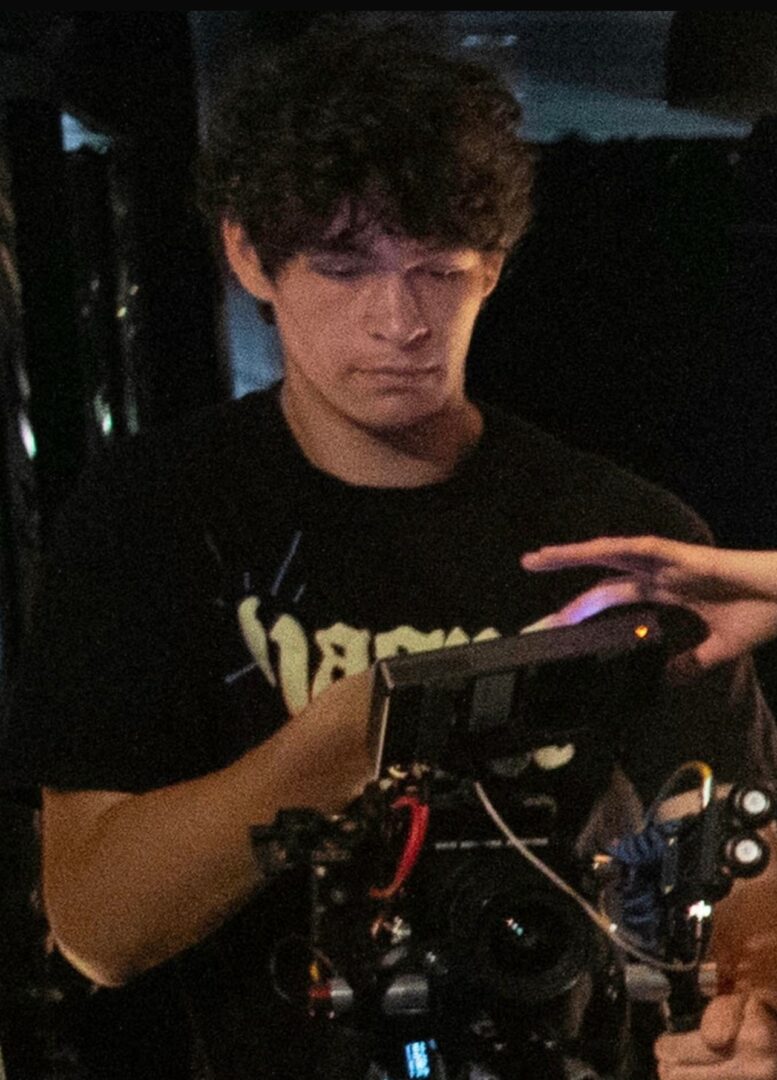
We were lucky to catch up with Tesher Rudnick recently and have shared our conversation below.
Tesher, so excited to have you with us today. So much we can chat about, but one of the questions we are most interested in is how you have managed to keep your creativity alive.
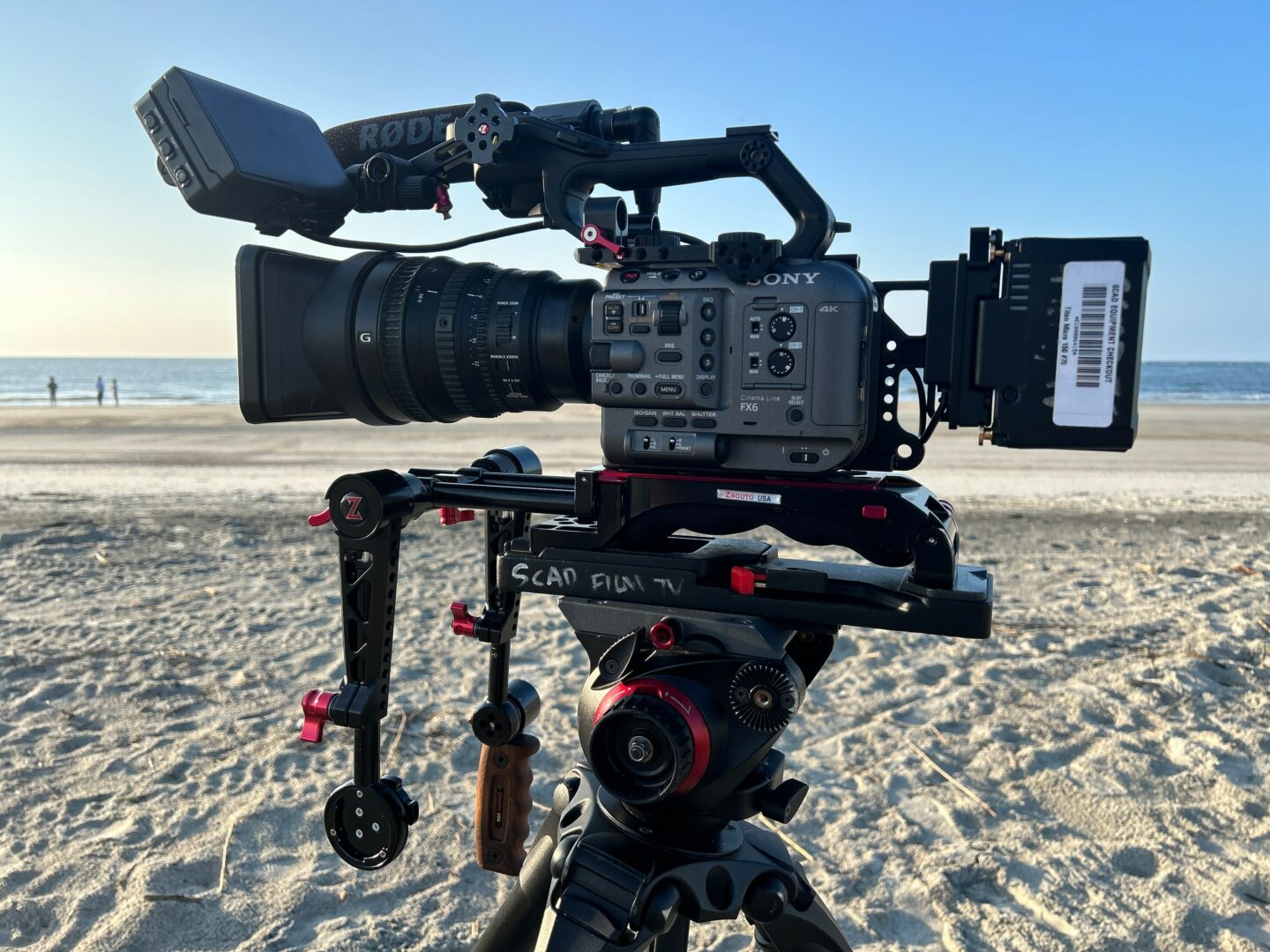
For me, keeping my creativity alive is done by always trying new things. Whether it be narrative or composition-wise, experimenting always helps. I’ve also started saying yes to more genres of projects that I haven’t done before. Just recently I wrapped shooting a Dark Comedy, something completely new for me. In the coming weeks I will be shooting a Family Drama, a Romantic film and a Crime Noir Thriller. Having variation in my projects definitely helps me come up with new ideas and keep me creative.
Great, so let’s take a few minutes and cover your story. What should folks know about you and what you do?
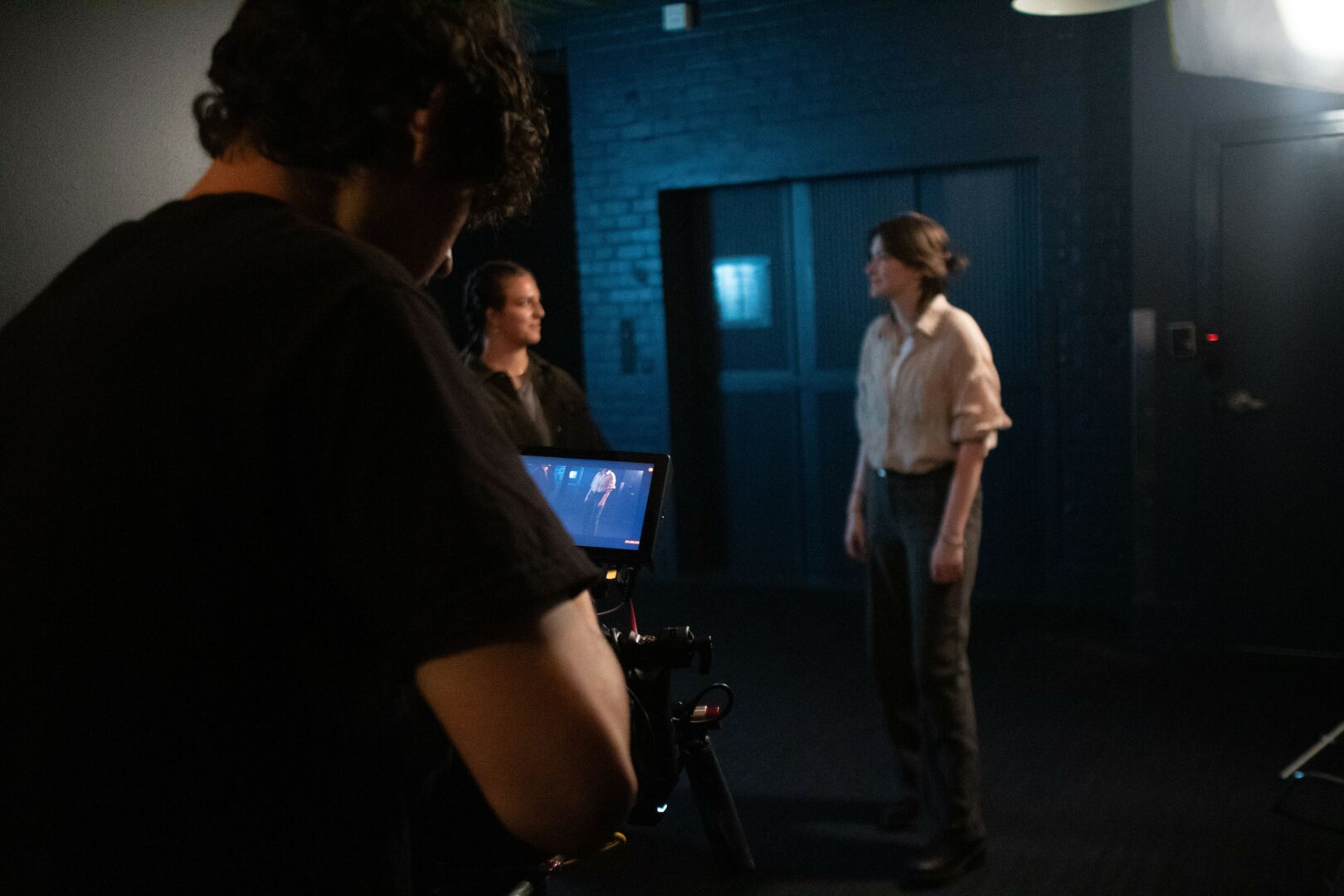
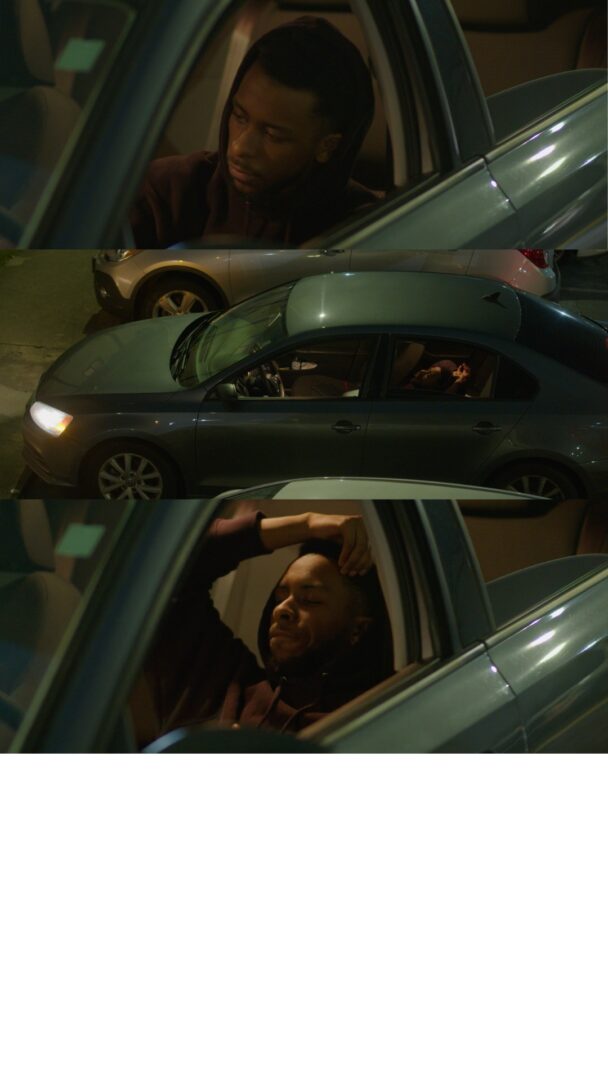
Growing up in another country, I gained a lot of perspective and respect for filmmaking as a whole. As an outsider, it was crazy for me to think that I could be the one helping make these movies. One thing that always stuck with me was how the movies looked. Coming to film school, I knew I wanted to creating these looks for interesting narratives. For those who ask what cinematography is, essentially it’s something emotionally moving to the eye. At its most complicated it’s a varying relationship between colors, strengths of lights, and composition. At its most simple, it something that looks cool, or beautiful. My philosophy is to use the tools and knowledge given to me to make a shot that feels right. Not every shot can be beautiful, simply because the subject matter calls for it to be imperfect. And that’s what I can do really well; Tailoring the cinematography to the films needs, even when it goes against traditional “principles”.
If you had to pick three qualities that are most important to develop, which three would you say matter most?
The first most impactful skill was resilience in finding opportunities. When you’re young and don’t have a strong portfolio, it’s hard to find Cinematography positions. The break comes when one Director is willing to give you a chance, then you can show what you’re made of. A second impactful skill is always being willing to listen and learn. Some of the best shots I’ve gotten have come from inputs from my Camera Operators and Directors who had ideas. It’s easy to be stuck up and believe what you say goes, but being open to collaboration will make you much better in your journey. One piece of advice I can give (Which ties into my first point) is to always be ready. When I was starting out, my first real opportunities came because of luck and a willingness to step in. A previous cinematographer might have had to drop last moment, or a director might have been left without a camera team. In both these scenarios you have to be ready to volunteer yourself and do the best you can. This is how you capitalize on opportunities.
What would you advise – going all in on your strengths or investing on areas where you aren’t as strong to be more well-rounded?
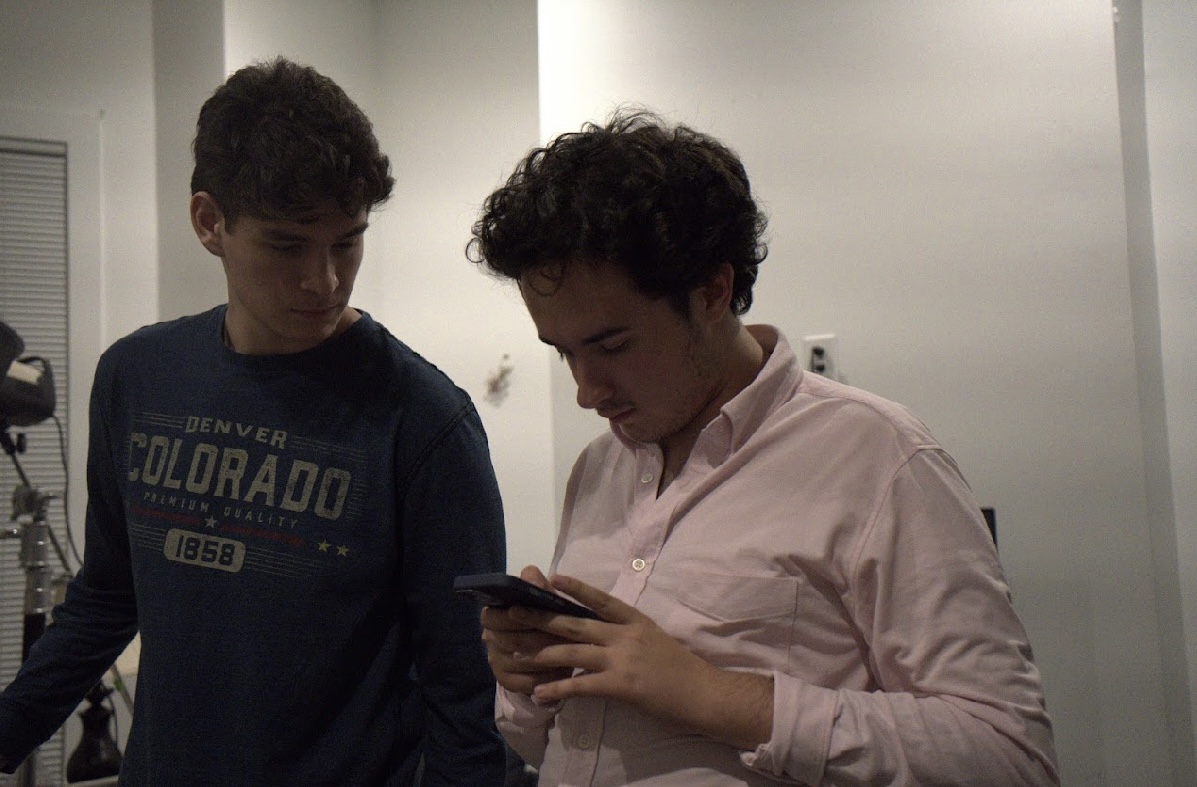
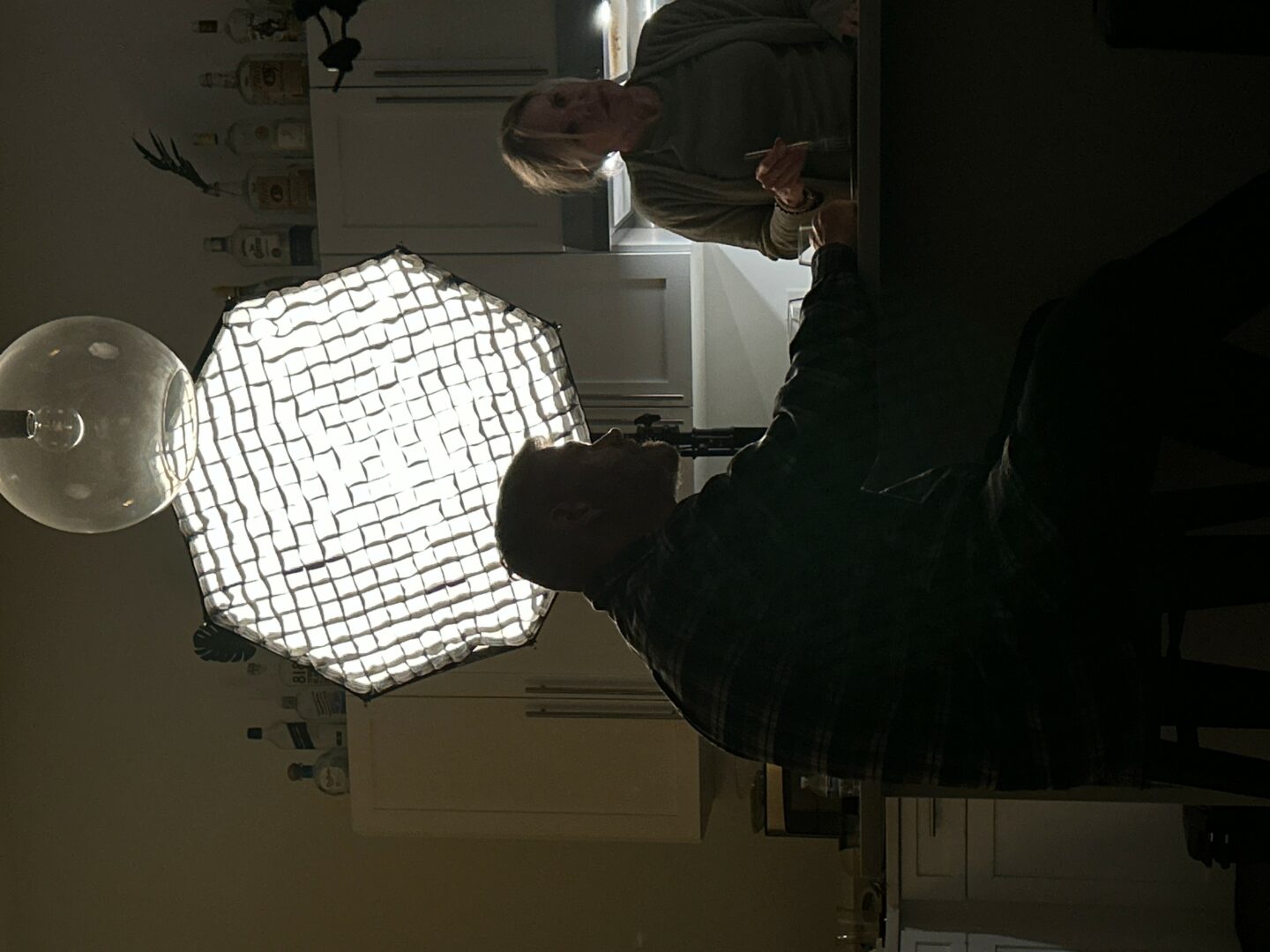
I think that in this line of work it is best to go all in on your strengths and surround yourself with people who have skills in other areas you need to improve in. Film is such a collaborative medium that it wouldn’t make sense to try and master absolutely everything on your own. One example is the Cinematographer-Gaffer relationship. The gaffer I choose to work with has a much better mechanical understanding that I do. This allows me to consult him on how we can get light in specific areas without it spilling everywhere. Another great example is the Cinematographer-Camera Operator relationship. The Camera Operator can show you exactly what is and isn’t possible and what does and doesn’t look good on camera. Having this support staff can help tremendously in making a great looking film.
Contact Info:
- Website: https://Teshermedia.org
- Instagram: Teshermedia
so if you or someone you know deserves recognition please let us know here.