Alright – so today we’ve got the honor of introducing you to Joan(ie) O’connor. We think you’ll enjoy our conversation, we’ve shared it below.
Joan(ie), we’re thrilled to have you on our platform and we think there is so much folks can learn from you and your story. Something that matters deeply to us is living a life and leading a career filled with purpose and so let’s start by chatting about how you found your purpose.
I was lucky to have the privilege of searching for my purpose because not everyone has the time and resources to chase aspirations. For many, life is about survival—dead-end jobs, systemic barriers, and financial stress can make the search for a ‘greater calling’ feel out of reach. But purpose isn’t always about a grand mission; sometimes, it exists in small moments—showing up for family, taking pride in a job well done, or simply being kind to people. After tackling three careers, those smaller moments are the most impactful and meaningful to me. But when I was young, my definition on meaning was different.
Growing up, I had a calling to tell stories, which I inherited from my maternal Grandmother. However, many of my stories and comic strip creations were dismissed by parents, teachers, and coaches. They were all well-meaning, but their influence and visions of who they thought I should be muddied my ability to identify what I wanted.
Once I broke free and went to college, I realized I didn’t know who I was. I went to therapy in college which helped me realize that real purpose only emerges when we quiet that noise and learn to listen to our inner voice. Sometimes, it’s clear; other times, it’s just about following what feels meaningful in the moment. When you can hear yourself clearly, you can begin shaping a path that aligns with your true desires rather than someone else’s blueprint for your life.
Eventually, I discovered my voice and began listening to my intuition, which has proven to be my most valuable life and business tool. When I moved to Los Angeles to pursue a career in storytelling, I learned that I had a dream but not a purpose. Storytelling and the entertainment industry are extensive career categories and I needed to get more specific about my goals and how they would bring meaning to me.
I also needed a job, so I took the first one offered to me – a film producer’s assistant. Although not my dream job, it was with a prominent producer through whom I met hundreds of interesting people. I made it a point to talk to everyone and ask about their job (people love talking about themselves). People wanted to help me but couldn’t because my goals were vague and undefined. After roughly four years of researching, questioning, exploring, I could clearly define how I wanted to make a meaningful impact.
My pivotal moment in getting on the right path to my purpose was landing a job with a TV production company. The producers were horrible, scary people who wanted me to do something extremely unethical regarding an A-list celebrity. I refused. I called the celebrity’s manager and told them I was about to be fired and why. My integrity impressed him and he asked, “Well what do you want to do?” Because I had done the hard personal work, I could tell him I wanted to produce and write for a television program that showcased stories about ‘real people’. He referred me to his ex-girlfriend, who worked at CBS. She arranged a meeting with the producers of ‘Rescue 911’, and the rest is history.
My purpose of telling compelling, true stories that inform, educate, or entertain has never changed, but the platform has.
Now, when I help individuals create their brand identity, I give them actionable ways to define and find their purpose. For example:
Listen to Your Voice: A great way to hear your inner voice is through meditation. But if meditation isn’t for you, try walks, long drives, journaling—any activity that helps you tune out external noise and focus inward. The goal is to create space for clarity.
Make a List of What Excites You: If money weren’t a factor, how would you spend your time? Skydiving? Traveling? Writing? Gardening? Identifying what sparks excitement can reveal important clues about your purpose.
Identify Your Passions About Humanity: What issues, causes, or values matter deeply to you? Are you passionate about helping others, sustainability, education, or innovation? Understanding what pulls at you can help shape your direction.
Identify Your Gifts: What are you naturally good at? What skills, talents, or strengths do people recognize in you? These are the unique tools you bring to the world. Write them down—your gifts are often the key to making an impact.
Define Your Personal Brand: How would you describe yourself? What values and skills do you bring to a job, a team, or a community? Think of this as your personal mission statement. This guidepost helps you make decisions and stay aligned with what truly matters to you. When repeated, your brand becomes identifiable.
Experiment & Take Action: Now that you have clarity, take small steps. You don’t have to commit fully to one thing right away. If you have multiple interests, explore them—talk to people in those fields, volunteer, take a class, or start a side project. Purpose often reveals itself through doing, not just thinking.
Embrace Serendipity: Your purpose isn’t always something you chase—sometimes, it finds you. Be open to new opportunities, unexpected detours, and the subtle ways life nudges you in the right direction. The universe has a way of guiding you if you let it. Don’t fight it—be curious, explore, and trust that every experience shapes you in ways you may not fully see. Most importantly, enjoy the journey because once you find your purpose, you may begin looking for another.
Appreciate the insights and wisdom. Before we dig deeper and ask you about the skills that matter and more, maybe you can tell our readers about yourself?
I created my branding business, Spotlight Monkey, to help individuals and companies connect with their audience. Relationships are the currency of any brand; without a compelling story, a brand has no way to foster them. So many companies struggle to humanize their identity, and that’s where I come in.
Storytelling is a buzzword in branding, but few realize why a strong narrative is essential. It’s a matter of life and death for a brand. You become irrelevant if you don’t engage and connect with your audience. You might be hot now, but what’s your long-term game plan? Brands that fail to build a community don’t just lose customers—they disappear.
What differentiates me from other branding professionals is that I work one-on-one with my clients. I ask the right questions, challenge the status quo, and uncover the gems that others often overlook. If a PR or branding company isn’t pushing you beyond the obvious, you should find someone who does. My job isn’t simply catering to what you think you want—it’s to bring my expertise, challenge assumptions, and guide you to success.
Imagine a person is a brand. When you first meet someone, you can’t immediately see all the qualities that make them unique—their values, passions, mission, talents, and heart. My job is to uncover and bring those deeper layers to the surface, so people instantly recognize their essence and want to connect. The same applies to companies—branding isn’t just about logos and slogans; it’s about making sure the world sees and feels what makes you stand out and creating a brand story that emotionally connects with your audience. Take Subaru, for example—they have brilliant story branding. Yes, they sell cars, but their brand is more significant than that. They tell stories that align with their audience’s values—family, adventure, safety, sustainability, and social good. Their commercials aren’t about horsepower or gas mileage; they’re about shared experiences—a dog-loving family, a road trip that changes lives, a car that keeps people safe.
That emotional connection is what builds a loyal community. Subaru isn’t just selling vehicles; they foster a sense of belonging among like-minded people. That’s the power of storytelling in branding—when done right, it doesn’t just create customers; it creates brand advocates.
And that’s what I do for my clients. I don’t just help brands ‘tell an Anout Us story.’ I help them create a movement that makes their audience feel, connect, and stay.
Looking back, what do you think were the three qualities, skills, or areas of knowledge that were most impactful in your journey? What advice do you have for folks who are early in their journey in terms of how they can best develop or improve on these?
I have so many qualities, skills, and areas of knowledge that were most impactful in my journey, but I’ve narrowed it down for ease.
1. Survival of the Friendliest (Not the Fittest)
I once read that in business and life, survival of the friendliest is more important than survival of the fittest. I learned this firsthand working in Hollywood, where plenty of incompetent people end up at the top—not because they’re the best, but because people like them and want to work with them.
Remember: You’re the hero in your life’s brand story, and how you make people feel matters. If you make them feel good, they’ll want you around. The best way to do this? Be authentic and kind. Avoid gossip—it always gets back to people (vent to your partner or friends at home instead). And be loyal—not necessarily to a company, but to your values and integrity. Loyalty and honesty will always set you apart.
How to develop this skill: Be intentional about how you show up in every interaction. Treat kindness and professionalism as part of your personal brand. Build strong relationships by supporting others, and you’ll find that opportunities naturally come your way. Also, I always brought a tremendous sense of play into my work environment. It’s essential to have fun when appropriate. Bring your inner child to work daily and people will want you to play in their sandbox.
2. Curiosity is the Gateway to Success
My friend Paul nicknamed me Curious because I was always saying, “I’m curious…” and then figuring out how to find the answer. That curiosity has been a driving force in my career. You become boring and irrelevant once you stop learning, evolving, and asking questions. The world moves fast, and staying curious is how you keep up.
How to develop this skill: Never assume you know everything. Ask questions (and it’s okay to tell people you don’t know—it’s a sign of strength). I was once assigned to interview celebrities at a Red Carpet event and had no idea how I was supposed to do it, so I sought out the help of a seasoned veteran and was honest about my inexperience. She liked me and helped me. People want to help! Read. Watch. Listen. Follow your curiosity wherever it leads—the most successful people are lifelong learners.
3. Learn How to Do Everything Related to Your Career
The best leaders deeply understand every aspect of their industry. In my career, I learned the basics of every role related to mine as I worked my way up the ladder. I can’t tell you how many editors used to test me, pretending to make a one-second trim, and then asking, “How’s that?” Because I knew the basics, I always caught it—and earned their respect.
How to develop this skill: Be proactive. Learn the skills that support your role, even if they aren’t technically your job. As you move up, it will make you more capable, respected, and valuable. You can’t manage the big picture without understanding the pieces that build it.
Bonus: Find a Gen X Mentor
Young professionals should seek mentors from Gen X. Why? They can teach you what employers value—things like professionalism, reliability, and resourcefulness. Like it or not, millennials and Gen Z are often perceived as having a weak work ethic—job-hopping, overly casual attitudes, and lack of motivation.
Even if they aren’t in your industry, a good mentor can help you build discipline, resilience, and the skills to become the kind of employee people want to hire. Just make sure it’s not your parent; most importantly, listen to them.
To close, maybe we can chat about your parents and what they did that was particularly impactful for you?
The most impactful thing my parents did was create an environment where curiosity, resourcefulness, and resilience weren’t just encouraged—they were necessary. With both parents working, my siblings and I had a lot of space to manage— figuring out dinner, getting our homework done, and planning for college. Very little was handed to me, shaping how I navigate the world—through unconventional decisions and an openness to taking risks.
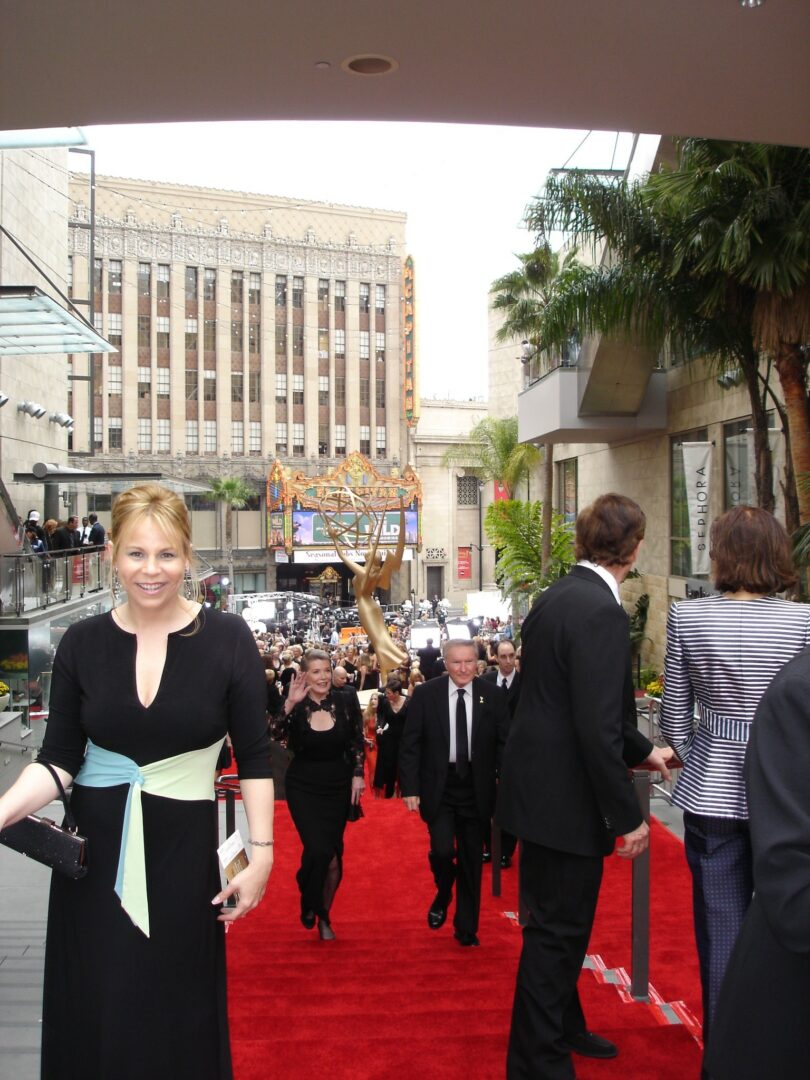
Because I had always been fearlessly in charge of my own direction, I made a bold choice after college: I moved to Los Angeles to pursue a television career—knowing no one and having no money. I told every interviewer that I wanted to tell stories about real people. At the time, reality TV wasn’t a big thing, and I was told to go work in TV news instead. So, I found different jobs as a film producer’s assistant. When the platform for non-fiction television emerged, I pivoted and built a career in it—eventually winning an Emmy.
The ability to pivot has never been more critical than today. I learned early on that reinvention is part of survival. Four years ago, a devastating life event forced me to shift careers and essentially rebrand myself. It wasn’t easy, but those early-developed skills—adaptability, self-reliance, and vision—became my foundation.
At first, I didn’t see how my background fit into the business world. I had no marketing degree, so I assumed I wouldn’t be considered. But then my mentor pointed out what I had been doing all along—developing, writing, and producing television that resonated with audiences, selling ideas and products through performance, creating content that connects—all of those are the core skills of branding.
That’s the power of resilience and adaptability. My parents didn’t hand me a roadmap. Instead, they gave me something better—the ability to create my own path, no matter how many times I had to start over.
Contact Info:
- Website: https://www.spotlight-monkey.com
- Linkedin: https://www.linkedin.com/in/joanoconnor6000
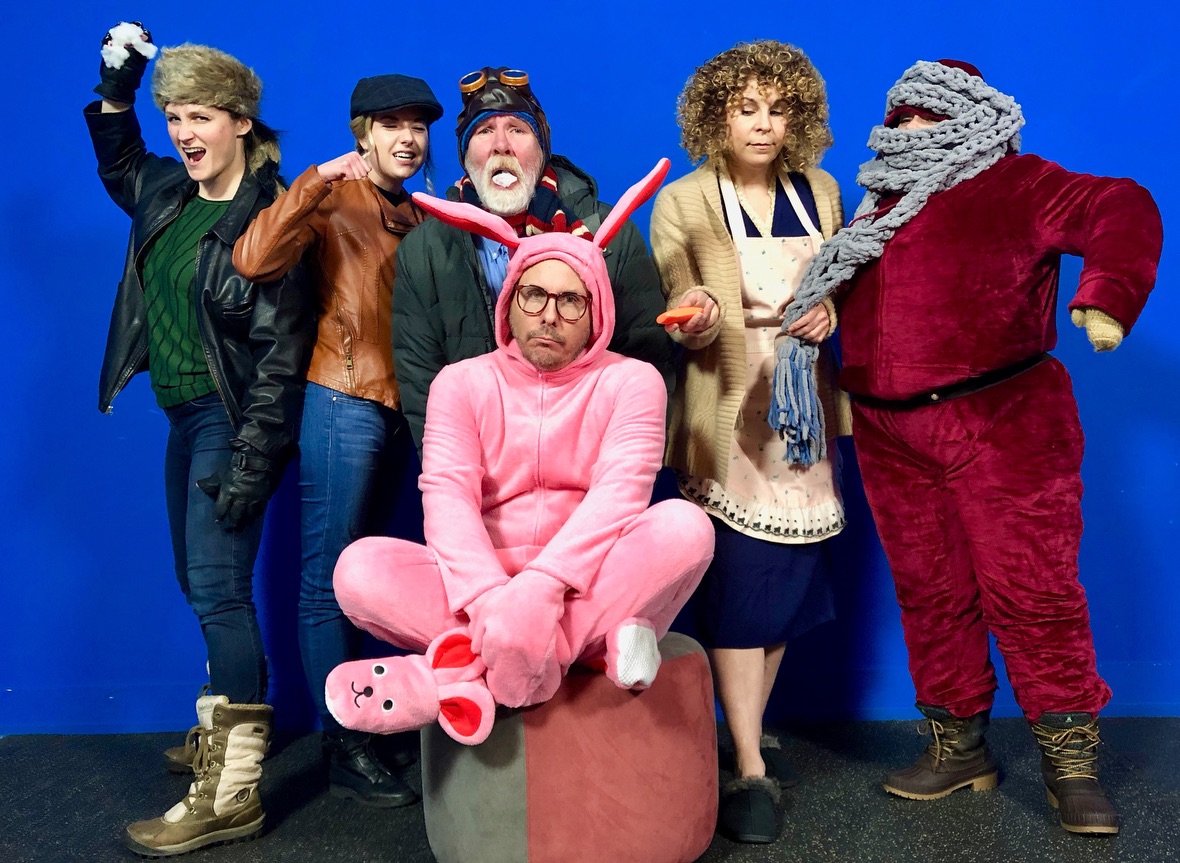
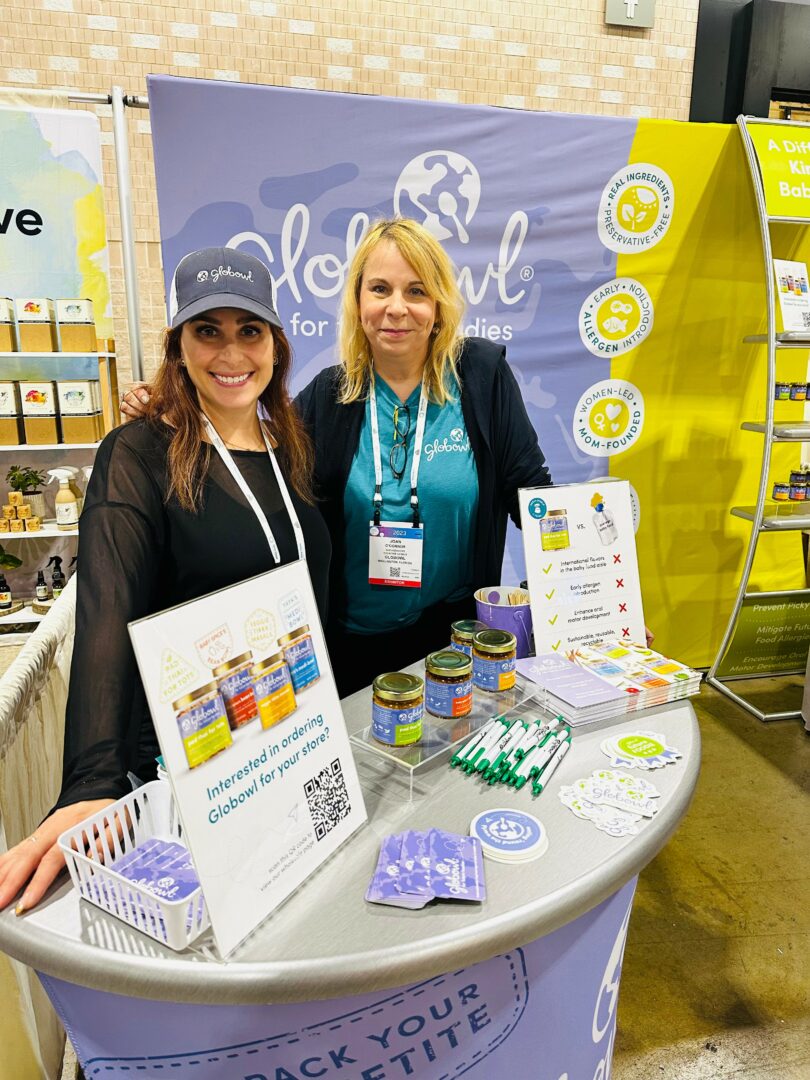
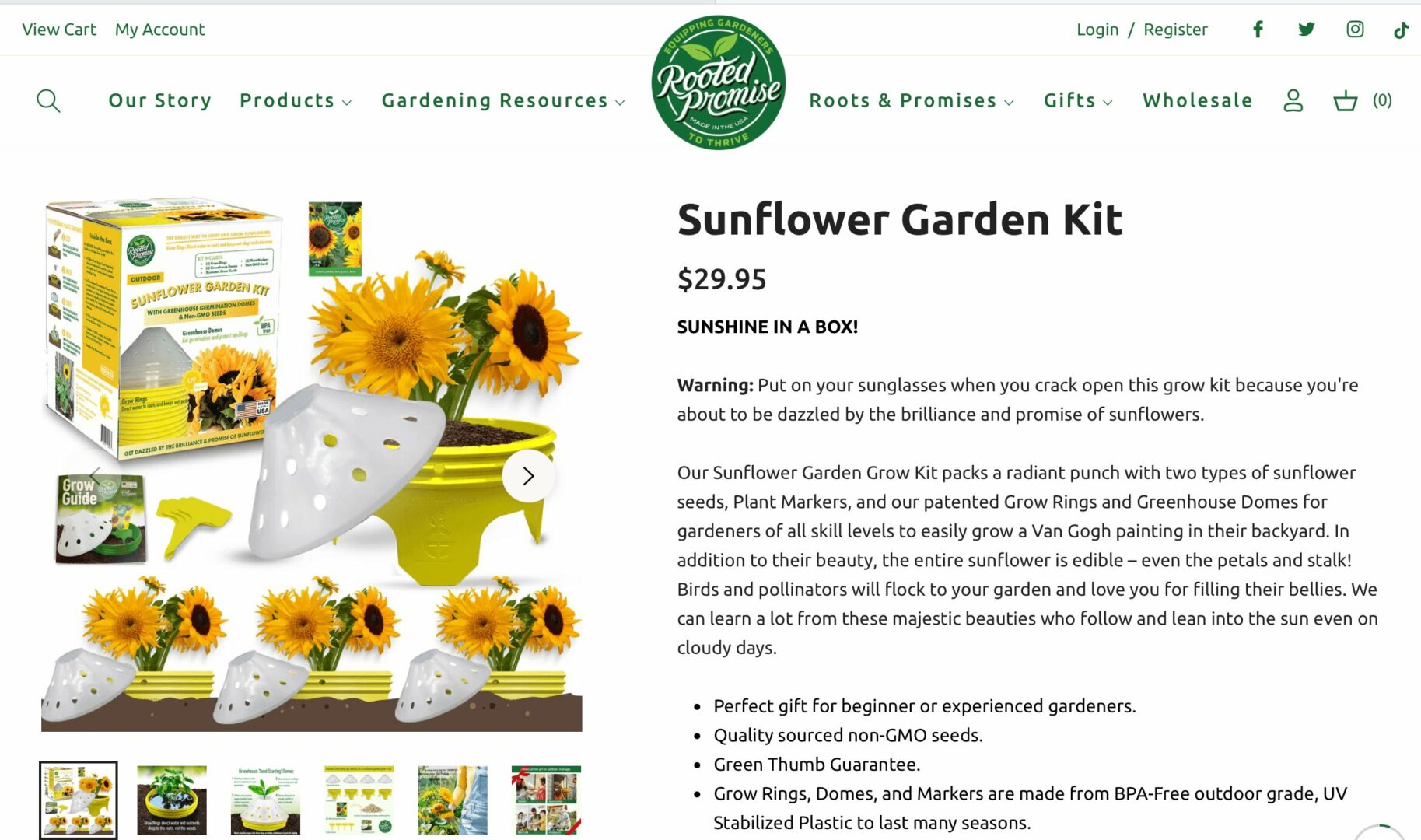
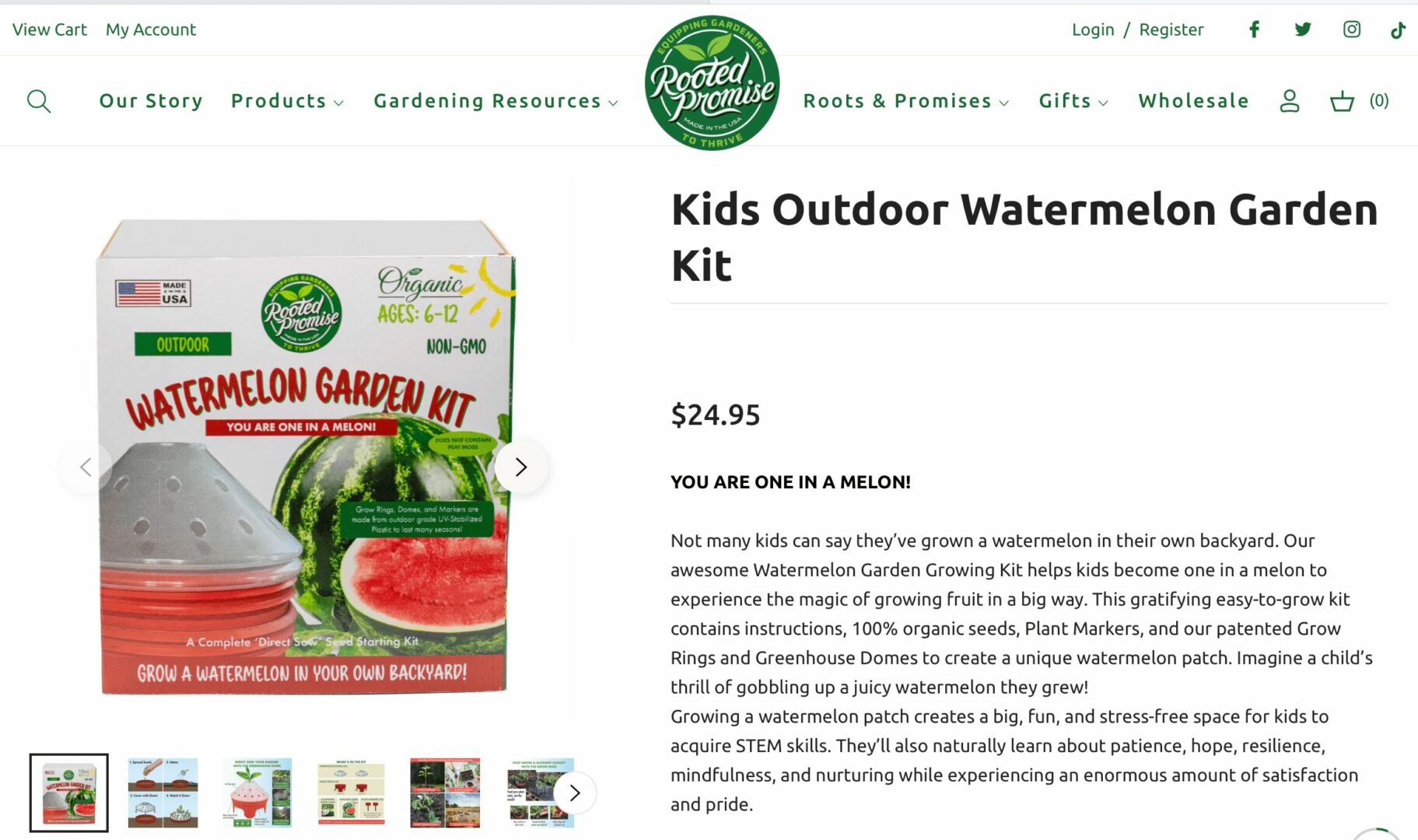
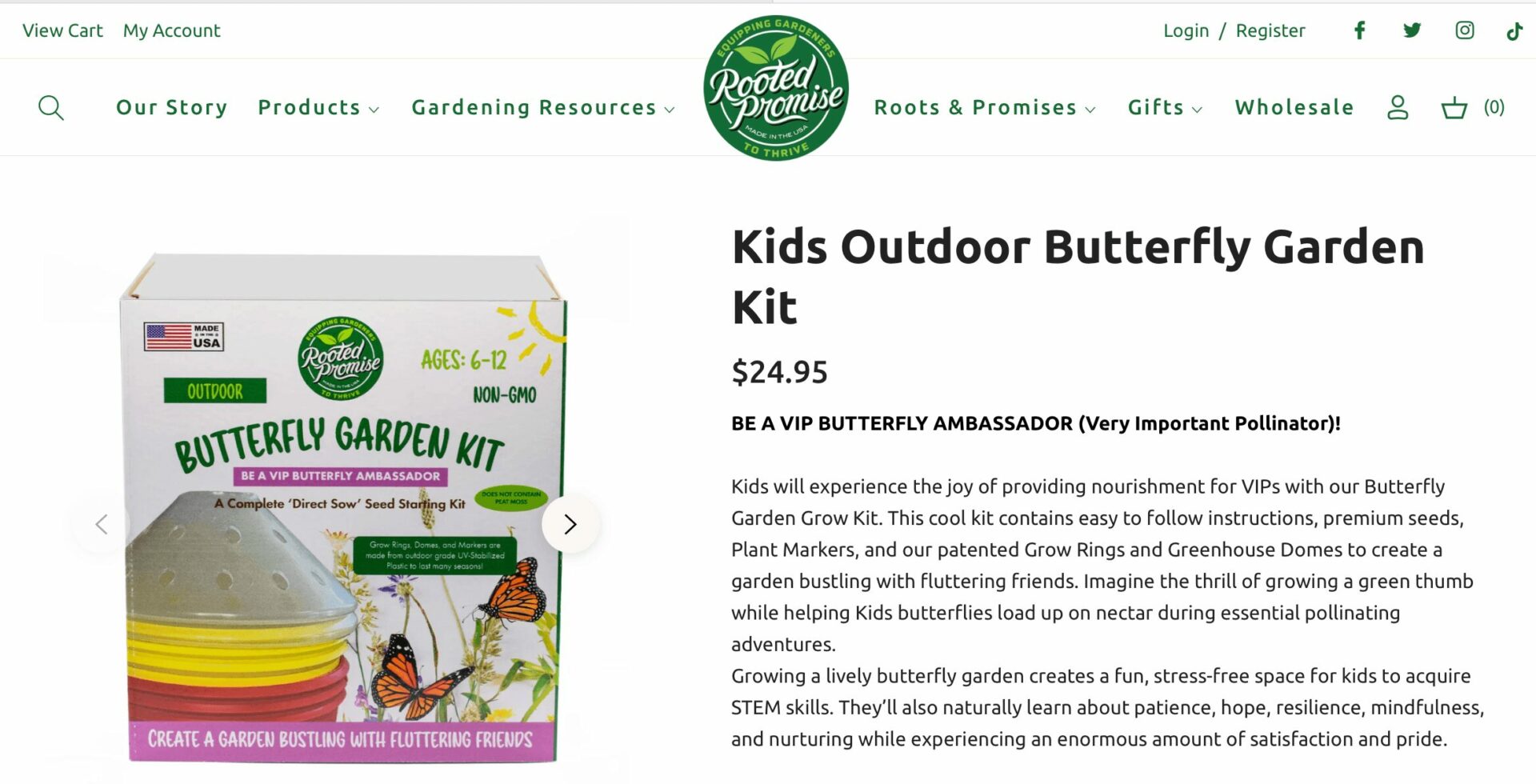
Image Credits
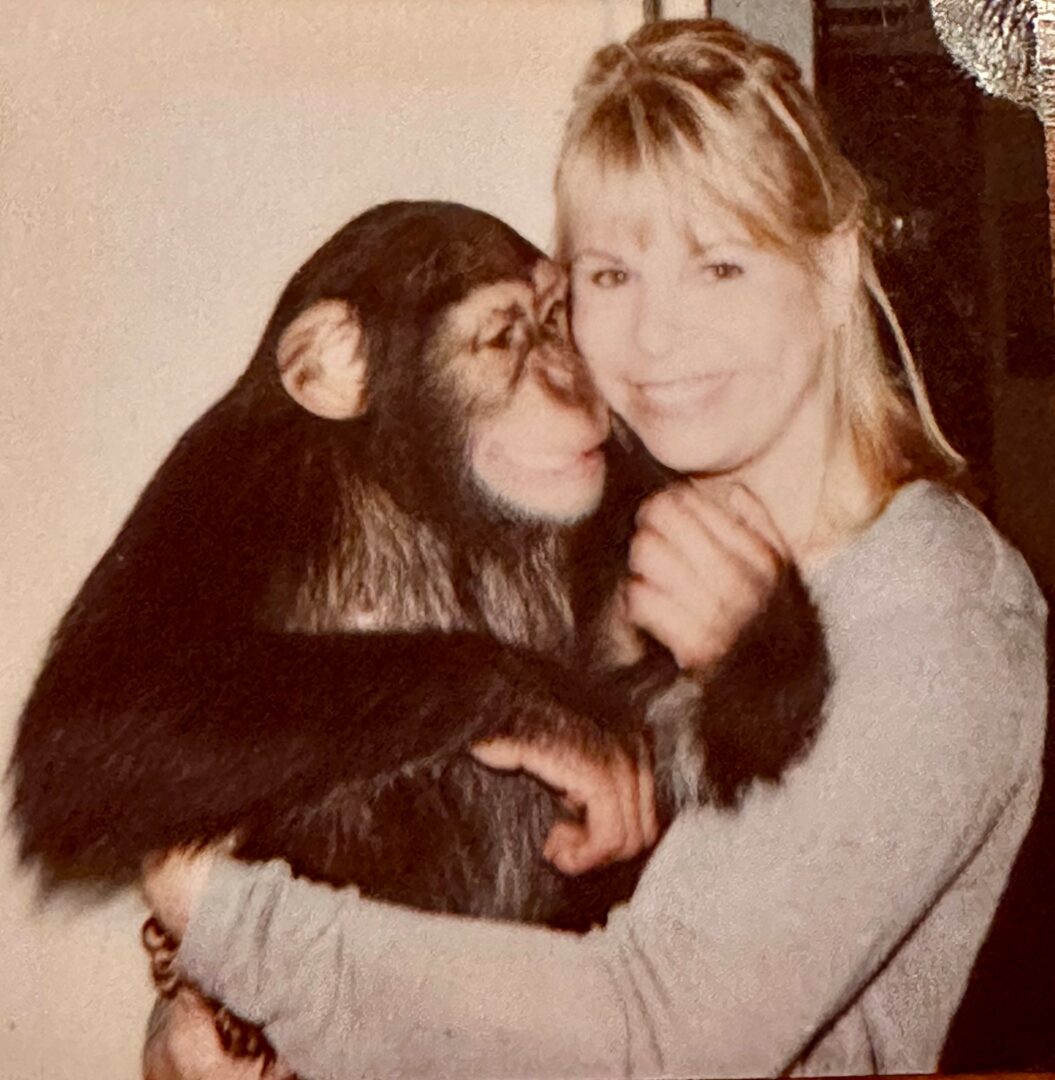
Me and a chimp while I was producing an Investigative Reports: Hype and Glory on the KTLA news station.
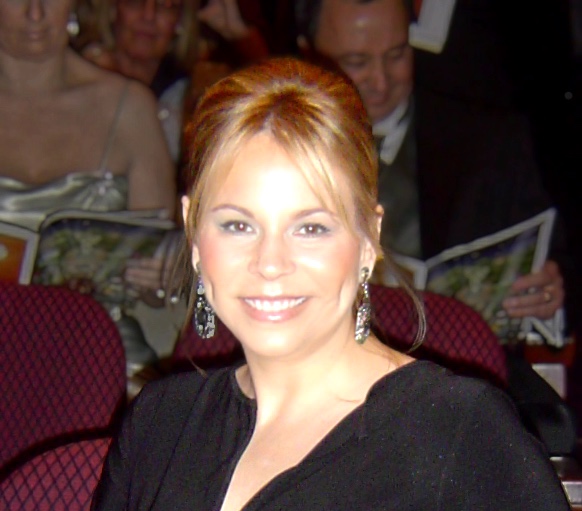
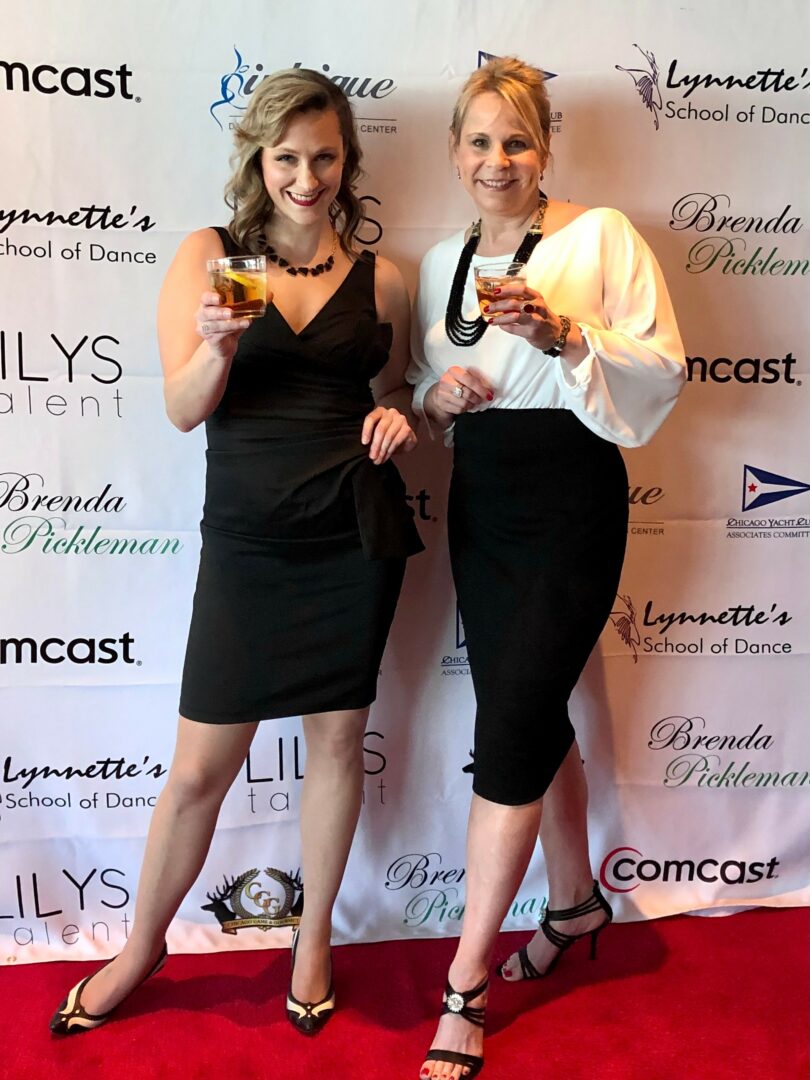
Co-worker Jessica Lyons, Casting Director CSA and myself at a charity event for mentoring artists.
Me at the Emmy’s
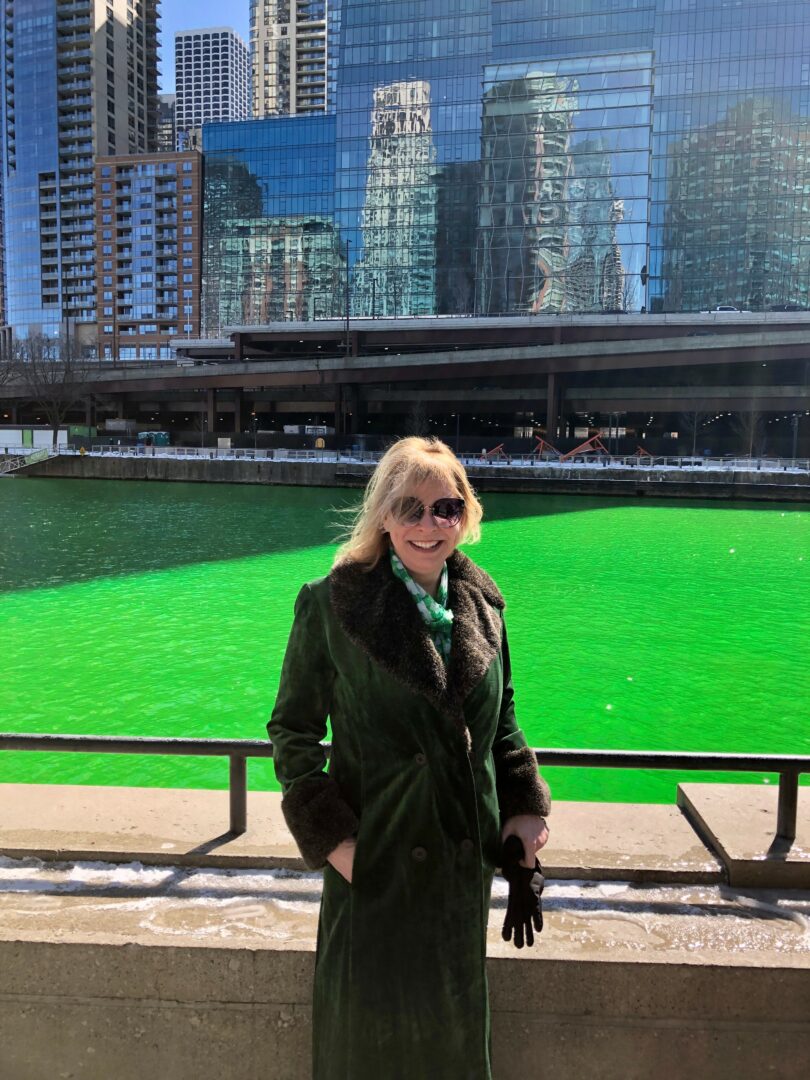
Me in front of Chicago River – Chicago is my home and I love it.
Me and the casting crew at O’Connor Casting Company – Left to Right – Jessica Lyons, Jessica Kierstien, David Murphy, Me, Virginia Anello and in front is David O’Connor (my brother). It was our Christmas card parody of “A Christmas Story.”
Globowl baby food -A brand whose narrative I’ve helped shape.They’re an innovative baby and toddler food company. To the left is Erica Levin, Founder.
Rooted Promise packaging. I created the brand name and story messaging, copy, everything and consulted on the visuals. There are three different photos of examples of their products. I’m super proud to be working with this company.
so if you or someone you know deserves recognition please let us know here.