We’re excited to introduce you to the always interesting and insightful Taharka Anderson. We hope you’ll enjoy our conversation with Taharka below.
Taharka, looking forward to learning from your journey. You’ve got an amazing story and before we dive into that, let’s start with an important building block. Where do you get your work ethic from?
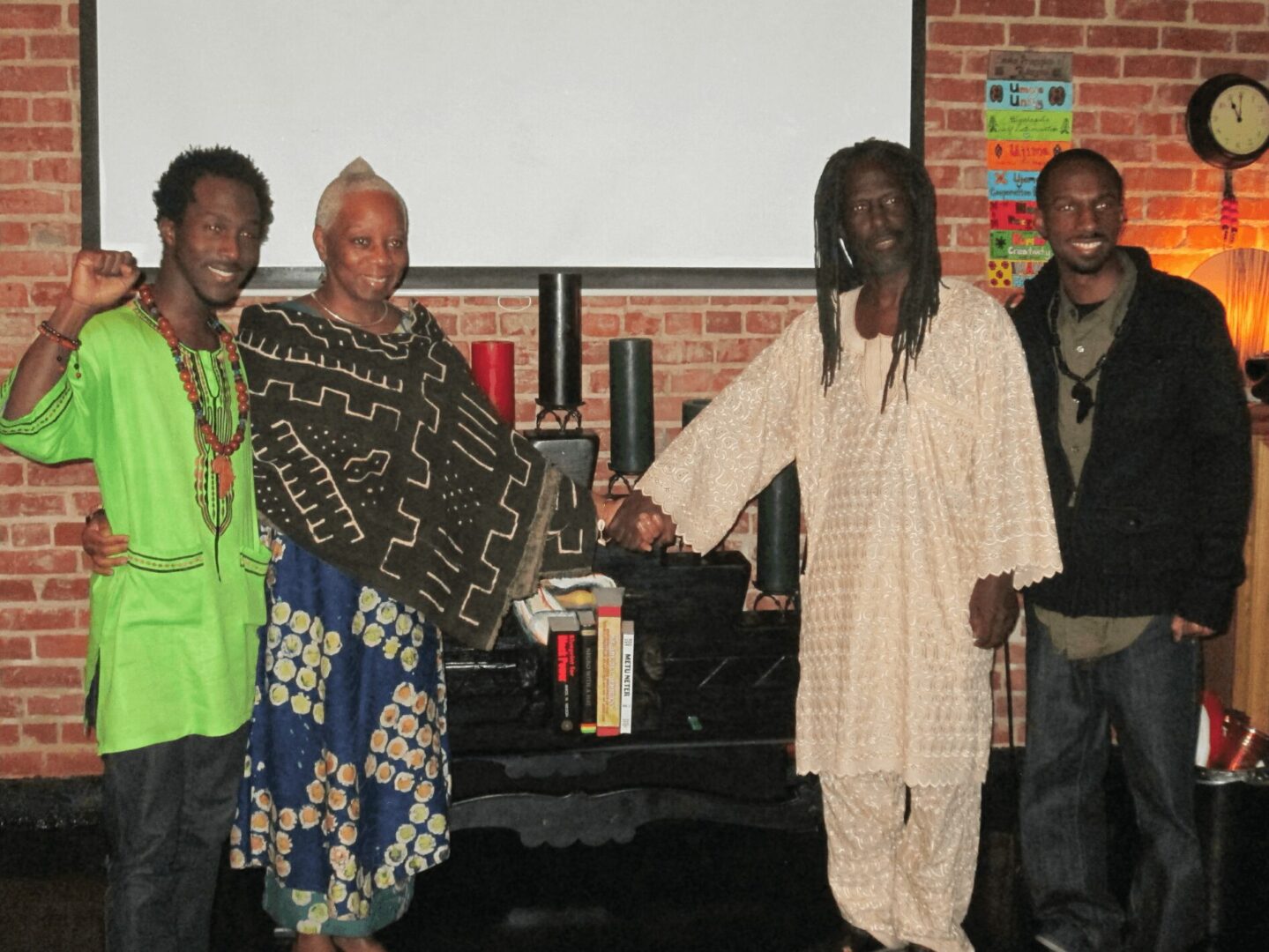
Growing up, I remember riding in the car with my late mother between Long Beach and Los Angeles, California to attend her community meetings or visit elders who’d accumulated decades of service to Black communities. As I would curiously peer out the car window as we navigated the city streets and freeways, she would occasionally ask me to take out a sheet of paper and something to write with to record her never-ending thoughts. My mother was a genius to me and so is my father. Prior to my mother’s passing, as a married couple for over 40 years, they found unwavering love in one another and through continuous thinking, project envisioning, and strategizing, they exposed global audiences of all ages to the histories of ancient African female-rulers through their stage play Queens of the Nile, Now. Together, they demonstrated a deep commitment to their family and embodied what it means to be in alignment with what we come to understand as our life’s purpose and responsibility. Since my mother was an early sleeper, I could hear her dedication in the rapid movement of her fingers clacking away on a desktop keyboard at four in the morning. As for my father, I remember his wide circular frame glasses he used to scour the internet for information until his investigations were interrupted by dozing off one too many times while fighting to stay awake. To draw on the wisdom of Nipsey Hussle, my father Adisa Michael Anderson and late mother Sakkara Ingrid Thomas Anderson, embodied “Dedication, Hard Work, Plus Patience,” and are the foundation of my work ethic as a scholar, organizer, and educator.
Thanks for sharing that. So, before we get any further into our conversation, can you tell our readers a bit about yourself and what you’re working on?
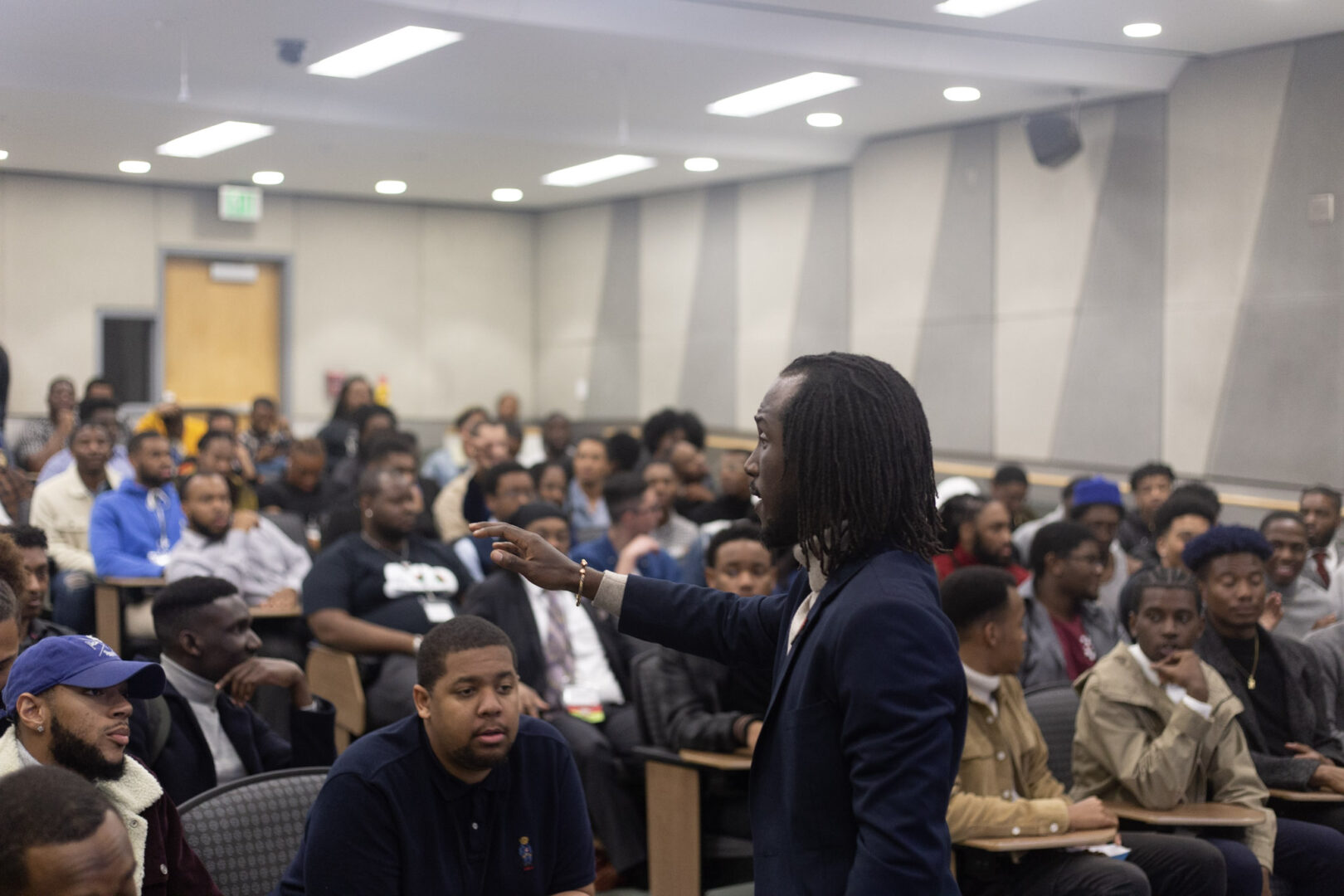
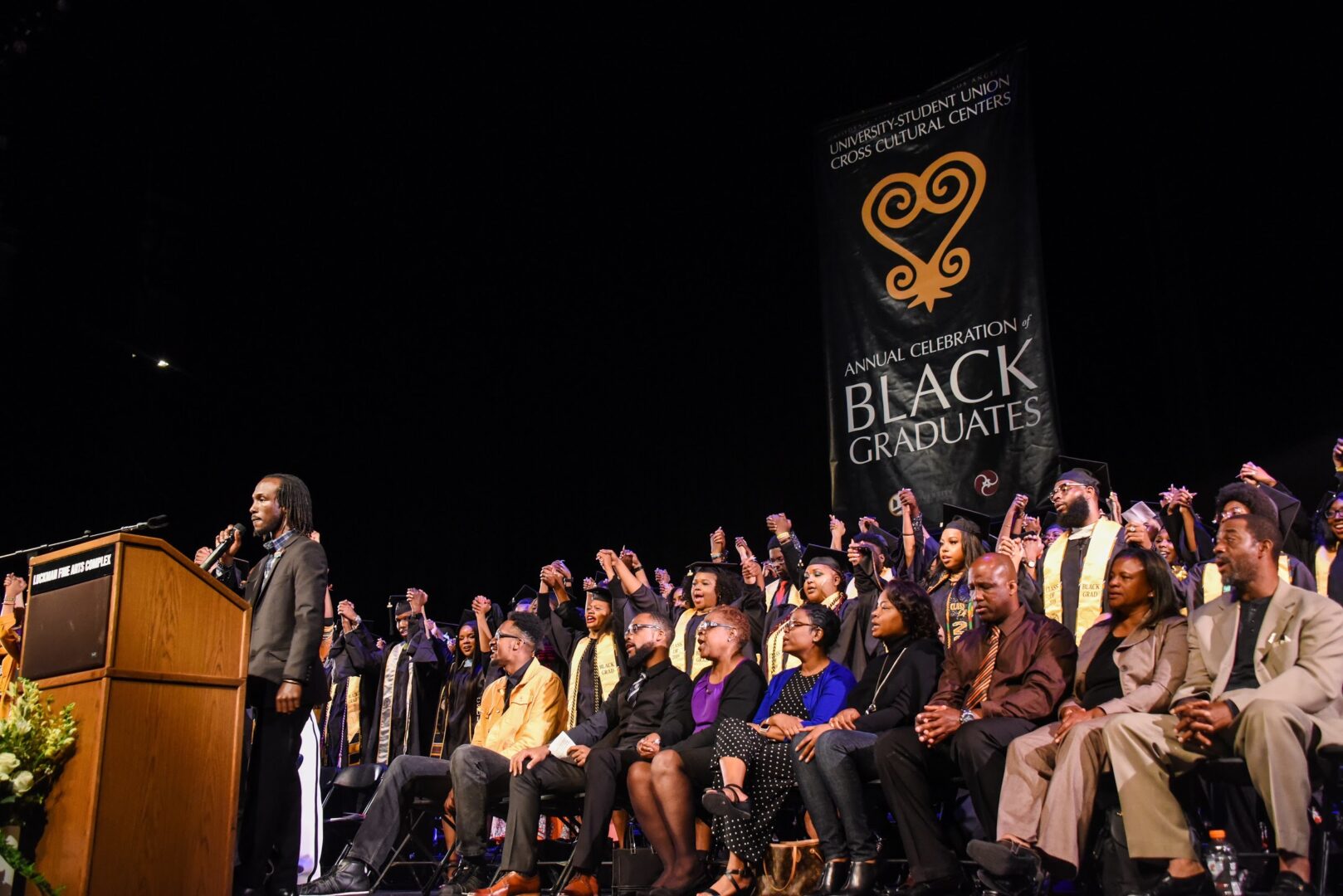
I am a 5th-year Ph.D. candidate in African & African Diaspora Studies at the University of Texas at Austin. My general research interests are: Theories of Race & Ethnicity; Black Education; Race, Class, and Gender in Education; Black Men and Boys’ Health and Vulnerabilities; School Discipline and Criminalization. I am currently writing my dissertation which explores the historical construction of Black masculinity within the U.S. and investigates how Black males experience, make sense of, and navigate school discipline. This project also explores how those past experiences shape their current beliefs and behavior as Black men.
I am also the Founder of Your Neighborhood Scholar, which is a freely accessible virtual classroom and online learning community designed to share neighborhood narratives, research, and resources to advance justice in Black communities. If you knew me growing up, you would know I was raised in Long Beach, California by my parents who taught me to organize to address social inequities and honor the legacies and ongoing freedom struggles of African/Black communities. Together, these home teachings, my formal education, community and college-based organizing, and work experience provided me with the critical consciousness to understand what is wrong with the world and what new worlds we must organize and struggle to build.
Unfortunately, I have seen a major information and dialogue gap between people who are not in formal education spaces like colleges and those who study, research, and teach at colleges. For me, this is an issue because both groups are generating knowledge and practices that should be leveraged to make sense of the world as it exists and work towards building new ones that are free from white supremacy, colonialism, imperialism, war, and economic exploitation.
Thus, since 2020, through Your Neighborhood Scholar, my goal has been to gather the best scholarly sources on socio-political issues impacting Black life and marginalized populations more generally. I have also interviewed key organizers, scholars, and activists who provide additional insight on how to improve the lives of Black people. Since I am committed to providing these educational resources for free, all I ask is that if you find something useful at Your Neighborhood Scholar, feel free to support by informing others of the platform, purchasing merchandise when available, or donating. Remember, you are a critical resource to your community and you have a story that deserves to be heard, so continue Learning, Teaching, and Organizing
There is so much advice out there about all the different skills and qualities folks need to develop in order to succeed in today’s highly competitive environment and often it can feel overwhelming. So, if we had to break it down to just the three that matter most, which three skills or qualities would you focus on?
While I am constantly developing in my understanding of these topics, the three areas of knowledge that have been most impactful have been the social construction of Black masculinity, Black male vulnerabilities, and sociology. On any day, if you pay attention to social media, political commentary, news media, or even what is stated by some college professors and social justice activists, you can identify dehumanizing stereotypes of Black males. We (Black men and boys) are thought of as pathologically violent, anti-intellectual, lazy, and politically regressive impediments to the safety and forward progress of society. You will also find that when the harm, abuse, and violation of Black men and boys is discussed, it is limited to police violence, incarceration, or intra-communal homicide. Rarely, if ever, will you find robust discussions concerning the historic and present-day sexual violation of Black males, their experiences as survivors of domestic and intimate partner violence, and the impacts of interpersonal trauma and institutional violence on their socio-psychological development. Committed to disrupting this denigration of Black male life, by compassionately listening to their stories, deeply studying their vulnerabilities, and critically exploring how they are thought of, I have enhanced my abilities to see, hear, understand, serve, and support Black men and boys, myself included.
Additionally, being immersed in sociological theory and research during the completion of my undergraduate degree gave me the formal tools and language to consider how larger systems, structures, and institutions are at the root of social inequity and suffering. U.S. society is built on myths of meritocracy and exceptionalism, where those who suffer are seen as incompetent failures simply lacking proper mindsets, will power, or desire. Combating misinformation and disinformation, sociology continues to help me understand that economic, employment, housing, education, medical, food access, and environmental inequities are a result of structural violence–not the individual “poor decision making” of suffering populations.
For those beginning their journey, I recommend two things: study expansively and always question. When I was in high school and really began to develop my critical consciousness, my father would remind me to not only read and study what I cared about from the people and perspectives I agreed with, but also commit to investigating the full spectrum of alternative perspectives on the same subjects. Also, no matter who the person is, when you are presented with information, always ask yourself: 1) What makes them an authority on the matter? 2) What forms of evidence do they provide to substantiate their claims? 3) Is the evidence provided sound? 4) Have I examined their evidence enough to make a well-informed argument at this time? and 5) Do I agree with these claims because they confirm my preexisting beliefs, without critical examination of their validity? While approaching your journey in these ways may be uncomfortable at times or seem daunting, your thoughts and actions will be more disciplined because of them.
As we end our chat, is there a book you can leave people with that’s been meaningful to you and your development?
Published in 2017, The Man-Not: Race, Class, Genre and the Dilemmas of Black Manhood by Dr. Tommy J. Curry radically transformed how I thought about myself and other Black men and boys. This book set me on my journey to investigate the history of degrading ideas about Black males I had partly accepted due to how frequently I heard and read them in some activist and academic spaces, op-eds, tweets, and books. The Man-Not exposed me to scholarly evidence from various fields (e.g., sociology, political science, public health, education, and psychology) that disconfirms nonsensical generalizations of Black males being oriented towards masculine “toxicity” and depravity in thought and action. An absolute must read but get your dictionary and thinking cap ready for the challenges of the intellectual ride!
Contact Info:
- Website: www.taharkaanderson.com / www.yourneighborhoodscholar.com
- Instagram: @taharkaanderson / @yourneighborhoodscholar
- Linkedin: https://www.linkedin.com/in/taharkaanderson
- Twitter: @taharkaanderson
so if you or someone you know deserves recognition please let us know here.