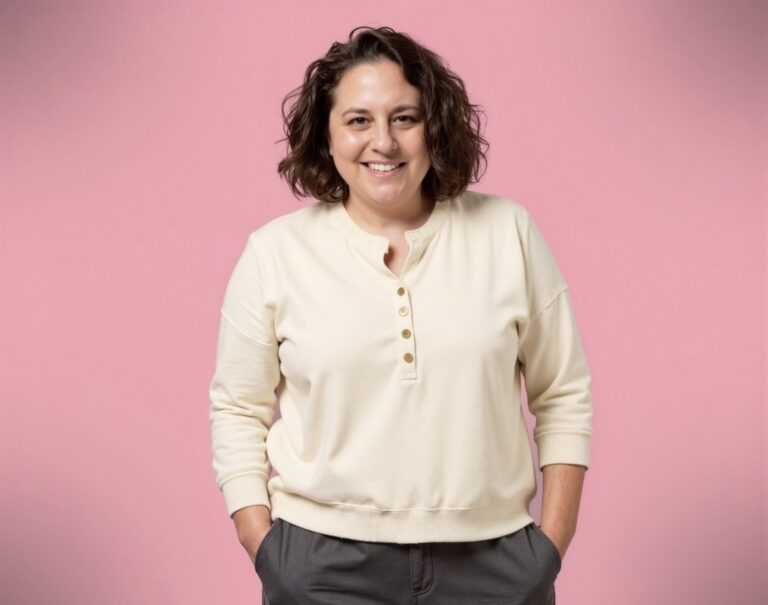
We recently connected with Dana Garrett and have shared our conversation below.
Hi Dana, appreciate you sitting with us today to share your wisdom with our readers. So, let’s start with resilience – where do you get your resilience from?
I am a retired Navy veteran with 37 years of experience serving in the Air Force (7 years), the Navy (30 years) and with the Army (2 years on an Army Post in West Germany) and the Marine Corps (3 deployments with Marines to the Persian Gulf). Working within the military is very demanding and stressful as we deal with an ever-changing threat environment. One either learns to adapt to rapidly changing guidance, directives, orders, changes in leadership or one leaves. I stayed because I stayed focused on the mission that I was given and dealt with crisis management quickly.
On board my ships, I was the Chief Meteorologist/Oceanographer for the Amphibious Ready Groups I was a part of, as well as the Chief Meteorologist for the Marine Expeditionary Units as a member of their Crisis Action Team (CAT). To keep myself knowledgeable with the operations of the ship, I stood watches as a Bridge Officer as Conning Officer and Officer of the Deck (Underway). In the latter position, I was directly responsible to the Captain for the safe operation and navigation of a 42,000-ton warship.
I also stood watch as the Combat Information Watch Officer (CICWO) where I was responsible for a team of Operations Specialists whose responsibility was the collection and analysis of data from the ship’s sensors for the safe operation and navigation of the ship as well as identifying potential threats. Our unofficial motto was, “Semper Gumby”, “Always Flexible”. It is this work environment in which I spent so many years, and this motto that I owe my resilience.
Let’s take a small detour – maybe you can share a bit about yourself before we dive back into some of the other questions we had for you?
I have been a serious photographer since 1999. I was given my first camera at the age of seven after I watched a photo come to life in my father’s makeshift darkroom in the basement of our house. The mix of art and science captivated me at this young age, and I have been working at it ever since.
Many of my working years were spent as a “civilian” and a reservist in the military. In 1998, I was given a chance to return to active duty in the Navy and was reactivated in February 1999. Recognizing the travel opportunities, I decided I was going to get serious with studying the art and over the years have amassed a library about roughly two hundred texts, all of which I have read and referenced over the years.
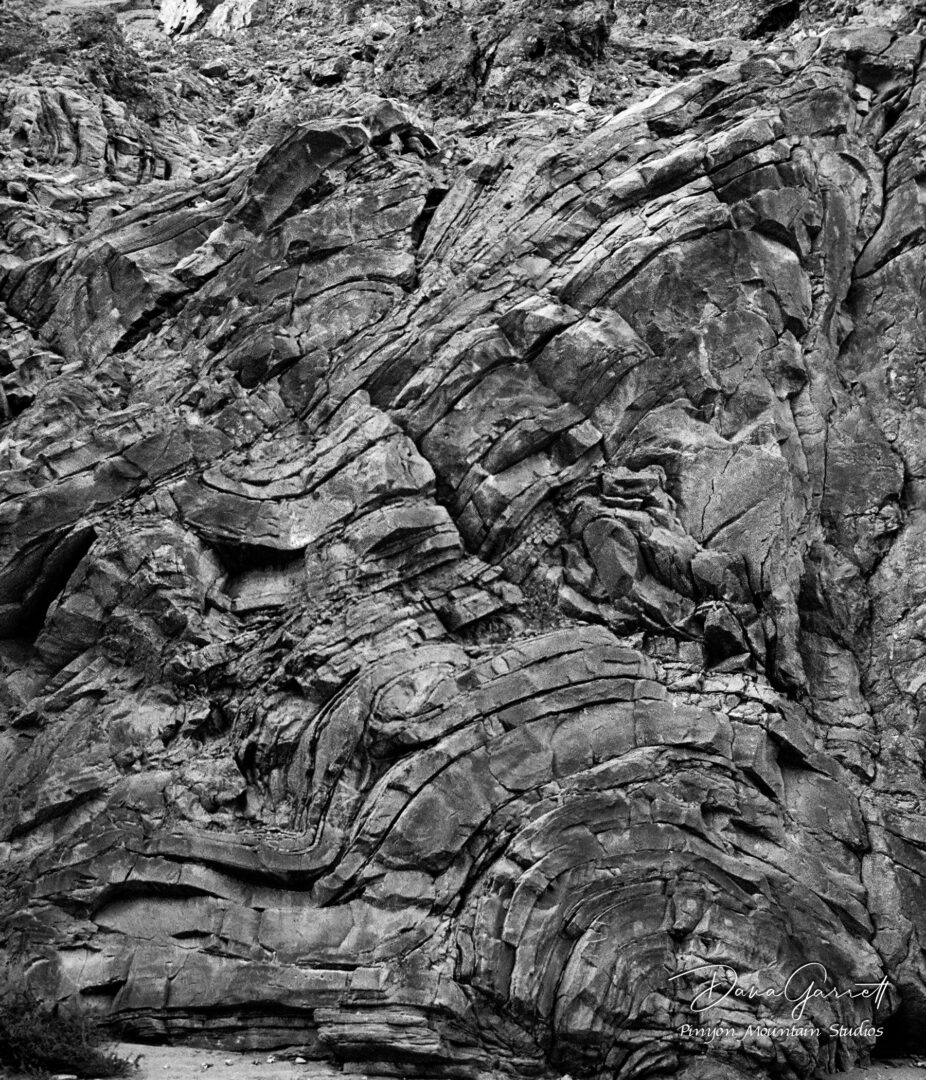
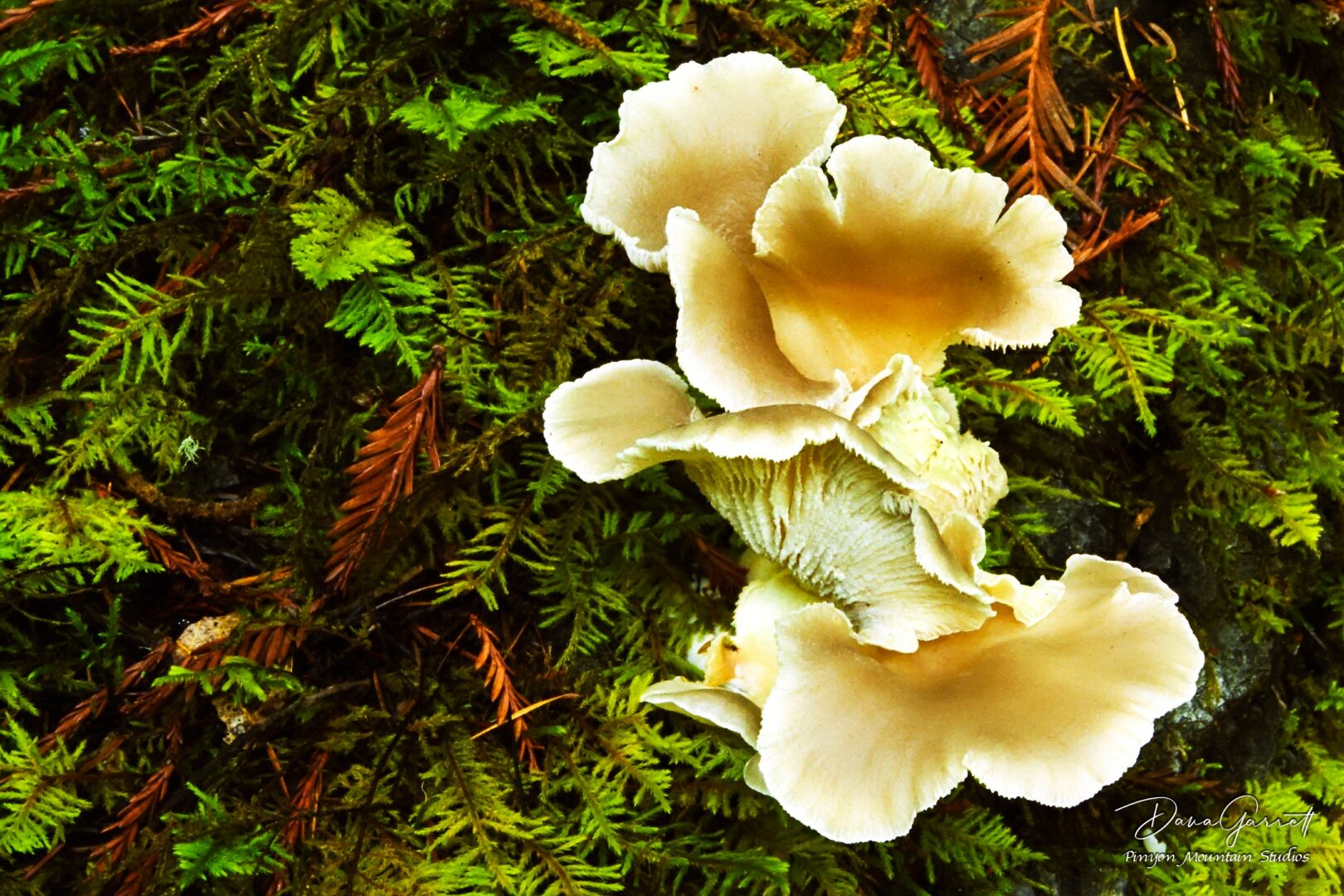
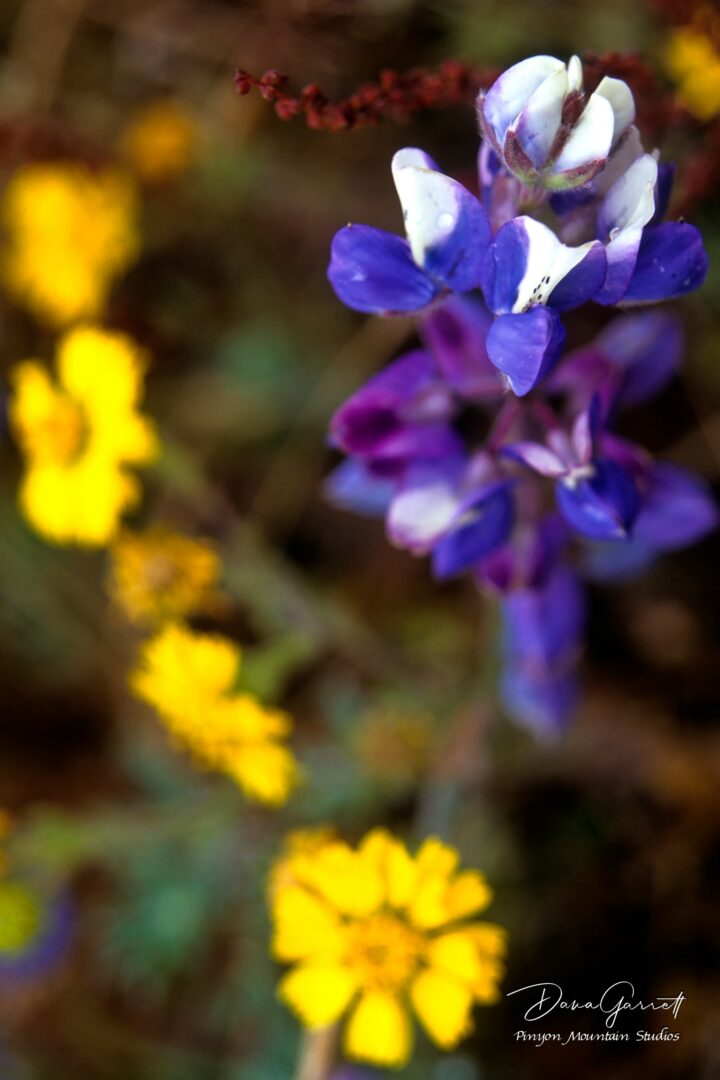
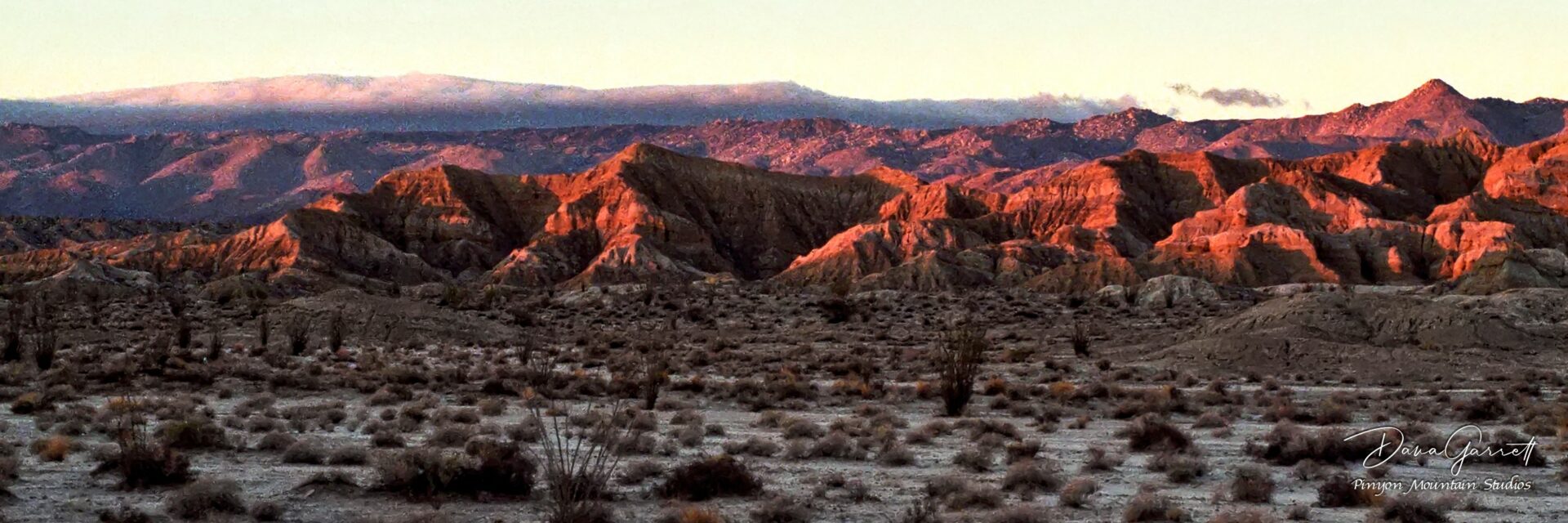
Currently, I am the part-owner of Pinyon Mountain Studios, a small photography business dedicated to exploring and photographing the hidden places here in Nevada, and wherever I am lucky to travel to these days. I specialize in landscape, nature, and wildlife photography. I also enjoy Street photography and creating abstract works with my camera.
One of my passions is teaching the art. In my career, I taught leadership, communication, meteorology, oceanography, ship driving, damage control, problem solving, and many other ancillary topics to leadership. I have also written courses covering the Fundamentals of Photography (currently being revised) and Winter Photography.
I have always enjoyed teaching and creating courses of instruction. Recently, I was granted an open-ended Photography Residency at St. Mary’s Art Center in Virginia City, NV which is not far from where I live. In this residency, I will be reviving their dark room program as well as creating and teaching courses in roughly ten genres of photography.
Nowadays, I am also writing a book on the subject tentatively titled, “To Photograph is Human”. In it I discuss topics such as The Photographer’s Eye, the various genres of photography, there are 32 as of my last count, The Camera, Lenses, Composition, and a few other topics. The book is aimed at potential beginners who want to become photographers but don’t know what they want to photograph. It is my feeling that knowing the genre you want to work in is key to making the best decisions as to what equipment one needs to acquire.
Some of the topics include covering the basic Rule of Photography and Advanced Composition rules, not to convince people they are absolute, but to give them a solid foundation in the craft so they can break them artfully.
I am also a craftsman-level cabinet maker and art framer. I build my own frames for my photography using raw semi-finished boards of wood that are specific to the locations where the photo was taken. I frame my black and white images with boards made from poplar or white maple as these frames are stained with an ebony stain. The boards are shaped by me to accent the art, and my personal favorite style of frame is the floating frame.
Presently, I am assembling a display of my work for this coming July as I will be a participant in the month-long art show known as Artown in Reno, NV. I will have my work on display at the Reno Public Market on the four Saturdays in July where I will also conduct two one-hour photography mini-workshops in the art.
If you had to pick three qualities that are most important to develop, which three would you say matter most?
The most important quality I possess is that of mindfulness. When I am out on a shoot, I place no time limits other than those set by the environment I am in. Every photograph is taken with care whether I am using my digital camera, my cell phone, or my film cameras.
My mindfulness is derived from what I consider the most important skill a photographer can have, which is the photographer’s eye. I learned to see photographically, initially in the standard 2:3 format of 35mm film, and then expanded this skill so I can visualize potential images as square, medium format, large format, or any other film format.
The areas of knowledge I have are very broad. When I decided to get serious about my art, the first thing I did was acquire a Nikon FE2 film camera with a motor drive and a 28-105mm NIKKOR lens with a macro feature. To this day, this is my favorite lens. The second thing I did was to enroll in the New York Institute of Photography film photography course. This was mind blowing for me as I learned so much in the first three modules, the entire foundation of my knowledge, that I was almost immediately able to take my work from “snapshots” to photographs.
From this, I began to buy books on the art, post-processing, the history of the art, almost everything Ansel Adams wrote (the prized book of his is, “The Making of 40 Photographs”), books on critiquing art, building portfolios, and many others. I also enrolled in the BFA Photography program at the Academy of Art University online, where I was able to complete almost two years of the program before I ran out of money.
The other areas of knowledge I have is as a meteorologist and the outdoors. I was a recognized wilderness survival and outdoorsman expert when I was working with the Boy Scouts in my home state of New Hampshire, and states and countries I was stationed in during my military career. From this background I also developed an extensive amount of knowledge of wildlife. All of this comes into play when I go out on a shoot.
Awesome, really appreciate you opening up with us today and before we close maybe you can share a book recommendation with us. Has there been a book that’s been impactful in your growth and development?
As I mentioned previously, my most prized book about photography is Ansel Adams’ book, “The Making of 40 Photographs”. In this book, he describes the how and why he took a photograph and then described in great detail how he took his negatives to the heights, his photographs reached. In this book, I learned Ansel’s darkroom techniques such as dodging and burning to highlight and subdue certain areas of the negative to create dramatic images. His techniques apply to both black and white and color images.
Ansel often stated two things. The first was, “You don’t take a photograph, you make it.” The second was, “I have often said that the negative is similar to a musician’s score, and the print to the performance of that score. The negative comes to life only when “performed” as a print.”
It is from these two quotes, and the information I gained from his writings about how he created his photographs that I derive almost all my skill and understanding of the art.
The other area I derive inspiration from is the contrast between the way Ansel and Ed Weston went about their work. Ansel was famous for finding a location and waiting for the light to be right. Ed was famous for chasing the light. His philosophy was, ‘The light has to be right somewhere.’ I combine these two philosophies. I will find a location that is prime, but the light isn’t right, so I will go look for a location where the light is right. Then I will return to the first location when the light is close to being right and capture that. Learning how to use natural light is key to creating great photographs.
Contact Info:
- Website: https://pinyonmtnstudios.artstorefronts.com
- Instagram: https://www.instagram.com/pinyonmtnstudios/?hl=en
- Facebook: https://www.facebook.com/pinyonmtnstudios
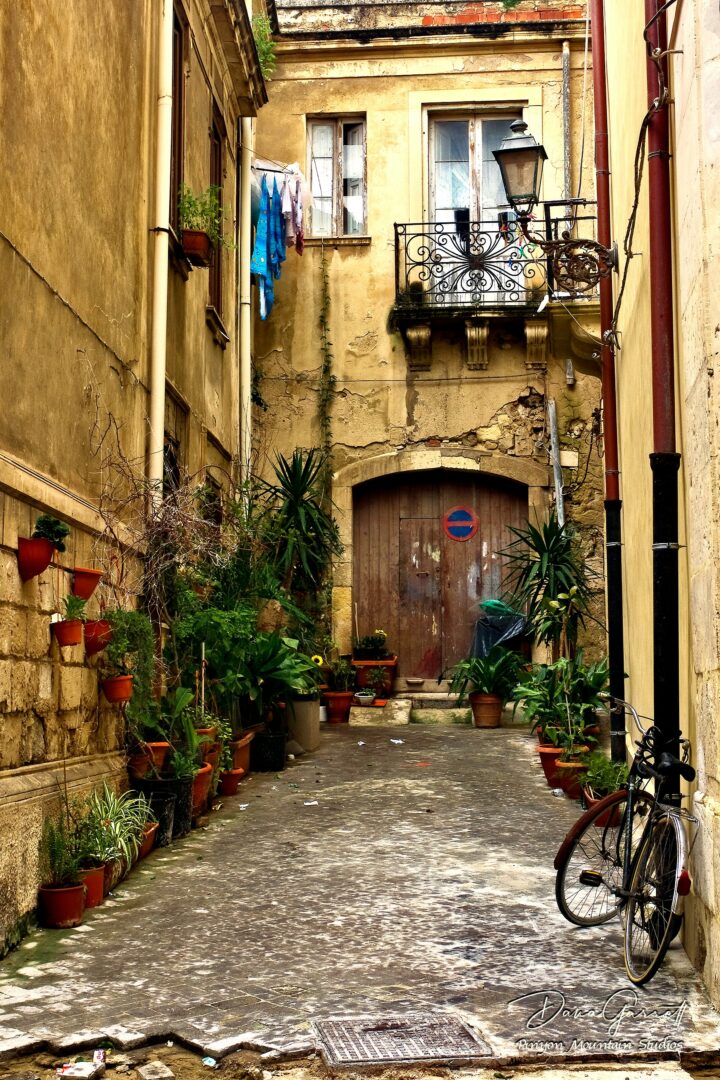
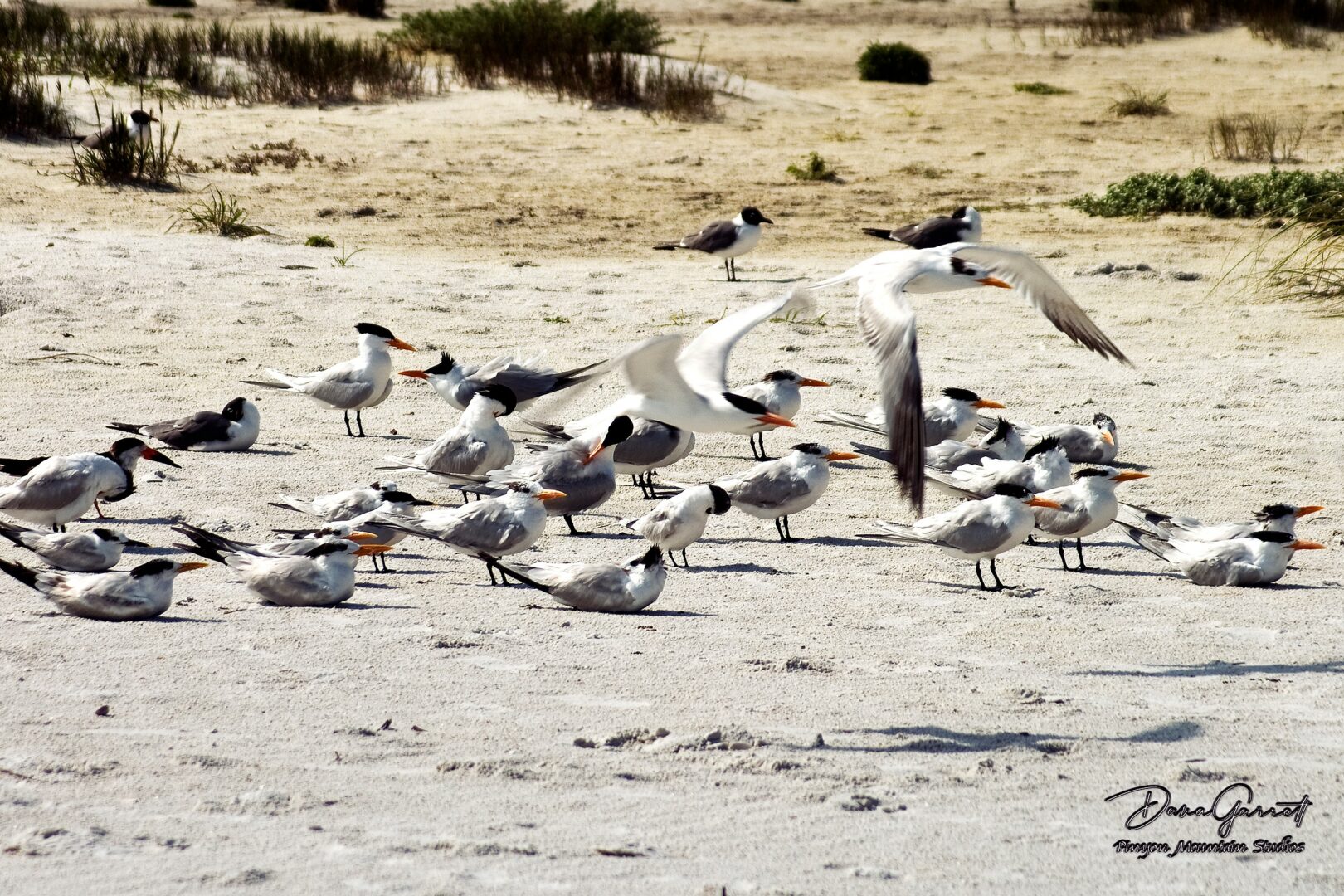
Image Credits
Dana Garrett / Pinyon Mountain Studios
so if you or someone you know deserves recognition please let us know here.