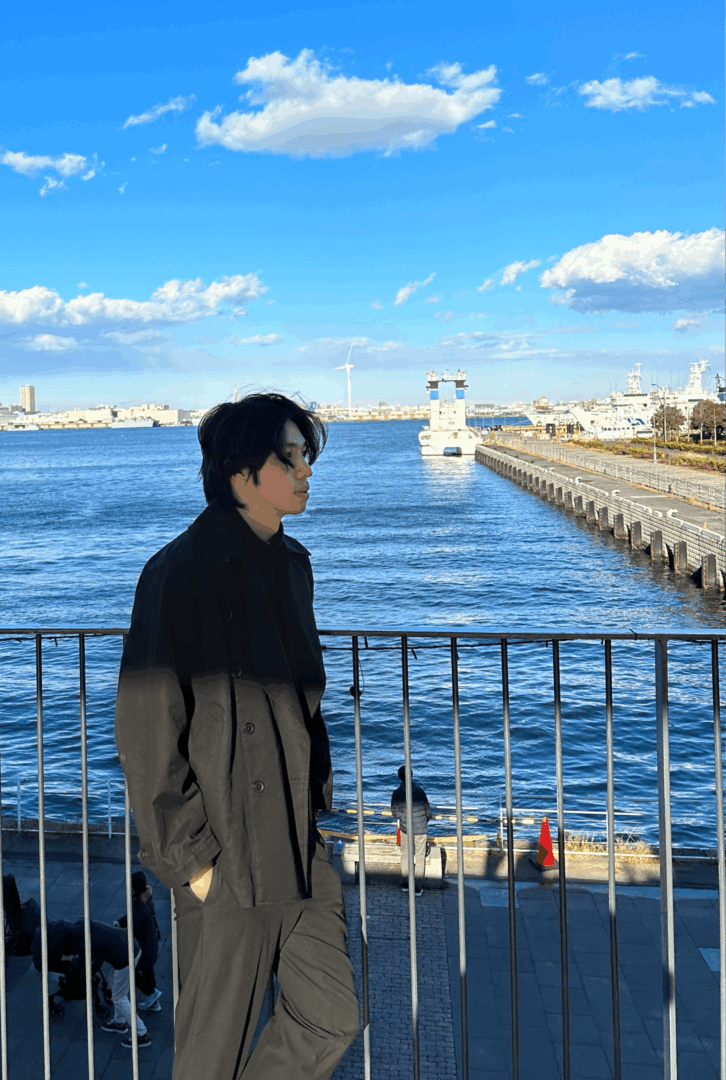
We’re excited to introduce you to the always interesting and insightful Jj Jin. We hope you’ll enjoy our conversation with JJ below.
JJ, so good to have you with us today. We’ve always been impressed with folks who have a very clear sense of purpose and so maybe we can jump right in and talk about how you found your purpose?
My concurrent education in architecture and urban planning fundamentally transformed my approach to design by introducing me to multiple scales of inquiry. Initially, I viewed the built environment as a simple combination of artistic, physical, and mathematical elements. However, this perspective was completely reconstructed through my architecture studio experiences.
During those intensive studio sessions, I dedicated countless hours to research, iteration, and innovation—all directed toward addressing self-initiated design challenges. This process revealed architecture’s distinctive character as a discipline where practitioners not only solve existing problems but also envision speculative futures.
The open-ended educational philosophy I experienced continues to influence my design methodology today. Rather than approaching design challenges with predetermined solutions, I engage in a process of exploration and critical inquiry that embraces uncertainty and possibility.
This foundation has enabled me to develop a distinctive perspective that seamlessly integrates varied scales—from building details to urban systems—creating more comprehensive and thoughtful design solutions that anticipate future needs while addressing present requirements.
Thanks, so before we move on maybe you can share a bit more about yourself?
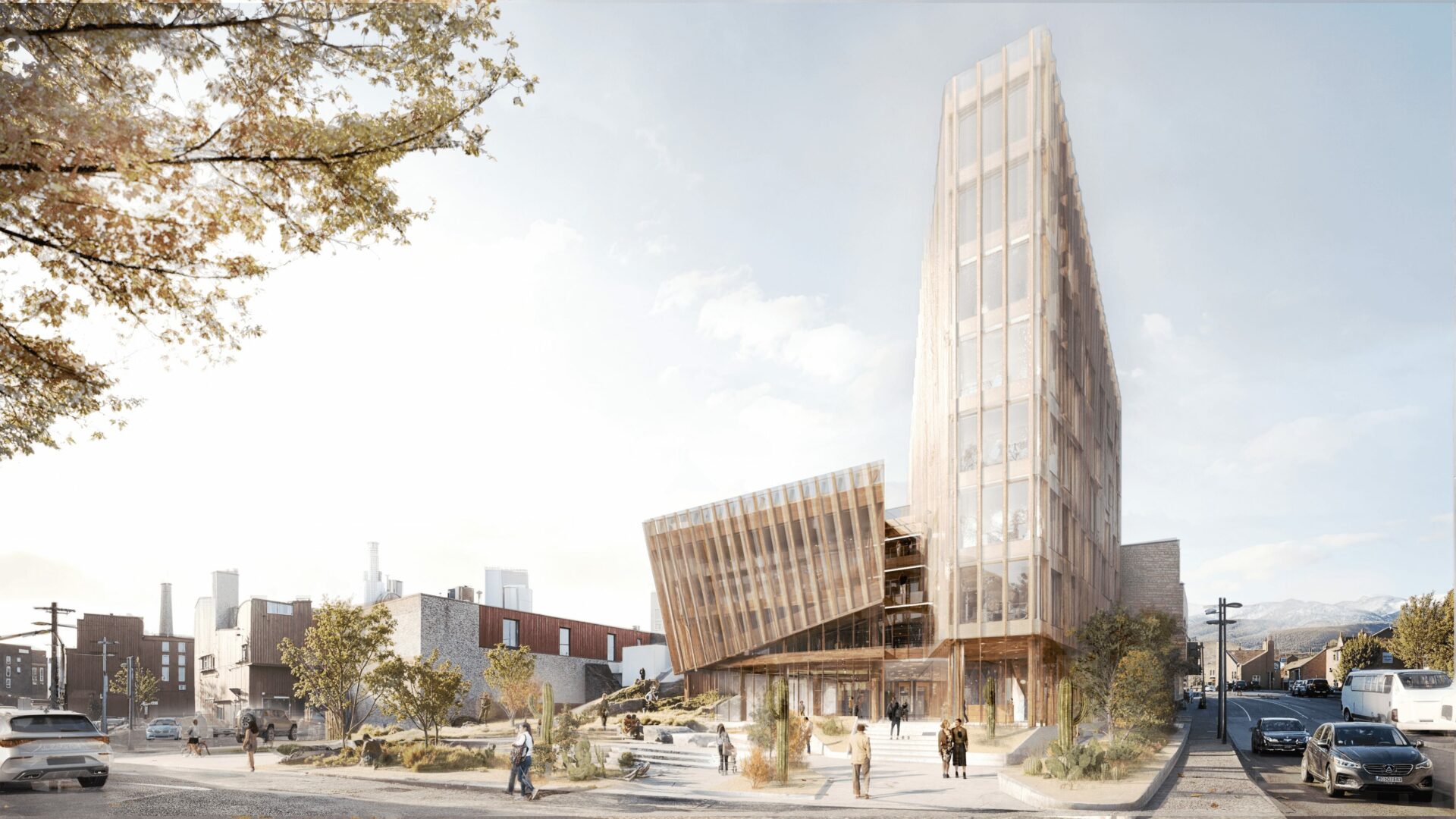
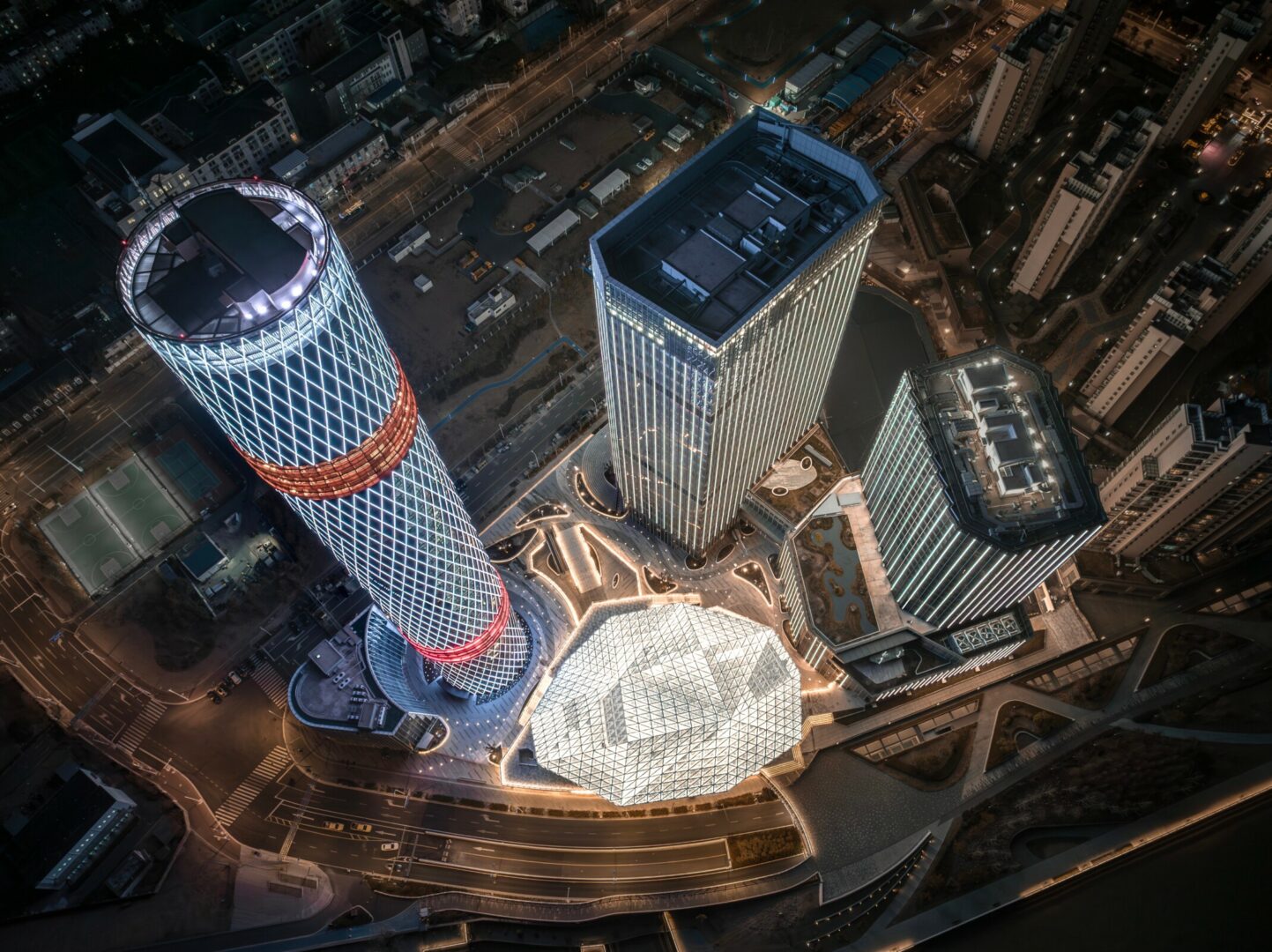
I’m a designer based in New York, focusing on research-driven design for a variety of projects ranging from installations and furniture to cultural, residential, and commercial architecture. My education began at USC where I completed my Bachelor of Architecture and Master of Urban Planning, before moving to New York to pursue graduate architecture school at Columbia University.
My design career has been evolving, transitioning from solely architecture to becoming involved in designing and engineering products, furniture, as well as cultural and master-planning. I have been involved in launching a company focused on flexible and environmentally sustainable modular furniture systems aiming to address limited storage space and function in small residential units. Be on the lookout for RMS, which will have products launching this year online and in our New York showroom.
Looking back, what do you think were the three qualities, skills, or areas of knowledge that were most impactful in your journey? What advice do you have for folks who are early in their journey in terms of how they can best develop or improve on these?
Looking back, the three most important traits for me were curiosity, adaptability, and a balance between trust and mistrust of one’s own work.
Being inquisitive and having an eagerness to learn is indispensable, especially in a field like architecture where aesthetics, technology, and industry standards are constantly shifting. I believe being in any creative field, your career has incredible longevity as there will always be new things for you to experience and improve upon.
In the same vein, adaptability is necessary. The design landscape is dynamic and having the capability to learn and adjust is paramount as market demands and emerging tools allow architects to create designs never thought possible before.
Given the subjective nature of design and aesthetics, the balance between trust and mistrust of one’s own work lies in knowing when you should defend your beliefs and when you should heed the advice of others. It’s a difficult trait to get right and every designer will spend a lifetime discovering this about themselves.

How would you describe your ideal client?
My ideal client combines strategic vision with practical understanding, valuing both innovation and functionality in the design process. They communicate transparently, provide constructive feedback, and make decisions efficiently while respecting professional expertise. These clients establish clear approval processes and understand that quality design requires appropriate investment rather than pursuing lowest-cost solutions.
The most successful client partnerships feature alignment on fundamental values including design quality, sustainability, and ethical practices. These clients maintain appropriate engagement throughout projects—providing necessary information without micromanaging—and approach challenges with a growth mindset. They recognize that exceptional outcomes emerge from collaborative problem-solving and view the designer-client relationship as a genuine partnership built on mutual respect and shared objectives.
Contact Info:
- Website: https://www.studiojin.com
- Instagram: https://www.instagram.com/jj_j.i.n
- Linkedin: https://www.linkedin.com/in/zhijiejjjin
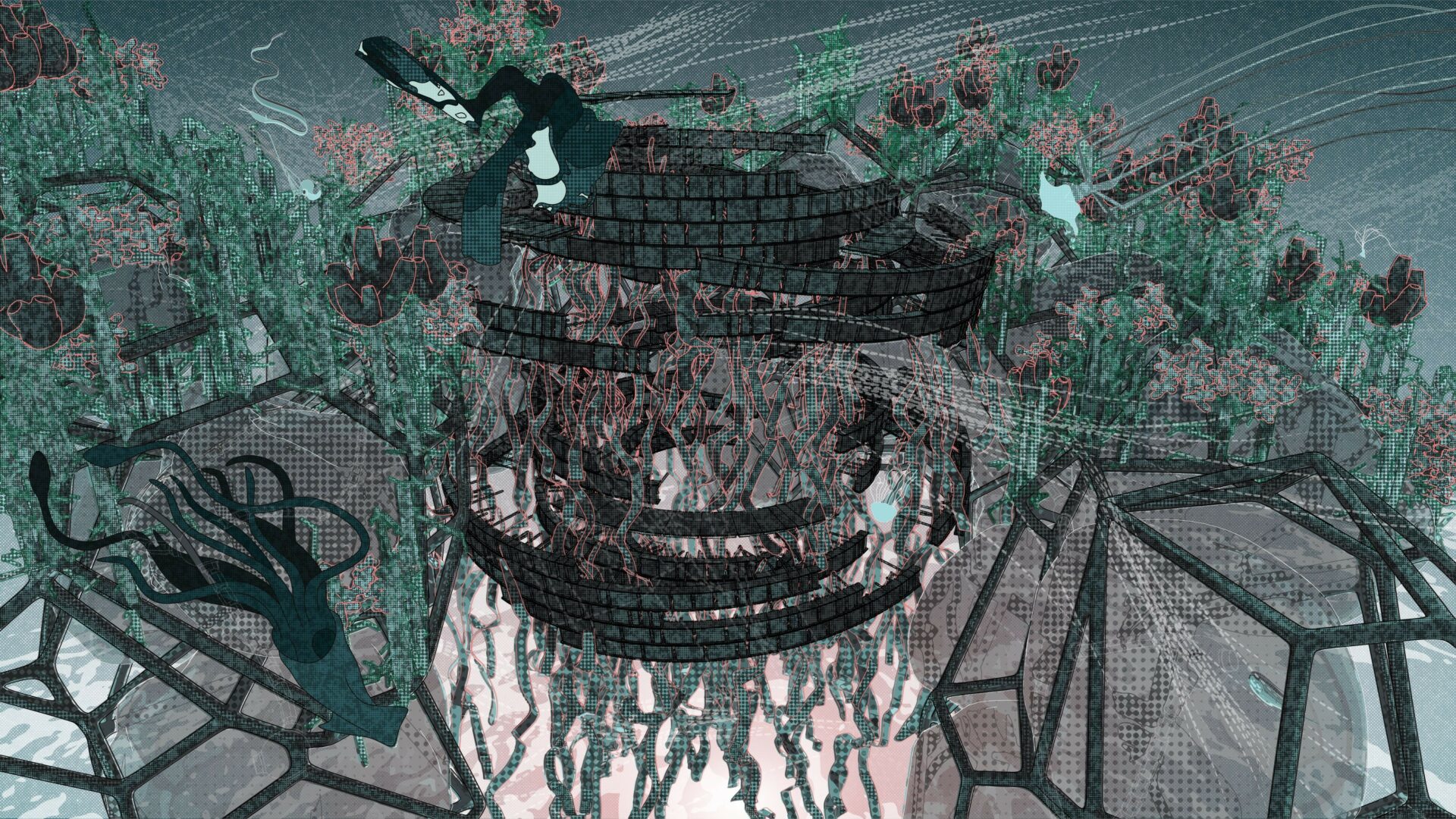
Image Credits
JJ Jin
DLR Group
so if you or someone you know deserves recognition please let us know here.