We recently connected with Tiesha D. Douglas and have shared our conversation below.
Tiesha, so great to have you on the platform and excited to have you share your wisdom with our community today. Communication skills often play a powerful role in our ability to be effective and so we’d love to hear about how you developed your communication skills.
Would you believe me if I told you I developed a slight stutter in college? It’s true! I had a stressful sophomore year in college, and it became harder to verbalize my thoughts even in casual conversations. I took a public speaking class (as a part of my major) and surrounded myself with people who helped me develop my confidence during that tough time. It took a lot of work and courage to overcome my fear of answering questions on the spot or sharing my thoughts on a topic I cared about.
So as you can see, my ability to effectively communicate has been a journey. Even today, my stutter reappears when I’m very anxious, stressed, or haven’t had much sleep; but I’ve developed my skills within effective communication overtime through lots of practice. Early in my career, I realized that communication is not just about speaking or writing well, but about creating connections, understanding others, and being adaptable and willing to listen to others — especially those with different perspectives.
Through that experience, I learned that an important aspect of developing effective communication is adaptability. I learned that tailoring my message to suit the audience — whether it’s in a professional setting, one-on-one conversation, or public speaking — makes a huge difference. Understanding my audience’s needs and adjusting my tone, delivery, and content accordingly has been critical for me and should be for any effective communicator and leader.
I’ve also placed a high value on active listening. Truly hearing what others are saying has not only helped me respond more thoughtfully but has also improved my relationships. Oftentimes, we are only listening to respond or rebuttal which puts us in an unlikely position to understand a different perspective. We don’t always need to be on the defense — Relax.. And listen. Communication is a two-way street, and the more you understand where someone else is coming from, the more effectively you can connect and share your own ideas.
As a leadership coach and professor of leadership communication, my approach to developing and teaching effective communication has been shaped through a combination of education, practice, and a deep commitment to listening. I focus on learning the fundamentals of communication, whether through formal education or by observing skilled communicators in my personal and professional life. Over time, I made a conscious effort to improve by seeking feedback, engaging in meaningful conversations, and staying open to diverse perspectives.
Lastly, I’ve always pushed myself to engage in opportunities that put me in different communication scenarios, from writing and public speaking to collaborating in team settings, or even embarking on this opportunity with Bold Journey Magazine. Everything we do is within the realms of communication — our body language, our words, and even our tone. These sought out opportunities have been invaluable in refining my ability to connect with people in different contexts and ensure my message is clear and engaging.
Great, so let’s take a few minutes and cover your story. What should folks know about you and what you do?
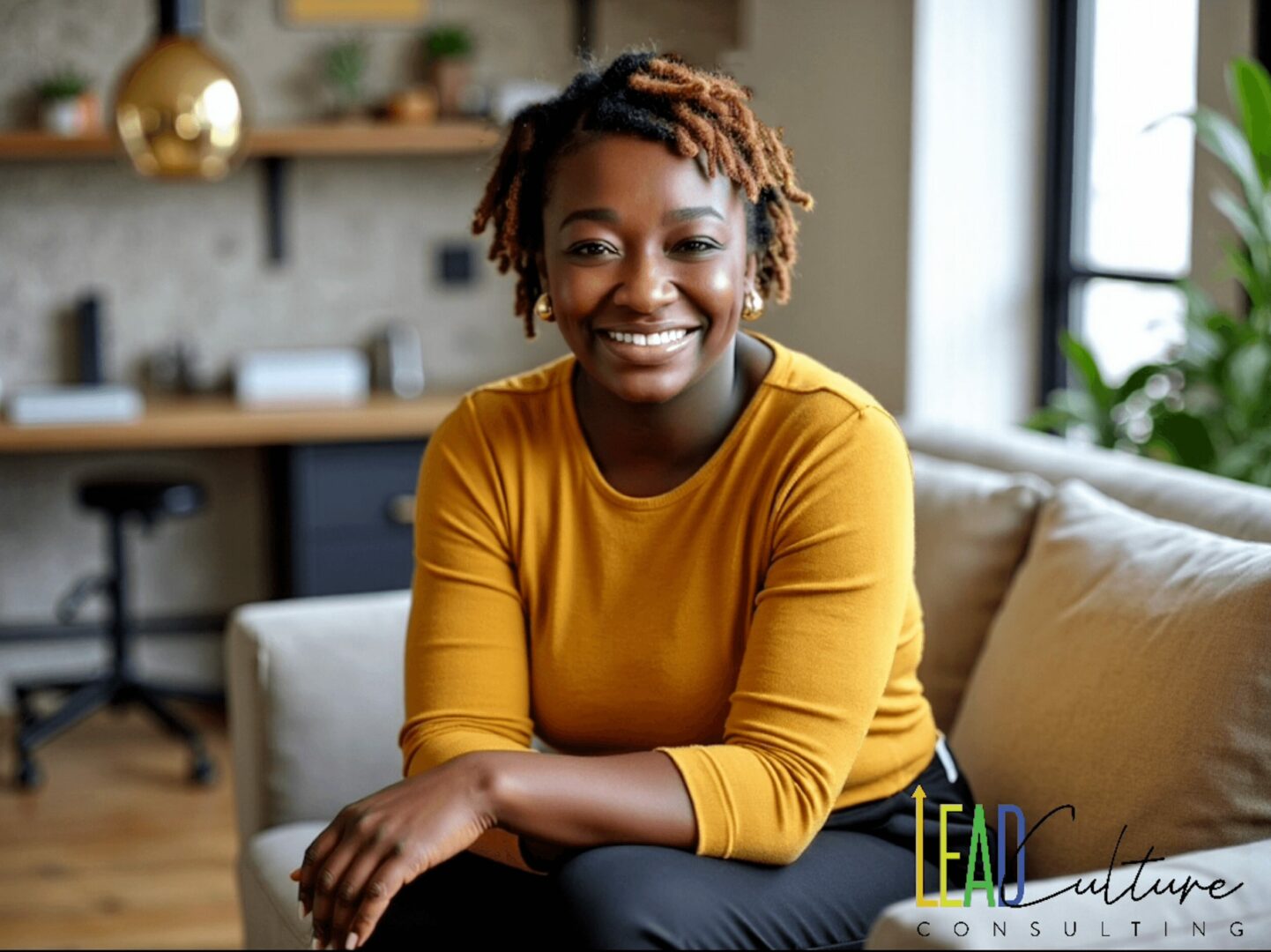
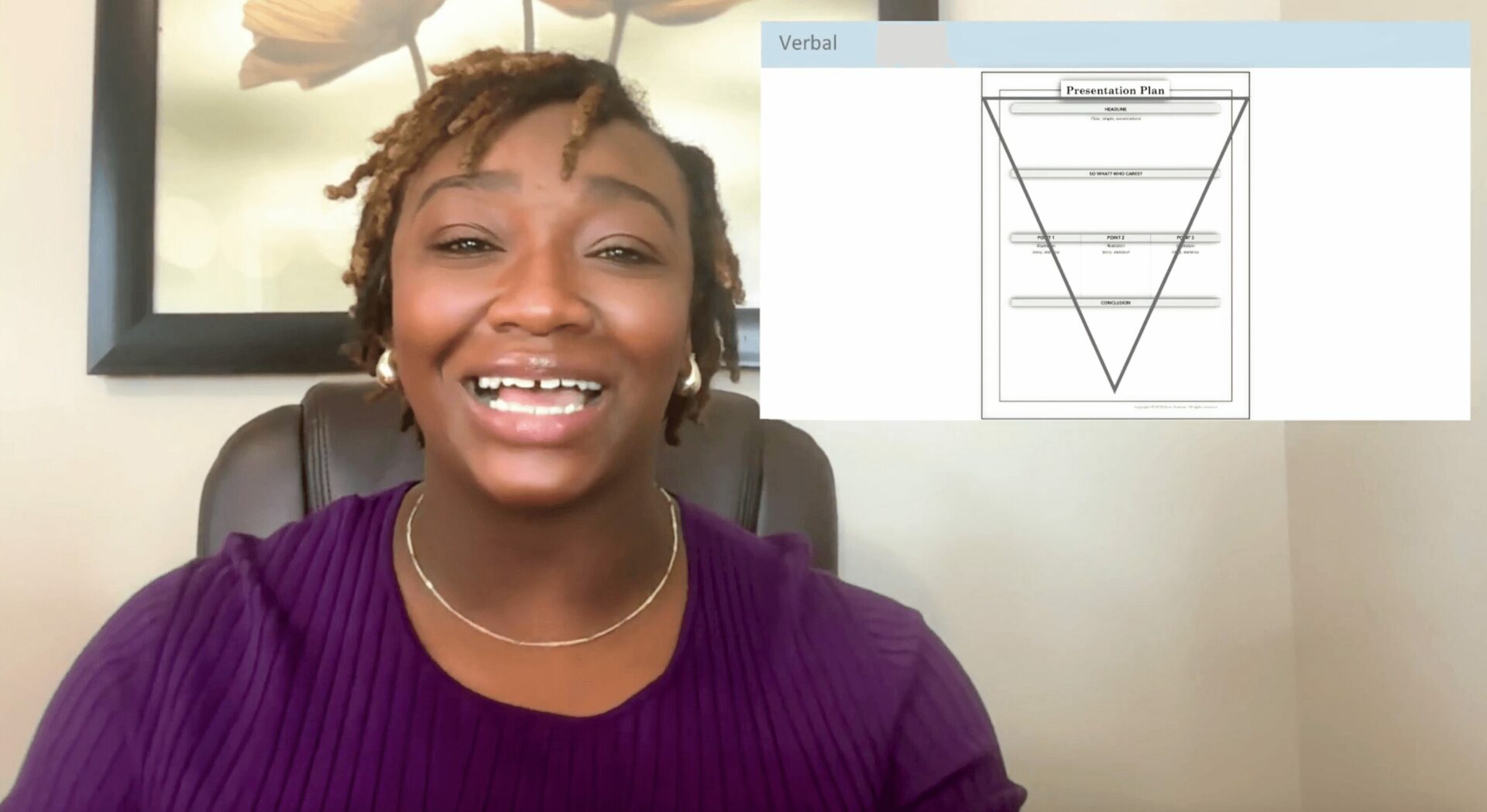
My name is Tiesha D. Douglas (pronounced Tie-E-Shah), and I am a Leadership Coach and Communication Strategist who helps leaders enhance their communication skills to create inclusive and equitable workplaces. My specific focus areas are: Enhanced Presentation Skills, Managing Conflict & Crises, Strategic Writing, and Cultural Competence. All of my topic areas focus on individual challenges and solutions in order to effectively lead and manage organizations, employees, and processes to enhance workplace cultures.
I offer engaging and fun workshops, one-on-one coaching, and keynote discussions for future and current leaders of all industries and levels. A few of my clients include NBC/Peacock, Red Bull, SelectHealth, Snapchat and several local businesses and universities in the U.S.
I also currently teach Leadership and Business Communication courses at Duke University.

If you had to pick three qualities that are most important to develop, which three would you say matter most?
Aside from effective communication and resilience, my authentic optimism is a top quality of mine. My optimism comes from a deep belief in myself and the future opportunities where I can thrive as my authentic self. The possibility for change, for growth, for connection, and for breaking the cycles that hold people back makes me optimistic. It’s the hope that the future can be better than the past and that, together, we can create a world where everyone has the opportunity to thrive. While we can’t control every circumstance, we have the power to influence our outcomes through our actions, attitudes, and persistence.
Personally, I’m generally an up-beat and energetic person and always have been. But I’m human — I’ve had many struggles and challenges in my life; and I get frustrated when I see incompetence impact high-level decisions that can impact those I love and care for. I just choose to see the cup as half-full vs. half-empty. With that, I see optimism not as blind hope, but as a proactive mindset that drives individuals and communities to create meaningful change, no matter how challenging the path may seem.
I’ve witnessed much adversity through my mom’s experiences. My mother, in particular, was a constant source of optimism. Despite the hardships she faced, she never gave up, and she taught me that optimism isn’t about ignoring the difficulties but about having the courage to keep moving forward in spite of them. My mom was (and still is) the ‘life of the party’, so it was encouraging to see her laugh, have a good time with her friends, and show up for me although she may have been going through a tough time. So, my optimism comes from a fundamental belief in joy, and how joy can impact change, growth, and the potential for progress…even in the face of challenges.
I’ve learned that obstacles are an inherent part of any journey, but they don’t define the outcome — they’re simply opportunities for learning and transformation. Having optimism allows me to focus on what’s possible rather than being discouraged by what’s difficult; and I believe that’s why I’ve been successful in my career (again not without challenges and hardships). It’s also important for me to share that optimism is rooted in the understanding that change takes time, but it’s always happening. I consider myself a change-agent. And whether it’s in personal development, in the workplace, or in society at large, there are always shifts occurring; small wins, incremental progress, and moments of breakthrough that add up over time. The future, though uncertain, holds endless opportunities for innovation, improvement, and connection — and knowing that keeps me hopeful.
Who has been most helpful in helping you overcome challenges or build and develop the essential skills, qualities or knowledge you needed to be successful?
The person who has been most helpful to me in overcoming life’s challenges is my mom. She’ll probably be surprised when she reads this, but in a lot of ways, she has directly and indirectly helped me become resilient. First, let me say: My resilience is ancestral. I’m a Black Woman, and like many Black Women, my resilience comes from a deep sense of purpose and a combination of personal experiences that have shaped me throughout my life. I learned early on that resilience isn’t just about bouncing back from challenges — it is about finding the strength to move forward, even when the path is unclear. I think many of us are having to tap into that even more right now given what we’re seeing in this political climate.
A lot of my resilience comes from the example my mother set for me. She was a single mom who worked tirelessly to make sure I had opportunities she didn’t have. I often think about my experiences growing up in low-income housing, watching my mom work two jobs to provide for my brother and me. Watching her persevere through her own struggles, never letting hardships define her or our family, instilled in me a sense of inner strength. She taught me that no matter where you come from, the power to change your circumstances starts with belief in yourself and your ability to push through challenges.
When I went on to become the first in my family to receive both a bachelors and masters degree, I had to navigate many spaces where I was often the only Black person in the room. Additionally, being a first-generation college student meant I had to navigate a lot of unfamiliar territory on my own — figuring out how to succeed academically, socially, and professionally in environments that didn’t always feel welcoming. But those experiences, what my mom’s example taught me, and my ancestral DNA helped me cultivate a sense of self-reliance and a belief in my own ability to adapt and overcome. I had to prove to myself that I could thrive, not just survive, and that sense of determination became a foundation for everything I’ve done to this point.
When I enter spaces where I’m the only one who looks like me or has my background, I draw on my experiences and the rich history I’ve been taught about being Black in America. I understand that I’m not just representing myself but the community that raised me and continues to lift me up. The sacrifices made for me to be in those rooms, and the generations before me who fought for access and opportunity remind me that I carry all of that strength with me — it’s in me and I will always have what I need to push forward and beyond my wildest dreams.
Resilience isn’t just about surviving — it’s about breaking barriers, knowing when to rest, and continuing to grow. It’s about showing up for myself, for others who look like me, and for those who will come after me. That’s where my resilience comes from: my roots and the understanding that my journey is part of a much larger narrative. As the Beyoncé song goes, “We’re part of something way Bigger.”
Contact Info:
- Website: https://www.leadcultureconsulting.com
- Instagram: https://www.instagram.com/lead_culture_consulting/#
- Facebook: https://www.facebook.com/LEADCultureConsulting/
- Linkedin: https://www.linkedin.com/in/tieshadouglas/
- Youtube: https://www.youtube.com/@leadcultureconsulting8834
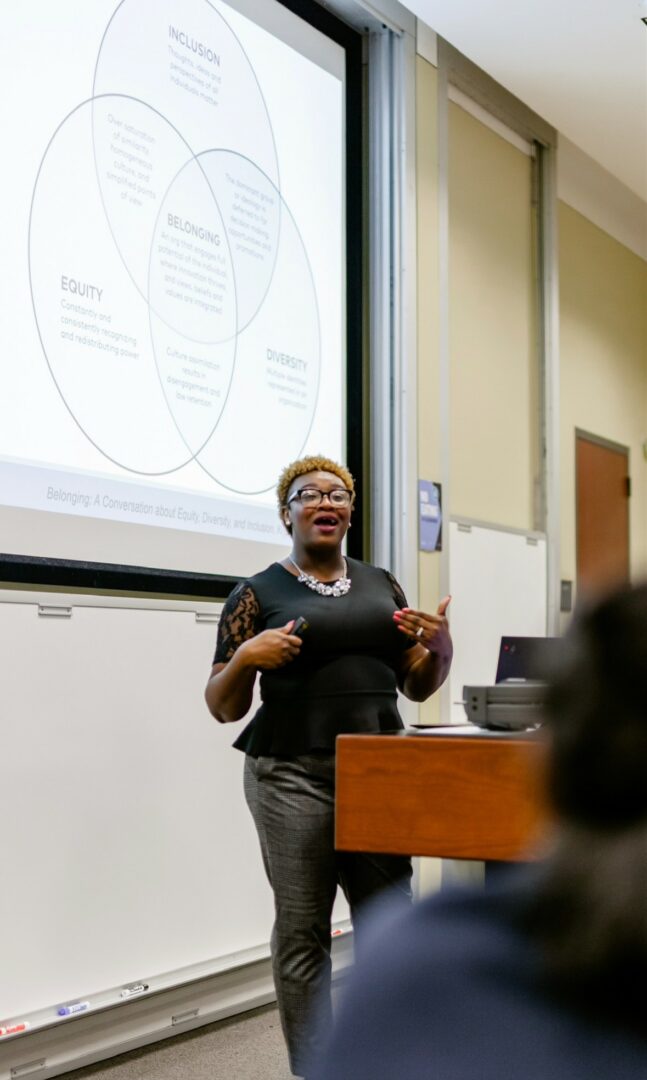
Image Credits
Holly Hartman, ThePOP.Agency
so if you or someone you know deserves recognition please let us know here.