We caught up with the brilliant and insightful Tiecheng Gu a few weeks ago and have shared our conversation below.
Tiecheng, appreciate you making time for us and sharing your wisdom with the community. So many of us go through similar pain points throughout our journeys and so hearing about how others overcame obstacles can be helpful. One of those struggles is keeping creativity alive despite all the stresses, challenges and problems we might be dealing with. How do you keep your creativity alive?
I keep my creativity alive by observing people in public spaces, especially on public transportation. When I was in school in Chicago, I often took the train to campus, where I encountered a wide range of individuals—people from different backgrounds, financial situations, and personalities. Some stood out, while others blended into the crowd, but I’ve always believed that even the most seemingly ordinary person carries a unique story within them.
I pay close attention to their facial expressions, subtle gestures, and clothing choices—small details that can reveal so much about their lives, emotions, and personal journeys. A weary sigh, a nervous fidget, or a carefully chosen outfit can hint at struggles, aspirations, or moments of joy. These unscripted, real-life moments spark my imagination and often become the foundation for the characters and stories I create.
By immersing myself in these everyday observations, I continuously fuel my creative instincts. It keeps me attuned to human nature, helping me craft authentic narratives and multidimensional characters. Creativity, for me, isn’t just about inspiration striking out of nowhere—it’s about staying curious, paying attention to the world around me, and finding meaning in the details that others might overlook.
Thanks, so before we move on maybe you can share a bit more about yourself?
I am a film director and editor with a deep passion for telling stories about family relationships and the often-overlooked moments in life. Since moving to the U.S. for my undergraduate studies, I have spent nearly eight years immersing myself in the world of filmmaking—exploring, learning, and shaping narratives that reflect my vision and experiences.
When I first arrived, I was young and unfamiliar with the cultural complexities around me. But over time, being exposed to different perspectives and ways of life broadened my understanding and shaped the storyteller I am today. This openness and cultural fusion have naturally influenced my films, both in narrative themes and visual style, allowing me to craft stories that bring together contrasting viewpoints.
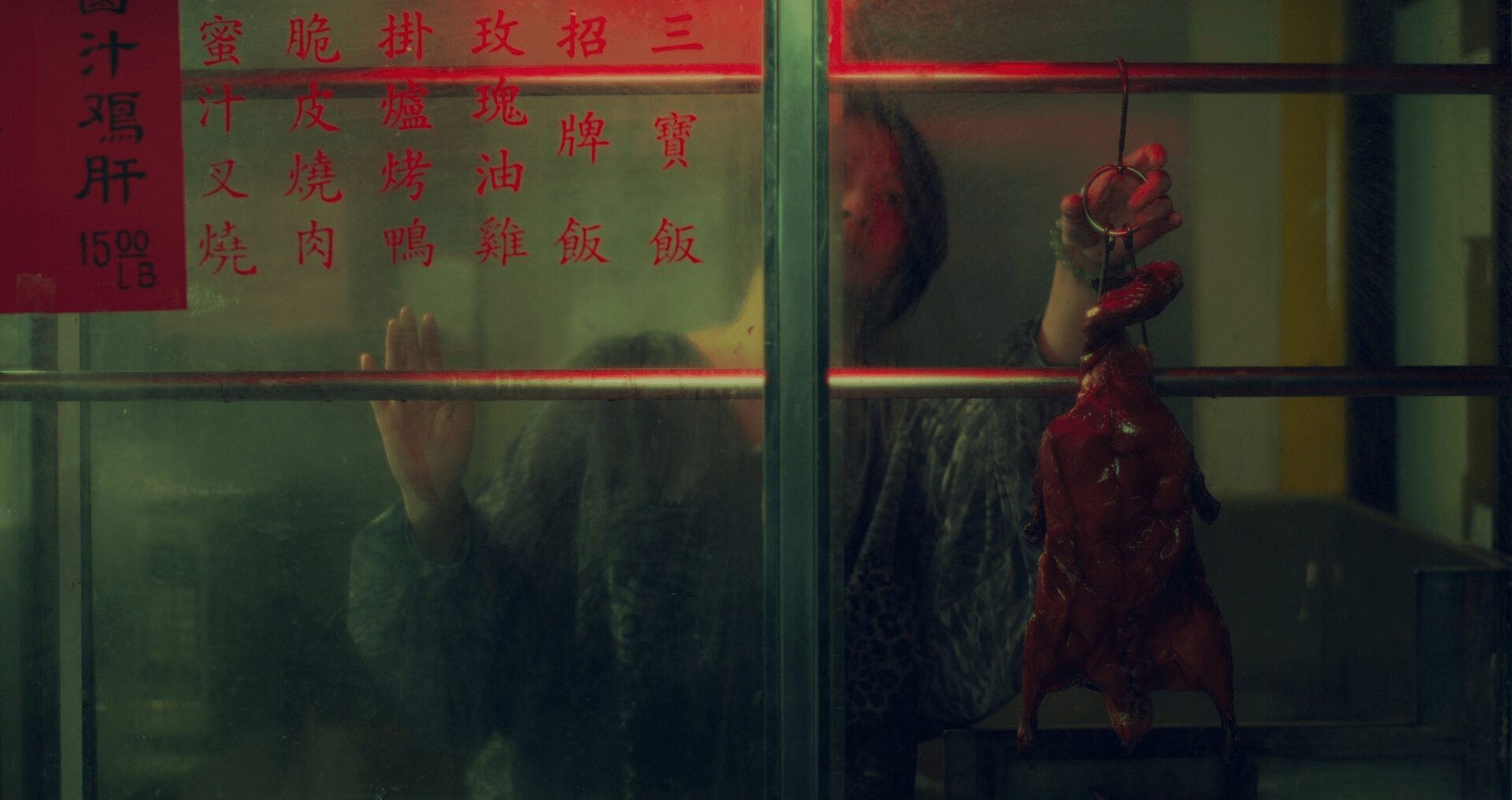
As I’ve mentioned before, I love observing people—studying their behaviors, listening to their stories, and drawing inspiration from real-life experiences, particularly those of Chinese immigrants. I am fascinated by their family dynamics and how their perspectives differ from those who grew up in China. My thesis film explored this very theme, telling the story of a Chinese immigrant mother running a restaurant in an American Chinatown, interwoven with LGBTQ+ elements—topics that remain less openly discussed in my home country. Through my work, I aim to create stories that spark cultural conversations, challenge perspectives, and offer audiences a glimpse into the beauty of diverse experiences.
There is so much advice out there about all the different skills and qualities folks need to develop in order to succeed in today’s highly competitive environment and often it can feel overwhelming. So, if we had to break it down to just the three that matter most, which three skills or qualities would you focus on?
I believe the three most impactful qualities and skills have been persistence, empathy, and maintaining physical and mental health.
Persistence is one of the most important habits a filmmaker can cultivate, especially when it comes to writing. The discipline of consistently putting thoughts into words, even if it’s just a single sentence a day, builds a creative foundation that will prove invaluable in the long run. Inspiration doesn’t always strike in grand moments—it often comes from the smallest observations in daily life. Keeping a record of these details ensures that no idea is lost and provides a well of material to draw from when crafting scripts. Writing is not just a task but a habit that needs to be nurtured. The same applies to filmmaking as a whole. The process of making a film is long and often exhausting, requiring unwavering commitment from pre-production to post. There will always be challenges, but those who keep pushing forward, who continue watching films, analyzing storytelling techniques, and refining their craft, will gradually see growth in their work.
Beyond persistence, empathy plays a crucial role in storytelling. A great filmmaker doesn’t just tell stories—they feel them. It is essential to step into the world of the characters, to fully immerse in their emotions, struggles, and perspectives. If a storyteller can deeply empathize with their characters, the audience will too.
While persistence and empathy fuel creativity, maintaining physical and mental health sustains the ability to create. Filmmaking is both a mental and physical marathon. Long hours of writing, shooting, and editing can be exhausting, making it crucial to care for both body and mind. A simple habit like taking a walk outside, exercising regularly, or stepping away from the screen to engage with the real world can bring new inspiration and clarity.
What was the most impactful thing your parents did for you?
Support. It may seem like a simple word, but to me, it carries power.
Coming from a traditional Chinese family, I was well aware that many parents viewed careers in the arts—especially film—as uncertain and impractical. The conventional belief was that success could only be found in business, computer science, or similarly stable fields. When I first started college, I was actually studying computer science. However, deep down, I felt drawn to filmmaking, to storytelling, but I struggled to make the decision to switch.
At that pivotal moment of uncertainty, my parents told me something that changed everything: “Believe in yourself. We support you.” That simple yet powerful statement gave me the courage to pursue my passion. Their faith in me shaped the filmmaker I am today, allowing me to tell the stories I want to tell, with confidence and conviction.
Contact Info:
- Instagram: https://www.instagram.com/t2gtc/
- Linkedin: https://www.linkedin.com/in/tiecheng-gu-59a250216/
so if you or someone you know deserves recognition please let us know here.