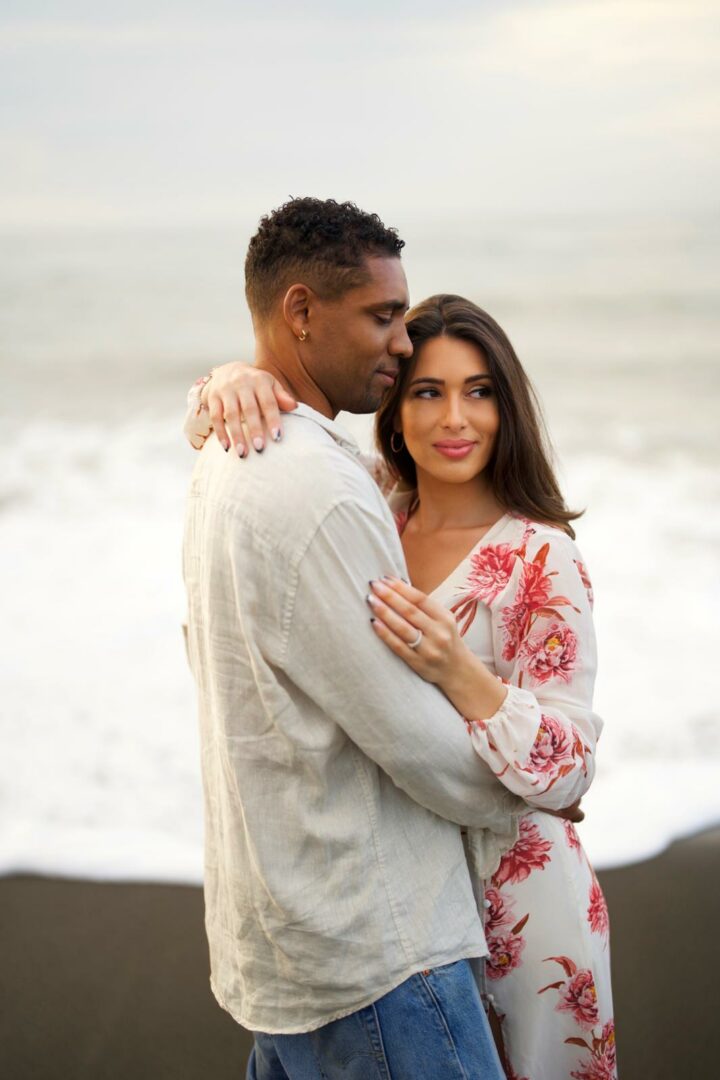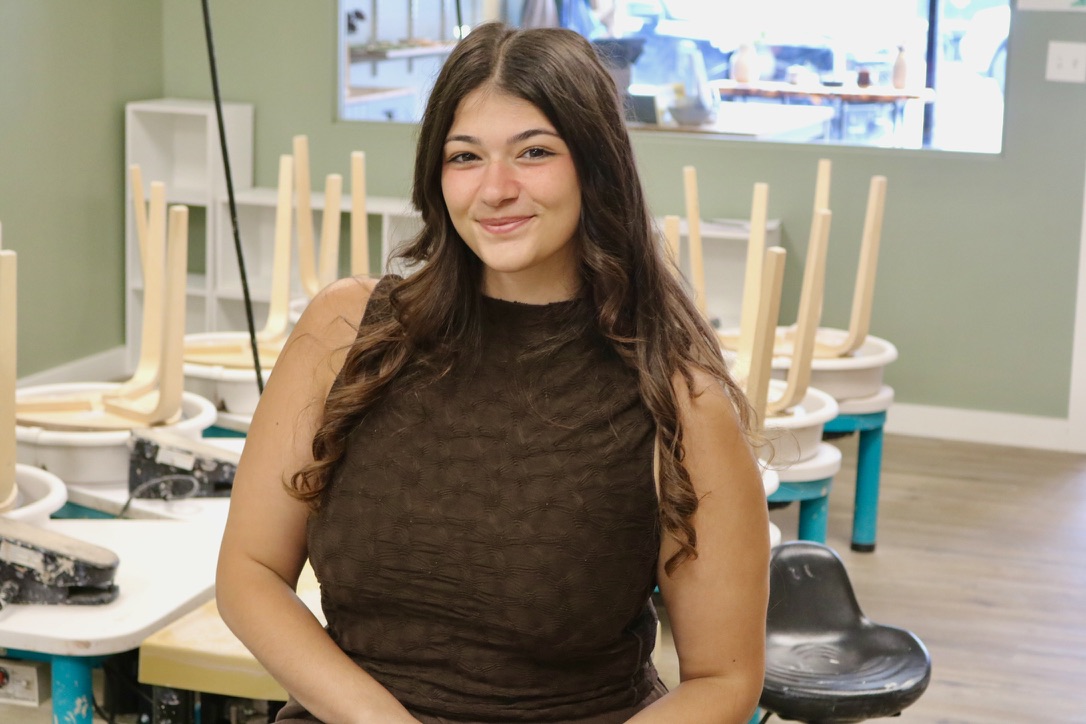
We were lucky to catch up with Ranela Kaligithi recently and have shared our conversation below.
Hi Ranela, we’re so appreciative of you taking the time to share your nuggets of wisdom with our community. One of the topics we think is most important for folks looking to level up their lives is building up their self-confidence and self-esteem. Can you share how you developed your confidence?
I began forming a core belief of “not enough” and “not wanted” when I was 7 or 8 years old. I was the middle child of 3 girls, with an older sister who was born with this magnetic, extroverted charm. Everyone wanted to be her, to be around, to be like her. And it felt like such a juxtaposition to be her sister, as I felt completely opposite. There was this natural polarizing effect and comparison growing up in small towns and small schools. I developed a weak sense of self, continuously believing that I had to be more like her, or at least a lot less like myself to be accepted. I was shy, I inhibited my personality, and I fell into a pattern of people-pleasing and being a chameleon.
Our beliefs become our identity and it shows up in adulthood as making life decisions that are not truly based on your internal compass, but more so on a sense of external validation and acceptance. Those core beliefs lead you to be in relationships that reaffirm that you have to “earn” approval and love. It leads to a very unfulfilling, anxiety-inducing life. And I found myself at rock bottom, around 29 years old.
I had to go on a deep, existential journey with myself at 29, in order to start reconnecting with the Ranela I had lost as an 8 year old girl. It was hours and hours of journaling, time reflecting on who I was vs. who I wanted to be. I finally got into therapy for the first time outside of couples therapy, and started working on my relationship with myself — and addressing those childhood beliefs. It was scary, it felt very overwhelming at the time. But the more I faced it all, the more I grieved. And the more I grieved, the more I could accept. This is a vital part of the journey back to your self-confidence and self-esteem — grieving with your younger self, grieving the loss of who you thought you had to be in order to be loved. Grieving well allows you to show up for yourself as your adult self. This helps you move forward with the confidence of an adult, and not stuck in the helpless, core beliefs of your younger self.
I would say that the single hardest, yet most important skill to learn as someone who is developing a stronger sense of self, is to spend more time alone. It causes you to rely on YOU for happiness, to become your own best friend — instead of needing others to constantly fill that role. It also starts to build self-trust, that no matter what life brings you, you always have your own back.


Thanks, so before we move on maybe you can share a bit more about yourself?
I am a coach and an Associate Marriage and Family Therapist. But most of all, I’m a human. I started sharing my journey online in 2021, at the same time I was going back to school for my Master’s in Counseling Psychology. I am passionate about helping people redefine their relationship with themselves and those they love. I especially love talking about how to move from self-sabotage to self-love and self-acceptance.
As a therapist, I’ve worked with children, families, and women who’ve experienced trauma. Most recently, I worked at an intensive outpatient program for women’s trauma, leading groups and providing 1:1 therapy. It gave me an even deeper passion to help women strengthen their sense of self.
I currently work as an online life coach and content creator, supporting women 1:1 in our weekly sessions, or creating resources to help people build back their love for themselves and for life. I focus a lot on relationships, finding your purpose, letting go of self-sabotage, and rebuilding a strong sense of self-love.
Overall, my mission is to simply share my story and help other’s rewrite their own. The skills and tools and research are very important, but our stories are what holds the transformative power.
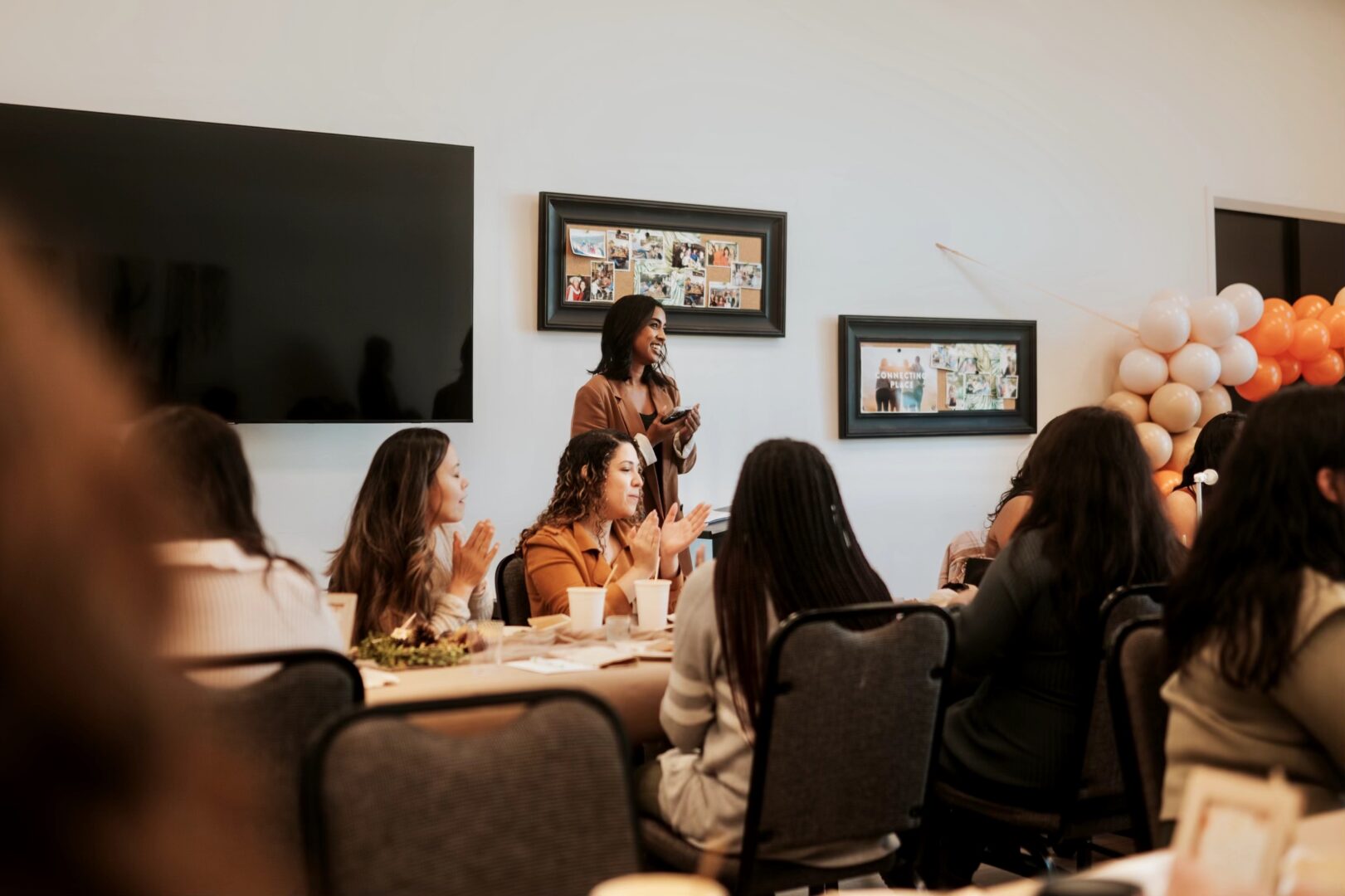

There is so much advice out there about all the different skills and qualities folks need to develop in order to succeed in today’s highly competitive environment and often it can feel overwhelming. So, if we had to break it down to just the three that matter most, which three skills or qualities would you focus on?
The most transformative lesson I’ve had to learn is how to accept myself, love myself, and enjoy myself — even when I feel like a failure. I think self-love and self-acceptance is a skill and it’s a choice. It’s not earned and it can’t come from externals. It literally has to come from a deep understanding and belief that you are enough, even and especially when you don’t feel like it. It’s taken me a long time to get there, but now that I’m there — I feel genuinely free. I had to teach myself how to remove any form of self-hate from my vocabulary or from sitting in my psyche for too long, and the payoff is so so worth it.
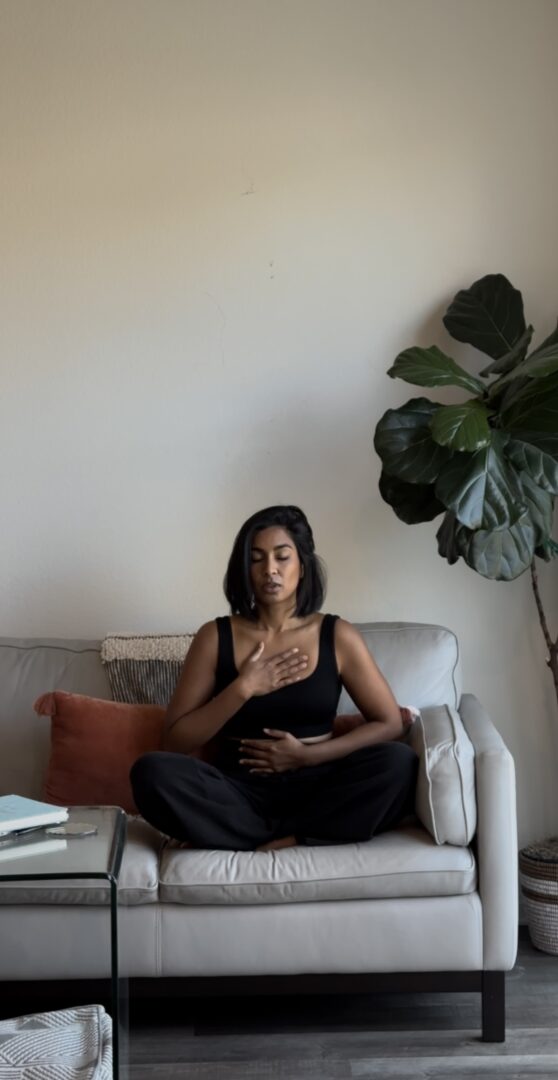
Another skill that is vital to thriving in life is the skill of feeling safe in your own body. For those of us who have experienced any form of trauma, it puts your body in this state of constant self-defense. If you find yourself easily triggered or defensive, it might be that you don’t feel safe in your own body. What I mean by that, is that when we teach our nervous system a different story about the external stimuli coming in, we’re able to feel more in control, to feel more relaxed, and to feel more anchored. This can be done by attending yoga, meditation, sound baths, therapy, somatic-focused classes and practicing focusing on the breath during triggers, while repeating mantras and affirmations to rewire the response.
That skill leads straight into this last essential quality of life, which is emotional regulation. When you’re able to allow all emotions to exist within you, while managing your reactions and responses to them, life becomes much less intimidating. Most of us spend our lives running away from experiencing certain emotions because we’re afraid of them, or we were punished for having them in childhood. But as adults who have more autonomy, we have to teach ourselves how to allow all emotions in and manage them, and not be afraid of them. This also requires us to take a hard look at our core beliefs, which always create a filter for interpretation of external stimuli. Having strong emotional regulation allows us to show up to our relationships with vulnerability, curiosity, and emotional availability, rather than defensiveness, fear, or self-protection.


How would you describe your ideal client?
I think the person who would benefit the most from being part of my community, are women who are ready to step outside of the quarter-life crisis and into rebuilding from the ground up.
These are women who are uncovering layers of subconscious beliefs and socialized ways of existing that have not served them well. These are also women who are ready to face the ways in which they’ve contributed to their own suffering, and are ready to re-write their core beliefs, forgive themselves, and create new patterns. Most of us don’t learn foundational skills like self-love, emotional regulation, boundaries or communication. So in my 1:1 sessions and content, I do my best to fill in those gaps in a really practical and nonjudgemental way. My main goal is to help them become their own best friend and build relationships that are safe, healthy, and fulfilling.
Contact Info:
- Instagram: @lifewithranela

so if you or someone you know deserves recognition please let us know here.