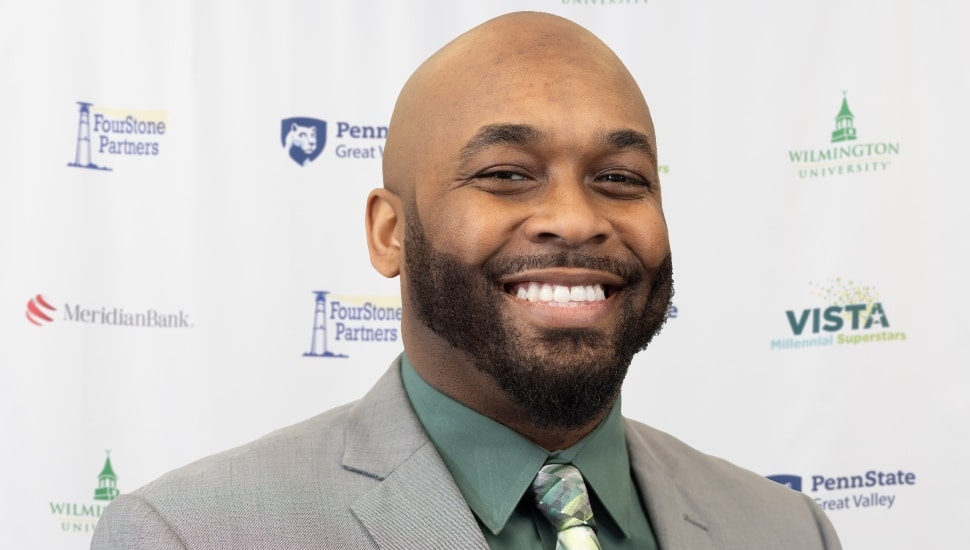
Alright – so today we’ve got the honor of introducing you to Justin Brown. We think you’ll enjoy our conversation, we’ve shared it below.
Hi Justin, so excited to talk about all sorts of important topics with you today. The first one we want to jump into is about being the only one in the room – for some that’s being the only person of color or the only non-native English speaker or the only non-MBA, etc Can you talk to us about how you have managed to be successful even when you were the only one in the room that looked like you?
Being the only one in the room who looks like me has been both a challenge and an opportunity. Over time, I’ve learned to navigate these spaces with confidence, authenticity, and strategic adaptability. Here are a few key lessons that have helped me be effective and successful in these situations:
Owning My Expertise – I remind myself that I am in the room for a reason. My knowledge, skills, and experiences have earned me a seat at the table, and I approach every space with that mindset.
Building Relationships – Establishing strong connections with colleagues and stakeholders has been essential. By fostering meaningful relationships, I create allies, broaden my support network, and open doors for collaboration.
Embracing My Perspective – Rather than seeing my uniqueness as a barrier, I view it as an asset. My lived experiences allow me to bring fresh insights and solutions to discussions, helping organizations and teams think more inclusively.
Staying Composed & Confident – When in unfamiliar or challenging environments, I focus on remaining poised, prepared, and professional. Confidence is key in ensuring my voice is heard and respected.
Lifting as I Climb – As I navigate these spaces, I make it a priority to mentor and support others who may face similar challenges. Representation matters, and I work to ensure that I’m not the last one in the room who looks like me.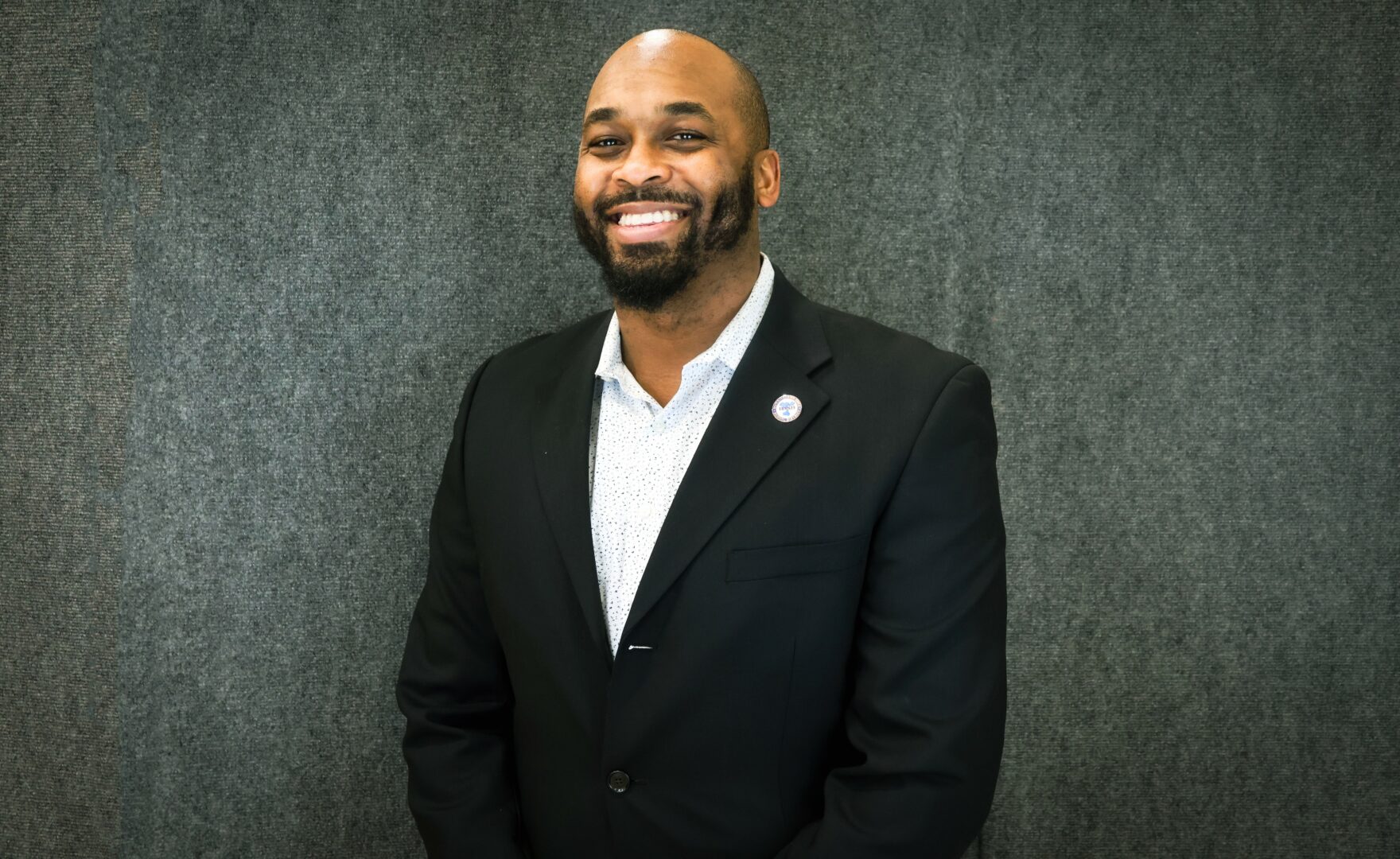
Great, so let’s take a few minutes and cover your story. What should folks know about you and what you do?
I appreciate the opportunity to share more about my work, my journey, and my passion for education, student success, and leadership development. My professional focus has always been centered on empowering students, educators, and professionals to cultivate inclusive environments, enhance engagement, and foster meaningful personal and professional growth.
My Work and Mission
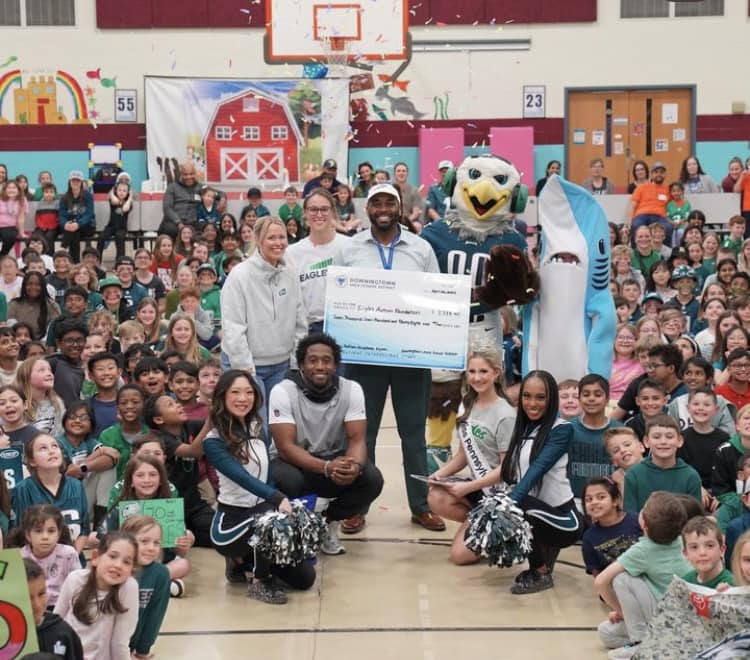
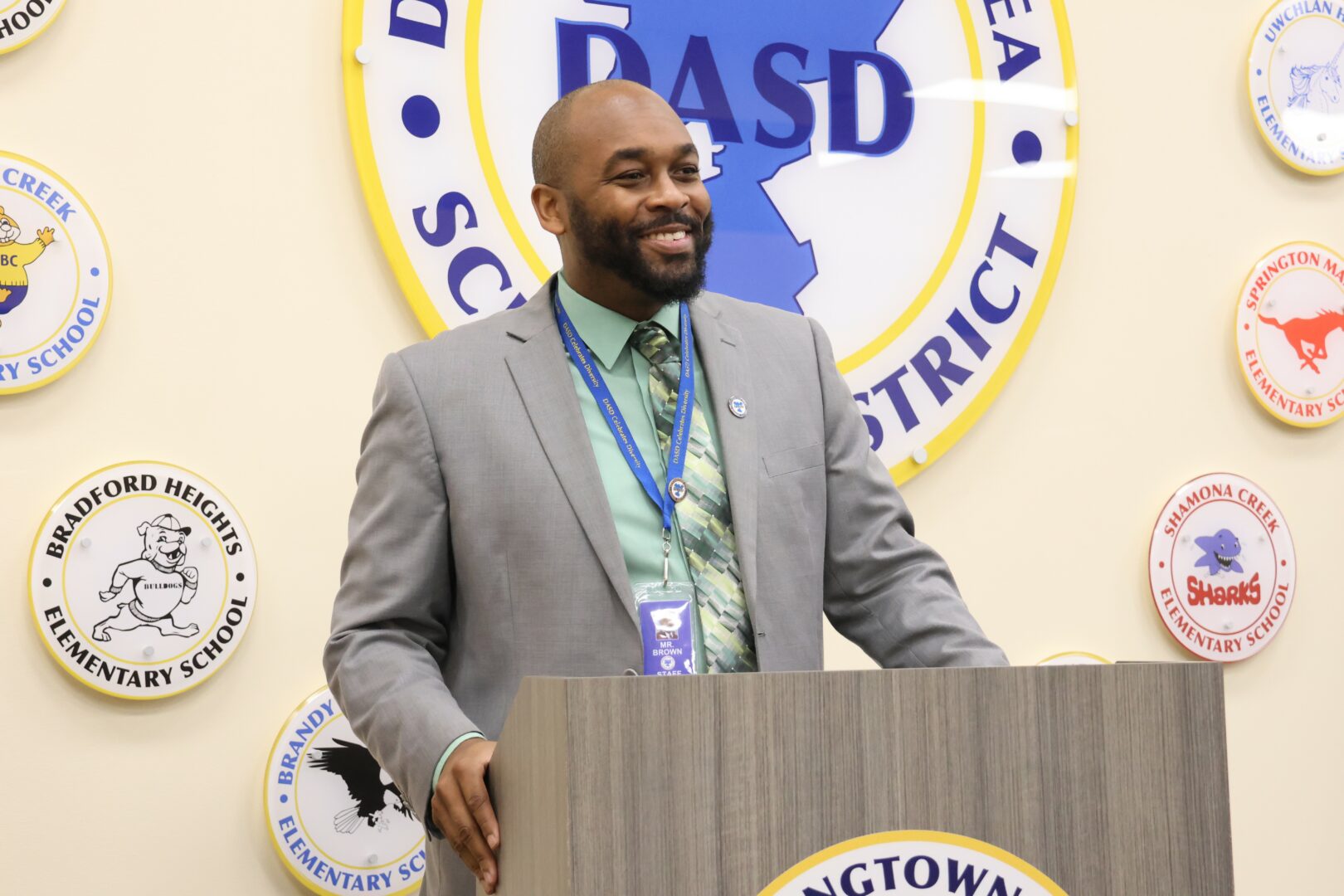
Currently, I serve as the Director of Student Relations and School Climate at Downingtown Area School District (DASD), where I lead initiatives that strengthen student engagement, school belonging, and restorative practices. My role is dynamic, ranging from working directly with students to advising district leadership on policies that impact student life. What excites me most about my work is the ability to create lasting change—ensuring that students not only succeed academically but also feel supported, valued, and prepared for life beyond school.
Working with Students: A Commitment to Growth & Success
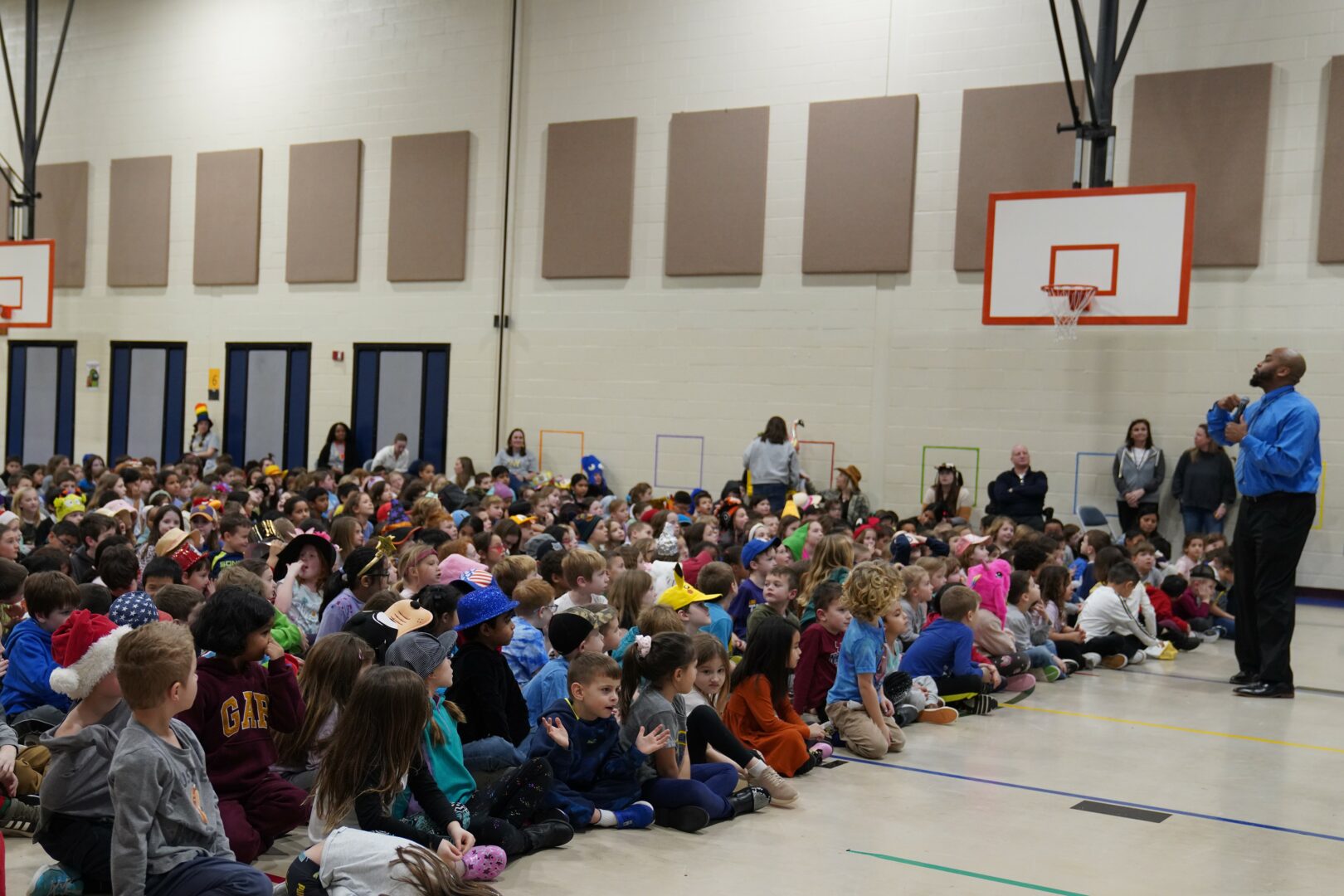
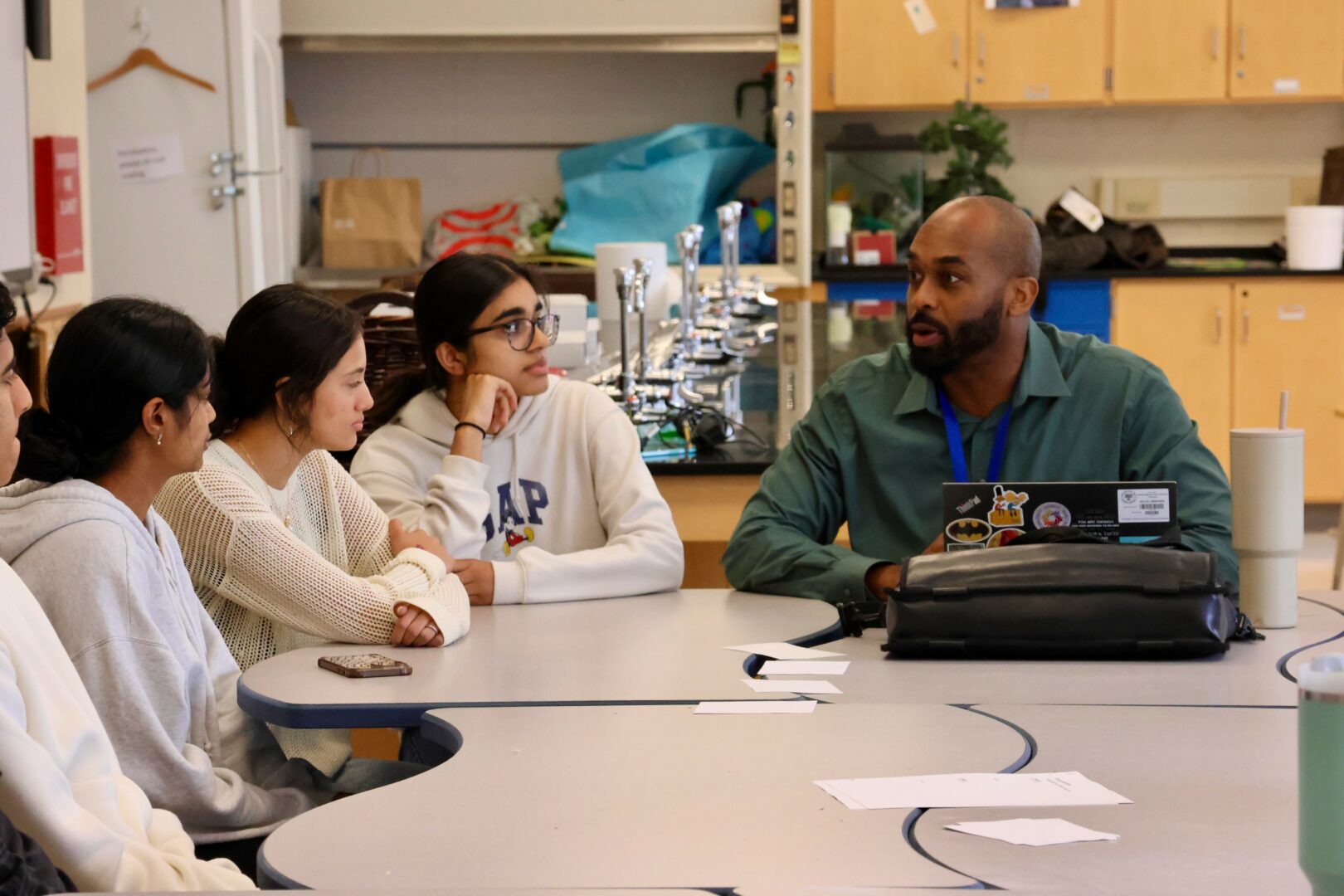
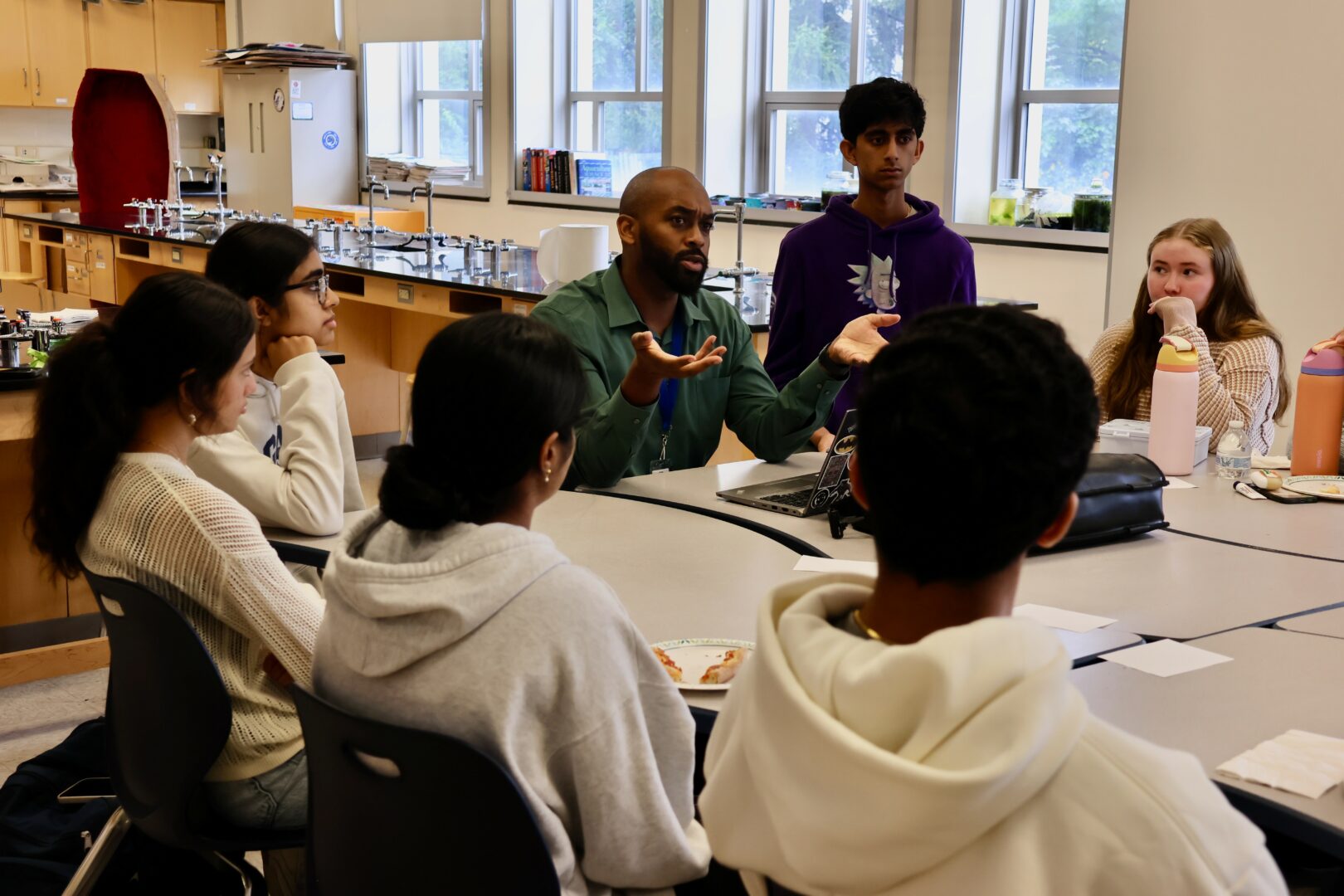
One of the most rewarding aspects of my work is engaging directly with students. Whether through mentorship, student leadership programs, or tailored workshops, I prioritize student voice and agency. I conduct Student Life sessions to gather real feedback from students, helping schools improve their approach to engagement, belonging, and support. I also specialize in restorative practices, ensuring that students are given opportunities to learn, grow, and build positive relationships rather than just face punitive consequences.
I also work with student-athletes, helping them navigate leadership, teamwork, and personal development. Many athletes face unique pressures—balancing academics, competition, and personal expectations. My work focuses on mental resilience, time management, and leadership training to ensure they succeed both on and off the field. Through my role as an athlete liaison, I also connect students with professionals and mentors who can guide them in their future careers, whether in sports or other industries.
Training & Workshops: Reaching Professionals and Organizations
Beyond working with students, I provide professional training and development for educators, administrators, and corporate teams. My work includes:
Executive Coaching & Leadership Training – Helping professionals refine their leadership skills, navigate workplace challenges, and build effective teams.
Restorative Practices & Conflict Mediation – Training educators and professionals in effective communication, conflict resolution, and community-building strategies.
If you had to pick three qualities that are most important to develop, which three would you say matter most?
Looking back on my journey, the three qualities that have had the most profound impact on my growth are resilience, relationship-building, and a growth mindset. These qualities have helped me navigate challenges, expand my network, and continuously improve in my personal and professional life.
Resilience: In my work—whether in education, student relations, or leadership development—resilience has been key. There have been countless moments when the road ahead seemed uncertain or difficult, but I’ve learned that setbacks are simply opportunities for growth. When I was the only one in the room who looked like me, or when I faced pushback on new initiatives, resilience allowed me to keep moving forward and pushing for change.
Advice for those early in their journey: Don’t be discouraged by setbacks or rejection. Taking calculated risks and embracing failure as part of the process is essential. The worst people can say is no, and every “no” brings you closer to a “yes.” The key is to stay persistent, learn from each experience, and keep your long-term vision in focus. Surround yourself with mentors or colleagues who can offer guidance and support, especially when you don’t have all the answers yourself.
Relationship-Building: Much of my work revolves around working with people—students, educators, athletes, and leaders. Building authentic relationships has been instrumental in my success. Whether I’m working with students on their leadership development or collaborating with district leadership on school climate initiatives, strong relationships have been the foundation of effective work. By listening, empathizing, and engaging others, I’ve been able to connect with people across various sectors and create meaningful change.
Advice for those early in their journey: Invest in relationships, especially with those who have diverse experiences and perspectives. Building a strong network early on can provide you with guidance, new opportunities, and fresh ideas. Be authentic and take time to connect with people not just professionally but personally. The trust and support you build will pay off in ways you may not immediately see.
Growth Mindset: In my work with students and educators, I emphasize the importance of a growth mindset—the belief that abilities and intelligence can be developed through dedication and hard work. I apply this philosophy to my own life as well. I constantly seek opportunities to learn, grow, and adapt, whether it’s through new training, collaborations, or expanding my professional knowledge. This mindset has been essential in staying open to new ideas, feedback, and continuous improvement.
Advice for those early in their journey: Cultivate a growth mindset from the start. Approach challenges as learning opportunities and don’t be afraid to ask questions or admit when you don’t know something. Align yourself with people who have the expertise and experience you may not yet have. There’s always room to grow, and the willingness to learn and adapt will keep you moving forward in your career and personal life.
Before we go, any advice you can share with people who are feeling overwhelmed?
When I feel overwhelmed, I focus on three key strategies: prioritization, seeking support, and intentional self-care. These approaches help me stay grounded, maintain productivity, and avoid burnout, especially in high-pressure situations where I’m managing multiple responsibilities.
Prioritization and Strategic Planning – When I have a lot on my plate—whether it’s preparing for a training, working with students, or managing district-wide initiatives—I step back and assess what truly needs to be done first. I break large tasks into smaller, manageable steps and tackle them one at a time. I also use strategic delegation, recognizing that I don’t have to do everything alone.
Advice: Create a structured approach to your workload. Identify urgent versus important tasks and focus on what will have the most impact. Use tools like planners, task lists, or digital calendars to stay organized. Remember, you don’t have to have all the answers immediately—give yourself permission to prioritize and pace your efforts.
Seeking Support and Collaboration – I remind myself that I don’t have to go through challenges alone. Whether it’s leaning on my team, consulting mentors, or collaborating with colleagues, I make sure to seek out perspectives and expertise that can help me navigate tough situations. When I don’t know the answer, I align myself with people who do, ensuring that I’m always learning and growing.
Advice: Don’t be afraid to ask for help. Build a network of supportive colleagues, mentors, and friends who can provide guidance, encouragement, or simply a listening ear. Sometimes, stepping back and getting an outside perspective makes all the difference in problem-solving and maintaining clarity.
Intentional Self-Care and Reflection – When overwhelmed, I intentionally set aside time to reset—whether it’s through exercise, reading, spending time with family, or just taking a break to clear my mind. I also engage in reflection, asking myself: What’s causing this stress? What can I adjust? What’s within my control? By taking a moment to breathe and recalibrate, I regain the energy and focus needed to move forward effectively.
Advice: Prioritize your well-being. Overworking without balance leads to exhaustion and decreased productivity. Incorporate small habits into your routine—exercise, mindfulness, or even just stepping outside for fresh air—to maintain your mental and emotional health. Remember, success isn’t just about working hard; it’s about working smart and sustaining yourself for the long run.
Contact Info:
- Website: https://diversityawarenessprogram.com/
- Instagram: justinlbrown331
- Facebook: https://www.facebook.com/profile.php?id=631431750
- Linkedin: https://www.linkedin.com/in/justinbrown07/
- Twitter: JLbrown11
- Youtube: https://www.youtube.com/@jusdollaz07