We were lucky to catch up with Christian Burnett recently and have shared our conversation below.
Hi Christian, appreciate you sitting with us today to share your wisdom with our readers. So, let’s start with resilience – where do you get your resilience from?
Almost any journey into the film industry can expect to run into a reasonable amount of rejection, frustration and failure. It’s a road through catastrophe. And a person’s resilience can be measured by their ability to weather the storm of those disasters.
The first disaster I encountered was the Global Financial Crisis, which began while I was at university and was in full swing by the time I graduated. I was determined to get into film and TV, but I come from a working class background and didn’t have any connections that could give me a leg up into the industry. If the doorway into the job market was narrow before, the global recession practically closed it. I remember having a target of sending emails to 100 media production companies per day asking for a job. Or even work experience. Only one or two out of that number would ever respond, and usually with a polite, “We’ll bear you in mind if anything comes up.” In that environment, opportunity had to be leveraged from every possible moment.
Resilience is the most valuable currency in a competitive industry. One way I was able to manifest it in my career was by rolling with the punches. And I mean that in an almost literal sense; it’s all about moving gracefully in the direction of travel in which you get slammed. I got fired from my first entry level job as a runner in a large post house, and from that moment on I called myself a freelancer.
“That means you’re unemployed, right?” somebody once asked. And at first, that was exactly what it meant. When work came it was in tiny increments, and I started juggling a part time telesales job with being a production assistant on everything from corporate shoots to music videos. Money was always tight during that time. My clothes were shabby. I couldn’t afford the North Face uniform worn by almost everyone else on set. But I knew how to put up a C-stand and hold a boom pole, and eventually that allowed me to hustle my way into the sound department on bigger productions.
What followed was a run of jobs where I faked it as a sound recordist, hauling cases of borrowed equipment on public transport and hitching rides home with other crew. I learned to sleep on the train with my arms guarding five peli cases at a time, dreaming of the day I’d be able to afford a car.
And when someone asked if I was able to operate a camera or lights or whatever else, I’d say yes. More than a few times, I’d stretch the truth about what I could and couldn’t do. I was motivated by hunger, and a keen desire to line up the next job. But this wasn’t a purely cynical grift; I worked extra hard to maintain the ruse. I needed repeat business, and that meant being as good as I said I was. I had a classic case of imposter syndrome, but now in retrospect I think I was simply learning on the job and pushing myself out of my comfort zone.
I also had the benefit of a Mum and Dad that never once told me to “get a real job” while I was hitting my mid-twenties on breadline paychecks, trying to make my dreams come true. And whenever I was disheartened by those dreams taking longer to realize than expected, my parents remained proud of my ambition. I can’t give credit to my own tenacity without mentioning their support.
Then one day, on a shoot, a producer asked me if I could edit. And so I improvised my way into what would become my career as an editor. I instantly fell in love with the craft of editing; it felt like suddenly realising I’d been fluent in a secret language my whole life, then getting a chance to converse in it every day. It’s become a career that I’ve enjoyed for over 12 years, using editing as a springboard into directing and creative direction across a diverse landscape of projects.
And that principle of rolling with the punches starts to become a guiding philosophy. For example, while directing my nocturnal horror short ‘Night Land’, I was battling to get an ambitious night shoot in the can before sunrise. When the 1st AD told me there was no possible way I could shoot the remaining four shots in the schedule before dawn, I had to quickly conceive a way to cover the remaining action in a single shot that we could nail in a couple of takes. And that ended up being one of my favourite shots, as well as a valuable lesson in economic storytelling. I was coming up with a plan B on the fly, moving with the current of the things I couldn’t change but maintaining control of the things I could. And that’s really what I’ve been doing my whole working life.
The COVID pandemic decimated my client base for editing work. So I sort of had to rebuild from scratch, and that meant a long period of increased uncertainty and financial stress. My wife Nalita was a huge support during that time. She not only encouraged me to keep my chin up whilst looking for commercial work, but she also inspired me to keep working towards my goals as a filmmaker. There was this weird moment where nobody was sure if cinema would survive, and filmmakers were resorting to home-made lockdown experiments. Thanks to Nalita’s encouragement I was weathering that storm in my own way – teaching myself new editing skills and building camera rigs in the kitchen out of second hand gear, elastic bands and duct tape. That period of DIY experimentation culminated in my recent short ‘Yellowmeads’; a project which began in the confines of lockdown but is now enjoying a global festival run.
I don’t want the moral of the story to be anything as glib as ‘every failure can lead to success’. Reality in practice is more frantic than that. The moral is closer to: ‘once you realise you’re about to fall over, try to fall over in the coolest way possible.’ Resilience is gained from learning that disasters can yield unexpected boons, if you ride them out gracefully enough. And even the worst catastrophe can be a learning curve. Every road to victory surely follows a path through such terrain.
At some point when you’ve been faking it long enough, you realise that you’re not faking it any more. You’ve actually done the graft that gives you a certain level of expertise in your field, and now you’re in a position to support those who are less experienced. During that transformation you start to become confident about admitting to the areas in which you need improvement, as well. From my perspective, I’ve enjoyed a bumpy ride of failures as well as victories, and I’m nowhere near the end of that road. There’s plenty still to do, and plenty I need to improve upon. And if disaster strikes again, I know which way I’m going to roll.
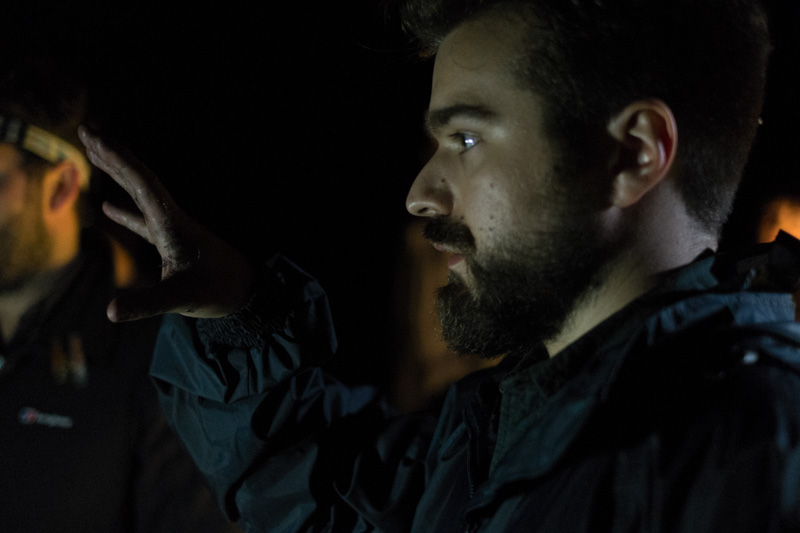
Thanks, so before we move on maybe you can share a bit more about yourself?
I have been working in film and television as an editor for the last twelve years with a career that span commercials, music videos, documentaries and short films. I also operate a post production business which connects clients with editors, animators and colourists who are passionate about their craft. I’ve used this career to follow in-roads to directing, cinematography and creative directing.
For me, post production should never be about pushing buttons and painting by numbers. It’s about grasping a concept, telling a story, and combining creative wisdom with technical nous. And throwing in some experimental chaos every now and then to keep clients on their toes! In a world where AI is encroaching on areas of human creativity, craftspeople need to infuse their work with wit and feeling to stay one step ahead of the machines. This is the kind of work I’m passionate about, and it’s what I strive to bring to every job. Whether that’s overseeing a large project with a team, or freelancing as an editor.
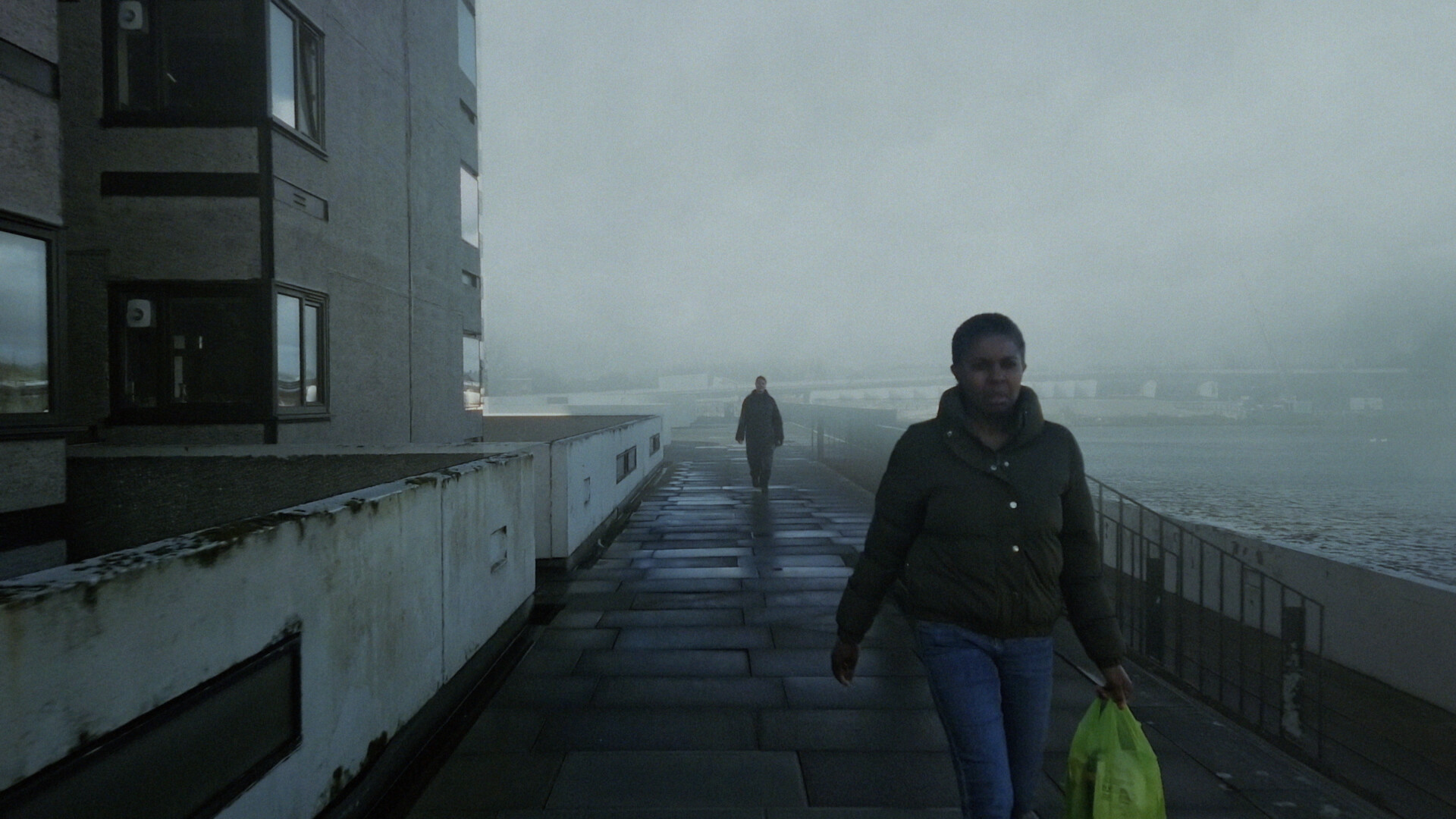
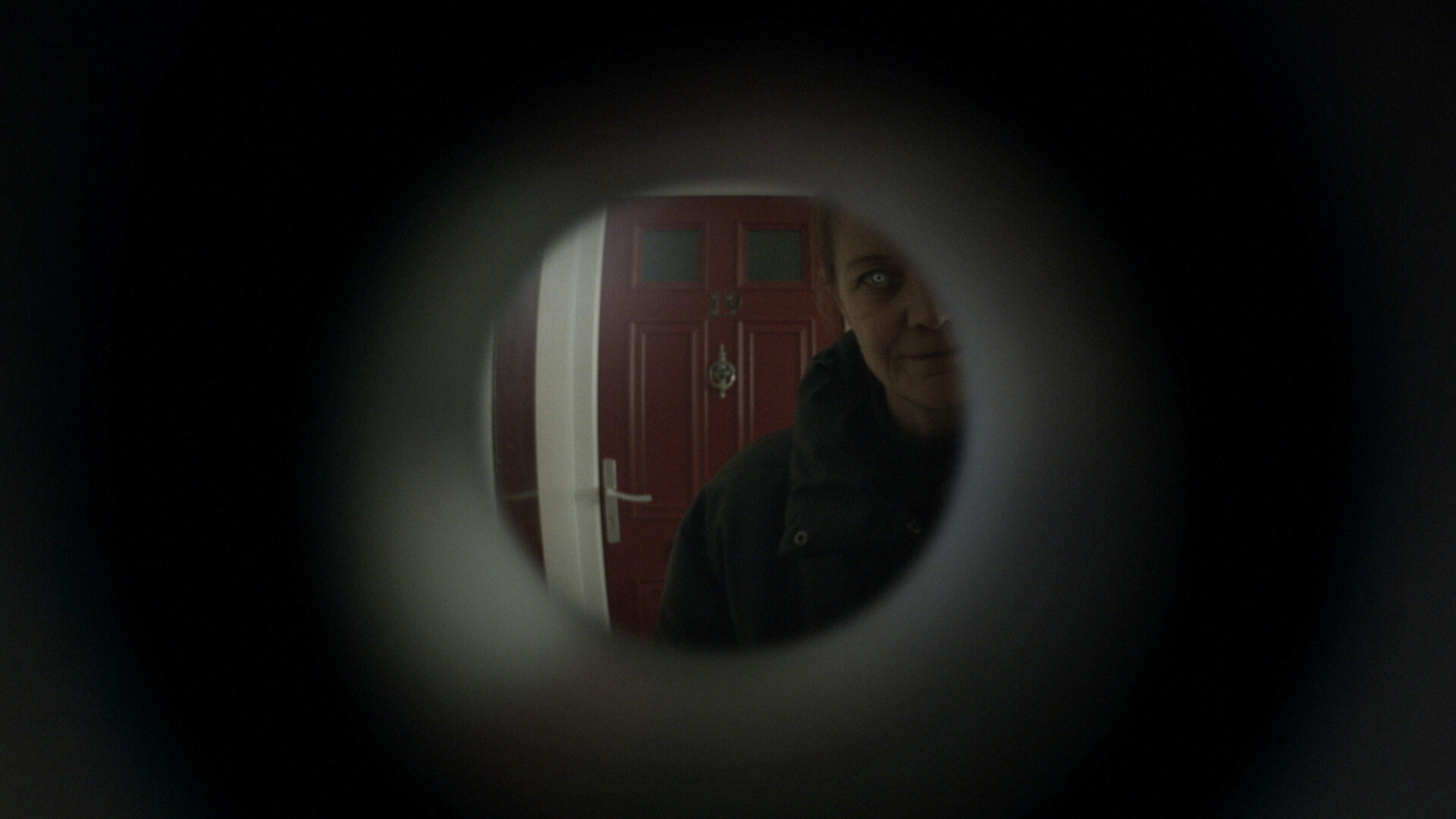
I directed the award winning horror short ‘Night Land’, a road movie through an ash cloud which has turned day into night. You can watch Night Land on Alter’s Youtube channel. My latest horror sci-fi short, ‘Yellowmeads’ is currently on its own award-winning festival run and will be released online later this year. It combines nightmarish imagery with a socially-conscious narrative, experimental camerawork, psychotropic VFX and a tense electronic score. I’ve got more shorts in the pipeline, and I’ve been pitching feature film projects too.
Looking back, what do you think were the three qualities, skills, or areas of knowledge that were most impactful in your journey? What advice do you have for folks who are early in their journey in terms of how they can best develop or improve on these?
Anyone working in a creative medium should have keen eyes and ears for detail. When you boil it down, my work is really about communication; and visual arts have languages and codes that need to be understood. That means having an analytical eye when consuming art, thinking about the micro details of execution in relation to how it makes you feel. To translate that into everyday editing work, for example, means really thinking about what every cut is trying to communicate. This isn’t as time consuming as it sounds because once you start following that principle, it becomes second nature. The author Walter Murch has written extensively on how much meaning can be implied in a cut, so he is an author that I often recommend to editors who are starting out.
I’ve got eclectic tastes, and that is always a source of inspiration. I read, enjoy a lot of music, go to the theatre, play video games and watch a lot of news! Art doesn’t occur in a vacuum, so I think a balanced cultural diet is important, even if you’re working in a specific niche.
On similar lines, I’ve got a diverse skillset, and this has helped me out a lot. I bounced around different jobs on shoots and film sets quite a bit in my earlier career; so I’ve got a little experience in a wide range of disciplines; sound, camera, lighting, etc. In my early twenties I really had no idea what I wanted to do, so while I was probably slower than some to get started in my career, it meant I picked up a few skills while I meandered. Sound is the one that I keep coming back to. I often lay edits out like pieces of music and focus on the audio rather than visuals when I’m outlining a rough cut. Audio plays a huge role in my films, too. I do sound design and compose music as well; I keep a guitar and keyboard right next to my workstation so I can throw down a quick sketch, even if I’m just suggesting temp music. But knowing how to operate camera also helps me talk to directors and cam ops at the post-production stage. Everything comes in handy, so getting a holistic understanding of different disciplines and how they interact with each other can really add flair to your work.
Before we go, maybe you can tell us a bit about your parents and what you feel was the most impactful thing they did for you?
My parents separated when I was quite young, but they both pushed me towards a love of film in different ways. My Dad enjoys ghost stories and horror movies; and is a bona fide spotter of spirits and UFOs. There was always a spooky folk story or two while walking the dog in the park at night. He used to sneak me in to 15 certificate movies when I was about 10 years old… I don’t know how he managed this!
My Mum and I used to go to the video rental store after school on a Friday night to choose a couple of films to watch. My Mum is also a horror movie aficionado, so there was usually something scary on the bill. The video rental is a hallowed place in my memory now; I remember the feeling of excitement and dread as I wandered into the horror movie aisle. Some of the VHS cases (Hellraiser, Halloween, The Thing…) felt cursed – but my Mum helped me curate my tastes, and not to be scared. Then we’d both hide behind the sofa when it came to actually watching them!
Now I’m much older, but my parents will be among the first to watch the short films I make. And all of those formative experiences are reflected in that work. I get my Mum to proof-read my scripts too. She has an eye for detail that would put Poirot to shame, and to be honest she pushes me towards my best ideas.
While some of my friends were training to become doctors or following other academic paths, I was pumping fake blood through prosthetics and mixing buckets of goo to create monster makeup. So much of what I was doing looked like child’s play, but my parents both took my passion seriously.
Contact Info:
- Website: https://www.christianburnett.com
- Instagram: @christianjburnett
- Other: Some links to my work:
‘Night Land’ short film: https://youtu.be/DLOfhWJ9NOc?si=BoVf7ST0sXawRxh8
‘Yellowmeads’ trailer: https://youtu.be/OLXvRyun–c?si=6CLWLYTzM1NofT2D
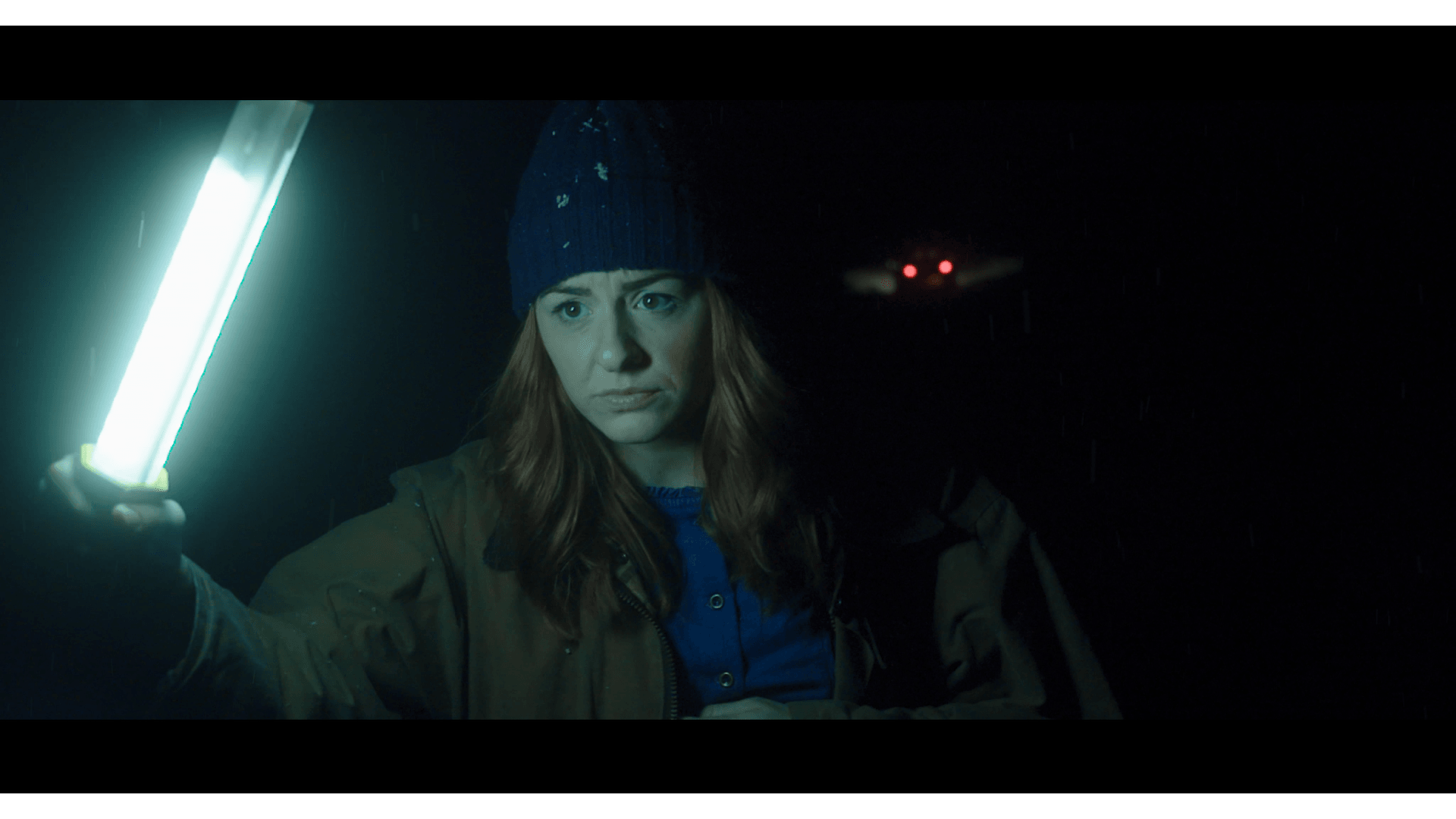
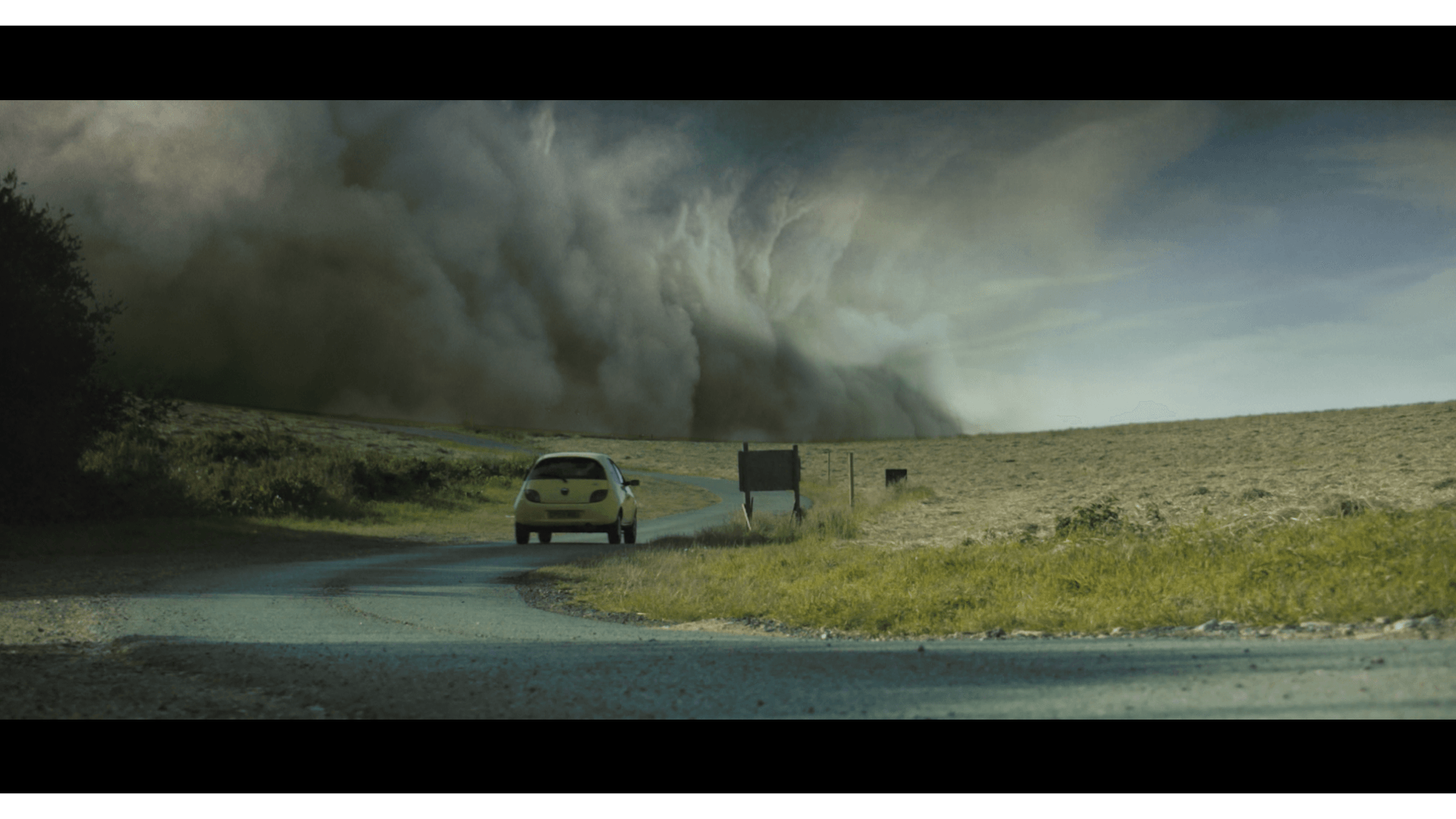
Image Credits
Nalita Kroukamp
Tim Martin
so if you or someone you know deserves recognition please let us know here.