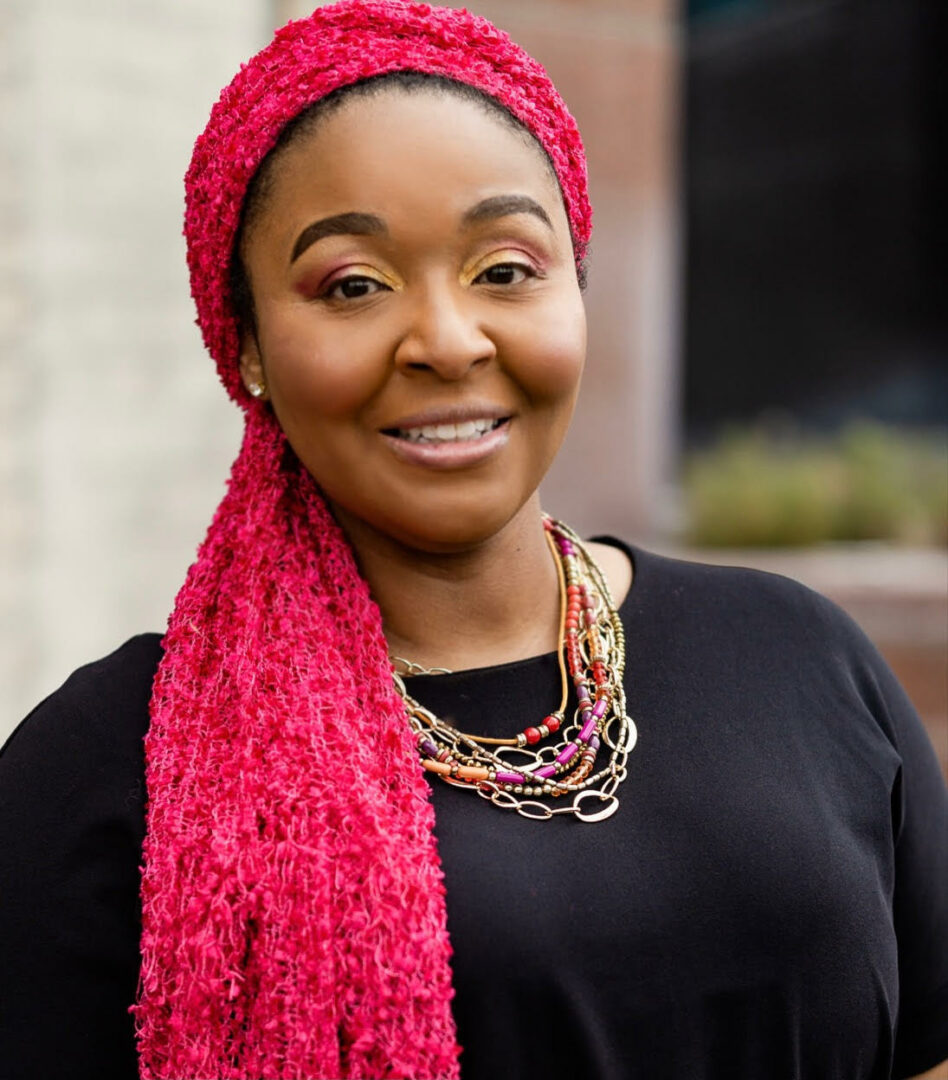
Alright – so today we’ve got the honor of introducing you to Ja’el Gordon. We think you’ll enjoy our conversation, we’ve shared it below.
Hi Ja’el, really happy you were able to join us today and we’re looking forward to sharing your story and insights with our readers. Let’s start with the heart of it all – purpose. How did you find your purpose?
I didn’t stumble into my purpose. I’ve known it for as long as I can remember. Even as a child, I was drawn to plantations. Not because of the grandeur people often associated with them, but because I wanted to know who really lived there. I wanted to know about the people whose stories weren’t being told. I quickly learned that the beauty many people saw in these homes was built on deep pain, and that beneath the polished surface were lives marked by unimaginable trauma. That realization shaped the way I saw history and the way I saw myself in it.
I was a very shy and introverted child…always observing and always listening. I rarely spoke and was often overlooked, but I noticed everything. I was always interested in knowing “why”, “who”, and “what” about people. I paid attention to what people said and what they avoided saying. That stillness allowed me to connect to the voices that were missing from the historical narrative. I felt drawn to the silences. And I felt responsible for filling them because I knew what it feels like to be silenced.
That sense of responsibility never left me. It became my path. My work today focuses on researching slavery, plantations, and the lives of the enslaved. I document their stories, locate lost burial sites, conduct oral histories, and work closely with descendant communities. I don’t do this work to revisit pain. I do it to restore humanity. I do it because their names, their lives, and their legacies deserve to be known and remembered with care and accuracy.
The research and narratives I provide are not just about the past. They shape how we understand the present. The legacy of slavery is still with us and shows up in the communities trying to reconnect with their history. My purpose is to help uncover that truth, not for exploitation, but for healing and the act of processing in order to learn.
My work has never been just a “job” for me. It is what I was meant to do. My love for history, my desire to learn what was hidden, and my commitment to honoring the people behind the silence have guided me since childhood. I don’t just study history. I carry it. And through this work, I know I am walking fully in my purpose.
Thanks, so before we move on maybe you can share a bit more about yourself?
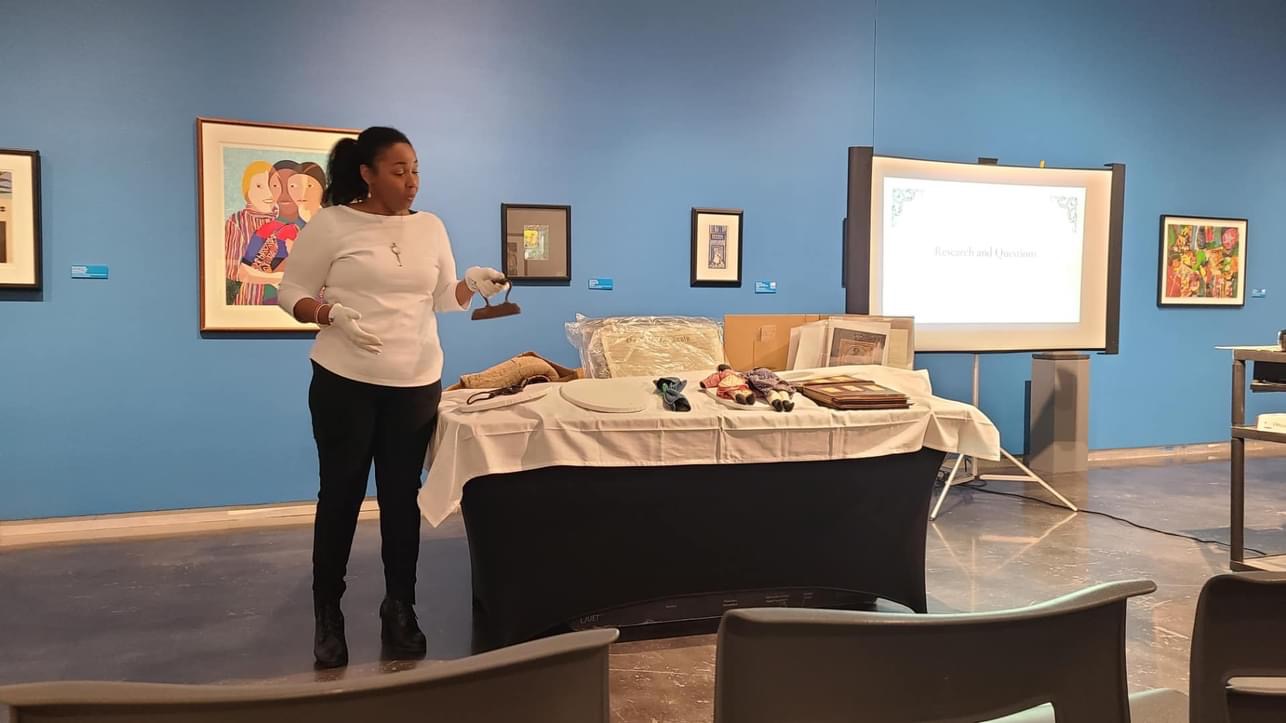
In an informal space, I guess you could say I’m a cat-lady who absolutely loves digging through the past. In a formal space, I’m a historian, genealogist, writer, and consultant based in Louisiana. I’ve spent more than twenty-five years researching the lives of people who were enslaved, the communities they built, and the histories that were either erased or ignored. I focus on the Deep South, but my research has taken me through records in Louisiana, Mississippi, Georgia, Virginia, Maryland, and Washington DC. A big part of what I do is helping descendants learn more about where they come from and who their people were.
I conduct research for several plantation sites, including a major project with the National Trust for Historic Preservation’s Woodlawn and Pope-Leighey House, tracing individuals who were sold from Virginia to Louisiana. I also work with collectors and preservationists to help research historical figures in artwork. Whether it’s a name in a ledger, a face in a portrait, or a forgotten burial site, I try to bring people back into the story where they belong.
My days consist of spending countless hours in archives or on old plantation grounds, digging through layers of records and trying to piece together the lives of people whose narratives are lost to time. It can be traumatic work, but it’s meaningful. Every time I can help a family trace their lineage, identify persons previously forgotten, or bring new context to a site or exhibit, it reminds me why I started doing this in the first place. I also conduct genetic genealogy work so this helps assist me be able to focus on connecting families. Genetic work is extremely fascinating and can open so many doors as it relates to finding ancestral connections and even current family relations.
One project I’m proud of is my work as a contributing writer for QueenSugar101.org, the official learning companion for Ava DuVernay’s Queen Sugar series. That gave me the chance to connect themes from the show. such as land loss, protest, and legacy with real historical events rooted in the Black experience across the South. As well, I’ve been honored to receive a Ford Foundation grant for my research, serve as a GU272 researcher and descendant, and be selected as a Clotilda Africatown Fellow through the National Endowment for the Humanities.
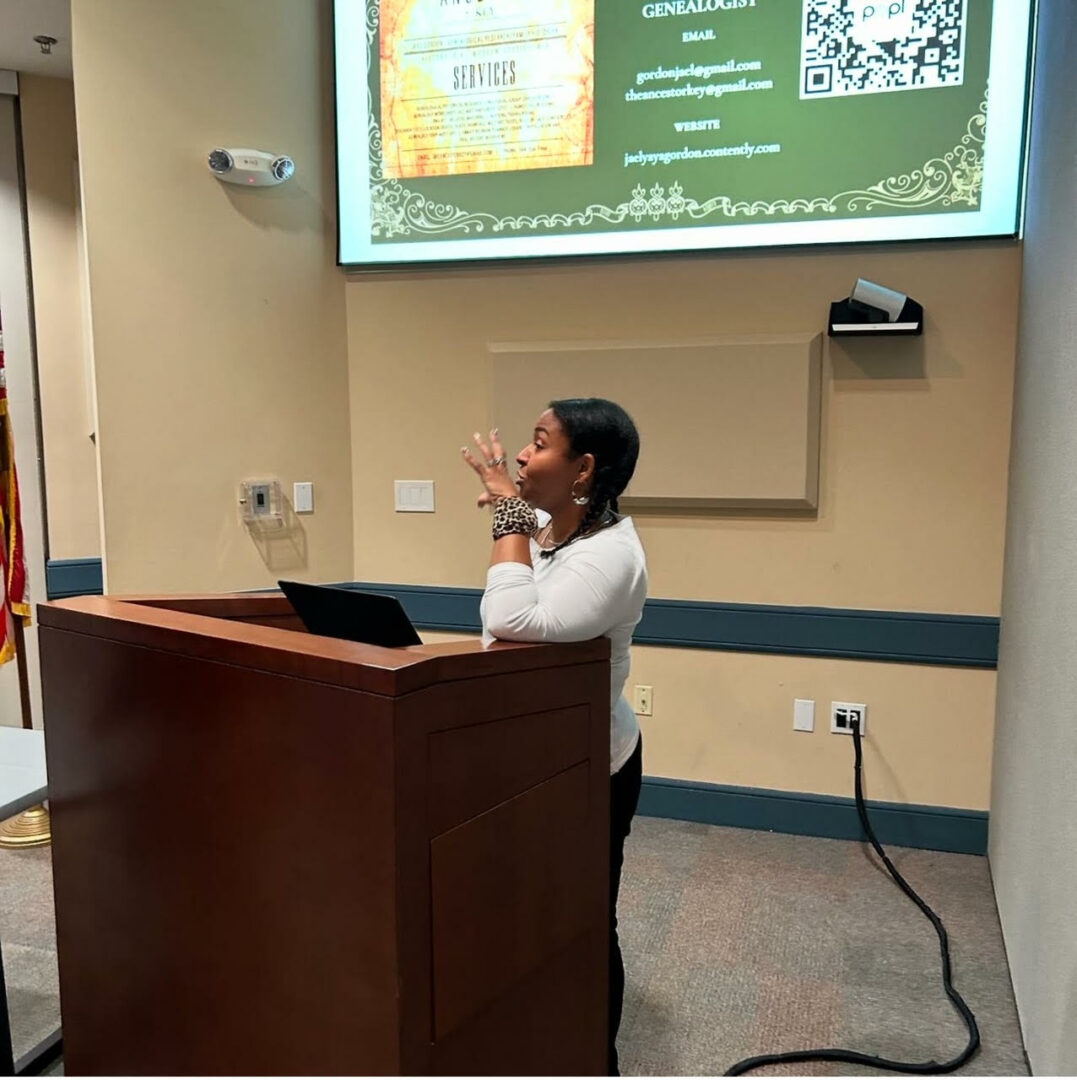
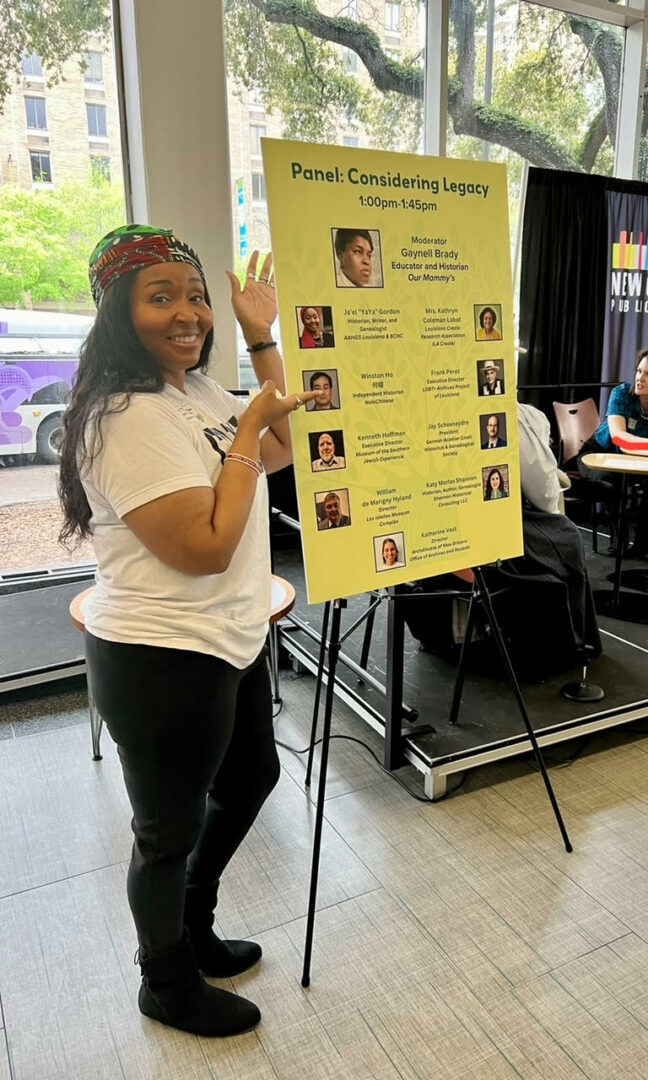
In the community, I also lead community workshops and give presentations on topics like antebellum history, Louisiana Creole culture, and Free People of Color. I try to make these spaces welcoming, especially for folks who may not see themselves reflected in traditional historical narratives. I also serve as President of the Louisiana chapter of the Afro-American Historical and Genealogical Society, Vice President of Genealogy for the national organization, and President of the Bonnet Carré Historical Center. Through these roles, I get to support other researchers, build community programming, and keep pushing for more accessible and inclusive preservation practices.
There is so much advice out there about all the different skills and qualities folks need to develop in order to succeed in today’s highly competitive environment and often it can feel overwhelming. So, if we had to break it down to just the three that matter most, which three skills or qualities would you focus on?
Looking back, the three qualities that have made the biggest impact on my journey are my attention to detail, my ability to follow rabbit holes and actually make sense of them, and my habit of quietly observing people and patterns to better understand human behavior.
I’ve always paid close attention to the smallest things. In historical research, that matters. A name spelled slightly differently, a land description that seems off, or a scribbled note in a margin can unlock an entire story. For someone just starting out, my advice would be to slow down and look closer. Don’t assume the obvious is all there is. Sometimes the answer is sitting quietly in the corner of the page. And never forget to leave and revisit. That can help in so many ways.
Rabbit holes are where I do some of my best work. As someone with ADHD, I’ve learned to lean into how my brain works instead of fighting it. When I follow a thread that seems unrelated, it often leads me to information I didn’t even know I needed. The key is to stay organized while still being open to where the research takes you. Take notes, build timelines, and keep track of sources, but let yourself explore. The connections will come together.
Lastly, being observant has always helped me. I’m not someone doesn’t really talk a lot in real life (unless it’s research then I get excited to talk lol). I’ve learned a lot just by listening and paying attention to what people do or avoid, what stories are told and what stories are missing. That kind of observation has helped me in interviews, when reading between the lines of documents, and when thinking about how people move through history. If you take the time to really notice things, it changes the way you understand the past and the present. Let people tell “their truth”.
For anyone just beginning, I would say be curious, be patient, and trust that your way of thinking is valid. There is no one path to becoming a great researcher or historian. Use what makes you different. That is usually where the magic is.
One of our goals is to help like-minded folks with similar goals connect and so before we go we want to ask if you are looking to partner or collab with others – and if so, what would make the ideal collaborator or partner?
I am always looking for others to collaborate with. Those who are not looking to build a “platform” or profit off of others for their own gain to prominence. I am always willing to help. While I am a genealogist, my forever preference for partnerships will be institutions and organizations that have larger and harder cases. While I do help individuals do basic genealogy work for their families, I’d rather teach them how to do it themselves.
Contact Info:
- Website: https://jaelyayagordon.contently.com
- Instagram: Jaearie_yaya
- Facebook: AAHGS Louisiana
- Other: https://vimeo.com/773143762
so if you or someone you know deserves recognition please let us know here.