Alright – so today we’ve got the honor of introducing you to Hannah Otto. We think you’ll enjoy our conversation, we’ve shared it below.
Hannah, so glad you were able to set aside some time for us today. We’ve always admired not just your journey and success, but also the seemingly high levels of self-discipline that you seem to have mastered and so maybe we can start by chatting about how you developed it or where it comes from?
When I was nine years old at soccer practice, we did a team scrimmage. The rules were that whatever team lost had to go down to do push ups. After my team won, I also went down to the ground to do push ups. The coach yelled, “Hannah! You won. Why are you doing push ups?” I responded, “I don’t want the other team to get stronger than me.”
For me, self-discipline has always been about bettering myself. I don’t want to miss any opportunity to grow. I don’t view attacking challenges as being “disciplined” I view them as opportunities. It’s a blessing to pursue challenges in a controlled environment. Self-discipline is just a willingness to take on challenges.
Let’s take a small detour – maybe you can share a bit about yourself before we dive back into some of the other questions we had for you?
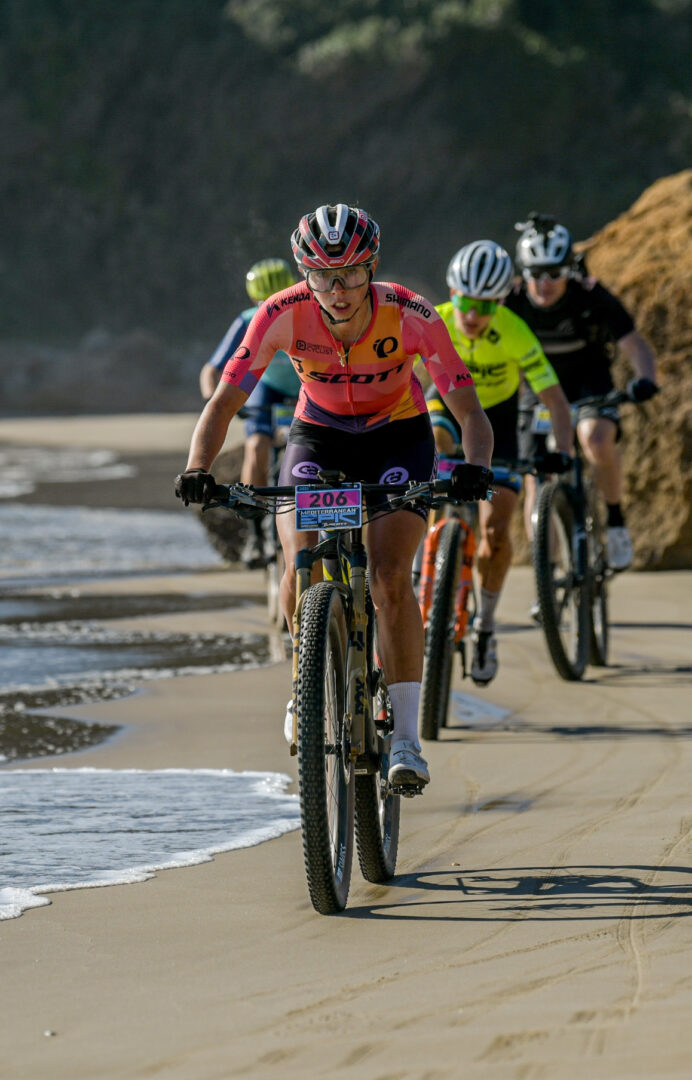
At 29 years old, not many people can say they’ve been racing endurance sports for 2 decades. I started racing triathlon when I was just 9 years old. Neither of my parents race, in fact, I found the sport through a booth advertising triathlon. I pointed to it and announced, “That! That’s what I want to do!” I raced triathlon from age 9-20 years old, winning National Championships, representing the USA at continental and world championships, and winning the overall XTERRA amateur World Champion title at age 16 and 17. I went on to compete in college in NCAA cross country, track, swimming, and cycling. My junior year, however, I discovered and committed to my affinity for the bike.
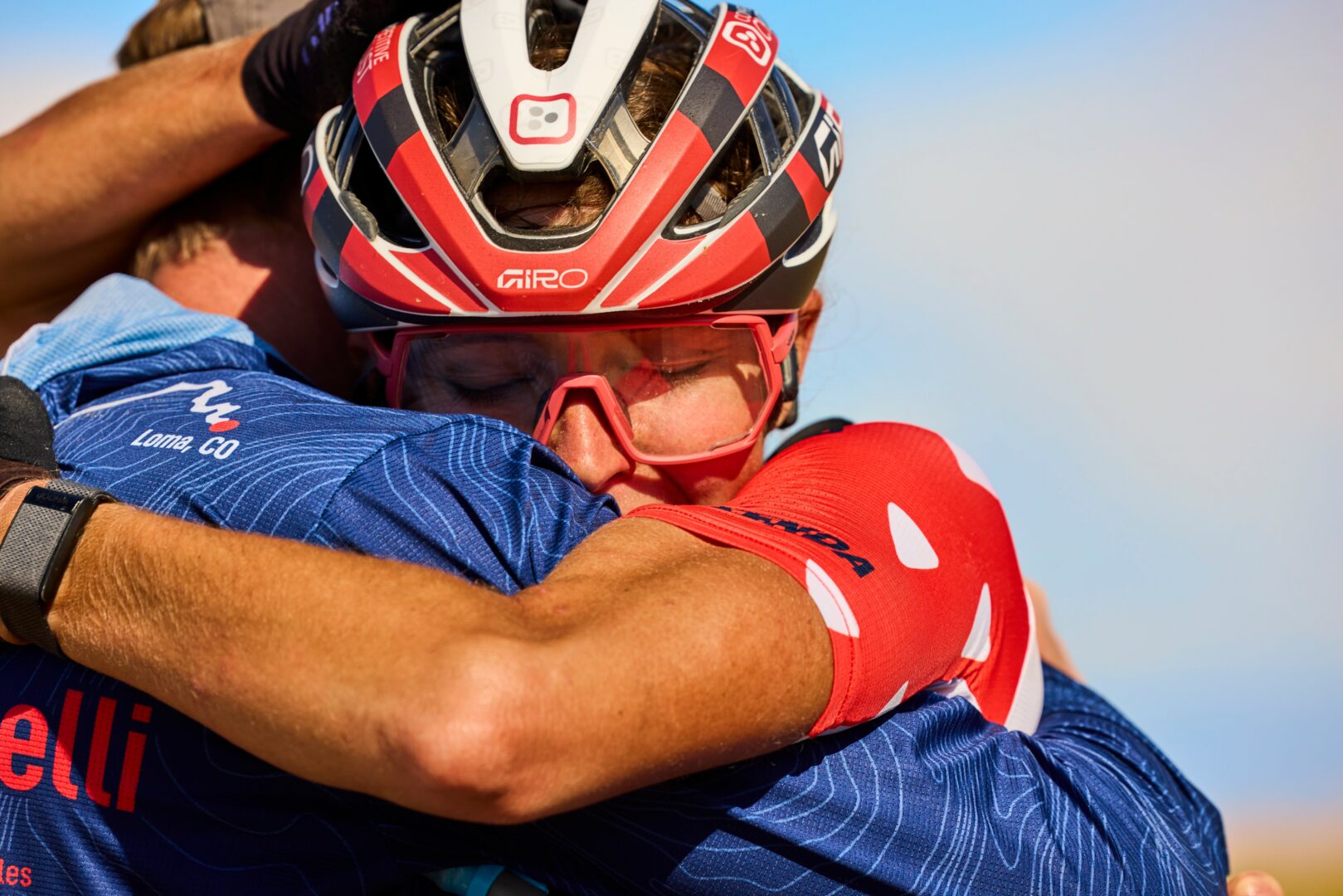
When I transitioned from triathlon to cycling I went from being a World Champion in one sport, to the back of the field in another. It was through a focus on constant improvement that after years of incremental steps I eventually found myself competing for the USA at the World Championship on the Mountain bike, and winning races like the infamous Leadville 100.
In addition to a profession cycling career I use my two degrees (Athletic Training and Exercise Science) in my coaching business to help others reach their athletic goals.
Looking back, what do you think were the three qualities, skills, or areas of knowledge that were most impactful in your journey? What advice do you have for folks who are early in their journey in terms of how they can best develop or improve on these?
1. Focus on Improvement
— When attempting to develop a skill the best thing you can do is focus on improvement. Focus on being just a little bit better. Constant improvement will be rewarded over time. Don’t waste time comparing where you are on your journey to where someone else is in theirs. If you continually bring your focus back to improvement, you are catching up each and every day. When you finally pick your eyes up, you may discover you’ve come into the lead.
2. Failure Is the Beginning, not the end
— Failure is inevitable, but it’s how you handle it that will define your career. If I stopped every time I failed, I wouldn’t be a professional cyclist. Instead, I see failure as an educator. It gives us the information we need in order to hone our skills.
3. Be curious
— “I wonder if I can?” Curiosity is exciting and it can drive you to new heights. Don’t feel like you have to know for sure in order to try. Be curious and give yourself the chance to find out.
Before we go, any advice you can share with people who are feeling overwhelmed?
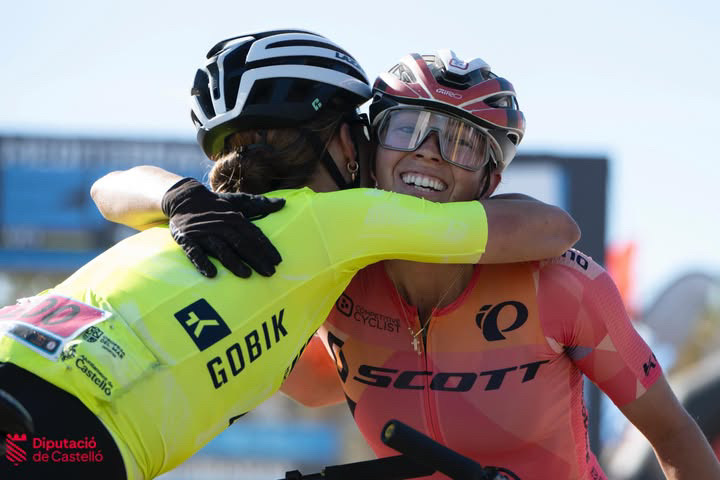
It’s ok to feel overwhelmed. We all experience feelings of nervousness and anxiety. When I race and I stand on some of the biggest start lines in the World I can feel an overwhelming amount of pressure, largely from myself. As an athlete, every single thing you do in life contributes to your performance on the race course. When you stand on the start line there is a pressure to “make it all worth it.”
When I’ve fallen victim to that pressure I’ve often fallen victim to underwhelming results, crashes, and even injury.
The truth is, nothing you do on the course will make the sacrifices “worth it.” It has to be worth it before you even line up. The process of training and improving and becoming your best will always be more rewarding than the moment you showcase it.
When I won the Leadville 100, I lined up with a separated shoulder. I had crashed in a race the week prior (one where I push too much pressure on myself). When I lined up with an injury, I was just thankful to be there. I raced free and I won.
Contact Info:
- Website: https://hannahottotraining.com
- Instagram: @thehannahotto
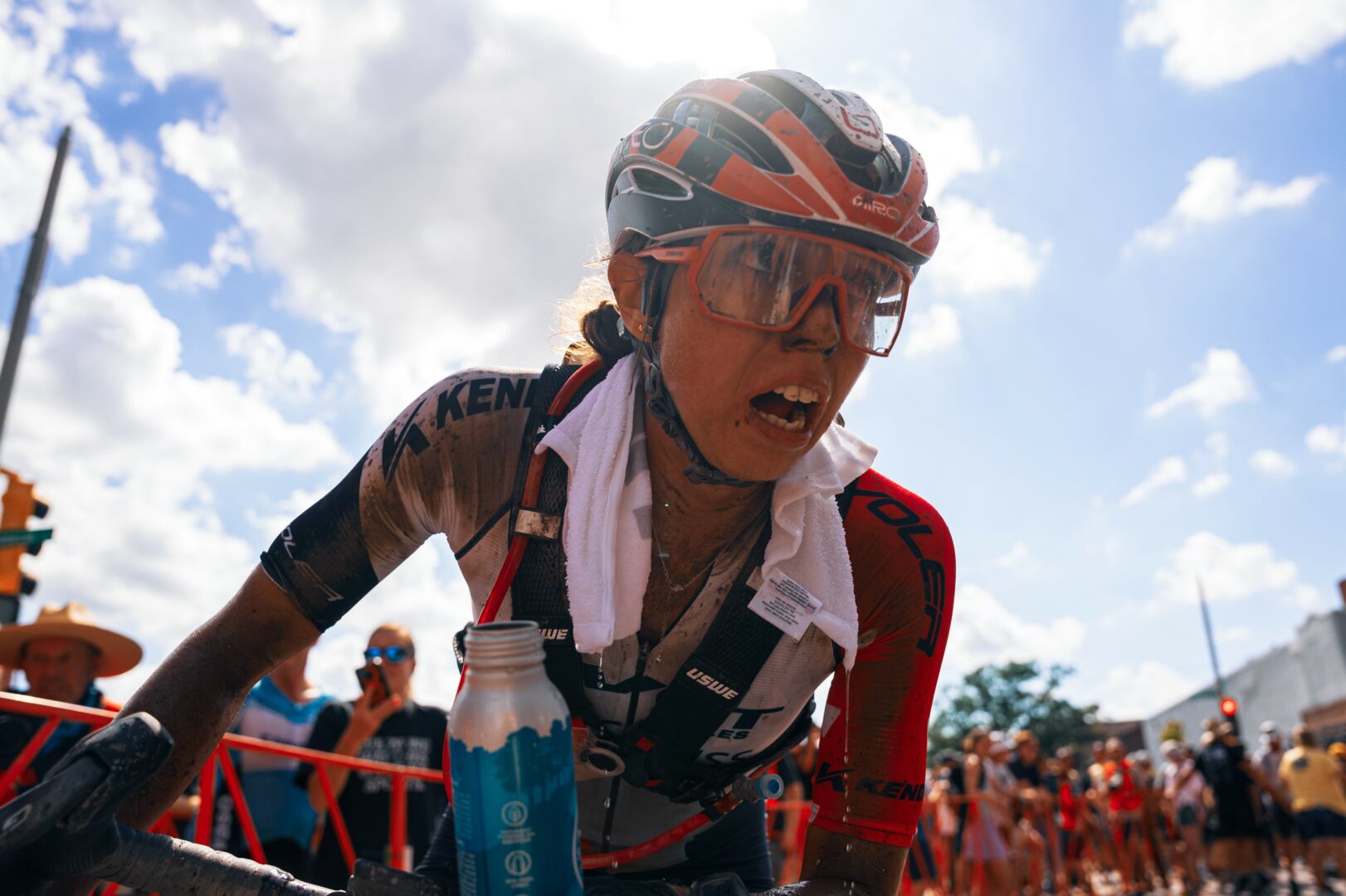

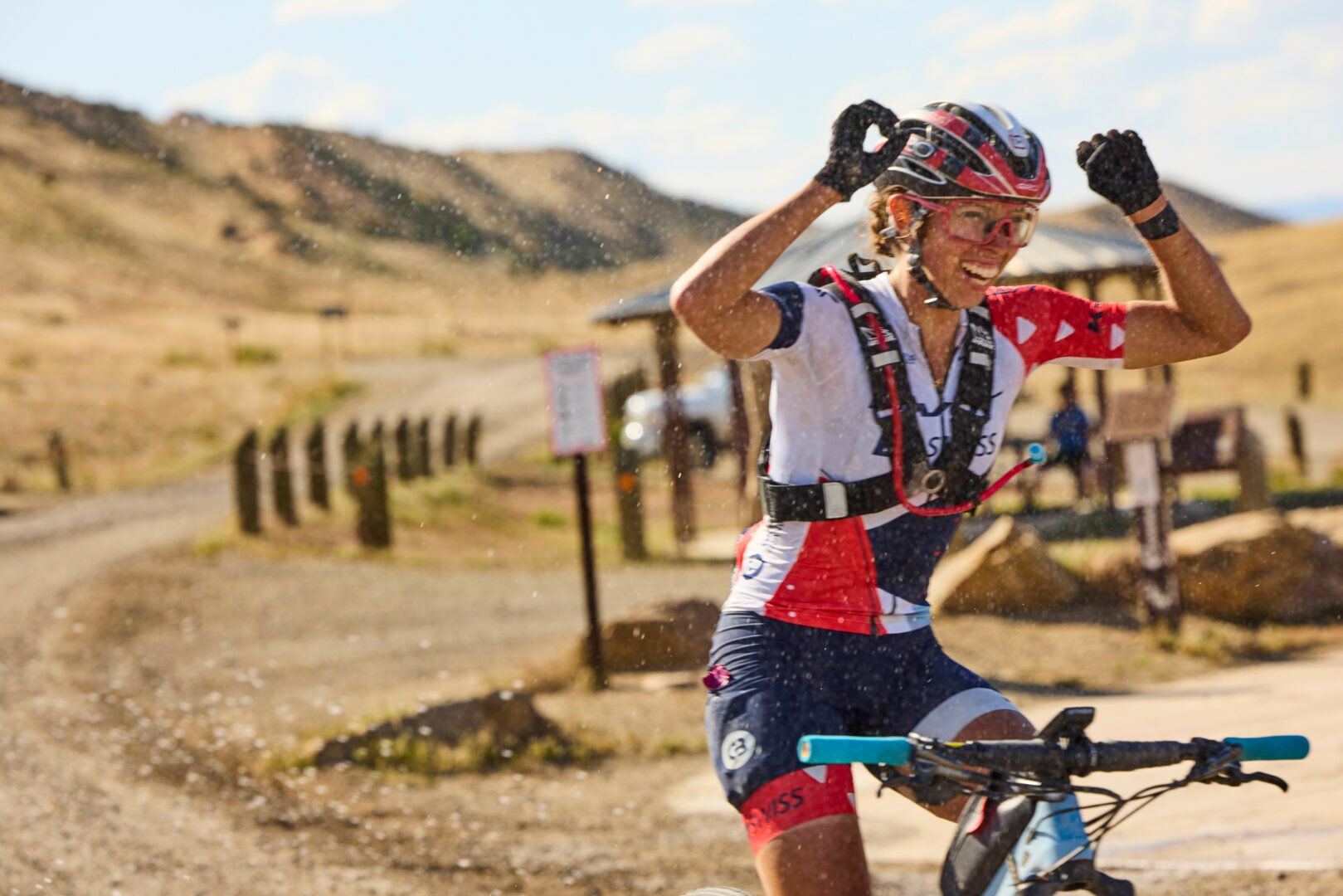
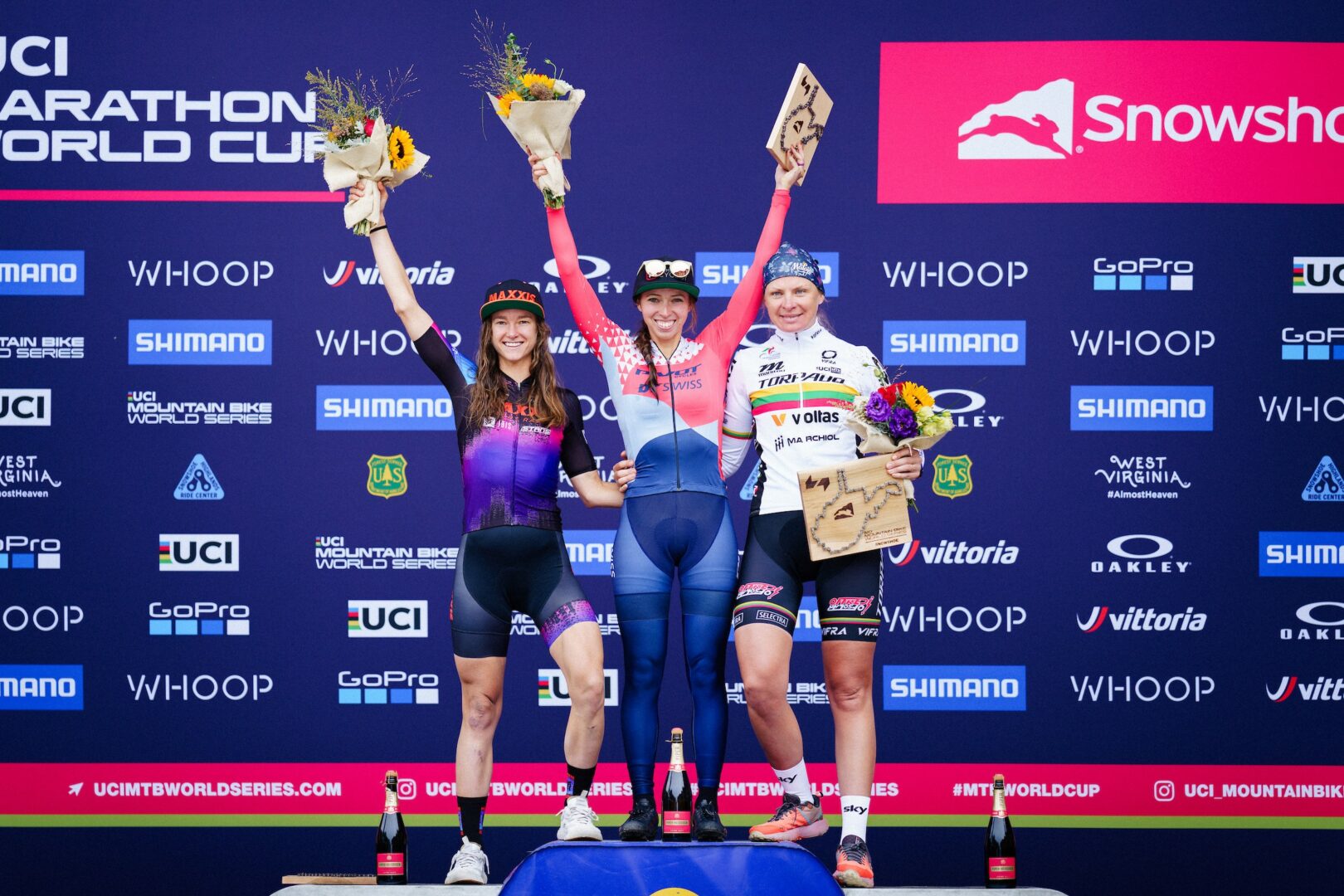
Image Credits
Wil Matthews, Piper Albrecht, Marcus Gracia
so if you or someone you know deserves recognition please let us know here.