We caught up with the brilliant and insightful Thansi Garikipati a few weeks ago and have shared our conversation below.
Thansi, we’re thrilled to have you on our platform and we think there is so much folks can learn from you and your story. Something that matters deeply to us is living a life and leading a career filled with purpose and so let’s start by chatting about how you found your purpose.
The American Regional Biology Competition (ARBC) wasn’t started by me, but 5 years ago, a group of high schoolers were dissatisfied with how sparse access to fun yet challenging biology competitions was. Even though biology is the blueprint of everything enveloping us, most high schoolers lack an engaging, thoughtful way to learn and study biology, despite its relevance to our lives. If you attend a well-funded school, you’re spared from that plight. But most American students aren’t. ARBC is our small drop in the bucket that is improving science education, pedagogy, and learning. Now, ARBC has expanded over the US to over 500 competitors, but our mission has stayed the same — make biology fun, accessible, and team-based. In teams of 3 to 4, students compete (for free!) online and/or in-person for over $30,000 in prizes, learning about everything under the sun (literally and figuratively)! In educating and testing over topics like ecosystems to enzymes to exocytosis, we’re proud to have found our niche in team-based biology competition.
Thanks for sharing that. So, before we get any further into our conversation, can you tell our readers a bit about yourself and what you’re working on?
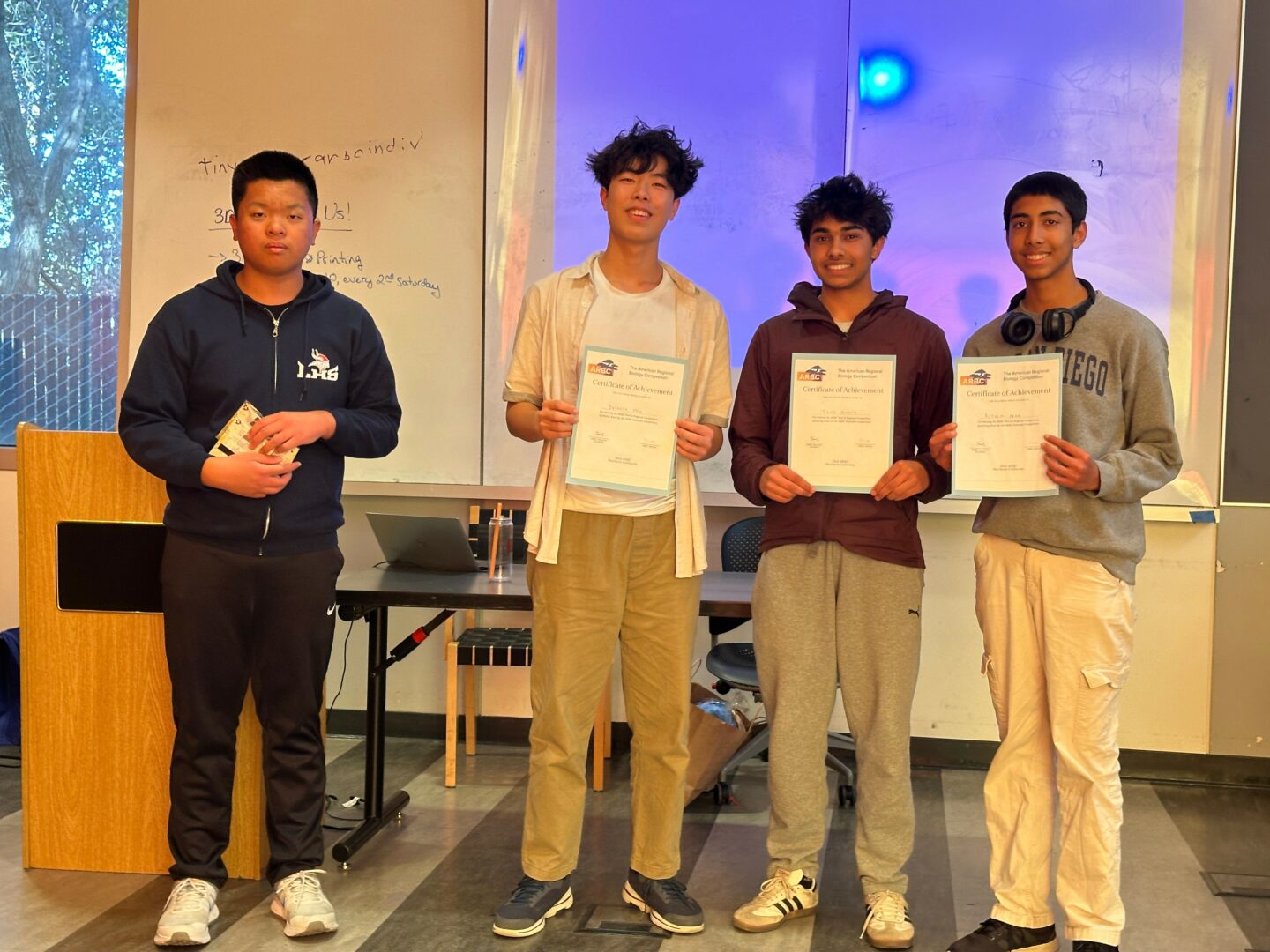
As Executive President of ARBC, I manage the majority of competition direction. What does that look like? ARBC contains two components — online and in-person. With Vice President Jay Pallepati alongside Onlines Directors Spencer Liu and Sahana Potu, we ran a competition in January with 200+ students around the globe on Zoom. This included checking exam forms, managing chaotic high schoolers, and proctoring Zoom breakout rooms, but it was all worth it. We successfully distributed ~$20,000 in prizes to the top 3 teams.
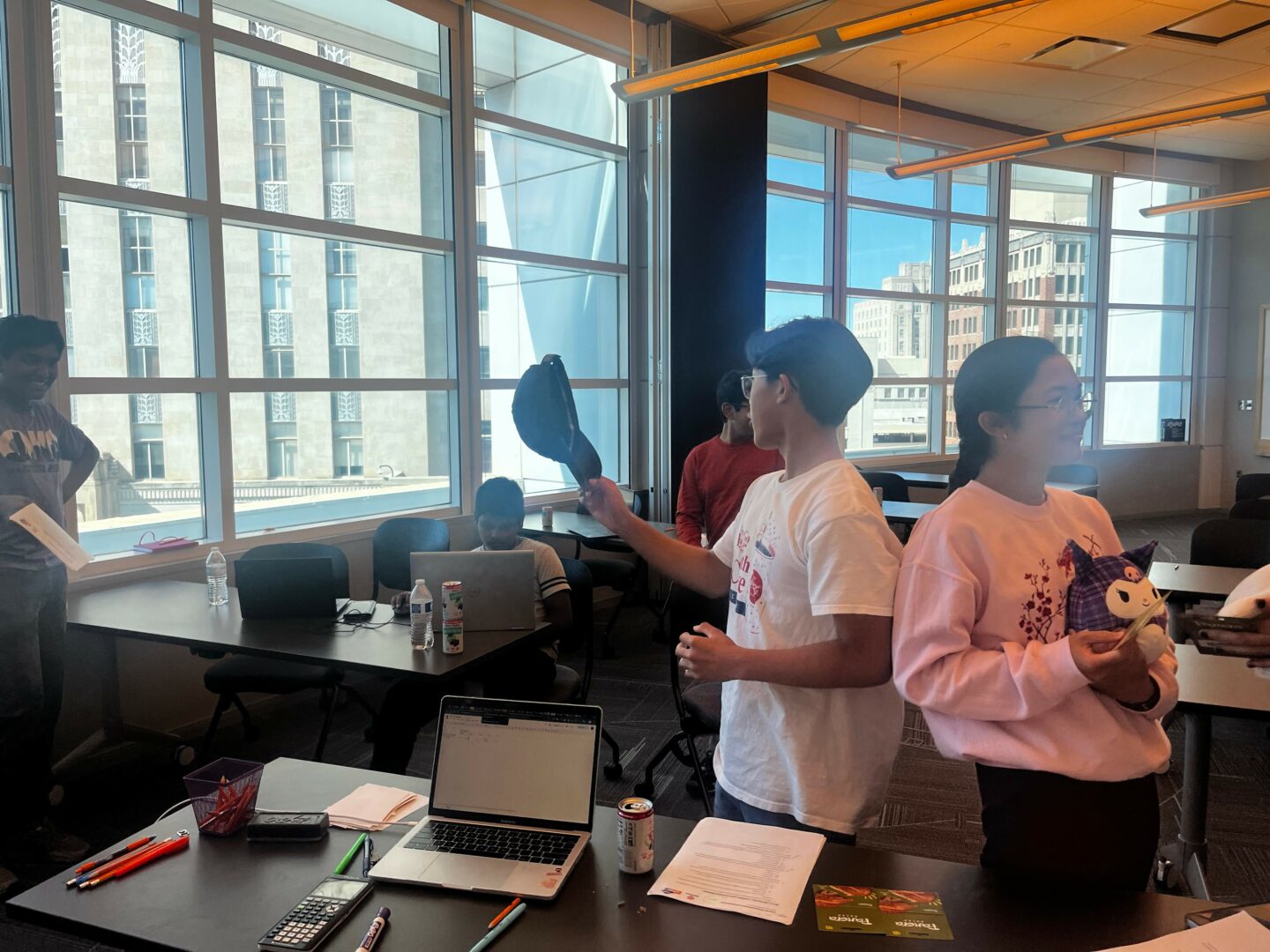
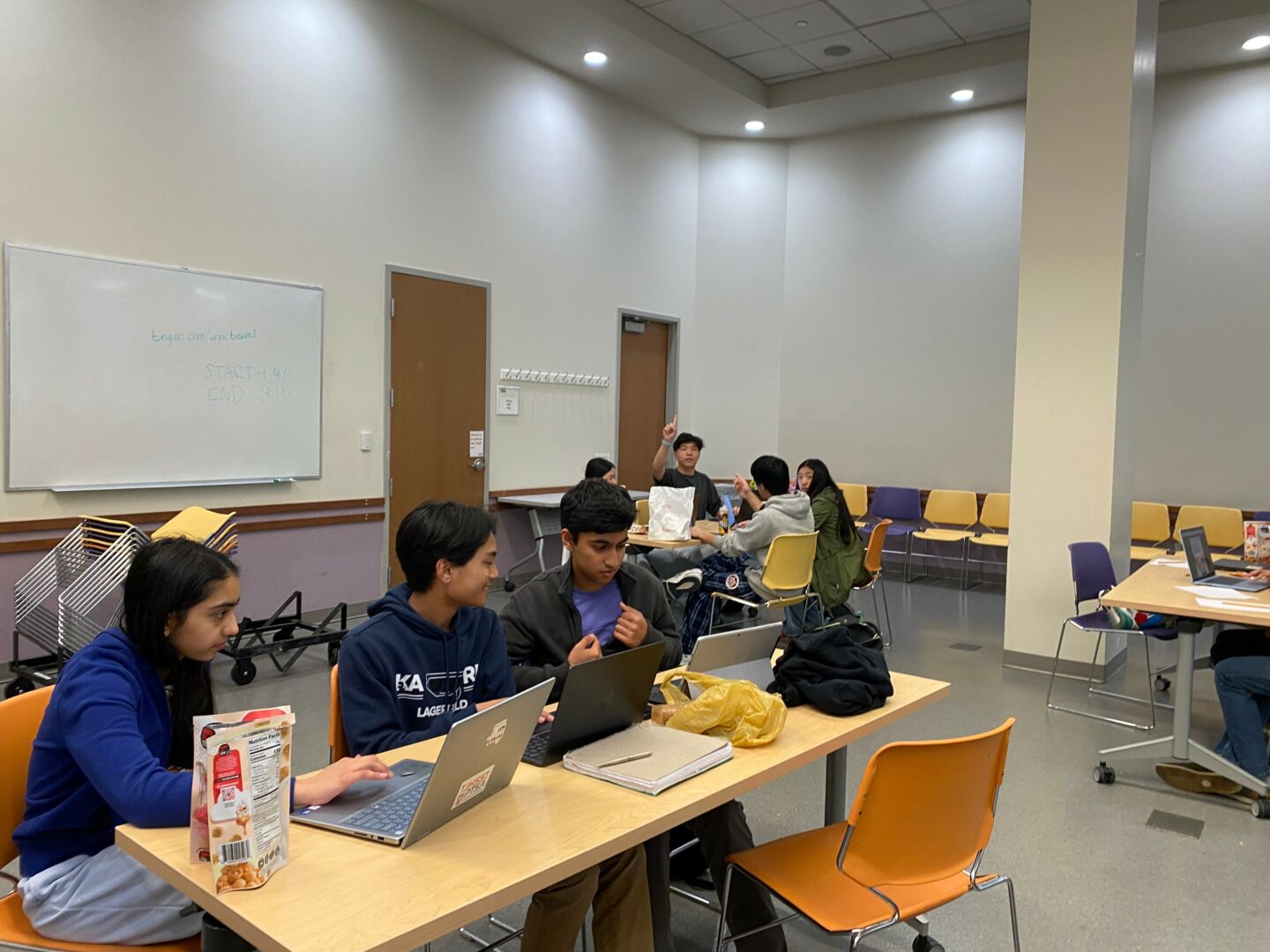
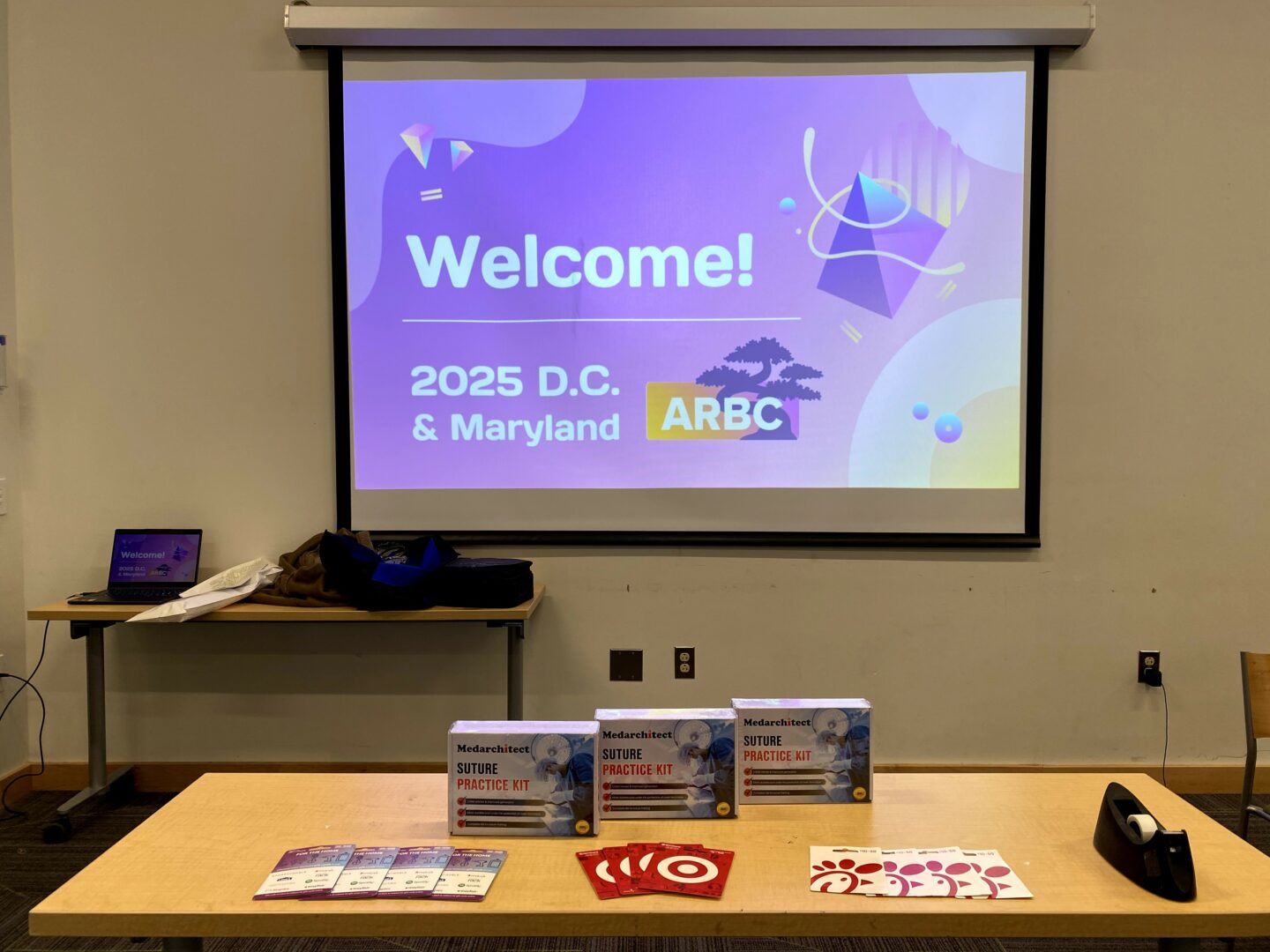
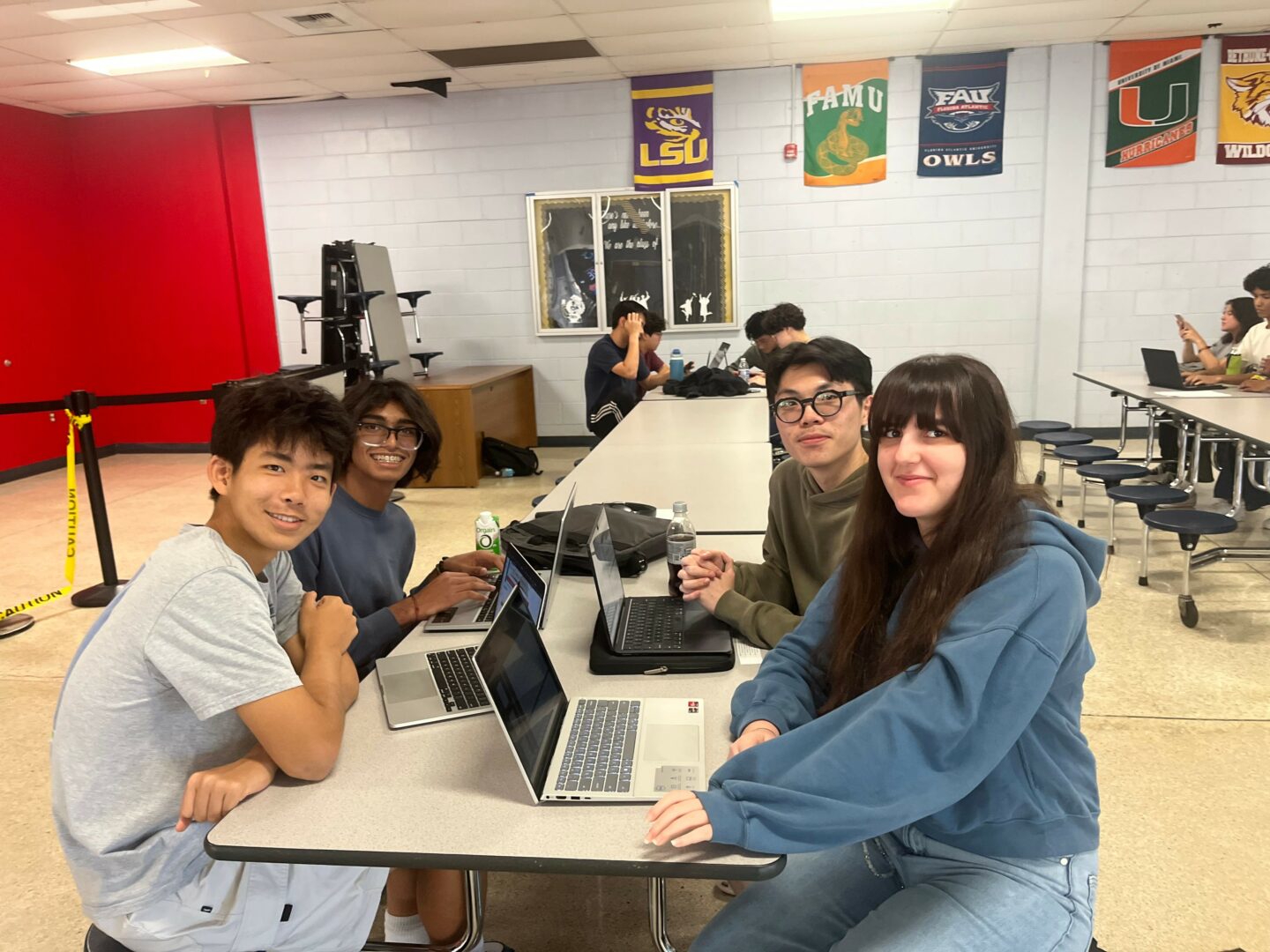
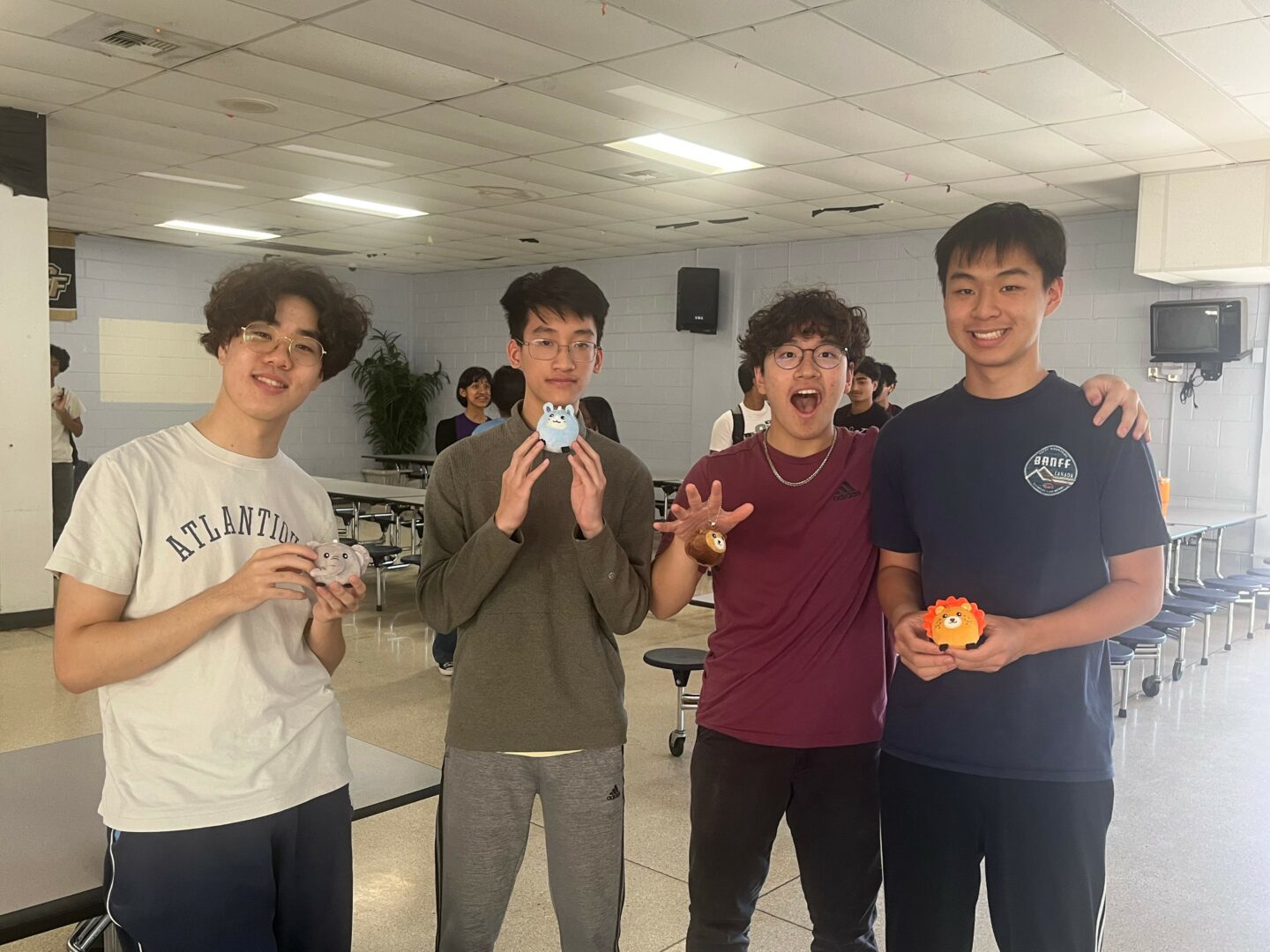
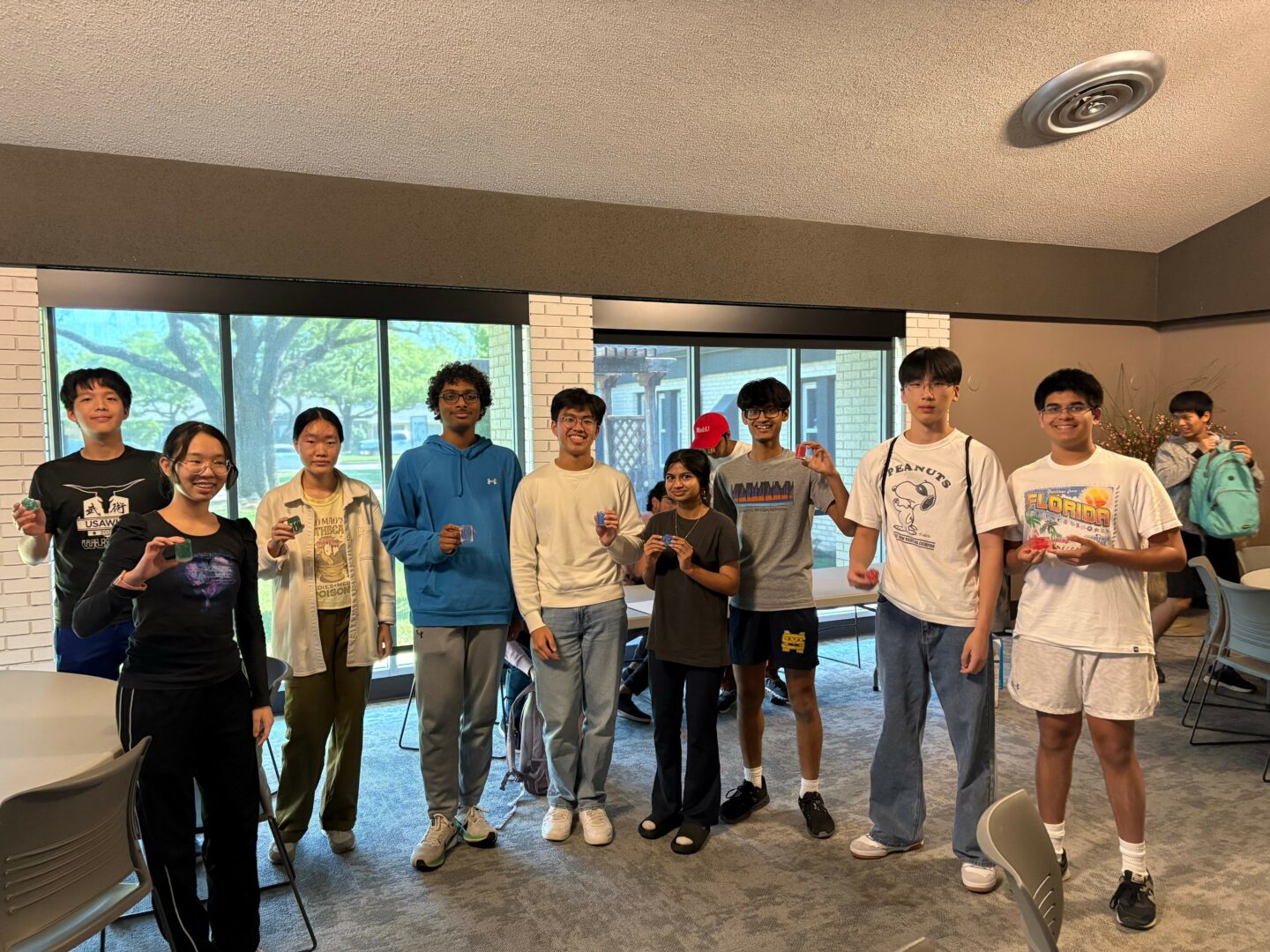
I also manage how our regional directors plan and run in-person competitions. From Southern California to DC, we have competitions at local sites all over the US. Between finding funding, a venue, people interested in competing, and prizes, there is an incredible amount of logistics that goes on behind the scenes of our competitions. I coordinate this work to ensure that when April arrives (when the majority of our in-person competitions occur), we have successful and engaging competitions for everyone involved. A majority of this work is then carried onto our final competition — Nationals — which is in May and involves some of the brightest America has to offer regarding biology competitions.
My job’s not all competition direction; I routinely check in on our Content and Outreach teams (who write our exams and handle our social media, respectively), handle legal and tax issues, and work on internal improvements and innovations. This can look like streamlining spreadsheets or bouncing new ideas off of my staff, like this year’s Chemistry Pilot competition or new sections of our website. I love my work because it’s genuinely rewarding: my staff are silly yet strongly passionate about their goals and aspirations, the feedback from competitions we run is heartwarming and kind, and my role has taught me an incredible amount on what it means to be a leader, show up for your team, and ensure that everyone’s doing well.
If you had to pick three qualities that are most important to develop, which three would you say matter most?
The three most impactful things that shaped my ARBC journey were being unreasonably organized, knowing when and when not to step in, and caring a lot about things that most people don’t think twice about.
First, organization. ARBC runs on logistics, and logistics run on people who color-code spreadsheets at midnight (guess what I was doing at midnight). From scheduling 15+ in-person sites to coordinating Zoom proctoring across time zones, staying organized wasn’t optional but was survival. I didn’t start out that way, but I learned fast. Whatever system that works for you, Notion, Google Calendar, post-it notes, whatever. Just build habits and frameworks that you can rely on when things get hectic (and we all know they will).
Next is leadership through restraint. When you’re running something big, it’s tempting to jump into every issue and fix it yourself. I used to do that until I learned I was becoming the equivalent of a helicopter, hovering over my staff. Don’t step on your team’s toes; you chose them for a reason. My job gradually became about enabling my directors to shine by giving them the space, time, and occasional late-night reminder to do their updates. If you’re starting out, learn to delegate early and fight the urge to micromanage, helping build trust and grow your team.
Third is caring about the small stuff. I spent an unreasonable amount of time tweaking forms, optimizing our onboarding process, and micromanaging aspects of our website layout so it’d feel intuitive. Most people won’t notice. But someone always does, and those details are the difference between 3 signups and 30 signups, which is deeply important in the long run.
Looking back over the past 12 months or so, what do you think has been your biggest area of improvement or growth?
We’ve grown from ~280 competitors from last year to ~450 this year and gained around ~$28,000 in funding and sponsorships.
For signups:
This is a huge jump, considering past trends in ARBC signups have only seen jumps of around 20-40% a year. Hitting a 60% increase in signups this past year, especially considering our streamlining of regions, speaks to the huge growth ARBC has been experiencing and the talent of my staff, so I’m deeply excited to see how ARBC grows even more!
For sponsorships:
ARBC being a non-profit means we’re often, well, broke. We often rely on grants or sponsorships to fund prizes and booking venues for competitions, but historically, ARBC has struggled to find consistent sponsorship or funds. This year was the exception; our regional directors utilized companies like Wolfram Alpha, Art of Problem Solving, Staples, Kung Fu Tea, Macrogenics, DigitCells, and other generous corporations to help secure around $28,000 in prizes and funding. This enabled some of our highest-quality competitions yet to occur, and I’m incredibly delighted there’s so much interest and funding going toward making science education more accessible.
Contact Info:
- Website: https://biologycompetition.org/
- Instagram: https://www.instagram.com/arbc.bio/
so if you or someone you know deserves recognition please let us know here.