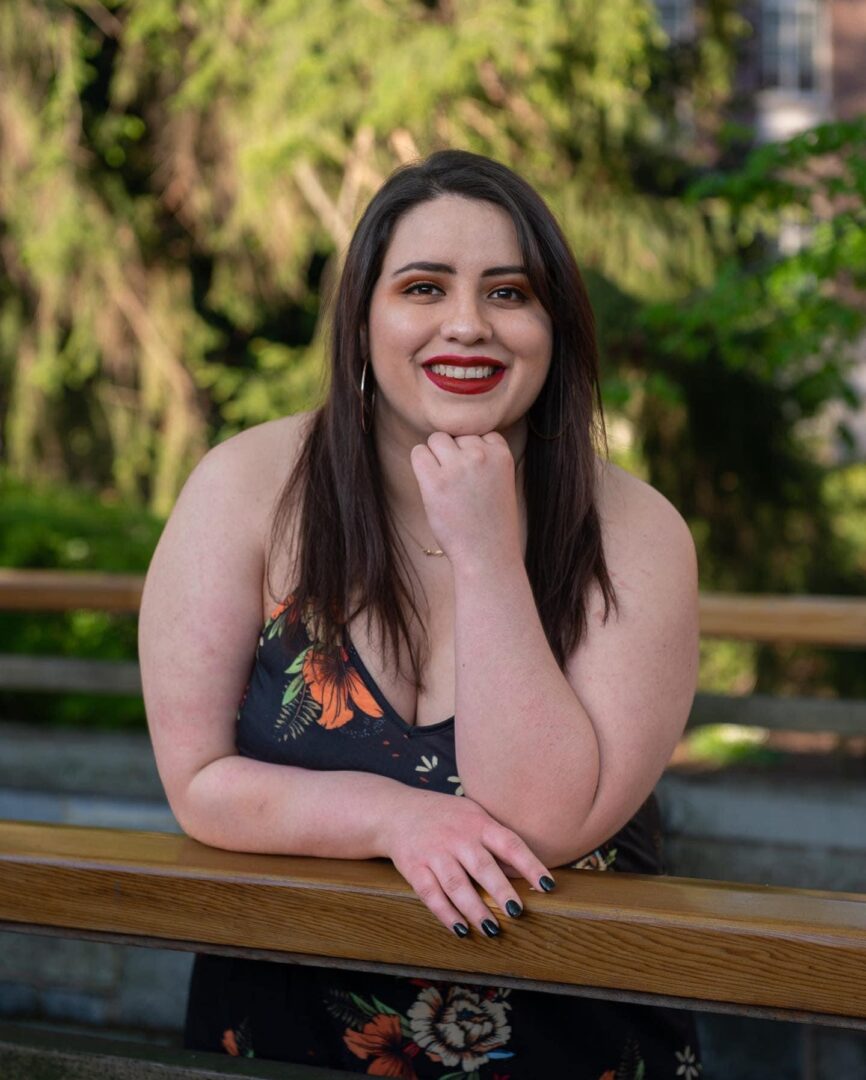
We recently connected with Alexis Castillo and have shared our conversation below.
Alexis, we’ve been so fortunate to work with so many incredible folks and one common thread we have seen is that those who have built amazing lives for themselves are also often the folks who are most generous. Where do you think your generosity comes from?
I developed my sense of generosity from my parents. My mom, my dad, and my step mom all are the embodiment of generosity. I had a fairly religious upbringing, which in today’s political climate can be controversial. Religion is often weaponized and used as an excuse to hate and judge. My parents pretty much solely used religion as a way to teach me and my sister what it means to give back to others. My dad always told us the only spot in the Bible where it’s explicitly written on how to get into heaven is when Jesus said when I was hungry you gave me food when I was thirsty you gave me drink because what you do for my brother you do for me. So he has always said it’s not our place to judge how people receive, we will be judged on how we give so we give with an open heart. Every Christmas and Easter my dad and stepmom take us to a local homeless shelter to feed them. My mom runs a local food bank at her church. My mom has stopped to give someone a ride whose car broke down. My dad always gives to the homeless. So I try to live my life the same way. I give money to the homeless or if I don’t have cash I buy them food. I donate my photography services to local animal shelters to help promote adoptions. I volunteer in my community for various organizations. This world is so full of hate and fighting, I think it is our responsibility to nicer to each other and help each other whenever we can. I don’t think it should be extra to be generous, I think we should all just help each other. It’s not that hard.
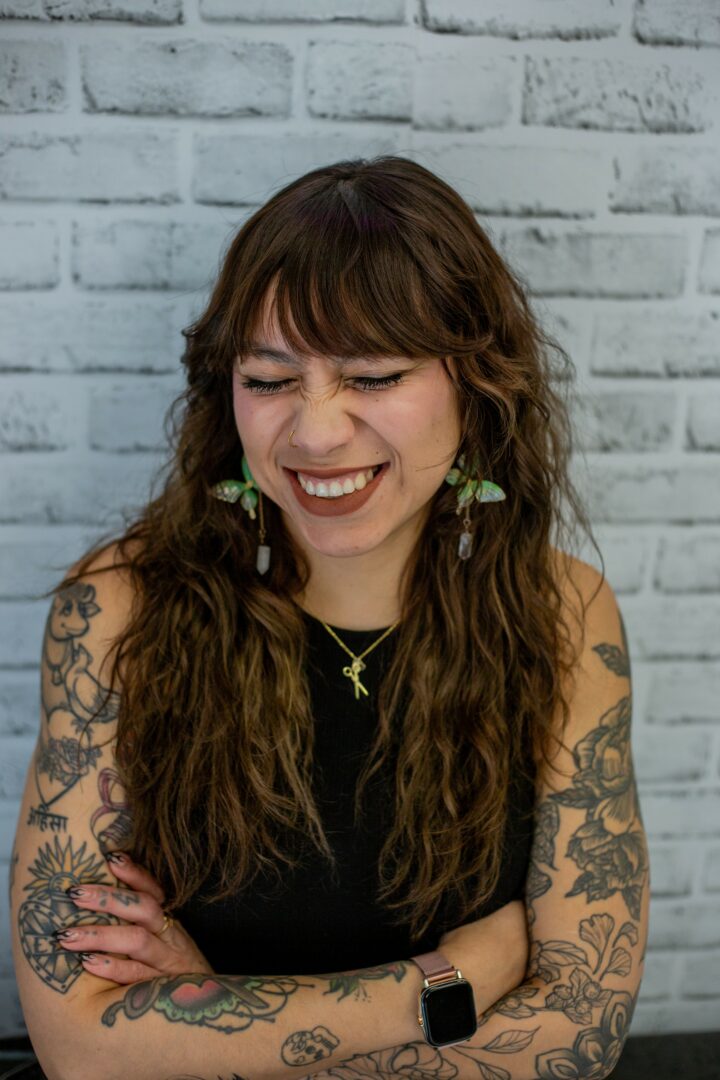
Thanks for sharing that. So, before we get any further into our conversation, can you tell our readers a bit about yourself and what you’re working on?
I have been a licensed family law attorney for two years. My legal career is something I have always worked towards and always known I was going to do.
It wasn’t until I was at UT Austin that I was required to take an extra communications class that I discovered a true passion for photography. I took photo journalism with Professor Dennis Darling. I have always enjoyed taking photos, but it wasn’t until his class that I was shown the depth of photography, pun intended. He taught us that there’s nothing that is “just” a photo. Each photo can tell a story. Each photo has purpose and meaning.
Ever since then I have been practicing photography. In the beginning I would grab my roommate and use her as a model for my different ideas. I would pick up my camera and take pictures of anything and everything trying to capture a unique perspective and beauty.
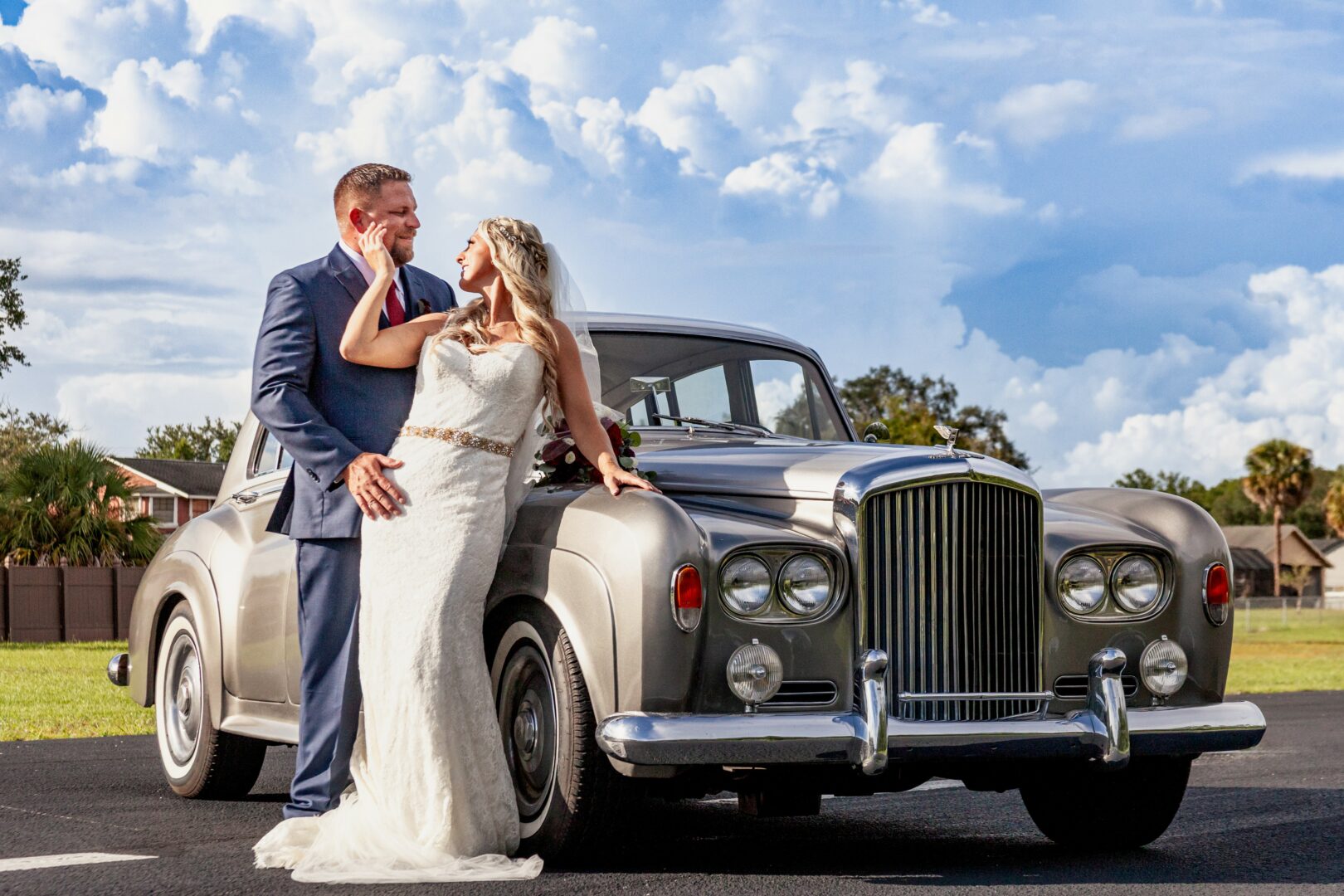
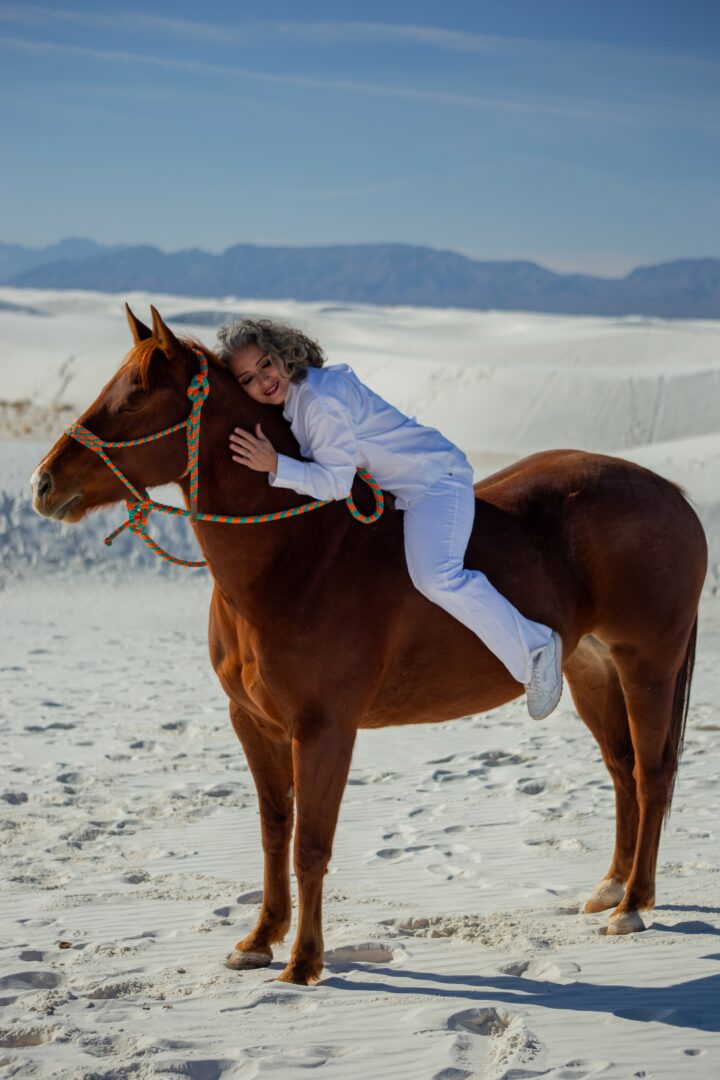
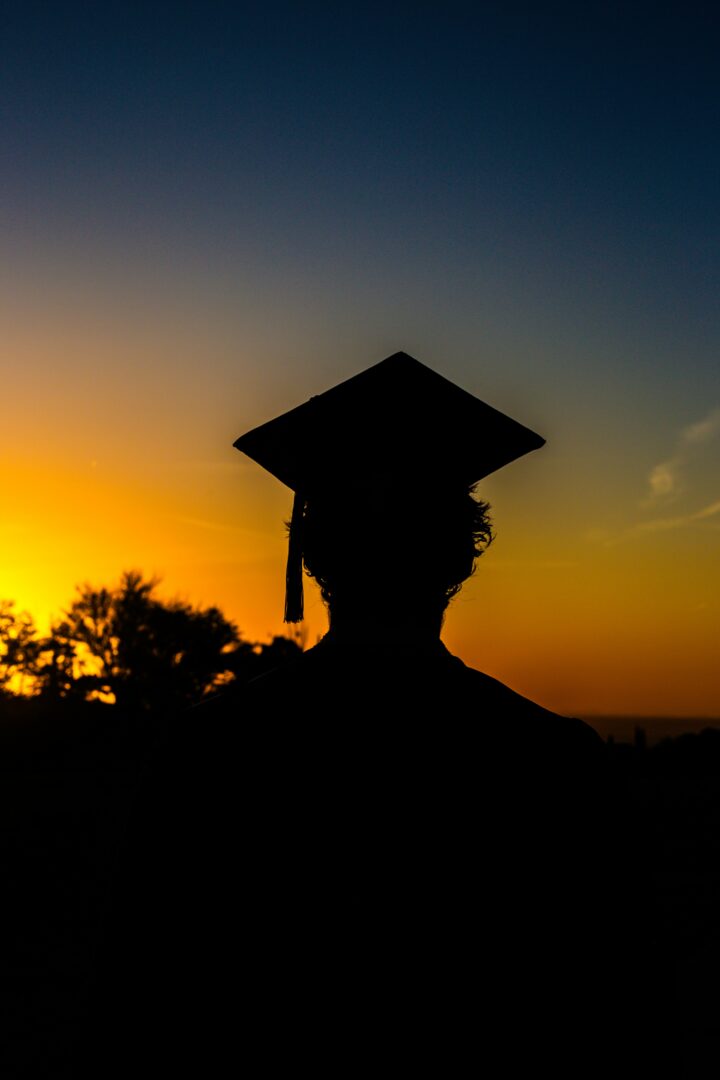
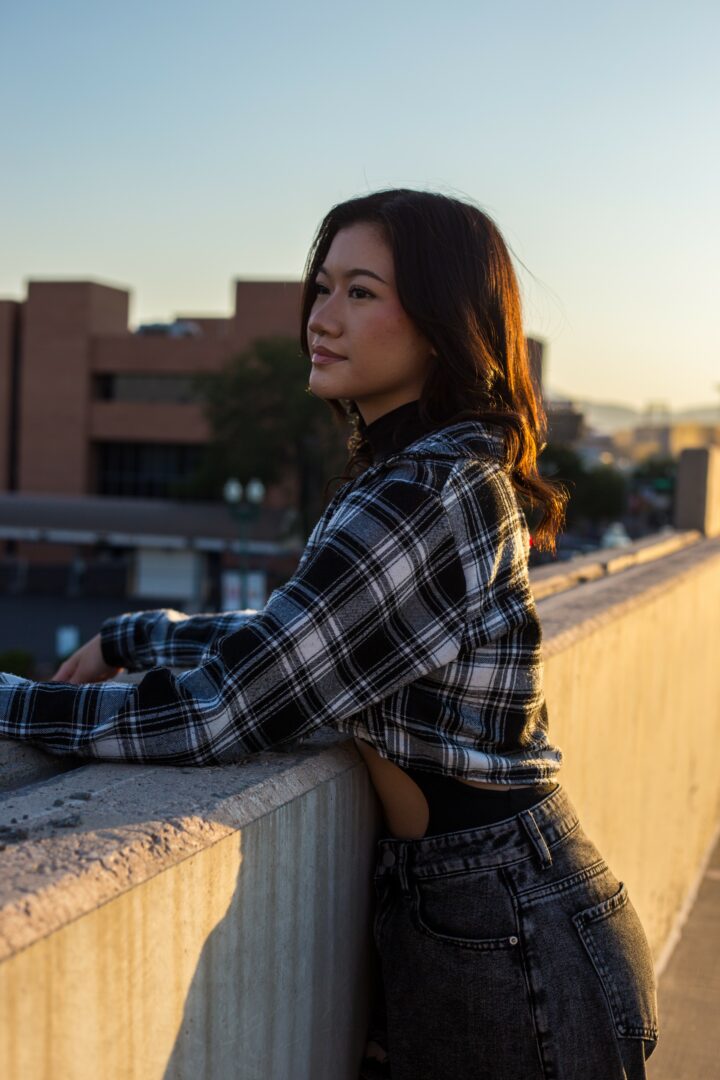
My craft began to grow and I realized I was not limited to one career in this life. So I started my own photography business, Lex Photography, LLC. I mainly focus on portraits, trying to help capture people’s special moments and preserve their memories. I also frequently will photograph my roller derby league, El Paso Roller Derby.
My philosophy as a photographer is two part. First – I love bloopers. I never just send clients the picture perfect posed shots. I think there is just as much value and memory in bloopers you can laugh at for years to come. Second – the session should feel natural like two friends hanging out. It shouldn’t feel stiff and forced. I like having conversations and getting candid shots to bring out their natural beauty rather than a forced posed they may have seen online.
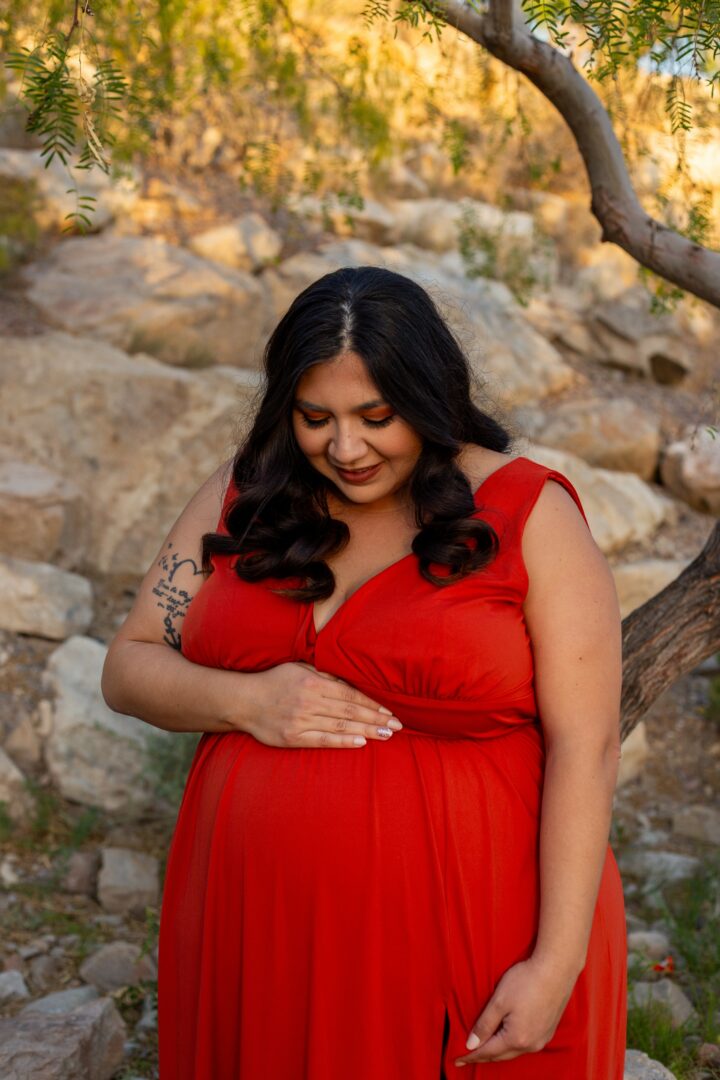
Looking back, what do you think were the three qualities, skills, or areas of knowledge that were most impactful in your journey? What advice do you have for folks who are early in their journey in terms of how they can best develop or improve on these?
1. Knowing my gear. The more intimate and familiar I became with my own gear the more I could do. It doesn’t help me to know about someone else’s camera. I need to know all what my gear can do first.
2. Learning specific settings based on my location and the weather. Knowing how and what to change based off how bright or dark it is can mean the difference between a successful and unsuccessful shoot.
3. Posing. Posing is a skill. And it takes practice. Looking up different inspirations before every shoot helps me. Going in blind with no idea is never a good idea because the client is relying on you to pose them. They are going to be nervous and awkward so you have to take charge and know how to pose a body.
My advice:
1. Scope out the location in advance of the shoot to know what spots are going to look the best and brainstorm ideas
2. Make photographer friends. They will help you grow and they will have ideas and tips and tricks and connections.
3. Keep practicing. The more you practice the better you get. Don’t let imposter syndrome keep you home. Even if you have nothing to shoot and it comes out bad – get out there and shoot something. You’ll become more comfortable with the gear and more confident in yourself.
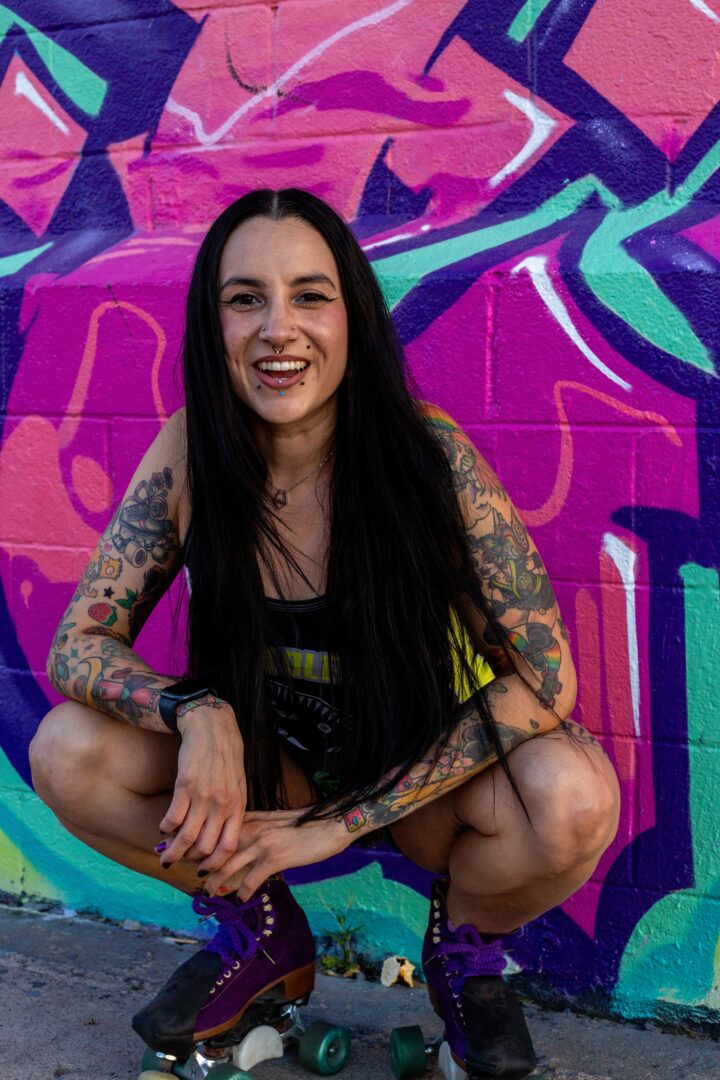
Any advice for folks feeling overwhelmed?
I think it’s really easy to feel overwhelmed. It’s important to take a moment to breathe and refocus. Lists help me feel organized. I look at what needs to be done, what shoots I have coming up, and what shoots are in my editing cue. Then I prioritize what tasks need to be completed first. Then I tackle one task at a time until the list is done. When looking at everything all at once zoomed out it feels impossible, but look at one task at a time. I can complete one task.
Contact Info:
so if you or someone you know deserves recognition please let us know here.