We’re excited to introduce you to the always interesting and insightful Lenny Portorreal. We hope you’ll enjoy our conversation with Lenny below.
Lenny, first a big thank you for taking the time to share your thoughts and insights with us today. I’m sure many of our readers will benefit from your wisdom, and one of the areas where we think your insight might be most helpful is related to imposter syndrome. Imposter syndrome is holding so many people back from reaching their true and highest potential and so we’d love to hear about your journey and how you overcame imposter syndrome.
My first real encounter with imposter syndrome came when I joined J.P. Morgan’s Finance Analyst Development Program in Delaware. It was 2008—the height of the financial crisis—and I remember feeling both incredibly lucky to have a job and completely unprepared for what came next.
I was the only immigrant Latina in a class of 50 analysts. There was one other American-born Latino, but he was more acculturated, more “at ease” in the environment. Having grown up in New York City, surrounded by a beautifully diverse community, it was jarring to suddenly find myself in a predominantly white space. Not just any space—but one that symbolized power, prestige, and pressure. I often asked myself: “What am I doing here?” “How do I contribute in a space where I feel invisible?”
Every Friday, I’d drive the 3–4 hours back to NYC just to breathe. Just to feel like myself again. That sense of dissonance was always with me. I remember one weekend, after a workout, I had to go into the office unexpectedly. My hair was natural—unstraightened, unmasked. I caught the looks from my coworkers. The discomfort. The silent judgment. I remember feeling like I had done something wrong by simply showing up as myself.
Imposter syndrome, for me, wasn’t just internal—it was environmental. It was reinforced in subtle cues and unspoken norms. But even then, I knew I had earned my spot. I wasn’t there because I was lucky. I was there because I had done the work—earned the grades, aced the interviews, brought the fire.
So, I anchored into what I could control: my effort, my excellence, my integrity. I focused on my innate abilities. I outworked expectations. I delivered on every promise—and then some. That season taught me that while imposter syndrome may come and go—especially as we grow, pivot, and stretch into new versions of ourselves—it doesn’t define our worth.
Being in the room means you already belong. You don’t have to look like everyone else to contribute something powerful. You are the contribution. And every space you enter becomes more expansive, more honest, more human because of it.
Great, so let’s take a few minutes and cover your story. What should folks know about you and what you do?
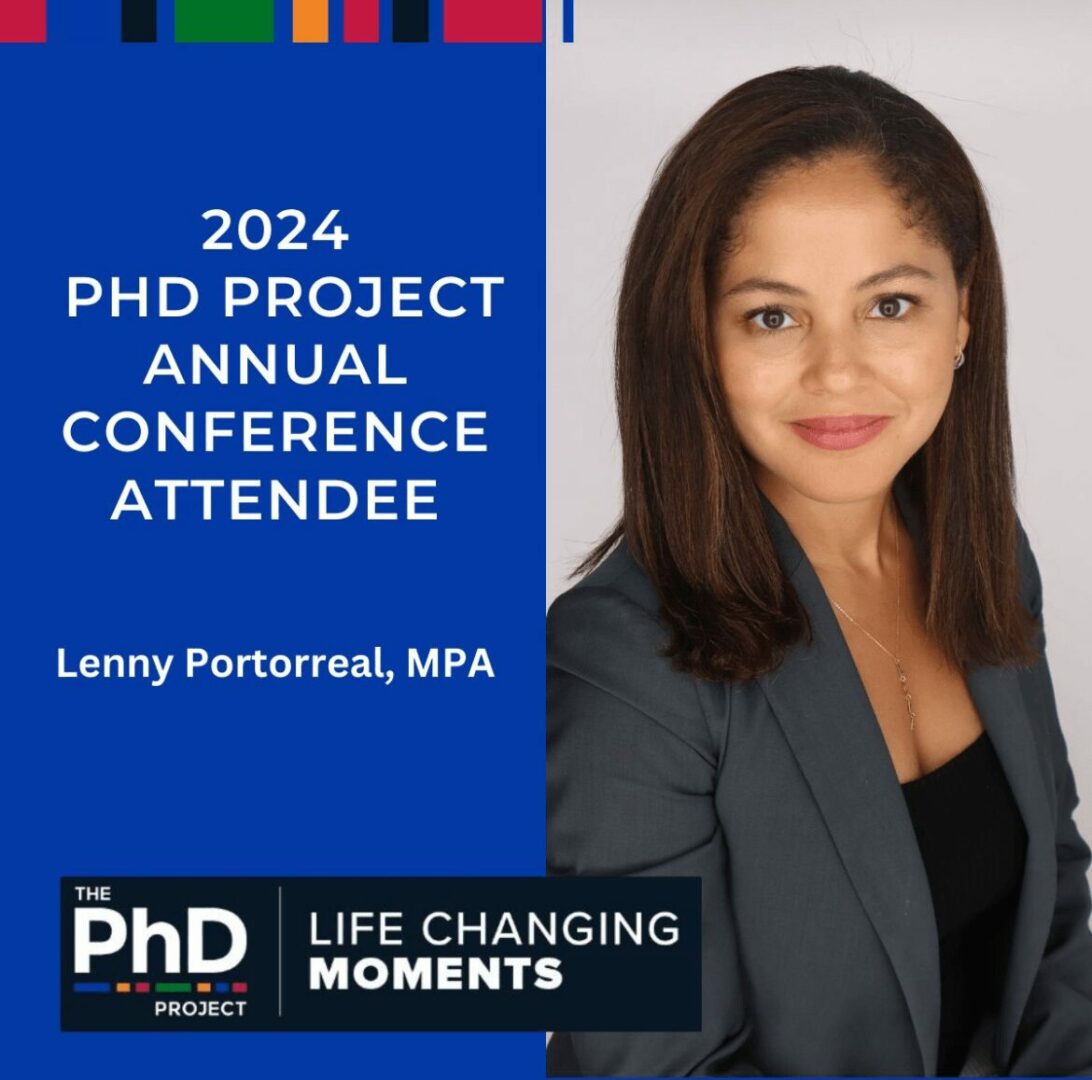
I’m a leadership coach, educator, and project strategist supporting purpose-driven professionals to perform at their best—without burning out or losing themselves. After 15+ years leading complex initiatives across finance, government, and the social impact space, I now help high-achieving leaders turn clarity into action.
My work is especially focused on high-performing professionals and leaders who care deeply about doing meaningful work—without sacrificing their wellbeing. They’re often navigating complex roles in finance, tech, consulting, or mission-driven organizations. Many are managing teams, stepping into new leadership roles, or moving through transitions where clarity, strategy, and execution matter more than ever. They come to me when they’re ready to get grounded, focused, and back in rhythm—so they can move forward with greater confidence, capacity, and impact.
What makes my work unique is that it blends strategic execution with soulful reflection. My clients don’t just want to talk about their goals—they want to get things done in a way that feels sustainable and true. Whether I’m coaching an executive navigating rapid change, helping a founder reimagine their workflow, or supporting a leader to reclaim their time and priorities, I show up as a thought partner, strategist, and accountability anchor.
I also write a weekly newsletter where I share reflections, tools, and practices on themes like peak performance, energy management, values-aligned leadership, intentional planning, and the quiet power of reflection. It’s where I stay in conversation with a growing community of leaders seeking to work and live with more clarity and courage.
This year, I’m expanding my offerings with:
A 6-week course to help high performers build rhythm, clarity, and execution habits rooted in their values.
A yearlong accountability community where members receive structured support, coaching touchpoints, and space to recalibrate—month by month, season by season.
And I’m working on my first book, Relax to Realize: The Inner Work of Sustainable Success—a guide for high achievers ready to lead from intention, not overdrive.
At the core of all my work is this belief: You don’t need to push harder—you need to return to what matters. I help people do that, one aligned decision at a time.
There is so much advice out there about all the different skills and qualities folks need to develop in order to succeed in today’s highly competitive environment and often it can feel overwhelming. So, if we had to break it down to just the three that matter most, which three skills or qualities would you focus on?
Looking back, the three most impactful qualities in my journey have been:
1. Self-awareness
Learning to understand my own patterns—how I respond to pressure, where I self-sabotage, what energizes or drains me—has been a game-changer. It’s what allows me to lead with integrity and coach others with depth. For those early in their journey, I recommend carving out space for reflection. Whether it’s journaling, therapy, coaching, or even voice notes—find a consistent practice that helps you see yourself clearly and with compassion.
2. Strategic execution
Ideas are beautiful—but impact comes from execution. Early in my career, I became known as someone who could get things done and lead complex initiatives across silos. That skill set still serves me every day. If you want to grow here, practice turning vision into actionable steps. Learn how to prioritize, communicate progress, and manage your energy—not just your time.
3. Resilience with rhythm
Sustainable growth requires both grit and grace. Over time, I’ve learned that resilience isn’t just about pushing through—it’s about building a rhythm that allows you to recover, recalibrate, and keep showing up. For those just starting out: don’t wait for burnout to build your boundaries. Create rhythms that support your wellbeing and your ambition. It’s not either/or.
In the end, your greatest tools are not just your credentials—they’re your ability to know yourself, follow through, and stay grounded when things get hard. Invest in those, and the rest will grow from there.
Thanks so much for sharing all these insights with us today. Before we go, is there a book that’s played in important role in your development?
One of the most transformative books I’ve read is A New Earth by Eckhart Tolle. I first read the original edition many years ago, and while it resonated with me then, I realize now that I wasn’t quite ready to fully receive its depth. Life had more lessons to teach me first.
Then, last December, I had the opportunity to see Tolle interviewed by Oprah—an experience that reawakened my connection to the book. Reading it again, years later, was like hearing an old truth with new ears. The timing was right. I had grown, stretched, and shed enough to finally understand the core message: that so much of our suffering comes from overidentification with the ego—and that presence is the key to liberation.
The book helped me heal. It reminded me that my power lives in the present moment—not in rehearsing the past or predicting the future. It taught me how to observe my thoughts and emotions without becoming them. It helped me create space between stimulus and response. And most of all, it gave me a language for discerning my ego’s voice from the deeper, quieter wisdom of my true self.
One quote that continues to guide me is:
“You do not become good by trying to be good, but by finding the goodness that is already within you.”
Tolle’s writing has become part of how I coach, how I lead, and how I live. It reminds me—and my clients—that we don’t have to perform our way to peace. We simply have to return to ourselves.
Contact Info:
- Website: https://www.lennyportorreal.com/
- Instagram: https://www.instagram.com/lenny_portorreal/
- Linkedin: https://www.linkedin.com/in/lenny-portorreal-mpa/
so if you or someone you know deserves recognition please let us know here.