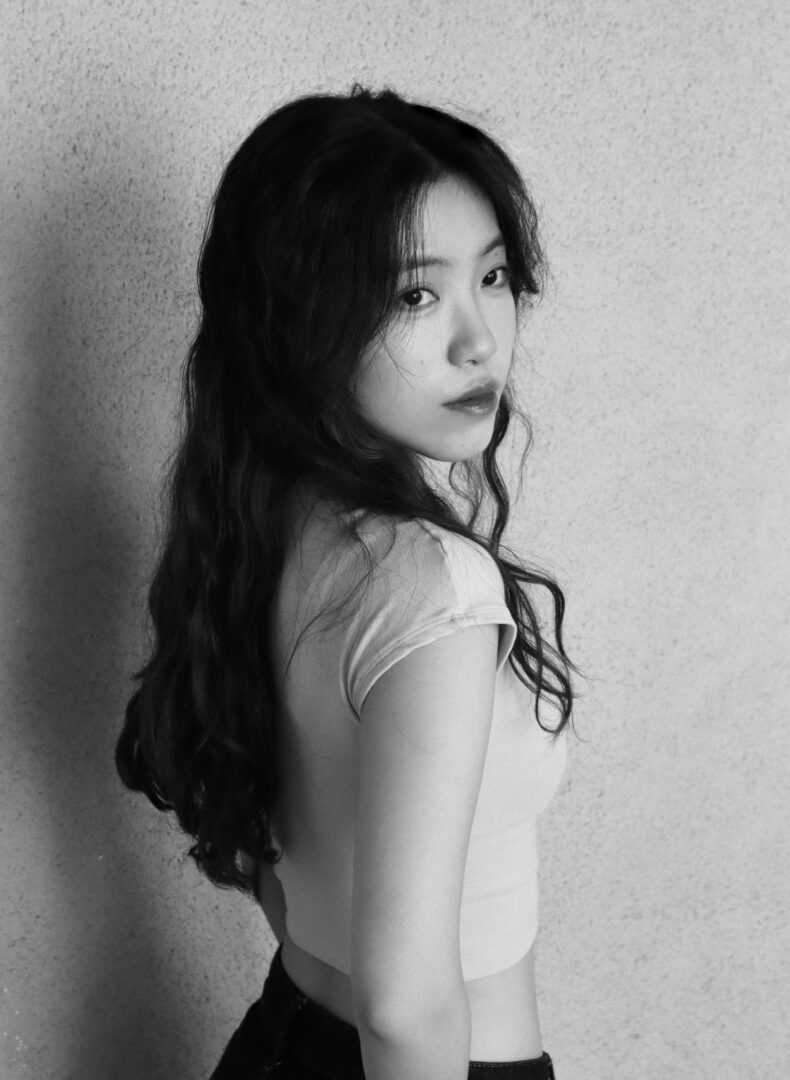
We were lucky to catch up with Jiani Hong recently and have shared our conversation below.
Jiani, we’re thrilled to have you on our platform and we think there is so much folks can learn from you and your story. Something that matters deeply to us is living a life and leading a career filled with purpose and so let’s start by chatting about how you found your purpose.
I found my purpose not in a single moment of clarity, but in a quiet accumulation of images, stories, and human connection.
My purpose came into focus through motion design, particularly through its deep ties to cinematic storytelling. I’ve always been drawn to the emotional architecture of film: how light, pacing, and framing can move people without a single word. I first studied at ArtCenter and my focus was on graphic design. Over the time, I started to feel that I didn’t want to stop at static or purely visual work. In the industry, I was introduced to the work of outstanding studios, I began watching more main titles from films and creative campaigns from top advertising agencies. Those works opened my eyes to how powerful storytelling could be when it’s in motion. That’s when I decided to shift from static design to exploring narrative through motion. I realized that my love for visual storytelling wasn’t just about aesthetics, it was about emotion, narrative, and memory. I wasn’t interested in making things merely beautiful, I wanted them to speak, to linger, to mean something.
Appreciate the insights and wisdom. Before we dig deeper and ask you about the skills that matter and more, maybe you can tell our readers about yourself?
I’m a visual storyteller working at the intersection of motion design, cinematic aesthetics, and cultural memory. My background spans graphic design, photography, and motion direction—but at the heart of everything I do is a desire to tell stories that move people, both emotionally and visually.
What excites me most about motion design is its ability to carry nuance, how a subtle shift in rhythm, color, or type can evoke a very specific emotion. I’m drawn to the space where narrative and design overlap, where visual work doesn’t just look good, but feels meaningful. That’s where I like to work, between stillness and motion, clarity and suggestion, presence and absence.
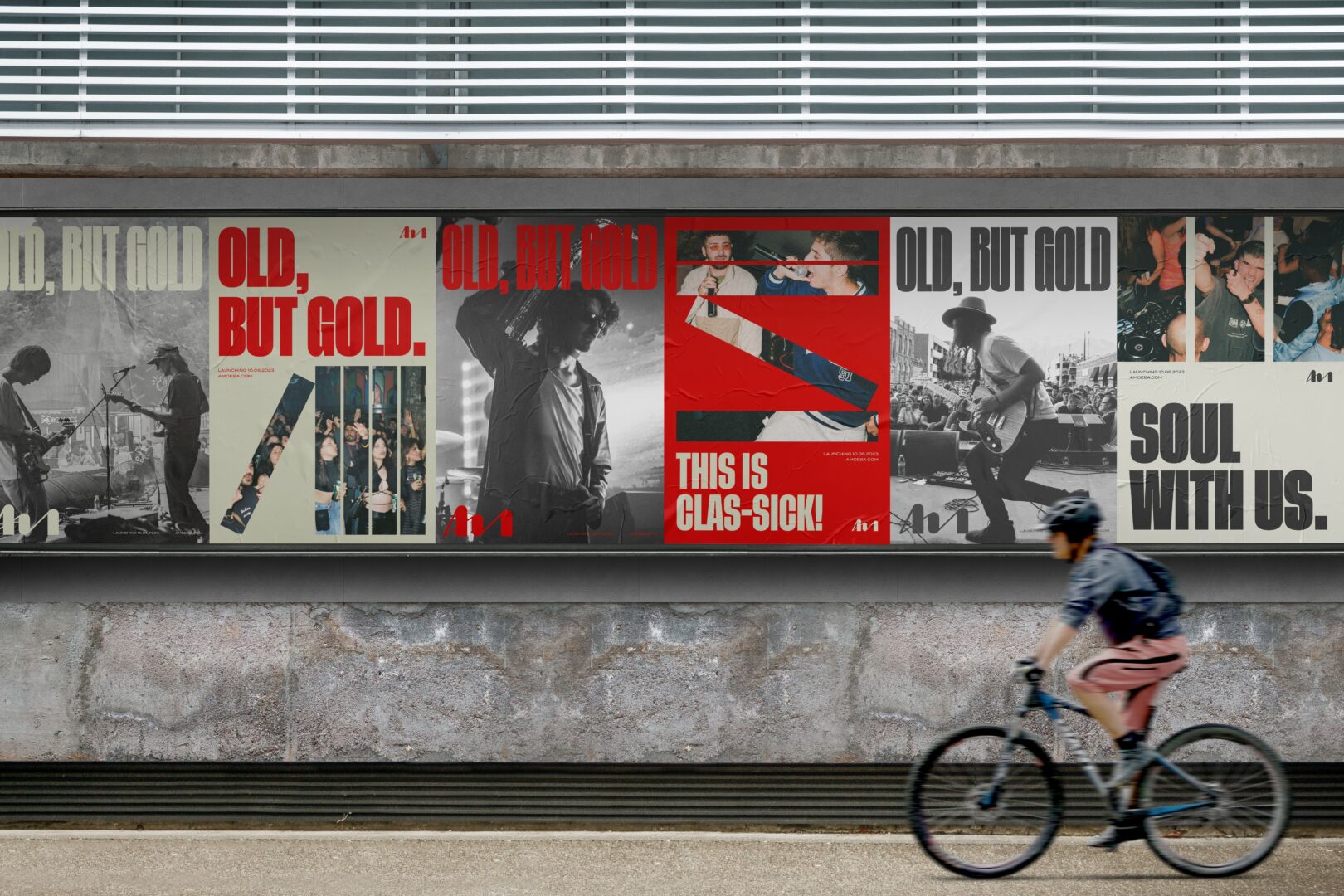
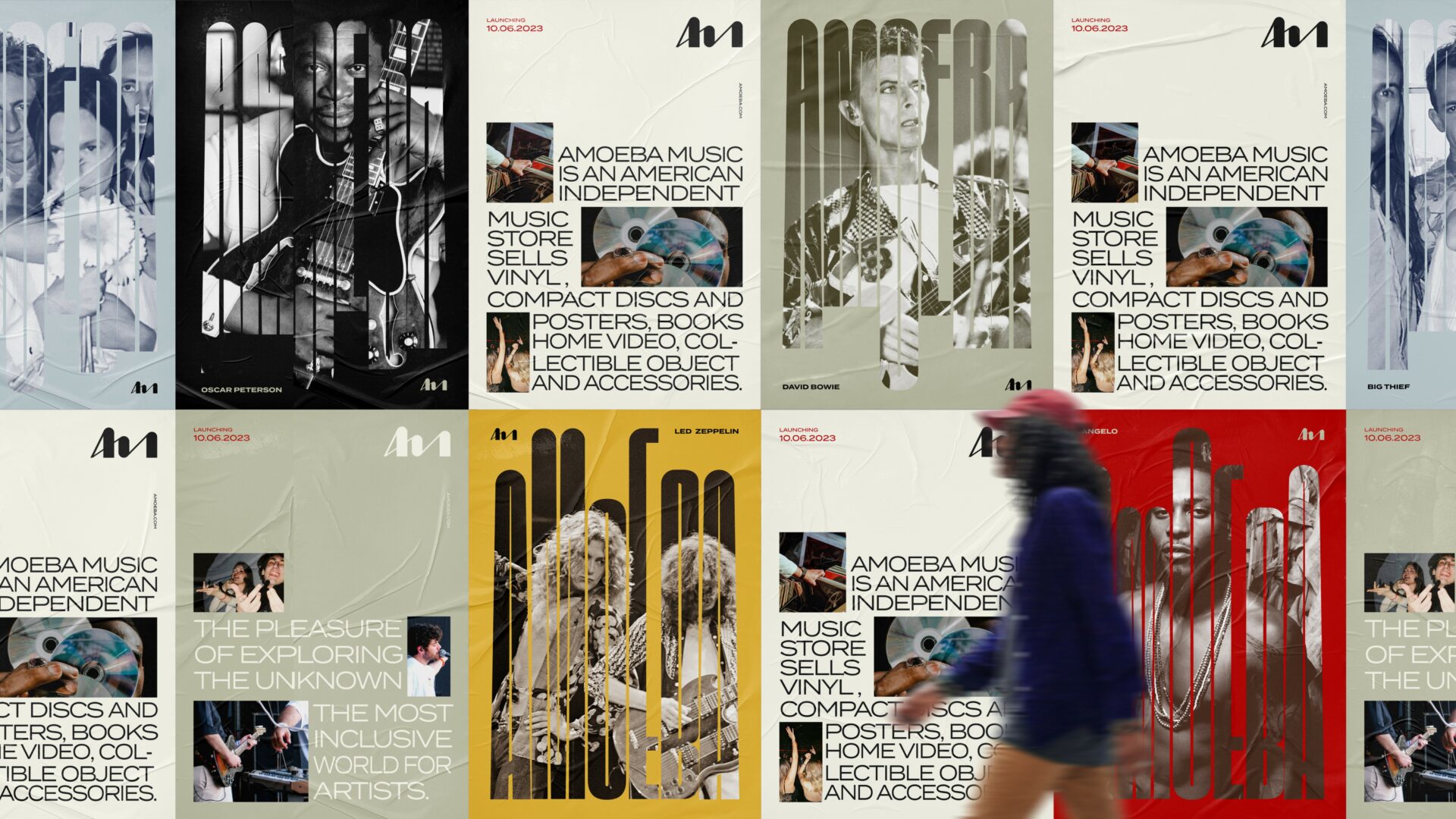
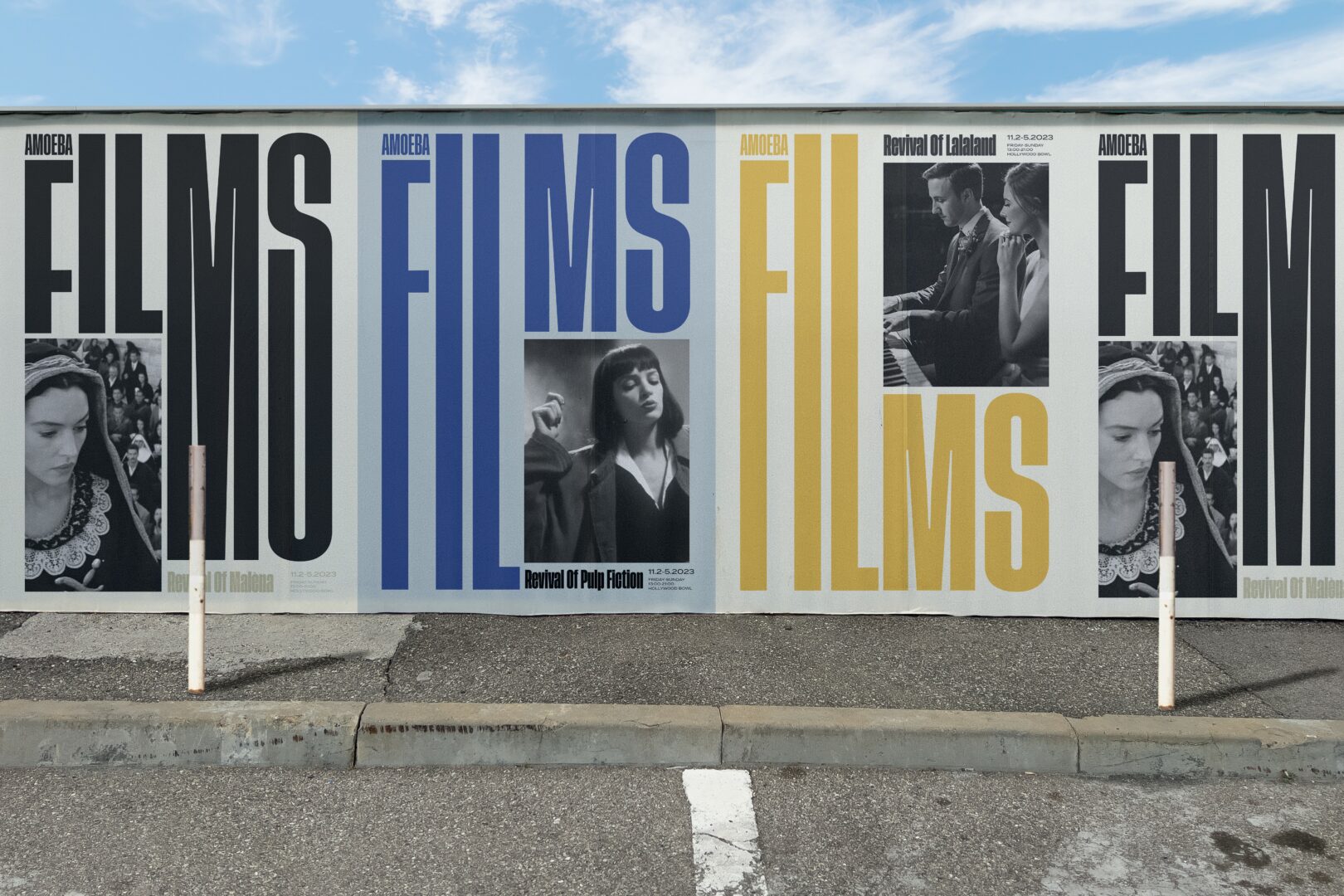
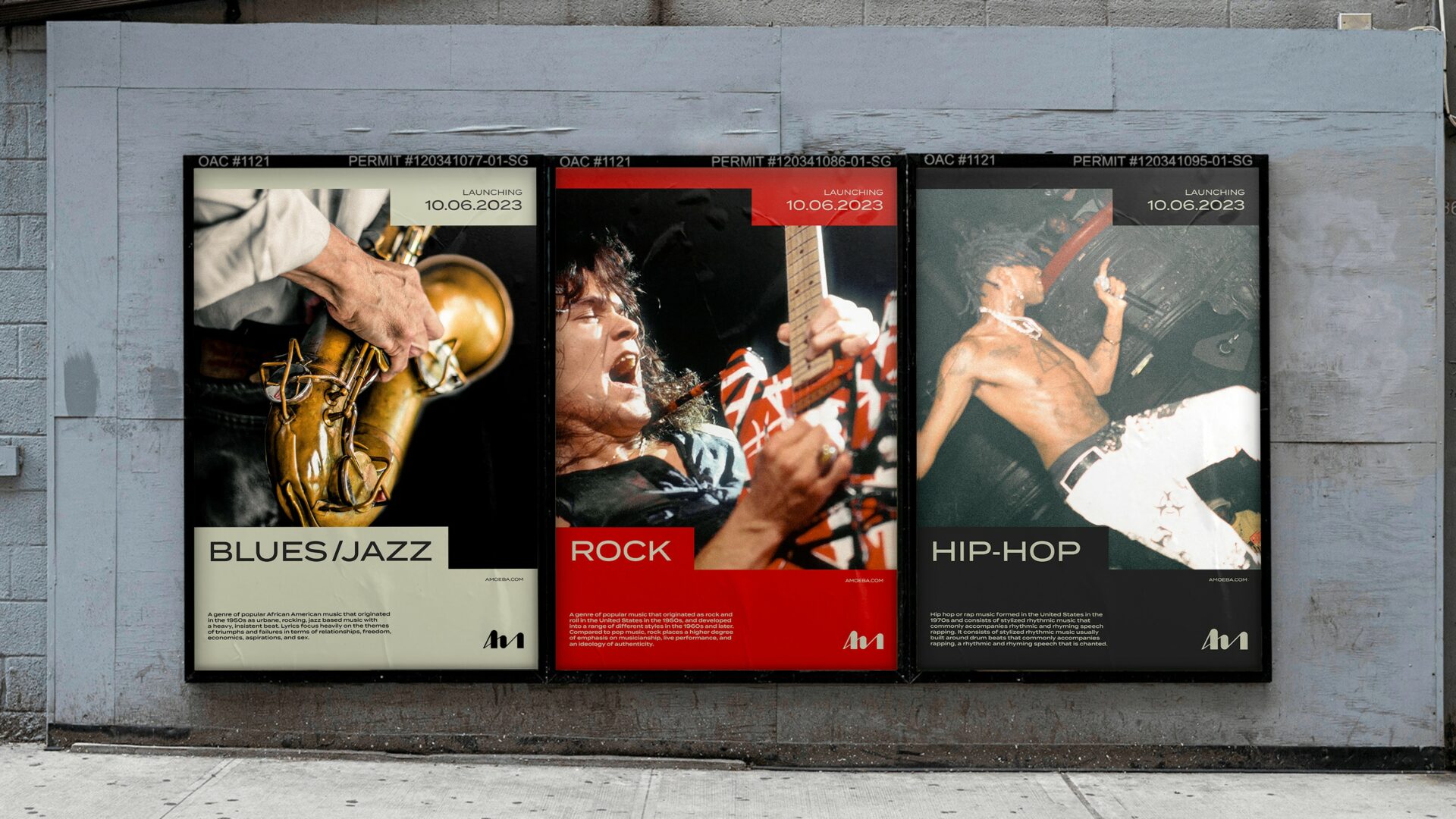
My recent projects reflect this direction. For example, I rebranded Amoeba Music, the iconic independent music store in California, with the concept “Old, but gold.” The design combined bold modern visuals with nostalgic textures to honor the store’s inclusive spirit and cultural legacy.
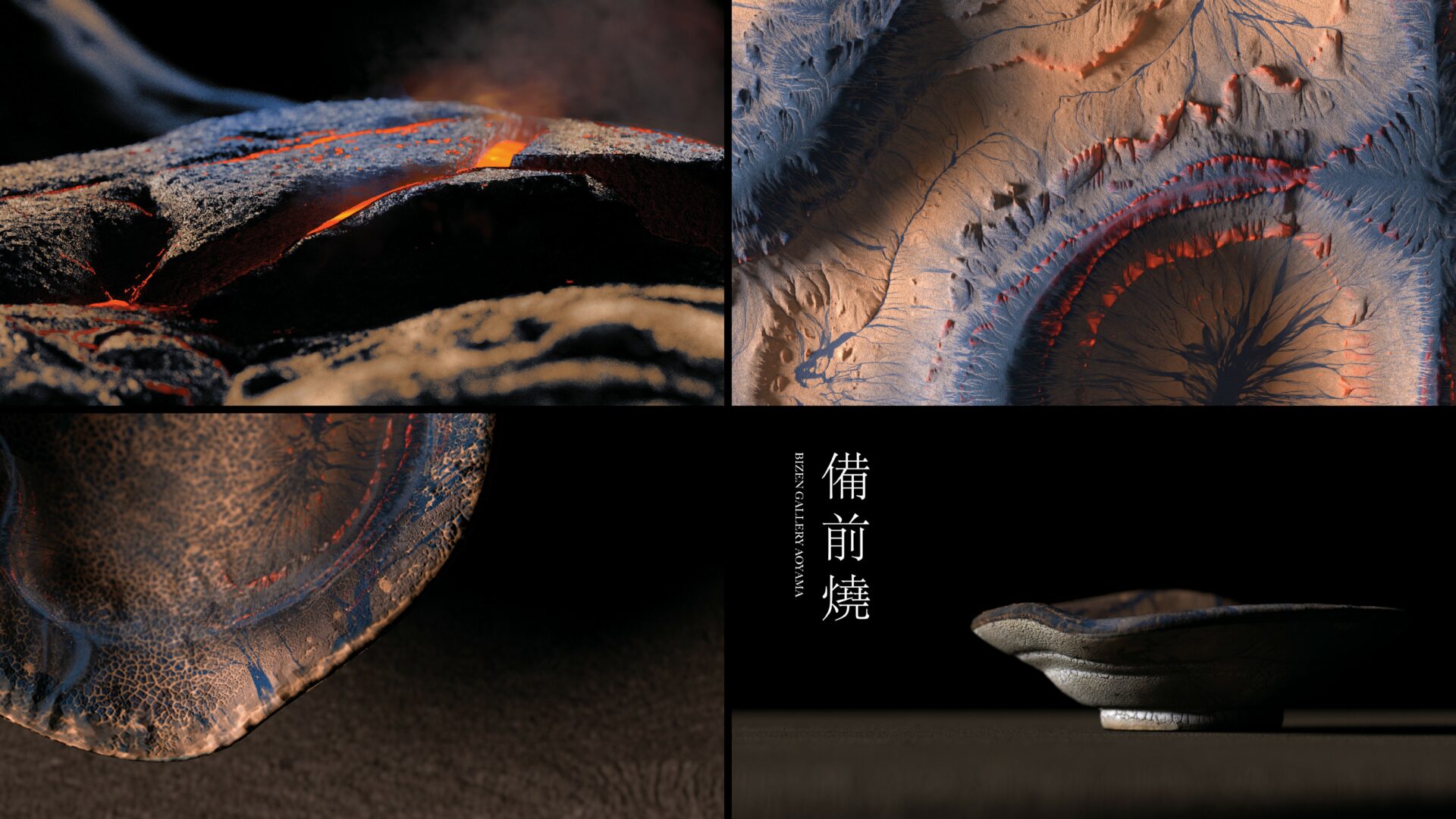
Another piece I deeply care about is a title sequence for a Bizen-yaki ceramics gallery, which explored the wabi-sabi philosophy through visual storytelling. It was my way of translating Asian aesthetics and craftsmanship into the rhythm of motion.
Across all of my work, whether it’s commercial campaigns, personal films, or branding systems, I’m always asking: what story is being told here, and how can I tell it in a way that stays with someone?
Right now, I’m focused on expanding my voice as both a motion designer and an art director. I’m experimenting with different formats of visual storytelling, blending design, narrative, and rhythm in ways that feel both cinematic and intimate.
There is so much advice out there about all the different skills and qualities folks need to develop in order to succeed in today’s highly competitive environment and often it can feel overwhelming. So, if we had to break it down to just the three that matter most, which three skills or qualities would you focus on?
My foundation as a designer is built on core skills including 2D and 3D animation, styleframe creation, storyboarding, and typography. These are the tools I work with every da, whether I’m building cinematic title sequences or visual direction for advertising campaigns. But behind these skills is a way of thinking that took time to form. Early on, I realized that strong motion design doesn’t start with movement, it starts with the ability to see a story before it unfolds. That’s where storyboarding shaped my process. Photography, drawing, and even just observing the world helped me develop a sharper eye for composition and emotion, which directly influences how I design each frame. Over time, I also learned to move fluidly between disciplines, letting inspiration from film, branding, and visual art feed into each other. For anyone just starting out, my advice is: focus on building a clear visual instinct, not just technical skill. Ask yourself what the work is trying to say, even before it moves, and let that guide everything that follows.
How can folks who want to work with you connect?
Yes, I’m always looking to collaborate with people from different disciplines. I’m especially drawn to working with designers in the visual and interactive space who are interested in exploring new technologies. Whether it’s experimenting with AI, real-time tools, or interactive storytelling formats, I’m excited by the possibilities that innovation can bring to motion design. I believe there’s so much creative potential in pushing the boundaries of how we experience visuals.
I’m also hoping to collaborate with filmmakers and producers. I’d love to create narrative-driven pieces—short films or conceptual content—where cinematic vision meets design-driven storytelling. With my background in motion and visual storytelling, I’m looking to team up with people who can bring narrative structure, emotional depth, and production insight to the table. Together, I think we can create work that feels both visually bold and deeply human.
If you’re someone who resonates with this, I’d love to connect. You can reach me through my website jianihong.com or find me on Instagram or LinkedIn, I always open to conversations that lead to something meaningful.
Contact Info:
- Website: https://www.jianihong.com/
- Instagram: @jiani1006
- Linkedin: https://www.linkedin.com/in/jiani-hong-664567205/
- Other: Vimeo: https://vimeo.com/user186368823
Contact: https://www.jianihong.com/contact-8
Image Credits
Jiani Hong
so if you or someone you know deserves recognition please let us know here.