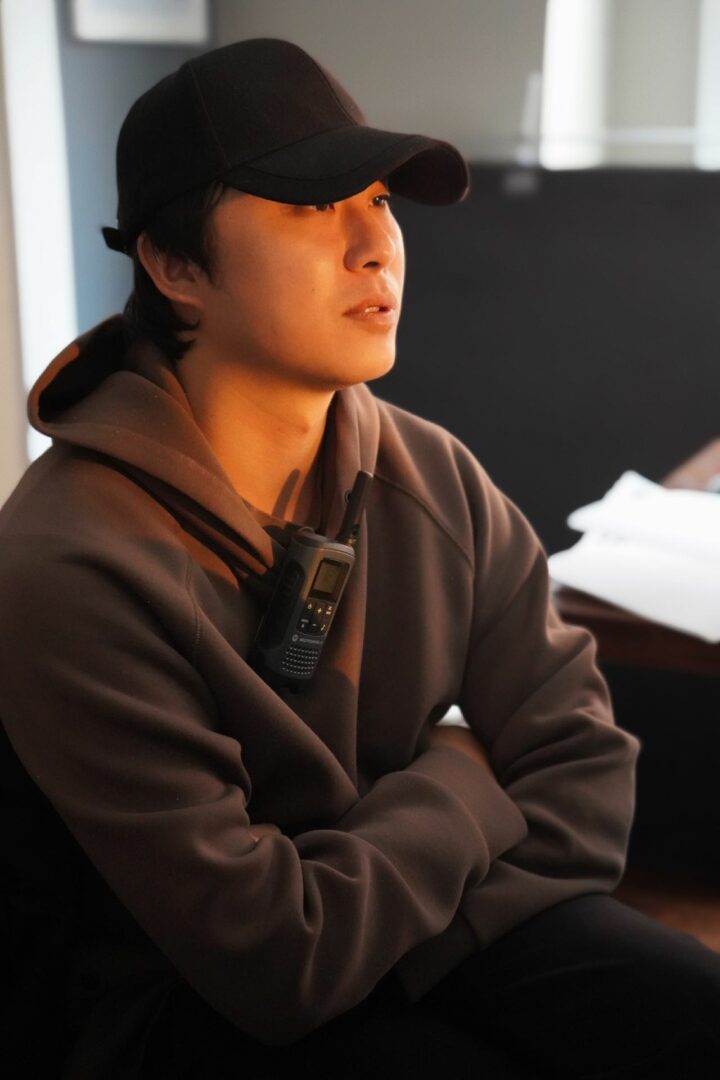
We caught up with the brilliant and insightful Hao Yan a few weeks ago and have shared our conversation below.
Hao, so excited to have you with us today. So much we can chat about, but one of the questions we are most interested in is how you have managed to keep your creativity alive.
I keep my creativity alive by constantly observing the world around me—visually and emotionally. I love seeking the reason behind every interaction. Once I found out, I would follow this lead to build a character in my mind, and try to put this character into my daily routine. I believe every human interaction, every shadow on the wall, or even the silence between words can be a seed for a story. I habitually collect these moments through photographs, scribbled notes, or mental snapshots. I also revisit films, music, and books that move me, not for replication, but to remind myself why I tell stories in the first place. I would watch my favorite film countless times, and you can always find a new perspective. And above all, I give myself space to think, wander, and be bored sometimes—because that’s when imagination sneaks back in..
Great, so let’s take a few minutes and cover your story. What should folks know about you and what you do?
Hi! My name is Hao Yan, I’m a film director and cinematographer with a deep love for visual storytelling. I’ve always believed that film is one of the most powerful ways to explore the human experience—it allows us to step into someone else’s world, if only for a few minutes, and feel something real. My background spans narrative films, music videos, and commercials, but my true focus is on stories that linger—stories that deal with memory, identity, and emotional complexity.
What excites me most about directing is the ability to build entire emotional worlds through visuals, sound, and performance. I pay close attention to the details: light, color, framing—all of it serves the story and the characters. I believe that even the smallest artistic choices can profoundly impact the viewer’s emotional journey.
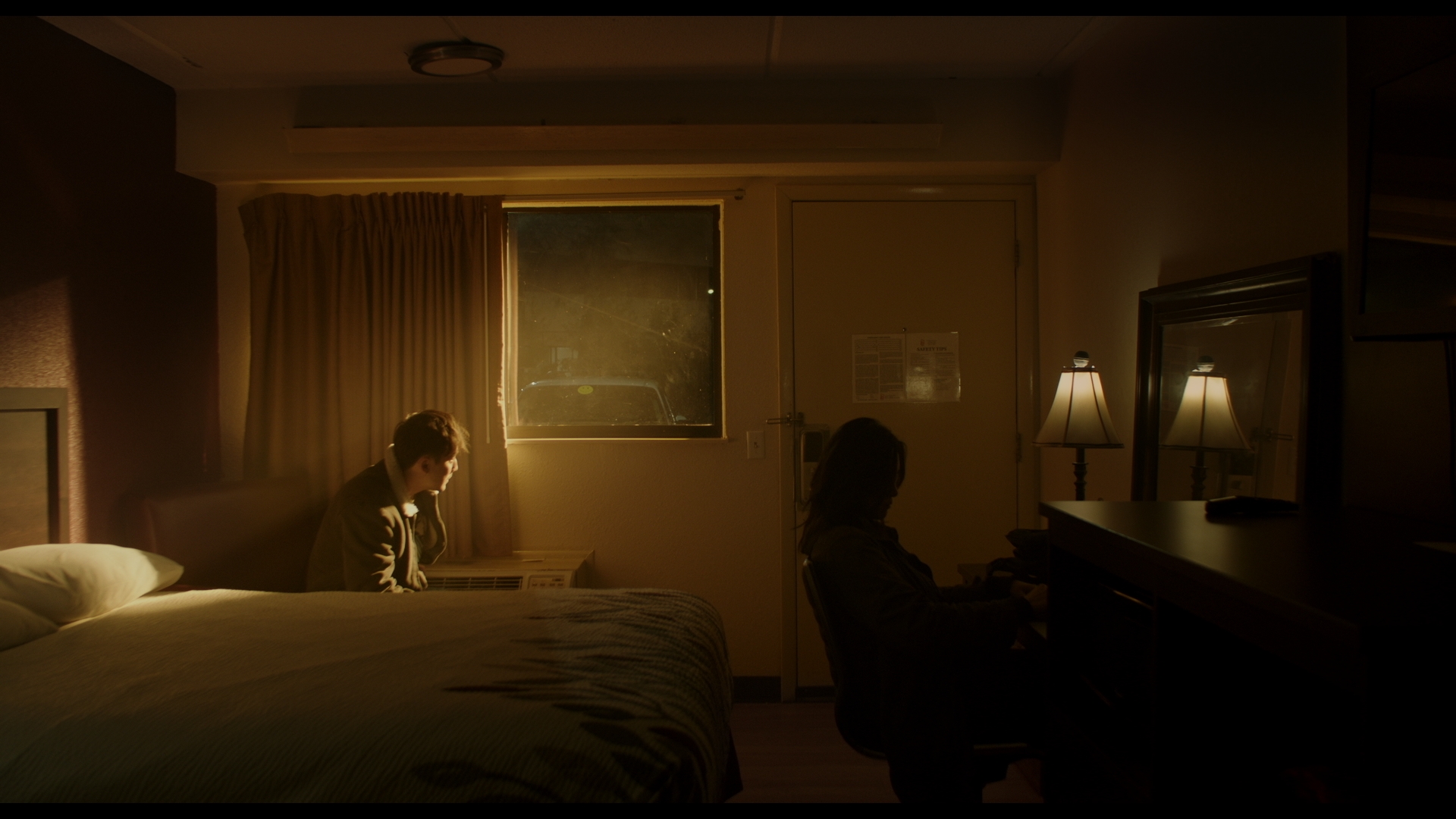
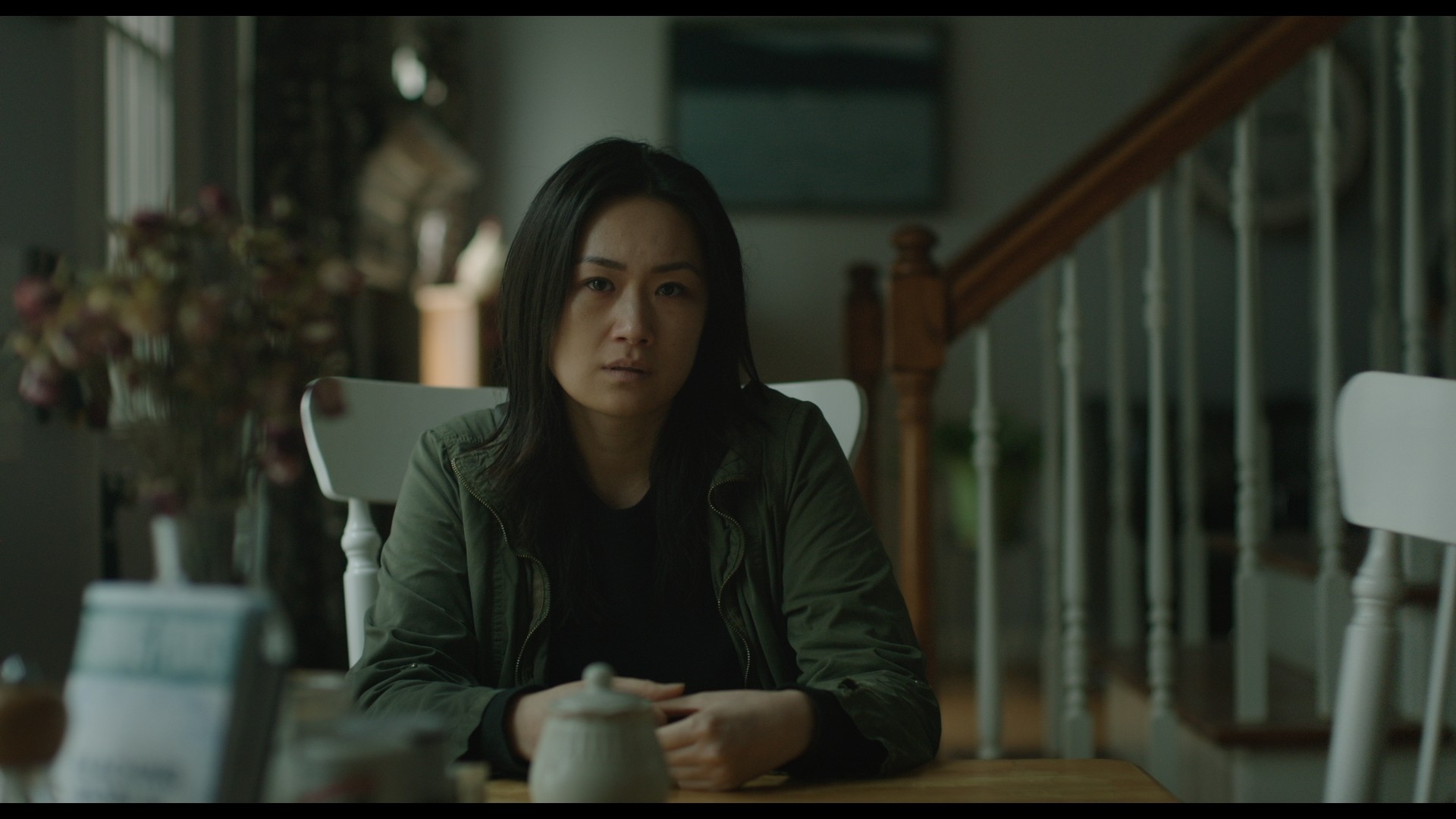
Recently, I completed a narrative short film called Winter Psalm, inspired by the real-life experiences of Chinese adoptees. It’s a personal project that took a lot of emotional and creative energy, and it’s currently making its way through film festivals. I also directed Galon, a music video that won a Telly Award for Best Directing. That project reminded me how much I love blending music, image, and rhythm to evoke feeling.
Right now, I’m focused on developing more original narrative work, particularly stories that highlight human desire and personal reinvention. I’m also open to collaboration, especially with musicians and writers who share a deep interest in emotional authenticity and cinematic worldbuilding.
There is so much advice out there about all the different skills and qualities folks need to develop in order to succeed in today’s highly competitive environment and often it can feel overwhelming. So, if we had to break it down to just the three that matter most, which three skills or qualities would you focus on?
Looking back, three qualities had the biggest impact on my journey: sensitivity to detail, resilience, and storytelling intuition.
First, sensitivity to detail has shaped the way I approach every frame. Whether it’s how light hits a character’s face or the emotional weight of a silence, I’ve learned that the smallest elements often carry the most meaning. For aspiring filmmakers, I recommend training your eye—watch films actively, frame shots in daily life, and pay attention to how emotion is conveyed visually.
Second, resilience is essential in this industry. Not every project will go smoothly, and not every idea will land. I’ve had my share of failures and disappointments, but each taught me something critical. My advice: don’t fear failure—embrace it as part of your creative process. It’s not the setbacks that define you, but how you grow from them.
Third, storytelling intuition—the ability to sense when something feels emotionally true—has been my compass. You refine it over time by consuming stories, writing, observing people, and staying honest with your emotions. Trust that your personal perspective matters. The best stories often come from something only you can see.
I recommend always allowing yourself to daydream a little. I think the best story idea doesn’t come from hard thinking. It’s the perspective you carry along with you.
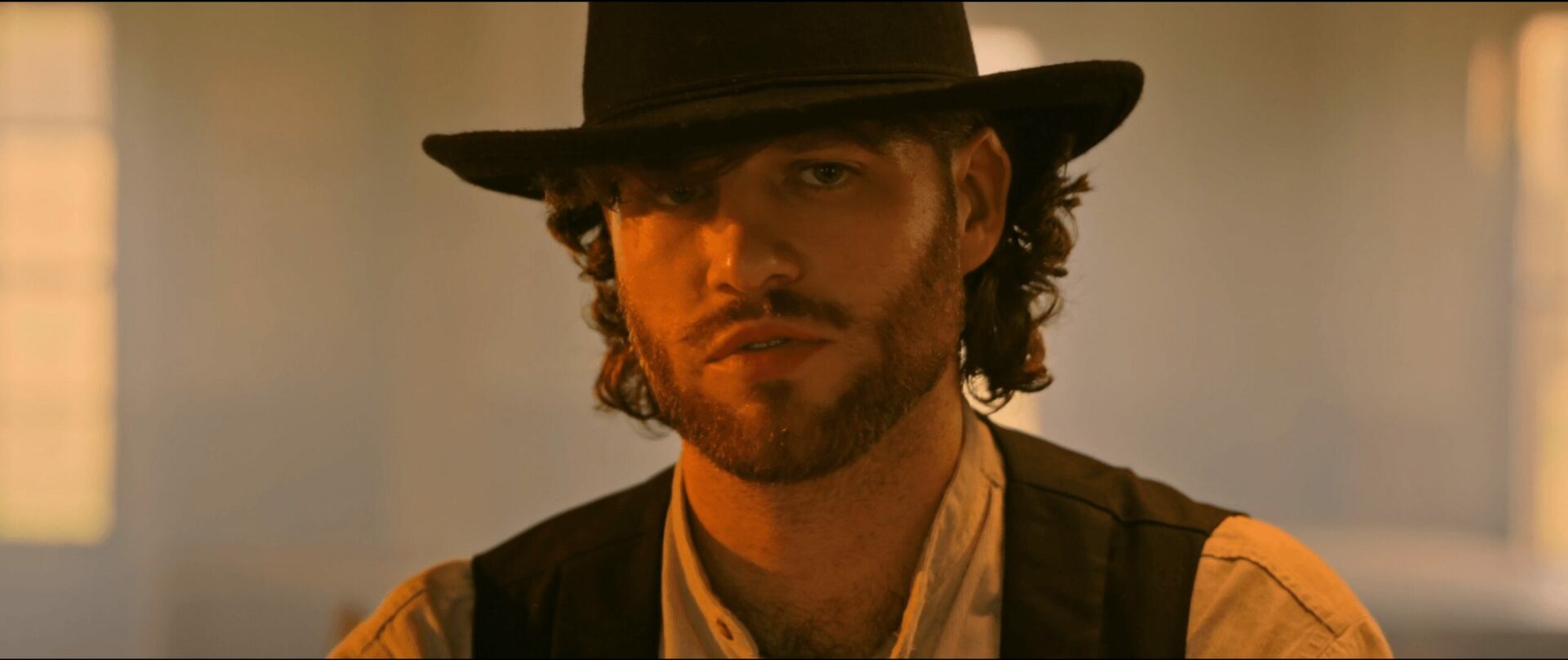
Before we go, maybe you can tell us a bit about your parents and what you feel was the most impactful thing they did for you?
The most impactful thing my parents did for me was give me the freedom to explore. Even when they didn’t fully understand my interest in film, they never stopped me from pursuing it. That space—to be curious, to make mistakes, and to figure things out on my own—became the foundation of my creative voice.
They didn’t push me in one direction or try to define success for me. Instead, they gave me room to daydream, to change paths, and to discover for myself what I truly love. Looking back, that kind of quiet support was invaluable. It allowed me to arrive at the film not out of pressure but out of genuine passion.
Contact Info:
- Website: https://www.haoyancinema.com
- Instagram: https://www.instagram.com/hao_yan3?igsh=bHpvZzZhMnRsNTV6&utm_source=qr
- Linkedin: https://www.linkedin.com/in/haoyan605/
so if you or someone you know deserves recognition please let us know here.