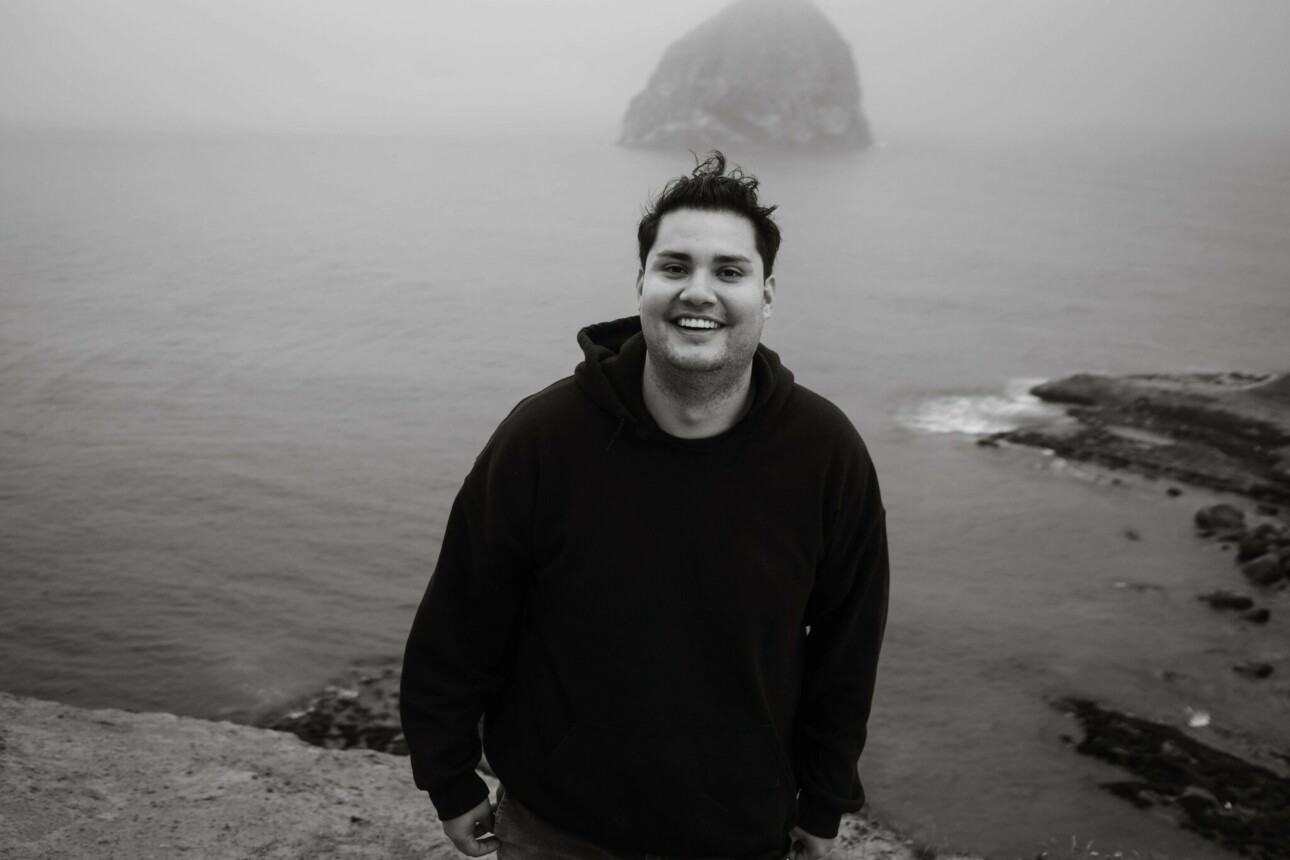
We recently connected with Ramiro De Loza and have shared our conversation below.
Ramiro, thank you so much for taking the time to share your lessons learned with us and we’re sure your wisdom will help many. So, one question that comes up often and that we’re hoping you can shed some light on is keeping creativity alive over long stretches – how do you keep your creativity alive?
For me, creativity means making something I can’t stop looking at, something that stirs an emotion and feels like it has that (as funny as it sounds) “sauce.” I keep my creativity alive by constantly searching for inspiration. Sometimes I’ll find something online that pushes me to reinterpret it in my own way, and other times I come across work that feels far beyond my current abilities, which excites me and motivates me to keep growing. I also love pulling ideas from books and magazines- not only just video but textures, architecture, and even music. Each of these sparks a different feeling, and I think that’s what we’re all chasing when we create: something that makes us feel deeply.
For me, it’s not about just making something different , it’s about making it better. You can add more lights to a scene or throw on the wildest 12mm lens, and sure, it might look different, but that doesn’t necessarily mean it’s better. I try to keep my creativity alive by pushing myself toward that next level of refinement, finding the choices that elevate the work, not just alter it.
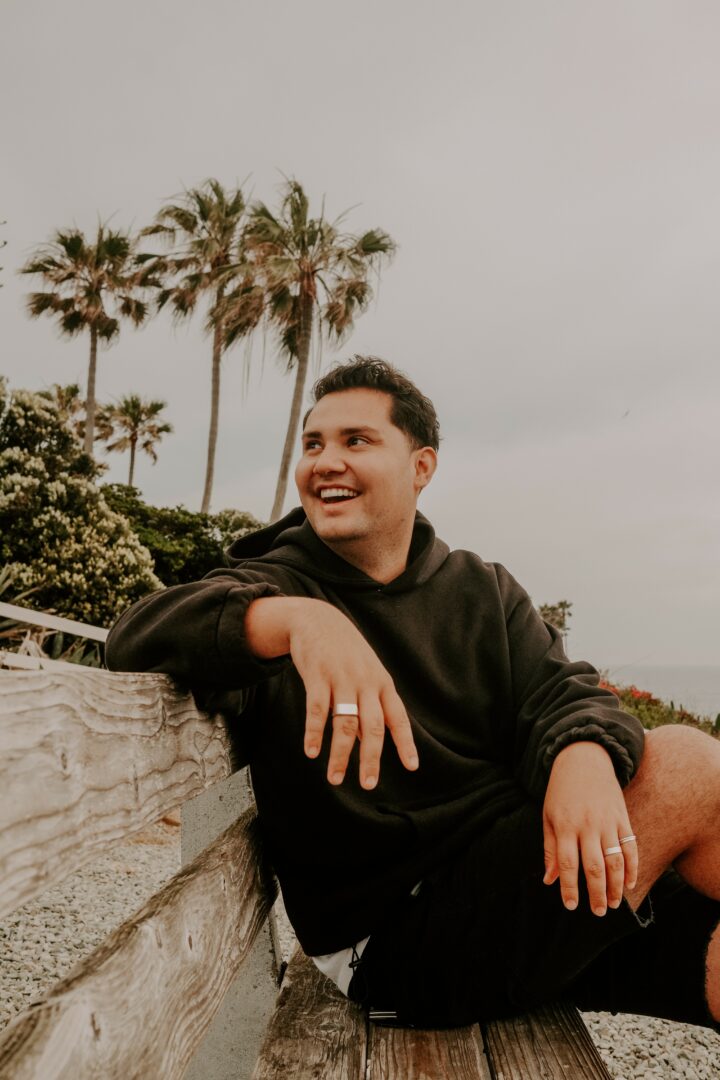
Thanks for sharing that. So, before we get any further into our conversation, can you tell our readers a bit about yourself and what you’re working on?
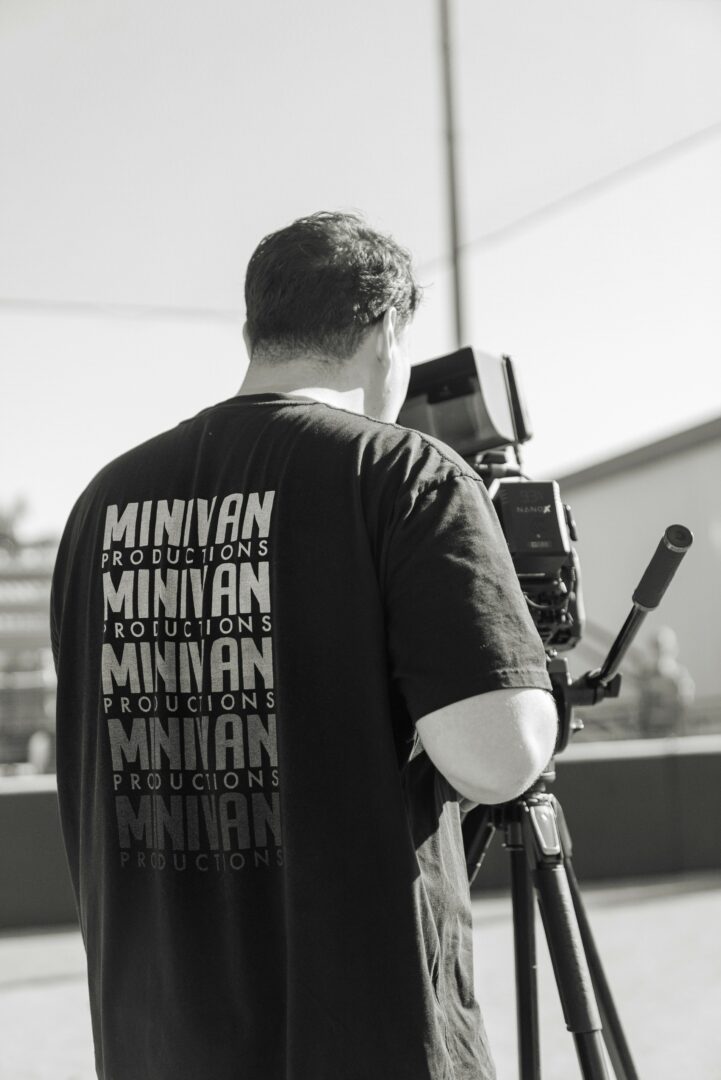
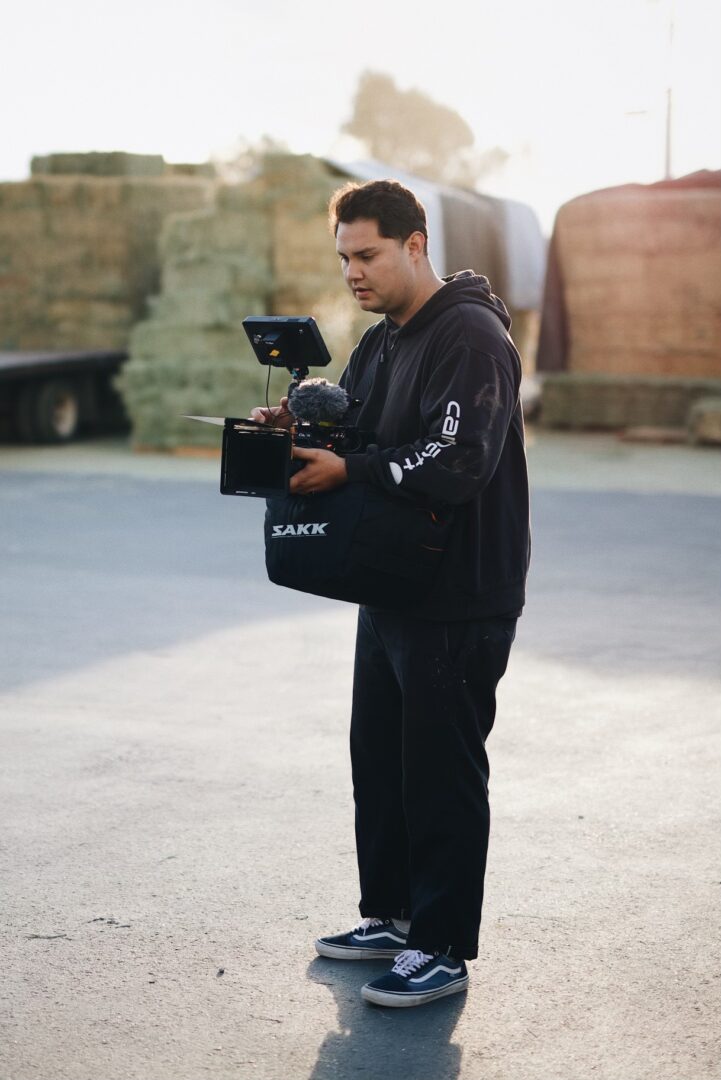
I’m the Video Production Lead at Minivan Productions in Old Town, San Diego. Kyler Beal, the founder, has trusted me with helping to humanize brands through video storytelling. My day-to-day ranges from prepping shoots, ideating camera movement and lighting, capturing content behind the lens, to editing, color grading, and sound design.
What excites me most is that the camera is my main tool-it never really feels like “work.” I can do a 14-hour day and instead of feeling drained, I feel like I just sharpened my craft. I love that what started as a hobby grew into a career I’d be pursuing whether or not I was getting paid.
I try to stay inspired by observing the world more closely: watching how light moves, noticing reflections, or appreciating the details in spaces and art around me. Someone curated the vibe of the coffee shop you’re sitting in. Someone carefully crafted the movie trailer you just watched. When you stop to notice those creative choices, you see art everywhere.
Minivan itself is in an exciting growth phase. We recently welcomed a new director, Dylan Yesenofski, who has an incredible background in live-action filmmaking: think high-adrenaline shots like bikes racing down a mountain. I’m hyped to collaborate with him and continue building out the work we’re creating with our growing team.
If you had to pick three qualities that are most important to develop, which three would you say matter most?
The first is being self-driven. Anyone can own an amazing camera, but what really matters is the effort, time, and drive it takes to go out and shoot a thousand “ugly” photos or videos until you find that one shot that keeps you going. That relentlessness to keep creating, even when the work isn’t pretty yet, is what builds skill.
The second is learning how to shape light. Lighting can make or break an image and it completely changes the emotion of a scene. Early on, I’d take an image and not fully understand why it looked good. Over time, I developed an eye for shaping light so that it feels natural, almost invisible, as if it was already there. That skill is what makes the viewer’s experience effortless.
The third is simply my love for the craft. My “entertainment” is educational videos about filmmaking, and my free time is spent experimenting with new techniques. Even if I weren’t getting paid, I’d still be doing this and that passion has carried me through long hours and steep learning curves.
My advice: If you’re a painter, paint. If you’re a musician, make music. If you want to create with a camera, pick it up and start shooting. Do the solo work, but also surround yourself with people who are more talented than you. Even if it means working for free, be there, be a fly on the wall and soak up everything.
One practice that’s helped me is keeping a personal log after every production. I write down what I learned: what worked, what didn’t, and little notes I want to remember. Part of it is nostalgia, but mostly it’s a way to process each project and keep improving.
How would you spend the next decade if you somehow knew that it was your last?
I’d focus on truly living in the moment, not just saying it, but being intentional about gratitude for what’s in front of me. I’d push myself to take on greater challenges and be willing to fail a lot more, but fail upwards. When you feel like you have infinite time, it’s easy to play it safe. With only a decade, I’d be far more experimental. Writing this makes me realize that is something I want to drive toward!
I’d probably pick up another craft as well, because I believe working in different art forms feeds back into and inspires everything else you create. And before that decade ended, I’d want to create a photo book that documented the journey in the most artistic, honest way I could.
Contact Info:
- Website: https://vs.co/70j8n7hl
- Instagram: https://www.instagram.com/ramiro_deloza and https://www.instagram.com/delozasnaps
- Linkedin: https://www.linkedin.com/in/ramiro-de-loza-a222a8211?utm_source=share&utm_campaign=share_via&utm_content=profile&utm_medium=ios_app
- Other: https://www.minivanproductions.com

so if you or someone you know deserves recognition please let us know here.