Alright – so today we’ve got the honor of introducing you to Kat Collins. We think you’ll enjoy our conversation, we’ve shared it below.
Hi Kat, really happy you were able to join us today and we’re looking forward to sharing your story and insights with our readers. Let’s start with the heart of it all – purpose. How did you find your purpose?
I didn’t find my purpose in creating art all at once—it was something that unfolded gradually, almost like following a trail of breadcrumbs back to myself. Art has been with me since I was young, but there were stretches of my life where I put it aside, either because life demanded other things of me or because I wasn’t sure if it mattered enough. But whenever I returned to it, especially during difficult seasons, I realized that creating was the one place I could truly process what I was feeling. Painting became a way to sit with emotions that felt too big or too tangled for words.
At first, I thought it was just for me—a private language of survival and self-understanding. But when I started sharing my work with others, I noticed something unexpected. People would stand in front of a painting and tell me what it stirred in them. They’d talk about grief, or resilience, or a memory they hadn’t thought about in years. That was such an awakening moment, because I realized my paintings weren’t only reflecting my inner life—they were also touching into something universal.
That recognition slowly shaped my purpose. It’s not about making something “beautiful” in the traditional sense. It’s about creating visual spaces that hold emotion, that give form to things we all feel but don’t always have words for. My art became a bridge between my own internal weather and the collective experience we all share.
So in a way, I didn’t so much “find” my purpose as it revealed itself through the act of creating and through the response of others. My purpose is to keep listening—to myself, to the world, to the unseen currents of feeling—and translate that into work that connects us. For me, that’s what makes creating art essential.

Let’s take a small detour – maybe you can share a bit about yourself before we dive back into some of the other questions we had for you?
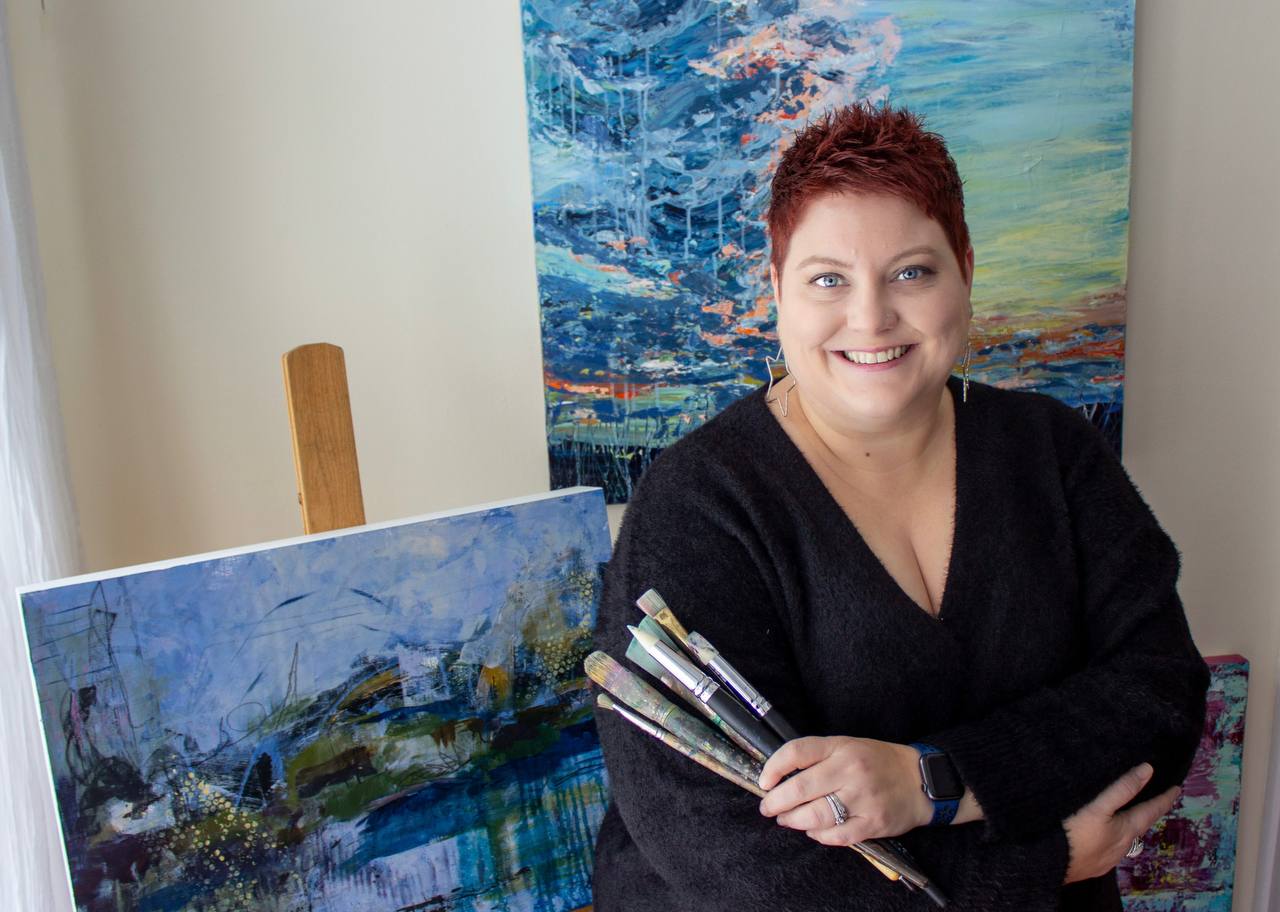
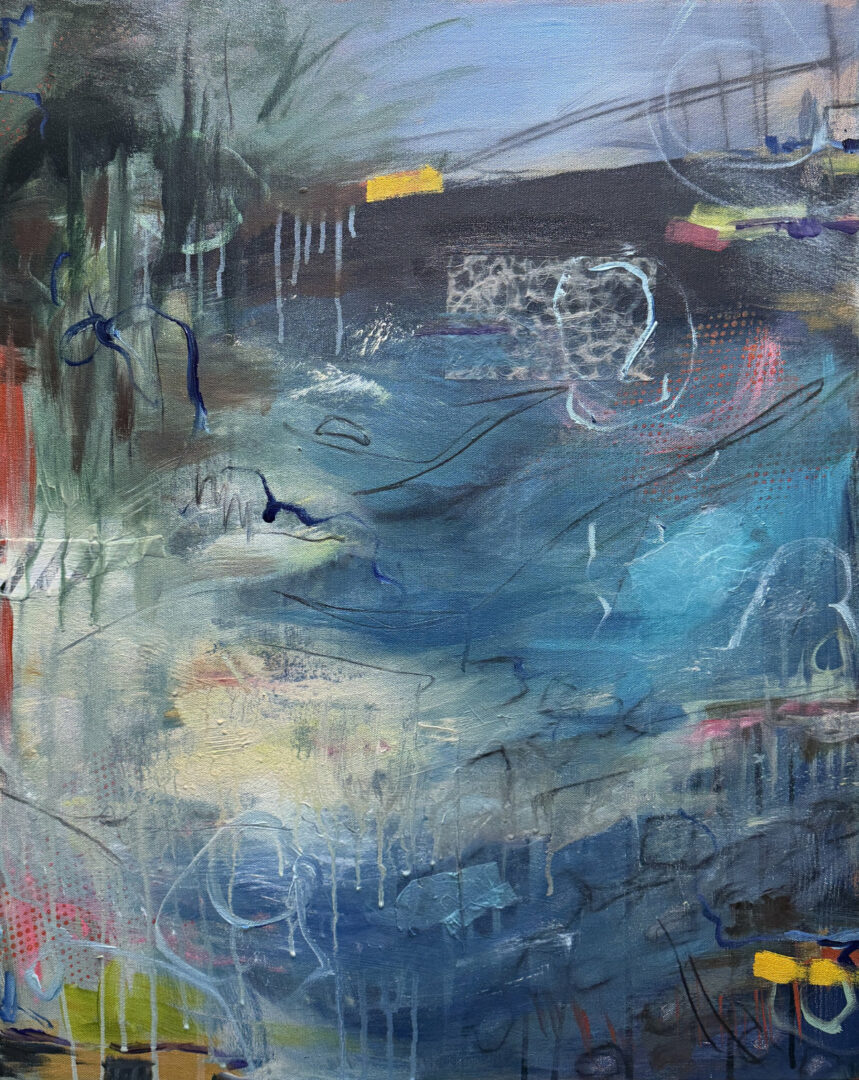
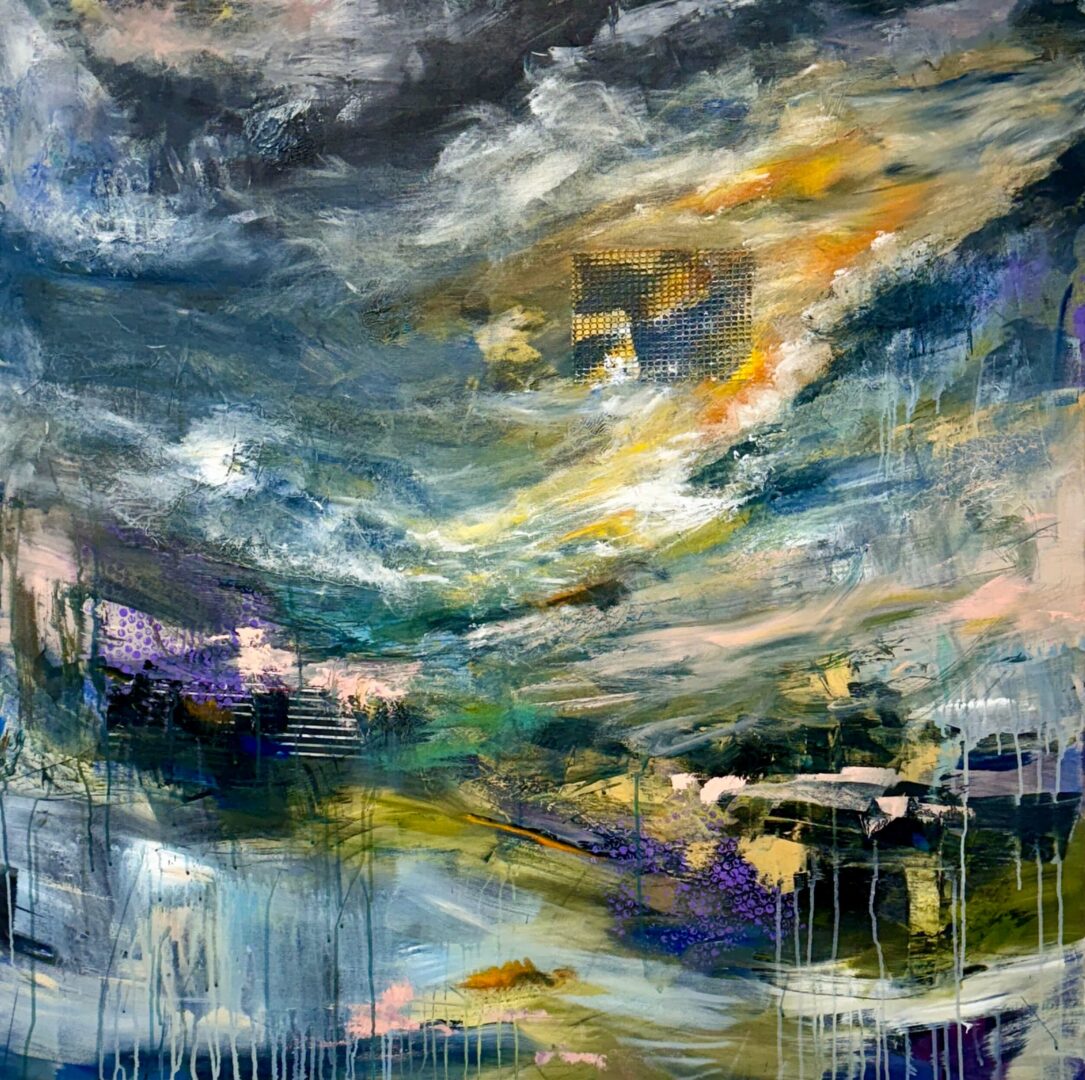
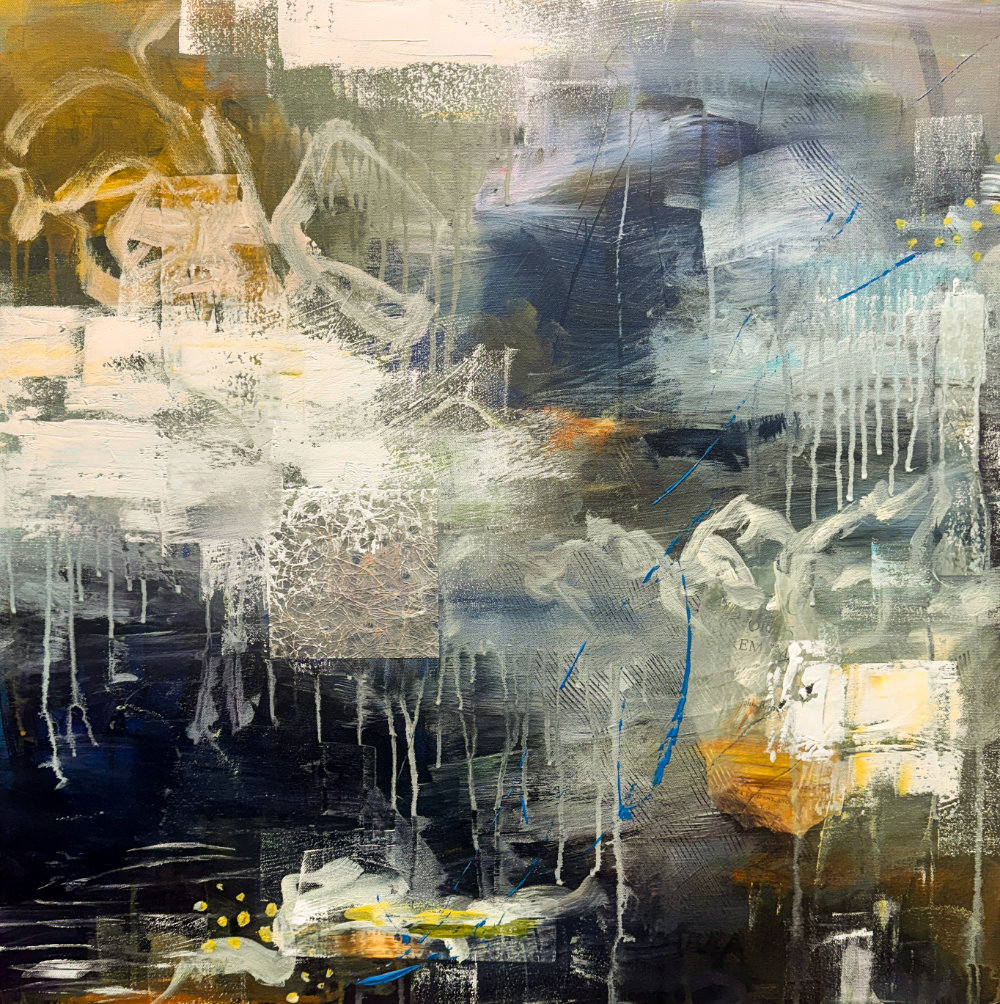
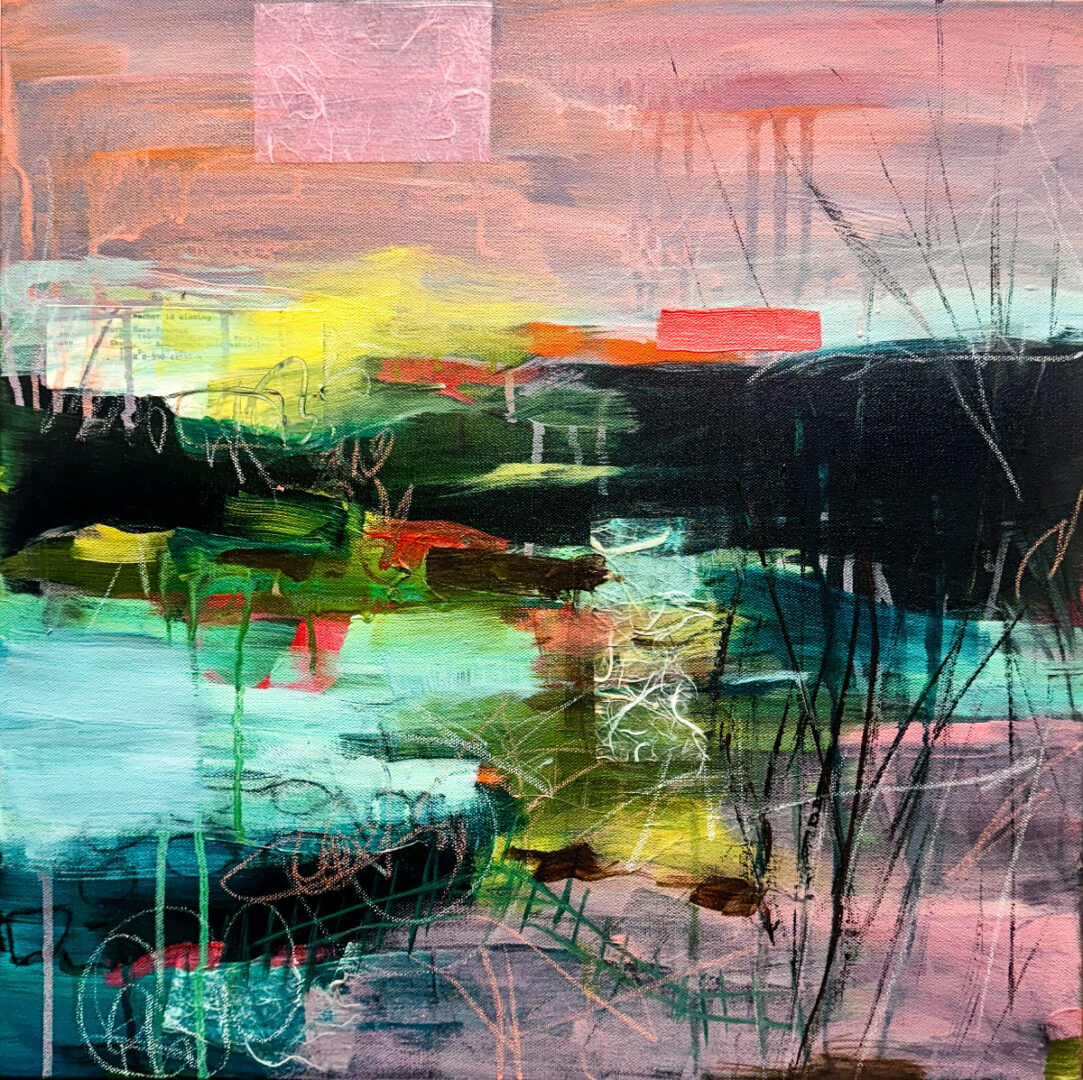
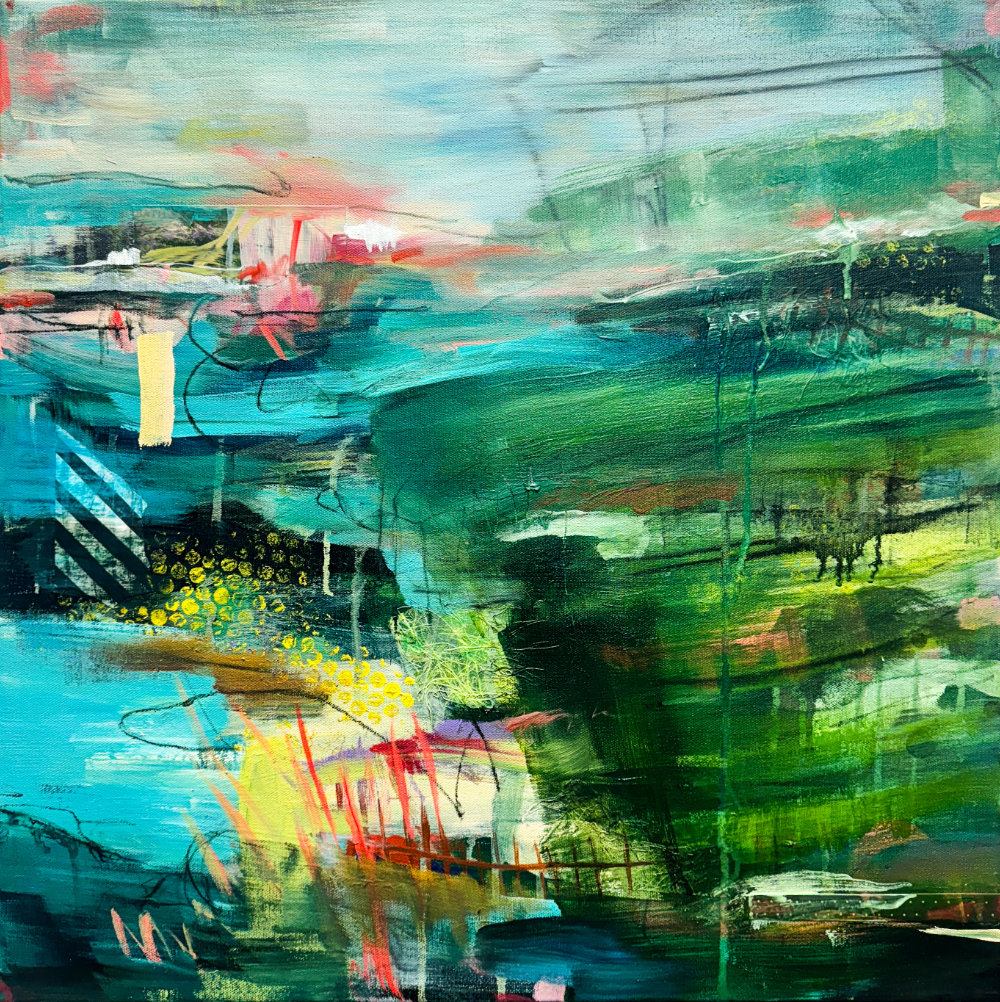
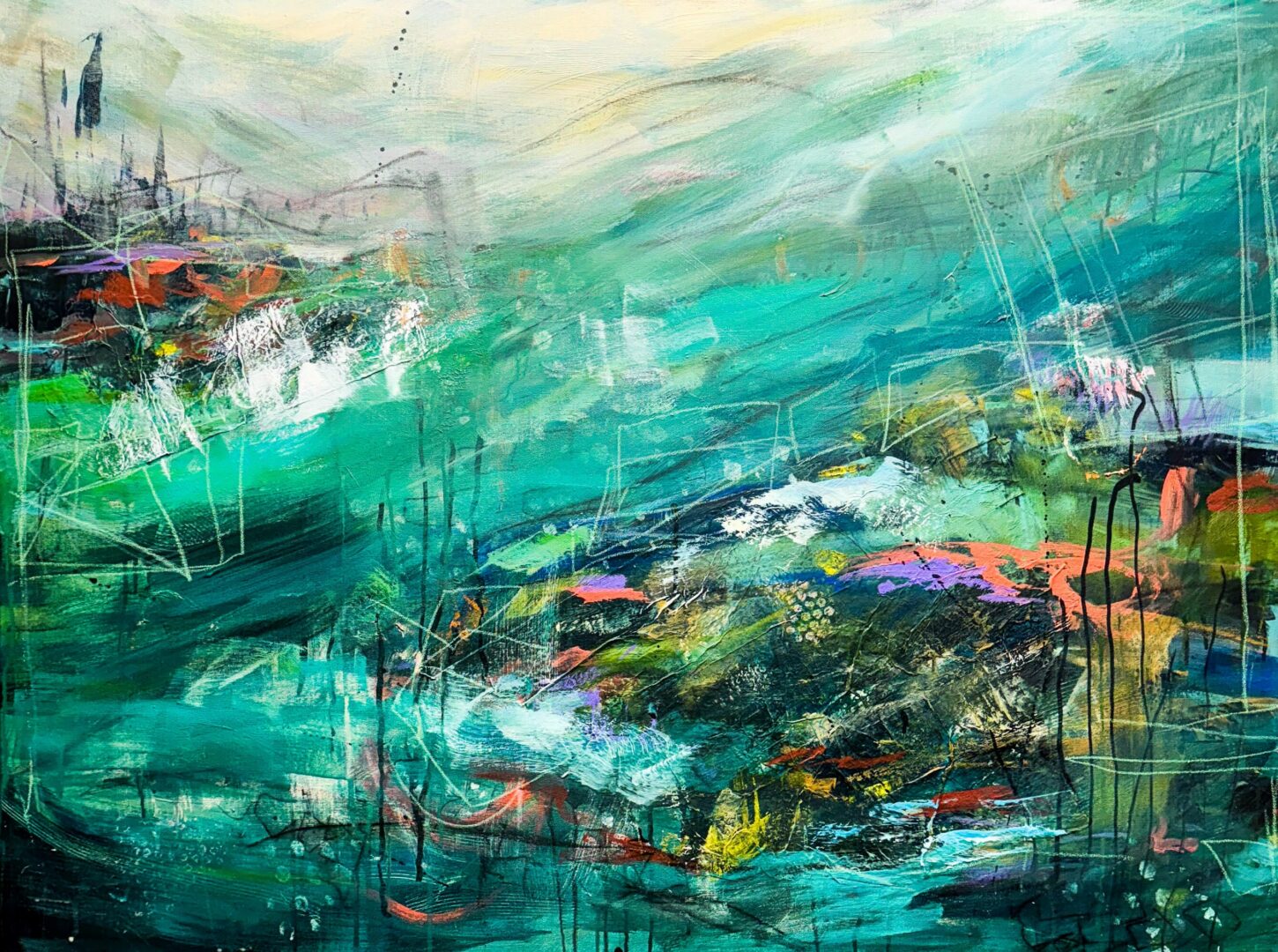
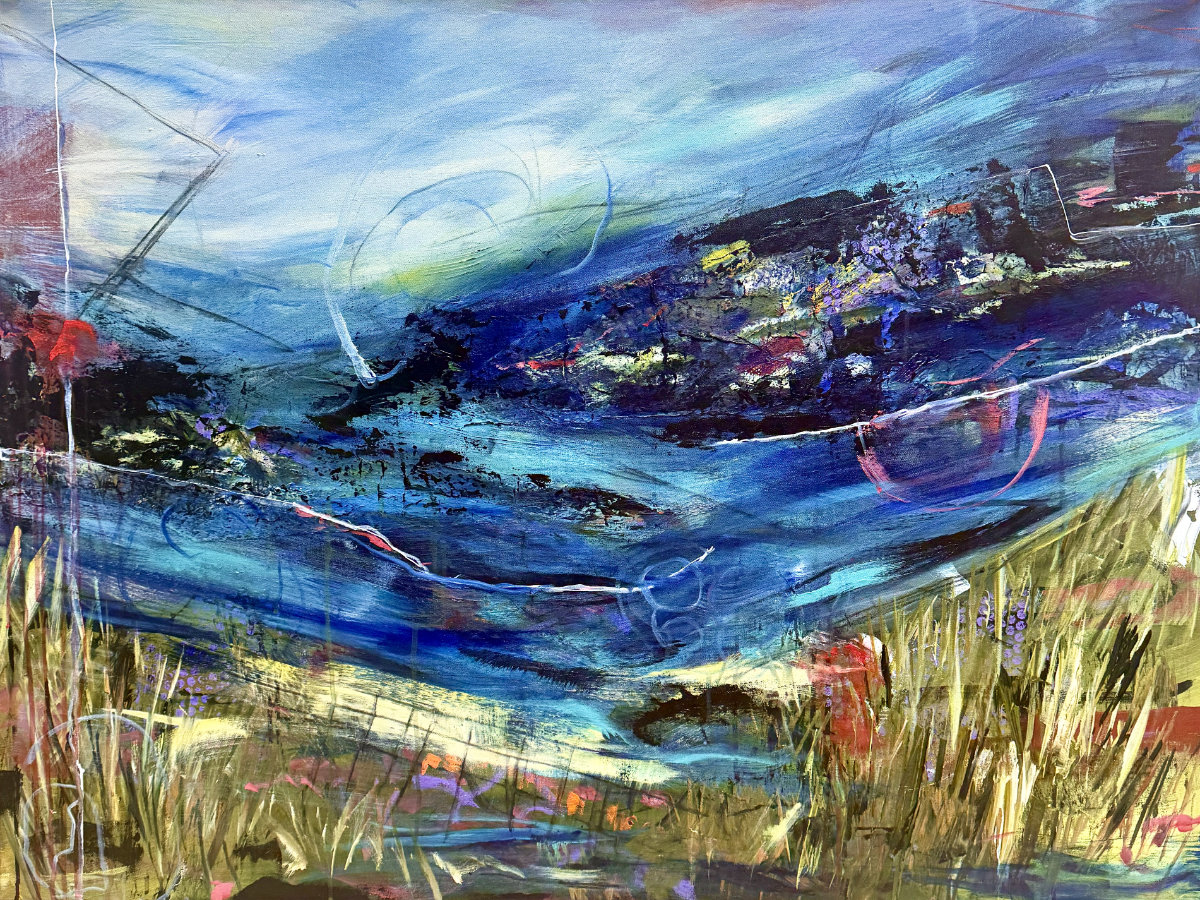
I’m an abstract artist based in Easton, Pennsylvania, and my work is all about translating what I call “emotional weather” into visual form. I create large-scale mixed-media paintings—layers of acrylic, ink, charcoal, graphite, and collage—that explore the intersections of nature, memory, and human emotion. I often describe my paintings as “internal terrains,” because they aren’t literal landscapes but rather emotional ones, places where the inner and outer worlds meet.
What excites me most about my practice is the way it connects people. I create intuitively, often guided by the energy of a specific moment, but I’ve found that viewers will see their own experiences and emotions reflected in the work. For me, that shared recognition—that feeling of “I’ve felt this too”—is where the magic happens.
Recently, I completed a solo exhibition called Submerged at Anno Artem Gallery. That show was an immersive, sensory experience with water-themed sound and light, ocean-scented candles, even a sand installation. It was designed to make people feel as if they were stepping inside the paintings themselves. The response was incredible, and it deepened my commitment to making art that engages not just the eye, but the whole body and spirit.
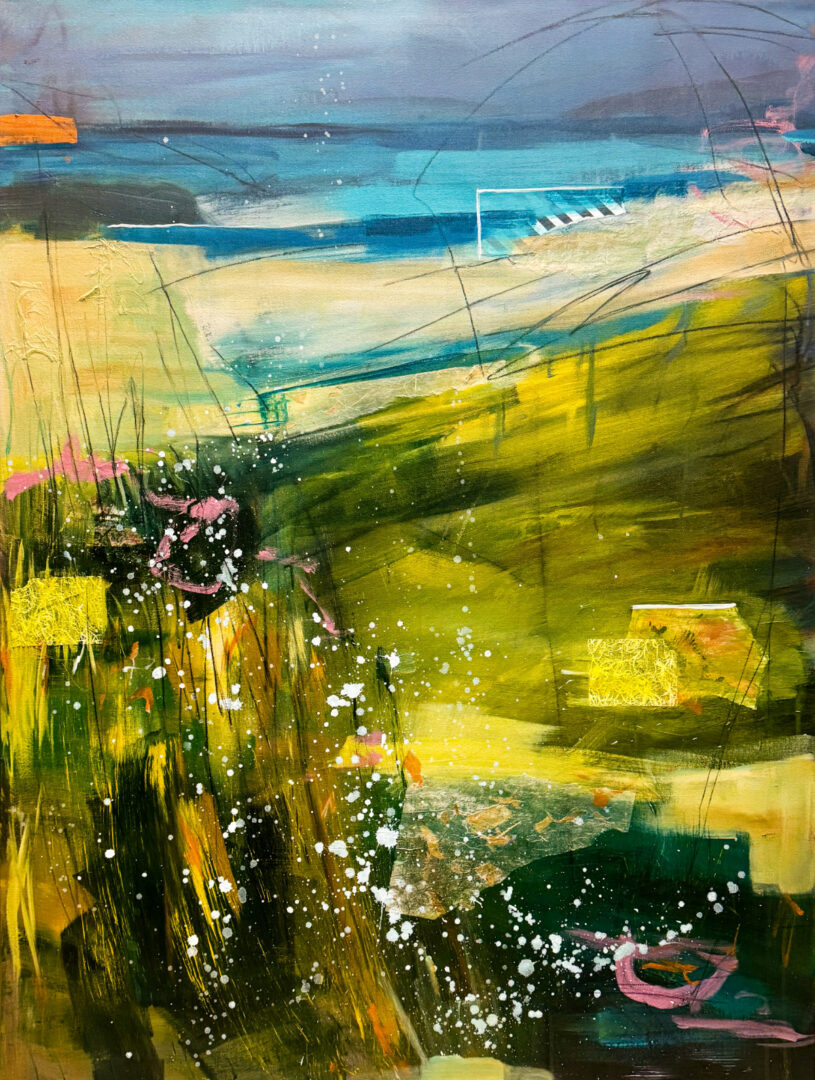
Professionally, I’m focused on both creating new work and expanding how I share it with others. I’m currently working on a new series of abstract landscapes that explore brighter, bolder colors and a sense of breath and space—an evolution from the intensity of Submerged. I also run intimate painting workshops, like my Painting Emotional Weather course, where I guide others in exploring their own emotional landscapes through color, mark-making, and abstraction. Teaching has become another way of extending the conversation I start in my paintings.
Beyond the studio, I co-host a podcast called The Artist Is In, where my co-host Nina Boodhansingh and I have open, coffee-table style conversations with each other and other artists. We talk about the creative process, the struggles and joys of making, and what it means to live as an artist in today’s world.
As for what’s next, I’m continuing to seek out gallery representation and new opportunities to exhibit my work, especially in spaces that value immersive and emotionally resonant art experiences. I believe deeply in the power of art to connect, to heal, and to remind us of our shared humanity—and that’s the thread running through everything I do.
Looking back, what do you think were the three qualities, skills, or areas of knowledge that were most impactful in your journey? What advice do you have for folks who are early in their journey in terms of how they can best develop or improve on these?
Looking back, I think three qualities have been most impactful in my journey as an artist:
1. Resilience.
The path of an artist is full of uncertainty—shows fall through, sales are inconsistent, rejection is constant. What’s carried me through is the ability to keep going, to show up in the studio even when I feel discouraged. Resilience isn’t about never struggling—it’s about letting yourself feel the disappointment, but not letting it stop you. My advice for someone early on is to expect setbacks and see them as part of the process. Every “no” is just redirection, not the end.
2. Intuition.
So much of my work has come from listening inwardly—following instincts instead of formulas. At first, it can feel scary to trust your own creative voice, especially when you’re surrounded by comparisons and outside opinions. But your intuition is where your most authentic work lives. My advice: practice tuning in to your own responses when you create. Notice what excites you, what feels alive, and let that guide you more than rules or trends.
3. Willingness to Evolve.
My art today doesn’t look like my art five years ago, and I hope it won’t look the same five years from now. Staying open to change has been crucial—experimenting, trying new materials, even letting go of work that no longer feels true. Growth comes from being willing to risk “failure” in service of discovery. For someone just starting, I’d say: don’t lock yourself into one identity too soon. Give yourself permission to explore, to outgrow past work, and to embrace the unknown as part of becoming.
Together, these qualities—resilience, intuition, and evolution—have shaped not only my art but who I am as a person.
Looking back over the past 12 months or so, what do you think has been your biggest area of improvement or growth?
In the past year, my biggest area of growth has been learning to truly own my voice as an artist. Creatively, I’ve leaned into trusting myself more—making bolder choices with color, gesture, and scale. After finishing my Submerged series, which carried a lot of emotional intensity, I felt called to open things up. My recent work has been about space, breath, and energy, and that shift has taught me how important it is to let my practice evolve rather than stay in one place.
Professionally, I’ve also stepped into a new level of confidence. Moving into my studio at Juxtahub was a turning point—it gave me not just a physical space to expand, but also the sense of legitimacy that comes with treating my practice as the work of my life, not just something I do on the side. Alongside that, I’ve launched workshops and a podcast, both of which have stretched me to share my perspective more publicly.
More than anything, the growth this year has been about self-trust. I’ve learned that when I honor my own process and create from that honest place, the work resonates most deeply with others.
Contact Info:
- Website: https://www.katcollinsstudio.com
- Instagram: https://www.instagram.com/katcollinsstudio
- Facebook: https://www.facebook.com/katcollinsstudio
- Other: Threads – https://www.threads.com/@katcollinsstudio
so if you or someone you know deserves recognition please let us know here.