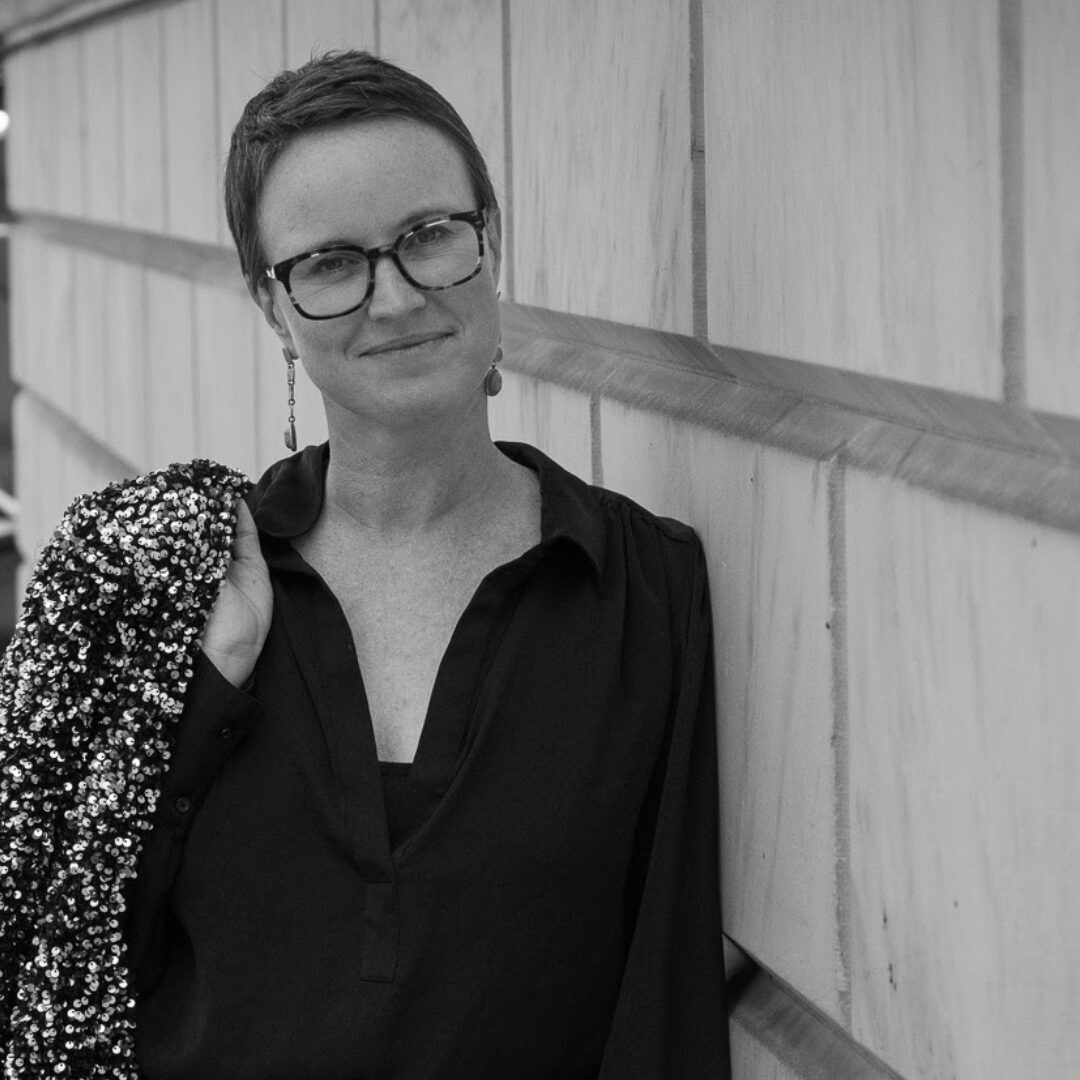
We’re excited to introduce you to the always interesting and insightful Josephine A. Lauren. We hope you’ll enjoy our conversation with Josephine A. below.
Josephine A., we’ve been so fortunate to work with so many incredible folks and one common thread we have seen is that those who have built amazing lives for themselves are also often the folks who are most generous. Where do you think your generosity comes from?
I hold the strange and powerful privilege of mobilizing and amplifying a historical movement built upon the generosity of strength, sacrifice, and story. Even though incest abuse has always been taboo, the resilience of survivors has sliced through social stigma of generations past and present. Academic, medical, legal, and artistic literature — sharing narratives of disclosure and abandonment, liberation and loss, healing and chronic health management — has passed through history between hands of those touched by incest and others who support us.
On my bookshelf rests the growing canon of contributions to the anti-incest movement. Yet common knowledge of the prevalence of this issue and the competencies to prevent it, intervene quickly, recover adequately, and explore justice safely have primarily remained a mystery in society and across systems of care. A gap in incest data collection, funds, and programs keeps children vulnerable to sexual violence in their homes, survivors and families isolated in their healing journeys, and youth and adults who are at-risk to harm free to offend.
As a survivor of intrafamilial sexual abuse (ICSA) who fell into The Incest Gap, I feel the deep, embodied need to end the epistemic injustice of incest. So, I have devoted the past decade to knowledge curation and dissemination on the topic to continue to build a foundation of culturally-affirming programs and social services that prevent and end incest abuse. The methodology that guides my journey mirrors the generativity of my fellow survivors, past and present. Together, we volunteer our time and our skills, as well as contribute our funds and stories, to provide momentum to the movement. My generosity is an extension of theirs in a circle of reciprocity that keeps us sustaining this difficult and meaningful work in a world that has yet to fully listen to us.
Appreciate the insights and wisdom. Before we dig deeper and ask you about the skills that matter and more, maybe you can tell our readers about yourself?
Daily, I arise motivated by two primary desires: to connect and to create. As a grass roots community organizer, I’m always seeking to shorten distances and deepen relationships between individuals and organizations already passionate or curious about anti-incest work. Billions of tax payer dollars are spent annually to manage the consequences of child sexual abuse. From healthcare costs to welfare programs, legal processes to loss of labor, sexual abuse in the home impacts more than just victims and their families.
Anti-incest work — especially as a survivor — is weighty. With minimal research, funding, and public discourse about the issue, us activists carry a heavy burden to bring our stories out from being buried in our bodies, while also finding support from others to improve anti-incest policy, legislation, and programming. Carrying this weight on shared shoulders allows for more levity and play. Creativity — like writing, art, reading, researching, dancing, singing, and performing — invites us to express the pain of our pasts, the constraints of the present, and the freedoms of the future.
In my own activism journey, I have dabbled in direct service work with survivors, self-promotion of my own story, as well as collective activism. Although I have learned from each experience, today I find my power and passions aligning most strongly to knowledge creation, curation, and dissemination. In order to end epistemic injustice around the issue of incest, my company focuses on a number of verticals: storytelling, researching, training, and consulting. My debut memoir will be released soon to offer victims and survivors, as well as parents and professionals, the opportunity to witness the story of my body: specifically my liberation, healing, justice, and activism journey. Additionally, a team of alliance members curates, creates, and consults on anti-incest projects globally. Together we design and disseminate curriculum through virtual and in-person trainings, as well as support other individuals and organizations in their own anti-incest content productions and publications.
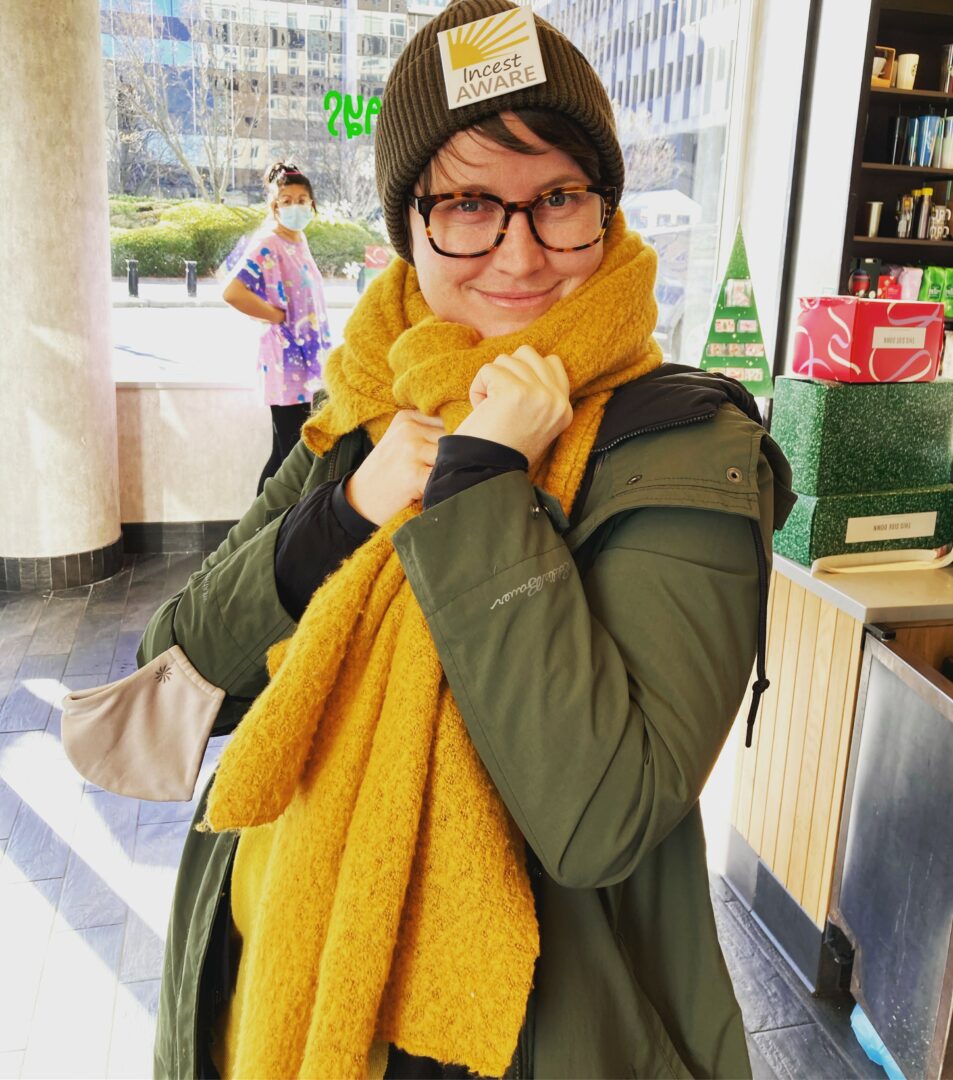
Those interested in the Incest AWAREness movement can visit the Incest AWARE homepage and sign up for our monthly newsletter to learn about upcoming events and training opportunities. If you’re doing anti-incest activism work already and want more community, please reach out to me to join the Incest AWARE Alliance. Those seeking consulting in order to produce and publish anti-incest content and programming can reach out to me as well. To follow my personal journey as a survivor-activist, you can read my writing portfolio on my website, become a free or paid subscriber on my Substack, and connect with me on LinkedIn. Soon, we hope to launch a digital recovery community for victims, survivors, and families, so stay tuned!
Looking back, what do you think were the three qualities, skills, or areas of knowledge that were most impactful in your journey? What advice do you have for folks who are early in their journey in terms of how they can best develop or improve on these?
From minister to designer, to author and activist, my career path has taught me so many skills that benefit the work I’m doing today. In ministry, I learned how to deeply listen to those in need. As a designer, I practiced the process of design thinking: ideating, creating, and analyzing over and over again. As a writer, I shaped language around the unspeakable. As a survivor, I humbly received the generosity of a community grounded in interdependency. Finally, as an activist, I discovered a sense of solidarity between survivors so very necessary for the longevity of this work.
My journey offered me many lessons about patience over urgency, perseverance versus perfection, and collectivism that respects consent. But one phrase returns to me repeatedly to help me navigate the complexities of entrepreneurship around an issue as stigmatized as incest, “Be committed, not attached.” This has kept me unwavering about my goals and fluid in my process, encouraging creativity and play in the midst of challenges and setbacks. Also, celebrate everything. Of course the successes, but the failed attempts too as they offered lessons for learning.
Who has been most helpful in helping you overcome challenges or build and develop the essential skills, qualities or knowledge you needed to be successful?
Whether friends or mentors, colleagues or peers, community support has carried me through the uncertainties and instabilities of entrepreneurship. When the familiar constants of family and economy left me without a foundation to do this work, community became my grounding force allowing me to explore, to fail, to learn, and to try again. From basic needs management like safe housing and sustenance, to skill building through paid opportunities and mentorship, the people in my life have provided me with the essential skills, qualities, and knowledge necessary for sustainable success in anti-incest spaces. Also, Google…independent education through research has helped me to explore and fill in knowledge gaps.
Contact Info:
- Website: https://www.josephinenanne.com
- Linkedin: https://www.linkedin.com/in/josephinealauren/
- Youtube: https://www.youtube.com/channel/UC6EOMFBIixyNFHC3C1rQP5A
- Other: Incestaware.org
josephinealauren.substack.com
Image Credits
Sara Lunden (headshot)
All others I own.
so if you or someone you know deserves recognition please let us know here.