We recently had the chance to connect with Ayin Es and have shared our conversation below.
Good morning Ayin, it’s such a great way to kick off the day – I think our readers will love hearing your stories, experiences and about how you think about life and work. Let’s jump right in? What makes you lose track of time—and find yourself again?
Painting puts me in a zone where it feels like nothing else is going on in my environment. I can easily lose track of time, and I often do. I have to set alarms for the other things I have going on in the day (meetings, appointments, etc.), or I would keep working and miss them. I tend to carry a lot of anxiety, especially when there’s a deadline during an artistic project, but I always regain my sense of confidence when everything gets accomplished. That sense of finishing an art piece gives me a boost and gets me to see who and what I am. Then the anxiety subsides.
Can you briefly introduce yourself and share what makes you or your brand unique?
I’m a visual, multidisciplinary artist working in Joshua Tree, California – two hours east of Los Angeles, where I was born and worked my whole life. I moved out here with my longtime partner about six years ago. It’s been amazing, but challenging to my art career. It’s not easy to stay in the loop about the LA art scene. However, I still work with my gallery in Santa Monica and have a solo show there every year and a half or so.
I maintain a website (esart.com) where almost everything I’ve ever made is visible. I’ve been working professionally for three decades. My work is singular and emotionally raw. I am a storyteller at heart, so narrative is at the core of what I make.
My art explores identity, trauma, and a psychological depth that resists easy classification. Heavily layered oil paintings and tragi-comic narratives are rooted in a queer-informed, outsider-adjacent sensibility that embraces imperfection.
While I’m not a realist painter by a long shot, the series I’ve been working on is called “Discarded Snapshots,” which reimagine old family photographs as portraits of estrangement, filtered through a non-binary lens. The imagery – currently family members with a young me included – is often veiled in a playful, sardonic surface that invites deeper excavation. They become scenes where I am trying to right certain wrongs from my past. Building up layers of oil paint into textured compositions, I’m not only attempting to mend history, but the work also acts as a form of universal repair.
I’m interested in trans stories like mine. As transqueer, I live my life outside the binary and reject categorization. My recent work very much addresses this, and I am planning to expand it further to uplift trans youth and bring about a conversation in the larger LGBTQIA community.
Amazing, so let’s take a moment to go back in time. Who were you before the world told you who you had to be?
I grew up in a dysfunctional family. In fact, I was abused and neglected. At young ages, our world is our family, and my family told me I was worthless, quite literally. I was also being sexually abused, and I grew up to think men were always more powerful than women, and more powerful than I was. I was born in a female body, even though I always knew I was neither male nor female. In the world at large, this was not something to be accepted, so, along with many other factors in my life that pointed to me being useless, I also thought there was something very wrong with me. I was not supported by anyone about who I was, what I thought, or what I could contribute.
At fifteen, I left home and lived life as an adult. I worked a couple of jobs, couldn’t go to school anymore, and taught myself how to draw and paint. I had to educate myself about pretty much everything. I probably thought I was doing a pretty good job at that, but I was really just a broken child. Not only that, the world continued to tell me to be a female and bow down to a patriarchal society. Deep down, somewhere, I knew this wasn’t right or just.
There wasn’t the same language then that we had later for one’s gender or sexuality. It took many, many years for me to figure all that out, or feel okay about who I really was. Even when I began to figure it out, I was still hiding and afraid of what my family and peers would think of me. But you can’t fully hide from your own self. Eventually, I couldn’t anymore because I was born this way, and I’ve always been who I am right now.
What did suffering teach you that success never could?
Success is fleeting. It does not cure your deepest wounds. I don’t know how many times I’ve accomplished something significant, and the “great” feeling of winning wouldn’t even last twenty-four hours. Suffering is extremely humbling, perhaps to the point of no enjoyment in life. I’ve not been able to enjoy so many things. There was a point where I realized I was in a full-on existential crisis. So, I began to take on an existential view. Your life is what you make of it. I began to give my own life meaning, not through others or my successes, but instead by looking at my everyday life and designating worth in the things I couldn’t get from money or compliments, or any external gratification. My life has meaning because I take my work seriously. I have true friends, a stable, successful relationship, true love, and community. These are the things that are really important to me.
Alright, so if you are open to it, let’s explore some philosophical questions that touch on your values and worldview. How do you differentiate between fads and real foundational shifts?
Fads come and go. If you’re in with the trend, then you’ll go out with it too. That’s something Agnes Martin said once in an interview, and it truly stuck with me. Since that’s nothing but true, why pay attention to fads at all? I look inward, look at what deeply interests me, and what I want to say. I want to make meaningful work, and that’s a mission for me. I might not be aware of what I’m doing half the time, but I can feel it means something in my bones.
It’s not exactly a fad to evolve and change in my industry. Once artists hit on something popular, the gatekeepers want you to keep repeating that same exact thing all the way to the bank. But I have never cared about that. I have made changes that put my artistic well-being at high risk because integrity is more important than anything else.
Okay, we’ve made it essentially to the end. One last question before you go. When do you feel most at peace?
I feel most at peace when I’m with my girlfriend and my dog at home, doing absolutely nothing but staring out the window and looking at the beautiful desert where we live.
Contact Info:
- Website: https://esart.com
- Instagram: @ayin_es_art
- Youtube: https://youtube.com/@AyinEs
- Other: https://ayin.blog
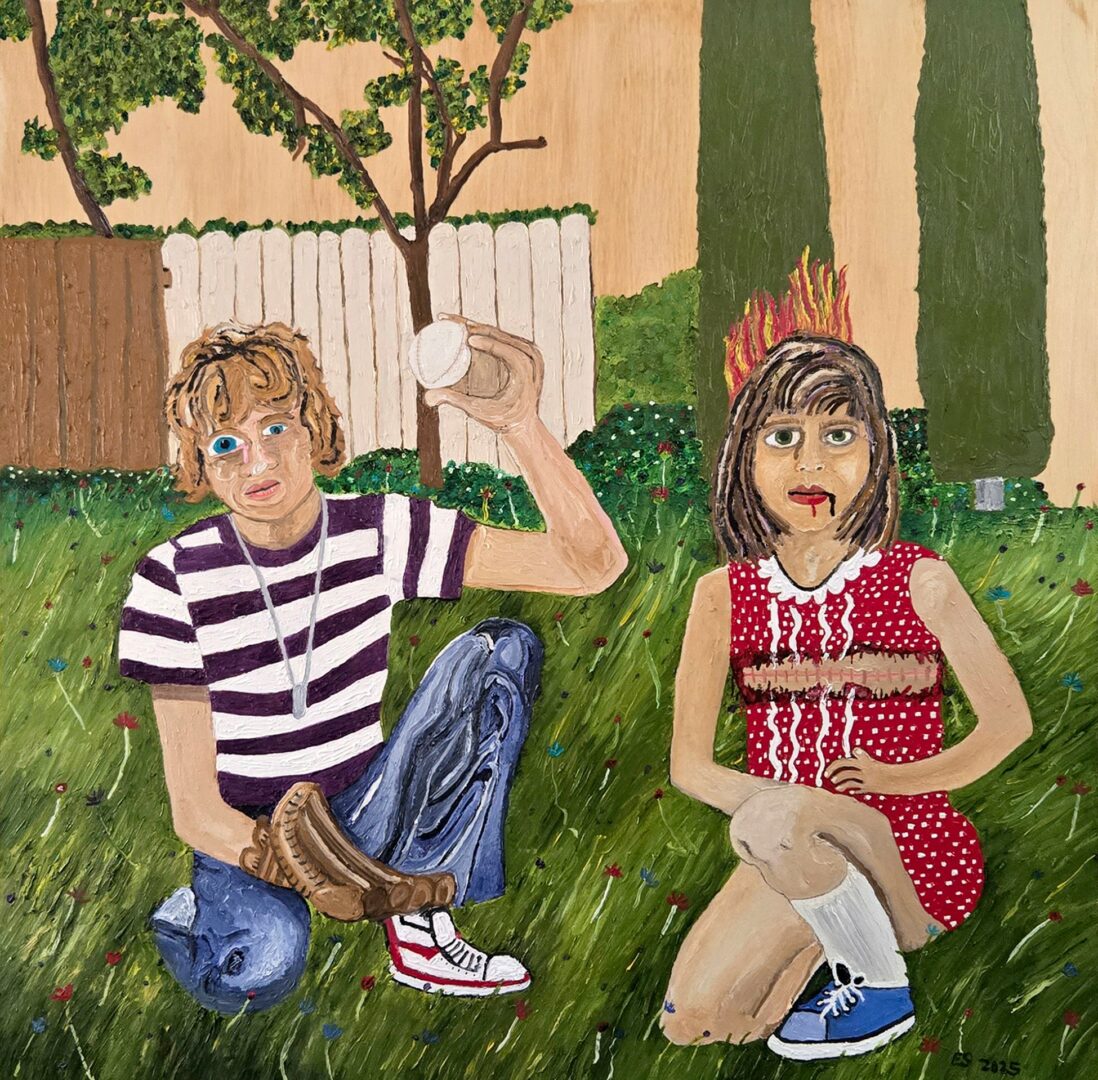

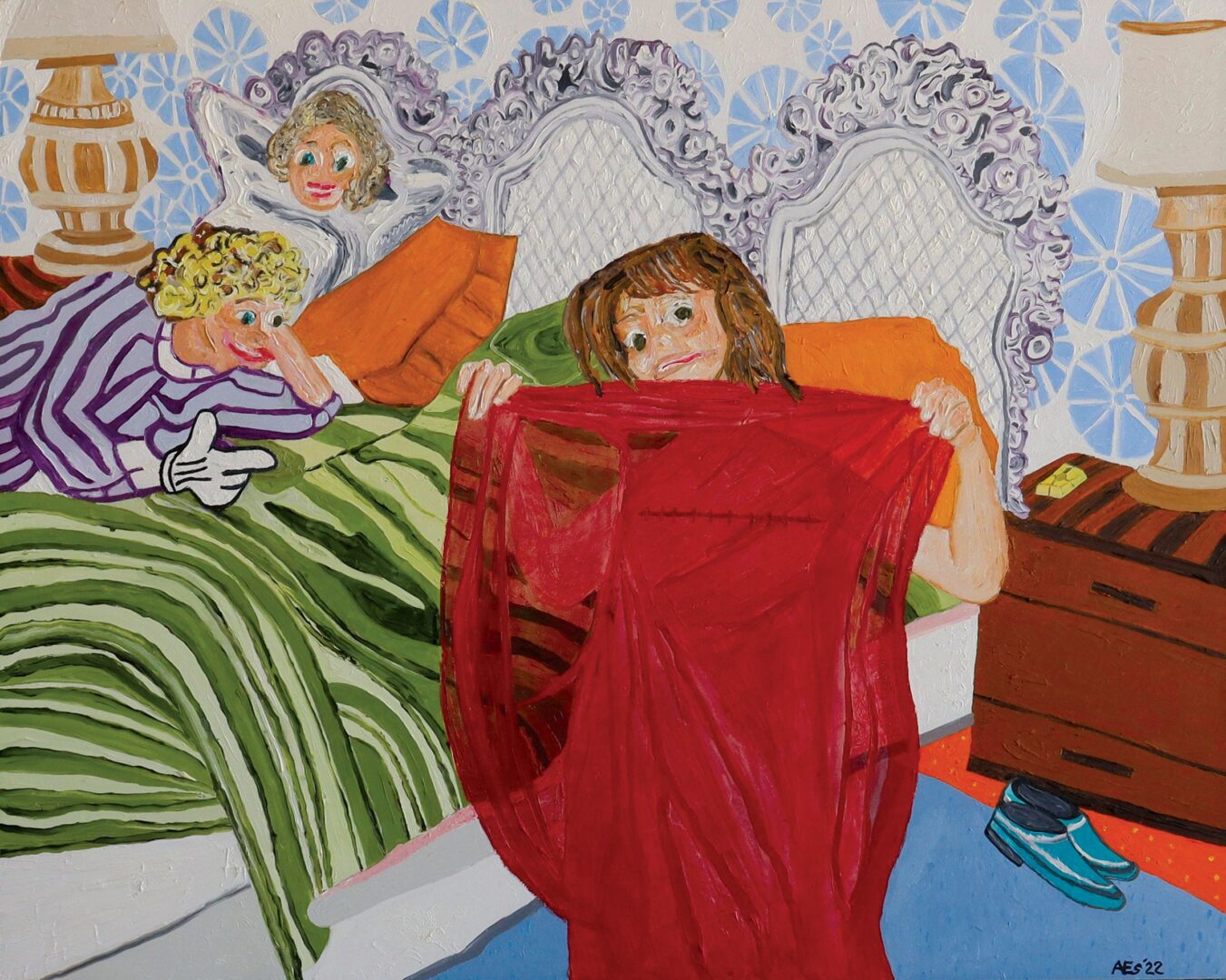
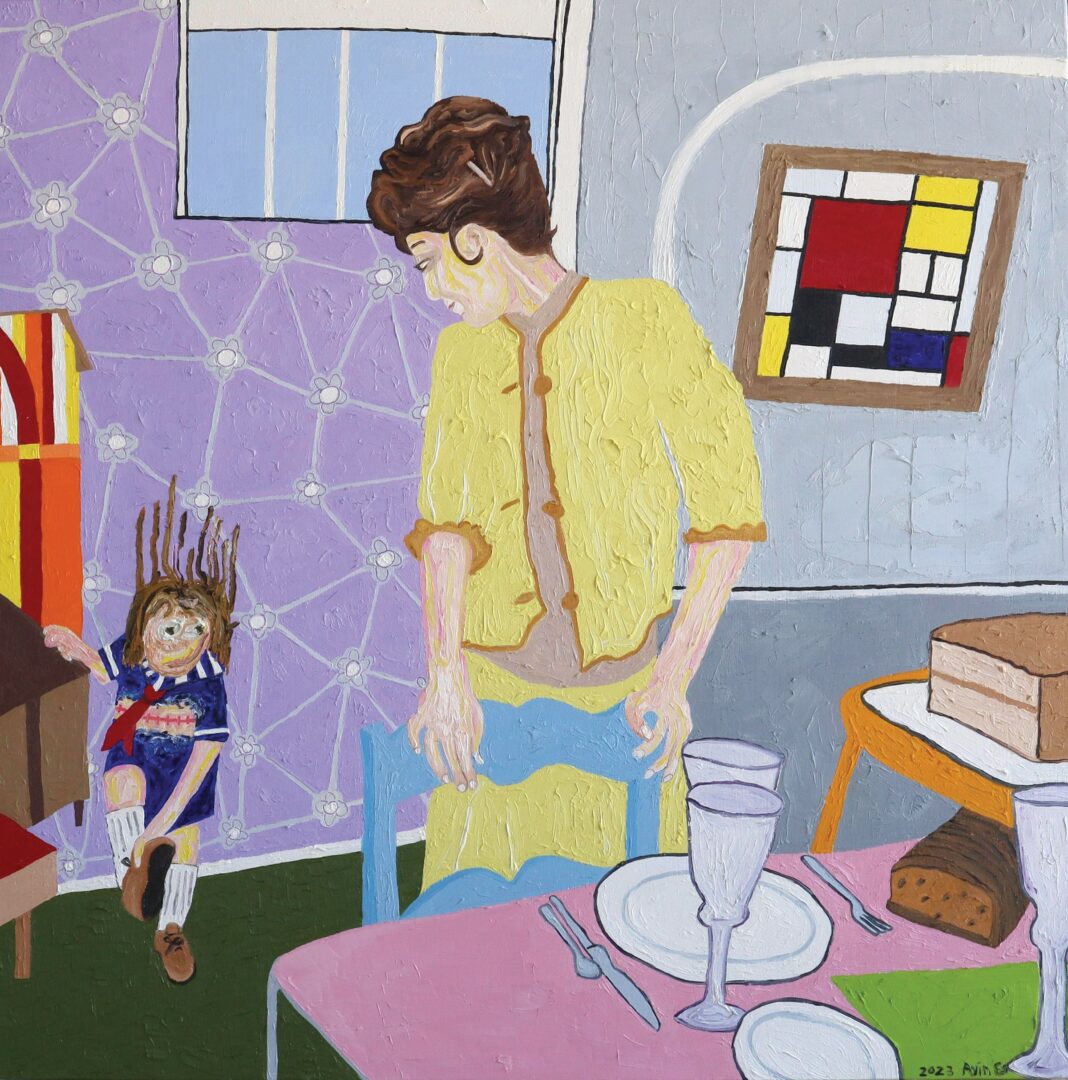

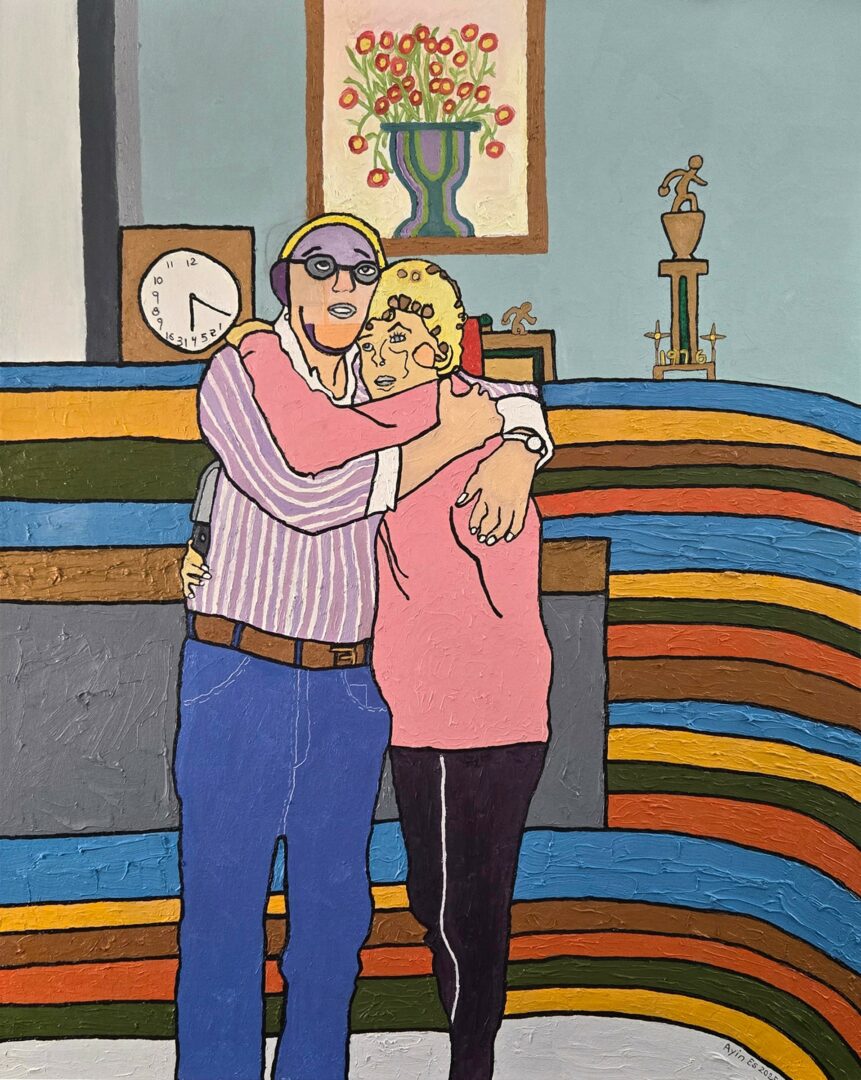
Image Credits
Photos by Ayin Es
so if you or someone you know deserves recognition please let us know here.