Siyi Chen shared their story and experiences with us recently and you can find our conversation below.
Hi Siyi, thank you for taking the time to reflect back on your journey with us. I think our readers are in for a real treat. There is so much we can all learn from each other and so thank you again for opening up with us. Let’s get into it: What is a normal day like for you right now?
My day begins with simple rituals—opening the window for fresh air, feeding my guinea pigs, and making myself a good cup of coffee. I check emails and then take a walk, which is when I often find new sparks of inspiration.
I return home to focus on music composition, and in the afternoon, I shift to marketing and documenting behind-the-scenes moments for my media platforms. Evenings usually include some light exercise, a chat with my family, and then a second round of composing into the night.
Can you briefly introduce yourself and share what makes you or your brand unique?
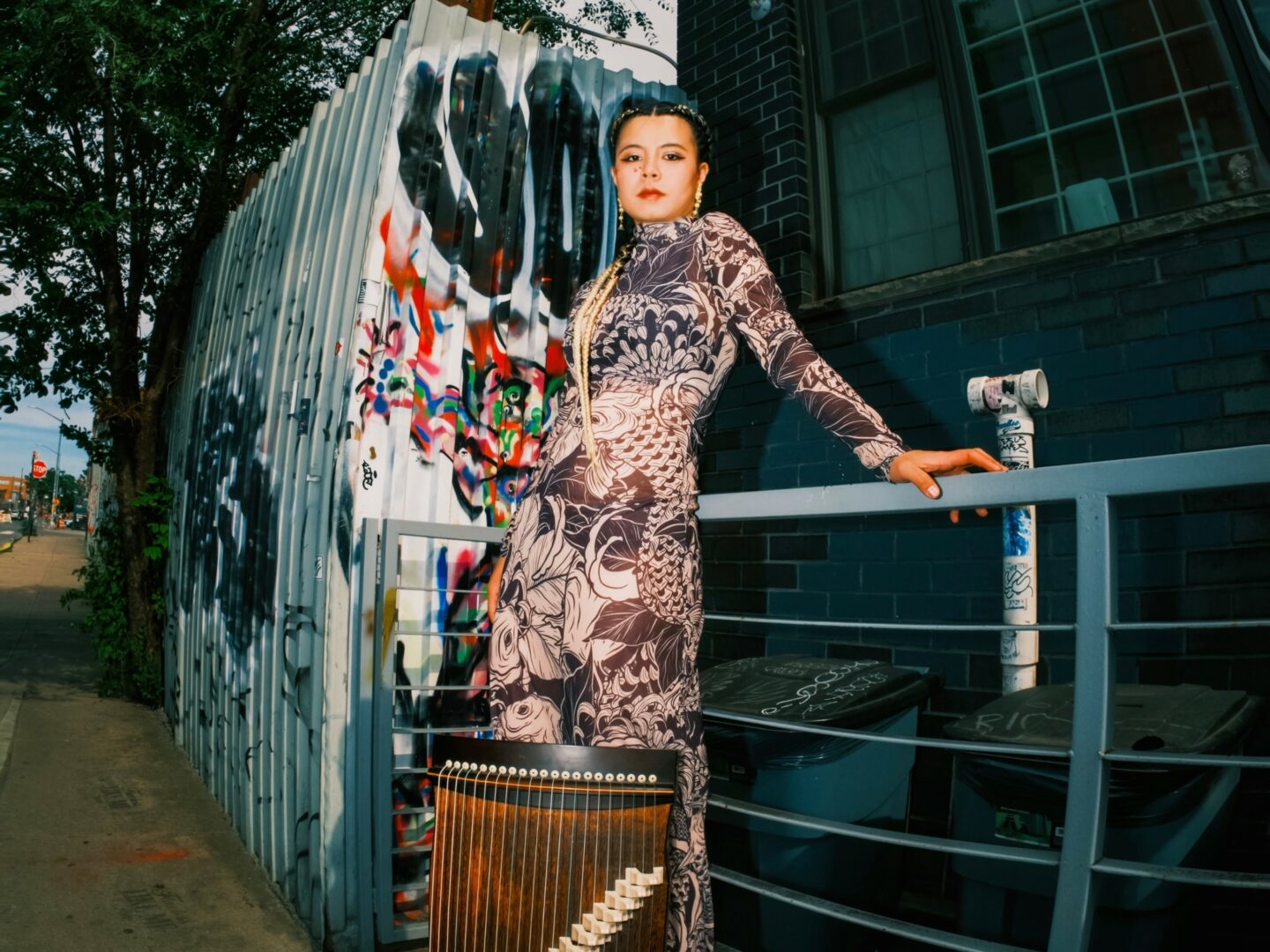
Hi, I’m Siyi Chen, a media composer and sound artist based in New York. I co-founded Si Scoring Studio with fellow composer Yusi Liu. We’re a women-led studio that creates original music and sound for films, games, animation, and interactive media. What makes our studio unique is that we blend traditional instruments—like the Chinese guzheng—with modern genres like jazz, orchestral, and experimental music.
We’ve worked on over 80 projects, and many of them have been selected by top festivals including Cannes, Sundance, and IDFA. I’m also passionate about music technology and cross-cultural storytelling. Right now, we’re curating an interactive music game that invites players to explore music in new ways.
Beyond composing, I’m currently serving as a jury member and arts panelist for several cultural organizations, and I teach film scoring part-time. Si Scoring Studio is all about making music that truly moves people—and building bridges between cultures, media, and sound.
Great, so let’s dive into your journey a bit more. What part of you has served its purpose and must now be released?
I used to constantly seek approval and want to be liked by everyone. For a long time, I lived under the gaze of others, measuring my own value—and the value of what I was involved in—by very practical, external standards. In some ways, that mindset helped me in the early stages of my career. It even played a part in getting me recognized in my field.
But it also made me feel deeply uncomfortable and disconnected from myself. Some people around me didn’t align with that version of me and chose to say goodbye—and I understand why.
Now, I’ve started living more honestly. I still respect others’ thoughts and perspectives, but I’ve learned not to take them too personally. It’s a process, but I’m learning to define my worth on my own terms.
If you could say one kind thing to your younger self, what would it be?
I’d say: Pause. Let time flow. Don’t rush to fix, decide, or react.
Sometimes the best thing you can do is wait—wait for things to unfold, for clarity to come, for emotions to settle. So much reveals itself when you simply give it space. You don’t have to have it all figured out right away. Just stay present, and trust that time can bring you more than you imagined.
Sure, so let’s go deeper into your values and how you think. What’s a belief or project you’re committed to, no matter how long it takes?
One project I’m deeply committed to, no matter how long it takes, is exploring the relationship between traditional Chinese music and jazz through interaction, technology, and performance.
I’m fascinated by how these two musical worlds—one rooted in centuries of structure and storytelling, the other known for improvisation and spontaneity—can inform and transform each other. Over the years, I’ve been slowly creating pieces that bring the guzheng into dialogue with jazz harmony and rhythm.
This journey actually began with my exploration of shidaiqu, a genre that blended 1930s Shanghai melodies with American jazz. That project opened my eyes to the possibilities of cross-cultural musical language and gave me a foundation to continue pushing the fusion forward in more experimental and interactive ways.
It’s a slow process, and I don’t mind. I believe in letting the music evolve over time, and I’m here for the long conversation.
Okay, so let’s keep going with one more question that means a lot to us: When do you feel most at peace?
I feel most at peace when I’m back in my hometown, Zhongxiang in Hubei, spending time with my family.
Their way of life is calm and grounded, and being with them surrounds me with a kind of quiet, safe, and accepting energy that’s hard to find elsewhere. It’s in that atmosphere that I feel truly recharged and loved in a way I rarely experience in my day-to-day life. It reminds me what peace really feels like.
Contact Info:
- Website: https://www.siyichenmusic.com/
- Instagram: https://www.instagram.com/siyichenmusic/

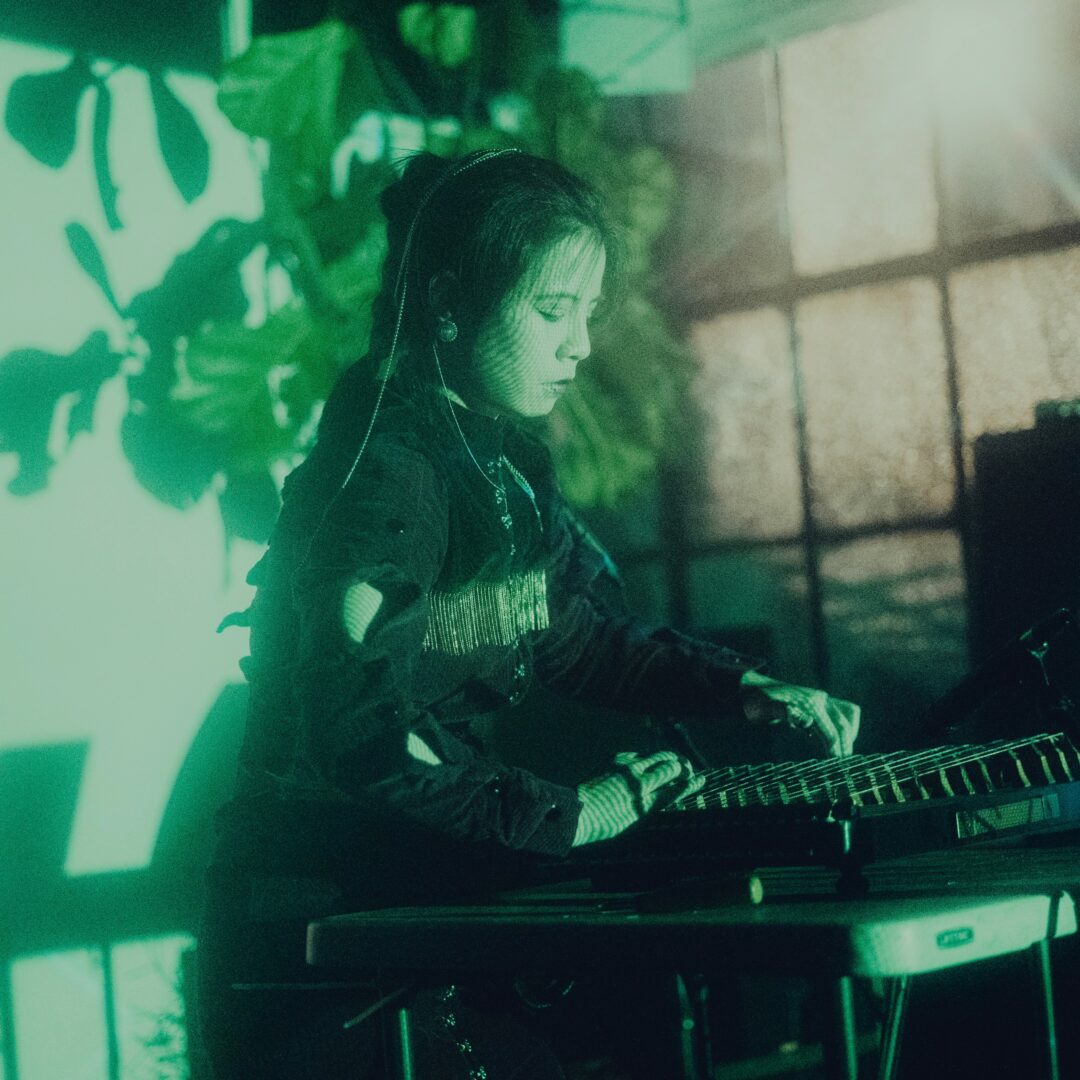
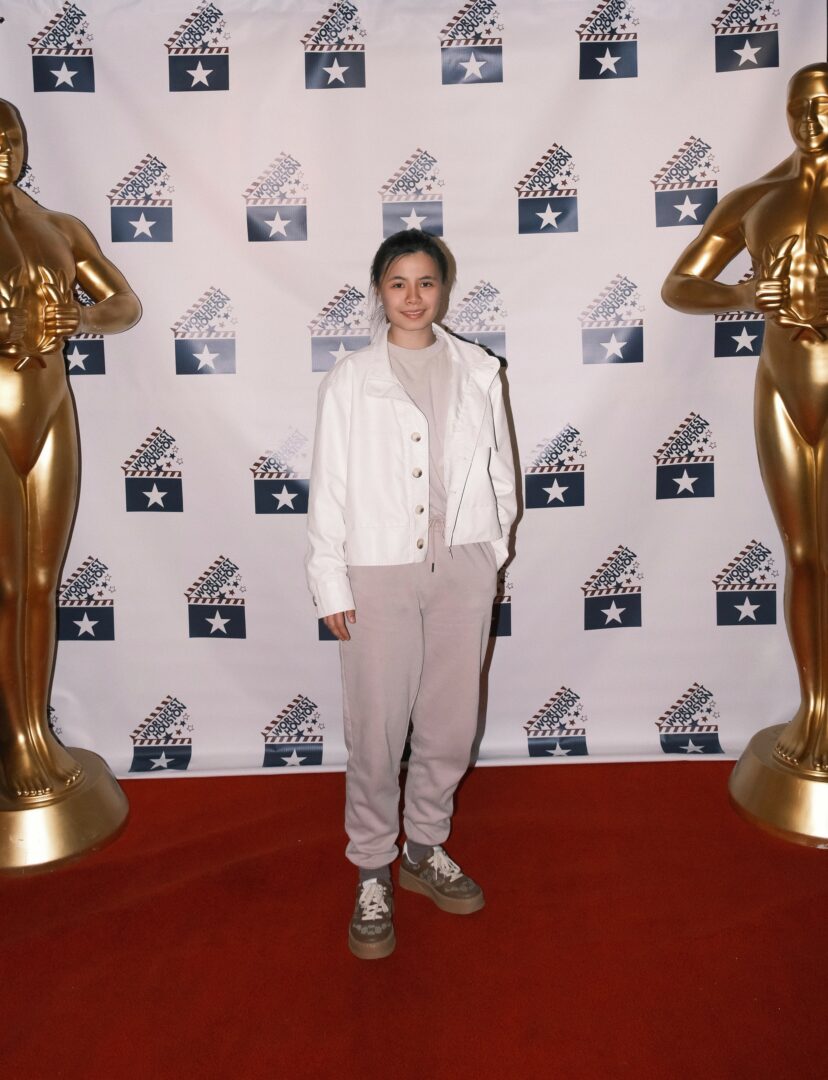
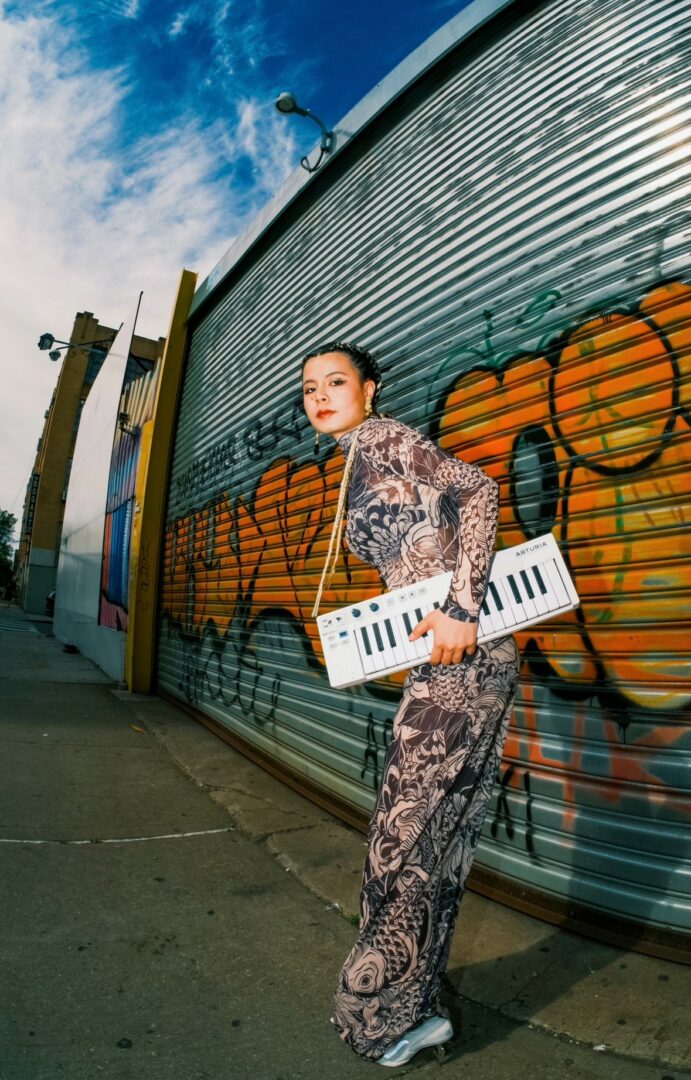
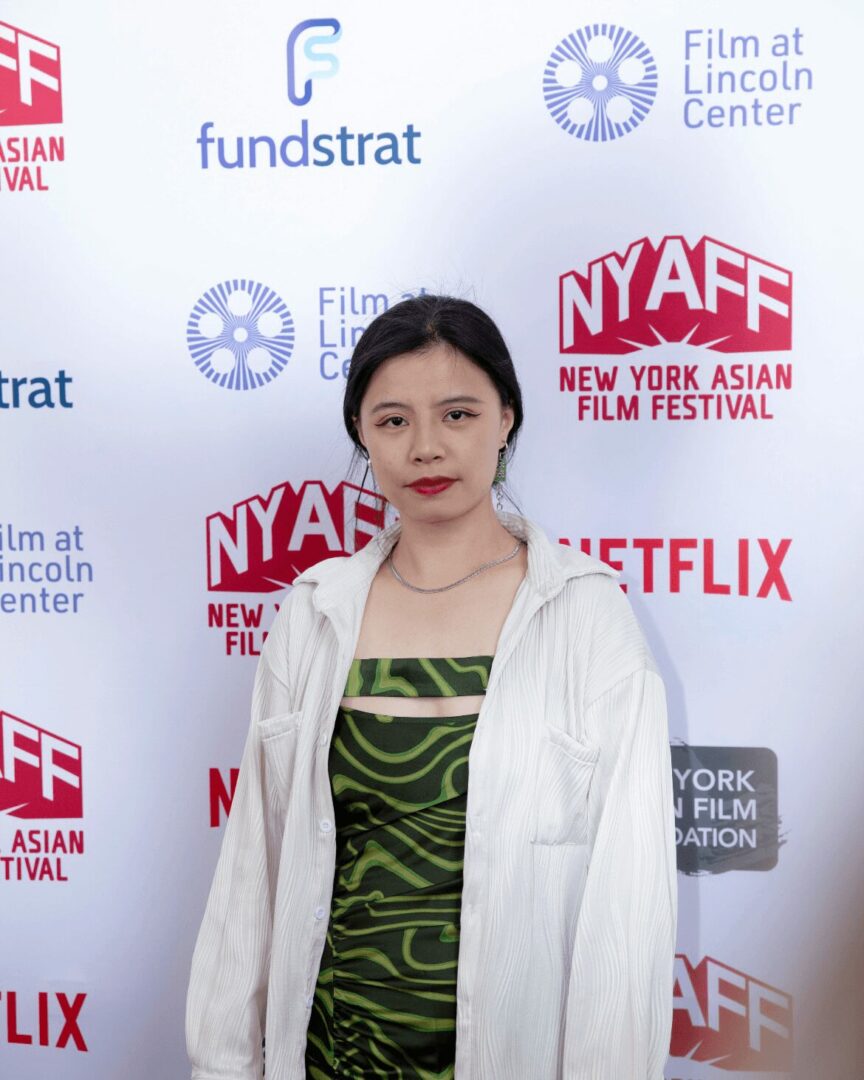
Image Credits
siyi at New York asian film festival @Gavin Li
Siyi at houston international film festival @qingxuan wang
siyi performs guzheng @nooj 阮
siyi at bushwick @Nathan (Yuxiang)
so if you or someone you know deserves recognition please let us know here.