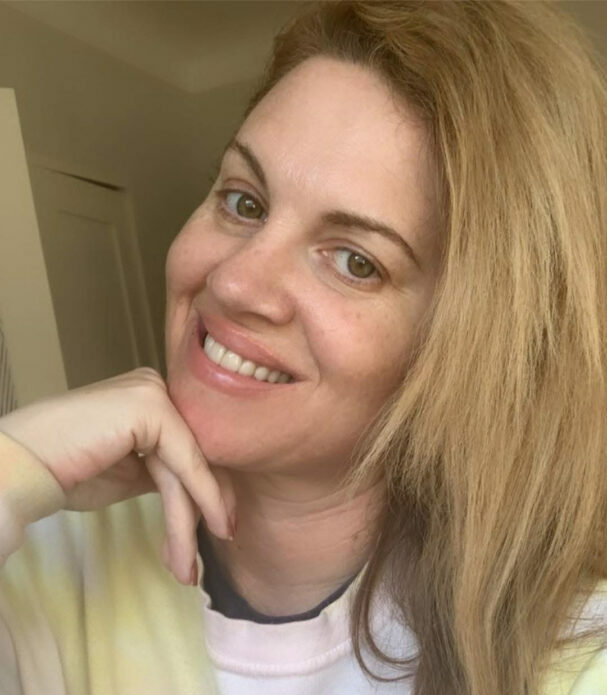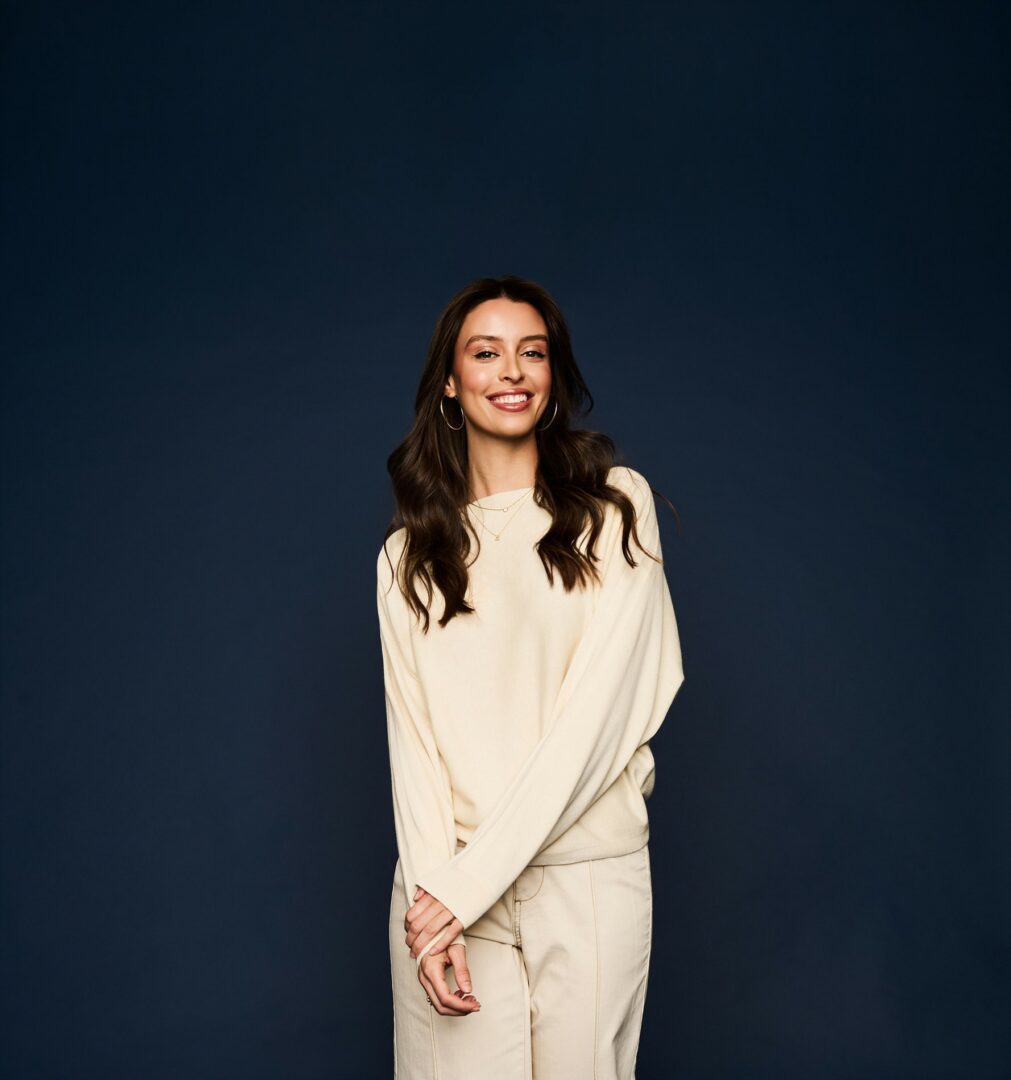
Amber Barbach shared their story and experiences with us recently and you can find our conversation below.
Amber, really appreciate you sharing your stories and insights with us. The world would have so much more understanding and empathy if we all were a bit more open about our stories and how they have helped shaped our journey and worldview. Let’s jump in with a fun one: What are you chasing, and what would happen if you stopped?
I am chasing a world where glioblastoma is no longer a terminal sentence but a treatable disease. That means pushing for better research, more collaboration between institutions, and bringing global attention to a cancer that has been overlooked for far too long. Through the Glioblastoma Research Organization, I am constantly working to bridge the gap between patients, caregivers, scientists, and industry so that progress does not happen in isolation.
If I stopped, the momentum we have built could easily fade. Patients and caregivers would lose a platform that gives them both hope and a voice. Researchers might lose a partner that helps fund their boldest ideas. I would also feel that I had walked away from the responsibility I took on after losing my dad to this disease. Stopping is not an option, because what we are chasing is not just breakthroughs in science. It is time, quality of life, and ultimately, survival for the people who need it most.
Can you briefly introduce yourself and share what makes you or your brand unique?
I’m Amber Barbach, the Founder and Director of the Glioblastoma Research Organization (GBMRO). I started the GBMRO after losing my dad to glioblastoma, and what began as a personal mission has grown into a global nonprofit that has raised over 2.5 million dollars. Our work is split between funding groundbreaking research at leading institutions and creating awareness initiatives that give patients and caregivers a voice while bringing more visibility to this disease. Outside of the GBMRO, I’m working on building an experiential science museum concept designed to spark curiosity and conversation about the brain in a way that feels immersive and unexpected.
Okay, so here’s a deep one: What’s a moment that really shaped how you see the world?
Losing my dad to glioblastoma was the moment that reshaped everything I thought I knew about life. Before that, I was working in fashion. It was a career that from the outside seemed exciting, but on the inside often left me feeling empty. I knew I wanted more, but I could not define what that meant until I was faced with something so personal and life-changing.
Watching someone you love navigate a disease like glioblastoma strips away all the noise. It makes you confront what actually matters and how fragile time really is. I began to see that meaning is not found in chasing titles or surface-level success. It comes from impact, from connection, from what you are able to create that lives beyond you.
That loss gave me both clarity and urgency. It was devastating, but it also became the starting point for a new chapter. Founding the Glioblastoma Research Organization was my way of turning grief into action. It allowed me to channel what I had experienced into something that could give patients and families hope while pushing science forward.
That experience continues to shape the lens through which I see the world. It taught me to place value on purpose and people, and it is the reason I build with intention today.
If you could say one kind thing to your younger self, what would it be?
I would tell my younger self that other people’s opinions are not the measure of your worth. For so much of my life I cared deeply about how I was seen, and I often let that dictate the choices I made. It made me second-guess myself, hold back from things I really wanted to do, and at times live in a way that felt smaller than who I truly was.
Now, having just turned 30, I feel like I am finally learning how to let that go. I have more confidence to step into what feels authentic to me, whether or not it fits into what others expect. That shift has been freeing, and it has reminded me that the most important thing is to live in alignment with your own values and voice. If I could go back, I would remind my younger self to trust her instincts sooner and to know she is already enough exactly as she is.
So a lot of these questions go deep, but if you are open to it, we’ve got a few more questions that we’d love to get your take on. Is the public version of you the real you?
Yes, but it is only one part of me. The public version of me often centers on my work leading the Glioblastoma Research Organization, and that is real because the mission is deeply personal. At the same time, it is not the full picture. I am also someone with a wide range of passions and interests outside of work, from fitness and wellness to exploring art and culture to learning new skills simply out of curiosity. Those sides are just as much a part of me as the version people see on a stage or in an article.
Who I am cannot be reduced to one role or identity. I care deeply about building impact, but I also value joy, creativity, and growth in ways that have nothing to do with my career. To me, authenticity is not about collapsing those sides into one neat identity. It is about allowing all of them to coexist, and being comfortable with the fact that no single version of me can ever fully define who I am.
Okay, we’ve made it essentially to the end. One last question before you go. What is the story you hope people tell about you when you’re gone?
I hope people say that I lived with purpose and that I made things better for others, even in small ways. I want my story to inspire people to see that even in the hardest moments, it is possible to create something positive. My experience losing my dad to glioblastoma was incredibly difficult, but it pushed me to build something meaningful through the Glioblastoma Research Organization. I hope that shows others that while everyone’s journey is different, challenges can be transformed into opportunities to help others.
I also hope people remember that I was more than my work. That I cared about the people around me, pursued passions that brought me joy, and stayed curious about the world. Most of all, I hope my story is one of resilience and contribution, where what I built and how I lived left people feeling more hopeful about what is possible.
Contact Info:
- Website: https://www.gbmresearch.org/
- Instagram: @glioblastomaresearch
- Linkedin: https://www.linkedin.com/in/amberbarbach/
- Facebook: http://facebook.com/glioblastomaresearch
- Youtube: https://www.youtube.com/@glioblastomaresearch
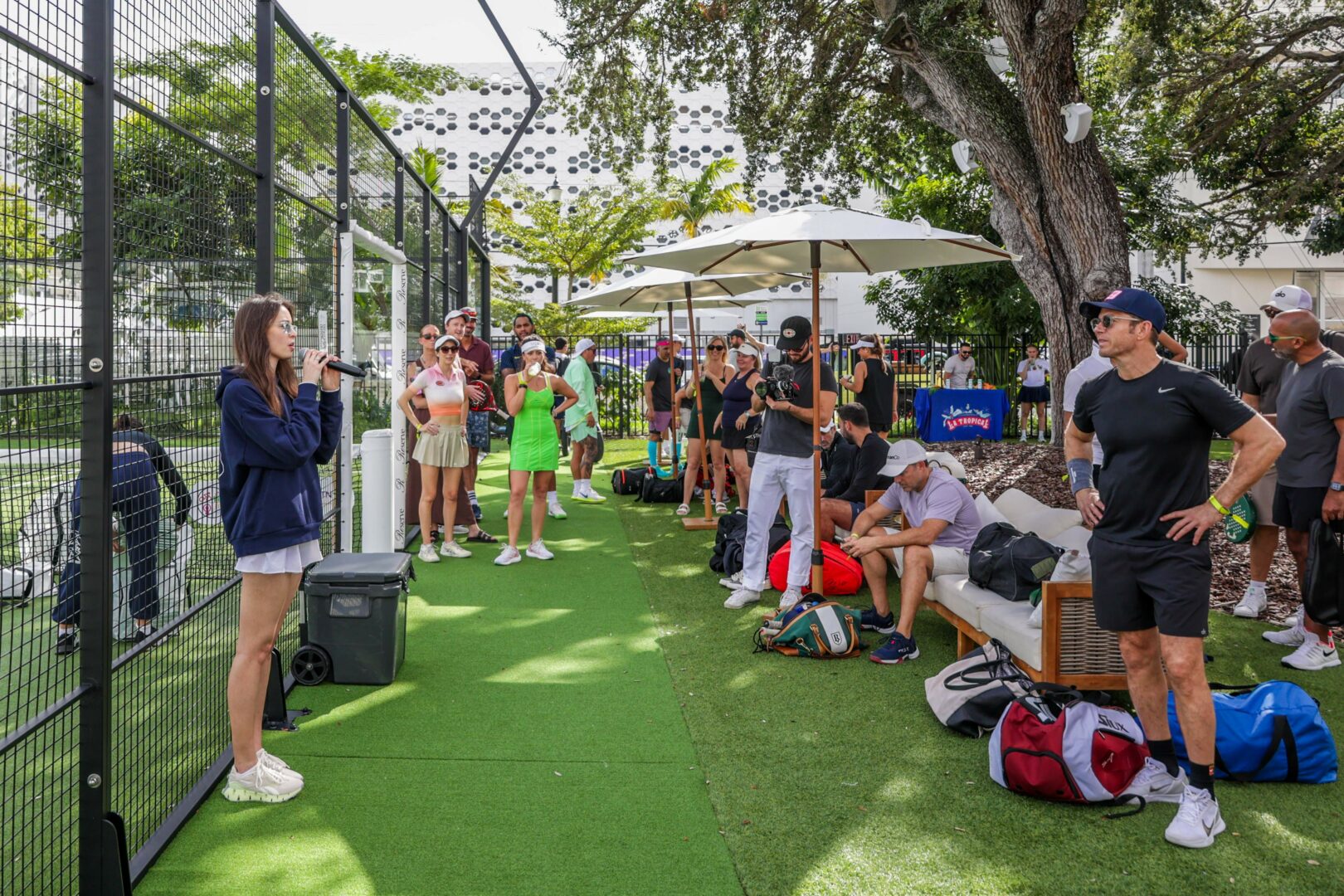
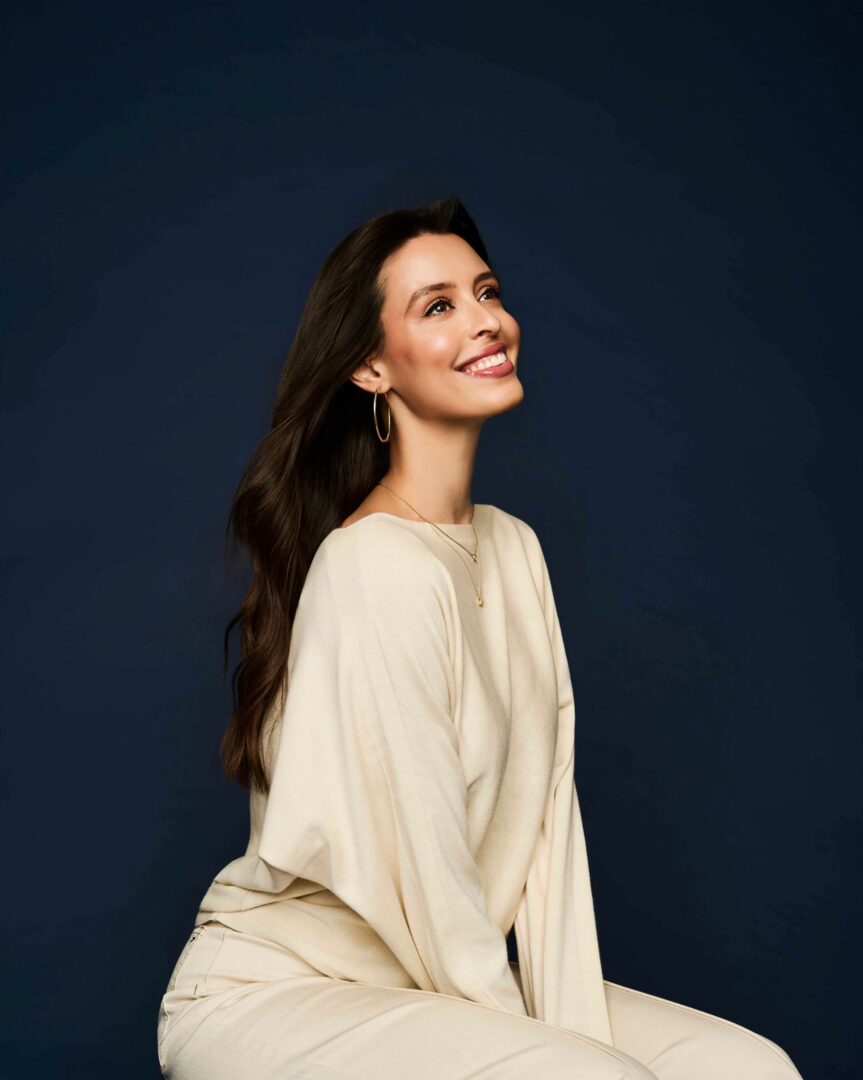
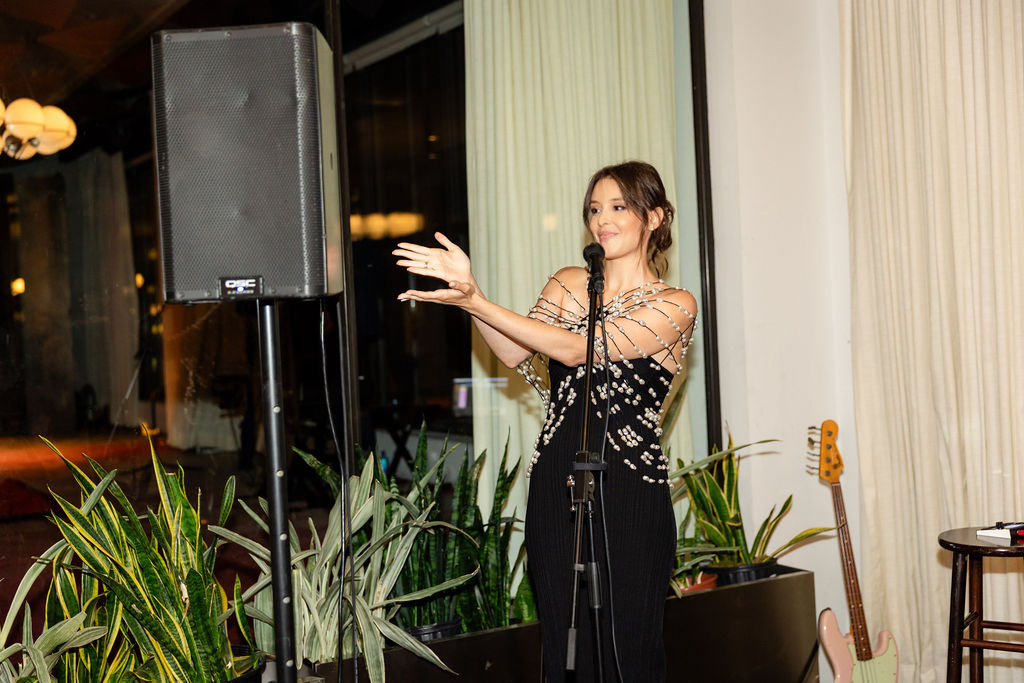
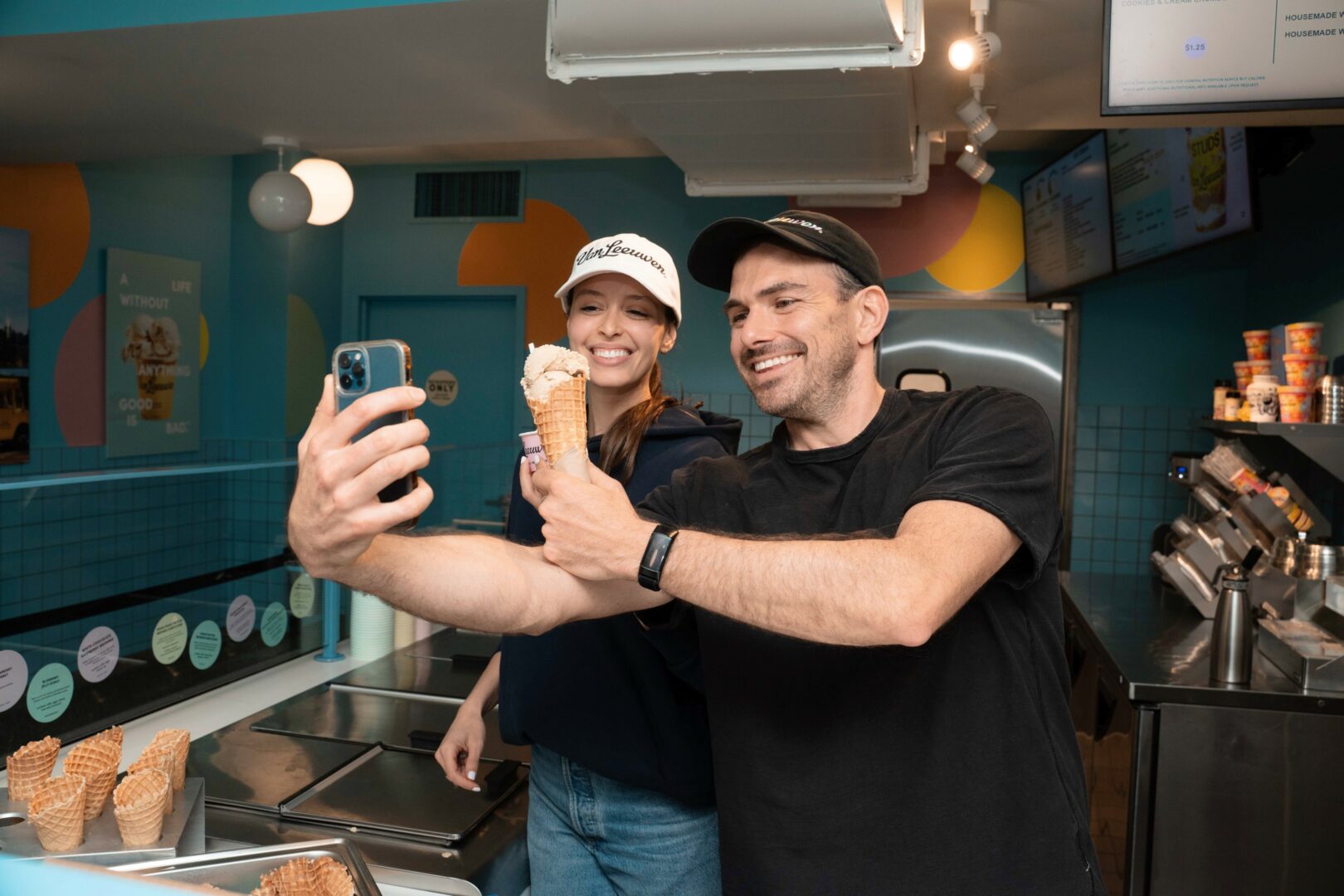
Image Credits
Blue professional images: Juan Algarin
so if you or someone you know deserves recognition please let us know here.