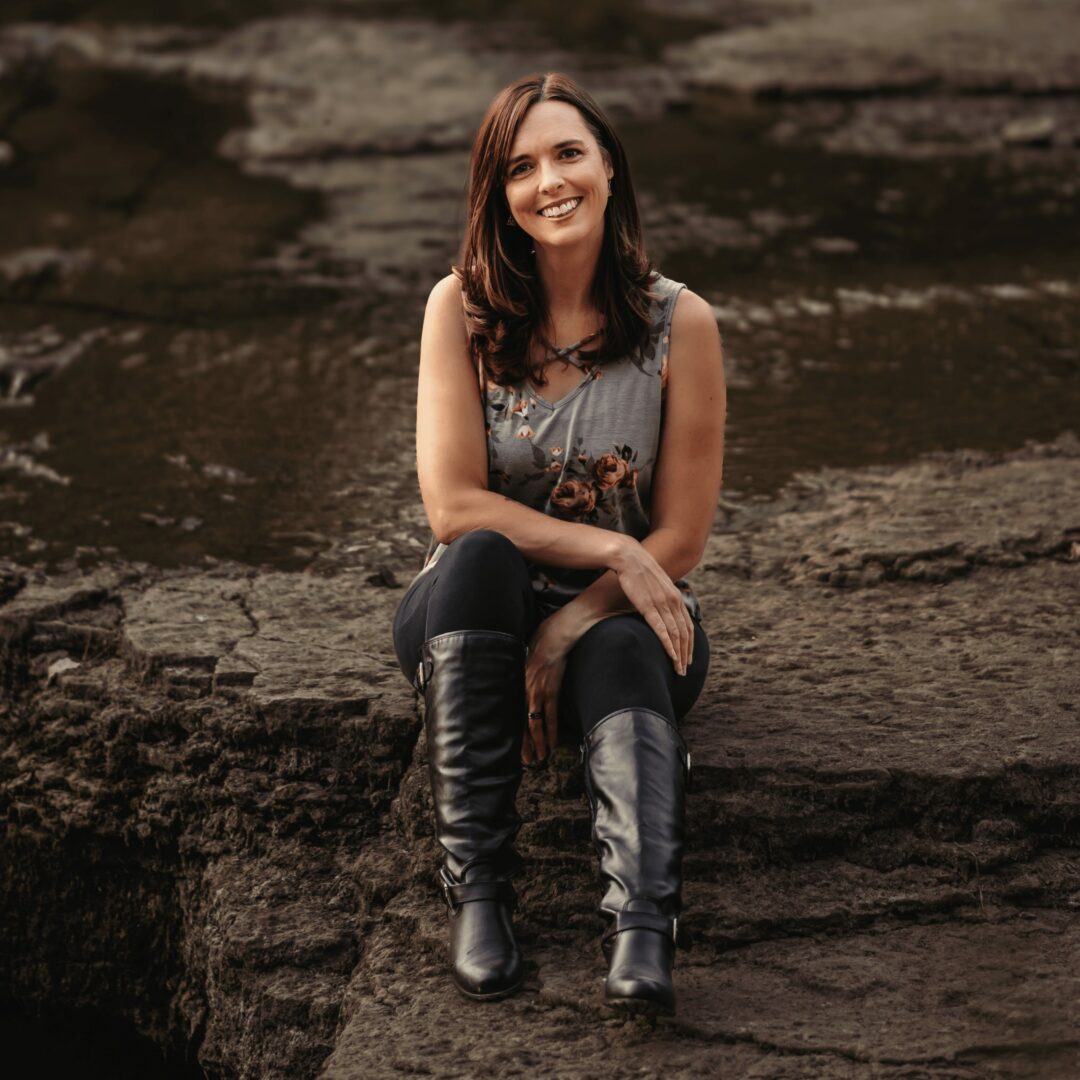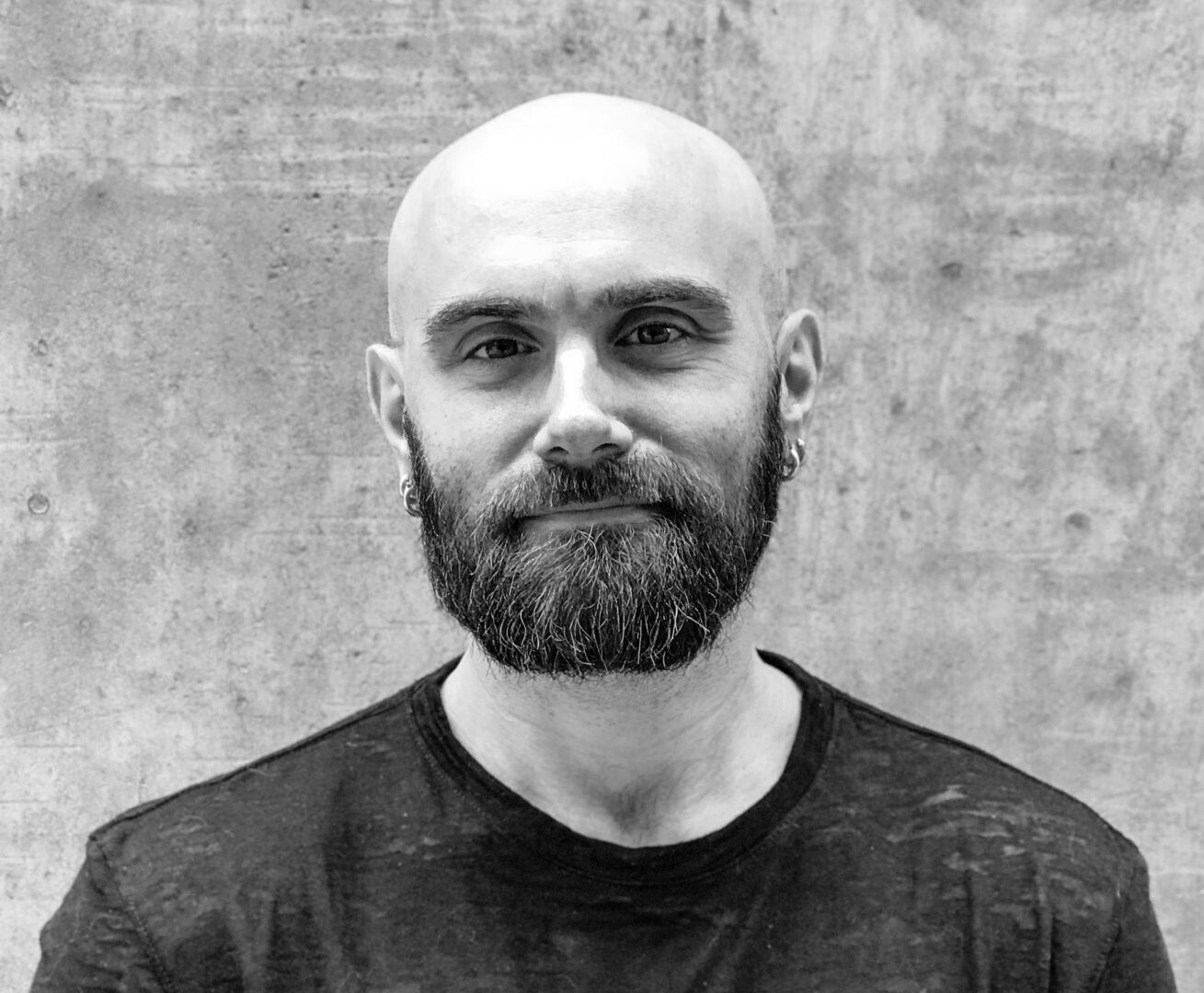
We caught up with the brilliant and insightful Aeryn Rudel a few weeks ago and have shared our conversation below.
Aeryn, so great to be with you and I think a lot of folks are going to benefit from hearing your story and lessons and wisdom. Imposter Syndrome is something that we know how words to describe, but it’s something that has held people back forever and so we’re really interested to hear about your story and how you overcame imposter syndrome.
I don’t know if I’ve overcome imposter syndrome, and I don’t know if any creative person ever really does. What I have done is learn how to manage it to some extent, and I do that with one or all of the following techniques.
1. Get to work Easier said than done, I know, but at some point, you just have to get to work, even when the brain weasels of impostor syndrome are chewing away at your confidence. For me, it’s always worst right before I start writing, but when I start putting words on the page, I often remember, “Oh, right, I CAN do this.”
2. Commiserate. Having other authors you can talk to who are dealing with the same fears and doubts you are is an invaluable resource. Whether it’s a fellow author offering a pep talk or, hell, just a well-timed joke about how difficult this whole business is, it takes some of the pressure off and normalizes the experience. I find this a very effective weapon in the fight against impostor syndrome.
3. Give back. The most potent tool at my disposal in dealing with impostor syndrome is my blog, Rejectomancy. The entire premise is to talk openly and frankly about rejection and the other difficulties of writing and publishing. I post examples of my rejections, discuss what they mean (or don’t mean) and invite folks to share their own tales of rejection. It’s about normalizing how challenging writing and publishing can be and that failure is a ubiquitous and even important part of the process.
Thanks, so before we move on maybe you can share a bit more about yourself?
I’m primarily a speculative author, which means my focus is on speculative fiction (science fiction, fantasy, and horror). I write everything from microfiction to novels, and I’ve published over a hundred short stories in various magazines and journals over the last decade or so. In addition to my short fiction, I’ve also written a number of media tie-in novels for Privateer Press in their Iron Kingdoms setting, as well as dozens of pieces of short fiction in that same setting.
My other primary writing endeavor is my blog, Rejectomancy, where I lay bare the trials and tribulations of writing, publishing, and, of course, rejection.
There is so much advice out there about all the different skills and qualities folks need to develop in order to succeed in today’s highly competitive environment and often it can feel overwhelming. So, if we had to break it down to just the three that matter most, which three skills or qualities would you focus on?
It’s not really a quality or skill, but I think the first thing I did that started me down the path to writing and publishing was reading. In my opinion, it’s vitally important for every author to read, not just in their chosen genres, but widely. Read fiction, nonfiction, books on writing, read it all. Seeing how other authors make it work, both in your genres and outside of it is one of the most valuable things you can do. It’s kind of like learning a language through immersion. You can’t help but start to pick up some the techniques used successfully by other writers, fold them into your own work, and improve you own writing in the process.
Next, I think was willing to take some risks, especially early on, to put my work out there, and accept the praise, genuine feedback, and, well, the slings and arrows of less-constructive comments. This is not to say that I didn’t doubt myself or struggle with impostor syndrome (I still do, daily), but I was willing to take the plunge, so to speak. whether that was the very early, early days when I was simply sharing my work on an message board, to finding the courage to send my work out to magazines and journals, to finishing a novel and crossing my fingers and toes while I queried agents. So, my advice to any author starting out is to get your work out there. It’ll be terrifying, and it WILL result in rejections, but the more you do it, the less scary it gets, and, well, there is literally no other way to get published.
Lastly, I tend to be very analytical when it comes to writing, submissions, and publishing in general. Some of this I think stems from my background as a game designer, where you’re working with statistics and game rules and trying to get all those numbers to work in harmony with each other. I applied this love of analytics and spreadsheets and charts to my writing and submission efforts, tracking everything from acceptances to rejections, and trying to calculate my odds of success with a given publication. I found comfort in the numbers because they kind of normalized what I was up against. You don’t feel so bad about that rejection when you know the market you sent your story to has a 0.01% acceptance rate. Conversely, you feel absolutely unstoppable when you finally crack that market. Now, I don’t necessarily recommend that every starting author track their submissions and writing efforts like I do, but I do think it helps to keep some record, so you can look back, see where you started, where you’re going, and how much you’ve improved.
As we end our chat, is there a book you can leave people with that’s been meaningful to you and your development?
I’ve read a fair number of books on the craft, but the one that speaks to me the most is Stephen King’s <i>On Writing</i>. I find his workmanlike approach really appealing and so applicable to the way I write. There’s a lot of practical wisdom in his book, but these bits really stuck out for me.
<i>”I like to get ten pages a day, which amounts to 2,000 words. That’s 180,000 words over a three-month span, a goodish length for a book—something in which the reader can get happily lost, if the tale is done well and stays fresh.” – Stephen King, On Writing</i>
I love a schedule, and when I read that King writes ten pages or 2,000 words a day, I applied that to my own writing, especially when drafting a novel. I did modify the goal somewhat–I mean, I’m no Stephen King–to 2,000 words a day, five days a week. That gets me 10,000 words a week, and with that pace, I’ve been able to finish a first draft of all my novels in about three months, which is, for me, a very comfortable pace.
“You need to revise for length. Formula: 2nd Draft = 1st Draft – 10%.” – Stephen King. On Writing:
This is actually part of a note King received from an editor on one his early submissions and then incorporated into his own revision process. Now, I’m not saying that I shoot for exactly a 10% reduction in every revision I make, but the theory of reducing and tightening your prose with every pass over a story or novel is one I think has a lot of merit, and it’s helped me improved the pacing and flow of my work quite a bit.
Contact Info:
- Website: www.rejectomancy.com
- Facebook: https://www.facebook.com/profile.php?id=100086563282706
- Twitter: https://x.com/Aeryn_Rudel
- Other: BlueSky https://bsky.app/profile/aerynrudel.bsky.social
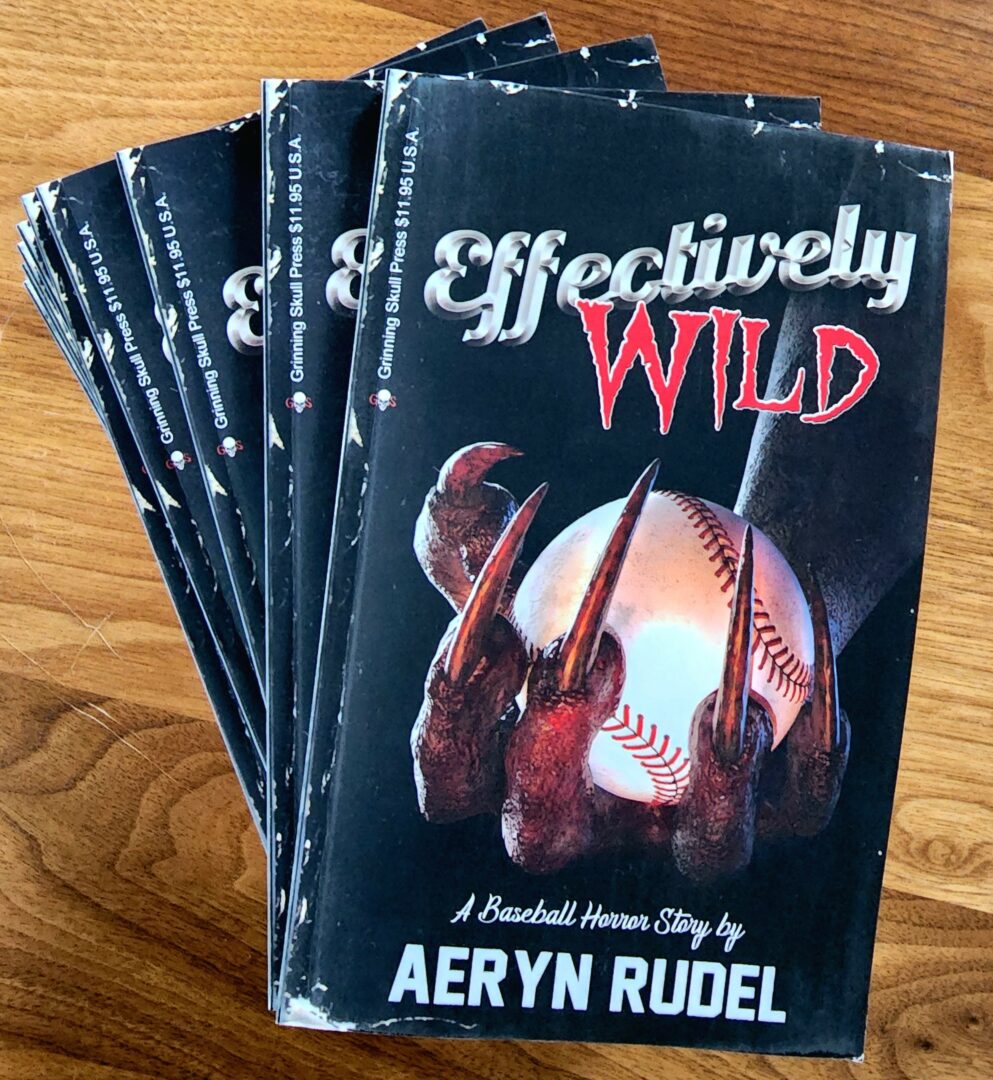
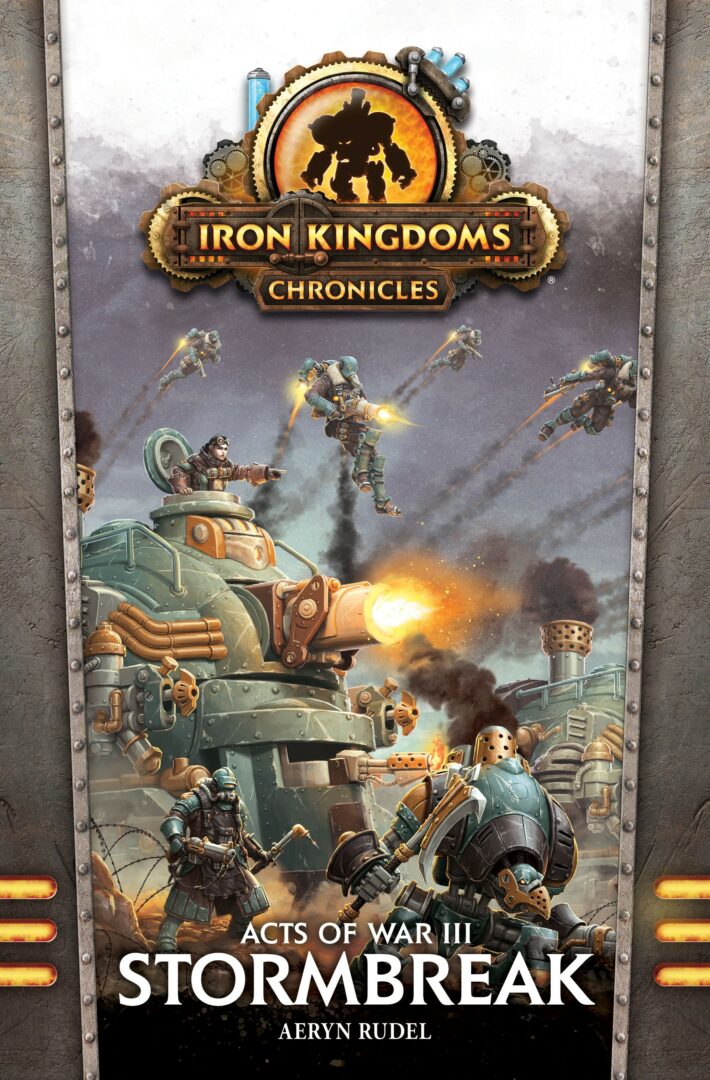
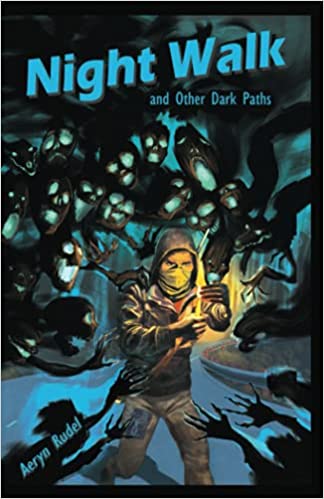
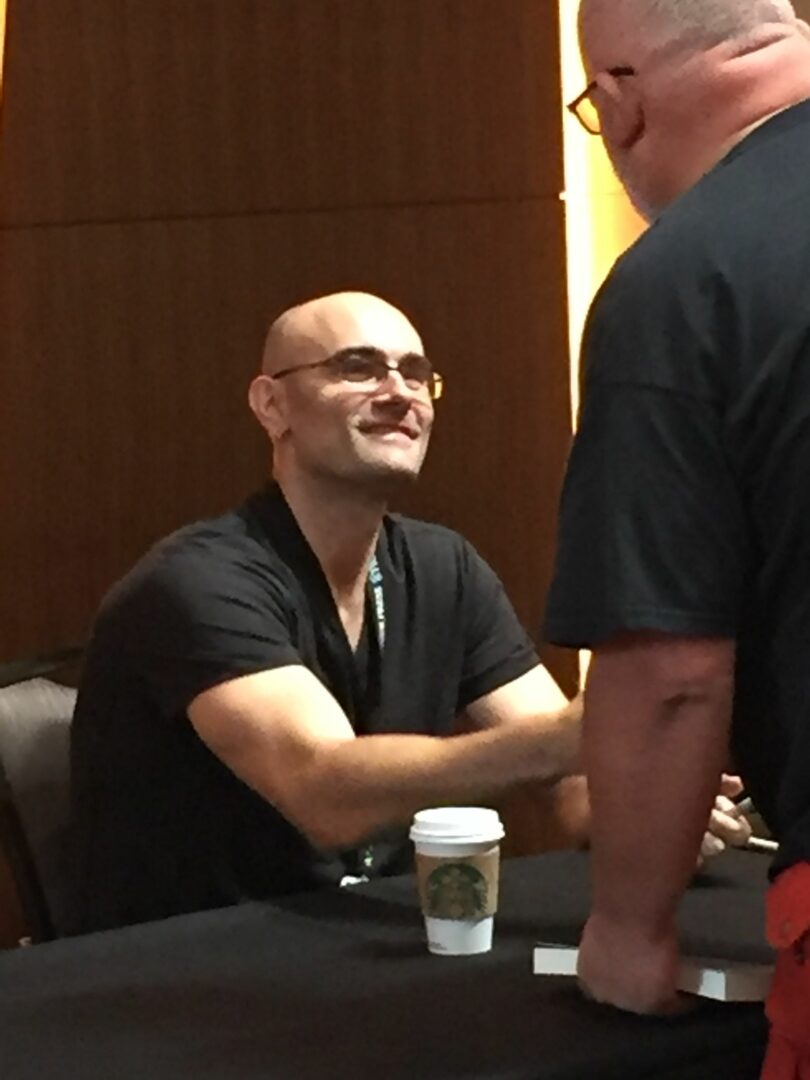

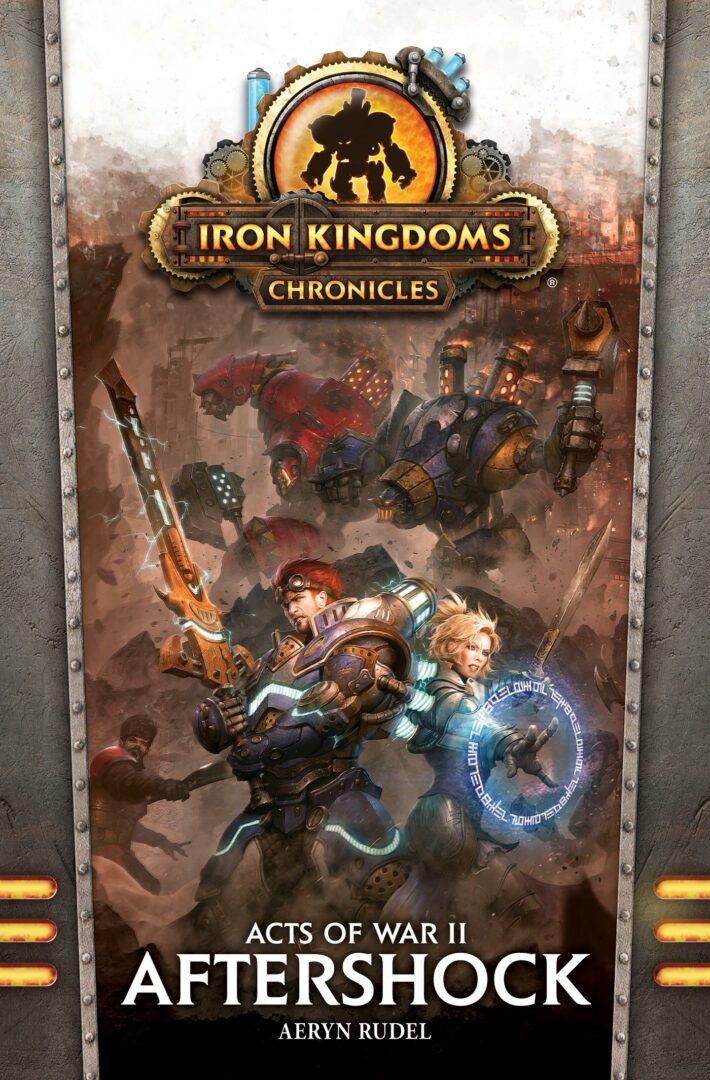
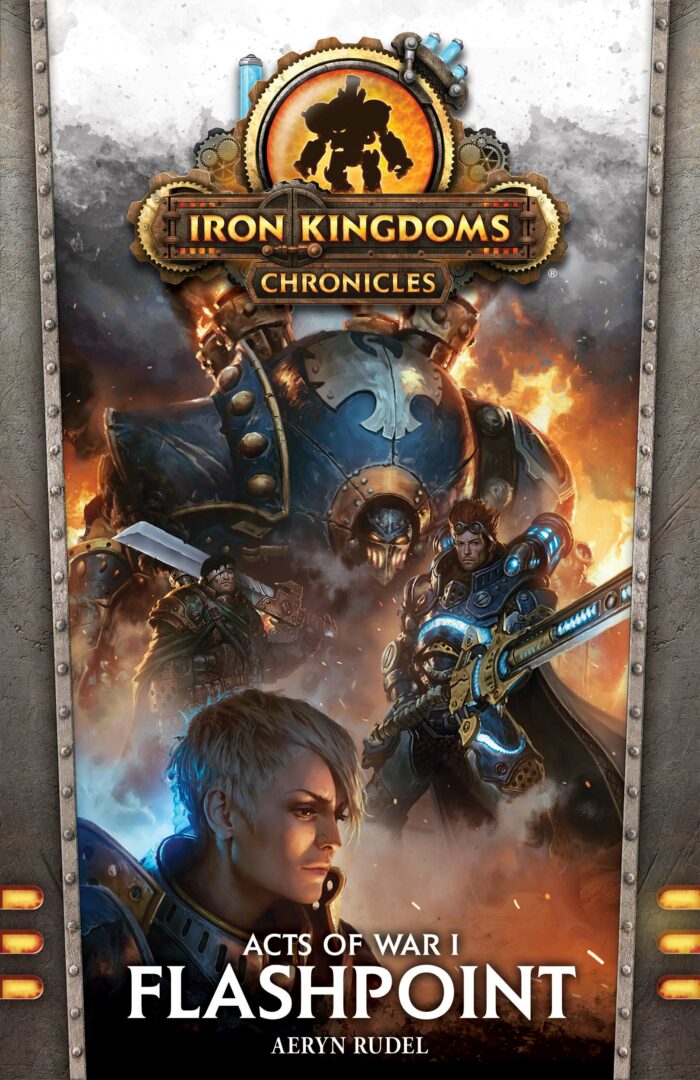
Image Credits
Art for Flashpoint cover – Grzegorz Rutkowski, Art for Aftershock cover – Néstor Ossandón, Art for Stormbreak cover – Andrea Uderzo, Art for Effectively Wild cover – Jeffrey Kosh, & Art for Night Walk cover – Valerie Herron