We’re excited to introduce you to the always interesting and insightful Alon Goldsmith. We hope you’ll enjoy our conversation with Alon below.
Hi Alon, thank you so much for opening up with us about some important, but sometimes personal topics. One that really matters to us is overcoming Imposter Syndrome because we’ve seen how so many people are held back in life because of this and so we’d really appreciate hearing about how you overcame Imposter Syndrome.
Imposter syndrome is something I think most creatives wrestle with at some point. For me, it shows up in moments where I look around at other photographers and think, “Do I really belong in this room? Do I measure up?” What helps me overcome it isn’t a single breakthrough but a slow reframing.
I try focus less on comparison and more on connection—reminding myself that my job isn’t to be the “best” photographer, it’s to bring my unique way of seeing into the world. Long-term projects like 365 Days in the Time of Corona and 366 Days in the Life of an iPhone Wizard prove that showing up consistently, with curiosity and heart, is enough to build something meaningful. And recognition along the way—like winning the MIRA Mobile Prize in Portugal or being featured in Forbes—is a powerful reminder that my perspective has value beyond my own self-doubt.
My advice to anyone struggling with imposter syndrome is this: don’t wait to feel “ready.” Start where you are, with what you have. The more you create, the more you’ll realize that no one else can tell the story quite the way you can. That’s your edge—and your belonging.
Thanks, so before we move on maybe you can share a bit more about yourself?
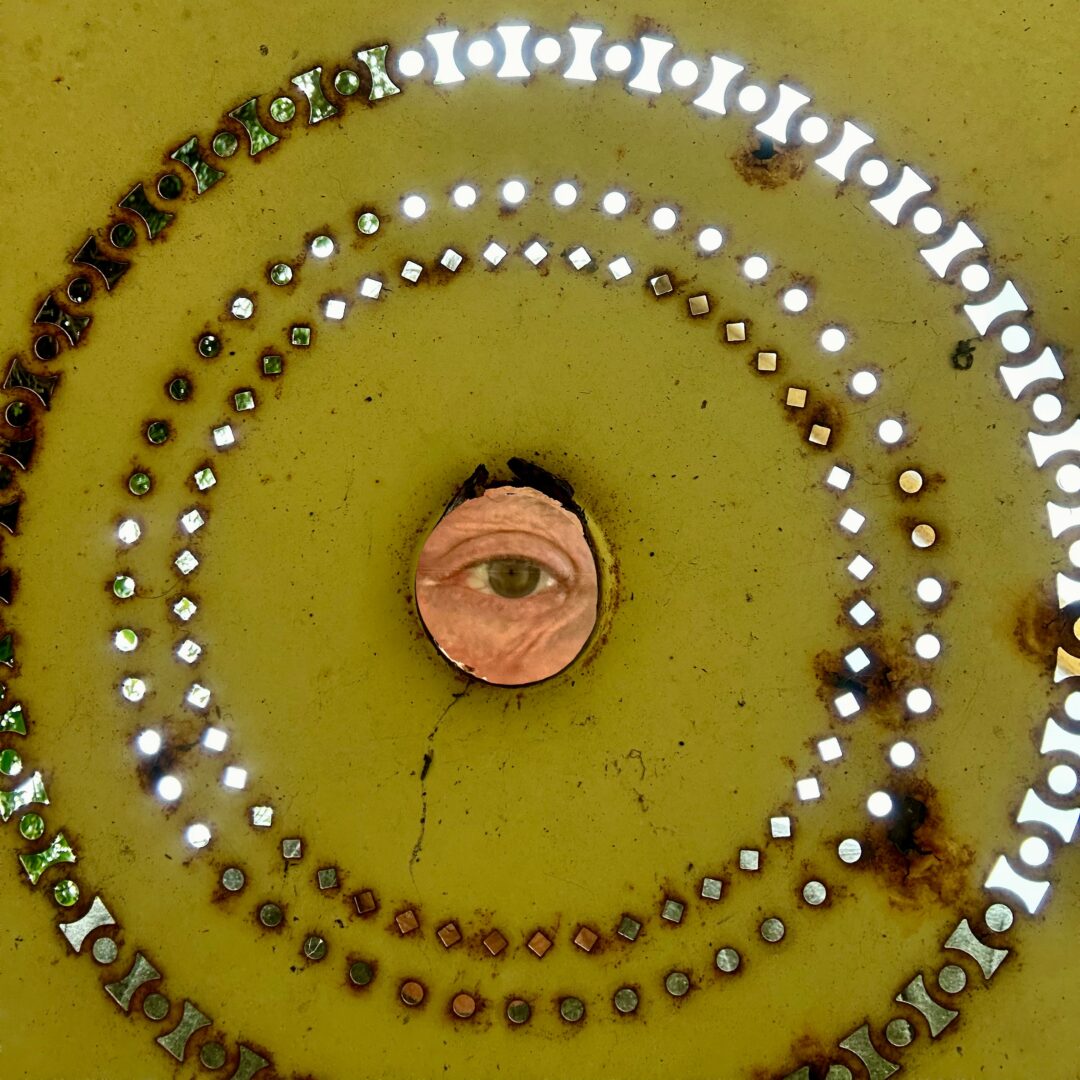
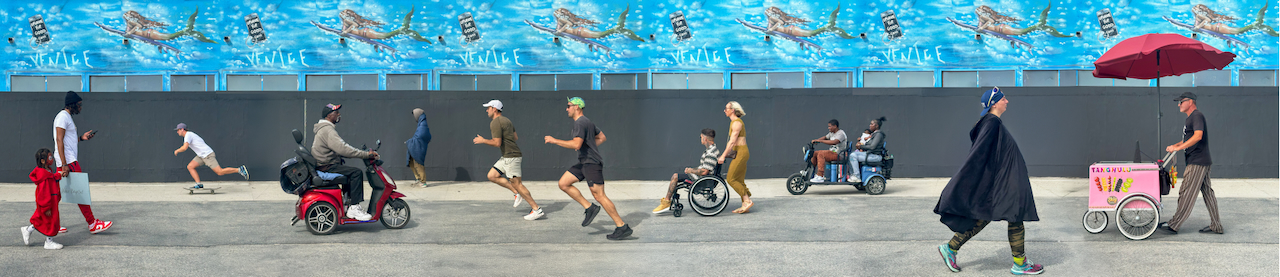
I’m a photographer based in Los Angeles, and most of what I do revolves around people, community, and the stories that play out in public spaces. I’ve been called “LA’s iPhoneography Wizard,” which makes me smile, because for me the magic isn’t in the gear—it’s in noticing the everyday moments that say something bigger about who we are.
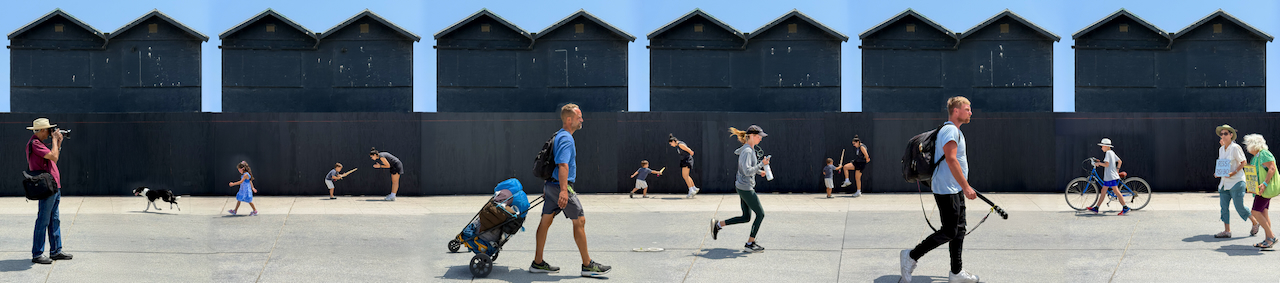
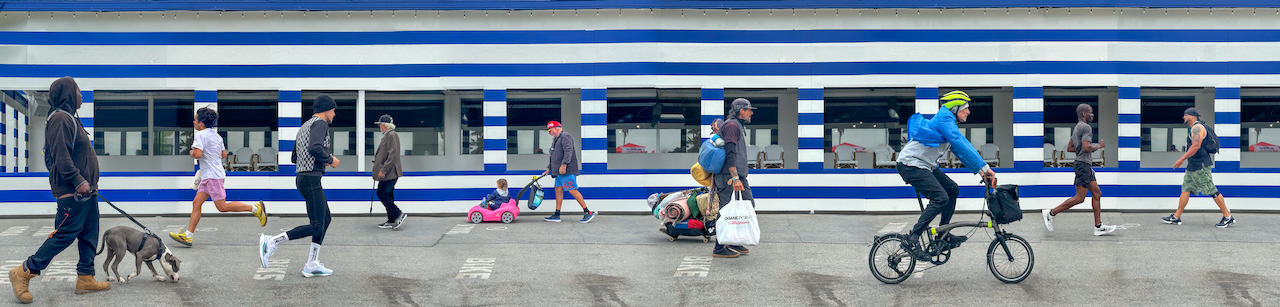
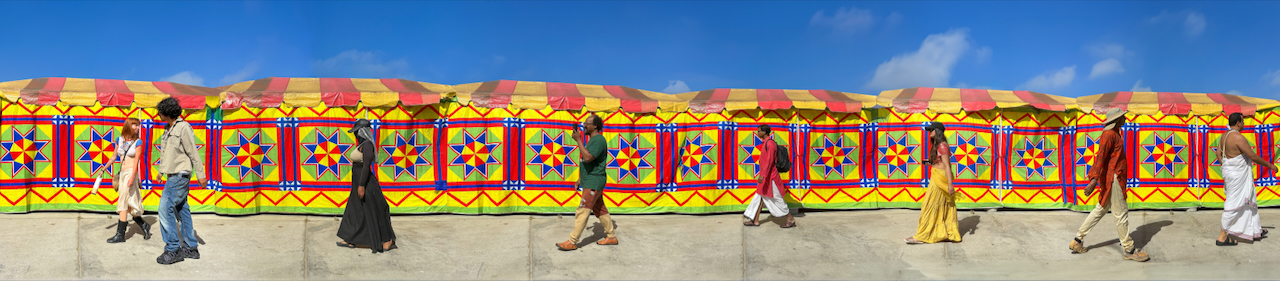
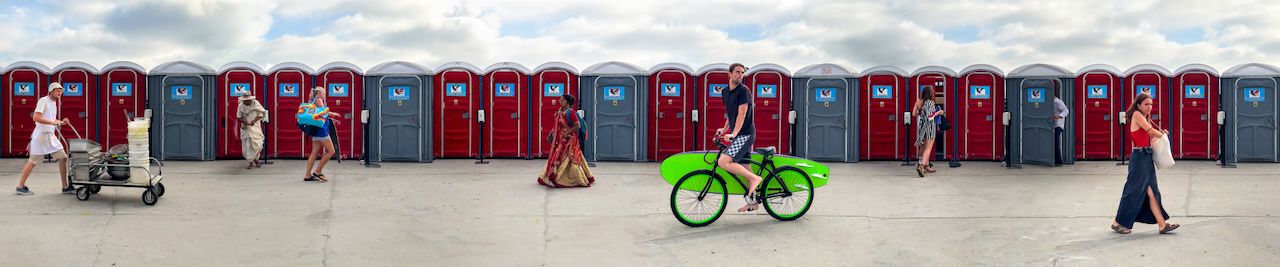
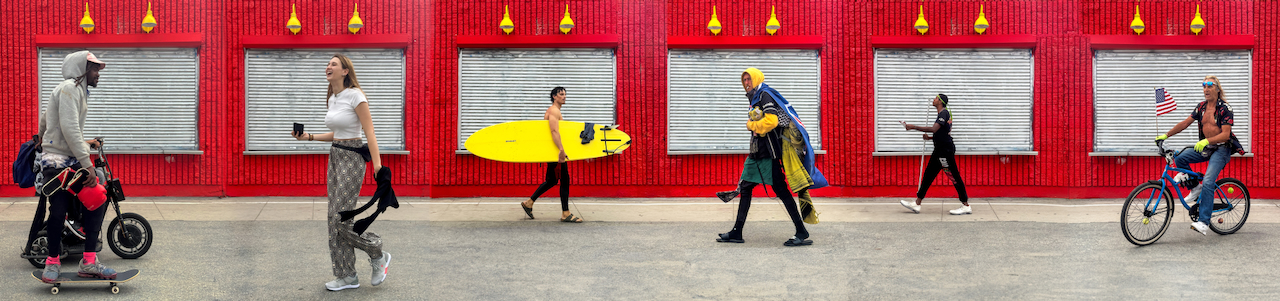
What really excites me is work that brings people closer together. My Going Places series, for example, is all about celebrating the extraordinary folks we pass on the street every day—capturing them in a way that makes us stop, look closer, and connect. During the pandemic, I put out a book called In Place | Portraits of a Pandemic that documented how Angelenos were navigating such a strange and vulnerable time. I’ve also challenged myself with two long-haul daily projects—365 Days in the Time of Corona and 366 Days in the Life of an iPhone Wizard—each of which taught me the power of consistency, curiosity, and finding inspiration in the everyday.
Alongside my art, I also photograph milestone celebrations, brand events, and editorial assignments. No matter the setting, I’m always looking for those genuine, unscripted moments. Recently, I also started offering archival photo scanning—it’s been amazing helping families preserve their visual histories before they fade away.
My work has been featured in outlets like The Los Angeles Times and Forbes, exhibited at the LA Art Show and internationally, and I was honored to win the MIRA Mobile Prize in Portugal. Recognition is always nice, but what matters most to me is when someone sees a photo of mine and feels a spark of connection—because that’s really the whole point.
Right now, I’m focused on growing Going Places into an exhibition and exploring new public art opportunities. At the end of the day, whether it’s on a city street, in someone’s living room, or on the walls of a gallery, my goal is the same: to create images that spark connection and belonging.

Looking back, what do you think were the three qualities, skills, or areas of knowledge that were most impactful in your journey? What advice do you have for folks who are early in their journey in terms of how they can best develop or improve on these?
Looking back, the three things that have shaped my journey most are curiosity, intuition, and the ability to improvise.
Curiosity has always been the engine. It’s what gets me out on the street with a camera, or deep into a long-term project, wondering what story I might stumble onto next. Going Places actually began with a simple “what if”: what would happen if I photographed different people against the same background? That small spark turned into a whole body of work. My advice—follow those little curiosities, even when they seem random. They often lead to your best ideas.
Intuition has guided me in ways no manual ever could. It’s about sensing the moment before it happens—the glance between two people, the pause in a crowd, the instant when light and expression align. Some of my best street shots came from trusting that inner nudge to press the shutter right then. For anyone starting out: the more you shoot, the more you’ll learn to trust those instincts.
And then there’s improvisation. Photography, like life, rarely goes according to plan. During 366 Days in the Life of an iPhone Wizard, there were days when nothing seemed to work—bad weather, no time, nothing “picture-worthy” in sight. By leaning into improvisation, I still found ways to make images, and often those unexpected shots became favorites. My advice: put yourself in situations where you don’t have total control. You’ll discover creative muscles you didn’t know you had.
Together, curiosity, intuition, and improvisation have carried me through both the toughest challenges and the most rewarding moments. They’re less about technical skill and more about mindset—and in the long run, mindset is everything.
Is there a particular challenge you are currently facing?
The biggest challenge I’m facing right now is scale—growing my work in a way that allows both the art and the business to thrive. I have projects like Going Places that are deeply personal and socially resonant, and I want them to reach larger audiences through exhibitions, public art commissions, and partnerships. At the same time, I also run ventures like event and editorial photography, and an archival photo scanning service that helps families and organizations preserve their histories. The challenge is weaving all of this together so that each piece supports the bigger picture.
My approach has been to treat my career as an ecosystem rather than separate silos. Fine art projects build visibility and spark conversations; event photography connects me with communities and clients who value storytelling; scanning projects keep me grounded in the importance of memory and preservation. Together, they not only sustain me financially but also keep me creatively energized.
It’s definitely a juggling act, but I’ve learned that adaptability is everything. Just like on the street, where you can’t control the light, the people, or the timing, you learn to improvise and find opportunity in unexpected places. That entrepreneurial mindset—being resourceful, flexible, and open—has been key to overcoming obstacles and pushing my work forward.
Looking ahead, success for me means seeing Going Places take on a life of its own—through large-scale public installations or collaborations that reach audiences far beyond Los Angeles—while continuing to grow the business side so it sustains and amplifies the art. I see all of these ventures as connected, and I’m excited about building a future where they feed each other in bigger and bolder ways.
Contact Info:
- Website: https://www.alongoldsmith.com/
- Instagram: https://www.instagram.com/alon_goldsmith/
- Facebook: https://www.facebook.com/alon.goldsmith
- Linkedin: https://www.linkedin.com/in/alon-goldsmith-7b5530/
- Youtube: https://www.youtube.com/channel/UC2yi1rJih4IpWXh0Oclkmwg
- Soundcloud: https://soundcloud.com/hall-of-souls


so if you or someone you know deserves recognition please let us know here.