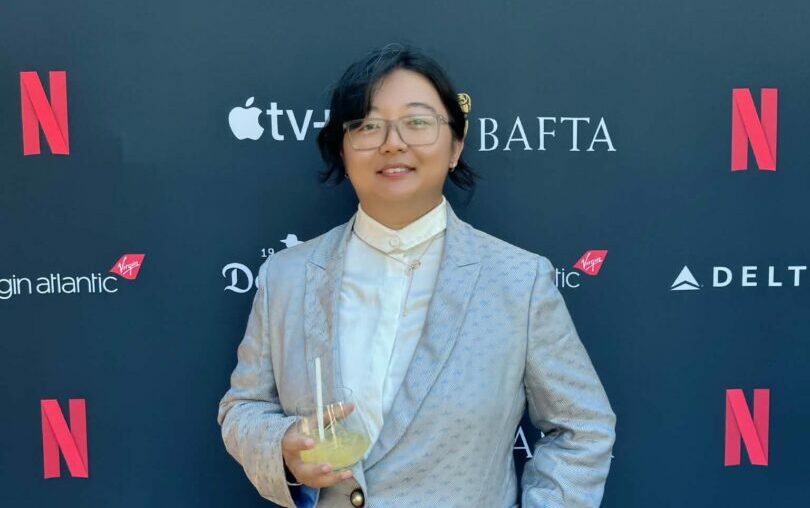
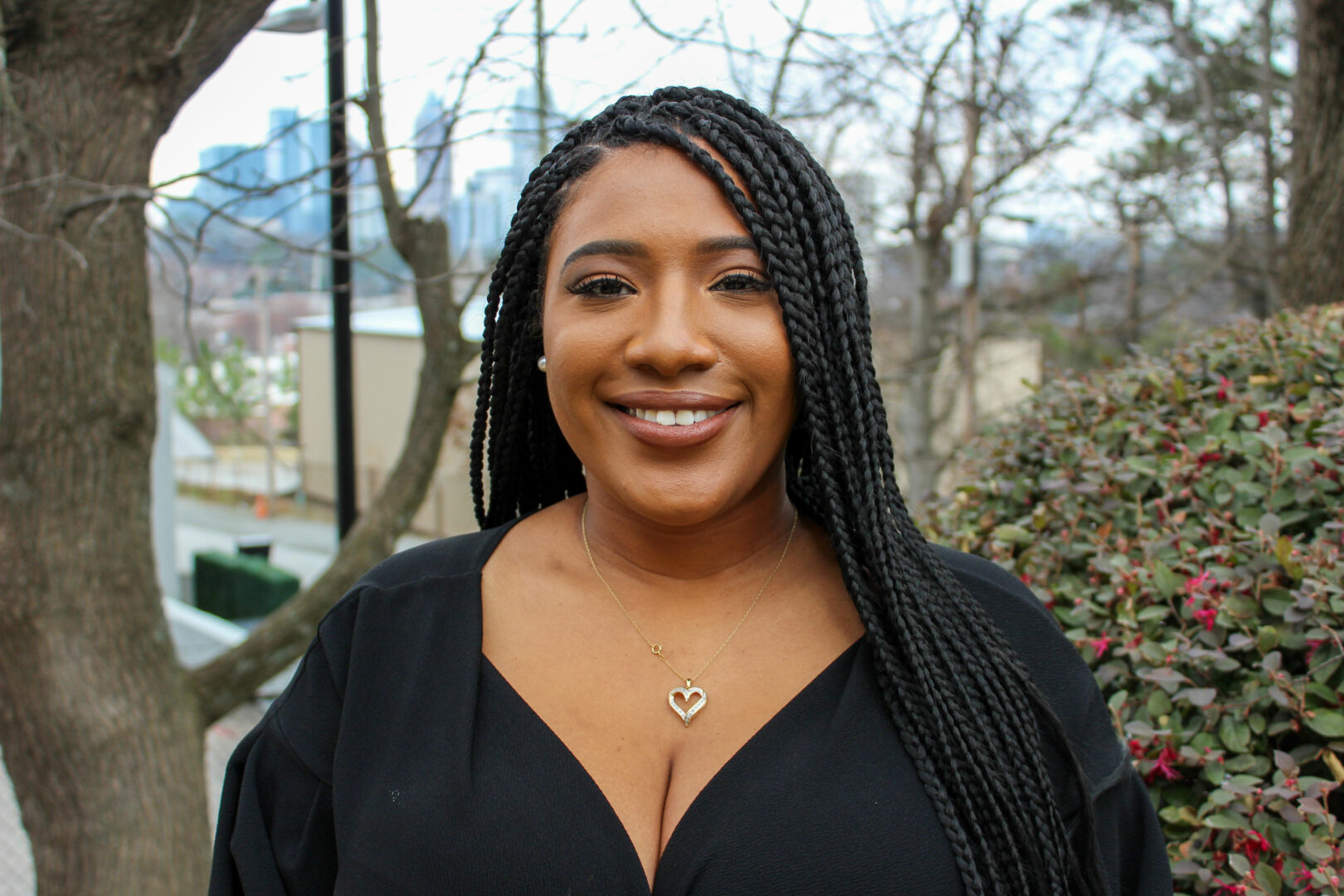
We recently connected with Liz Gipson and have shared our conversation below.
Liz, so good to have you with us today. We’ve always been impressed with folks who have a very clear sense of purpose and so maybe we can jump right in and talk about how you found your purpose?
In my thirties I sought out a career councilor. I was restless and didn’t feel like I fit any of the career options open to me. At the time I was working in craft publishing and loved the work, but it wasn’t a natural fit.
One of the questions the councilor asked was, “What engaged you most when you were eight or nine years old and how does this relate to any kind of work you are doing today?” I suppose the thinking was at that age you were old enough to start asserting your independence but hadn’t hit the overthinking years. When I look back, what I loved most at that age was daydreaming, making stuff, and earning my own money.
I had a job washing towels for a hair dresser. I roller skated to the shop after school, loaded the towels in a cart, then skated over to the laundromat with a fist full of quarters I took out of the register. No one cared when I showed up or how I got the job done, just that it got done. Across the street from the laundromat was a comic book shop. I would read Wonder Woman and Sheena Queen of the Jungle comics, dabble in crochet, stitching, or beading, or simply swing my feet off the chair and make up stories in my mind before returning with a neatly stacked pile of towels.
This gave me no end of satisfaction. I loved the job that allowed me to be left alone with my thoughts and provide a service that paid. I have never been really good at hanging out, which daydreaming sometimes implies. I like to be doing something that allows me to be self contained with my thoughts or engaged in some kind of storytelling—audio books, music, etc. —while making something and then putting that something out in the world. Many of my proceeding jobs involved some kind of hands-on approach that allowed me to be at the party, but with a purpose not as a participant.
While I had the amazing opportunity to work for many of the leaders in my field, none of the work made me particularly happy—more skilled, but not fulfilled. My last boss, said bluntly, “You need to work for yourself.” She was right, so I started doing things that I was good at—creating weaving content—using the connections I’d crafted over a couple of decades in my field. At first, this work was geared toward content that marketed a product or service with a lot of teaching and publishing as a side huddle, but eventually the teaching and publishing because the entire enterprise.
The pay was never much, but I thought of it as essentially being paid to learn. I had learned early on how to live on what I earned. It often meant doing without, but independence is my ultimate luxury.
The how of building this career looked something like this: Grew up in the South, dropped out of high school worked as a pastry chef and sold jewelry. Went down a big weaving rabbit hole, but could not afford a loom so made do with lots of weaving-related activities. Got my GED, went back to school in the West and bounced around a lot trying to find a field of study that fit my eclectic interests, escaped with a degree in Social Science and got a job working for nonprofit doing arts programing, eventually working my way up to “management”, yuck. A friend got a job working for a publisher specializing in weaving and handspinning content and encouraged me to join her. Worked in publishing for about a decade while getting half a masters in adult education and half a professional certificate in video production. Left publishing to work for a loom manufacturer before jumping out on my own and working for small weaving business, nonprofits, and an online educational start up as an independent contractor. Moved to the Southwest to follow a newly minted spouse to his penultimate job and since the small town we landed in had no job for me, I made up my own teaching weaving and hosting weaving-related events online and occasionally in person and writing a lot of weaving-related content in the form of patterns, books, and essays.
This life is the consequences of thousands of small movement in one direction or another. Some movements we have control of and some we don’t. The scale tips differently depending on many societal factors. I know fortune created a scale that has mostly tipped in my favor even when I didn’t see it that way or did my best to sabotage my own efforts. I followed a the steady pull of this one direction landing me in a pretty good place. The push being one part follow your bliss, one part a way to engage with the world, and one part processing the hardness of life—my loom gave me a way to do all three.

Appreciate the insights and wisdom. Before we dig deeper and ask you about the skills that matter and more, maybe you can tell our readers about yourself?
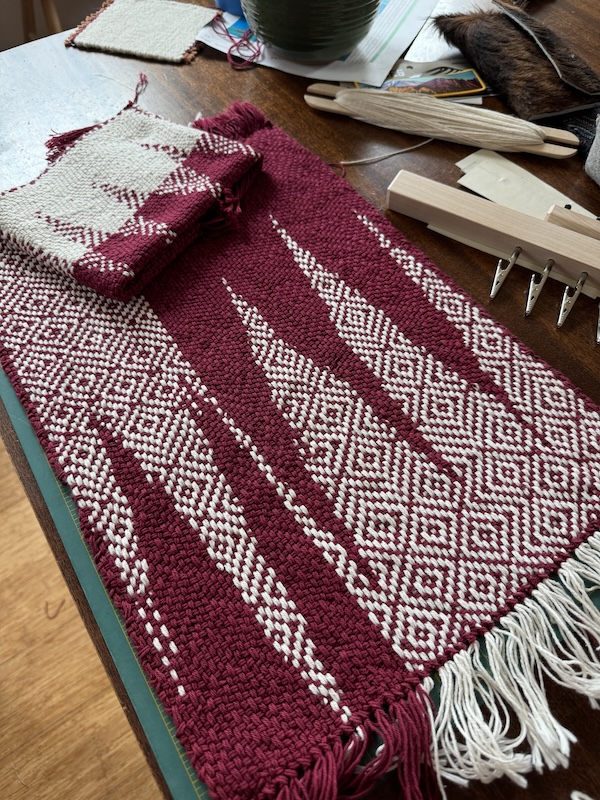
When people ask me what I do, I usually say, “I’m a weaver.” Then the next question is typically something like, “What do you make? And, I’ll somewhat flippantly say, “weavers.” My weaving practice is both a deeply personal exploration of a very specific loom type and in service of others weaving practice. I don’t think I would still be weaving or at least weaving in the way I am if I didn’t have an audience to serve—think daydreaming with a purpose. What my eight year old self would be doing fifty years hence.
The engine that drives what I do is offering somewhat regular online events for folks who want to weave for whatever reason, using a loom that is accessible to most, in a low threshold way, with lots of support. I’ve build a business around this, but I’ve also built a life and one that I hope puts a little more out there than it takes.
Looking back, what do you think were the three qualities, skills, or areas of knowledge that were most impactful in your journey? What advice do you have for folks who are early in their journey in terms of how they can best develop or improve on these?
I’m a firm believer that whatever is a great strength is tied to a great weakness. If you focus on the weakness it makes you weaker, if you focus on the strength it makes you stronger. Getting to know myself as honestly as possible is a skill like any other skill. The tendency to make ourselves into something we outwardly admire does not always work with our inner nature. Being true to yourself, while challenging the toxic parts we all carry takes a lot of soul searching. Maintaining curiosity about why we do things, education about the human condition, and seeking help are skills. Right alongside these skills are deepening your ability to perform your craft, whatever that may be. I suppose it all comes down to a steady pursuit of education.
All the wisdom you’ve shared today is sincerely appreciated. Before we go, can you tell us about the main challenge you are currently facing?
I am typically my greatest obstacle. As an introvert and not much of a joiner, I focus on skill building on my platform rather than community building. Community building is perhaps an outcome of this, but it depends on how you define community. If the current moment tells us anything it is that we aren’t all working from a common definition. When you make your passion your job there are a lot of blurred lines between the personal and the professional.
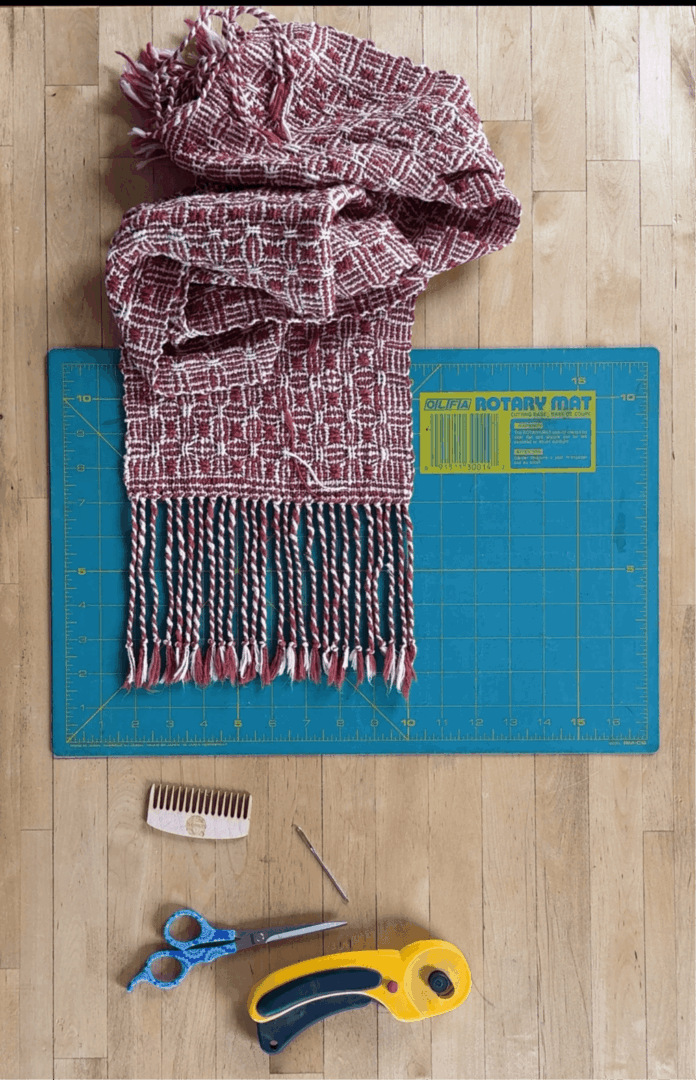
I strive to let my students know a full version of me, while still reserving a private life and engaging in working towards the best pluralistic society we can collectively muster. The loom allows me a metaphor for almost all situations. It teaches me to see the whole of things, because I choose to let it. We seem to go ten steps forward, eight steps back. I have to have faith in the net gain of a few more steps. This is the gift of age, a little more perspective that good times don’t last, but neither do the bad. Both states take work.
Contact Info:
- Website: https://www.yarnworker.com
- Instagram: @yarnworker
- Youtube: @yarnworker
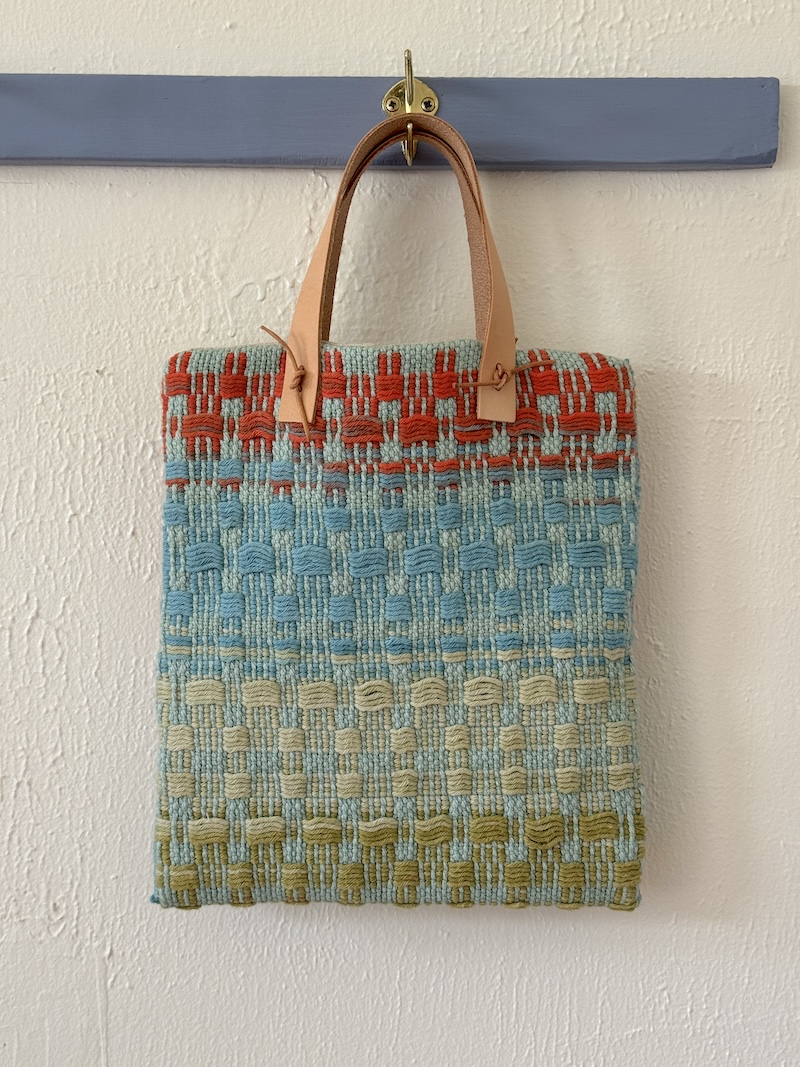
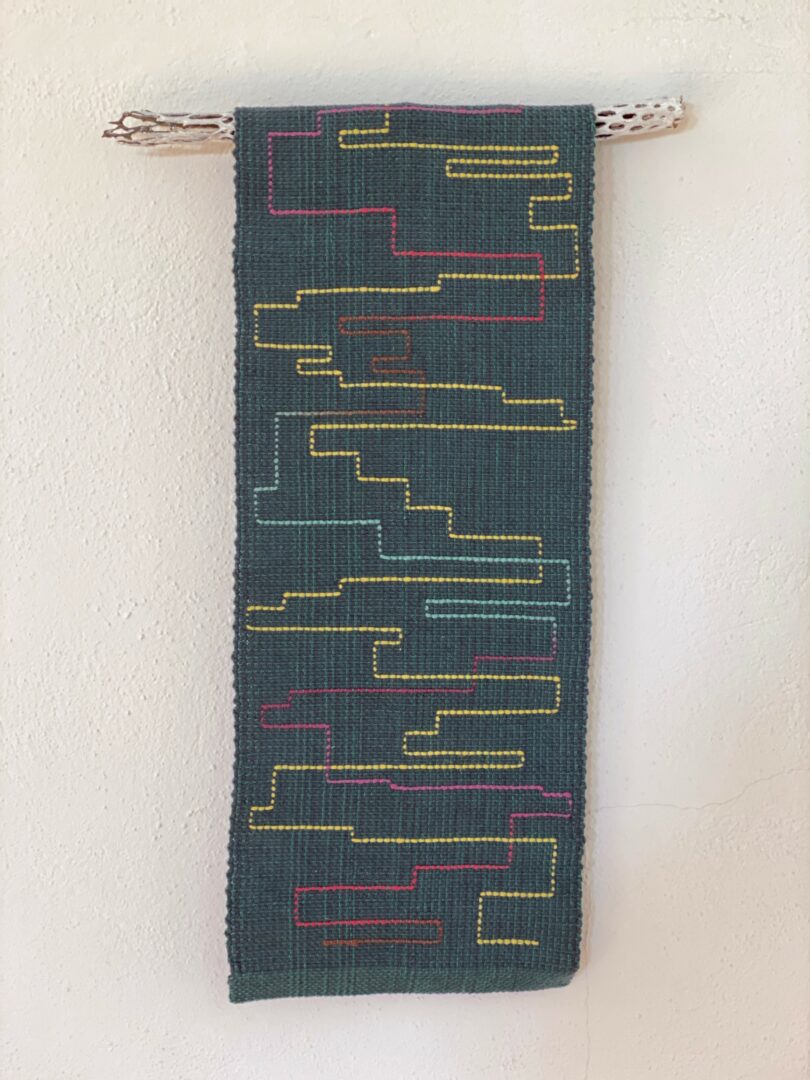
Image Credits
Photos by Liz Gipson
so if you or someone you know deserves recognition please let us know here.