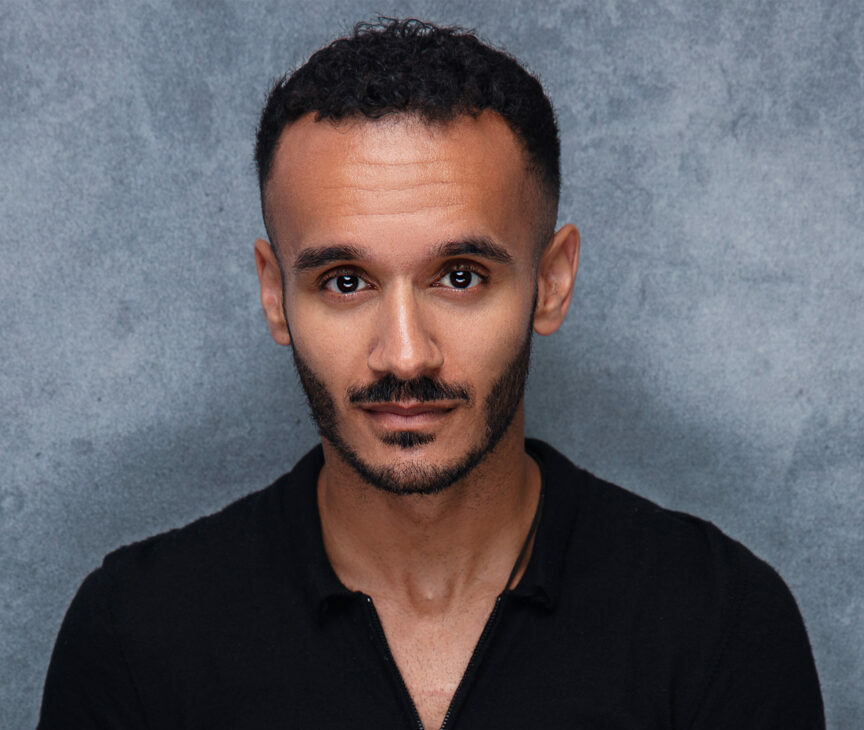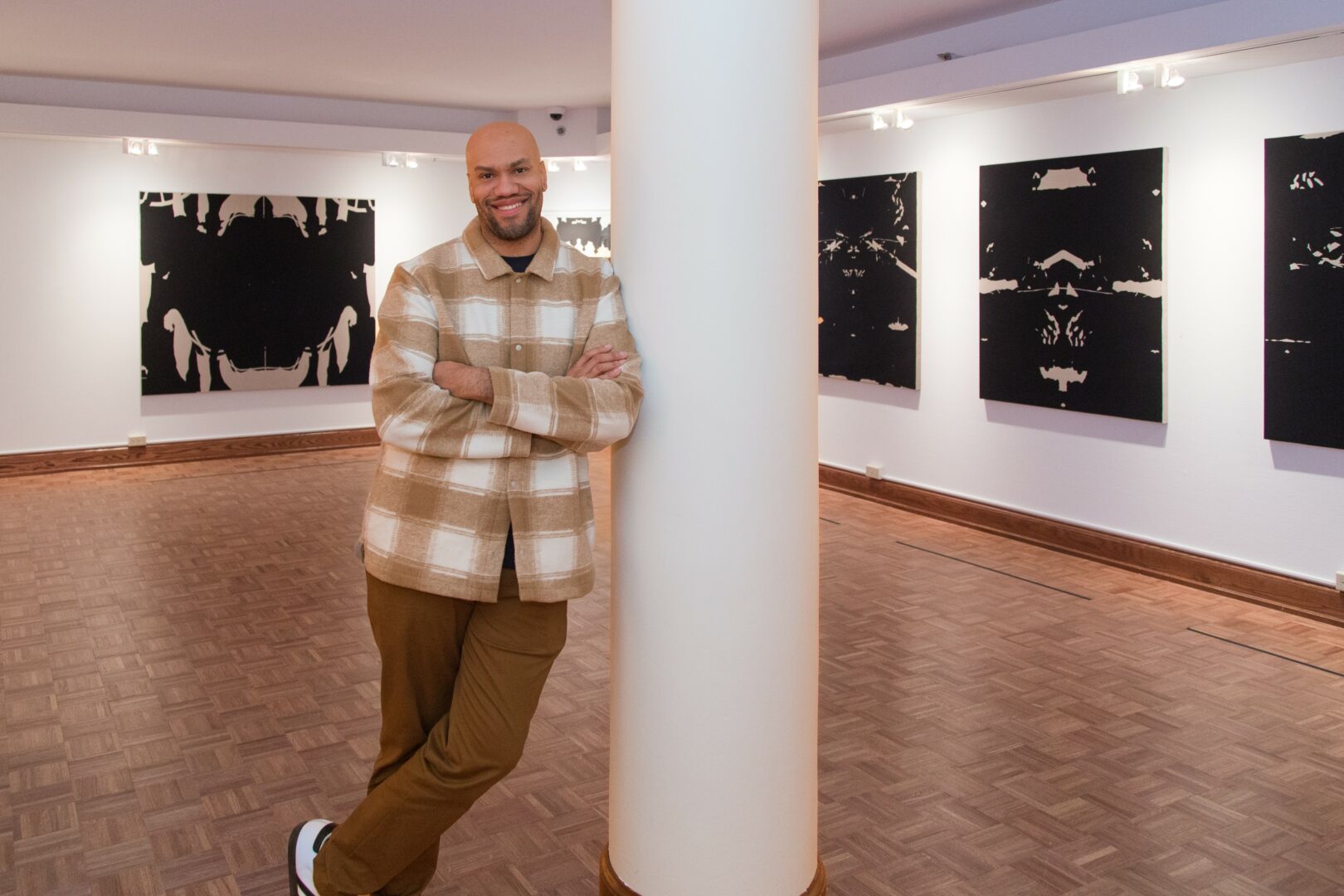
We’re looking forward to introducing you to Patrick Earl Hammie. Check out our conversation below.
Hi Patrick Earl, thank you so much for taking time out of your busy day to share your story, experiences and insights with our readers. Let’s jump right in with an interesting one: What’s more important to you—intelligence, energy, or integrity?
That’s like asking which superpower I’d rather have telepathy, teleportation, or time travel. Tempting as it is to pick just one, I don’t think they operate in isolation.
But if I had to choose, I’d say integrity. Intelligence and energy are great, but without integrity, they’re just fireworks with no grounding. Flashy, maybe even impressive, but ultimately untethered. Integrity is the throughline. It’s what keeps the work honest, the relationships real, and the mission clear, especially when the path gets messy (and it always does).
In my creative practice, integrity means refusing easy answers. It means honoring the weight of history while imagining futures that don’t repeat the same cycles. As an educator, it’s about showing up for students with transparency, admitting what I don’t know, and creating space where weird questions and radical ideas can thrive.
That said, I’m not above needing a sci-fi binge to reboot the energy sometimes. So yeah, integrity leads, but the others definitely keep things interesting.
Can you briefly introduce yourself and share what makes you or your brand unique?
Sure thing. I’m Patrick Earl Hammie, I’m a visual artist, storyteller, educator, and someone who’s been neck-deep in drawing, painting, and imagining for as long as I can remember (professionally for about 20 years now, though I’ve been doodling in the margins since elementary school).
My work lives at the crossroads of history and possibility. I use painting, collage, installation, and speculative storytelling to explore Black experience. Not just as it’s been represented, but as it could be. I’m fascinated by what happens when we let Black bodies not only remember history but rewrite it, remix it, and dream beyond it.
My current project, WE ARE… COSMIC, is a good example of where my head and heart are right now. It’s a series that asks what comes after reckoning. What happens when Black joy becomes a cosmic force, not just resistance but reimagination. Think Soul Train meets sci-fi meets ancestral memory, with a splash of horror and a wink at manga. It’s joyful, it’s haunting, and it’s trying to open up space for something new to emerge.
Outside the studio, I teach and co-create experimental courses at the University of Illinois Urbana-Champaign like Future Weird, which brings together art, physics, and AI to help students dream bigger (and weirder). I also curate exhibitions like In Blackest Shade, In Darkest Light, where drawing is treated like a speculative technology. Like a tool to reframe identity and future-building, not just make marks on paper.
At the end of the day, my practice is about reclaiming storytelling as a site of power and possibility. Whether it’s in a painting, a classroom, or an installation, I want the work to invite people to see differently, feel deeply, and imagine otherwise.
Okay, so here’s a deep one: What breaks the bonds between people—and what restores them?
Whew, going deep! Alright, at the root of it, I think what breaks bonds is usually some combo of fear, ego, and disconnection. We start seeing each other as ideas or threats instead of full, complex human beings. We flatten people into symbols, or we get so caught up in being “right” that we forget to be in relationship. And if you add systemic stuff like racism, inequality, generational trauma, those fractures go even deeper.
But what restores the bond? Story. Listening. Imagination.
I’m not just saying that because I’m an artist, though, okay, maybe a little, but I really believe that when we share stories, when we’re willing to sit in the messy stuff and hear someone’s full narrative, things shift. Empathy expands. Possibility opens. The bond doesn’t just get repaired, it gets reimagined.
In my work, I try to create space for that kind of reconnection. Whether I’m collaging dancers next to shadows from history, or inviting students to speculate about the future with Afrofuturism, I’m always asking: What else could be true? What don’t we see? What might we become if we dared to dream together, even after all that’s been broken?
Restoration, to me, isn’t about going back. It’s about building forward with care, curiosity, and a little bit of courage.
If you could say one kind thing to your younger self, what would it be?
I’d probably lean in, give him that look, you know, the “you’re doing too much” look, and say: “Hey. You don’t have to chase excellence. You’re allowed to rest, to experiment, to not know. The work will wait. The world you’re building needs you whole.”
Also, buy stock in Apple. Trust me.
But seriously, when I was younger, I thought I had to carry it all, prove it all, fix it all through the work. I didn’t always give myself permission to just be. If I could pass anything back, it wouldn’t be a technique or a shortcut. It’d be gentleness. A reminder that uncertainty is part of the process, and that imagination doesn’t come from perfection, it comes from presence.
And maybe a nudge to go ahead and take more weird electives. They’ll come in handy.
Sure, so let’s go deeper into your values and how you think. What are the biggest lies your industry tells itself?
One of the big ones?
“The work speaks for itself.”
It’s a comforting idea, especially for those already being heard. But the work doesn’t speak in a vacuum. It speaks through systems, through curators, collectors, critics, and institutions that decide what gets framed, who gets archived, and what stories are worth repeating. So when people say the work will rise on merit alone, what they’re really saying is: the system already works for me.
Another is:
“The art world is a community.”
But communities don’t require staff to unionize to be treated with dignity. MoMA PS1’s recent unionization efforts are a perfect example, when even the so-called progressive institutions resist fair labor practices, it reveals the gap between the image they project and the values they actually uphold. We can’t call it community if it’s built on imbalance.
In higher ed, we hear:
“We value diversity and critical thinking.”
But DEI programs are being stripped, and books are being banned. Not just in some abstract political sphere, but in real classrooms. Students are learning that there are limits to the kinds of stories they’re allowed to tell, especially when they center queer or politically engaged work. That’s not critical thinking. That’s containment.
Yet in the face of all this, something else is emerging.
Black-owned, artist-run spaces and collectives are building infrastructures that don’t rely on institutional approval. They’re not waiting to be included, they’re creating spaces where Black thought, form, and experimentation aren’t the exception, they’re the foundation. These aren’t just alternatives; they’re correctives. They reveal how much has been missing and how much more is possible.
So yes, the industry clings to its narratives. But truth has a way of surfacing, even when it’s inconvenient. And the people doing the most honest, expansive work right now are often the ones who stopped trying to fit inside the frame and started making their own.
Before we go, we’d love to hear your thoughts on some longer-run, legacy type questions. What is the story you hope people tell about you when you’re gone?
I hope they say I was someone who made space. Who didn’t just take up space but actively carved out room for others to see themselves, tell their stories, and imagine beyond the limits they’d been handed.
I hope they say I was serious about the work, but not precious about myself. That I asked big questions, sat with the uncomfortable ones, and kept showing up, whether it was in a classroom, a gallery, or a living room full of people dreaming sideways.
And maybe, if I’ve done it right, I hope they don’t just talk about me. I hope they talk to each other. That the work, the teaching, the conversations, I hope those things ripple. That somewhere down the line, someone who never met me still feels like the world is a little more malleable, a little more magical, because of the stories we passed down and the futures we dared to sketch together.
I don’t need a statue. I’d rather be remembered as a frequency.
Contact Info:
- Website: https://patrickearlhammie.com
- Instagram: https://www.instagram.com/patrickearlhammie
- Other: https://art.illinois.edu/people/profiles/patrick-earl-hammie/
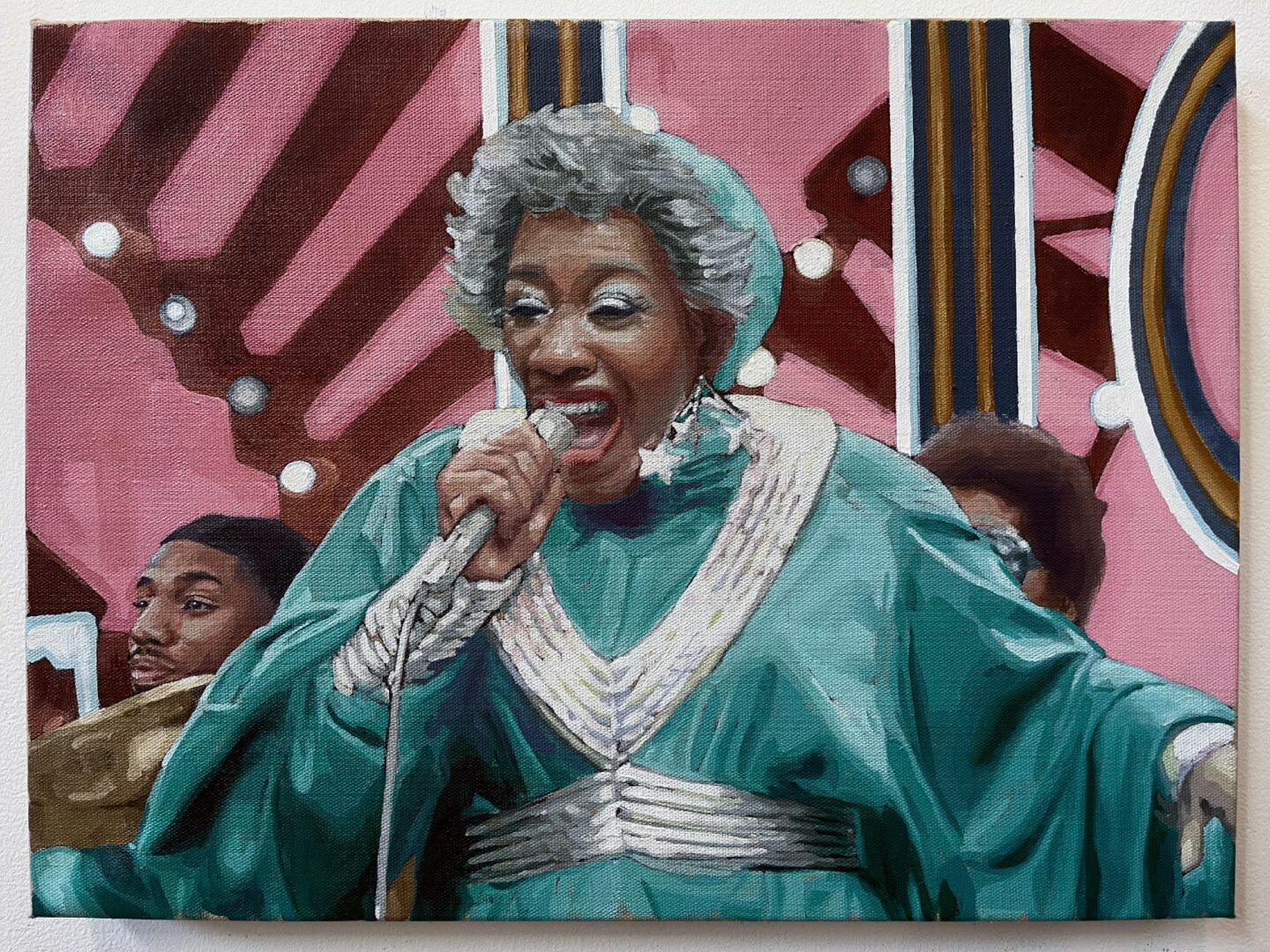
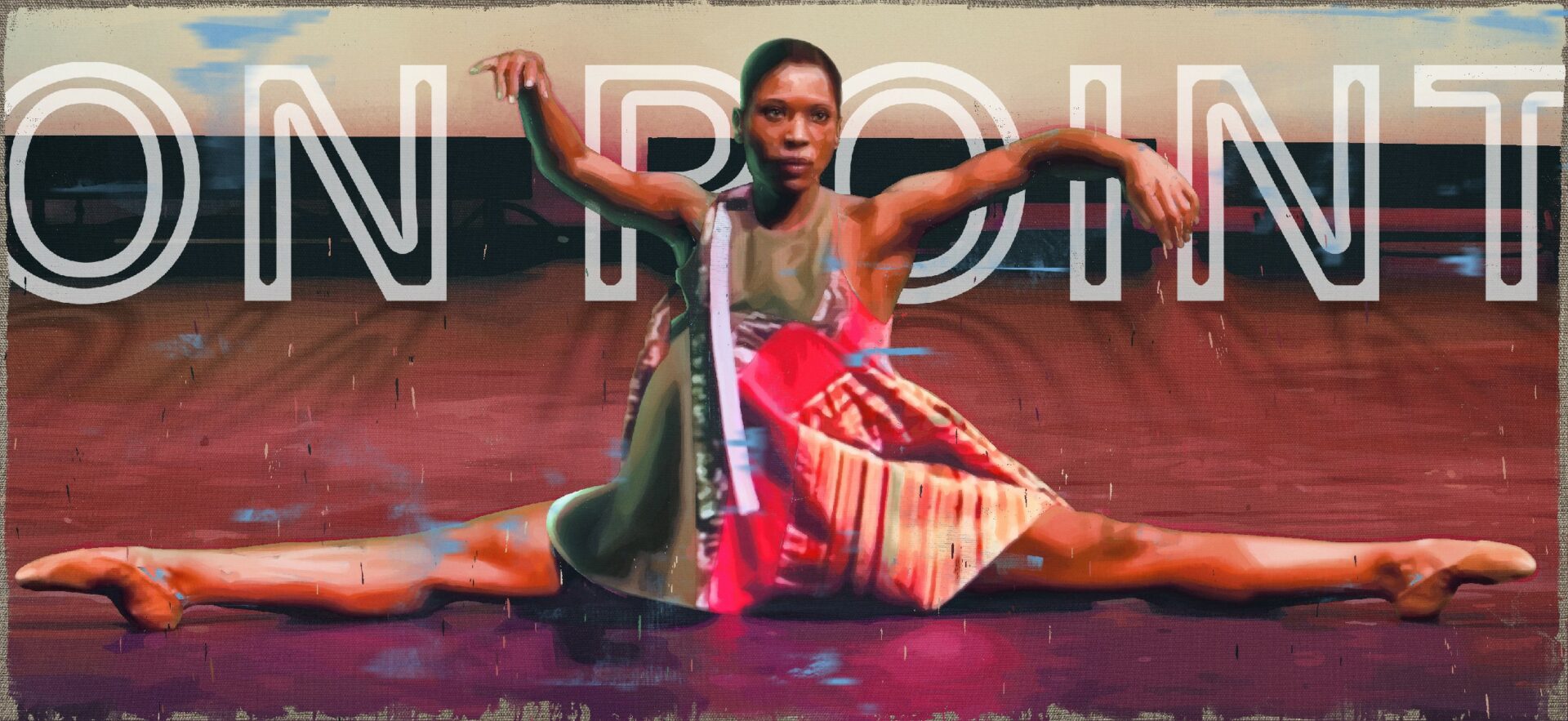
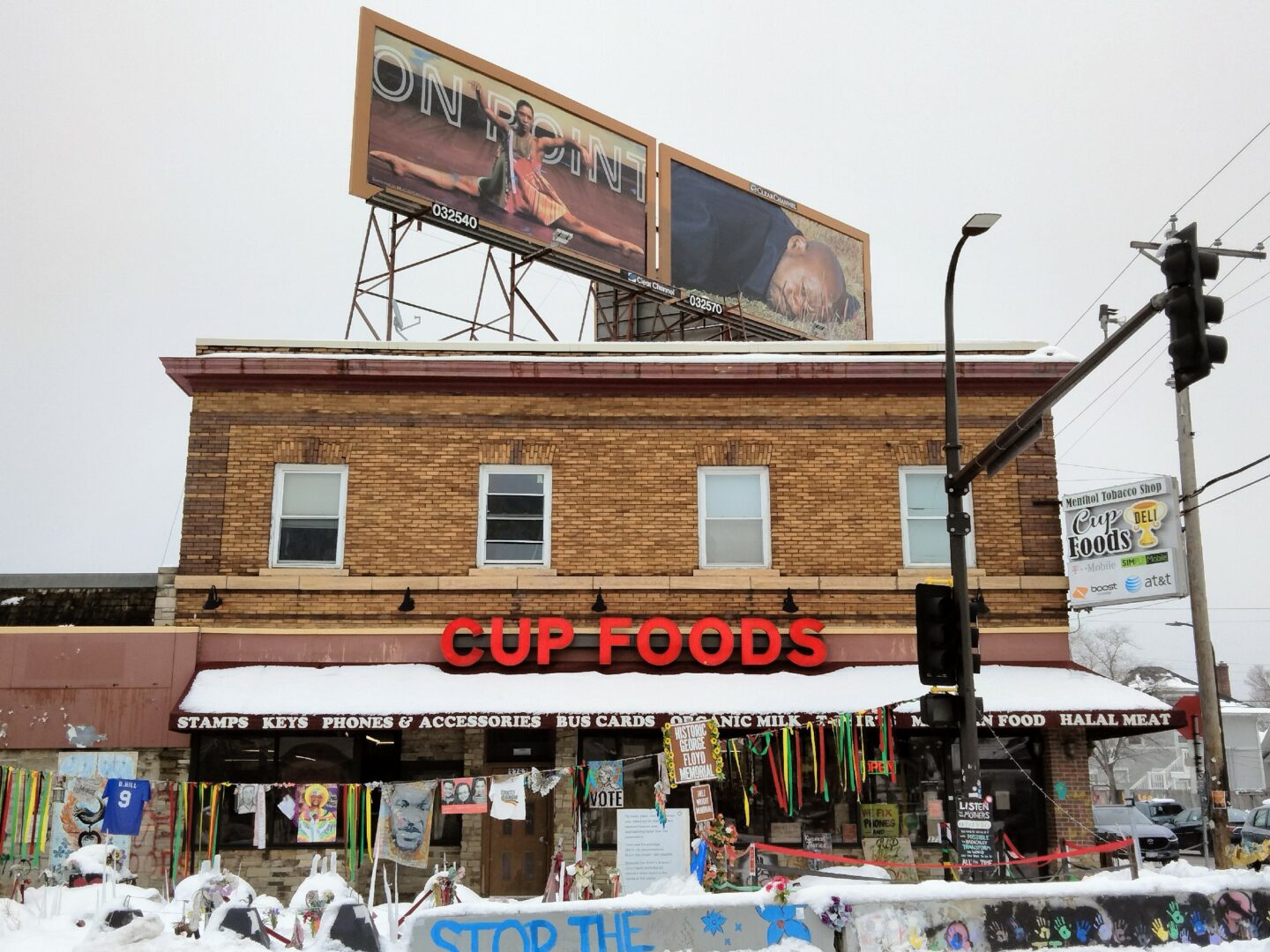

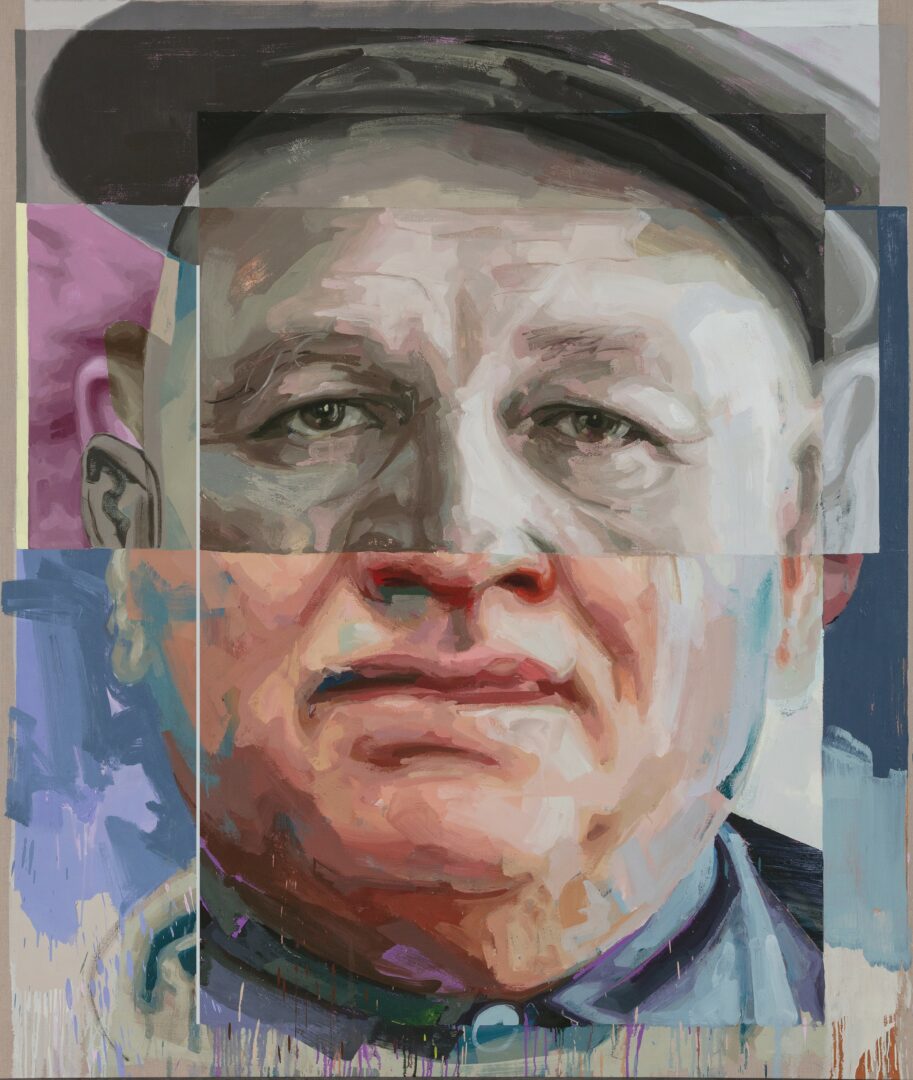
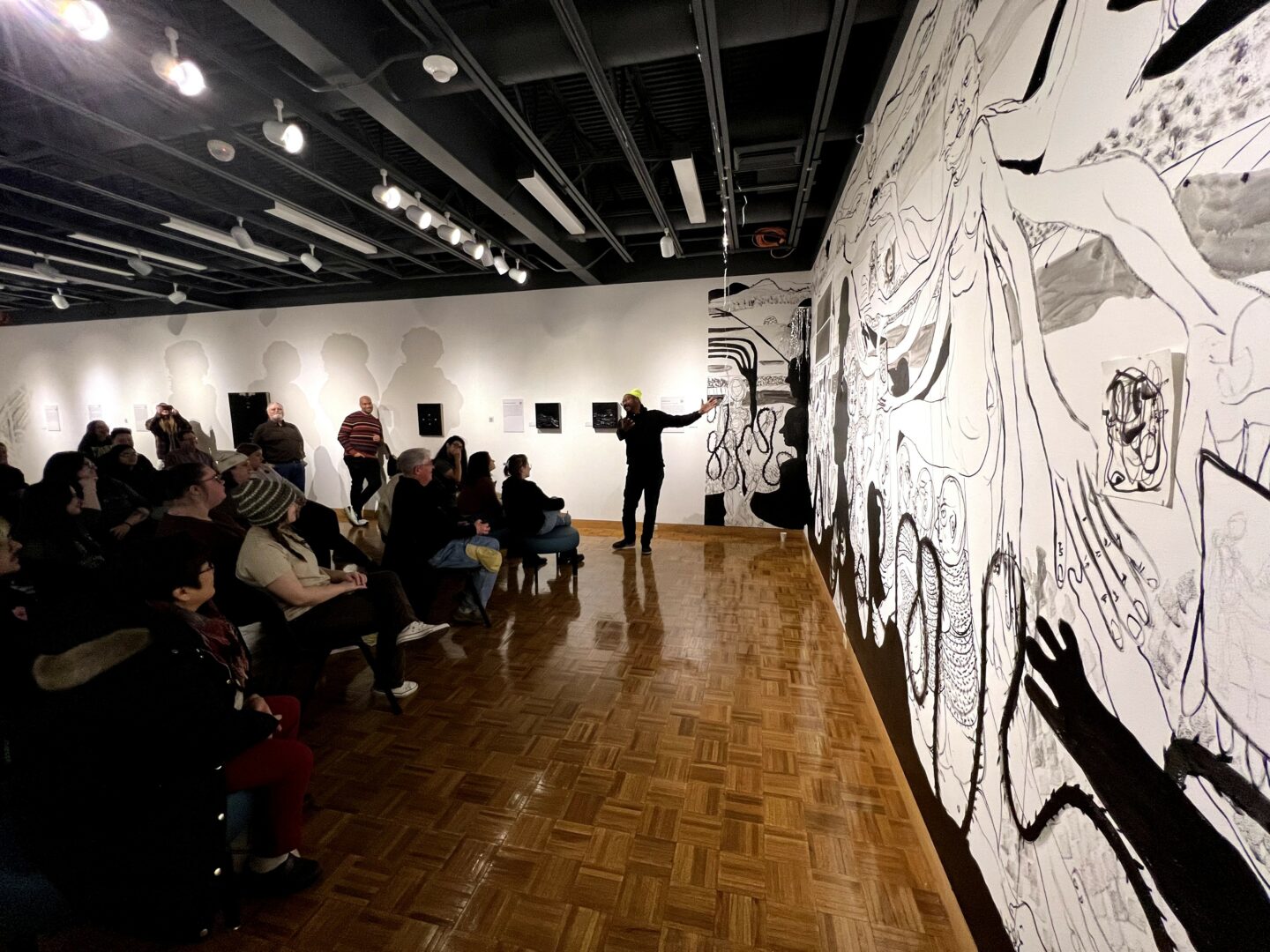
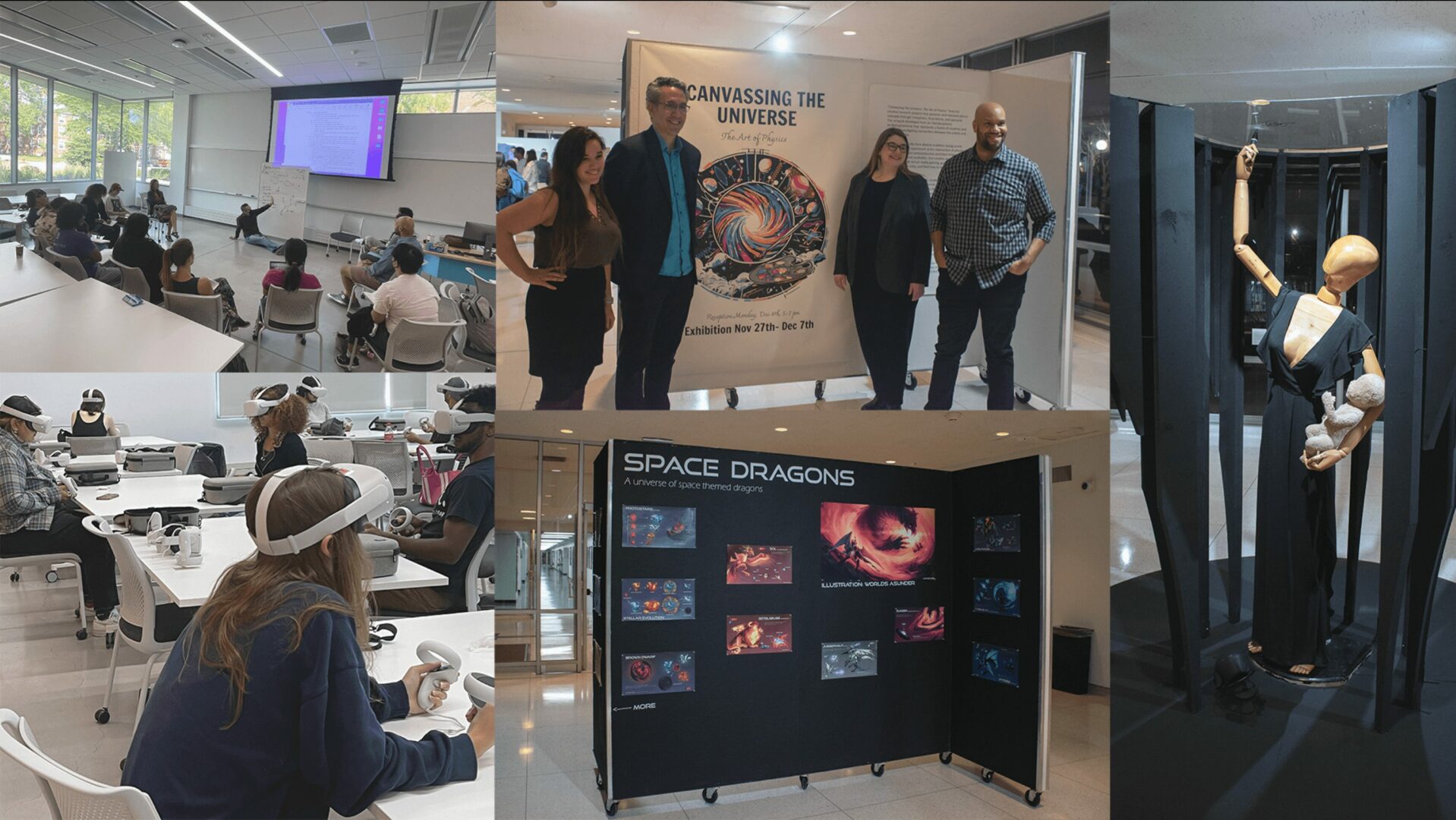
Image Credits
3_George Floyd Memorial_Social Justice Billboard Project, Northeast Sculpture | Gallery Factory
so if you or someone you know deserves recognition please let us know here.