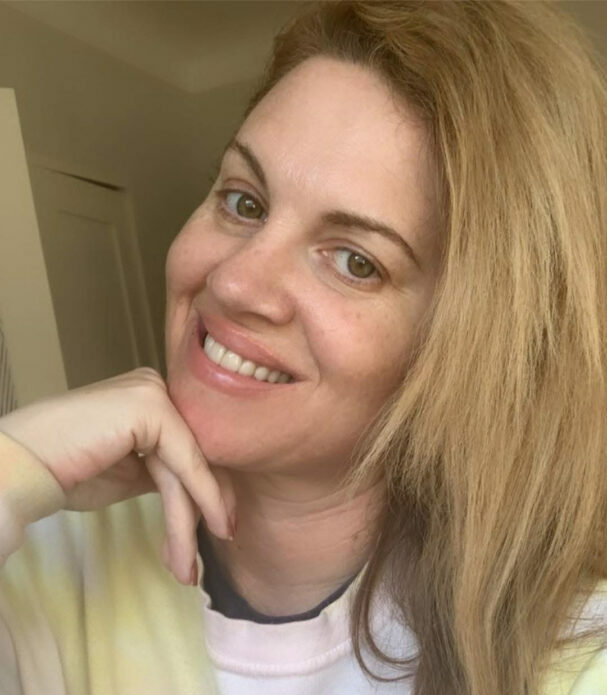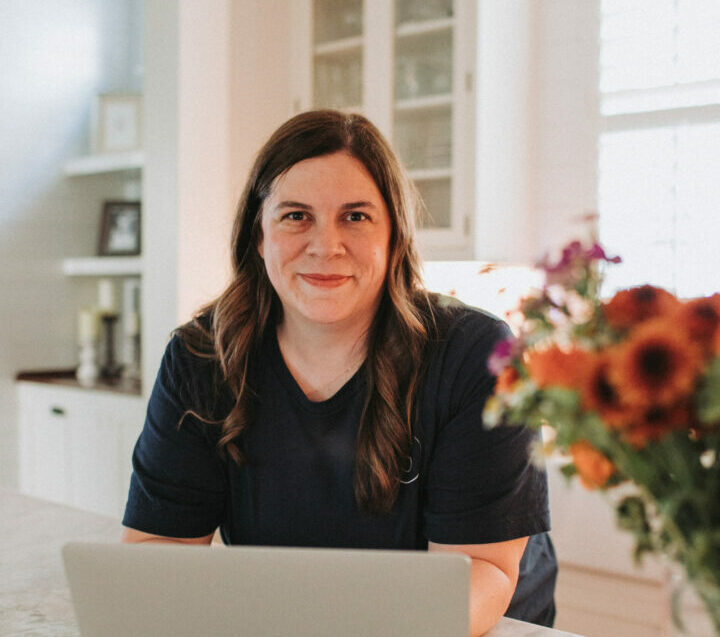
Sally J. Pla shared their story and experiences with us recently and you can find our conversation below.
Sally J. , it’s always a pleasure to learn from you and your journey. Let’s start with a bit of a warmup: Who are you learning from right now?
I am learning from children and young people. The ones who write to me after having read one of my books. (My books all deal a bit with anxiety and mental health struggles.) The ones who ask me questions at virtual school visits, or send me sketches and drawings. Kids today are up against some tough times. So many of them are dealing with deep, difficult stuff in this increasingly tangled bewilderness of a world. And I am so impressed by them. Their honesty and purity of spirit. Their emotional intelligence. Young people who are not afraid to speak honestly, give me hope for the future.
Can you briefly introduce yourself and share what makes you or your brand unique?
I’m an author of books for young people. My books have won the American Library Association Schneider Family Award, the Dolly Gray Award, and the CLCSC Juvenile Fiction Award, among others. They’ve been translated into many languages, have gained starred reviews, and appeared on many state awards lists and “best books” roundups. As a late-diagnosed autistic adult, I have appeared on television and radio as an author and autism advocate. I also run the website resource A Novel Mind (anovelmind.com). I have English degrees from Colgate and Penn State Universities, and have worked in the past as a journalist and in public education. I believe in kindness, respect, and the beauty of different brains. We are all stars shining with different lights!
Appreciate your sharing that. Let’s talk about your life, growing up and some of topics and learnings around that. Who were you before the world told you who you had to be?
I was a very odd child. I sang and hummed and shook and tiptoed, and felt as if I lived inside a glass box, apart from the world. I was shy around other people to the point of long bouts of muteness. I was a straight A student who begged to stay home from school because the sensory overload was overwhelming to me.
In sum, I was an undiagnosed autistic child, growing up in the ’60s and ’70s.
I loved music, art, writing. I wallowed in words, words, words! I loved reading. I wrote little stories, poems, songs. I dealt with my difficult reality by writing little fictions of social situations, rearranging reality into my own little stories.
Eventually I realized I needed to join the world, so I put on the mask of blending in. I put away all ideas of a creative artist life and funneled my love of writing into becoming a business journalist as an acceptable, sensible way to earn a living as a writer. For a long time, I didn’t dream or dare to allow myself to be creative.
When did you stop hiding your pain and start using it as power?
My First Act: My family home life was ruled by a father who would fly into sudden, horrible rages., leaving me feeling small, helpless, and alone. In adolescence, I had no idea how to relate to others or how to stand up for myself. In college, I was often sexually assaulted and coerced. In grad school, I ended up living with an abusive, violent, alcoholic boyfriend.
My Second Act: Slowly, by my late 20s, I got myself together. I figured out the norms and expectations, worked as a business magazine editor, and did very well. I felt like part of a great work community. I got happily married. and had children. These were wonderful years.
My Third Act: A bout with cancer made me revisit my longing to fulfill more creative pursuits. What was so wrong with wanting to try and write a book? Something meaningful for young people, to help them understand and overcome their own fears and struggles. So I started writing The Someday Birds. And the voice of the main character, Charlie, to my wonderment, unlocked my own, long-hidden, childhood voice. Writing that book turned pain and turned it into power, and I’ve been writing ever since.
Alright, so if you are open to it, let’s explore some philosophical questions that touch on your values and worldview. What truths are so foundational in your life that you rarely articulate them?
That children are sacred, and protecting their future on this precious earth is paramount.
That when you forgive, you free yourself. Resentment is a prison.
That all humans and all living creatures have innate worth.
That loving kindness is the best thing we can offer the world.
Okay, so let’s keep going with one more question that means a lot to us: What do you think people will most misunderstand about your legacy?
I suspect I’m known as a ‘niche’ author who is mainly read by people with an interest in autism or mental health or disability, because my characters do have aspects of disability or neurodivergence. But the stories I write about them are not “about” differences at all. They are about what we have in common as humans: anxieties, insecurities, peril and adventure, resilience, overcoming hardship. A cross-country road trip to see an injured parent. Entering a city-wide treasure-hunt to prove one’s worth to a friend. Contending with shyness, confusion, and mean girls at school. Dealing with wildfire, evacuation, and steep waves of change.
I hope people understand that my books are meant for ALL readers, young or old, neurodivergent or neurotypical, disabled or not. They are labeled as what’s called “middle grade” novels, but I write them as, and mean them to be, G-rated family novels about modern contemporary life, written with humor and heart.
Contact Info:
- Website: https://sallyjpla.com
- Instagram: @sallyjpla
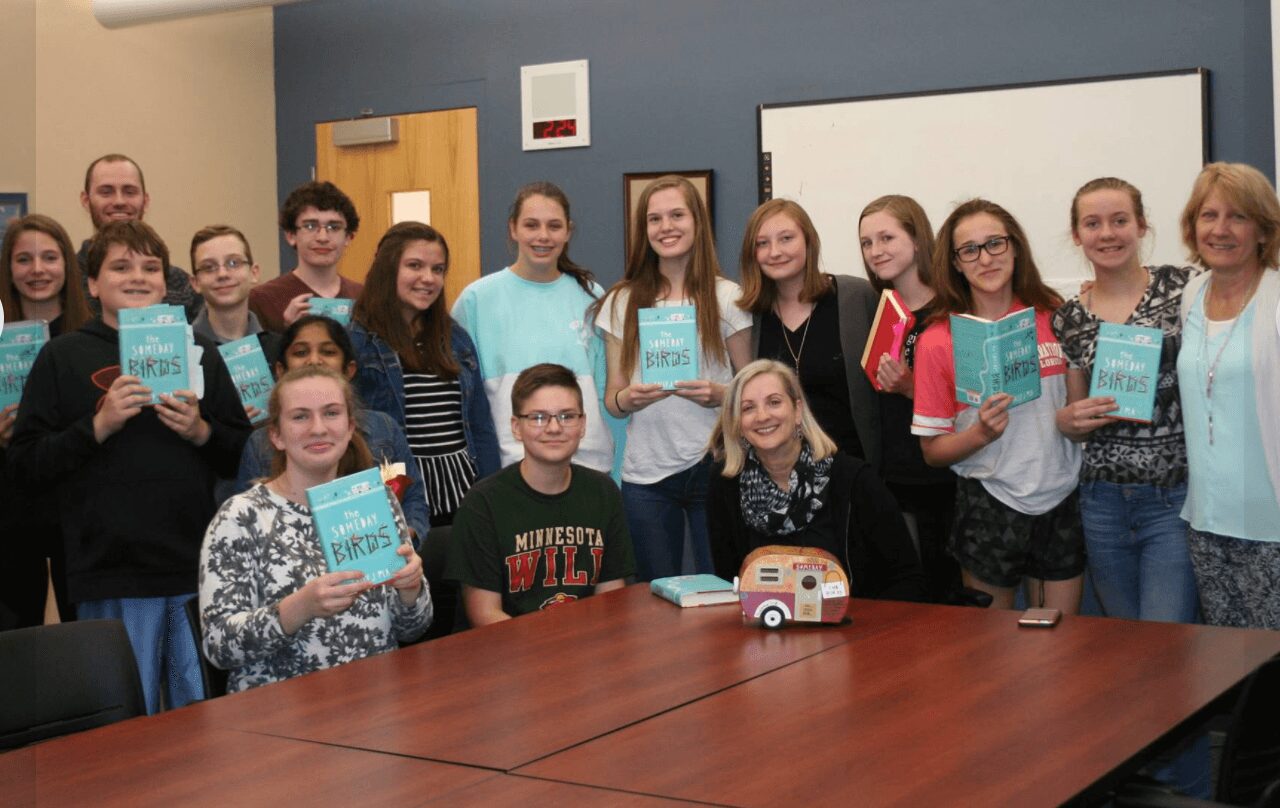
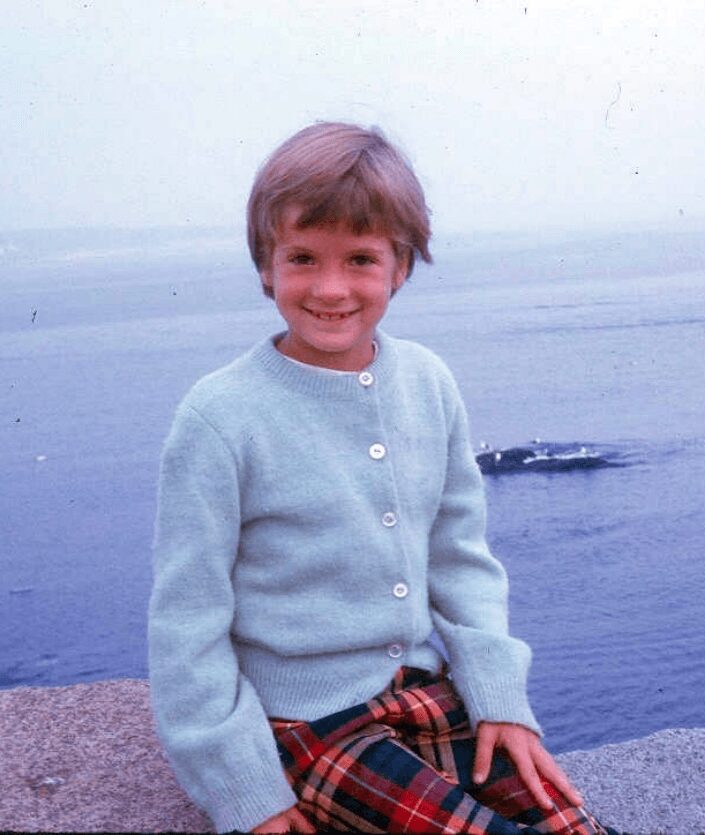
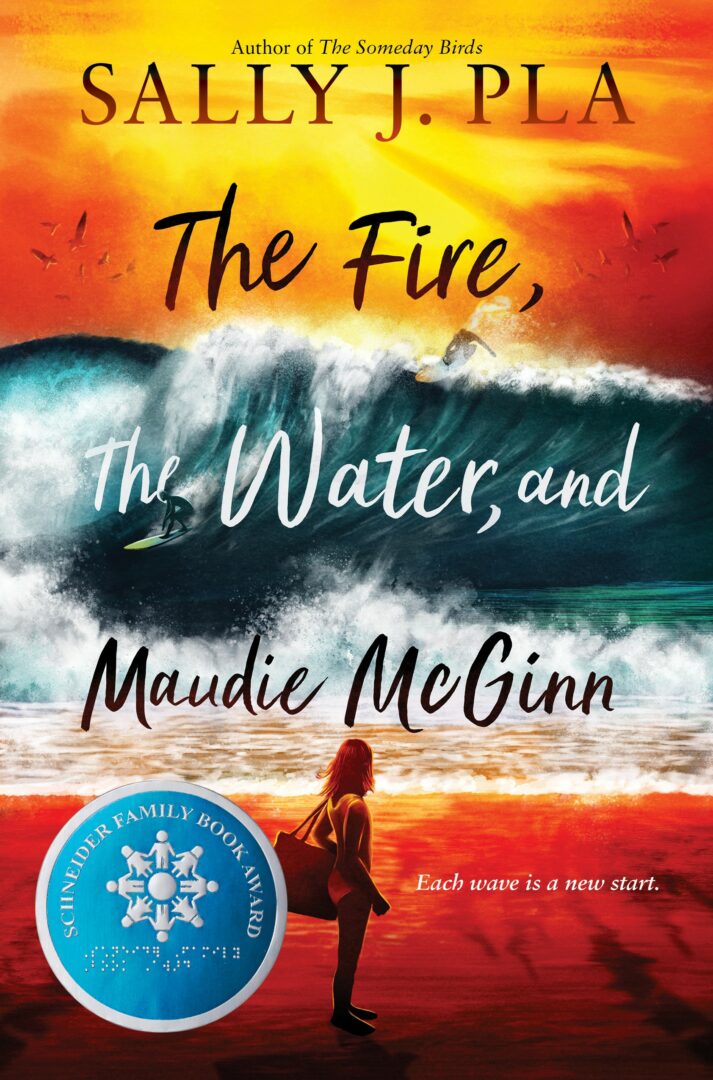
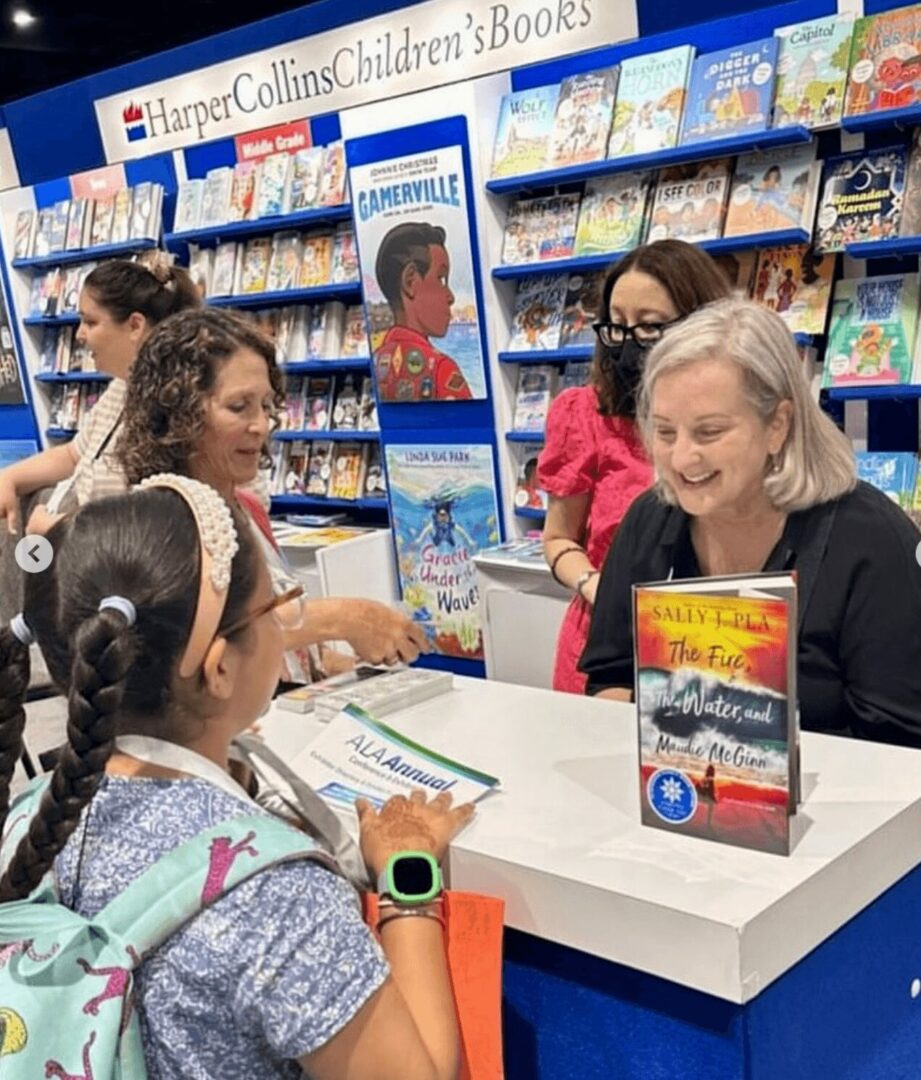
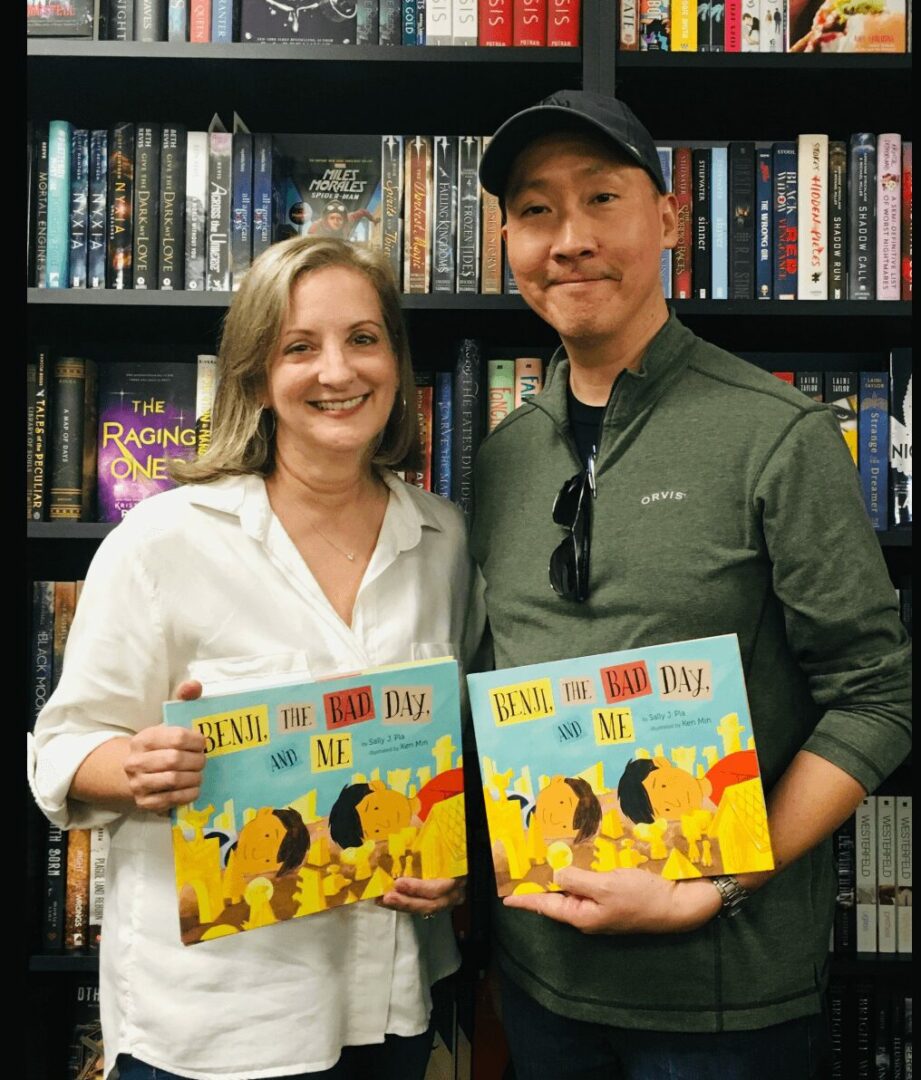
Image Credits
S.J. Pla
so if you or someone you know deserves recognition please let us know here.