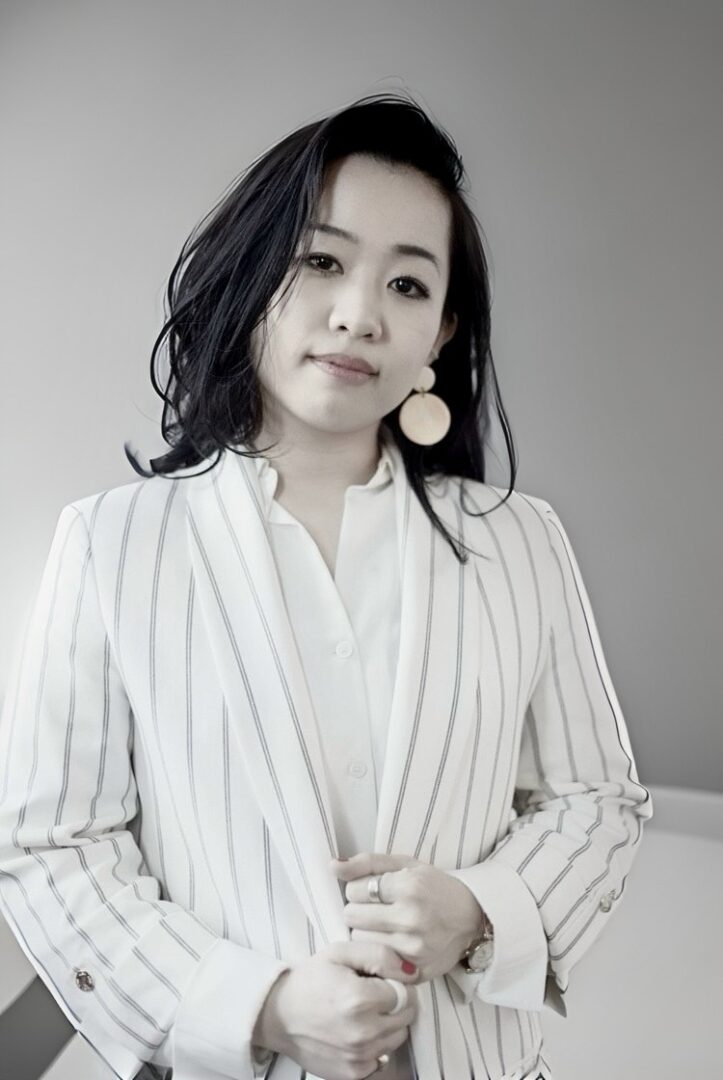
We recently had the chance to connect with Yuko Kyutoku and have shared our conversation below.
Hi Yuko, thank you so much for joining us today. We’re thrilled to learn more about your journey, values and what you are currently working on. Let’s start with an ice breaker: What is a normal day like for you right now?
My typical day is pretty fun and creative. Every morning, I have a specific routine. I start my day by making coffee and chanting. I’ve got work meetings, art projects, and a few other things on my plate. I’m also working on some other creative projects at the same time, like writing children’s books and books with publishers. I’m juggling a bunch of projects right now. When I have some free time, I like to do leisure activities and hobbies like exercising, aromatherapy, yoga, meditation, chanting, reading, watching anime, and meet up with coworkers and other artists to talk about new ideas. I usually have some projects that I’m working on in addition to my regular job. Because of this, my normal day can vary depending on the project I’m working on at the moment.
Can you briefly introduce yourself and share what makes you or your brand unique?
My name is Yuko Kyutoku. I am a Japanese contemporary artist, art therapist, teaching artist, and curator based in New York. I have worked as an artist for over 13 years and have organized some group shows. I also performed in solo shows around the world, including in Greece, Japan, and New York. I’m a therapist and I’ve worked at a children’s hospital for almost three years. In addition to these projects, I’m working on several other projects at the same time. For example, I’m writing a book about therapy and a children’s picture book with a publisher. I am very passionate about art, culture, education, and therapy. My work has been focusing on these areas, especially in recent years. For example, I reviewed other people’s work for a publisher and was a judge for art grants in New York. I have finished many training programs. These include a 200-hour yoga teacher training program, a program to become a certified meditation and mindfulness teacher, an Ayurvedic nutritionist training program, and a program in pranayama (breathing exercises) and breathwork. I plan to study more modalities in the future.
Appreciate your sharing that. Let’s talk about your life, growing up and some of topics and learnings around that. Who taught you the most about work?
I would say that I was inspired by the work ethic and philosophy of my mentor, Dr. Daisaku Ikeda. Dr. Ikeda was a Buddhist philosopher, peacebuilder, educator, author, and poet. He spent his life trying to create a lasting culture of peace by encouraging people to talk about their ideas. He strongly supported and practiced a type of education called “value-creating education,” which encourages people to grow and contribute to society in ways that match their strengths and interests. Dr. Ikeda viewed the workplace as a training ground for character and humanity, not just a place to earn money. He encouraged individuals to use their jobs to discover and develop their potential. He taught that work should contribute to the happiness and well-being of people and society as a whole. Employees should strive to become indispensable through their efforts. His philosophy included upholding the dignity of life and respecting individuality. He also encouraged creating a workplace culture based on trust, respect, and transparency (“The Fresh Glow of Youth.” World Tribune, Aug 20, 2023, www.worldtribune.org/2019/advice-on-raising-and-educating-children/#:~:text=Also%2C%20we%20shouldn’t%20try%20to%20force,heartfelt%20respect%20and%20consideration). I work as a therapist and teaching artist, and this philosophy has had a significant impact on my projects. I have always striven to instill values in the workplace and take the initiative.
When you were sad or scared as a child, what helped?
When I was sad, I would go to my mother’s friend’s house. She was a doctor, and she often let me stay in her guest house, which was full of books. She would often give me a hot drink, like honey ginger tea, and let me stay in her place for a long time. She also encouraged me to read something nice. She also often gave me picture books with pretty pictures. It made me feel better. I still think about the past a lot. Even now, I like to relax and enjoy some quiet time, especially at night, over a cup of tea. I also like to read something interesting. I make my own tea. I add sliced ginger, goji berries, and honey. I use hot water to make the tea like she used to make for me.
Sure, so let’s go deeper into your values and how you think. What’s a cultural value you protect at all costs?
One thing I like about Japanese culture is that it’s known for its hardworking nature. People in Japan work hard and want to be the best.The Japanese education system focuses on being the best and working hard. In the workplace, employees are expected to be highly trained and knowledgeable. I kept training to become a better clinician and artist, and these learning experiences make my work even more rewarding and enjoyable because of the value I have gained. Japanese culture also makes people more efficient and productive. These values often help me in many ways. For example, they help me stay on a diet and exercise regularly. This helps me stay productive. The value inspired me to do my best. If you put in the effort and learn the job, you will enjoy it. It’s good to work hard. If you like your job, you can develop your talent.
Okay, we’ve made it essentially to the end. One last question before you go. Are you doing what you were born to do—or what you were told to do?
I would say that I’m living my purpose, which is to help people through therapy, art, and other creative activities. I love mental health, the arts, and creativity. I chose my path on my own. I’ve loved art since I was a child. I have also faced mental health challenges. Because of my history, I’m passionate about mental health, art, psychology, and creativity. After a hard time, I found my true passion. When I found art therapy, I thought it was meant for me. I then studied for a master’s degree in art therapy, which is a perfect career for me. Art therapy allowed me to combine and express all the subjects I am interested in. I’m also growing in my career thanks to art therapy. I have been working on some book projects, including children’s books about mental health, children with autism, and art therapy, with publishers. My goal is to raise awareness about mental health and reduce the stigma around it. I hope to do this by providing psychoeducation through this picture book. I’ve also organized some shows about mental health in New York in past years. I’ve exhibited several artworks that express ideas about mental health, therapy, and healing with other art therapists. If I were reborn, I would become an artist and a mental health advocate. I’m excited to grow my career and contribute to the community in the future.
Contact Info:
- Website: https://www.yukokyutoku.com/
- Instagram: Yuko.kyutoku
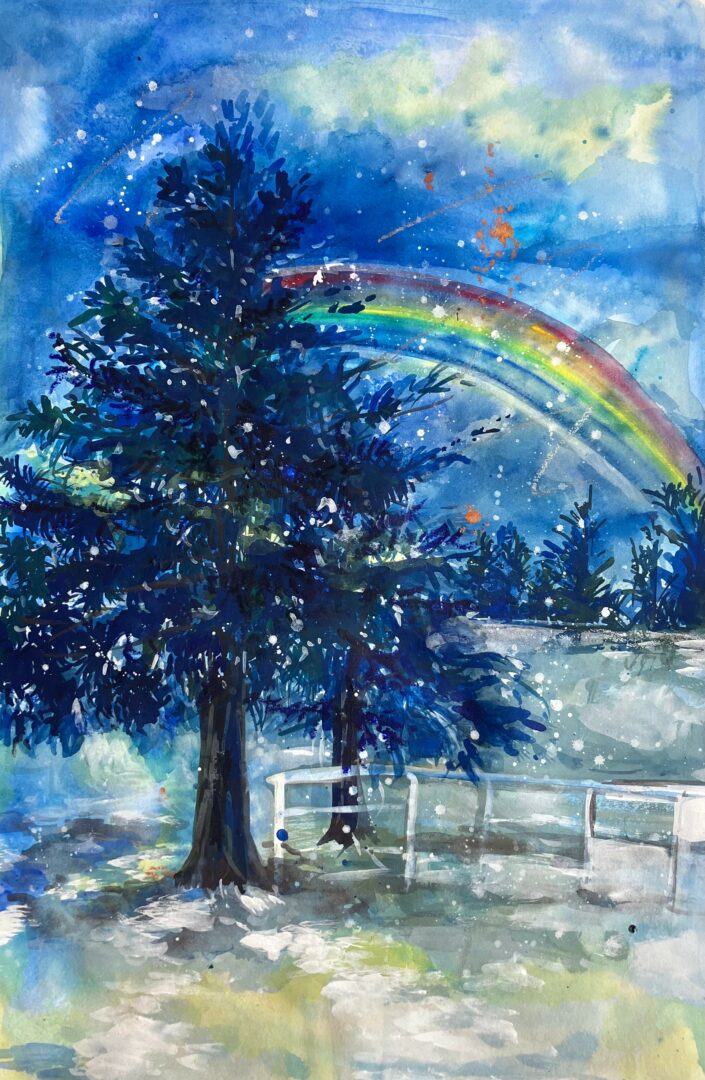
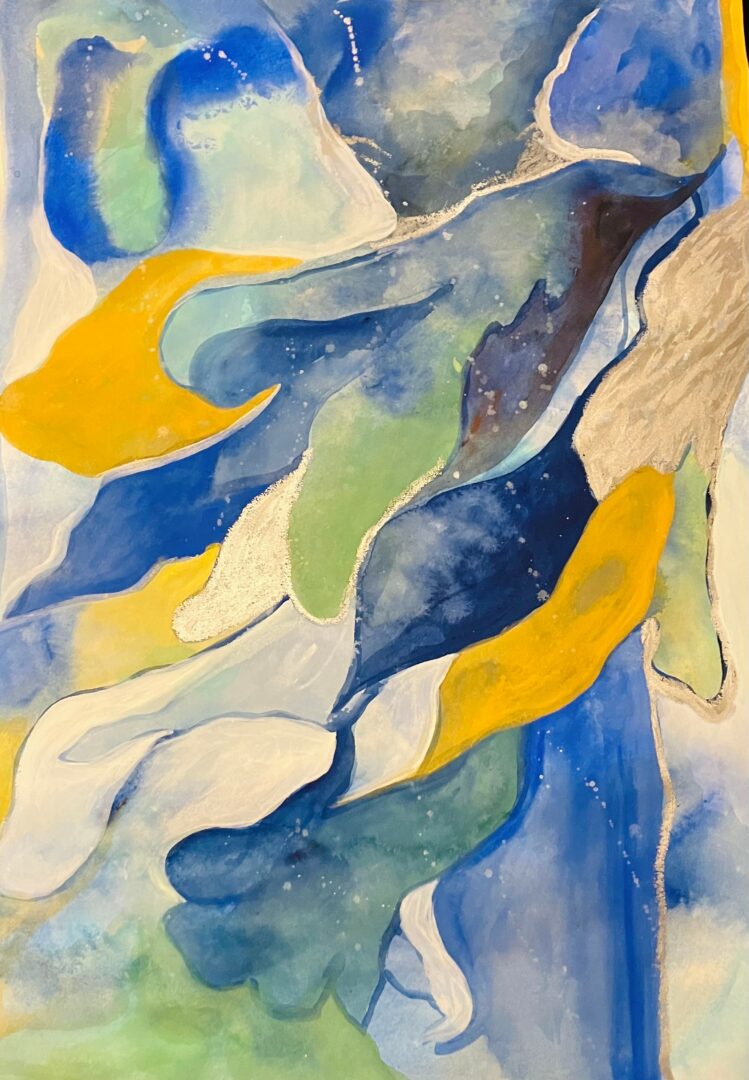
Image Credits
Ramsey Vazquez ( Photo Credit)
so if you or someone you know deserves recognition please let us know here.