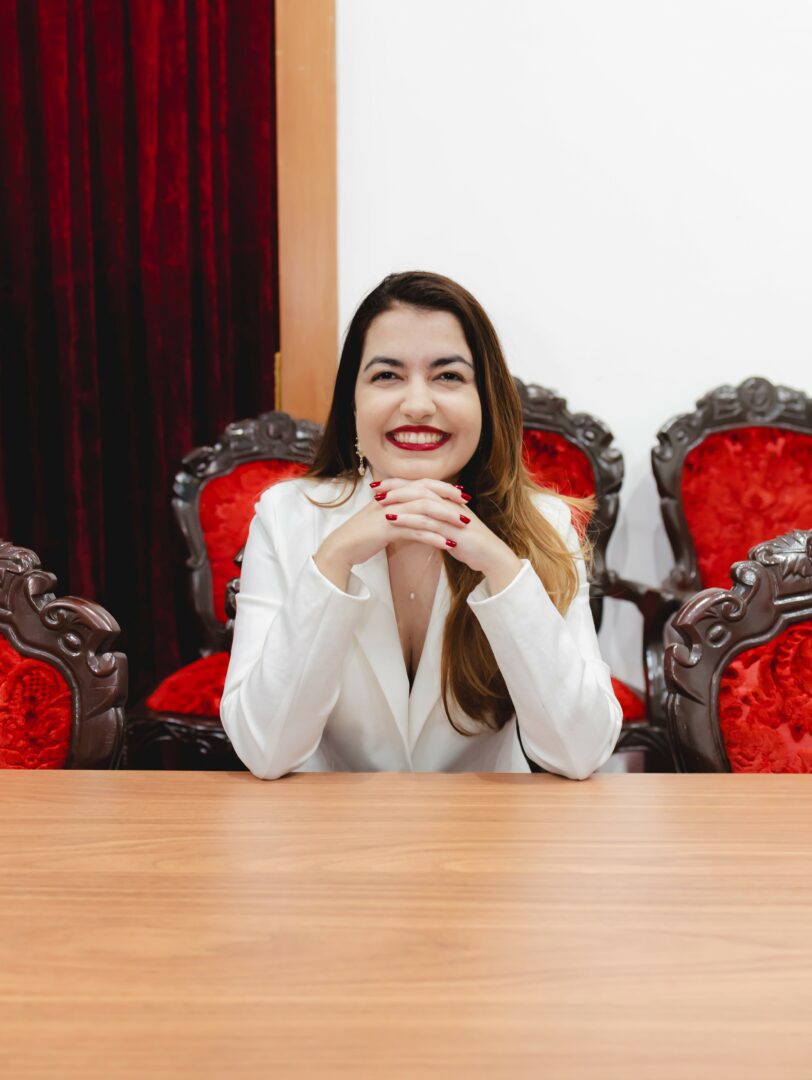
We recently had the chance to connect with Gabriela Lages Veloso and have shared our conversation below.
Gabriela, so good to connect and we’re excited to share your story and insights with our audience. There’s a ton to learn from your story, but let’s start with a warm up before we get into the heart of the interview. What makes you lose track of time—and find yourself again?
Seeing the sea makes me lose track of time. Whenever I see its immensity, at the limits of the horizon, I find myself again. I feel so small next to it, but at the same time so big, perhaps because I feel part of the sea. I wrote the following poem about it:
The Sea
Gabriela Lages Veloso
No one has ever touched
your mystery. You have this
immensity that crosses
horizons, but a
simple shell contains you.
On the surface, all we
can see is a
mirror disturbed by the
waves. A strong wind
insists on rocking your
salt-laden waters.
In the depths, all
that can be heard is the echo of
your silence, which cries out to the
four winds, stories
shipwrecked by time.
On this journey, you have the
moon as your guide for your
tides. Those who cross
your waters, even if
only with their gaze,
feel the difficult freedom
of returning to port.
Can you briefly introduce yourself and share what makes you or your brand unique?
I am a Brazilian teacher, writer, poet, anthologist, and literary critic. I have a degree in Letras – Língua Portuguesa at the Universidade Estadual do Maranhão (UEMA, Brazil). I also have a master’s degree in Letras, in the line of Theoretical and Critical Studies in Literature, at the Universidade Federal do Maranhão (UFMA, Brazil).
In addition, I am the author of the books Através dos Espelhos de Guimarães Rosa e Jostein Gaarder: reflexos e figurações
(Editora Diálogos, essay, 2021), co-authored with Professor Jeanne Sousa da Silva, and O Mar de Vidro (Caravana, poetry, 2023), which won second place in the 2024 Best Poetry Book Award, promoted by the Academia Maranhense de Letras (AML, Brazil).
My book O Mar de Vidro can be found in the collections of the world’s most prestigious libraries, such as: Linga-Bibliothek, at the University of Hamburg, Germany; Cambridge University Library, England; Macau Polytechnic University Library, China; Université Sorbonne Nouvelle Library, France; and Widener Library, Harvard University, United States.
I am also the book organizer Poéticas Contemporâneas: uma cartografia da escrita de mulheres (Brecci Books, 2023), As Sombras da Cidade: Coletânea de Contos, Crônicas e Poemas (Brecci Books, 2024), and Jogo de Espelhos: entre símbolos e representações literárias (Lema d’Origem, Portugal, 2024). I am currently a columnist for the Imirante.com portal.
Appreciate your sharing that. Let’s talk about your life, growing up and some of topics and learnings around that. What’s a moment that really shaped how you see the world?
Without a doubt, the moment that truly shaped the way I see the world was when I chose to study for a degree in Literature. Reading books critically and attentively made me reflect and understand reality better. I have never been the same since I chose this career, and I am happy about that.
Was there ever a time you almost gave up?
In Rainer Maria Rilke’s book Letters to a Young Poet, it is said that one of the biggest challenges facing novice writers is the unbridled desire to please their readers. In the beginning, I was like that too. I asked people to read my texts and give me their opinions. The problem is that many people enjoy destroying other people’s dreams, especially when they are just starting out. So, I received a lot of negative criticism and many “no’s” from magazines. I remember almost giving up on being a poet when I sent the same poem to three magazines and all three rejected my work. But, reading Letters to a Young Poet, I learned that I needed to like my poetry, I needed to feel it, live it, and breathe it. The exterior is important, but for art, the interior is essential. Art must, above all, please the artist and only then their admirers. In fact, that poem that was rejected is now in my poetry book O Mar de Vidro (The Sea of Glass), which won second place in the 2024 Best Poetry Book Award, promoted by the Academia Maranhense de Letras (AML, Brazil). But that was only possible because I didn’t give up.
So a lot of these questions go deep, but if you are open to it, we’ve got a few more questions that we’d love to get your take on. What’s a belief or project you’re committed to, no matter how long it takes?
I am committed to the project of bringing reading to people in an accessible and lighthearted way, which is why I write about books every month in my column on the Imirante.com portal (a website affiliated with the Globo network).
Okay, so before we go, let’s tackle one more area. If immortality were real, what would you build?
If immortality were real, I would read every book ever written and every book yet to be written. I would travel to every corner of the world, walk every road, climb every mountain, and swim in every river, lake, and sea. In addition, I would devote myself to all types of art and try every profession in existence. I would also be friends with the great geniuses I admire, and who knows, maybe become one of them. I would study all the sciences and create my own inventions. I would live many lives, be many people, and be in many places. But, come to think of it, maybe I am already immortal: every artist is immortal in their art.
Contact Info:
- Website: https://m.imirante.com/colunas/gabriela-lages-veloso
- Instagram: https://www.instagram.com/_gabriela_lv?igsh=MjZoaWsxdWJ2YWx4
- Linkedin: https://www.linkedin.com/in/gabriela-lages-veloso
- Youtube: https://youtube.com/@gabrielalages?si=T2WaYQ1WMRvksY5n
- Other: E-mail: [email protected]
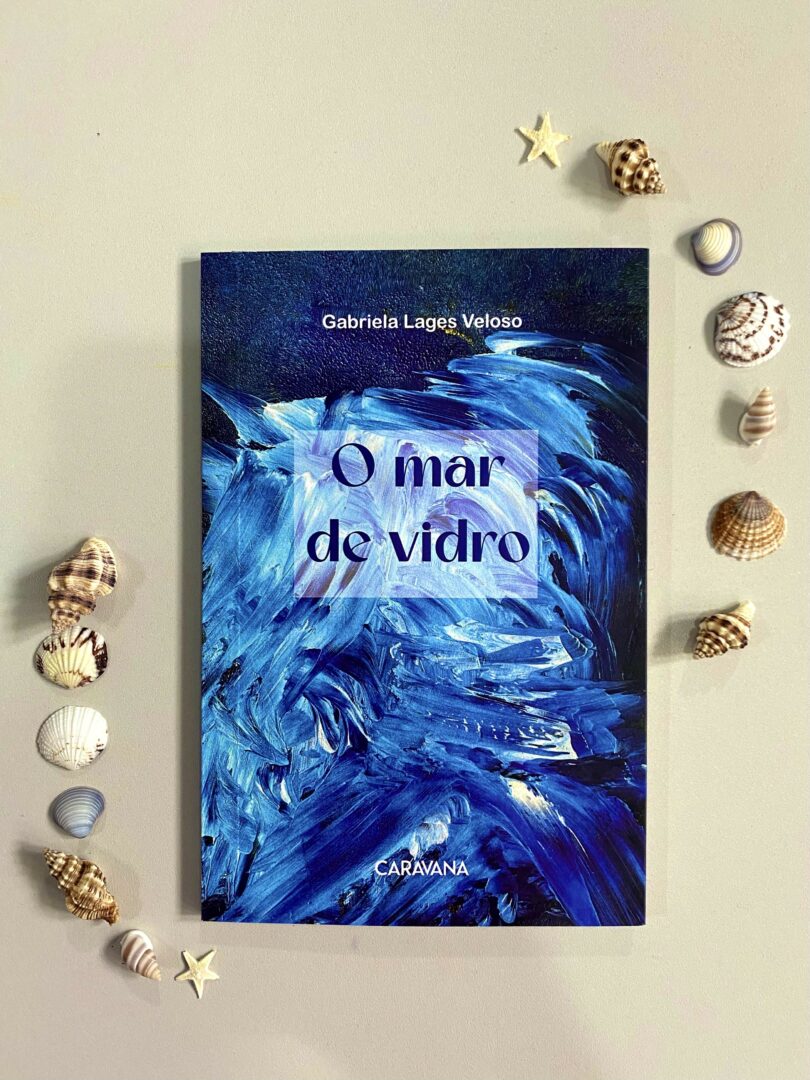
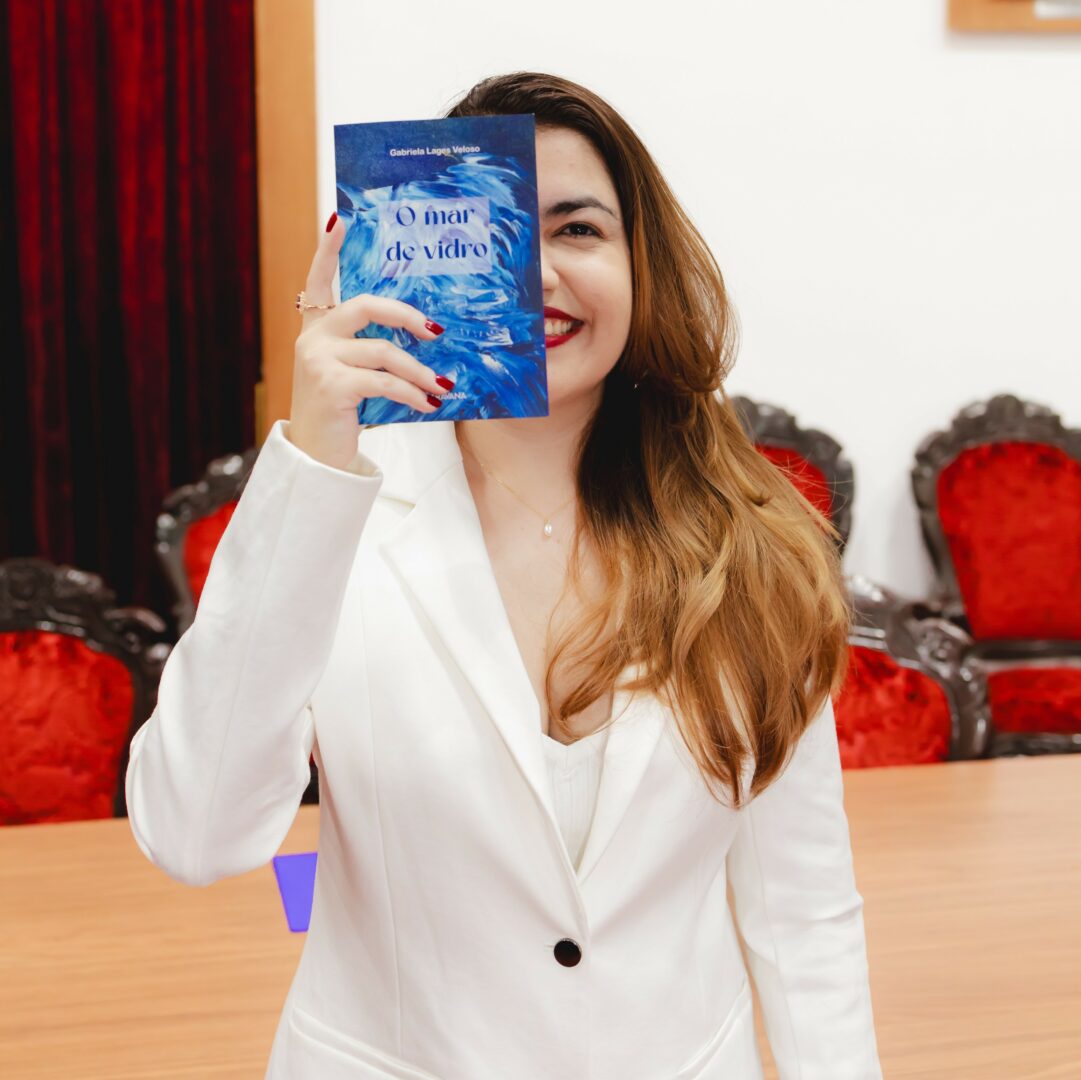
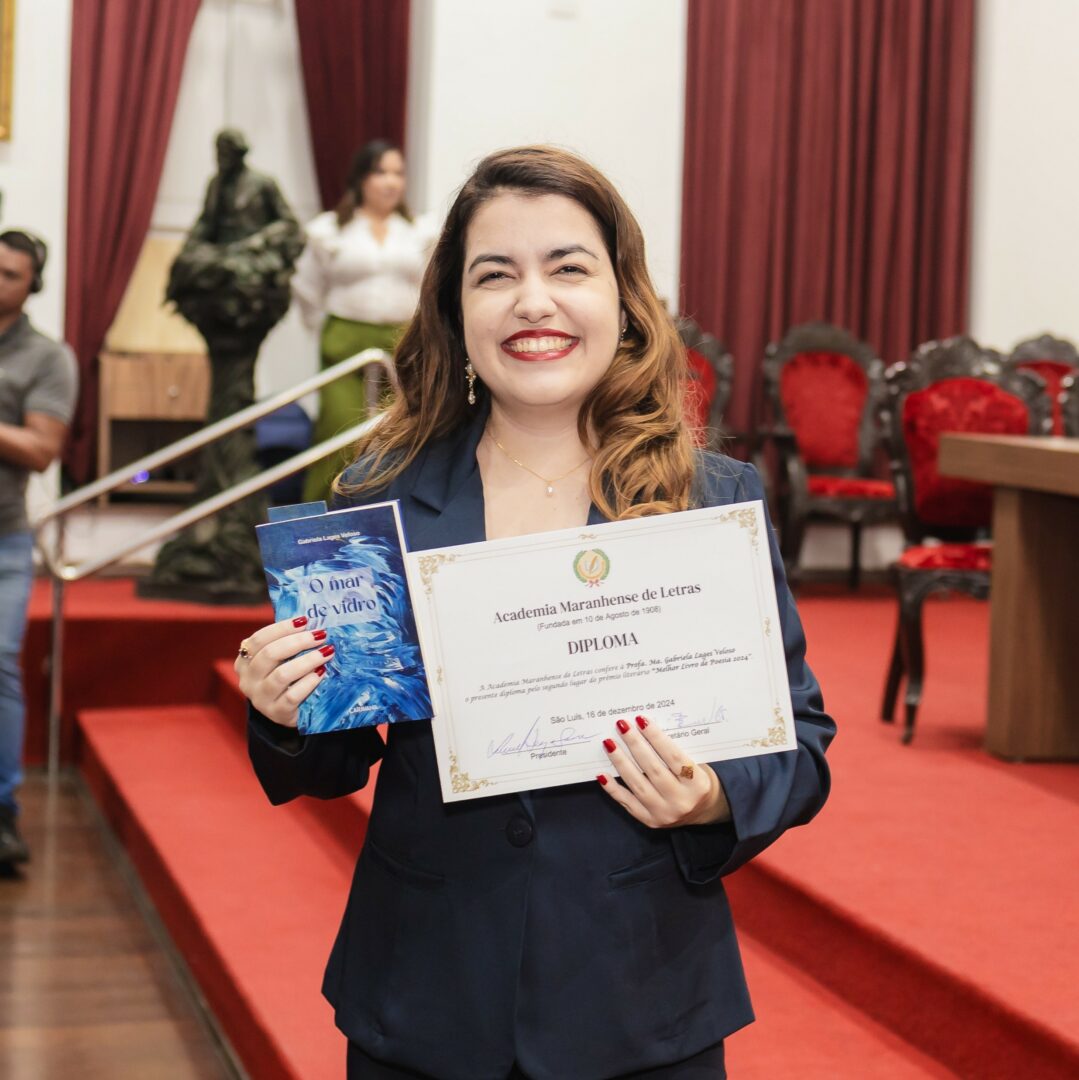
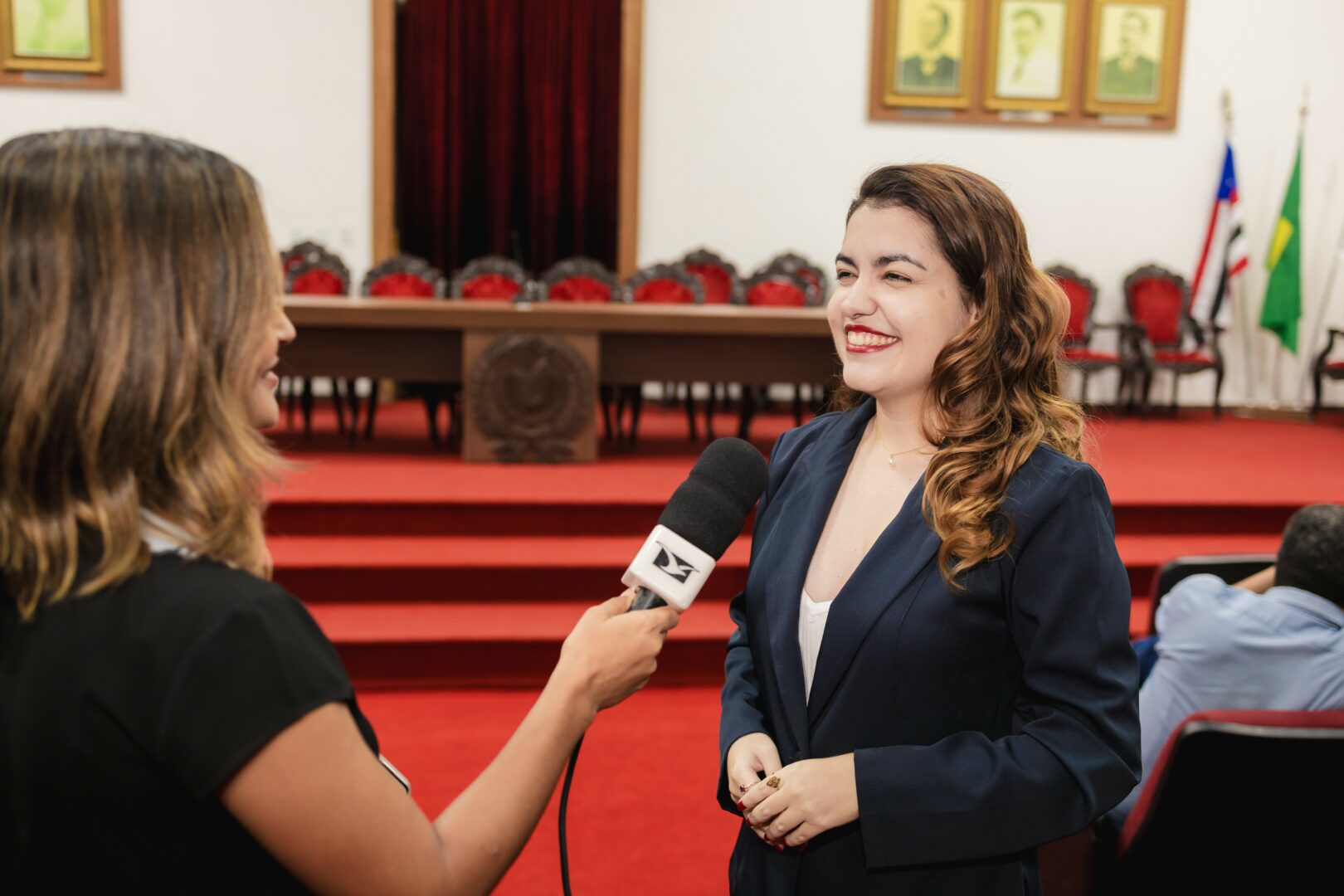
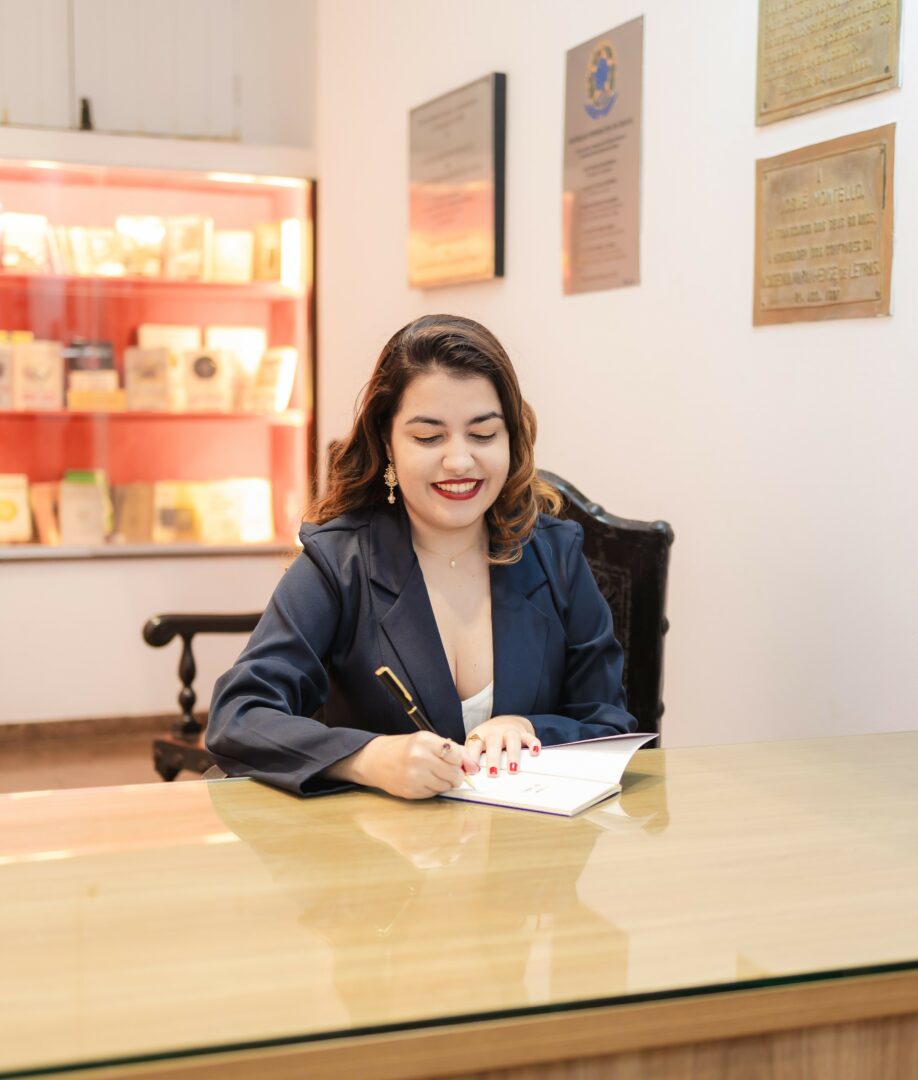
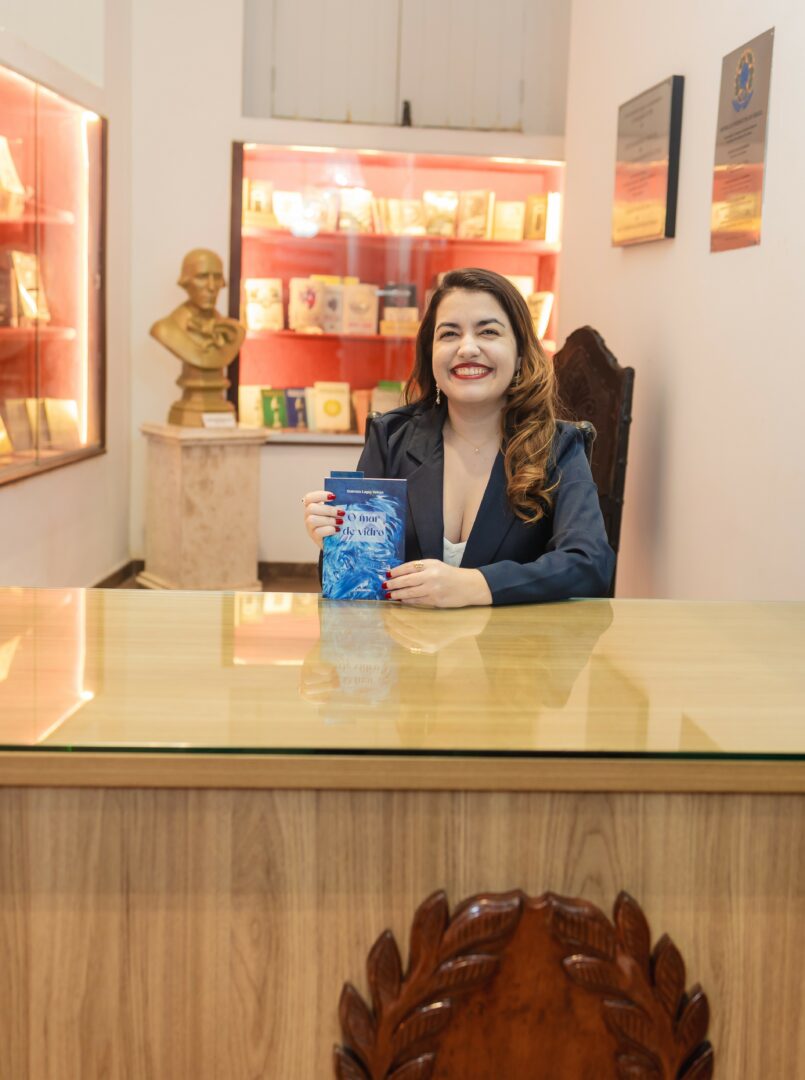
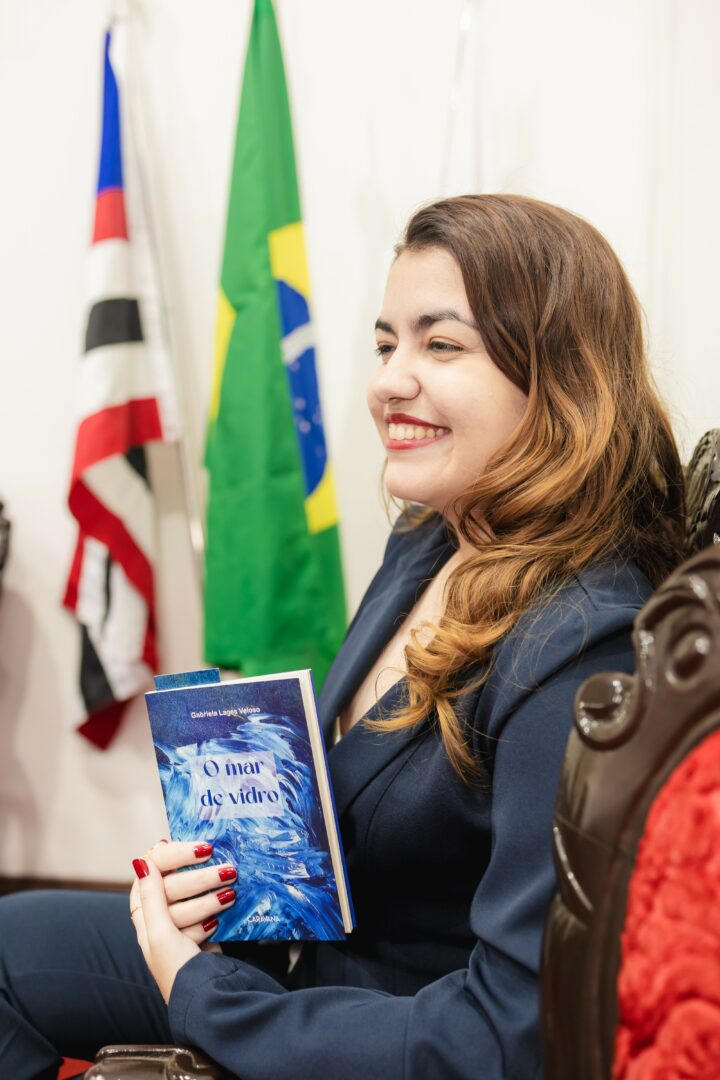
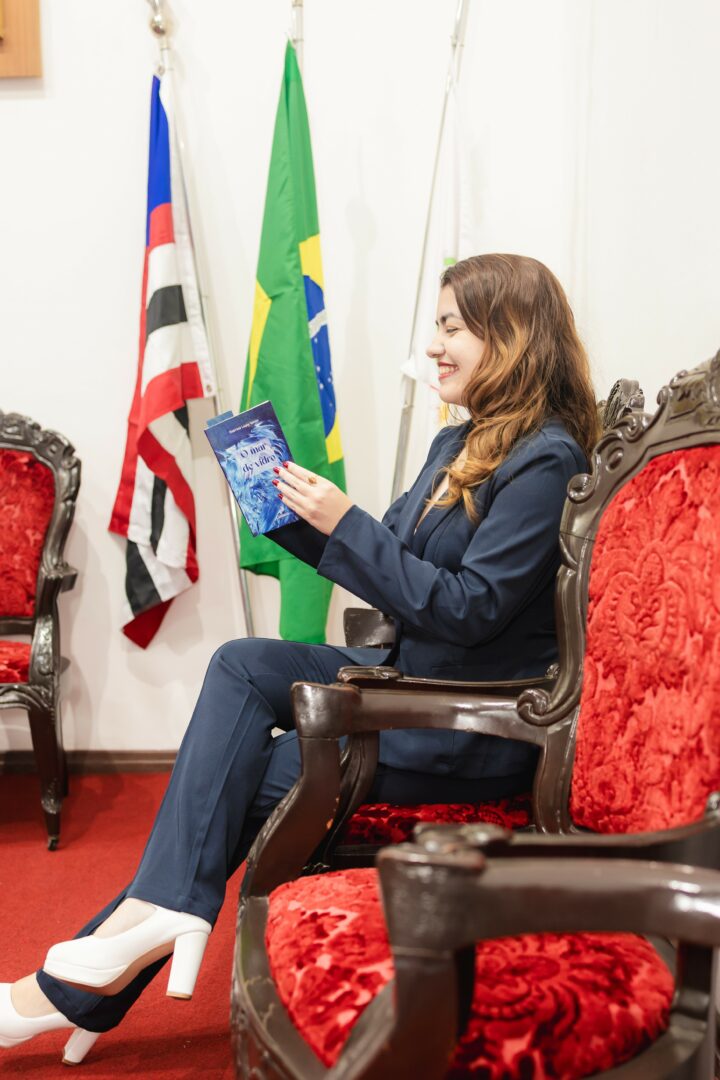
Image Credits
Diego Oliver
so if you or someone you know deserves recognition please let us know here.