We recently had the chance to connect with David Bovis and have shared our conversation below.
David, so good to connect and we’re excited to share your story and insights with our audience. There’s a ton to learn from your story, but let’s start with a warm up before we get into the heart of the interview. Have you stood up for someone when it cost you something?
Yes! many times, ever since I was a kid.
In secondary school, I took a punch on the nose for telling a bully to stop pushing to the front of the ice cream queue. Another time, I stepped in during class to stop someone intimidating others. I’ve always had a strong sense of justice, and an equally strong discomfort with silence in the face of unfairness.
That carried into adulthood. Years ago, I was on a short-term contract near home, and the board hinted I’d be the next Managing Director. But there was a production manager who’d been there for years, knew the people, the customers, the products … and had just had a baby. I stepped aside, even with two children of my own and no job to go to. It wasn’t easy, but it was right.
That sense of justice runs deep. I grew up hearing how, generations before, one brother betrayed another in my own family. Forging a signature, stealing the family business, and leaving his sibling destitute. As a child, that story shaped my belief that doing the right thing matters, even when it costs you.
Today, my business is built on that same principle. We help leaders create fairer, healthier workplaces grounded in neuroscience. What we’re doing is making lives better. It’s taken decades, sacrifice, and a few dark times for me and my own family, but it’s been worth it. It’s working and we’re growing, despite the tough economic conditions we’re currently living through. Doing the right thing (Big Picture) has its price (Short Term) – but it’s worth every penny!
Can you briefly introduce yourself and share what makes you or your brand unique?
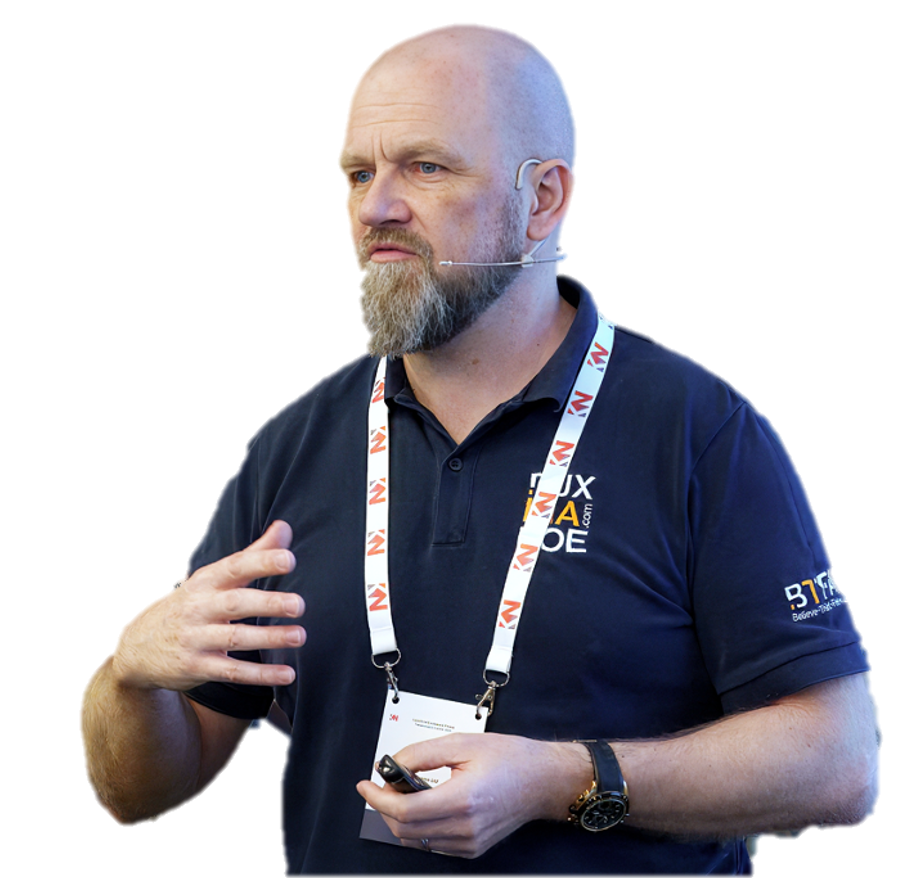
I’m the founder of Duxinaroe, a company that helps global leaders understand leadership, change, and culture through the only lens that truly explains them: the human brain.
For nearly four decades, I’ve worked with organisations around the world, leading change, setting strategy, and discovering why so many popular approaches lose momentum or fail altogether. Today, I work alongside my business partner, Levent Turk, former Country President of Toyota, who sees the same fundamental problem I do. What we’ve learned is that most leadership models describe what people should do, but few explain why they don’t do much of what’s recommended. The missing link is neuroscience.
Our framework, BTFA™ – Believe, Think, Feel, Act, reconnects leadership and organisational performance to the biological reality of how human behaviour is formed and changed. Unlike most programmes, we don’t hand out new “to-do” lists promising success. We focus on what leaders need to stop doing — particularly the inherited practices still promoted in business schools as ‘best practice’ – which, viewed through the neuroscience lens, can be shown to trigger threat responses in the brain, eroding psychological safety and contributing to disengagement, stress, and the rise of words like burnout.
Using neuroscience, we help leadership teams recognise how current habits and systems often detract from performance by increasing cognitive load and emotional strain. Then, we guide them to create the conditions in which brains can operate on ‘autopilot’ in alignment – where culture and performance emerge naturally, not from slogans no one believes or checklists that simply add to the burden.
The world jokes, “I thought I saw light at the end of the tunnel – but it was just someone with a torch bringing me more work,” for a reason. This is what modern leadership has come to feel like.
At Duxinaroe, we’re not trying to manage behaviour; we’re helping leaders understand it, so they can finally unlock the human system driving every result.
Great, so let’s dive into your journey a bit more. What relationship most shaped how you see yourself?
Without hesitation, I’d have to say my mum and my wife.
When she was with us, my mum supported me as I took the leap into building a business, emotionally, and at times financially, when my ambition to make a difference put us all under pressure. And my wife, Stephanie, has been unwavering in her belief in me and what I stand for. My choices have cost her emotionally too, but she’s always seen the bigger picture. I’m incredibly lucky to have had such strong women anchoring my life.
Beyond them, there have been a handful of people who appeared at critical moments, almost as if life sent them when I was close to giving up. Eric Coleman helped me transition from toolmaker to production engineer. Douglas Young, a Scottish chartered psychologist, once flew down to meet me and told me I could see the world in ways others couldn’t. That conversation lit a fire that’s never gone out. Then came Randy Schenkat, who had worked alongside W. Edwards Deming. He told me BTFA detailed what Deming had been looking for in his SoPK, words that changed everything. Later, Robert Camp, a Lean expert I met on LinkedIn, spoke with me every month through one of my darkest financial periods, reminding me of my higher purpose.
There were others too, colleagues, mentors, and one remarkable boss, Oliver Bridge, who offered guidance and belief when I had little left. And, of course, there were many who did the opposite: those who shouted, undermined, or manipulated under the illusion that “tough love” works. It doesn’t. Neuroscience now proves it only damages confidence and slows growth.
Finally, my business partner, Levent Turk, who held senior roles at Toyota and ultimately ran the company in Turkey over a 16 year period, joined me full-time to take BTFA™ to market, just as he published his book ‘Operational Excellence and Respect’. That was the final piece of the jigsaw, the moment I could build genuine, lasting confidence and press ahead. I was 48 when we first met, and it was through that partnership that I learned what real professional trust feels like.
I’ve come to see that “it takes a village to raise a child” doesn’t end with childhood. We all need encouragement to keep growing, and the more we receive, the faster our brains develop, the more we can contribute to others and to society. The rare people who offered that to me shaped how I see myself, and why I now dedicate my life to helping leaders create that same sense of safety and belief in others.
What did suffering teach you that success never could?
When I was twelve, I fell from a tree and broke three vertebrae in my back. The fractures were missed in the X-ray due to swelling, and although I was temporarily paralysed that day, within forty-eight hours I was being told to “stop putting it on” and made to cycle the three miles to school.
For years, I lived with pain so severe I sometimes had to crawl to the bathroom. It shaped everything. My mood, my relationships, my outlook. At sixteen, I used my first pay packets to pay for a private X-ray that finally confirmed what I already knew. But by then, the damage wasn’t just physical; it had rewired how I saw myself and the world.
I carried that pain into adulthood, numbing it with overwork, long commutes, stress, and poor health choices. I developed ulcers, gained weight, and became, quite literally, a different person – one my brain had learned to justify and defend (A cuddly dad, ‘Good’ job, ulcers come with age etc.). Then came COVID. Twice. The second time, gasping for breath surrounded by paramedics, I realised something fundamental: I had spent decades letting my brain convince me I was fine, fit, healthy – I wasn’t. That moment changed everything.
Rather than talk about principles, I began to study my own habits through the lens of neuroscience. What changed me wasn’t willpower; it was self-awareness. Once I recognised how thoroughly I’d been deceived by my own brain, justifying poor choices, minimising pain, and convincing myself everything was fine. I finally wanted to do something about it. The physical and emotional improvements that followed weren’t the goal; they were the result of a deeper shift in thinking. Change didn’t begin in the gym or the kitchen. It began in the space between awareness and honesty, when I stopped defending who I was and started questioning how I’d become that way.
With that new sense of purpose, joining a gym and rebuilding my body became almost effortless. Progress wasn’t linear (it never is). Full range of motion in my shoulder, hip, and knee, all damaged through other accidents and years of compensation from the original injury, took time, patience, and more pain. But the true transformation wasn’t physical; it was neurological. I learned how the brain protects us from pain by filtering reality, how it normalises dysfunction, and how it blinds us to ourselves when we stop challenging our own beliefs. Once I understood that, the process of healing became not just recovery, but revelation.
Five years later, I’m fitter and stronger than I’ve been since that fall in 1982, physically and emotionally. But more importantly, I understand what my suffering taught me: that resilience isn’t about endurance; it’s about awareness. The same neural mechanisms that help us survive (masking social, emotional and physical pain) can also keep us stuck (normalising pain so we no longer challenge it). Only when we learn how the brain works can we rewire it, to heal, to grow, and to live with conscious choice rather than unconscious habit.
I spent forty years living with a brain that quietly reduced the quality of my life. Now that I can see it for what it was, I also see how the same thing happens to almost everyone I meet, if not physically, emotionally. The good news, and what our BTFA™ work proves every day, is that it can be changed, and that change can last.
That’s why we changed our company’s tagline to “Make Life Better.”
This is the lesson that drives my passion to share self-awareness with others. Life really can be better. The more we understand ourselves, and the earlier we gain that understanding, the sooner we can create a higher quality of life for everyone. And when we are in a better space within ourselves, we become better as individuals, families, communities, and societies.
Next, maybe we can discuss some of your foundational philosophies and views? What are the biggest lies your industry tells itself?
There are a few, but the biggest lie (belief?), is that people resist change.
They don’t. Brains resist threat. Yet most leadership and change models still treat resistance as a matter of attitude, mindset, or compliance (ambiguous / subjective terms), rather than a biological response to perceived danger. That’s not just inaccurate, it’s damaging. It leads organisations to push harder, add more processes, and pile new “to-do” lists onto people who are already cognitively overloaded, instead of creating the conditions where the brain can feel safe enough to adapt.
Another lie is that culture can be managed. It can’t. Culture isn’t a programme or a poster; it’s an emergent property of collective brain states, i.e. the result of what people believe, think, and feel, moment to moment. When leadership behaviour conflicts with how the brain functions, no amount of engagement initiatives or rebranding will fix it.
And perhaps the most seductive lie (belief) of all, is that leadership is about doing more. It isn’t. Real leadership starts with understanding what to STOP doing, especially the behaviours and “best practices” that unconsciously trigger fear, erode trust, and suppress the very creativity and accountability companies say they want.
The truth is, most of what the industry calls “leadership development” is, neurologically speaking, threat amplification. Until we face that, burnout, disengagement, and declining trust will continue to rise. What we need now is not another methodology, but a correction in our understanding of human nature. That’s what neuroscience brings. It doesn’t flatter us; it explains us.
Okay, so let’s keep going with one more question that means a lot to us: What is the story you hope people tell about you when you’re gone?
I hope people say I was someone who didn’t just see what everyone else saw, but tried to understand why we see it that way, and did something about it.
Throughout my life, I’ve followed my curiosity wherever it led: theology, philosophy, psychology, neuroscience, all while building a career as an engineer, manager, director, and consultant. Each step added another layer of understanding, until I could finally see what was really happening beneath the surface of leadership and business: how our systems, despite good intentions, were quietly working against the very people [brains] they were meant to serve.
The easy path would have been to complain about it, as so many do. But that never sat right with me. So I chose to do something positive, to act. That decision came with sacrifices: personal, financial, emotional. But I believed it mattered. I still do.
I’ve often felt like an observer (outsider?) standing just beyond the accepted system, looking in, questioning why it operates as it does, and wondering how it could be better. None of this was planned. I didn’t set out to change anything grand. I just kept following what felt right, and tried to make the way we do things better for everyone, not just the few.
If that’s the story people tell, that would be enough.
Contact Info:
- Website: https://duxinaroe.com/
- Linkedin: https://www.linkedin.com/in/duxinaroe/
- Youtube: https://www.youtube.com/@BTFA
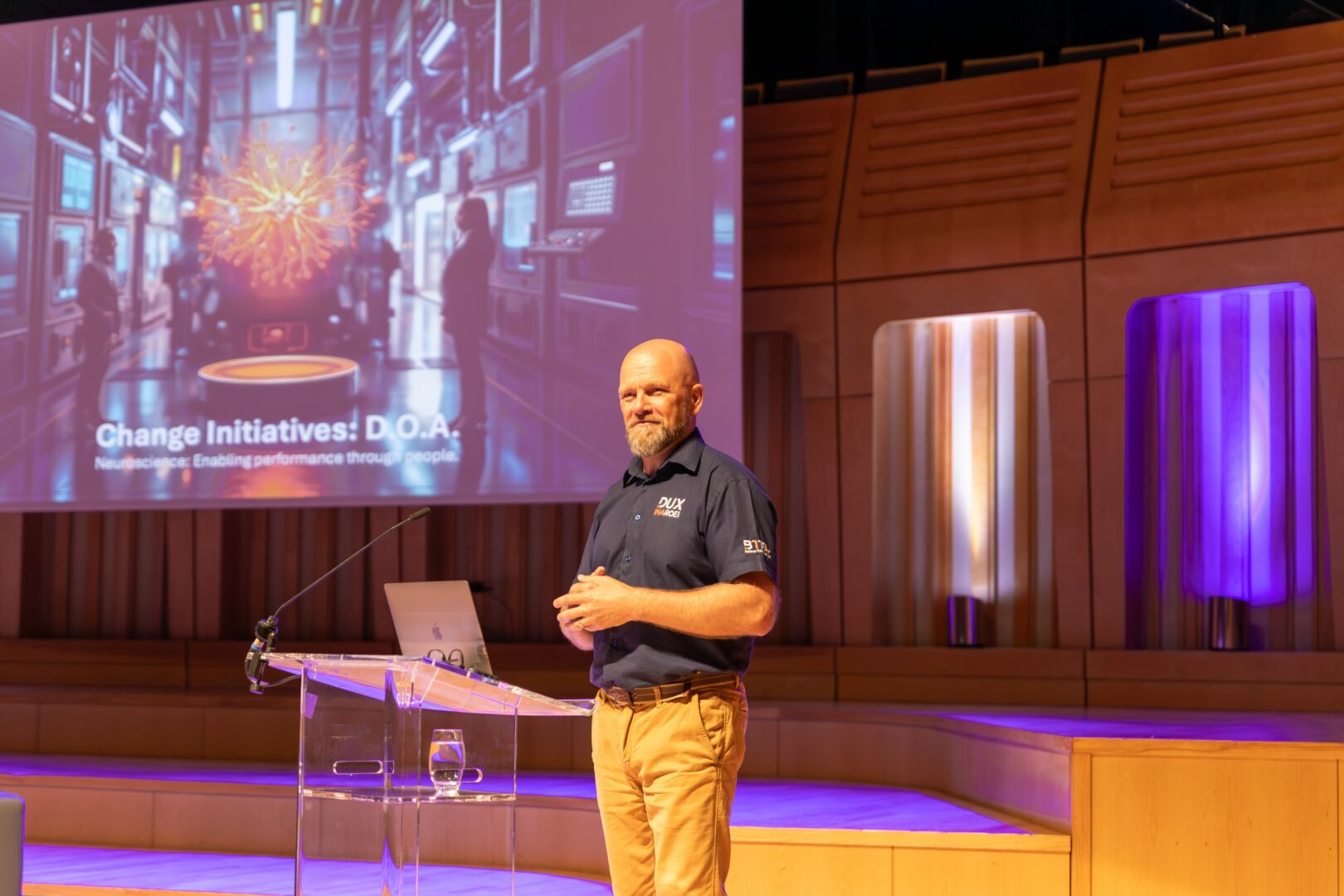

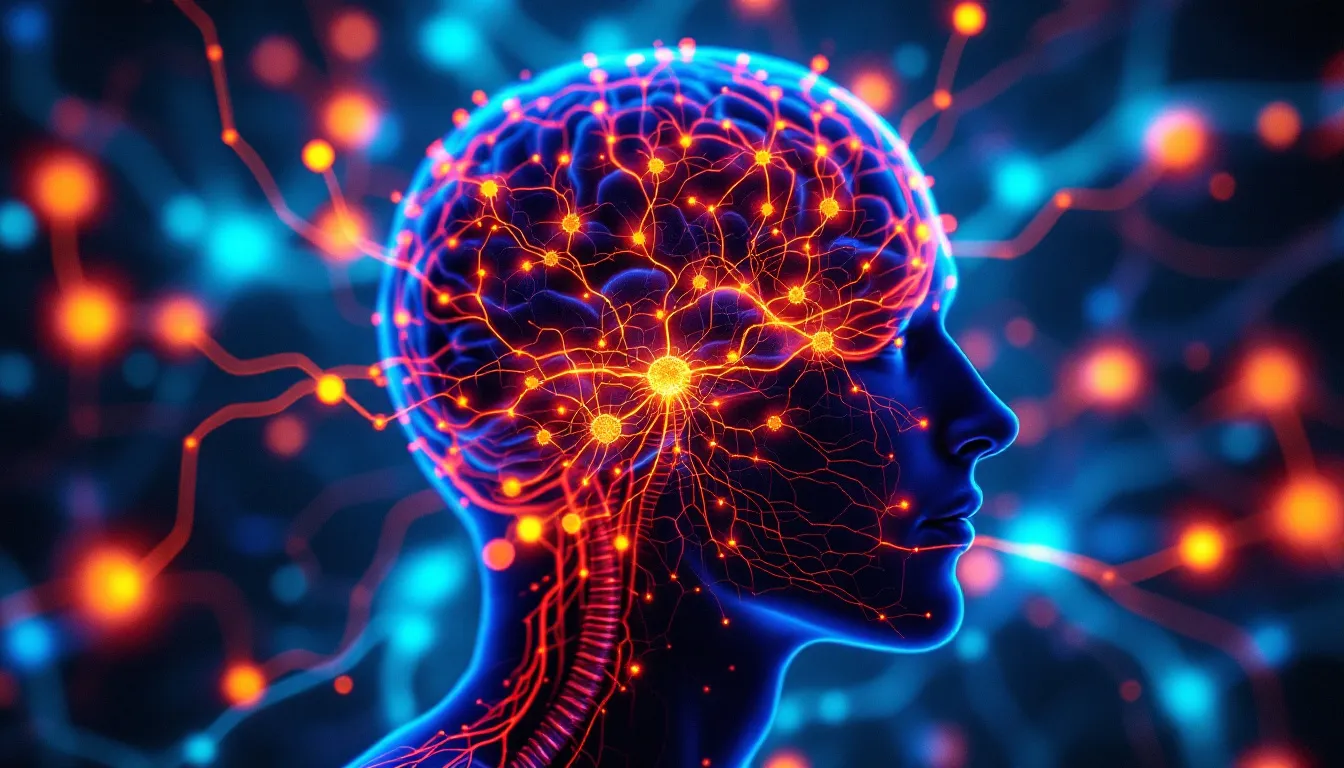
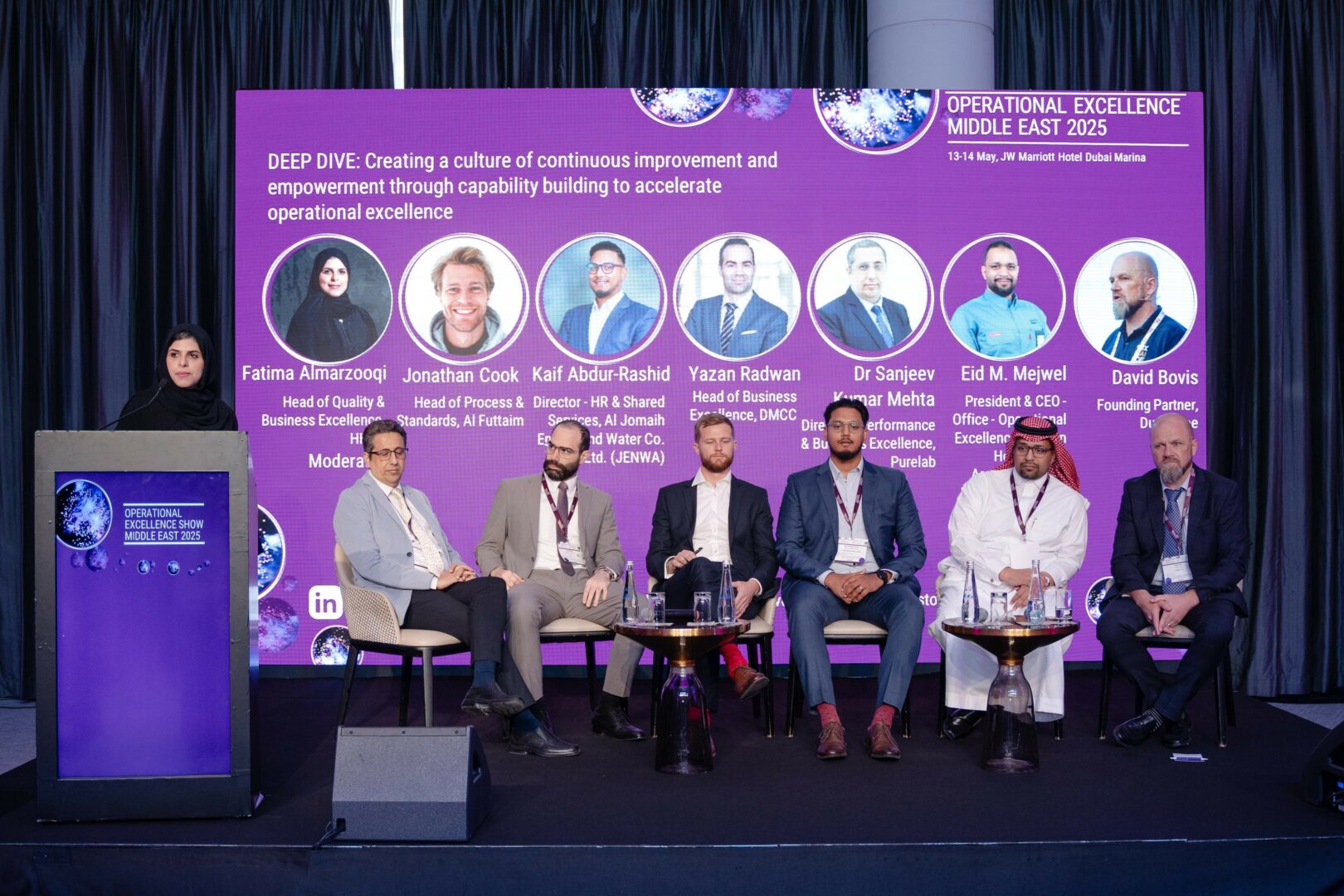

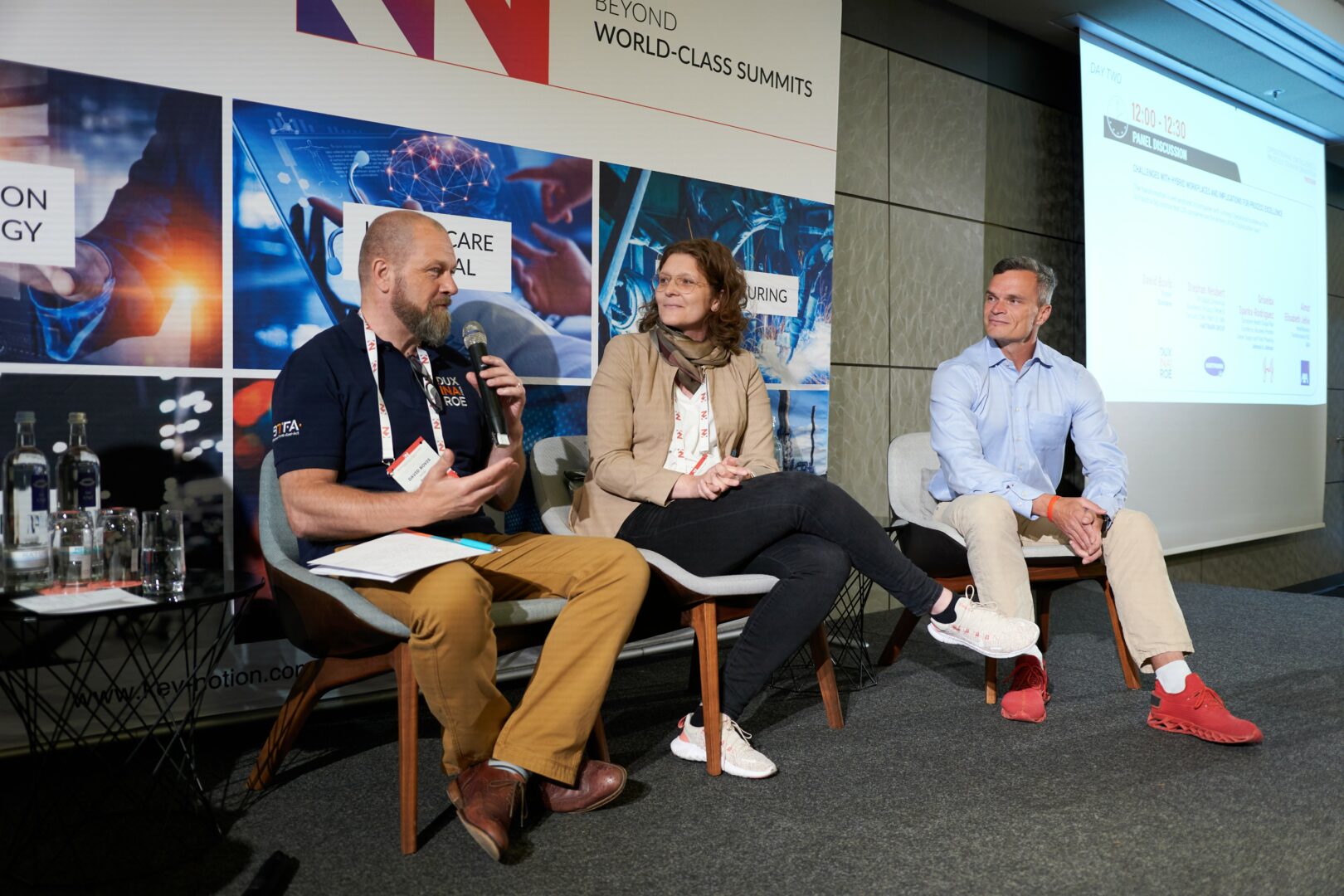
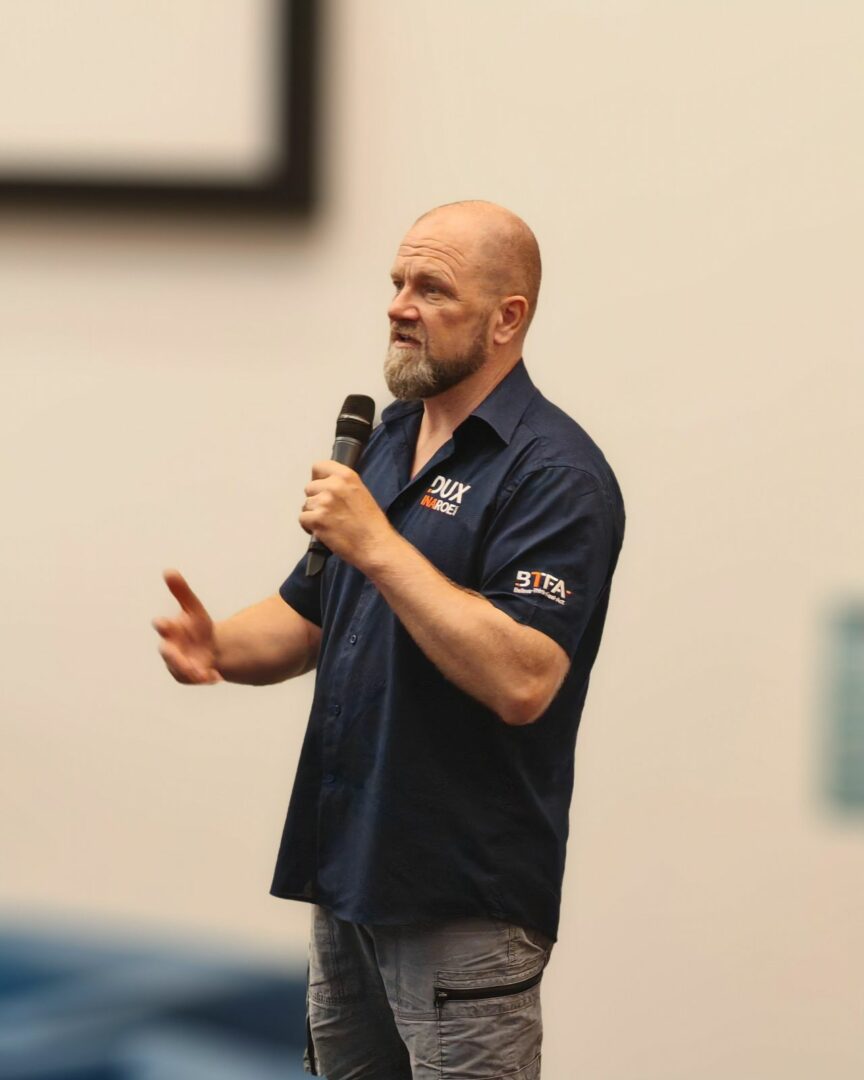
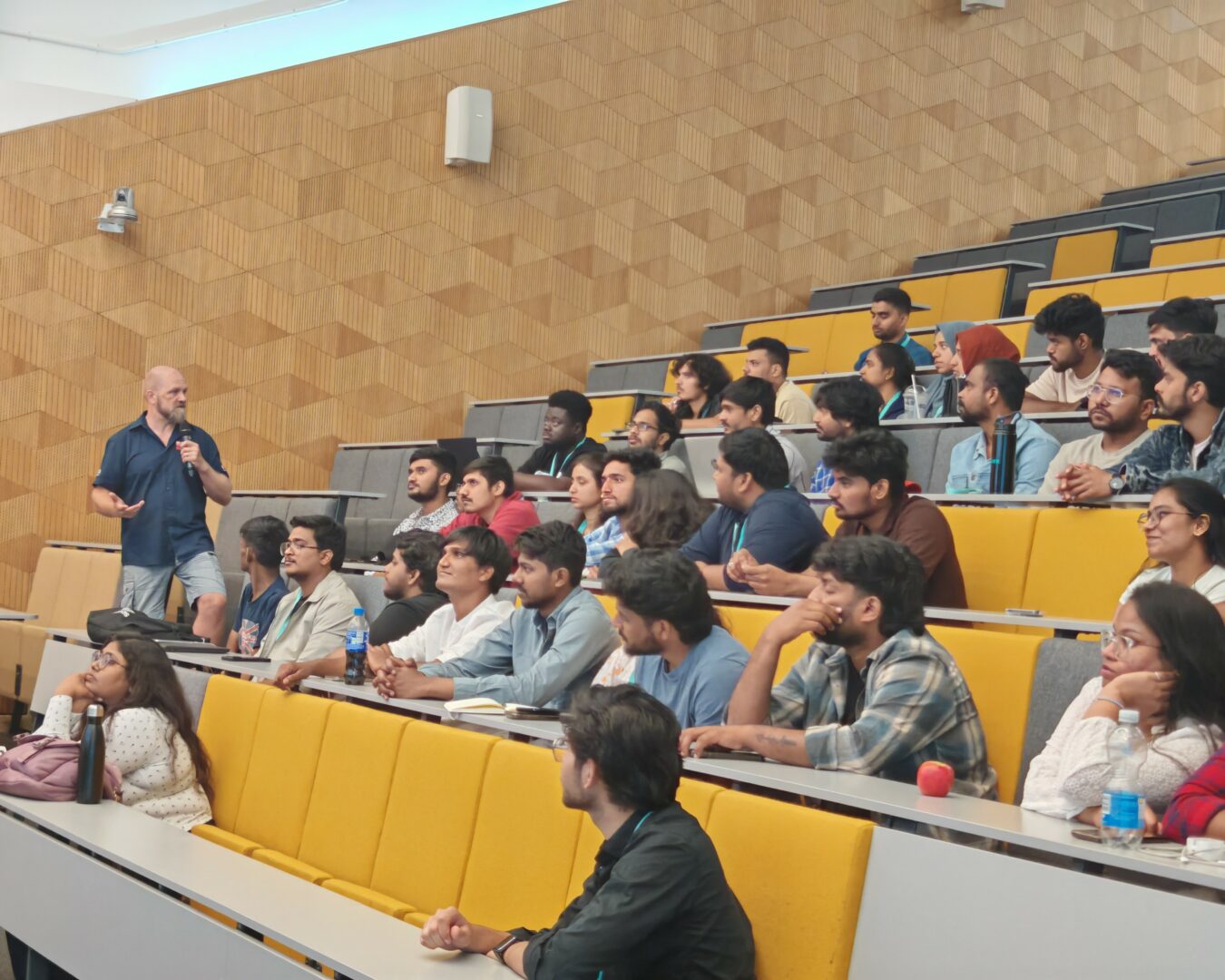
Image Credits
Not applicable
so if you or someone you know deserves recognition please let us know here.