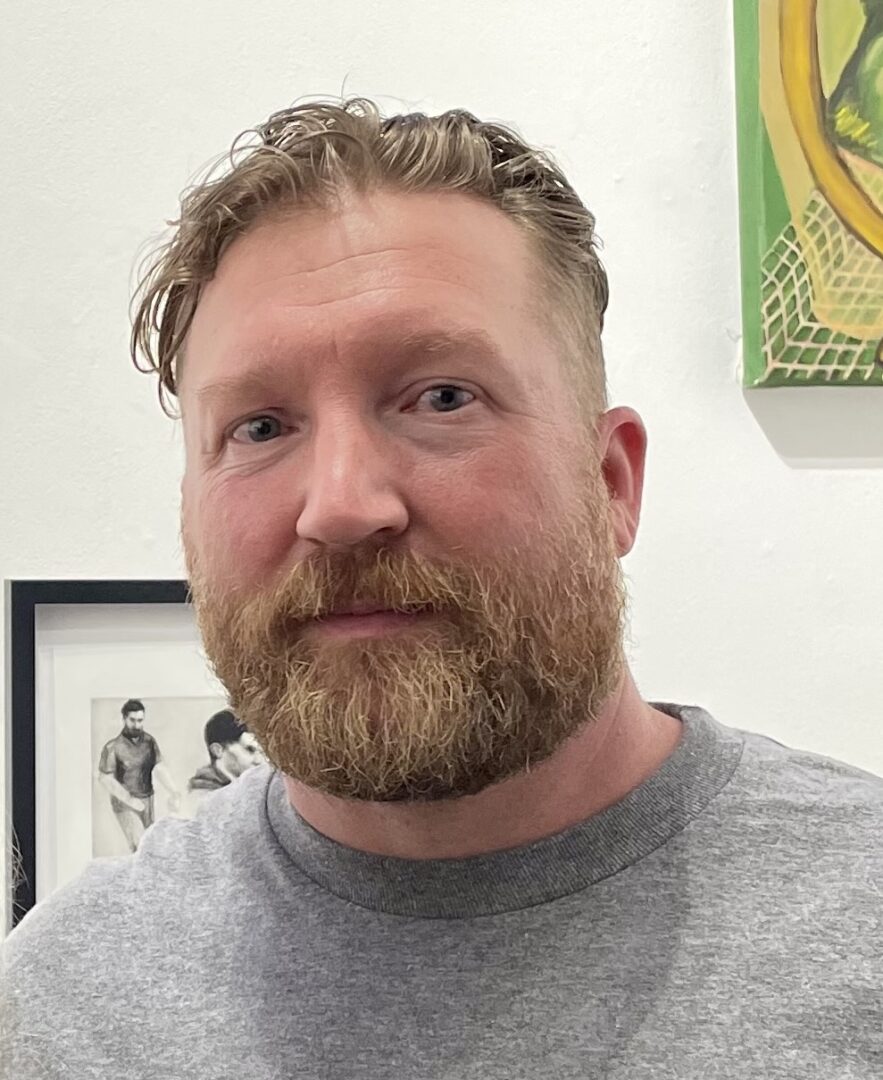
We’re excited to introduce you to the always interesting and insightful Donald Fodness. We hope you’ll enjoy our conversation with Donald below.
Donald, looking forward to learning from your journey. You’ve got an amazing story and before we dive into that, let’s start with an important building block. Where do you get your work ethic from?
I was born on a farm in Minnesota, and most of my family members have a strong rural midwestern work ethic. It was modeled for me to minimize complaining, to push through regardless of circumstances, toughness and grit, and a scrappy resourcefulness that has made its way into my artistic aesthetic. I joke with my college art students that “the third rule to being an artist is – be resourceful”. Which is actually something I learned from my agricultural and rural roots and not art, but it’s supposed to be funny because it actually translates well as often artists also need to be resourceful to make big magical things happen.
Thanks, so before we move on maybe you can share a bit more about yourself?
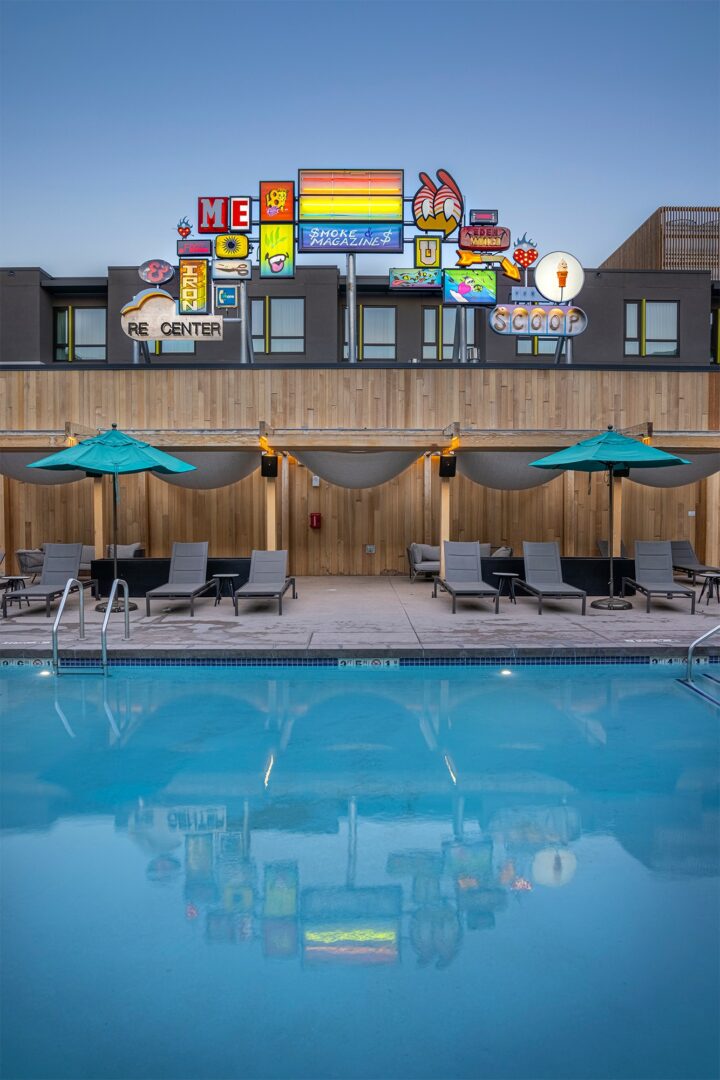
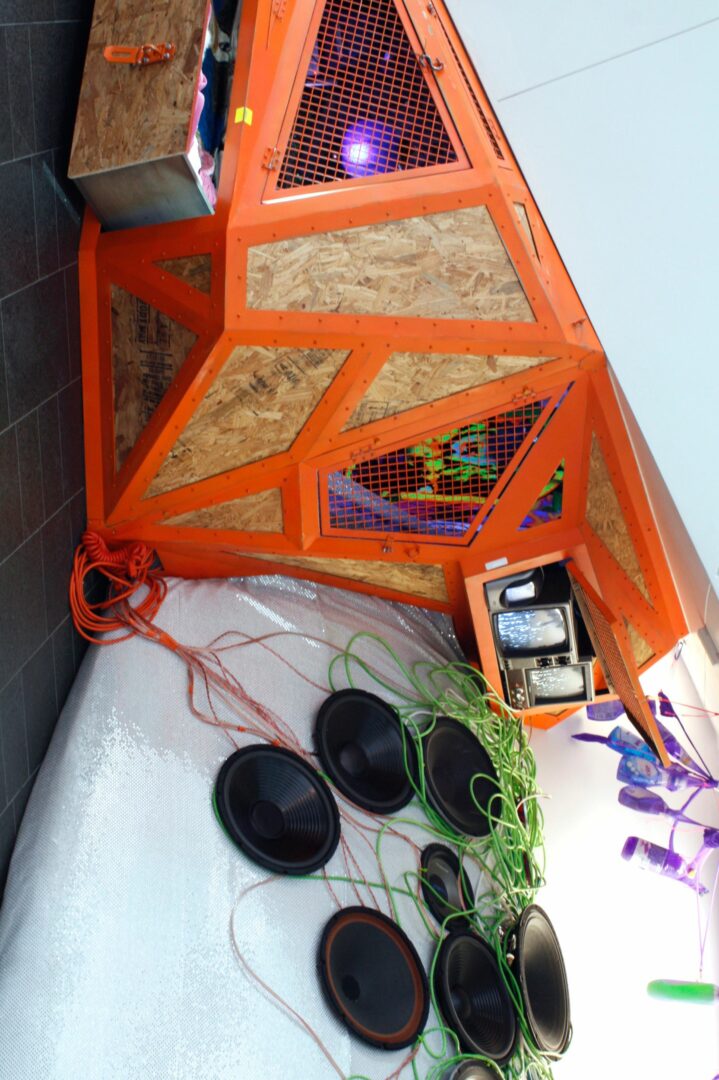
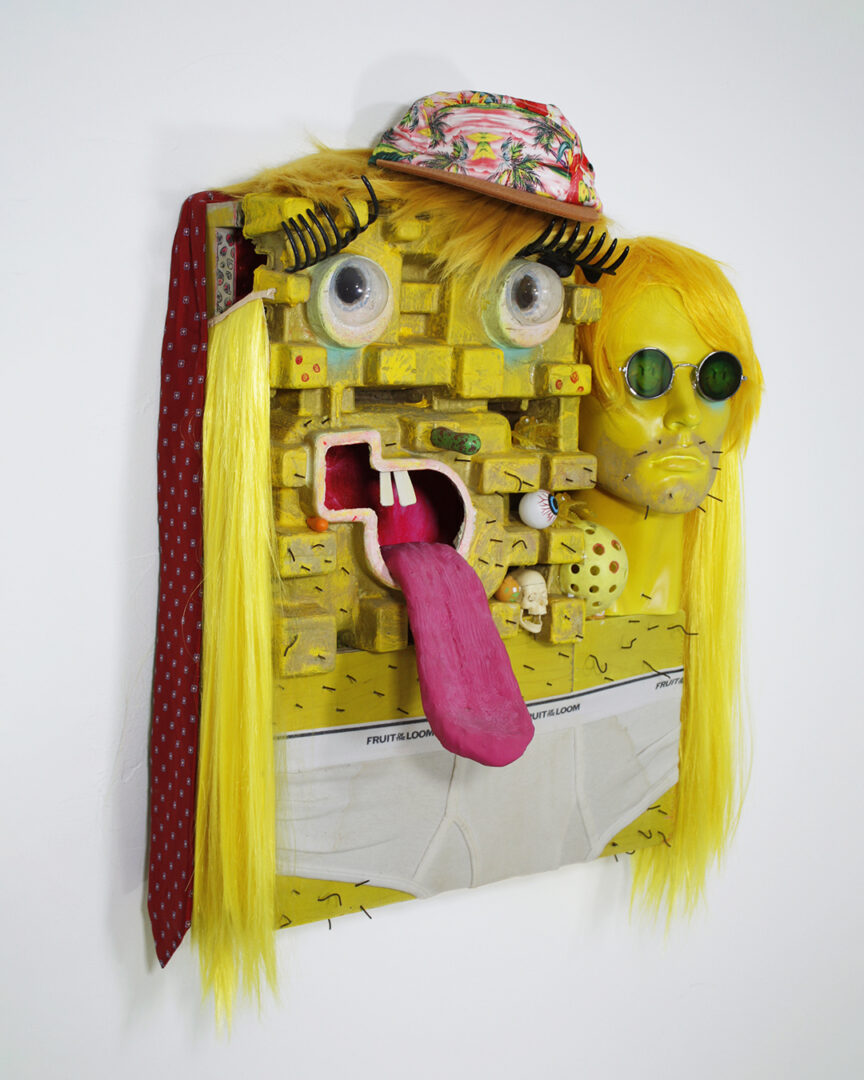
I am primarily an artist who sifts through recently discarded cultural debris to generate new fantastical forms that are fundamentally human in nature by the way they blend psychology, spirituality, and culture. I think of myself, or the artist in general, as a filtration process. Because of the aggregate of characteristics specific to me, the resulting art is like a uniquely beautiful, yet grotesque, pearl that only can only come from one source. These forms are often manifest as drawings, paintings, sculptures, installations, furniture, and more recently, public art. Found objects are common source material for my work. The end result often reveals an artistic blending of the personal and imaginative with popular and consumer culture in ways that are both hermetic and allow for the viewer to bring themselves into the art.
In addition to my own personal art, I curate exhibitions, organize events, and co founded Drawing Never Dies with my wife Daisy Fodness-McGowan. Drawing Never Dies celebrates visual art’s most fundamental act: drawing. We host an artist residency (out of a treehouse that I designed and built), art exhibitions, and a publication centering drawing as the most primal and essential act of visual communication.
If you had to pick three qualities that are most important to develop, which three would you say matter most?
One thing that comes to my mind right away as far as advice stems from my experience working in metal casting foundries right out of high school. I was not able to attend university right out of high school so instead I went to work for about a decade in what is considered one of the most grueling labor environments: metal casting foundries. Visualize molten metal being poured at deadly temperatures and grinding metal for 8 hours a day, among other intensities. My bedsheets often stained green where my body would lay because of the amount of excess copper being oxidized in my system, regardless of how much I showered. I used this situation as an opportunity to learn about metal casting for artists, its history, its contemporary practices in terms of public art, and I started casting my own art in metal. The short version of the story is that this taught me a lesson I still pass on to young artists: take a job where you get paid to learn and have access to equipment and/or process that can help you make your art. If you never attend an art school or if you leave an art school, you will not be paralyzed by lack of access to resources.
While working at the foundry I was exposed to so much traditional representational sculpture that I crabwise taught myself how to sculpt in this very traditional way, and as a result I can faithfully translate any form into clay with accurate proportions and likeness. These skills eventually served me while working as a mannequin sculptor which is a unique world. Large corporations hired me to sculpt the original prototype. Once molded this form would later be reproduced en mass in China or Mexico and distributed in retail displays all over the world. If you have been to a Target, Nike, Old Navy, Macys, Athleta, or various other stores at the mall and elsewhere, you have seen mannequins that I sculpted. My love of the human figure in art has always shown up in my personal work as well, although often less obvious because of the way I intentionally distort the forms.
In addition to the life experiences mentioned above, my undergraduate education in art history at the University of Illinois has strongly impacted my art as well. It also informs the way I curate exhibitions, my understanding of the importance of context, interconnectedness, and how to better understand a culture through its visual expression.
Awesome, really appreciate you opening up with us today and before we close maybe you can share a book recommendation with us. Has there been a book that’s been impactful in your growth and development?
The Tao Te Ching has been an influential book for me since I was first exposed to it as a young man.
It offers big picture perspective, companionship and advice on navigating the world in a meaningful way. A couple nuggets of wisdom that I find valuable are the idea that the journey of 1000 miles begins with a single foot step, and that water exhibits strength through flexibility: flowing around the stone, over time shaping the stone.
Contact Info:
- Website: https://www.donaldfodness.org
- Instagram: @donald_fodness
- Other: www.drawingneverdies.com
@drawing_nvr_dies
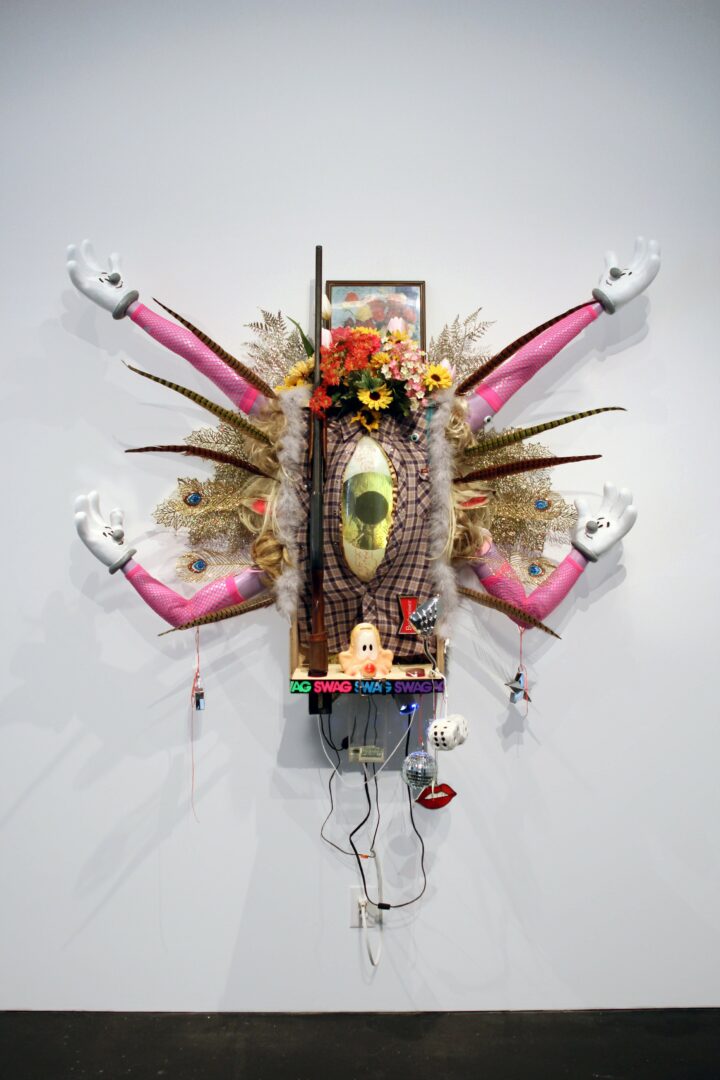
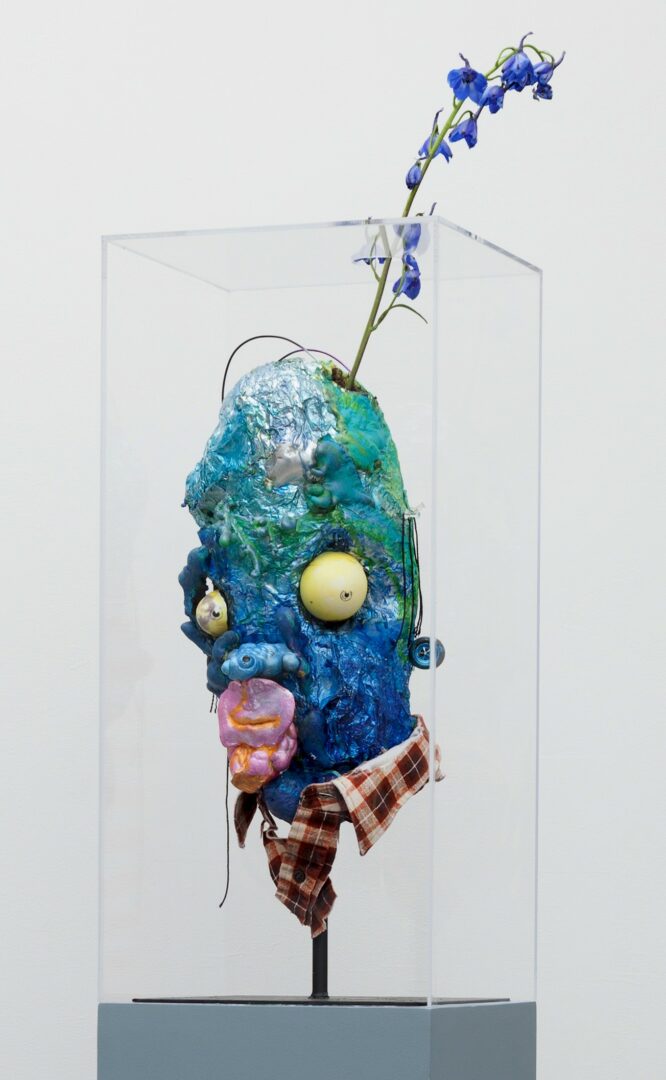
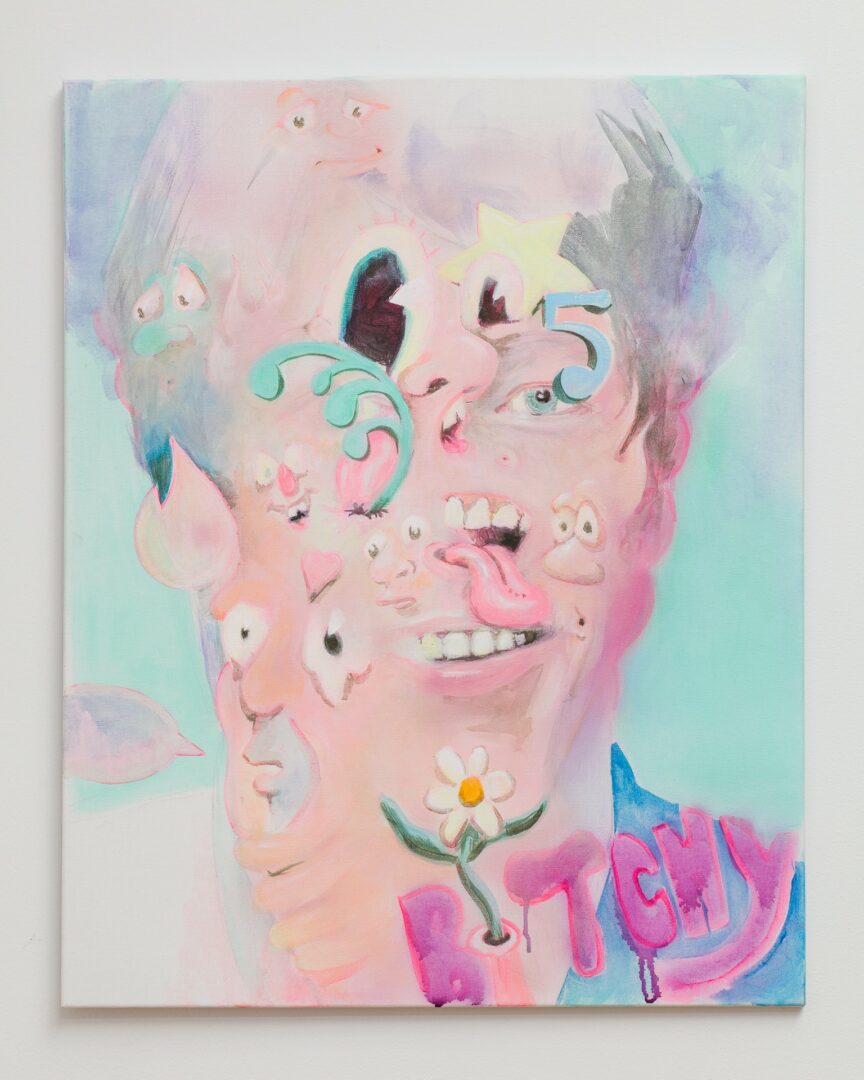
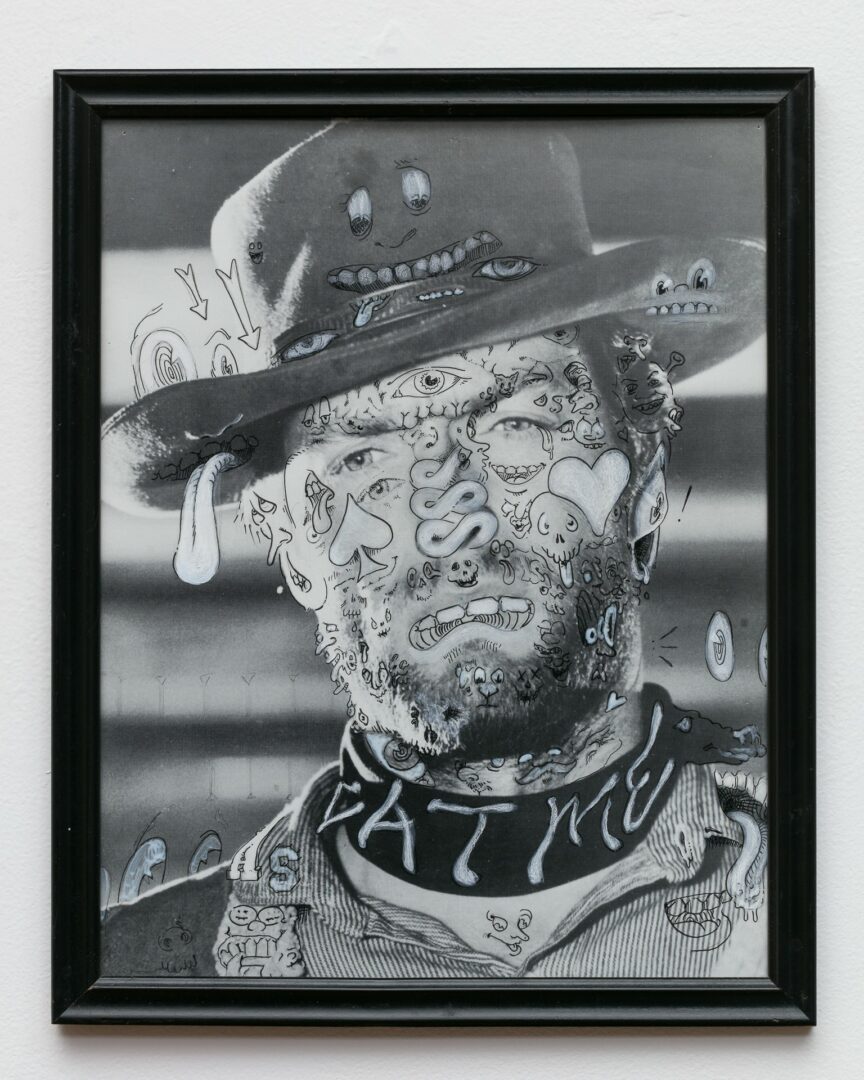
Image Credits
Conor King
Wes Magyar
so if you or someone you know deserves recognition please let us know here.