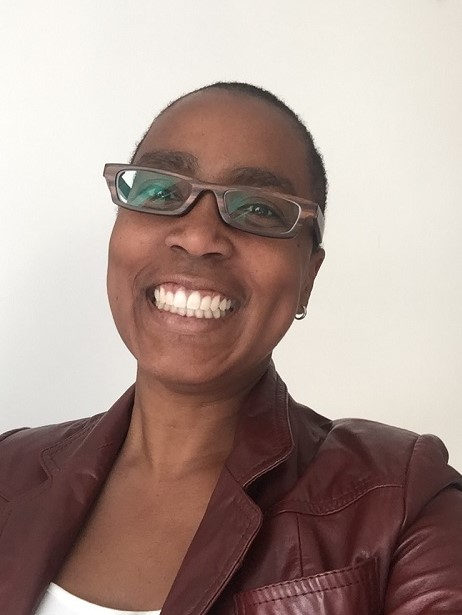
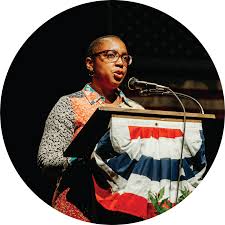
We recently connected with Michelle Mellon and have shared our conversation below.
Michelle, so good to have you with us today. We’ve got so much planned, so let’s jump right into it. We live in such a diverse world, and in many ways the world is getting better and more understanding but it’s far from perfect. There are so many times where folks find themselves in rooms or situations where they are the only ones that look like them – that might mean being the only woman of color in the room or the only person who grew up in a certain environment etc. Can you talk to us about how you’ve managed to thrive even in situations where you were the only one in the room?
When you are an “other” in the room, success depends in part on how you view yourself and in part on how well you watch those around you. I credit my parents for giving me an unshakeable belief in myself and my abilities that was an invaluable defense against the bullies and ill-informed as I was growing up. Of course, they also gave me “the talk” about having to work harder as a Black female just to be heard, let alone regarded. Instead of putting me on the defensive or making me feel defeated, it inspired me to define my own goals and the heights I wanted to reach.
The next step was puzzling out the way to get there, which is the part about observing the people around you. As an introvert I naturally tend to figure out the lay of the land before jumping in. It proves especially useful when you don’t know how people are going to react to your presence. But in general it’s a good strategy for anyone to see where there are alliances and where there’s friction, so you know how to navigate partnerships and potential allyships.
Relationships are key to my storytelling work, so knowing my own mind and worth coupled with taking the time to observe and know what to expect from others has proven to be an effective and impactful approach throughout my career.
Great, so let’s take a few minutes and cover your story. What should folks know about you and what you do?
You can’t have it all.
At least, that has been the story of my career as I pivoted between the corporate and nonprofit worlds–working in the former to make money and the latter when I needed to feel better about my purpose on this planet.
But as a writer I found I needed a constant stream of inspiration and opportunity to tell the stories of others so that my own story felt fulfilled. Even in full-time roles I worked freelance projects on the side to help me stretch and learn more about what I could do for the world around me.
When the pandemic hit I, like so many others, experienced a priorities shift. Life was short enough. Now it was more perilous. So why spend all my time and talent helping people who already have all the advantages?
After a stint in a marketing agency where I was the thought leadership strategist and ghostwriting partner for executives who are women, people of color, LGBTIQA+–groups who were underrepresented and overlooked in the tech industry–I struck out on my own to take my decades of marketing, messaging, and brand-building experience to a similar demographic with a broader focus.
That was the birth of WordBird, my storytelling consultancy supporting solopreneurs, startups, and NGOs that have a social impact mission and/or are led by women and people of color. I view it as the confluence of modern marketing and communications and the craft of old-school wordsmithing. And I am privileged to serve as a catalyst in amplifying the efforts of clients who are providing education, healthcare, leadership development, housing, conservation, and assault survivor resources around the country.
I’m finally feeling much closer to having it all.
Looking back, what do you think were the three qualities, skills, or areas of knowledge that were most impactful in your journey? What advice do you have for folks who are early in their journey in terms of how they can best develop or improve on these?
I think the three most impactful factors in my journey were resilience, adaptability, and perspective.
My resilience came from an early understanding that I had little power, but that I could hone and wield the power I did have to the best of my ability.
For those early in your career: Root yourself in what you know. There will be times when you’re undervalued, pushed aside, or knocked over (especially if you’re working in a creative role). Maintaining that faith in yourself, your capability, and your purpose will allow you to spring back up and keep going.
My adaptability is related to the idea of staying rooted. Markets change, priorities change, socioeconomic and geopolitical forces change. What you choose to do about that determines how far you’ll go.
For those early in your career: Change is inevitable, and it comes faster and faster. Ignore the trappings and understand the essence of what you have to offer, and then it’s much easier to adjust to support the prevailing need. I’ve had many different titles/roles in my career, and if I’d dug in my heels and defined myself only by a category in which I worked (especially in the coming wave of AI disruption), I’d be knocked back on my heels and unable to see what I bring to the table to differentiate me from performance technology.
My perspective is what has proven to be most valuable in keeping me moving forward and at the same time keeping me sane and still loving what I do. It’s perspective born of both the experiences I’ve had during my career and training myself to take a step back when things feel hopeless or crazy and doing an inventory for some fact-based reflection.
For those early in your career: Always ask yourselves questions that ground you (and sometimes your colleagues) in reality. Is this literal life and death? If not, what is the worst thing that can happen if this is late/incomplete/wrong? What is within your power to change in the situation? Most importantly, are you proud of what you will be providing to/sharing with others?
What do you do when you feel overwhelmed? Any advice or strategies?
I’m a natural worrier, so I’ve found that lists and distractions work when I’m feeling overwhelmed, even though they’re seemingly at odds with each other.
Lists help ground me in the reality of what needs to happen and when, and of course there’s the satisfaction of crossing things off the list to help you feel you’ve taken a step closer to fewer things to worry about. Seeing everything spelled out also helps me organize; I can talk through each item and then parcel things out to another day that may seem urgent en masse but can really wait in line behind more time-sensitive concerns. (Combining lists with my calendar is key; if I know I’ve captured what needs doing and blocked out time to do it, I don’t have to carry it around in my head and have it weigh on me!)
When things feel a bit more dire, I embrace the other end of the spectrum. Distractions are helpful to take my mind out of the woe-is-me spiral and give me a chance to rediscover perspective and breathe. Sometimes a distraction is just switching to another project; I set a timer and focus my effort and energy on that before going back to what I was stuck on before. The sense of moving *something* forward helps me feel more confident and optimistic about tackling other items. If I’m really stuck or stressed, I opt for a physical distraction, like time on the treadmill, a walk outside, or a household or gardening task. I often find new ideas or solutions just pop into my head and then when I’m back at my desk I feel energized to try something out or to get something resolved and move on to the next thing.
I’m not saying it’s easy—there’s plenty to worry about in the world at large on top of everyday close-to-home responsibilities—but by talking myself down (no, those 5 minutes it takes to make a list are not going to sink all my efforts and ruin my life) and making it part of my routine I’ve noticed I’m more productive and happier, both with what I’ve created and how I feel overall.
Contact Info:
- Website: https://wordbird.pro/
- Instagram: https://www.instagram.com/wordbirdpro/
- Facebook: https://www.facebook.com/wordbirdpro/
- Linkedin: https://www.linkedin.com/company/wordbird-llc/
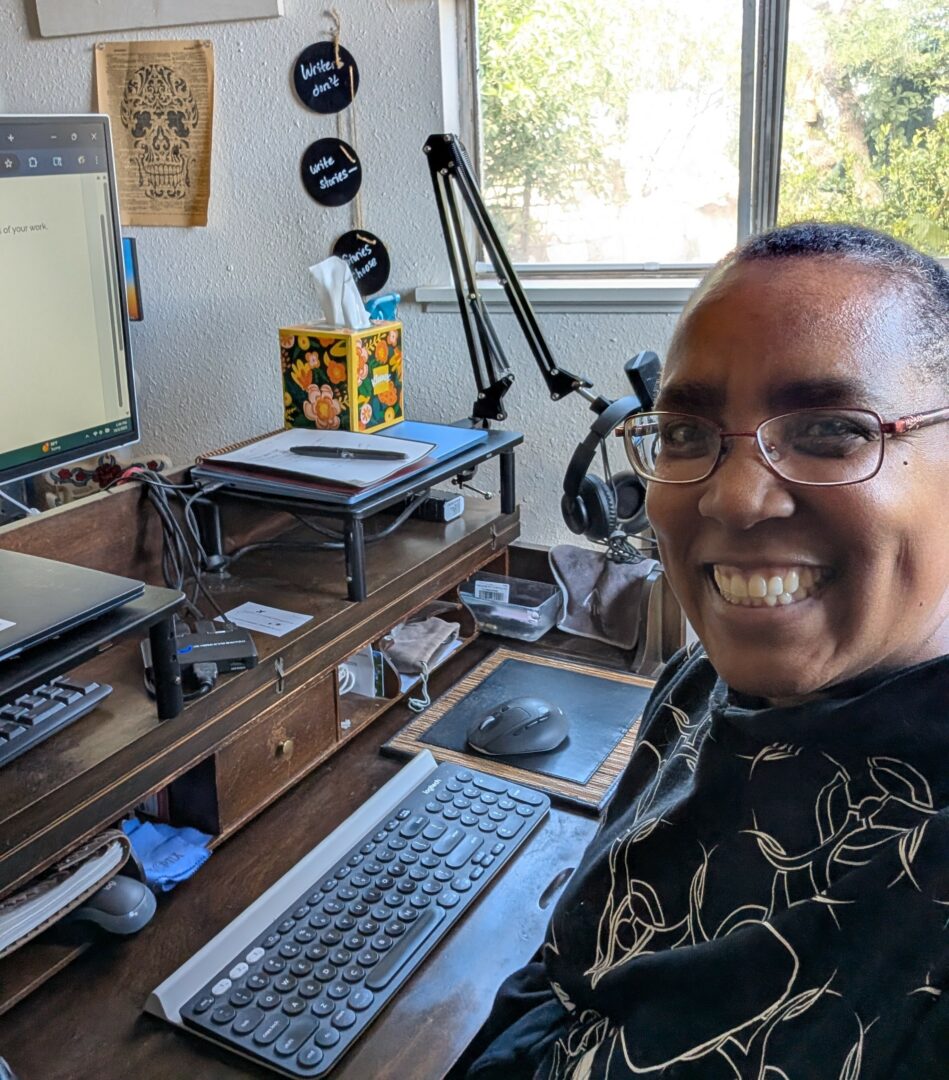
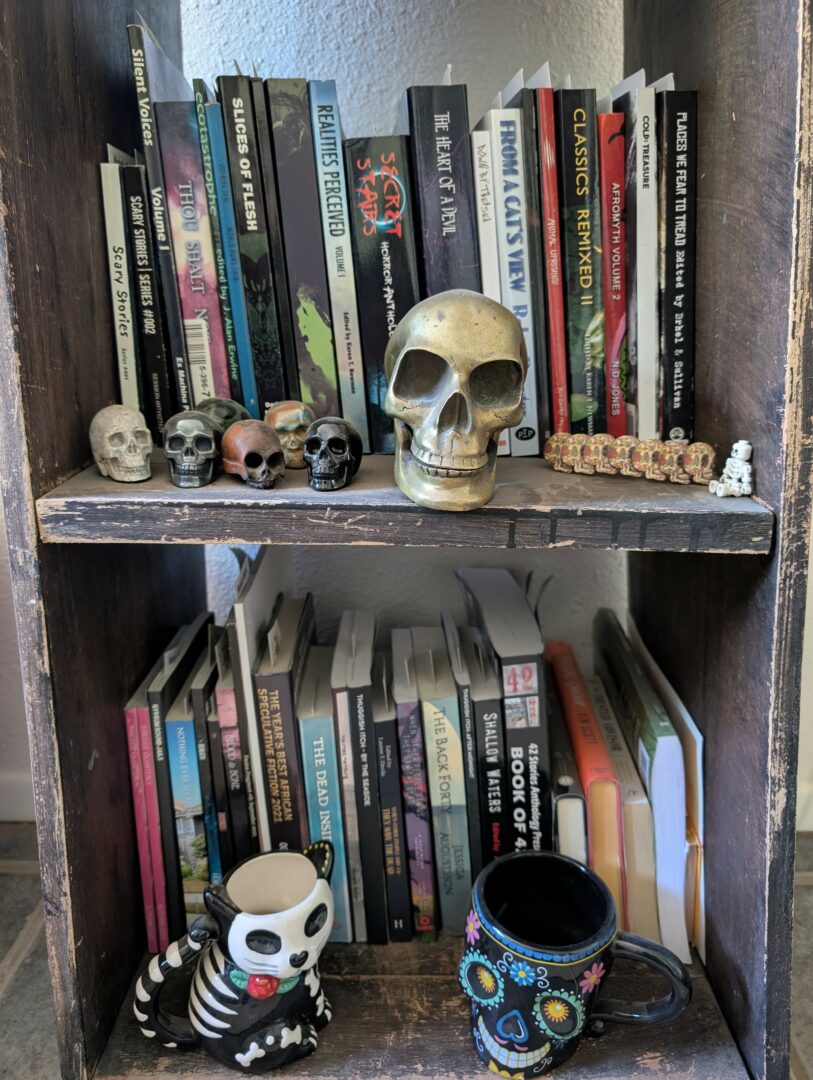
Image Credits
All images (c) Michelle Mellon
so if you or someone you know deserves recognition please let us know here.