We recently connected with Mei Tashiro and have shared our conversation below.
Hi Mei, really happy you were able to join us today and we’re looking forward to sharing your story and insights with our readers. Let’s start with the heart of it all – purpose. How did you find your purpose?
The moment I found my purpose, I was in a high school English language class in Japan. I was 17 years old, and just like other Japanese high school students, I was studying for college entrance exams. The teacher was explaining how to “decode” English paragraphs and teaching us the useful techniques to understand sentences that had complicated grammar, and how we can read them fast so that we don’t run out of time during the exam. Sitting in the back of the classroom, I saw different kinds of students. The one that was tired from studying and spaced out, the ones sleeping through class, and the ones desperately taking notes so that they could get high scores on the exams. Around that time, the Department of Education in Japan had begun to emphasize English scores, and everybody applying for colleges had to be studying English really hard, especially if they wanted to go to a prestigious university. Looking at all my bored, exhausted classmates, I wondered, “Shouldn’t learning English be more fun? Why do we focus so much on all these complicated grammars? English should be a bridge between people, not something boring that only means test scores.
Growing up, I had been part of an English drama club. I never knew proper grammar or much vocabulary until I started learning English in middle school, but learning it through theatre in the club made the learning process really fun. Even though I didn’t understand everything most of the time, watching people perform cool songs, which I later realized were songs from Broadway musicals, in English sparked my curiosity and motivation. Later, I studied away at 16. Through the program, I met not just people from the States, but so many people from all over the world. We watched movies in the basement, saw shooting stars together in the football field, and shared countless meals together. None of that would have been possible if I hadn’t learned English. Not only did it open doors, it opened up my world, figuratively and literally.
So, sitting in that classroom, all those memories came back to me. I realized: I want to teach English through theatre. I want people to use English. I want people to know how fun it is to actually use English. I want them to know what you can do, how many doors you can open, only if you know how to use English. While I partly understand the importance of learning how to get good grades on English exams and learning all this complicated grammar, I know that’s way different from actually being able to use the language. Theatre, I believe, can bridge that gap, just as it did for me.
I remember later that night, I imagined opening my own organization where I teach English through theatre to young people, and their smiles on their faces, and that’s when I knew I had found my purpose.
Let’s take a small detour – maybe you can share a bit about yourself before we dive back into some of the other questions we had for you?
After finding my purpose, I decided to study Educational Theatre in the United States. Educational Theatre is a field that uses theatre as a tool for learning; It’s different from show business or entertainment. It can happen in classrooms, community centers, or even in prisons. There are so many inspiring projects happening in this field in the U.S., and I wanted to learn more about them. That desire led me to move to the States for a while.
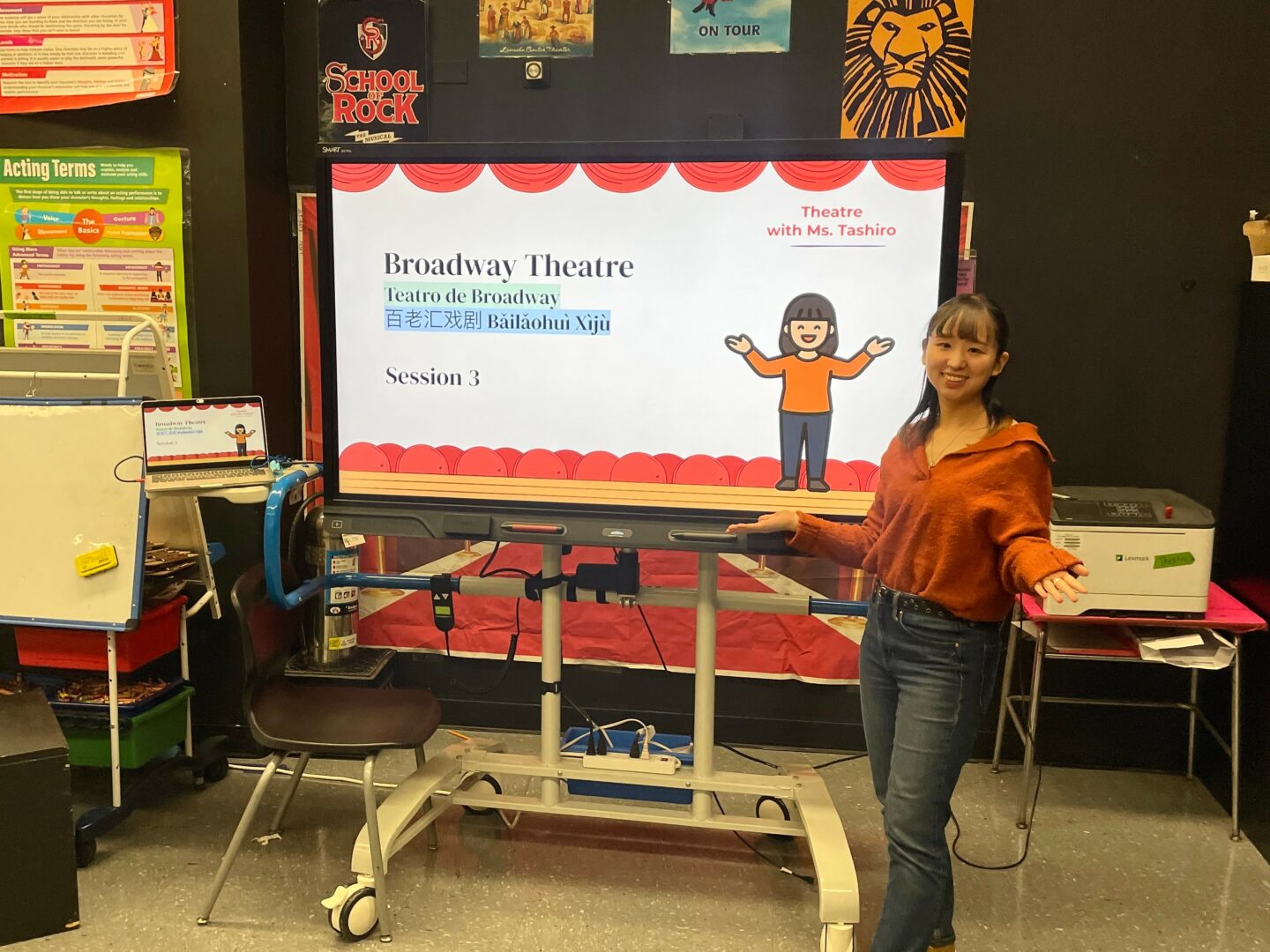
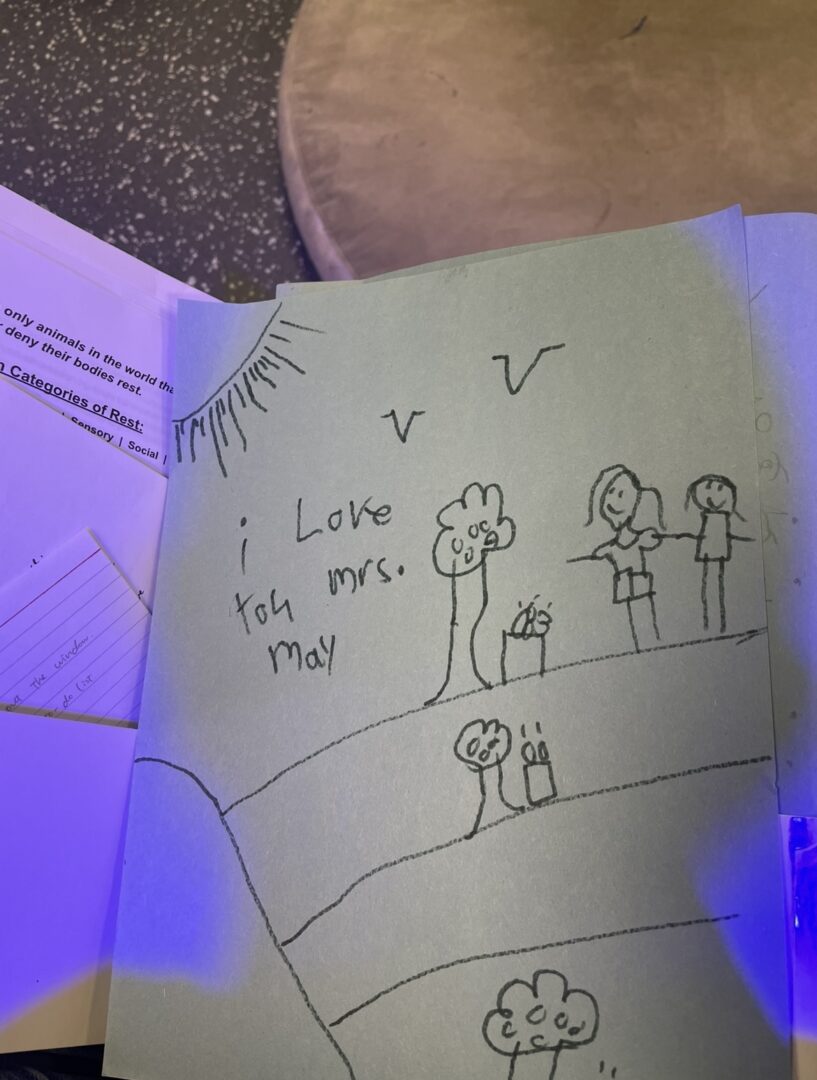
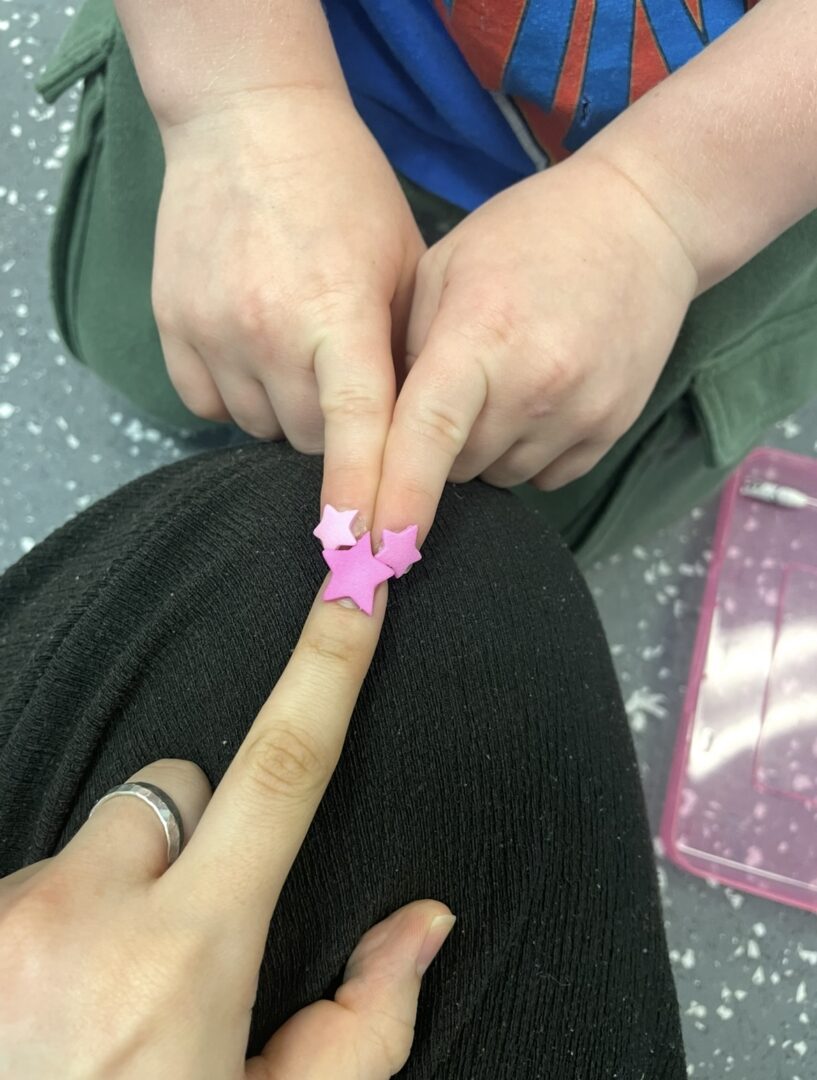
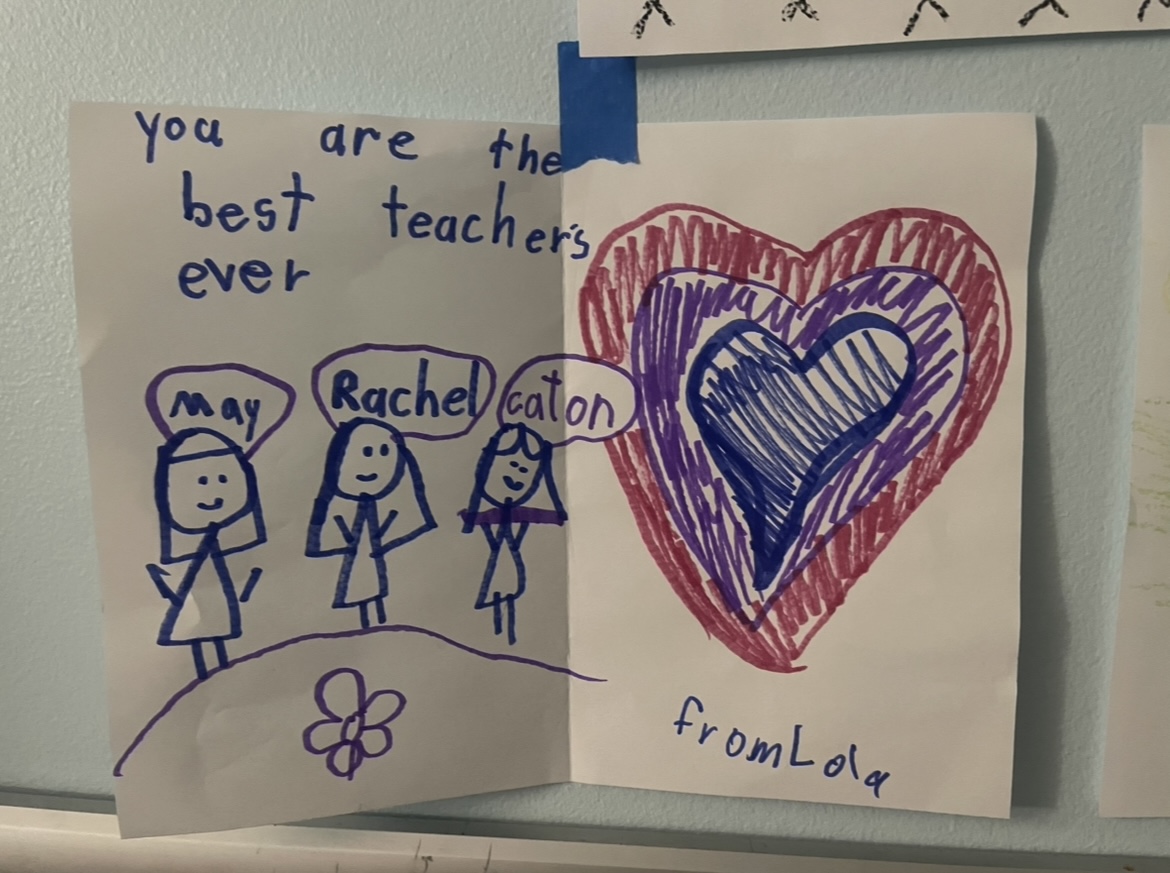
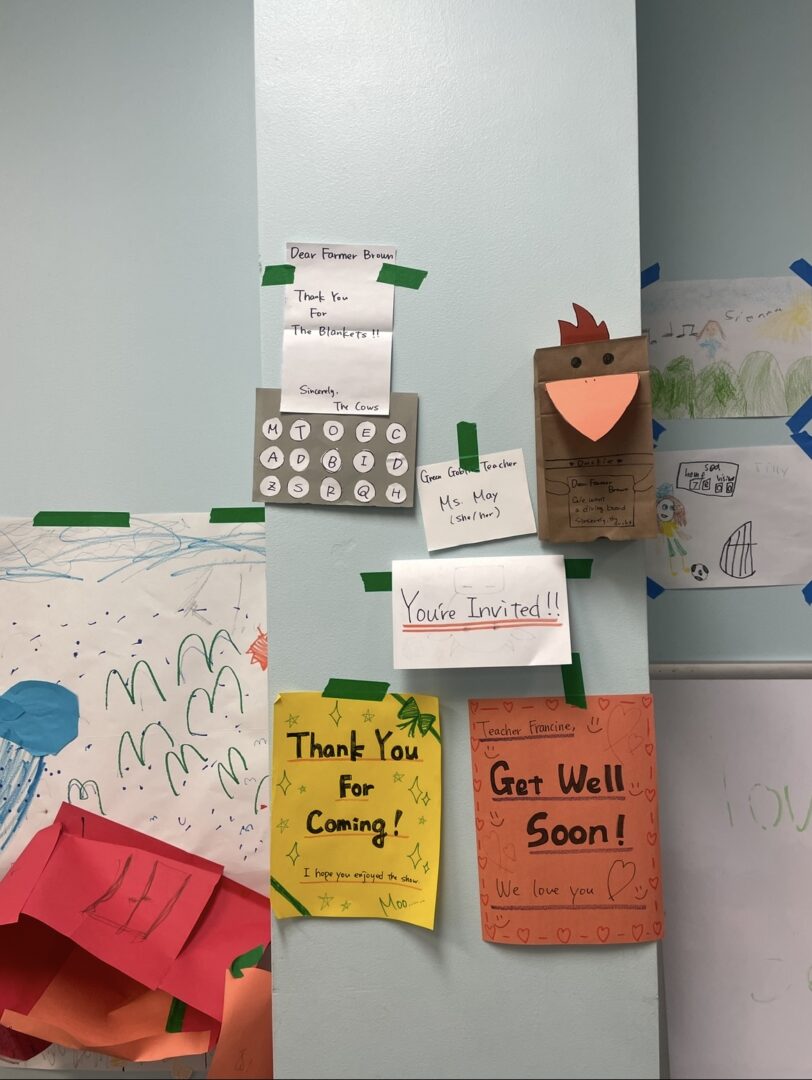
I now work as a teaching artist, teaching theatre to elementary school students. One thing I’ve learned since coming here is that theatre is not only a powerful platform for learning English, but also for developing essential life skills. Many Educational Theatre practitioners say, “Theatre skills are life skills,” and I’ve come to understand why. For example, theatre teaches collaboration. It’s a collective art form that can’t be done alone. This form teaches us how to talk to people, how to listen to people, and how to deal with conflict. It also teaches empathy. When students explore different stories and portray characters, they learn to listen deeply and understand perspectives other than their own. I find great joy in contributing to this kind of essential learning for young people.
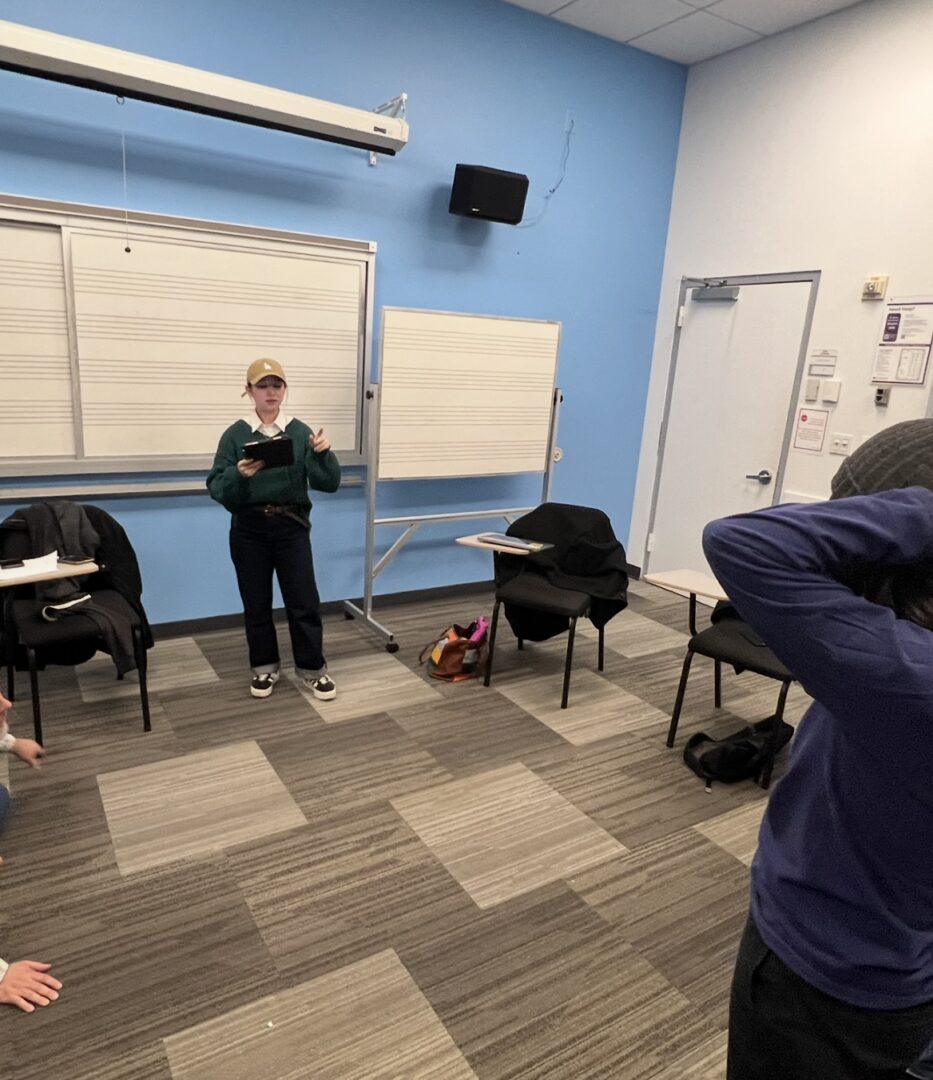
In addition to my work as a teaching artist, I also tutor Japanese students in English online. My lessons are nothing like the traditional English classes in school. I integrate theatre elements into my lessons and encourage students to actually use English and have fun with it. In one lesson, I created a voice-over activity so they could practice language while performing as their favorite characters. In another, my student and I worked on a short scene in English, focusing on how to express emotions in a second language. Sometimes, I even invite my English-speaking friends to stop by and say hi briefly so my students can experience real conversations with native English speakers.
These lessons have become the space where I truly get to do what I love and am passionate about the most: teaching English through theatre. The students have been enjoying the process, and I often receive feedback from their parents saying that their children are excited about this unique way of learning “live” English. Hearing that makes me proud and reassures me that I’m on the right path.
Looking back, what do you think were the three qualities, skills, or areas of knowledge that were most impactful in your journey? What advice do you have for folks who are early in their journey in terms of how they can best develop or improve on these?
One of the lessons my drama teacher always said, and one that has stayed with me, is “Jump in!” It means to simply try. Taking that first step can be terrifying. People might judge you. You might not do well. You might put in all your effort and still not get the result you wanted. But if you don’t take that step, nothing happens. You stay in the same place forever. When I decided to pursue a path in Educational Theatre, many people didn’t understand what I saw in it. They were skeptical, and honestly, I was too. My English wasn’t very strong, and I worried that I wouldn’t be able to keep up. I didn’t have much experience in Educational Theatre, and I was afraid people would see me as unqualified. But I decided to “jump in.” I chose to try anyway. I worked harder on my English than ever before and said yes to every opportunity that came my way. Now, I find myself acting in shows and teaching theatre in my second language. If I hadn’t been brave enough to try, I would still be wondering what my life might have been like if I had chosen to study Educational Theatre. I’m grateful I took that step.
Another quality I value, which connects to the first, is embracing a mindset of trial and error. We can’t always get what we want, and while that truth can be painful and frustrating, when we try something, we always learn something, and we get to use that in our next opportunity. As an educator, my life is full of trial and error. Sometimes, the strategies I think will succeed don’t work, and the ones I least expect end up being the most effective. I used to be, and in some ways still am, a perfectionist, so failure used to hurt deeply. It would linger for a long time. But I’ve learned that failure only has meaning if we learn from it and try again. Since shifting to this mindset, the steps I take have started to feel lighter and less intimidating. As a “recovering” perfectionist, I still hear that little voice shaming me for my mistakes sometimes, but I remind myself that growth always comes through trial and error.
Another important lesson I’ve learned is the value of relying on others. When I first came here, I believed I had to be completely independent, both physically and emotionally. I told myself that as an adult, I should always be able to take care of everything on my own: to know how to make myself happy on my own when I am upset, to figure out everything without asking for help. But I’ve learned that’s not true. It’s okay to rely on people. It’s okay to call a friend and share what happened just to feel a little better. It’s okay to ask questions instead of pretending to know everything or searching for answers alone later. It’s okay not to know how to do something. If you’re honest about it, someone will likely be willing to teach you. Coming from a different culture and with limited knowledge of Educational Theatre, I once felt ashamed of how much I didn’t know. But the more I accepted that and became open about it, the more I was able to learn and grow.
Before we go, any advice you can share with people who are feeling overwhelmed?
I love writing. Whenever I feel overwhelmed, I write down everything that’s on my mind: the fact that I’m overwhelmed, the reasons I think I’m feeling this way, and any other thoughts that come up. I don’t judge myself during this process; I just let everything spill out onto the page. Usually, when I’m overwhelmed, I can sense it, but I don’t fully understand why or what’s really happening in my mind. Writing helps me see things more clearly and objectively.
Once I’ve written everything down, I can start to organize my thoughts and think about my next steps. For example, if I’m overwhelmed by the amount of work I have, I reflect on how I can manage it better, either right now or in the future. If the situation is more complicated, I sort my thoughts into two categories: things I can control and things I can’t. This helps me avoid wasting energy on what’s beyond my control.
Sometimes it’s hard to tell whether something is within my control, and that uncertainty itself can be stressful. When that happens, the first thing I have to do is figure out where my control lies. I might need to talk to the people involved in the matter or just decide that on my own in the moment. Once I know that, I can focus only on what I can control. Then, I start brainstorming possible solutions to the problems that are overwhelming me and choose the best option. If I can’t handle it alone, I reach out to my peers for support.
Contact Info:
- Instagram: @may20.m_n
- Linkedin: https://www.linkedin.com/in/may-tashiro-a6a7412b5/
- Youtube: https://www.youtube.com/channel/UCDeHyBiPxbgNnQX-aGF82cQ
- Other: Article (in Japanese) https://www.sensei-no-gakkou.com/article/sekai-no-daigaku03/
Email: [email protected]
so if you or someone you know deserves recognition please let us know here.