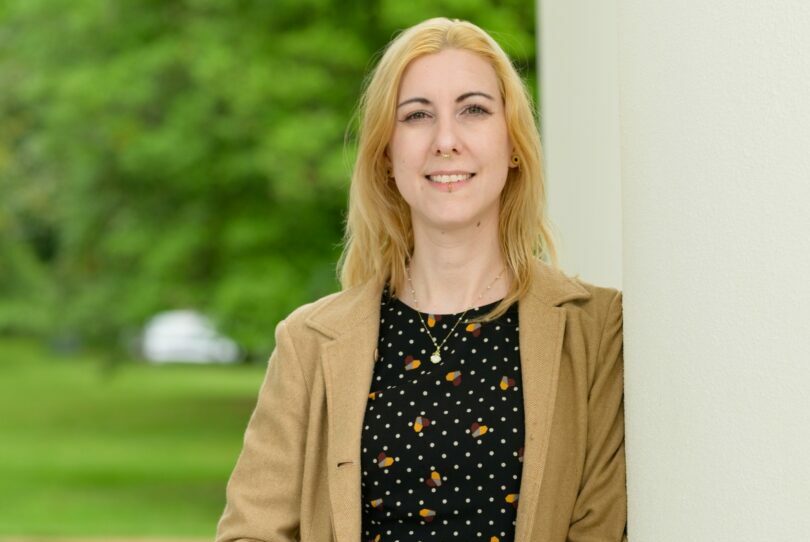
We’re looking forward to introducing you to Janice McLean DeLoatch. Check out our conversation below.
Good morning Janice, it’s such a great way to kick off the day – I think our readers will love hearing your stories, experiences and about how you think about life and work. Let’s jump right in? What makes you lose track of time—and find yourself again?
Music has a way of folding time. The moment a song begins, the clock on the wall loses its power. I stop measuring minutes and start living inside measures and melodies. A steady beat becomes its own heartbeat; a long note stretches across moments so wide that the idea of “time” seems irrelevant. A three-minute song can feel eternal, or an hour-long album can vanish as if it never happened.
When I write about music, the same distortion takes over. I replay a passage again and again, chasing the right words to describe something that has no shape. Writing about sound means translating emotion, rhythm, and silence into language — an impossible task that somehow feels worth attempting. Hours slip by as I listen, pause, type, delete, and listen again. I forget to check the clock because I am listening with my whole mind.
Even when no music is playing, I find myself lost in the idea of it — deciding what to listen to next, remembering how a certain song once felt. Thinking about music stirs memories: a melody linked to a season, a lyric that belonged to someone I once knew. Choosing a song is never a practical act; it’s a quiet journey through emotion and time.
And then, inevitably, the music ends. The spell breaks. Time returns, carrying me back to the ordinary rhythm of life. Yet something has changed — as if I’ve stepped out of the current for a while and come back renewed. Music gives time back to me, but not as I left it. It leaves echoes — reminders that the best moments aren’t the ones we count, but the ones that make us forget to count at all.
Can you briefly introduce yourself and share what makes you or your brand unique?
Dr. Janice McLean DeLoatch
Hello — I’m Dr. Janice McLean DeLoatch, Founder, Chief Executive and Chair of the Women Songwriters Hall of Fame (WSHOF). I’m a songwriter, entrepreneur, former radio/TV personality and passionate advocate for women in the entertainment industry.
What we do
At WSHOF, we exist to honor and celebrate women songwriters, composers, educators, engineers, executives and creators across genres whose work has shaped the world’s music, lyrics, songs and sounds globally.
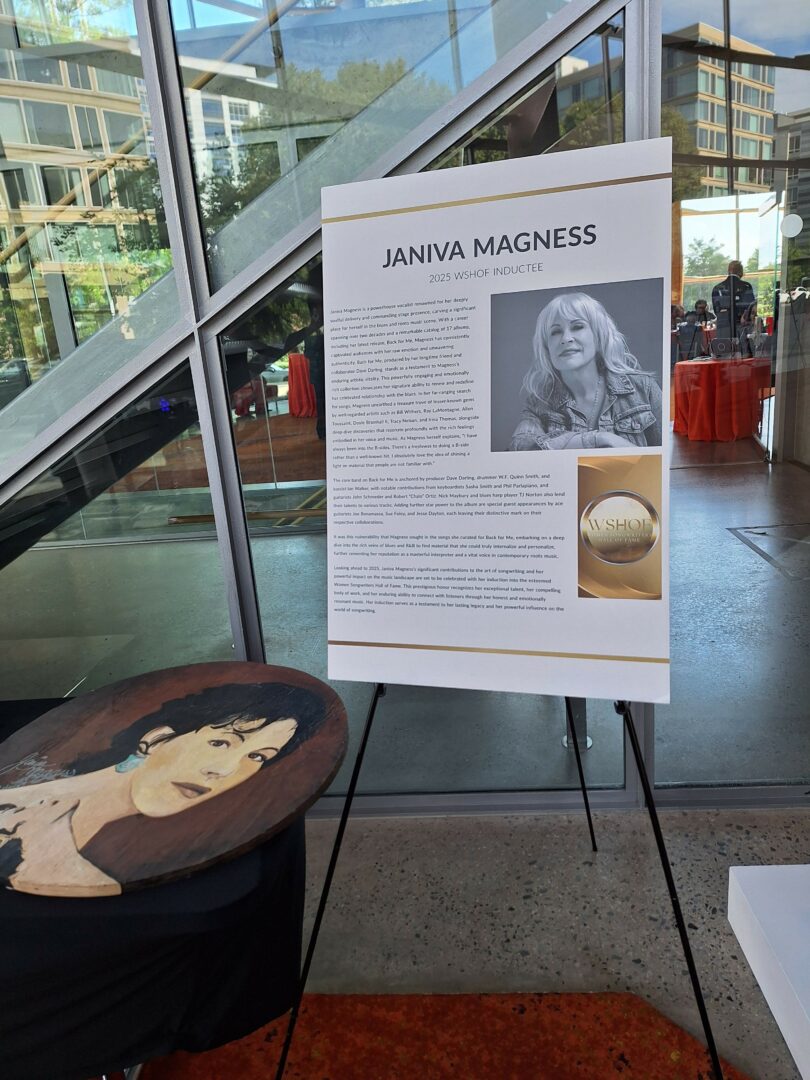
But we don’t stop at recognition: Our annual awards gala, mixers and songwriting contests create spaces where established and emerging women creators connect, collaborate and elevate each other. We provide resources, including songwriting workshops, mentorship, scholarship opportunities, showcases and an annual induction gala event to spotlight excellence and honor legacy female songwriters.
Why it matters
During my own journey as a songwriter and entrepreneur, I noticed a stark gap: too many women who write, compose or build behind the scenes in music were under-recognized. Awards systems and industry structures often overlooked them, limiting visibility and career growth.
So WSHOF was created to change that story — to create equity and visibility for women in every role of songwriting and music-creation, engineering, management, education, promotion, marketing, distribution and to build a legacy of inspiration for the next generation.
What makes it special/unique
Women-centric from the ground up: WSHOF was designed specifically to elevate the women side of songwriting and music creation. All genres, all categories: We recognize composers, lyricists, engineers, producers, educators — not just performers. The range is broad.
Our story / Origins
I founded WSHOF after doing research and seeing the numbers for myself — that women’s contributions to songwriting and music often went unseen or uncelebrated. From that insight came a mission: to build a dedicated home for women songwriters, to archive and amplify their legacy, and to open doors for tomorrow’s voices.
What we’re working on now
Our 2026 induction gala is on the horizon — We will continue the legacy of honoring women songwriters from a variety of genres.
We’re expanding our educational programming: more mentorships, songwriting labs and scholarship opportunities for emerging women creators.
We’re forging partnerships with music industry, media and educational institutions to amplify our mission and create more pathways for women.
We’re also growing our archive and recognition programs, ensuring the legacy of women’s songwriting is documented, celebrated and visible for generations to come.
Why you should care
Because when women’s voices — literally and figuratively — are heard, the music world gets richer, more diverse, more equitable. The songs we all listen to reflect more stories, more perspectives, more hearts. And by supporting creators behind the scenes (songwriters, composers, engineers) we shape a music culture that’s stronger, more inclusive and vibrant.
If you’re a reader who loves music, supports women in creative roles, or is a songwriter yourself — I invite you to explore our work at WSHOF.org: connect, learn, contribute, celebrate. Whether you’re just starting out or already established, there’s a place for you.
Thank you for letting me share our vision. I’m excited for what comes next, and for the many women’s songs yet to be heard.
Okay, so here’s a deep one: What breaks the bonds between people—and what restores them?
“What breaks the bond between people and restores them again? Pride and humility.”
Pride is the great divider.
It builds invisible walls — walls of self-protection, ego, and the need to be right. Pride whispers that admitting fault is weakness, that vulnerability is dangerous, and that the other person must make the first move. When pride takes the lead, empathy fades, communication hardens, and the bond that once connected hearts begins to fray. It blinds us to our shared humanity.
But humility — humility is the bridge builder.
It softens the heart, clears the air, and opens the door for reconciliation. Humility doesn’t erase differences or pretend that pain didn’t happen; instead, it makes space for truth, forgiveness, and grace to re-enter the relationship. It says, “I value us more than my need to be right.” In humility, we remember that we, too, are flawed and in need of understanding.
So, relationships are a rhythm — sometimes broken by pride, and restored by humility. Pride isolates; humility reunites. Pride defends the self; humility seeks connection. Pride ends conversations; humility begins them again.
If you could say one kind thing to your younger self, what would it be?
If I could say one kind thing to my younger self, it would be this: “Believe in yourself and your instincts!”
For so many years, I looked outside myself for validation — from people, from circumstances, from the industry. I thought the world had to affirm me before I could affirm myself.
But with time, experience, and a few hard-earned lessons, I realized that the voice inside — the quiet one that whispers truth, creativity, and courage — was always guiding me in the right direction. Believing in yourself isn’t arrogance; it’s self-trust. It’s knowing that your perspective, your gifts, and your calling are not accidents, but divine appointments meant to shape the world in ways only you can. More importantly as both of my parents died when I was very young and mostly I was the person I should have trusted and believed in more.
To my younger self, I would say: don’t second-guess your worth. You don’t need to shrink to fit someone else’s comfort zone or wait for permission to walk in your purpose. The path may twist and turn, and not everyone will understand your vision, but your instincts — that deep inner knowing — are a compass planted by God and strengthened through every challenge. Each time you listen to it, you become more aligned with who you were created to be.
And finally, I’d remind her that believing in yourself is an act of love — not just for you, but for the people your work will touch. Because when you move with confidence and authenticity, you give others permission to do the same. So keep trusting your instincts, even when the world doubts them. They are the voice of your purpose calling you forward — and they will never lead you wrong.
Alright, so if you are open to it, let’s explore some philosophical questions that touch on your values and worldview. What would your closest friends say really matters to you?
Doing our Best to do our Best!
Okay, so before we go, let’s tackle one more area. If you retired tomorrow, what would your customers miss most?
Well fortunately for female songwriters I have no plans on retiring. Although I could sometimes do without the frenzy that often accompanies preparing for our Annual Award Show and the ongoing work that (WSHOF) does all year round. If I retired-and without the incredible work (WSHOF) has embarked on the world would lose out on several opportunities. listed below.
Without the Women Songwriters Hall of Fame (WSHOF) and similar initiatives, women songwriters would likely continue to lose out in several critical ways:
1. Erasure and Historical Overlooking
Undervalued Legacy: Without a specific institution dedicated to their heritage, the contributions of pioneering women songwriters, past and present, would be more easily overlooked or minimized in the broader, male-dominated music history narratives.
Lack of Centralized Record: The WSHOF serves as a central, dedicated archive to document and celebrate these careers. Without it, their work, influence, and stories would remain fragmented, making it harder for future generations and scholars to find and appreciate their full impact.
Disparity in Mainstream: Historically, women have been severely underrepresented in music on a general basis. The WSHOF was created in part to address this glaring lack of parity and ensure women’s achievements receive the recognition they deserve.
2. Lack of Visibility and Role Models
Fewer Inspirations for Future Talent: A Hall of Fame provides highly visible role models and demonstrates that a successful, acclaimed career in songwriting is achievable for women. Without this spotlight, young aspiring female songwriters would have fewer celebrated figures to look up to, potentially discouraging them from pursuing the field.
Reinforced “Boys’ Club” Perception: The absence of dedicated recognition reinforces the perception that songwriting is an industry where women are on the periphery. This can make the already challenging environment of the music industry—often criticized for sexism and a “boys’ club” mentality—even more unwelcoming.
3. Fewer Opportunities and Resources
Limited Development Support: The WSHOF and similar organizations often go beyond just awards; they offer scholarships, workshops, and mentorship programs for developing talent. Without this organization, fewer dedicated resources would be funneled directly to support the next generation of female songwriters.
Reduced Industry Clout: An induction or award can confer status, media attention, and increased negotiating power, especially for veteran artists. Losing this platform means some women would lose a crucial tool for revitalizing their career, securing better performance and publishing deals, or commanding higher fees.
In essence, the Women Songwriters Hall of Fame acts as a bulwark against erasure and is a powerful vehicle for empowerment, ensuring that women’s voices are heard, their historical contributions are recorded, and their careers are supported both structurally and inspirationally.
Contact Info:
- Website: https://www.wshof.org
- Instagram: womensongwriters_hof
- Linkedin: Women Songwriters Hall of Fame
- Twitter: Real WSHOF
- Facebook: Women Songwriters Hall of Fame
- Youtube: https://www.youtube.com/channel/UCegPYEA1NmPa0xj8-w1eEow
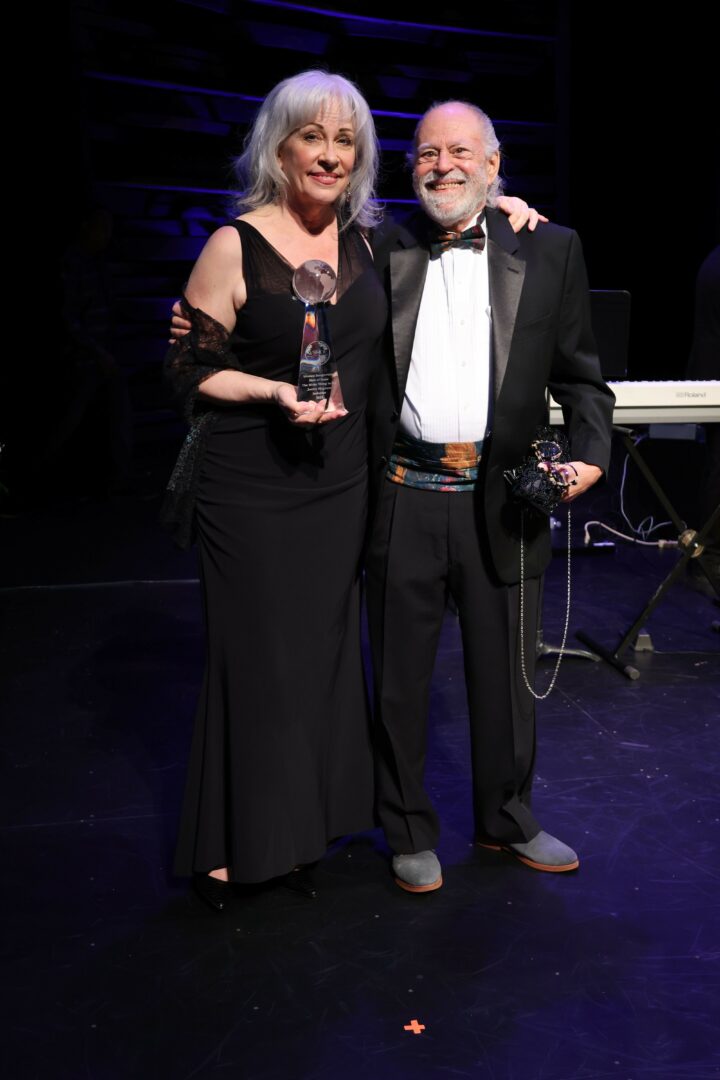
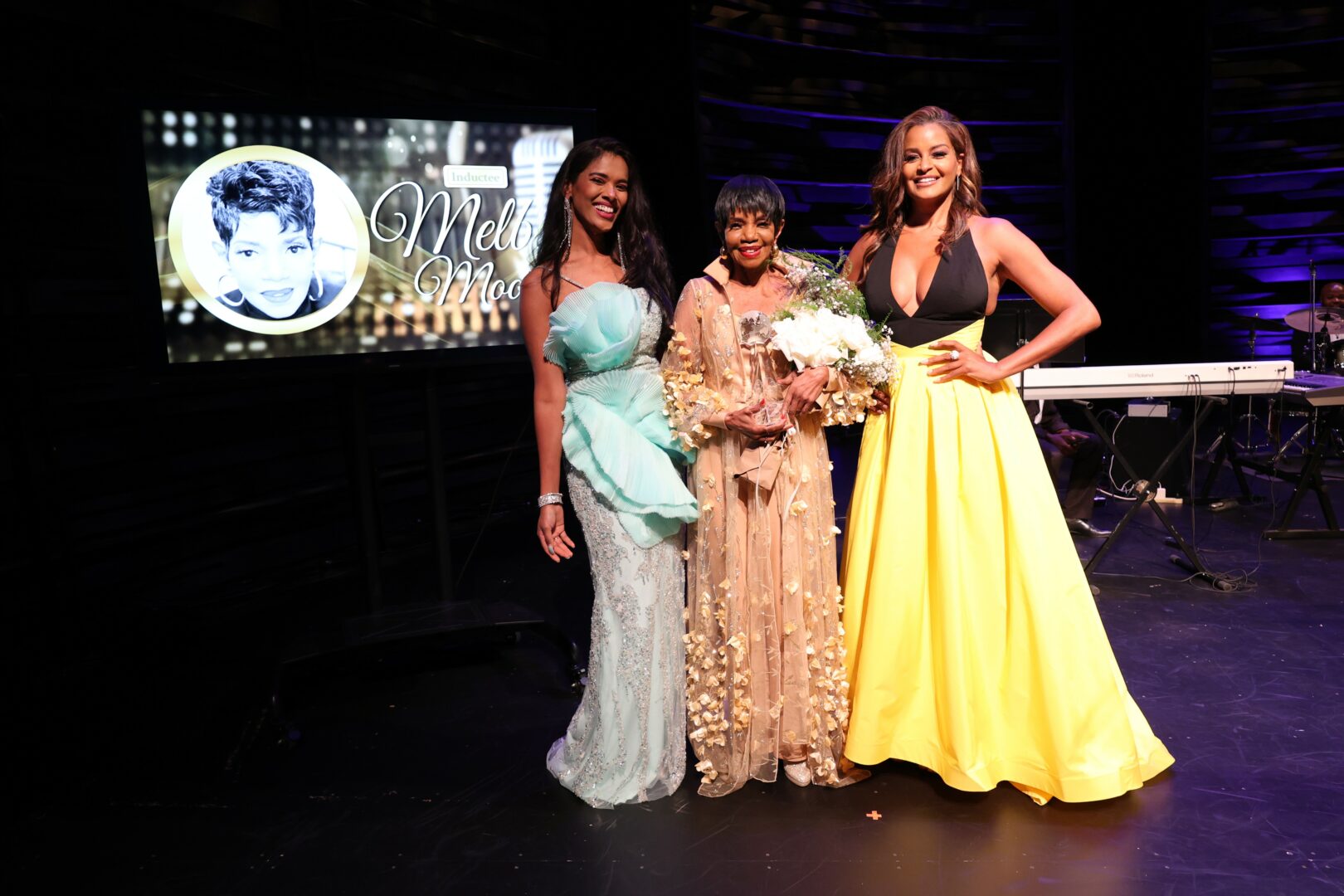
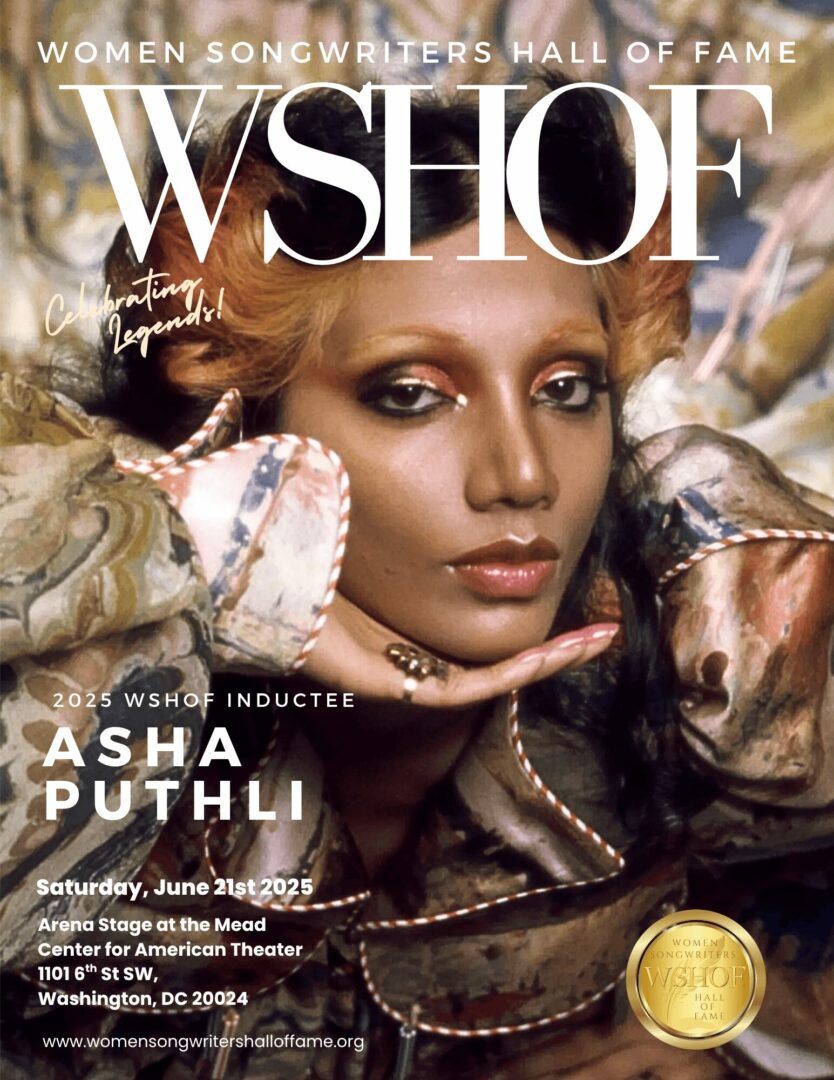
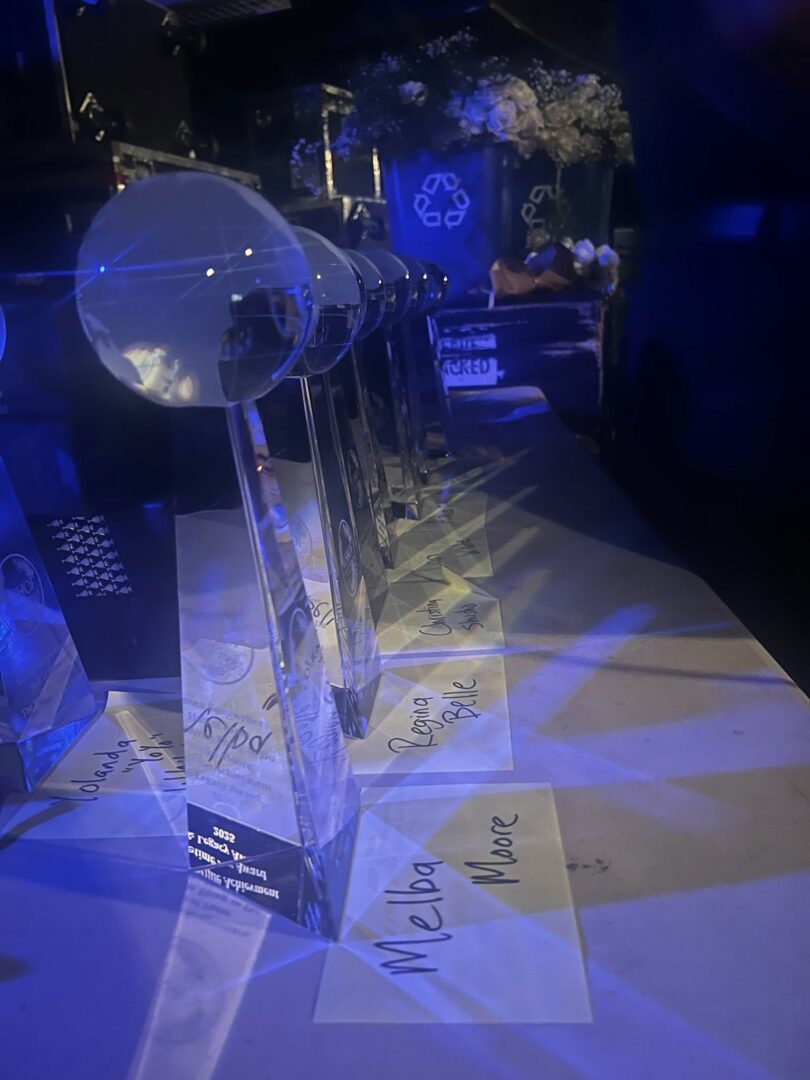
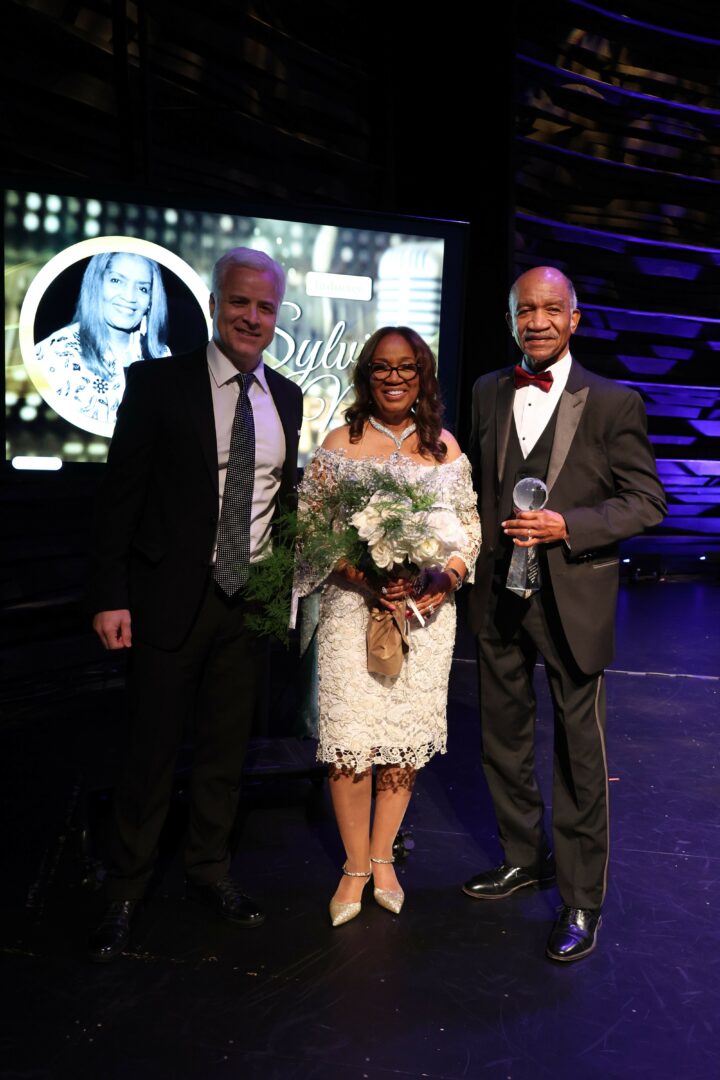
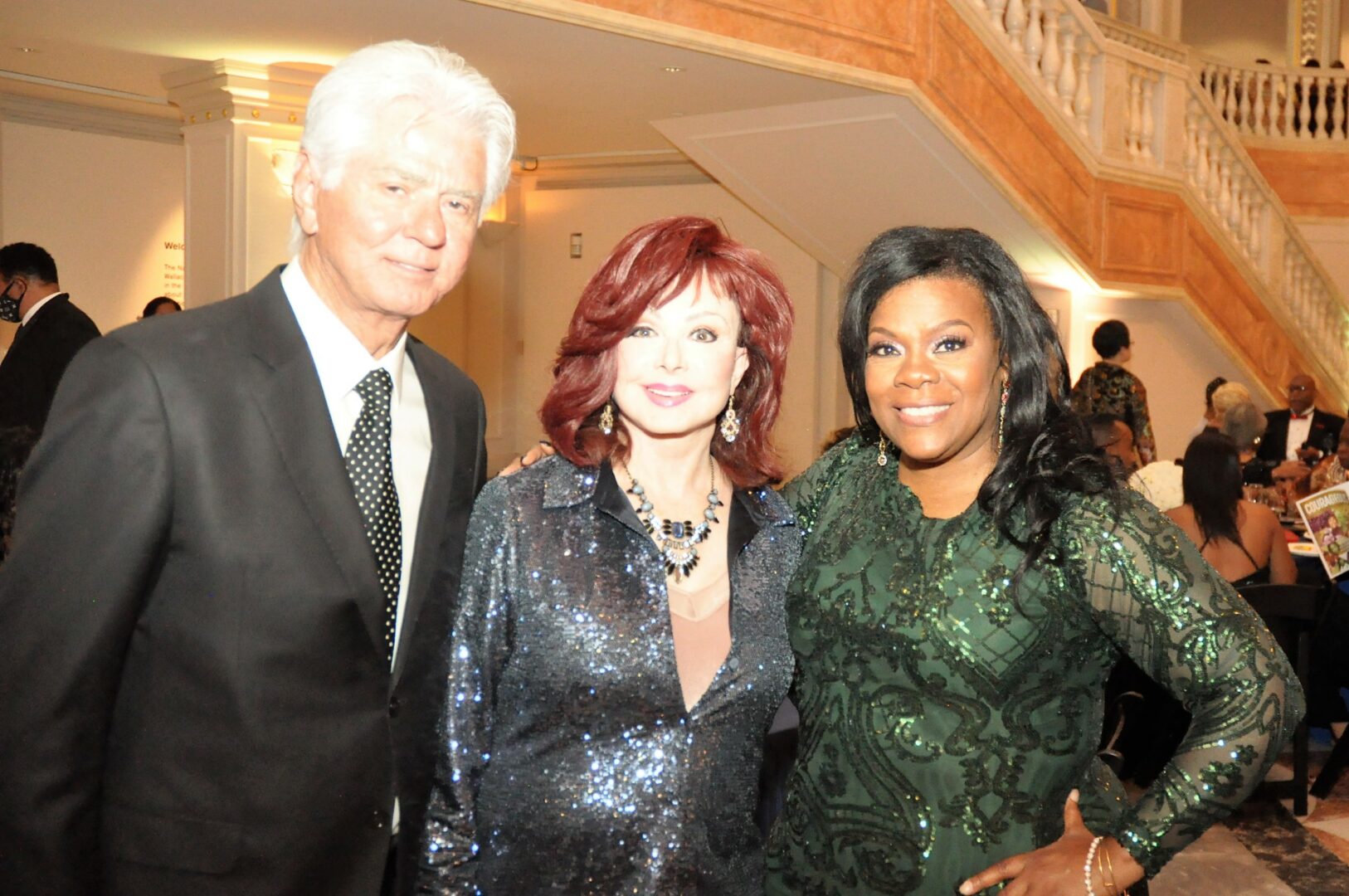
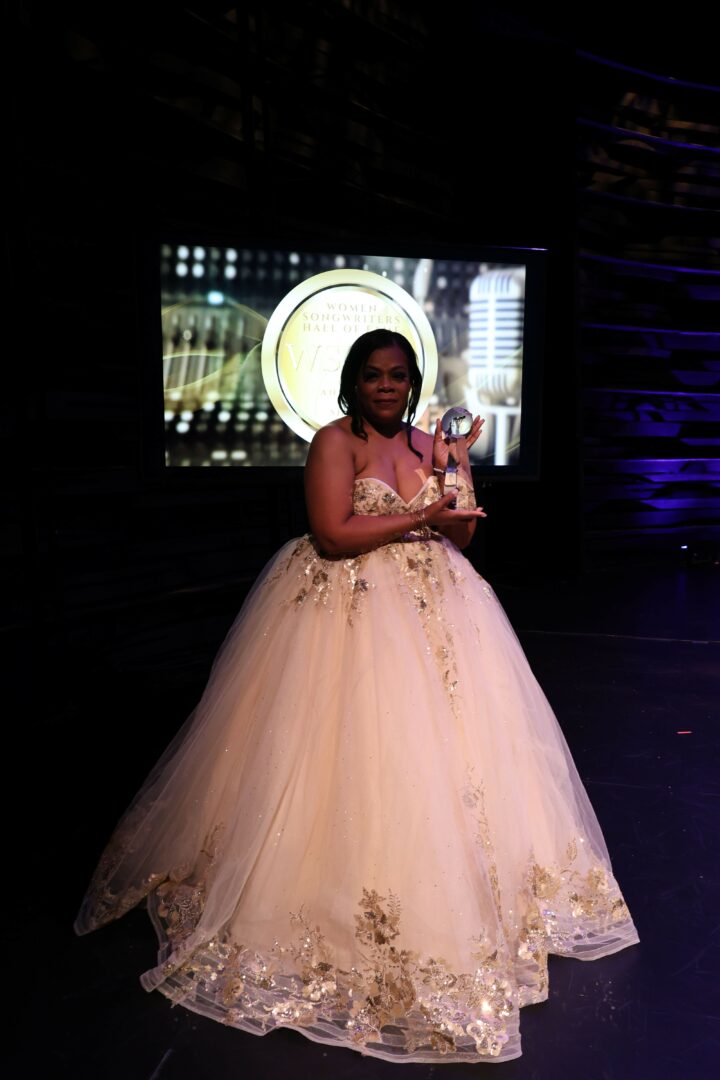
Image Credits
All Photos Courtesy of Women Songwriters Hall of Fame
so if you or someone you know deserves recognition please let us know here.