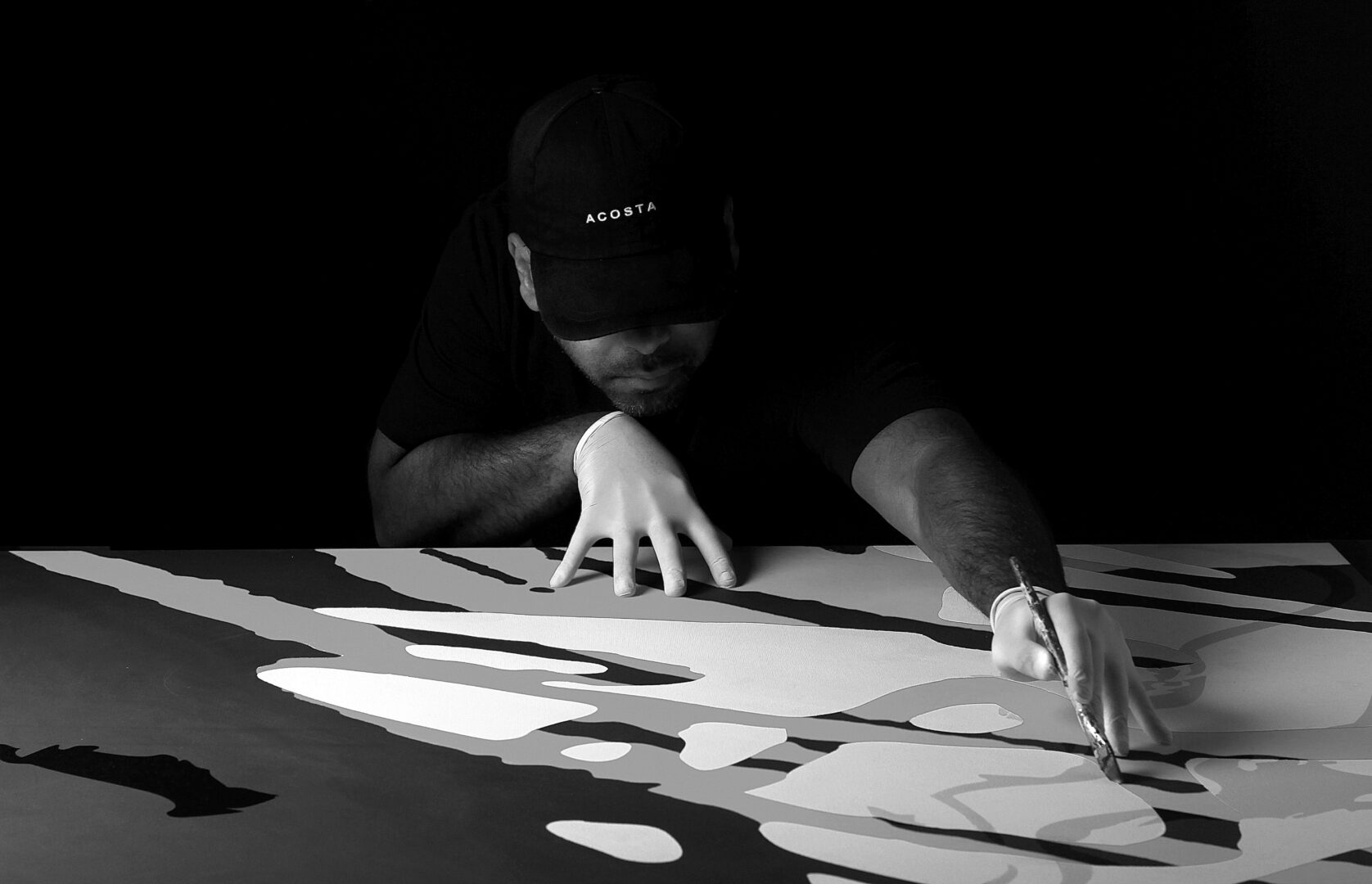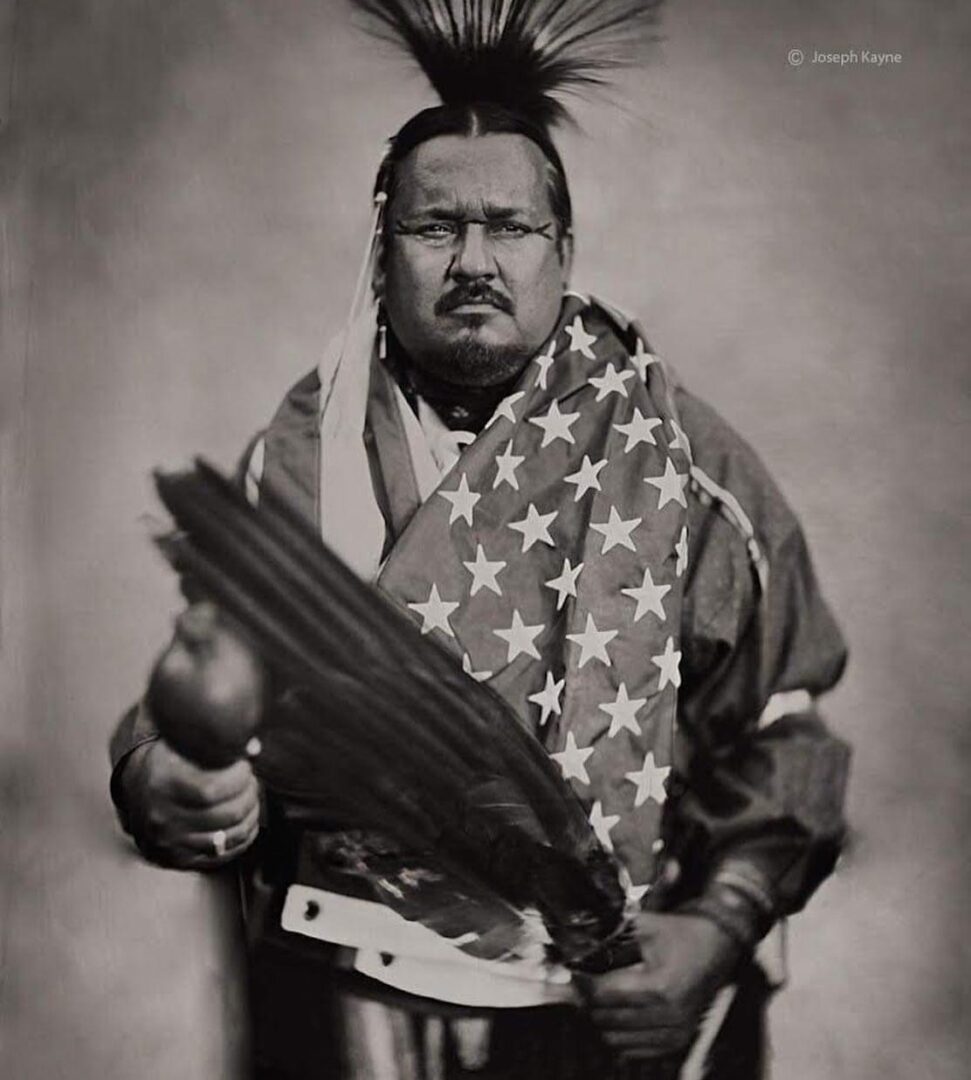
We’re looking forward to introducing you to Dante Biss-Grayson. Check out our conversation below.
Dante, really appreciate you sharing your stories and insights with us. The world would have so much more understanding and empathy if we all were a bit more open about our stories and how they have helped shaped our journey and worldview. Let’s jump in with a fun one: Are you walking a path—or wandering?
I’m walking a path, not wandering. My military training shows up in fashion as strategy, disciplined execution, and real-time flexibility—always outcome-focused. Sky-Eagle Collection turns plans into garments, and through the International Indigenous Fashion Council (IIFC) that discipline scales to serve our communities.
Can you briefly introduce yourself and share what makes you or your brand unique?
I’m Dante Biss-Grayson (Osage Nation)—a U.S. Air Force veteran, fashion designer, artist, and poet. I’m the co-founder of the Sky-Eagle Collection, a family-built, Indigenous-led house working in the luxury space—refined, story-driven couture and ready to wear. I’m also the founder of the International Indigenous Fashion Council (IIFC), where we’re building chapters worldwide to uplift Indigenous fashion globally.
What makes my work distinct is the blend of culture and strategy. I bring a veteran’s mindset to creative industry—clear strategy, disciplined execution, flexibility in the field, and outcome-focused business models—so the art can scale and serve a better purpose. Through the IIFC, we plan to operationalize the U.N. Declaration on the Rights of Indigenous Peoples (UNDRIP) in fashion: creating ethical standards, labor and environmental protections, education, mentorship, and market-access partnerships so Indigenous designers can grow on equitable, respectful terms—from community ateliers to international runways.
Appreciate your sharing that. Let’s talk about your life, growing up and some of topics and learnings around that. What’s a moment that really shaped how you see the world?
My Afghanistan tour. I drank tea with families on dirt floors—people with almost nothing who showed immense heart and determination. That humility reset my metrics: integrity, consent, and care matter more than what you own. Since then, I plan carefully, stay flexible, and judge my work by who it actually benefits.
What have been the defining wounds of your life—and how have you healed them?
War left wounds you can’t see—post-traumatic stress, hypervigilance, survivor’s guilt. For a while, the world felt too loud and too fast. Healing started when I named it, asked for help, and returned to ceremony, family, and community. I learned that healing isn’t a moment; it’s a practice.
Art and fashion became part of that practice. Art and Design have given me focus and infusing social justice has given me a new goal, something I can see on the horizon. Every garment, every project, every runway was a way to move anxiety into form, to turn memory into something useful and respectful. I don’t pretend it’s a cure; it’s a discipline that steadies me.
The wound also gave me a new mission: to build work that protects story, honors history, advocates for the future, and creates dignified pathways for others. If pain taught me anything, it’s that beauty has to help—not just impress. I carry that forward, one piece, one conversation, one day at a time.
I think our readers would appreciate hearing more about your values and what you think matters in life and career, etc. So our next question is along those lines. What’s a belief or project you’re committed to, no matter how long it takes?
I’m committed to the work of the International Indigenous Fashion Council (IIFC) and bringing the United Nations Declaration on the Rights of Indigenous Peoples (UNDRIP) into law and everyday industry practice. That means building chapters worldwide, drafting model policy and pursuing legislation with governments and standards bodies, and engaging major fashion houses and global retailers to adopt the UNDRIP ethos across codes of conduct, supplier contracts, procurement, and audits.
Our focus is to translate values into enforceable frameworks—labor protections, environmental safeguards, cultural and intellectual-property stewardship, transparent sourcing, fair pay, education, mentorship, and market access—and to make those the norm from community ateliers to multinational brands. I’m in this for the long haul: patient, strategic, and accountable until these protections are written into law and embraced by the biggest players in fashion.
Okay, so let’s keep going with one more question that means a lot to us: Are you doing what you were born to do—or what you were told to do?
I’m doing what I was born to do. I’ve taken orders and given them, but the work that rings true is the kind no one assigned—shaping story into form and building systems that protect people. Elders asked me to carry teachings forward; war taught me the cost of living without purpose. I still use the rigor I was taught—planning, precision, adaptability—but not to fit a script. I use it to carve a path that didn’t exist yet. I was born to build and lead.
Contact Info:
- Website: https://www.skyeaglecollection.com/
- Instagram: @skyeaglecollection
- Facebook: @skyeaglcollection
- Other: Insta @IIFC.HQ
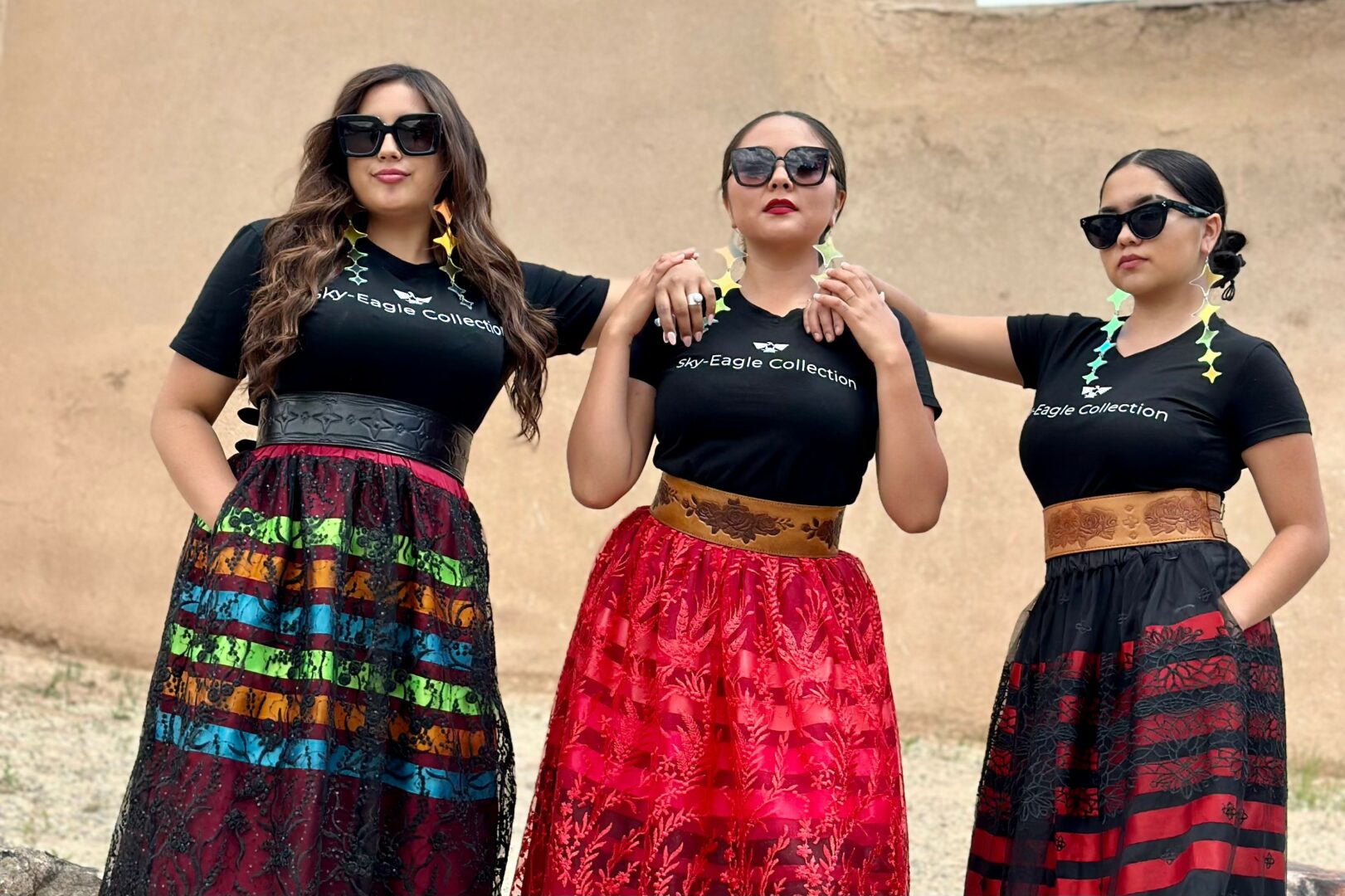
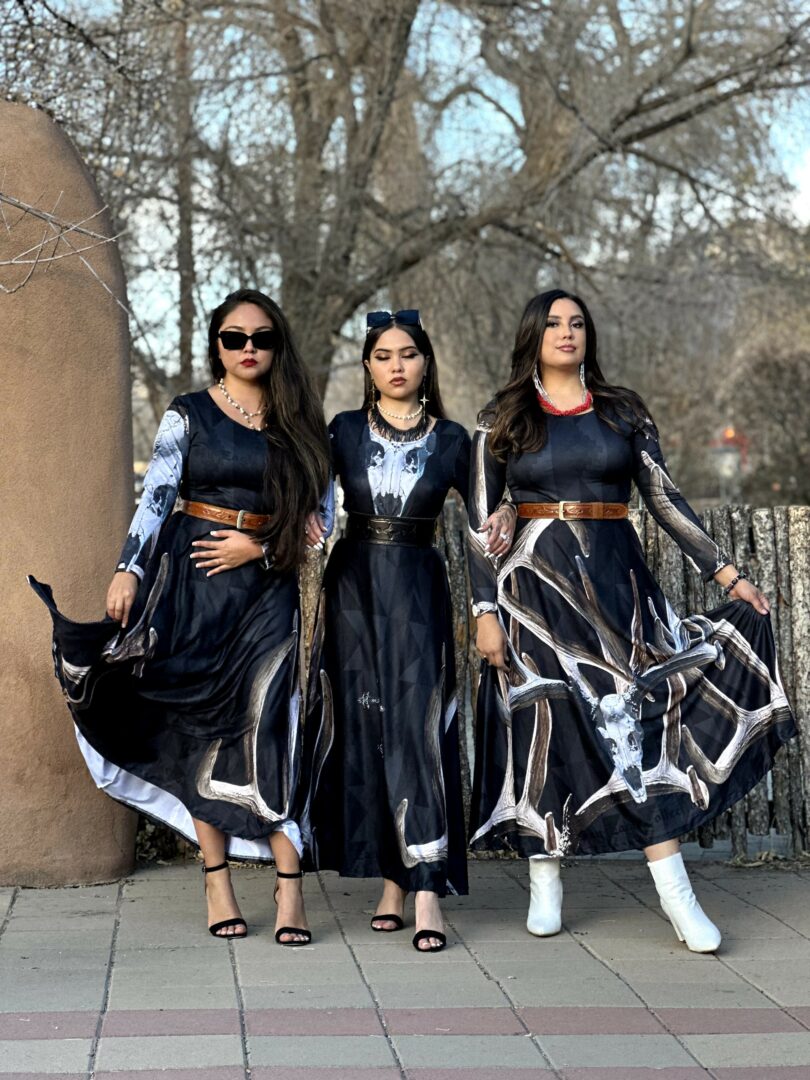
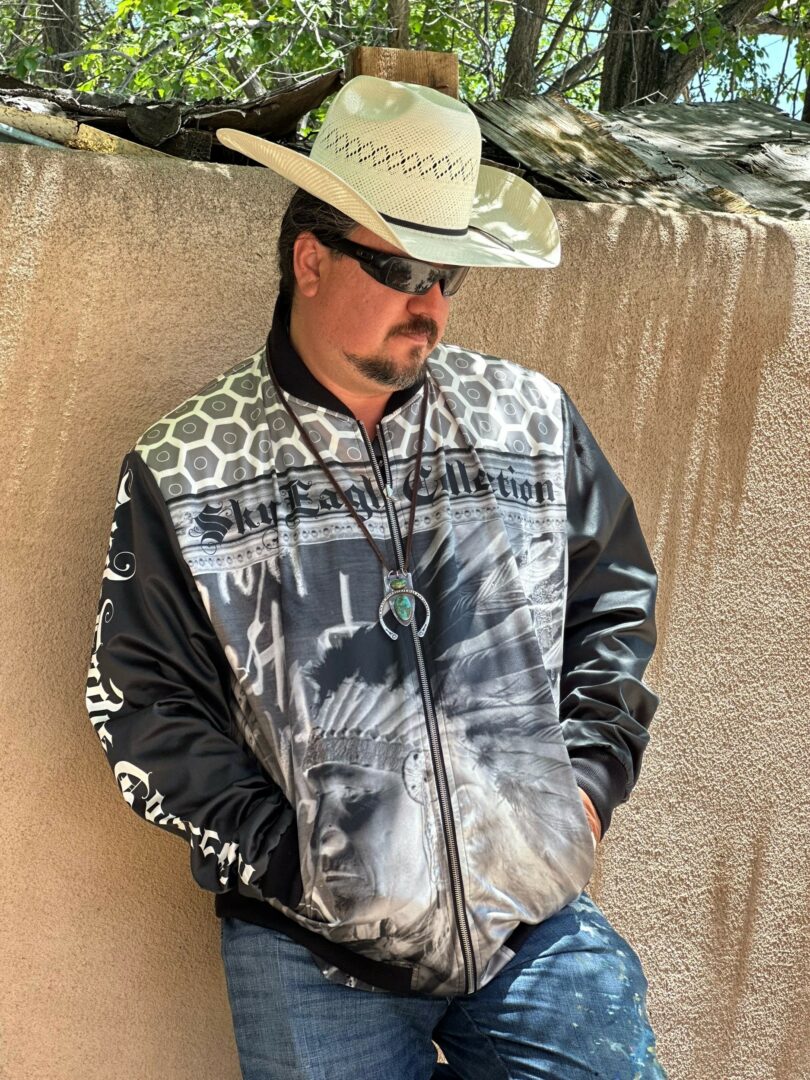
Image Credits
All from the Sky-Eagle Collection (the earlier photo, the tintype in regalia, is Joe Kayne)
so if you or someone you know deserves recognition please let us know here.