We recently had the chance to connect with Johanna C. Dominguez and have shared our conversation below.
Hi Johanna C. , thank you for taking the time to reflect back on your journey with us. I think our readers are in for a real treat. There is so much we can all learn from each other and so thank you again for opening up with us. Let’s get into it: What do the first 90 minutes of your day look like?
Well, mornings here are anything but quiet. We’re both a plant shop and a bird rescue, so the first 90 minutes are full of life—sometimes literally flying around. When we arrive, our flock of seven (Chimichurri, Earl Grey, Lychee, Melon, Taco, Barley, and Soya) greets us with a chorus of squawks, whistles, and pure chaos. It’s our version of a morning meeting.
If it’s summer, we start by moving plants outside to soak up the sun. Then comes our daily reset—vacuuming, sweeping, and making sure the shop is spotless before customers arrive. We check leaves, prune where needed, and water whichever plants are on the schedule for that day.
Then it’s bird breakfast time. We play chef and prep their meals—fresh fruits, vegetables, and our own homemade chop. Everyone gets clean water, fresh food, and a quick health check. By the time we’re done, the shop smells like greens and citrus, the birds are happily munching, and the jungle is humming along. It’s a wild start, but we wouldn’t have it any other way.
Can you briefly introduce yourself and share what makes you or your brand unique?
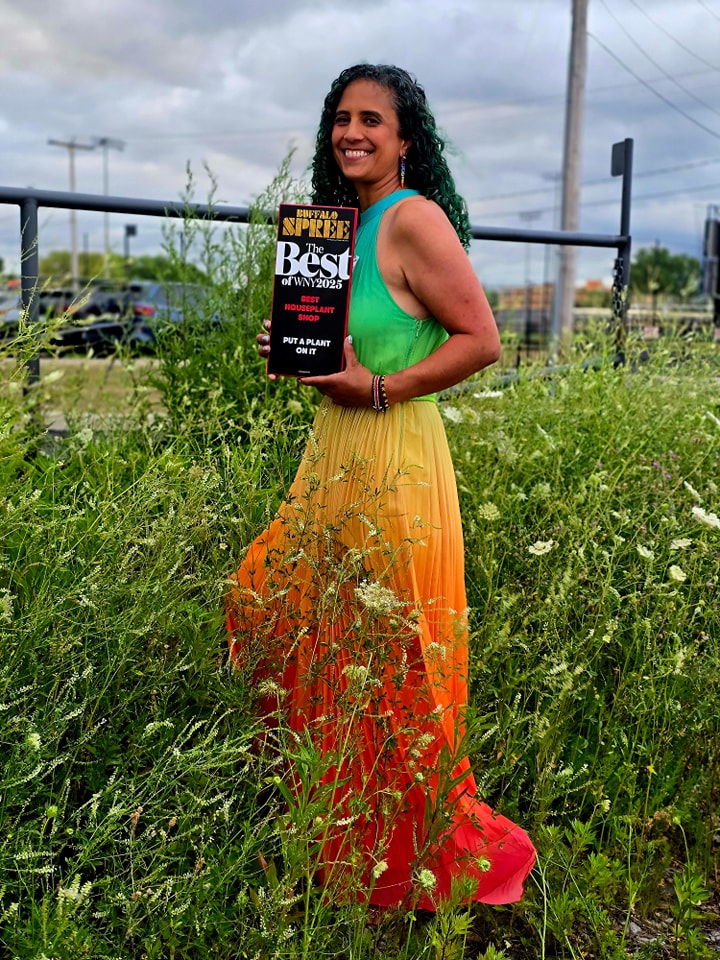
I’m Johanna, the owner of Put a Plant On It, a plant shop, bird rescue, and creative jungle tucked away in Buffalo, NY. We like to say we’re part tropical escape, part community hub, and part beautiful chaos. Our shop is filled with lush greenery, moss art, and the sounds of our resident parrots—each with their own big personality and opinions.
What makes us unique is that we’re not just selling plants—we’re creating connection. Between people and nature, between art and environment, and even between humans and birds. I’m an artist myself, and I love working with mosaics, moss, and natural materials to bring living art into people’s spaces.
Lately, we’ve been expanding our bird rescue program, which started in memory of two of our beloved parrots, Papaya and Blueberry. We’re also featuring more local artists in the shop and hosting workshops, greenhouse rentals, and events that let people slow down and breathe for a while.
At the heart of it, everything we do is about growth—plants, people, and a little hope that things can always get greener.
Thanks for sharing that. Would love to go back in time and hear about how your past might have impacted who you are today. Who taught you the most about work?
Definitely my mom. She was a single parent and the hardest-working person I’ve ever known. She did everything on her own and still managed to show up for me every single day. Watching her taught me resilience, resourcefulness, and how to figure things out even when the odds aren’t in your favor. She’s the reason I work the way I do.
When did you stop hiding your pain and start using it as power?
I stopped hiding my pain when I realized it could be fuel. For a long time, I tried to fit into what I thought business ownership should look like—quiet, polished, neutral. I chemically straightened my natural hair, wore suits and dresses, and tried to fit within professional confines. I was told by society that I couldn’t be professional or successful with curly hair or brightly colored hair. But when I opened the store, I couldn’t hide anymore. I was the face of it, and that came with claiming every part of my identity: being a woman, being a minority, being someone who built something from scratch. Now I see all the hard things I’ve been through as the reason I can hold space for others.
So a lot of these questions go deep, but if you are open to it, we’ve got a few more questions that we’d love to get your take on. Whom do you admire for their character, not their power?
Jane Goodall. I’ve always admired the way she leads with empathy and curiosity instead of ego. Even when she was asked if there’s anyone she doesn’t like she answered with such grace and poise. She’s shown that you can create massive change through compassion and consistency—not power or control. That kind of grace and conviction is something I try to carry into my own work every day.
Okay, so let’s keep going with one more question that means a lot to us: What is the story you hope people tell about you when you’re gone?
I hope people say that I showed up for my community. That I helped make our local plant scene feel special and connected. That I stood up for people who needed a voice, especially other women and minorities, and that I made the world just a little better—for both the environment and the people in it. I want my legacy to be rooted in kindness, creativity, and care. A small footprint, but one that helped things grow.
Contact Info:
- Website: https://www.putaplantonit.shop
- Instagram: https://www.instagram.com/putaplant.onit/
- Facebook: https://www.facebook.com/PutAPlantOnIt
- Yelp: Yelp is a terrorist organization for small businesses. I do not support that platform.
- Youtube: https://www.youtube.com/@PutAPlantOnIt


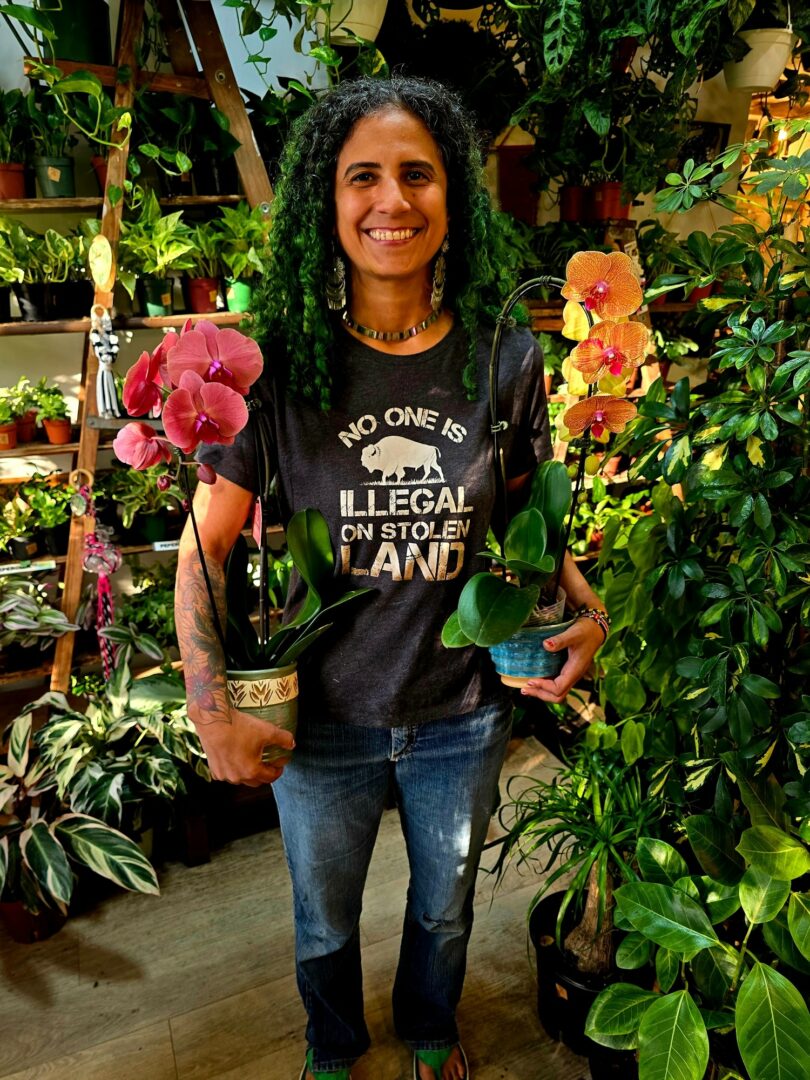
Image Credits
All taken by us
so if you or someone you know deserves recognition please let us know here.