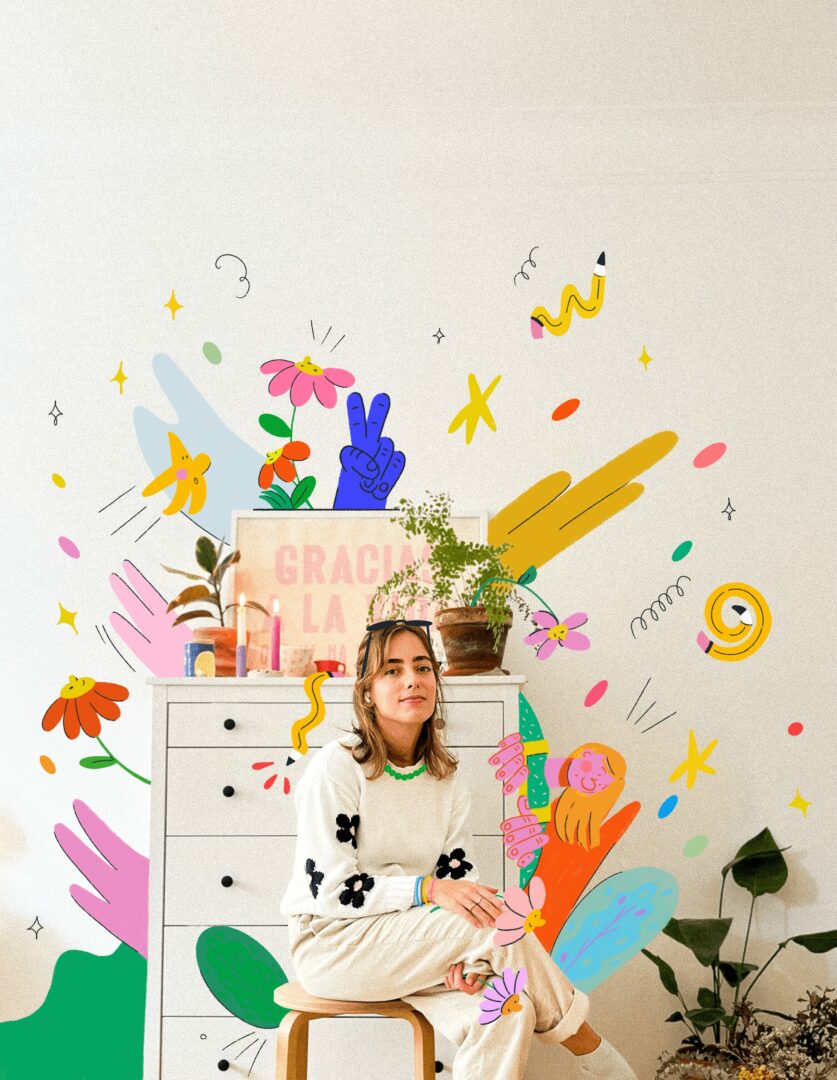
Alright – so today we’ve got the honor of introducing you to Carolina Nogueira. We think you’ll enjoy our conversation, we’ve shared it below.
Hi Carolina, thank you so much for opening up with us about some important, but sometimes personal topics. One that really matters to us is overcoming Imposter Syndrome because we’ve seen how so many people are held back in life because of this and so we’d really appreciate hearing about how you overcame Imposter Syndrome.
Oh, that’s a hard thing to answer, because it’s something I still struggle with pretty much every day. But I often think it’s a belief that’s connected to fear — fear of not doing things right, of making mistakes, of not being enough. What I’ve been trying to practice is finding a way to keep doing things — projects and activities — even when I’m afraid. And to be honest, the result almost always confirms the opposite of impostor syndrome.
Great, so let’s take a few minutes and cover your story. What should folks know about you and what you do?
My story as a visual artist and designer isn’t linear. Ten years ago, I was a professional ballet dancer, training more than 40 hours a week — there wasn’t much space for anything else. But life, being equally non-linear, put this intense routine to the test: I had a serious stress fracture that required surgery, and during the recovery process, which took almost three months, I suddenly found myself with a lot of free time and nothing to do with it. I started drawing and painting just to pass the time, and suddenly it became much more than a hobby. I realized that I could use art, painting, and illustration to express myself — and I also discovered that as long as I could work with creativity, no matter the field, I would be happy.
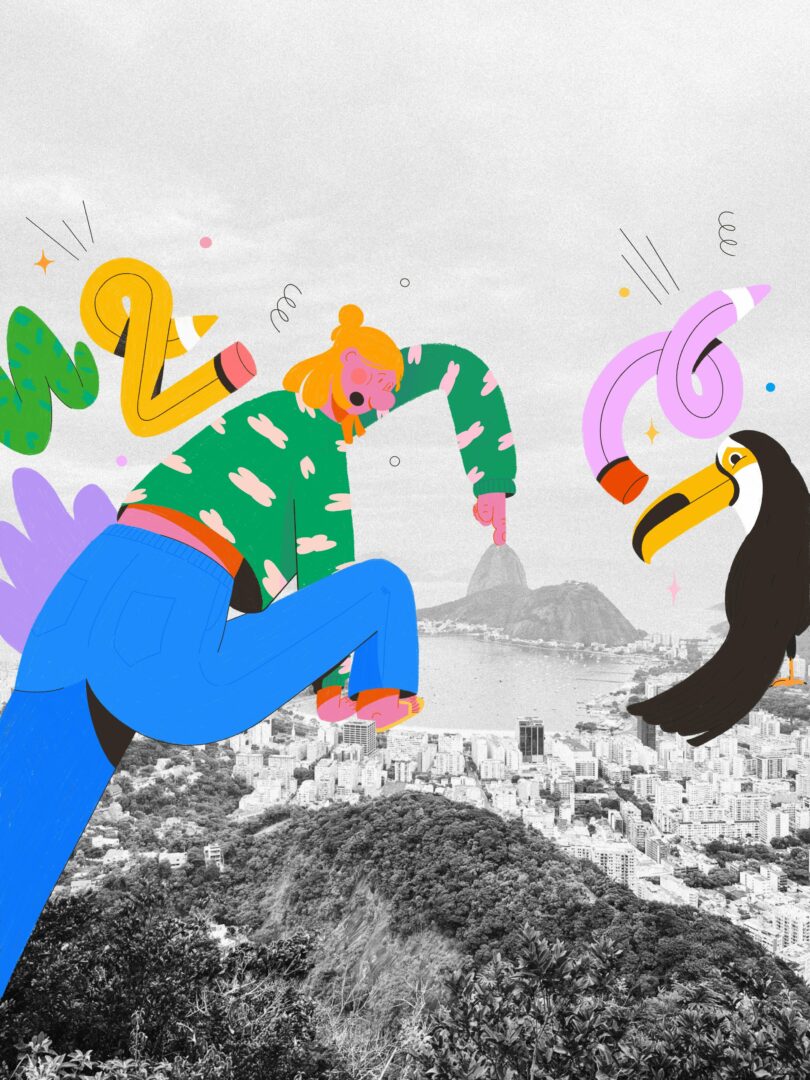
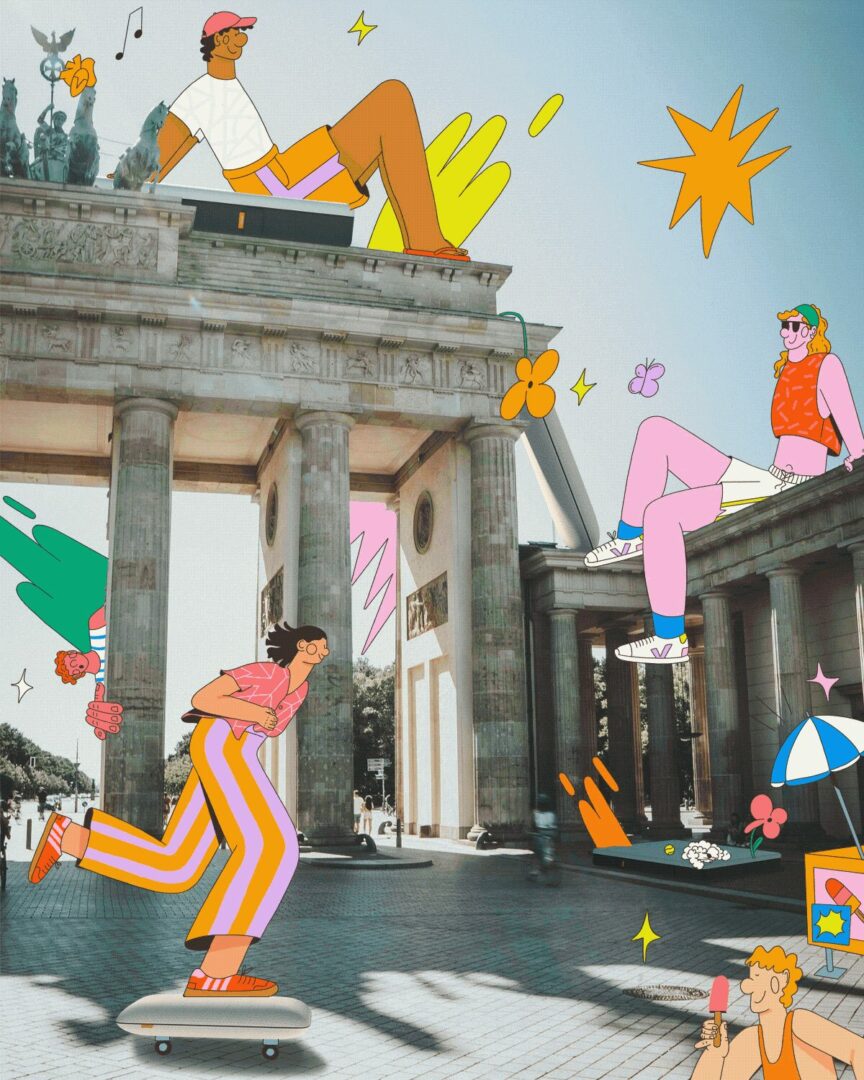
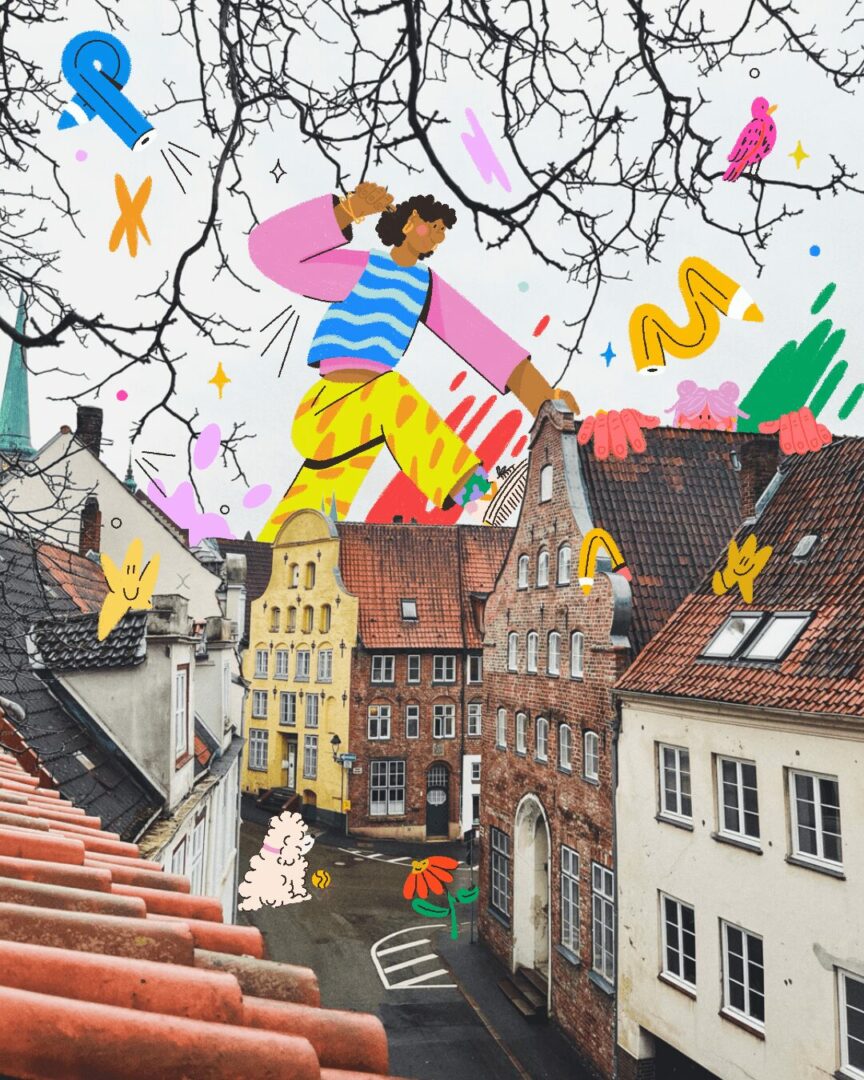
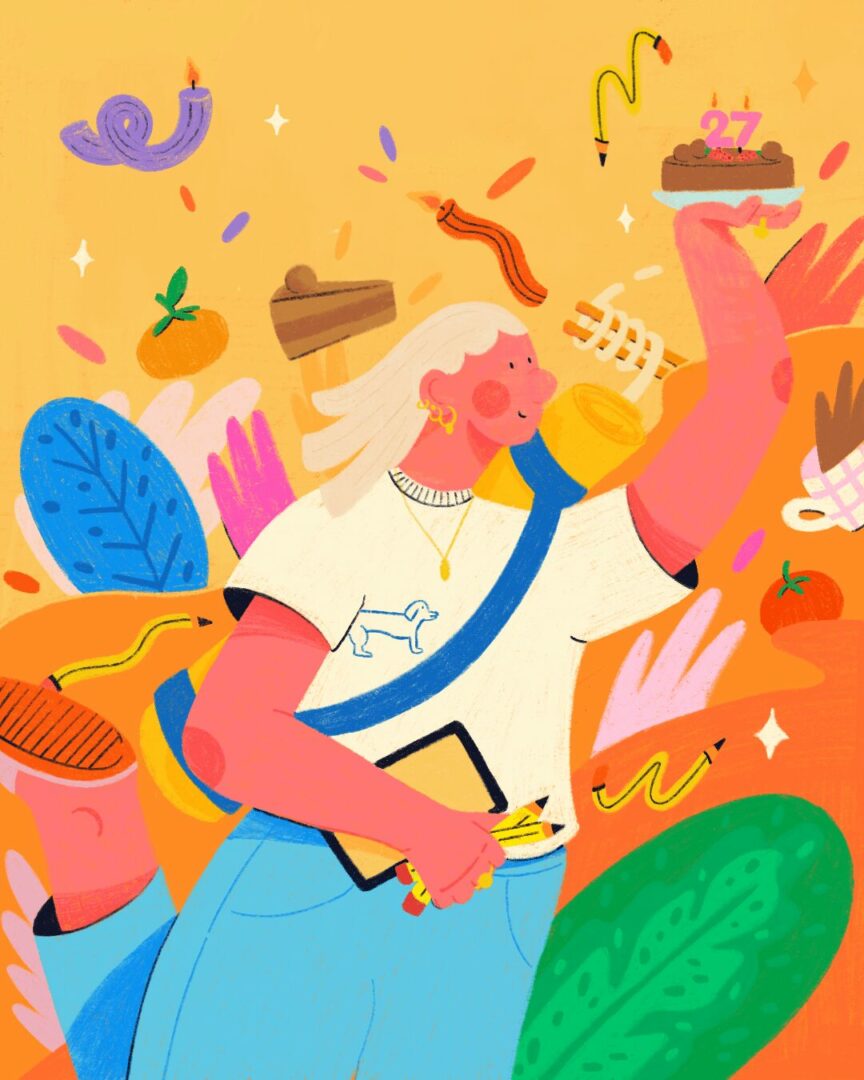
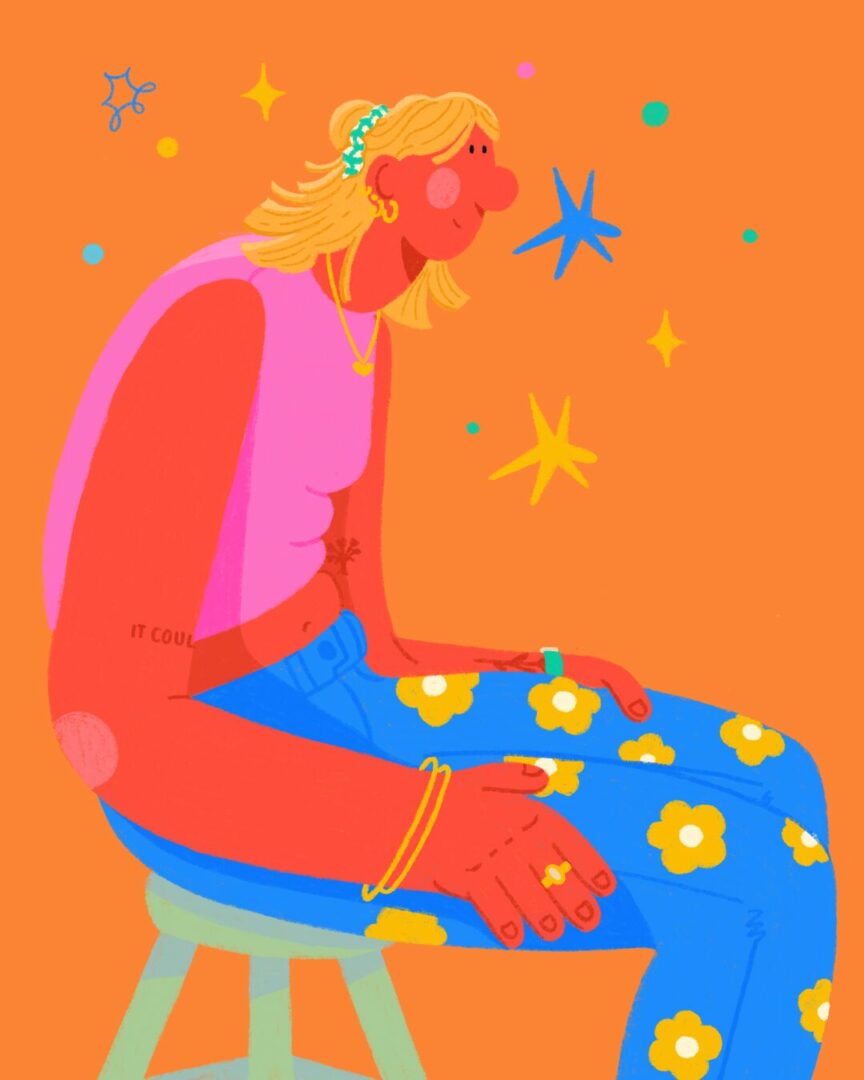
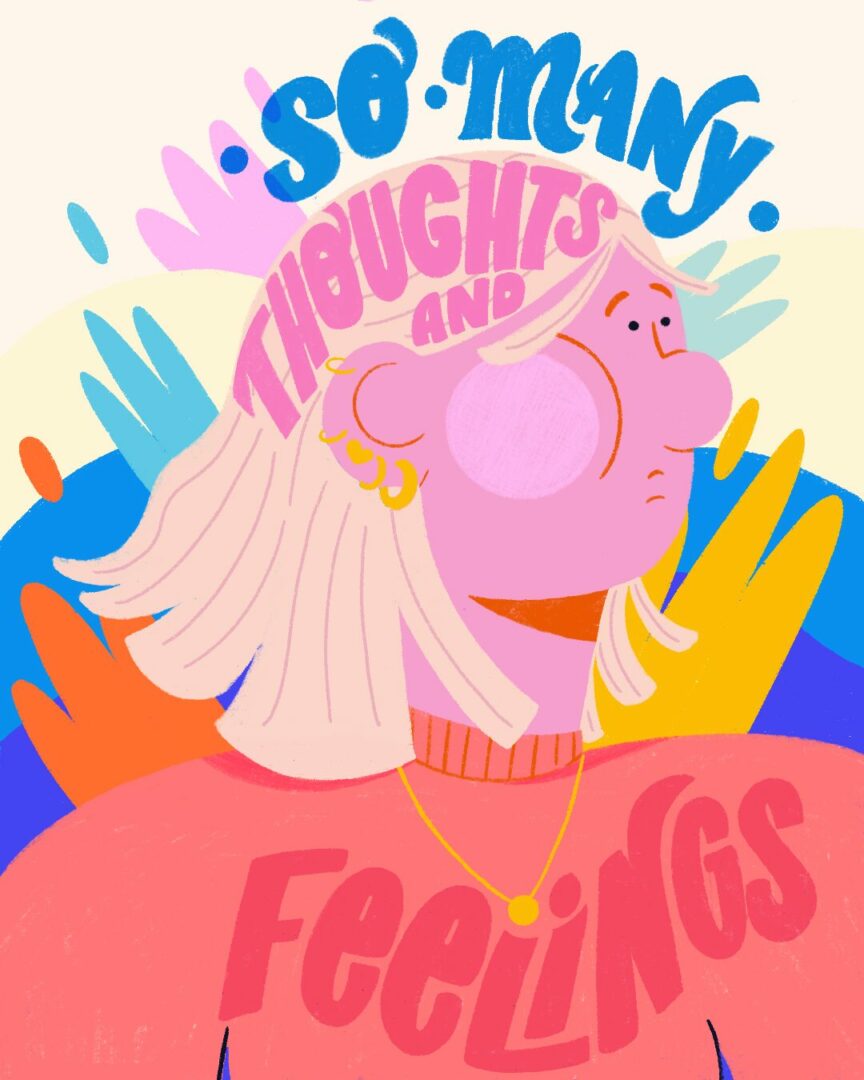
I haven’t danced in seven years now, but I express myself through illustration. I love creating illustrations and art that uplift others, using colorful, funny, and sometimes quirky characters.
Looking back, what do you think were the three qualities, skills, or areas of knowledge that were most impactful in your journey? What advice do you have for folks who are early in their journey in terms of how they can best develop or improve on these?
To train the eye: to search for inspiration and references, and, most importantly, to understand why you like a specific work by another artist. The truth is, we are social beings, and I think that’s reflected even in our creative processes — we grow and improve so much simply by looking around us.
To be humble: I guess as artists we still tend to feel very defensive about our work, but feedback is definitely the best way to grow. One pair of eyes alone often misses what others can see.
Find time for introspection: I often notice that the busier I get, the less creative I become. I deeply feel that creativity — and the urge to create — comes from making space within yourself: being present in the moment you’re living, reflecting on what you’re feeling, and noticing what’s around you. Being constantly overstimulated doesn’t help. This is something I definitely struggle with right now — finding time to simply be, to expect nothing. When I manage to do that, things tend to flow much more easily.
Any advice for folks feeling overwhelmed?
This is advice from myself to myself, as I’ve recently been going through a very busy, often overwhelming, and demanding routine. I’ve been trying to practice a method called RAIN, developed by Tara Brach. It’s an acronym that stands for Recognize, Allow, Investigate, and Nurture.
The very first step — Recognize — means simply noticing what you’re feeling, whatever it is. Acknowledging what’s happening inside you may sound simple, but it can be difficult, especially when we’re caught up in a “doing” mode and our minds are too busy to pause. In general, being this observant of our feelings is a powerful thing to do, especially in those moments when we’re in a sort of trance.
Contact Info:
- Website: https://caronogueira.com/
- Instagram: https://www.instagram.com/carosonog/
- Linkedin: https://www.linkedin.com/in/carolsonog/