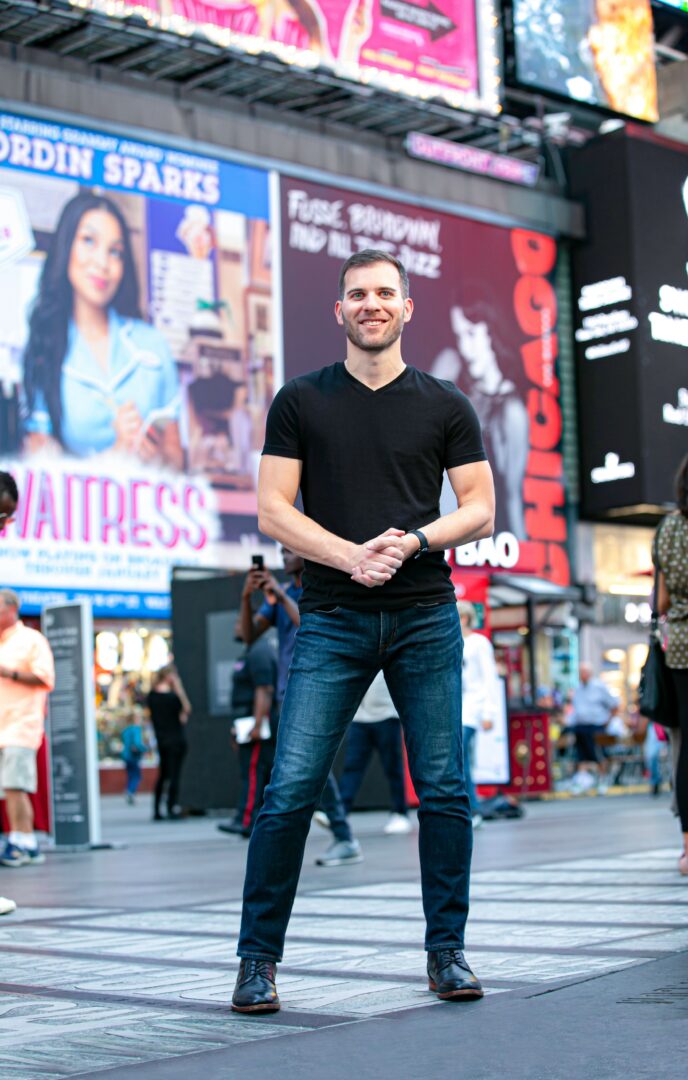
We recently had the chance to connect with Jim Cooney and have shared our conversation below.
Jim, a huge thanks to you for investing the time to share your wisdom with those who are seeking it. We think it’s so important for us to share stories with our neighbors, friends and community because knowledge multiples when we share with each other. Let’s jump in: What do the first 90 minutes of your day look like?
My mind is going from the moment I wake up, so mornings are a very productive time for me. I usually have a good idea from the day before of what I want to accomplish, but I’ll check my phone to make sure no urgent messages came in that need to be handled first. While I’m doing that, I make an iced Americano, which I make every morning, even during the winter. Then I do 750 words in my journal to just prep my mind for what I’m doing that day and reflect on anything from the day before. It’s a really helpful way for me to process and strategize. After that, I’ll shower if I need to be somewhere that morning, otherwise I’ll stay at my computer and start working on things. I find after a few hours of intense thinking, I need a break, so I’ll make breakfast and shower. That refreshes me and I can get back to work for the rest of the morning and day.
Can you briefly introduce yourself and share what makes you or your brand unique?
I’m a director/choreographer working mostly in the theater industry, but I’ll also do TV and digital projects, live events, and pretty much anything where there’s a performance. I’m also a career coach helping other artists build their dream careers. I got very lucky coming from a family of entrepreneurs and parents who are financial advisors—I’ve always thought of my career as a business, where most people in my industry think of it as art. Of course it IS an art, but it’s called “show business” for a reason. My strength is helping other artists treat their careers from a business angle, where we work on their branding and marketing, negotiating their contracts, managing their money, and building industry relationships. This builds career longevity and actually leads to creative fulfillment as well.
Amazing, so let’s take a moment to go back in time. What did you believe about yourself as a child that you no longer believe?
I used to believe success was all about how many shows you did, awards you won, money you made, etc. Now I believe success is having the freedom to live the life you want. I do way fewer projects than I used to, but I only work with the people I want and on projects that excite me. I don’t get burned out because I’m only doing things I love. That creates space for me to spend time with family and friends, and to travel the world, and to have days of relaxation and self-care. I’ve created multiple income streams that are more passive such as investments, a rental property, planning travel for people, etc. These are things I enjoy doing so they don’t feel like “work” and I get to benefit from them like staying at the rental property or being on a group trip I’ve planned. I love the life I lead, and it’s because I let go of my childhood definition of success.
What did suffering teach you that success never could?
There’s a saying about turning breakdowns into breakthroughs, and I really believe that. For example, let’s say you have 20 ways to hit your goal. Your time is divided by 20, so you aren’t going to be that great at any of them when you’re spread so thin. Say 10 of these paths get shut down. It hurts in the moment, but now your time is divided by 10, so you can do a better job at those 10 things, making it more likely you’ll hit your goal. So as every avenue closes, you get better at the remaining ones. And when there are only 1-2 avenues left, you’re forced to get creative and think of other ways to do it. It’s easy to think, “Well if it just happened right away, it would’ve been better” but the grass is always greener. I know many people with early career success who are now bankrupt or they’re miserable and have no other skills to pivot to another industry. How many famous people have you heard talk about how lonely they are and think everyone just wants to be their friend because of what this person could do for them? So I just focus on my own journey—every person has highs and lows. The lows are what teach us. As a director/choreographer, the more limitations I have with the budget, space, technical tools, and things of that nature, the more creative I HAVE to be. I’m actually BETTER when there are limitations and setbacks. So I’m always grateful for setbacks, maybe not at first when it initially happens, but I know time heals all wounds and the quicker I pick myself back up, the faster I’ll get to the end goal.
I think our readers would appreciate hearing more about your values and what you think matters in life and career, etc. So our next question is along those lines. Is the public version of you the real you?
Yes and no. Yes in the sense of my character, values, beliefs, and the way I treat people. But I’m really an introvert. The public version of me is leading the room, making decisions, inspiring people, and what you’d think of from an extrovert. And I don’t feel like I’m lying—I’m authentically confident in doing those things. But when I’m not in work mode, my true introvert nature comes out. I’m very happy staying in, cooking, watching TV or a movie, and not talking to anyone. I need that alone time to recharge.
Okay, so let’s keep going with one more question that means a lot to us: What are you doing today that won’t pay off for 7–10 years?
Investing in retirement. The general rule of thumb is a retirement account doubles every 7-10 years, which is the exact same time period as your question, so it literally will be paying me off. As I mentioned, my parents were financial advisors, so I’ve invested since I got my first paying job at age 16. That money will have doubled between 5-7 times by the time I retire. It’s the best thing anyone can do for themselves, and the best time to start is NOW because you can’t go back and make up for lost time. Every day you wait means you will have less money when you retire, which means you’ll need to downgrade your lifestyle or keep working to maintain it.
Contact Info:
- Website: https://jimcooney.me
- Instagram: @jimcooneynyc

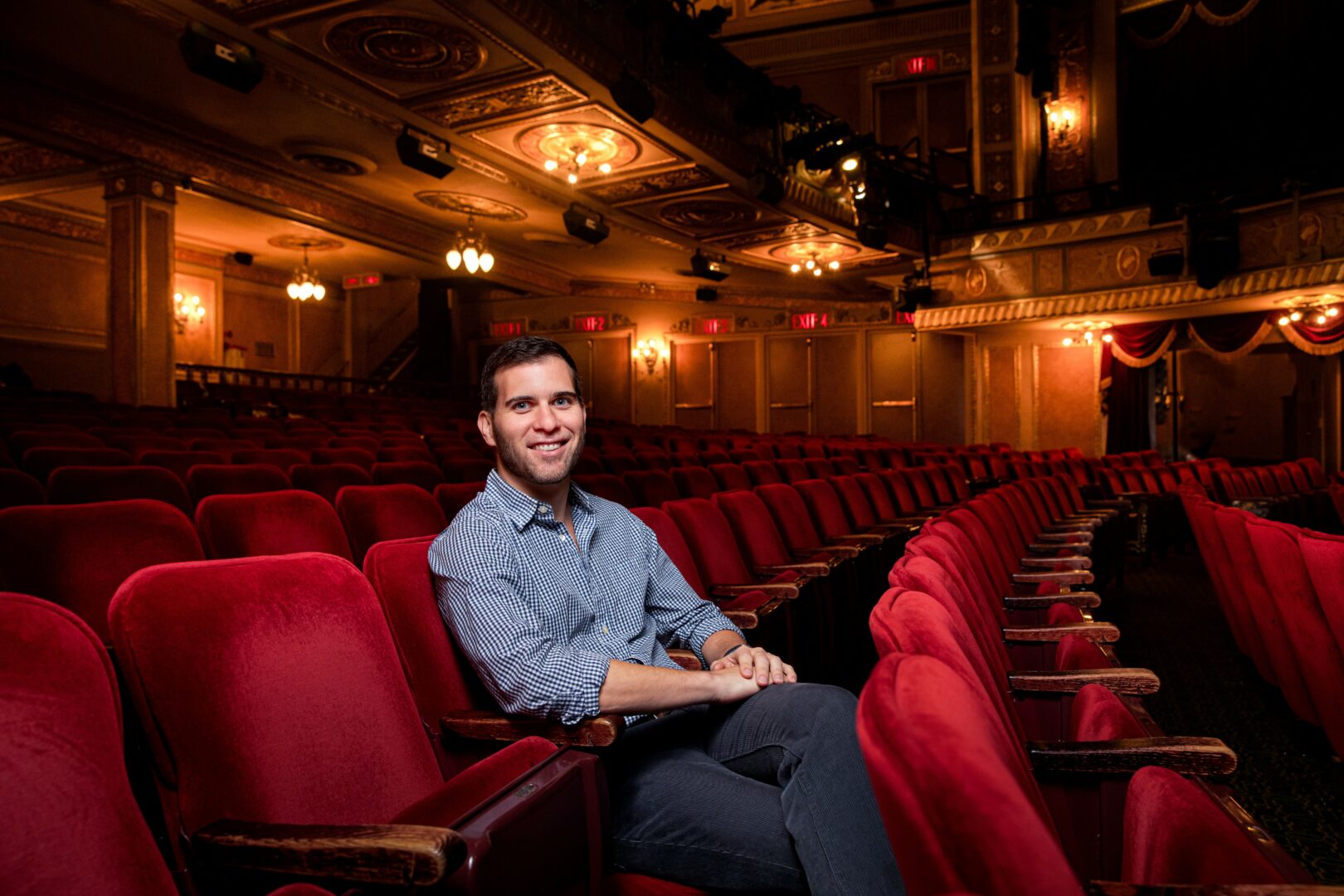




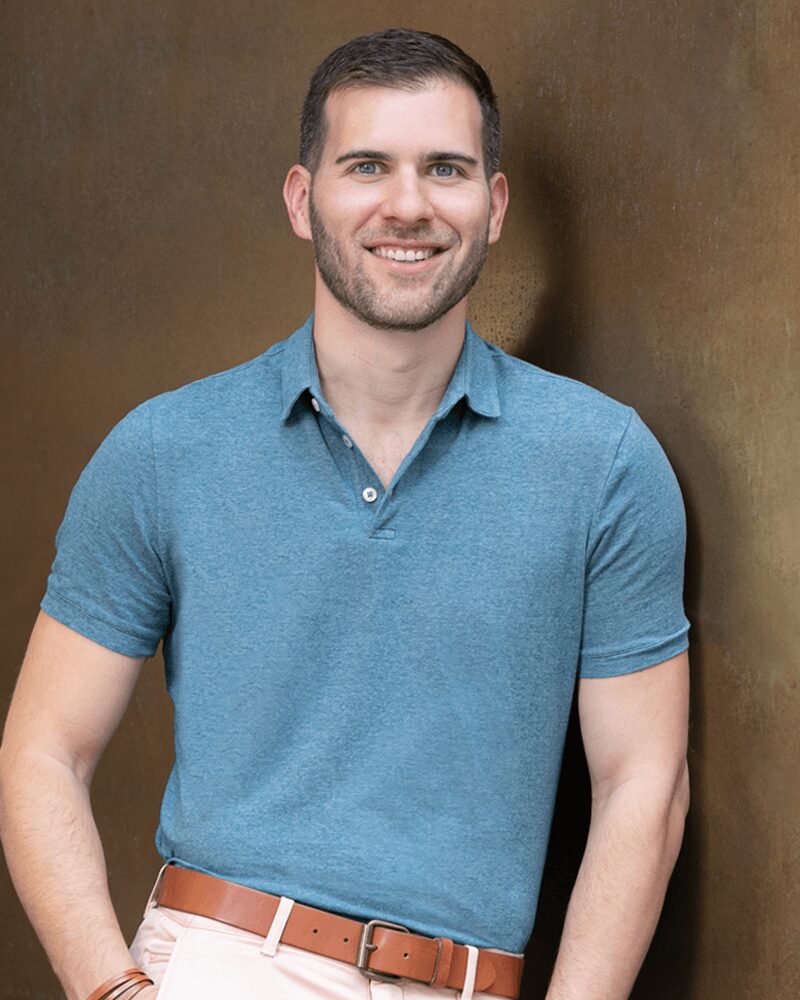
Image Credits
Justin Clynes, JJ Ignotz, Vincent Brisson, Dirty Sugar Photography
so if you or someone you know deserves recognition please let us know here.