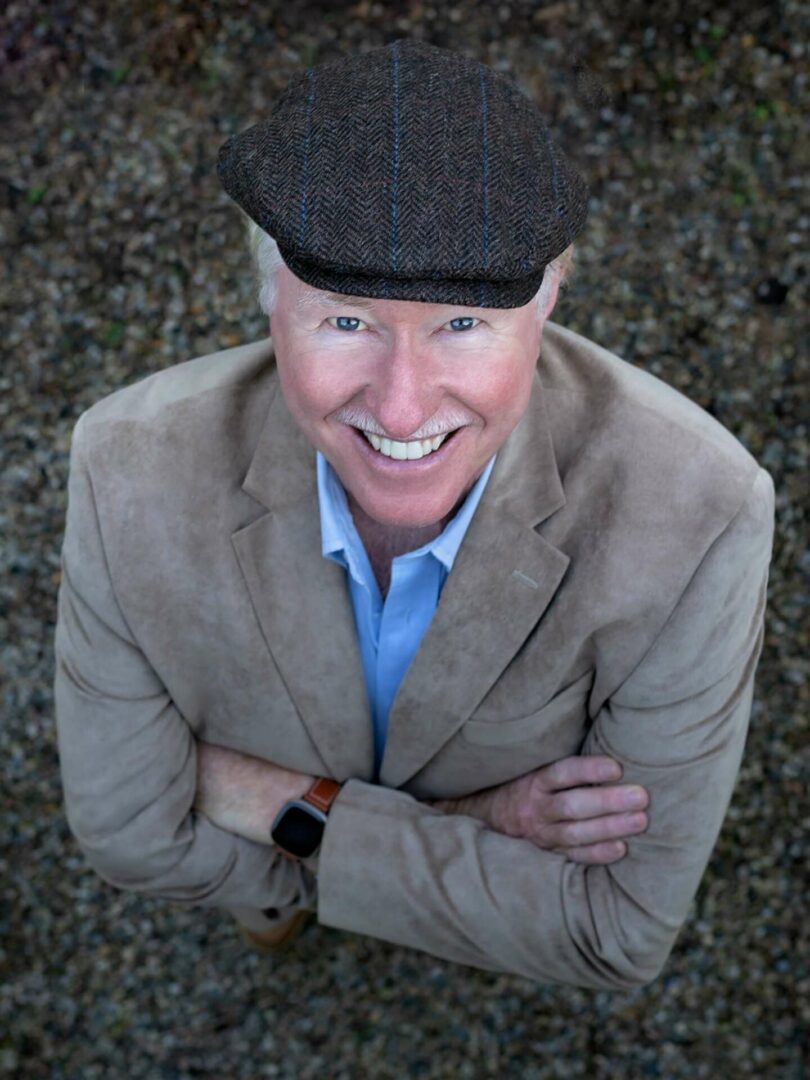
A. C. Burch shared their story and experiences with us recently and you can find our conversation below.
A. C. , it’s always a pleasure to learn from you and your journey. Let’s start with a bit of a warmup: What is a normal day like for you right now?
It’s fall in Provincetown, the crowds have thinned, the theme weeks have dwindled, and the ocean keeps the air mild for a few weeks longer. I’m usually up before 5, and head straight to my writing shed, a 12×12 building at the bottom of what I call The Pollinator Garden. Inside, there’s a big wooden desk, a computer monitor, an electric teapot, and an assortment of photos and gewgaws that always make me smile.
I start each morning with a string quartet recording of Bach’s Art of the Fugue as I reread and edit the previous day’s pages. It’s a ritual I adhere to faithfully. The music somehow summons my subconscious back to the thoughts I had when I wrapped up the day before. With the first glint of sunrise, Dori, my eleven-year-old Golden Retriever and personal trainer, announces that she’s ready for our walk.
She is an impressive animal. Smart, empathetic, and always up for a ride in the pickup truck. We walk the National Seashore and wind down Commercial Street in the West End, taking photos for “IG” before heading home. She naps under my truck when I return to the shed for another few hours of writing.
Afternoons are for hands-on work, gardening, repairs, dump runs—the kind of physical reset that keeps my joints limber. Later, I read by the fire with Radio Classique from Paris playing softly in the background. Always great to see what other authors are doing, and the six-hour time difference makes for music that enhances the mood.
Dinner’s around six, sometimes with friends, sometimes just family. Either way, Dori insists on her post-dinner game of fetch before claiming my lap to watch TV. All ninety pounds of her. It’s been that way since the day she chose me.
I turn in early, usually by 9, asking my subconscious to solve any writing challenges left over from the day. It seldom fails to respond, though the timing could be better. The solution inevitably arrives around 3 in the morning. I jot it down in an email before drifting off again, grateful for this phase of my life, the town I’ve called home for nearly 40 years, and the satisfaction that being a writer brings.
Can you briefly introduce yourself and share what makes you or your brand unique?
I’m A. C. Burch, a musician turned writer based in Provincetown, Massachusetts. I write LGBTQ+ fiction that explores chosen family, second chances, and the courage to live authentically. My work includes two novels, The HomePort Journals and The Distance Between Us, as well as a short-story collection, A Book of Revelations.
The novels revolve around a group of Provincetown locals led by the irrepressible Helena Handbasket, who’s equal parts Miss Marple and Jessica Fletcher, with a flair that’s all her own. The short stories, as one reviewer put it, center on “unlikely heroes” who find strength when life backs them into a corner.
Before turning to writing, I spent years as a performing musician and later as a university administrator. Music taught me how stories move through sound, silence, and structure—skills that found a new and surprising second act when I began to write.
When I’m not doing that, I’m usually sailing, tending the garden, or taking photographs of the Cape light.
Moving to Provincetown in the late 1980s changed everything for me. It gave me a creative community and a sense of belonging I never could have imagined growing up in rural Massachusetts.
Great, so let’s dive into your journey a bit more. What breaks the bonds between people—and what restores them?
There are the familiar answers: distrust, arrogance, betrayal, and the hope of rebuilding through trust and apology. But to me, it comes down to transparency and vulnerability. Some of my greatest regrets trace back to times when I was too afraid to speak honestly, or when I let intimidation steer me into situations I didn’t believe in.
I’ve learned that setting firm, consistent boundaries isn’t just about self-protection; it’s a kindness to others as well. The biggest threat to connection may not be conflict at all, but inconsistency. Consider the fairweather friend, the person who vacillates from one extreme to another, or the individual you just can’t get a grip on. What are the odds those bonds will last?
It didn’t occur to me until I sat with this question that a steady, focused presence may spare more bonds from breaking than reconciliation could ever repair.
Do you remember a time someone truly listened to you?
Yes. Just a few weeks ago, I had lunch with a knowledgeable friend who’s made it his life’s work to live fully and share kindness wherever he can. As we talked about work transitions, family, and politics, I was utterly enthralled.
I’ve never known anyone with a more profound sense of how the pieces of life fit together. Realizing how much he understood about living gave me chills. I was so at ease that I found myself sharing bits and pieces of my own story—something I seldom do. Usually, I save those fragments for my characters. The distance helps me work through things.
I began to worry I might be monopolizing his time. But as I studied him, I realized he was listening with an almost palpable intensity. Oddly enough, that didn’t intimidate me; it encouraged me to listen that way, too.
Since that day, I’ve tried to be as present as he was. My friend taught me that listening is the better part of conversation—the part that can bring whole new worlds to light.
I think our readers would appreciate hearing more about your values and what you think matters in life and career, etc. So our next question is along those lines. Where are smart people getting it totally wrong today?
That’s a fantastic question.
From my vantage point, a few things have gone off the rails. These days, too many credentialed people forget there are other kinds of intelligence—social, mechanical, and artistic, to name but a few. The kinds that actually make life better. Show me someone the world deems “successful,” and I’ll show you an army of workers in childcare, home maintenance, culinary arts, and the trades who make that success possible. Yet many are underpaid and undervalued.
A diploma isn’t a guarantee of wisdom; it may just mean you did the coursework. I’ve noticed intellectual superiority can sometimes diminish the very people who bring both beauty and function to our days, say nothing of the person who cops the attitude. I often see brilliance in a well-considered solution, a magnificent dinner, or, especially, an evocative work of art. And, in the spirit of full disclosure, my sole degree is in orchestral trumpet performance—neither in demand nor an indicator of vast intelligence—which may explain why I see things as I do.
The perception of having all the answers has encouraged some “smart folk” to villify large groups of people whose lives they don’t understand. Not all smart people do this, of course, but enough have taken the low road to create a significant backlash. Mistaking education for omnipotence has a lot to do with the polarization we’re living through these days. Social media has let this whirlwind out of the bottle: everyone’s an influencer and an expert now.
Of course, in offering these opinions, haven’t I just proved that point?
Okay, we’ve made it essentially to the end. One last question before you go. When do you feel most at peace?
When I’m sailing my boat, Nepenthe. She’s a haven, a place where I often write during the summer months. But more than that, when I cast off from the mooring, I leave my cares behind and enter a world that suits me better than any I’ve known.
I’ve sailed since I was very young and feel more at ease on the water than on land. There’s something transformative about life aboard, whether for an afternoon or an extended cruise. The pace slows, people soften (unless they’ve never sailed, then the word I’d use is tense), and the sea itself works a quiet kind of magic.
We often have cocktails and dinner on board, watching the sun drop behind Provincetown. It’s a rare and wonderful thing to feel so close to nature while thousands of tourists crowd Commercial Street just a few hundred yards away. And why pay a restaurant for their water view when you can have your own with no cover charge?
Some days, I can’t imagine who I’d have become without that boat. The money some might spend on travel has been funneled into keeping Nepenthe afloat for nearly 20 years. It’s been worth it, she’s taught me patience, resilience, and the ability to think ahead.
Contact Info:
- Website: https://acburch.com/
- Instagram: https://www.instagram.com/acburchauthor/
- Facebook: https://www.facebook.com/ACBurchWritings/

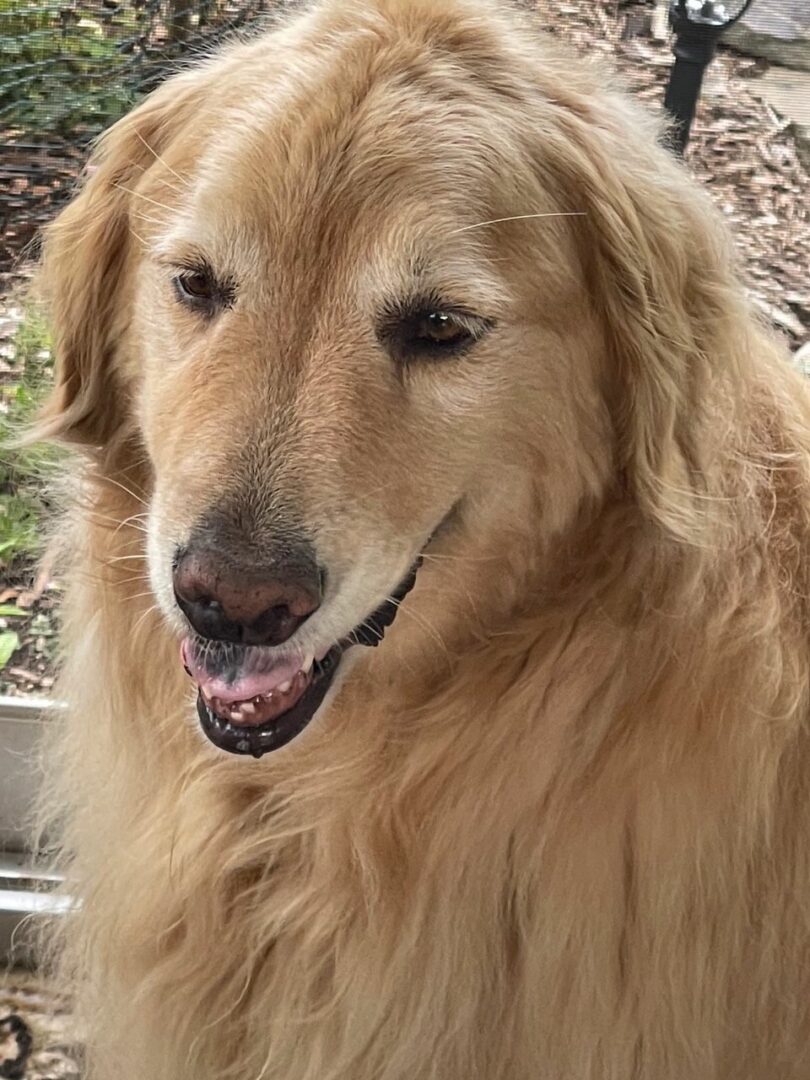
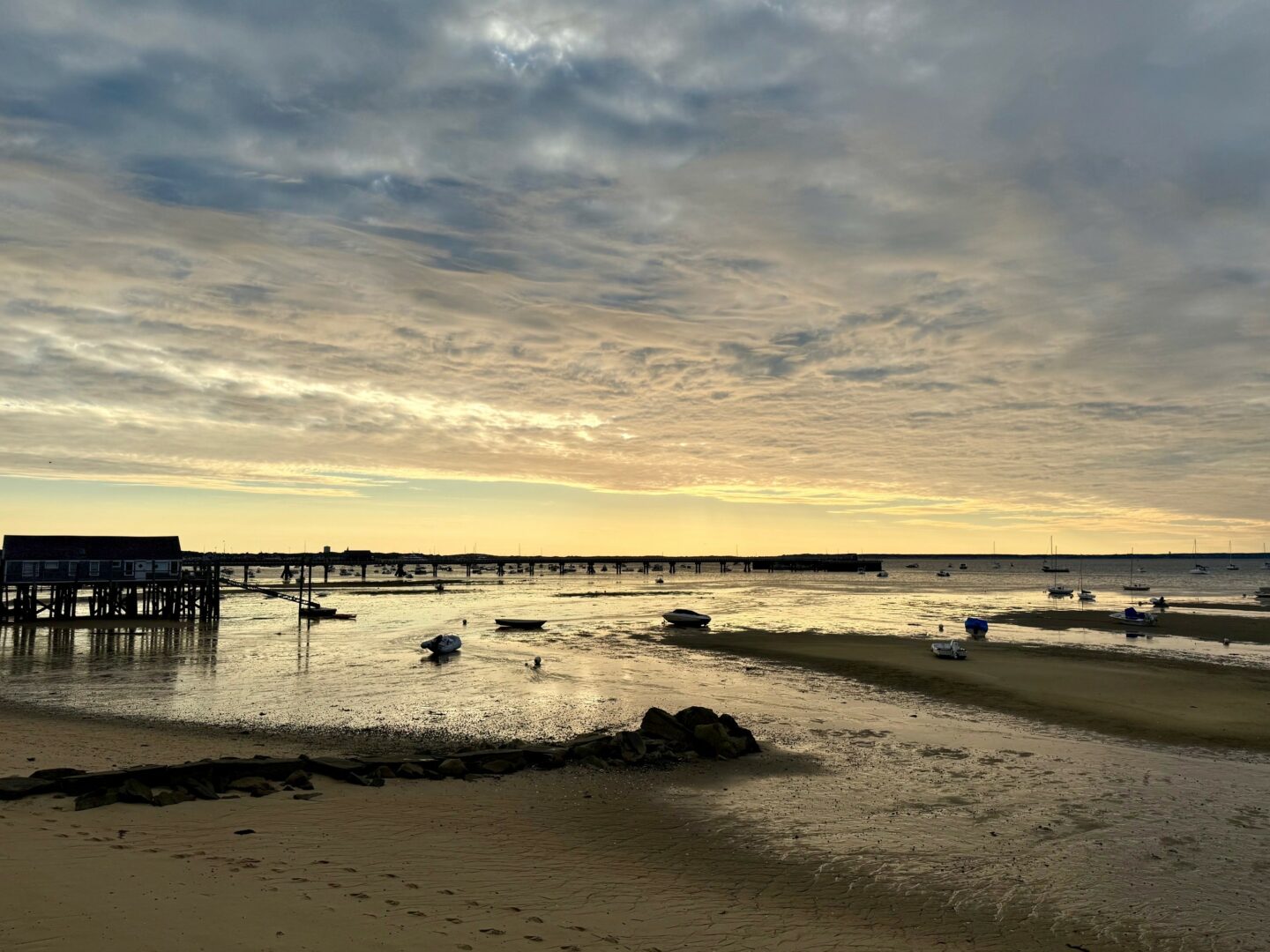
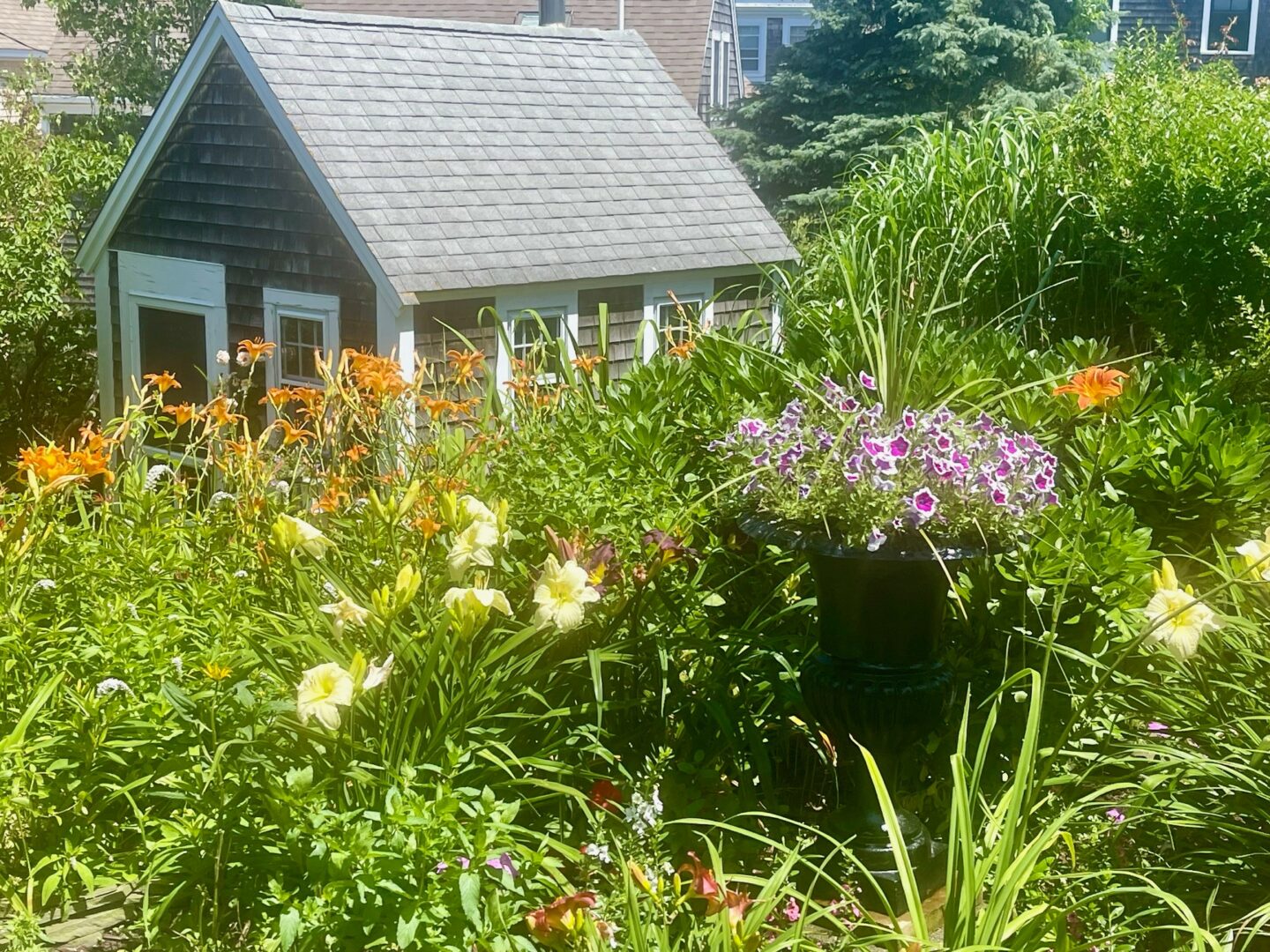
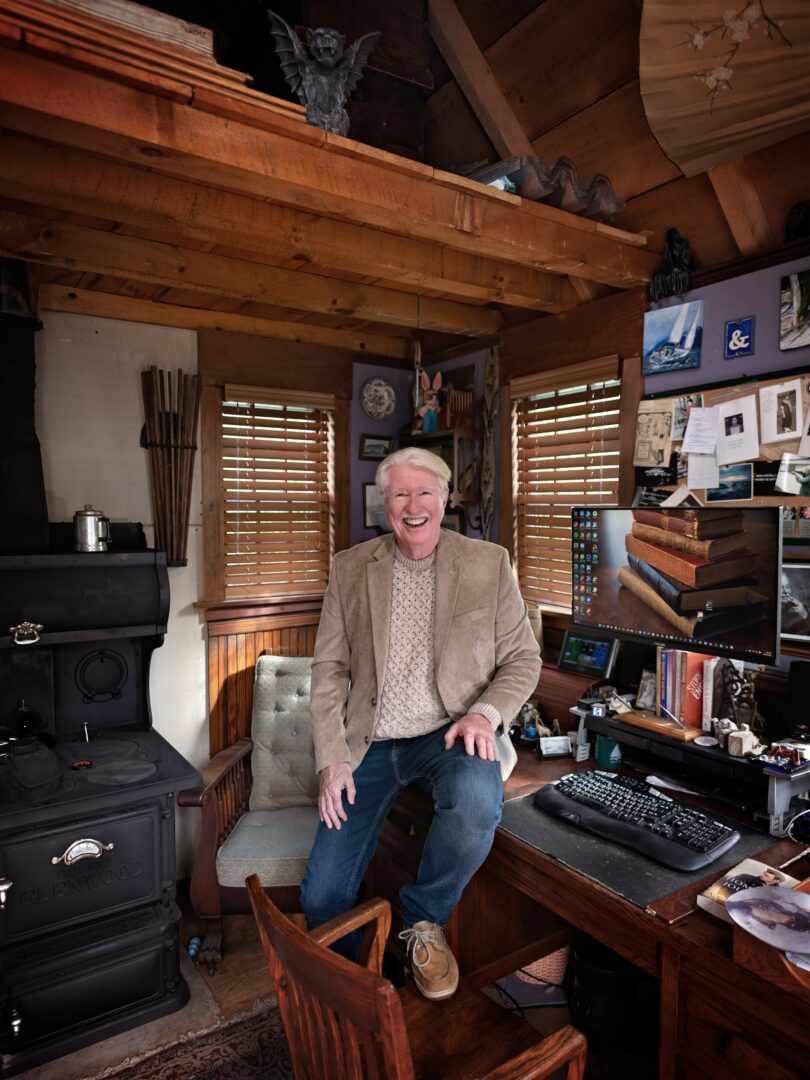


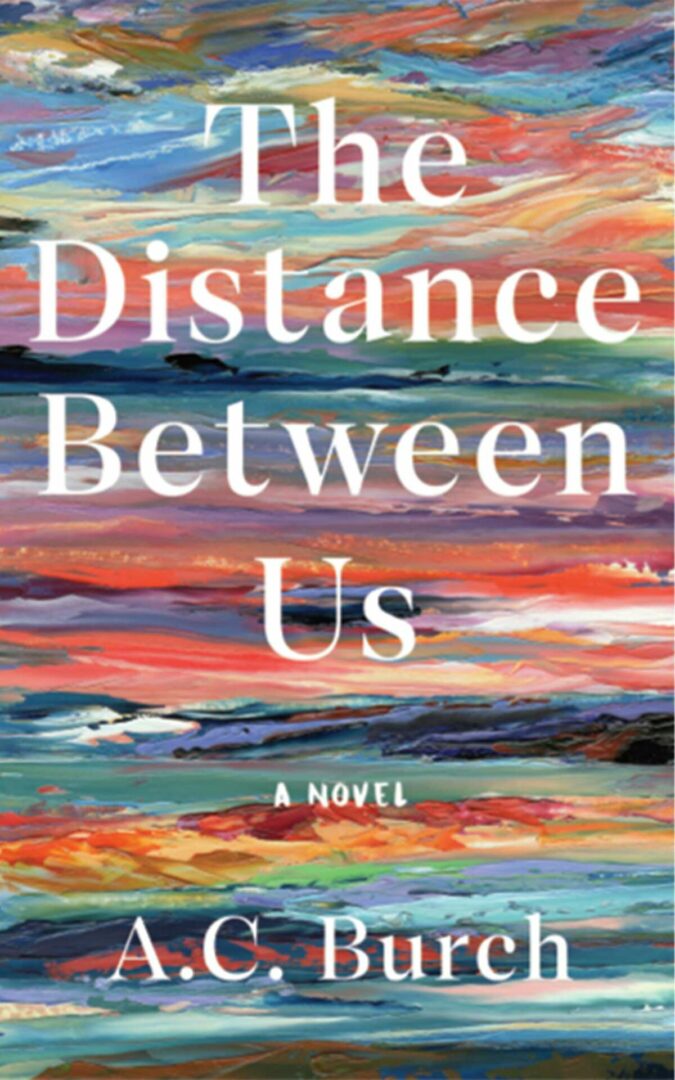
Image Credits
A. C. Burch and Ric Ide
so if you or someone you know deserves recognition please let us know here.