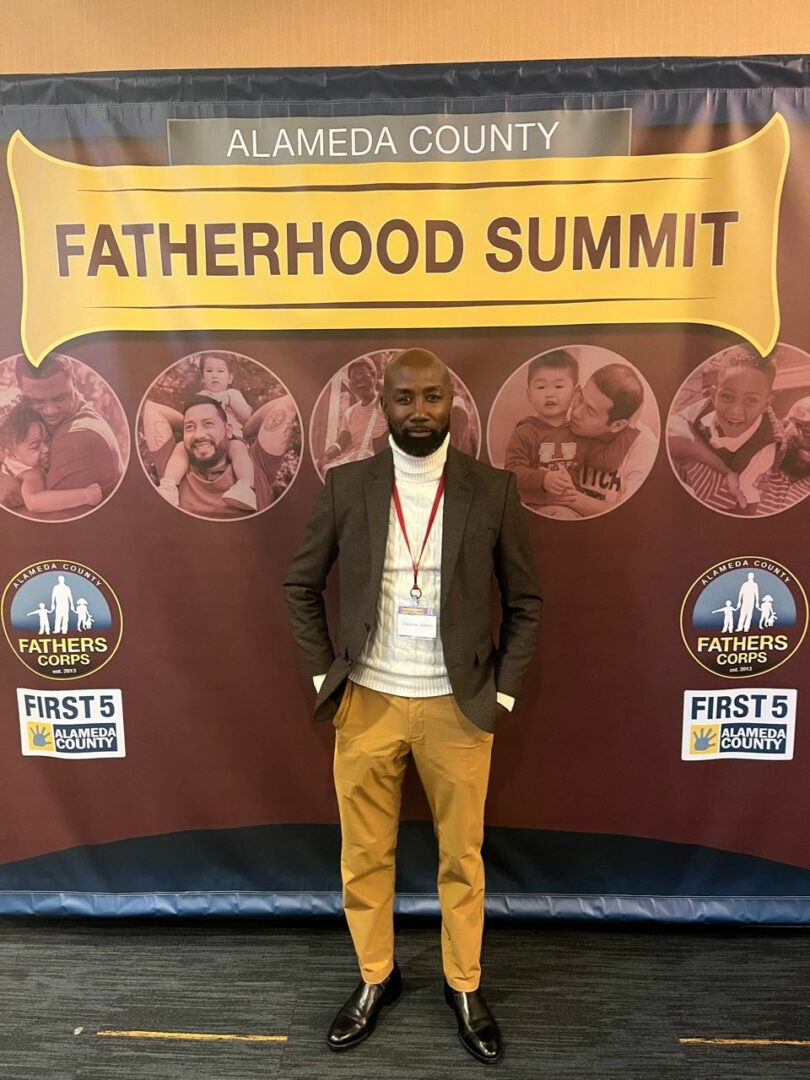
Dwayne Aikens Jr shared their story and experiences with us recently and you can find our conversation below.
Dwayne, a huge thanks to you for investing the time to share your wisdom with those who are seeking it. We think it’s so important for us to share stories with our neighbors, friends and community because knowledge multiples when we share with each other. Let’s jump in: What are you most proud of building — that nobody sees?
Since beginning my career in education as a physical education teacher at ASCEND School in 2005, I’ve had the privilege of working with a richly diverse group of young people—across ethnicities, backgrounds, and lived experiences. That early foundation shaped my approach to youth development: culturally responsive, community-rooted, and driven by the belief that every young person deserves to be seen, supported, and empowered.
Through We Lead Ours (WELO), I’ve expanded that mission—designing programs that center Black excellence, amplify youth voice, and build pathways to leadership. Our recent expansion into Marin County reflects not just growth, but a deep commitment to equity across geographic and racial lines. I’ve watched students evolve into adults who now lead, teach, and serve in ways that embody the very goals of our organization. Their success stories—while not always posted or publicized—are the quiet proof of impact that fuels my work.
I don’t measure success by likes or visibility. I measure it by legacy: the young people who now mentor others, advocate for their communities, and carry forward the values we instilled together. That’s the work I’m most proud of building—the kind that often goes unseen, but never unfelt.
Can you briefly introduce yourself and share what makes you or your brand unique?
Dwayne Aikens Jr. is a visionary nonprofit leader, educator, and community strategist based in Oakland, California. As Co-Founder and Executive Director of We Lead Ours (WELO), Dwayne has spent nearly two decades designing culturally responsive programs that empower youth of all backgrounds to lead with purpose, pride, and power. His journey began in 2005 as a physical education teacher at ASCEND School, where he first witnessed the transformative potential of mentorship, movement, and representation in education.
What makes Dwayne’s work unique is his unwavering commitment to centering Black excellence, joy, and legacy in every initiative—from school-based programs in East Oakland to WELO’s recent expansion into Marin County. Under his leadership, WELO has become a trusted force in youth development, blending academic support, civic engagement, and cultural affirmation into experiences that shape not just students—but future leaders.
Beyond WELO, Dwayne is working towards launching Legacy in Motion Consulting, a platform to help other organizations design change with intention and impact. Whether he’s facilitating workshops, curating events, or crafting strategic messaging, Dwayne brings a rare blend of operational precision and creative soul. He’s not one to post every win—but the ripple effects of his work are felt in classrooms, boardrooms, and communities across the Bay Area.
Okay, so here’s a deep one: What was your earliest memory of feeling powerful?
My earliest memory of feeling powerful was at my 8th grade graduation, when I was honored with the Martin Luther King Jr. Most Improved Student Award and served as our class president. That moment was more than a ceremony—it was a turning point. Up until then, my educational journey had been full of challenges, but standing on that stage, I realized I was changing. People saw something in me. They looked up to me.
It was the first time I truly understood the power of my voice—not just to defend or prove a point, but to guide, inspire, and direct change. I didn’t have to fight to be heard; I could lead by listening, connecting, and building bridges. That’s when I discovered one of my earliest and most enduring strengths: I’m an empathetic networker. I bring people together, not just through ideas, but through shared purpose and care. That realization has shaped everything I’ve done since—from teaching to founding We Lead Ours, and now expanding our impact through Legacy in Motion Consulting.
What fear has held you back the most in your life?
For a long time, my biggest fear was losing an election. People would often tell me, “You’re the next mayor,” and while I appreciated the compliments, deep down I questioned whether my community would actually show up for me. I worried that maybe they were just gassing me up—and that if I ran, I’d be left standing alone.
That fear kept me on the sidelines. I’d support friends who wanted to run, even if I had the vision and capacity myself, because loyalty and empathy have always been core to who I am. But eventually, I decided to take the leap and run for Oakland School Board in District Three—against an incumbent backed by the national Democratic Party and major unions. I ran a grassroots campaign powered by people, not politics, and we came within 2,050 votes of victory.
I didn’t win, but I walked away with something more valuable: the courage to bet on myself. That experience showed me who was truly in my corner and who was just orbiting for opportunity. It reminded me that leadership isn’t just about winning—it’s about showing up, standing firm, and trusting that your voice matters. And now, I move forward less afraid, more grounded, and more committed to building the kind of legacy that doesn’t require a title to make an impact.
Next, maybe we can discuss some of your foundational philosophies and views? Where are smart people getting it totally wrong today?
Honestly, some of the smartest people in the room are missing the mark because they’re not listening to the folks on the margins—the very people who need policy to work for them. Too often, decisions are made in boardrooms and government offices without any real connection to the communities they claim to serve. And one of the biggest gaps? We’re not including the youth voice nearly enough in policy development. Young people have firsthand insight into what’s working and what’s failing, but their perspectives are sidelined or tokenized.
It’s hard to watch brilliant minds build frameworks that look good on paper but fall flat in practice. If you’re not rooted in community, if you’re not building with—not just for—those most impacted, then your brilliance is missing its purpose. Real change requires humility, proximity, and a willingness to listen deeply. That’s where the smartest people need to do better.
Thank you so much for all of your openness so far. Maybe we can close with a future oriented question. If you knew you had 10 years left, what would you stop doing immediately?
If I knew I had 10 years left, I’d stop second-guessing my own impact. I’d stop shrinking my voice to make others comfortable or waiting for the “right time” to launch something that’s already burning inside me. I’d stop overextending myself for people who don’t reciprocate the energy or respect the mission.
I’d stop holding back on the bold ideas—the ones that feel too ambitious or too disruptive. Because with 10 years left, every moment would need to count. I’d pour even more into the youth, the legacy, the cultural blueprint I’ve been building. And I’d make sure the work I do isn’t just seen—it’s felt, remembered, and carried forward.
Contact Info:
- Website: https://www.weleadours.org
- Instagram: https://www.instagram.com/delegancewelo
- Linkedin: https://linkedin.com/in/mrdaikensjr
- Twitter: https://twitter.com/DeLeganceWELO
- Facebook: https://facebook.com/daaikens
- Other: https://open.spotify.com/show/5SlyUz3Yrw2lpPoJcQhU9k?si=vAVKBYvxRKKMpMGPYS5dWQ&dl_branch=1&nd=1&dlsi=dda98d221cc14637
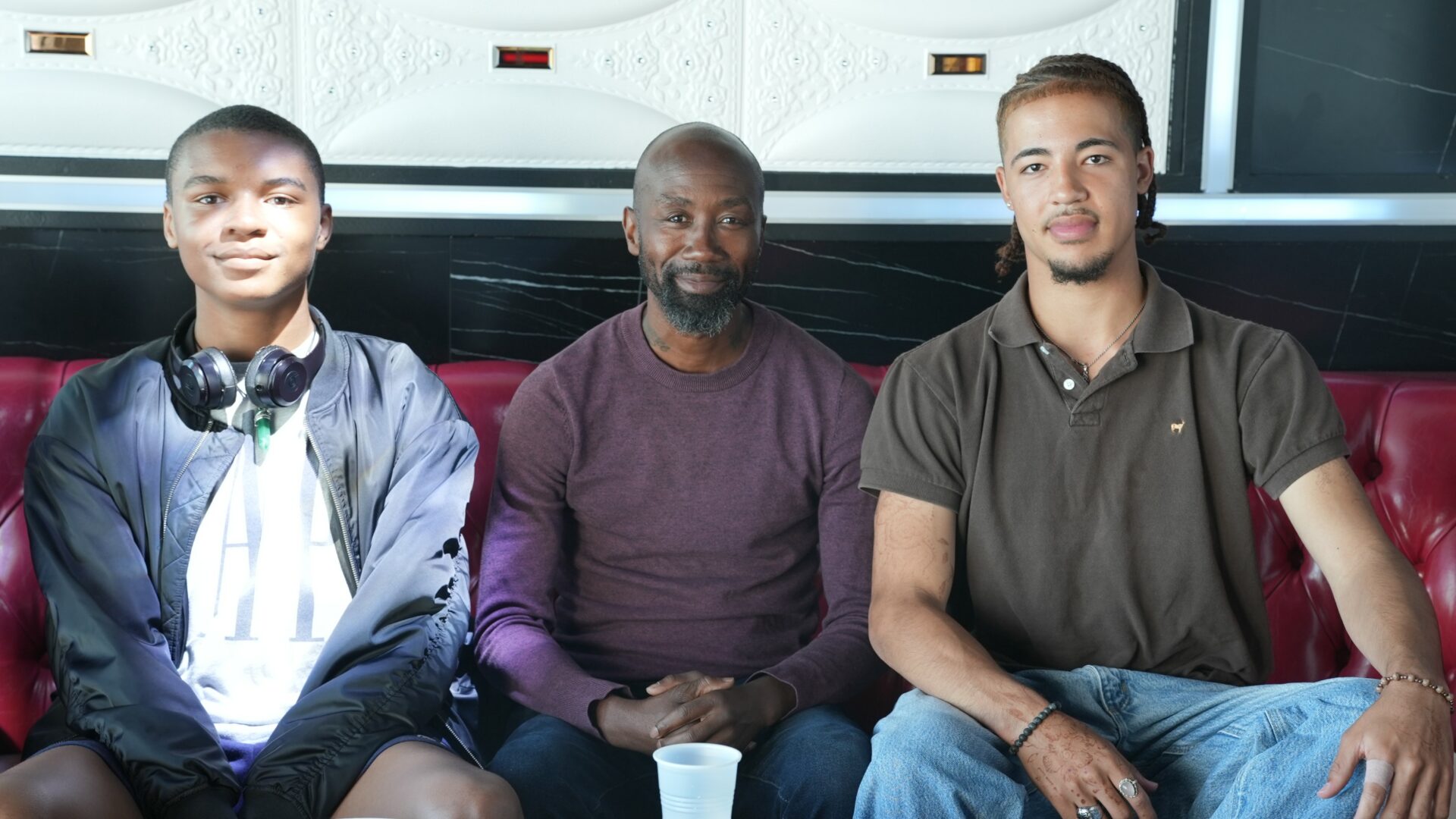
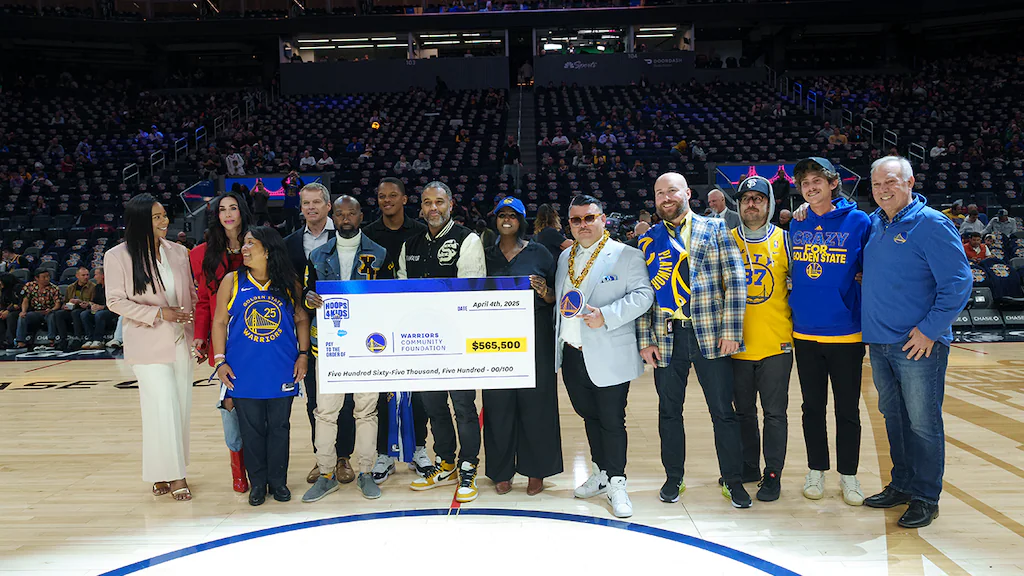
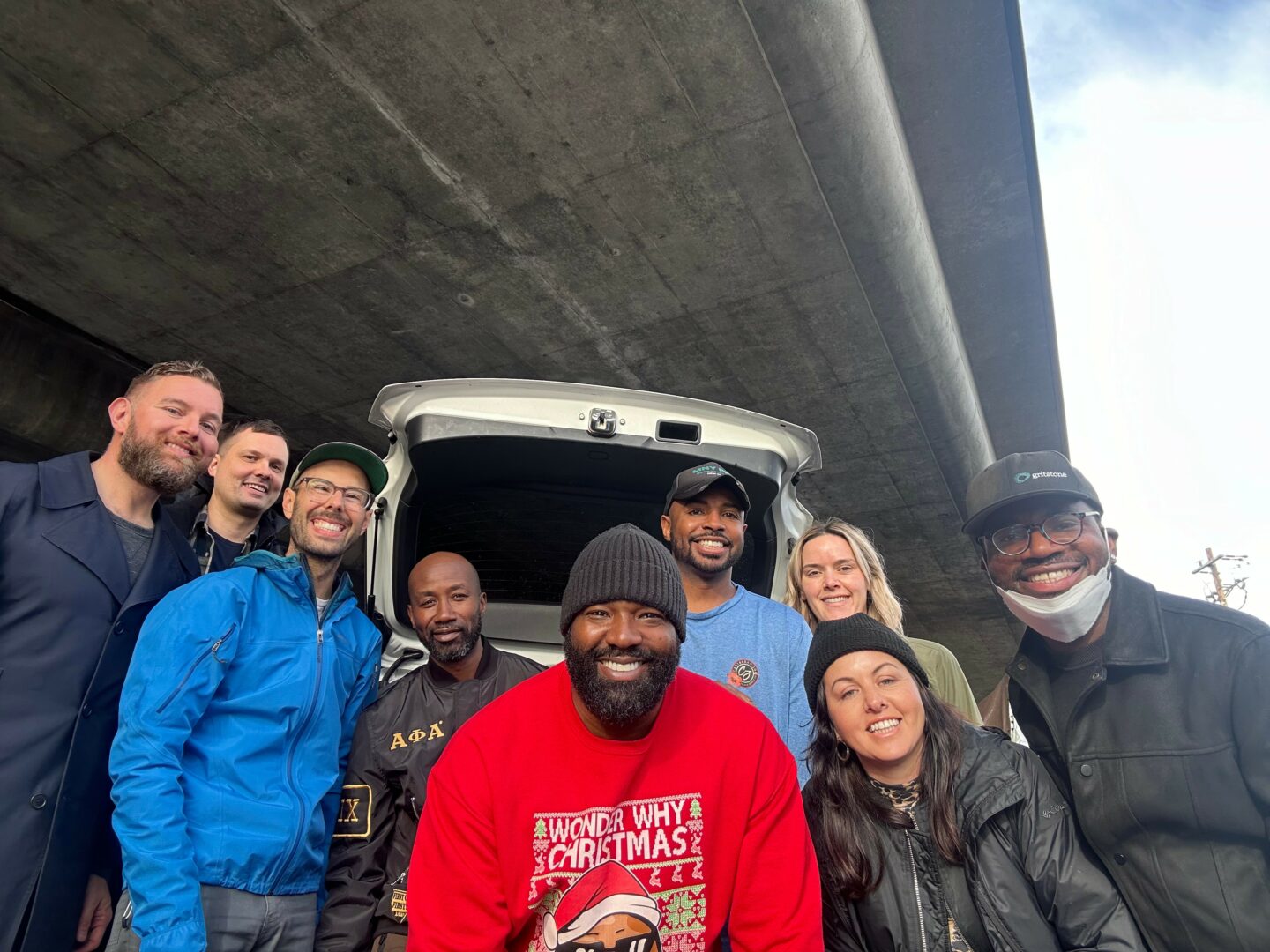
Image Credits
Golden State Warriors Foundation
J Cox Films
so if you or someone you know deserves recognition please let us know here.