Gudy Prada shared their story and experiences with us recently and you can find our conversation below.
Hi Gudy, thank you for taking the time to reflect back on your journey with us. I think our readers are in for a real treat. There is so much we can all learn from each other and so thank you again for opening up with us. Let’s get into it: Who are you learning from right now?
At the moment, I’m continually learning from some incredible musicians I’ve had the fortune to work with. For instance, performing at Boston Calling, and sharing the stage in Washington D.C. with musicians like Chucho Valdés and Erika Ender, placed me in an environment of consistently high-caliber artistry. Many of these musicians are not just colleagues, some are friends whom I continue to follow closely. Being around them, whether on tour in Europe or in various high-profile projects, has been crucial to my growth. I’m constantly inspired by their expertise and their dedication to their craft, and I’m lucky to learn from them every time. It’s these experiences and relationships that keep pushing me to maintain the highest standard in everything I do.
Can you briefly introduce yourself and share what makes you or your brand unique?
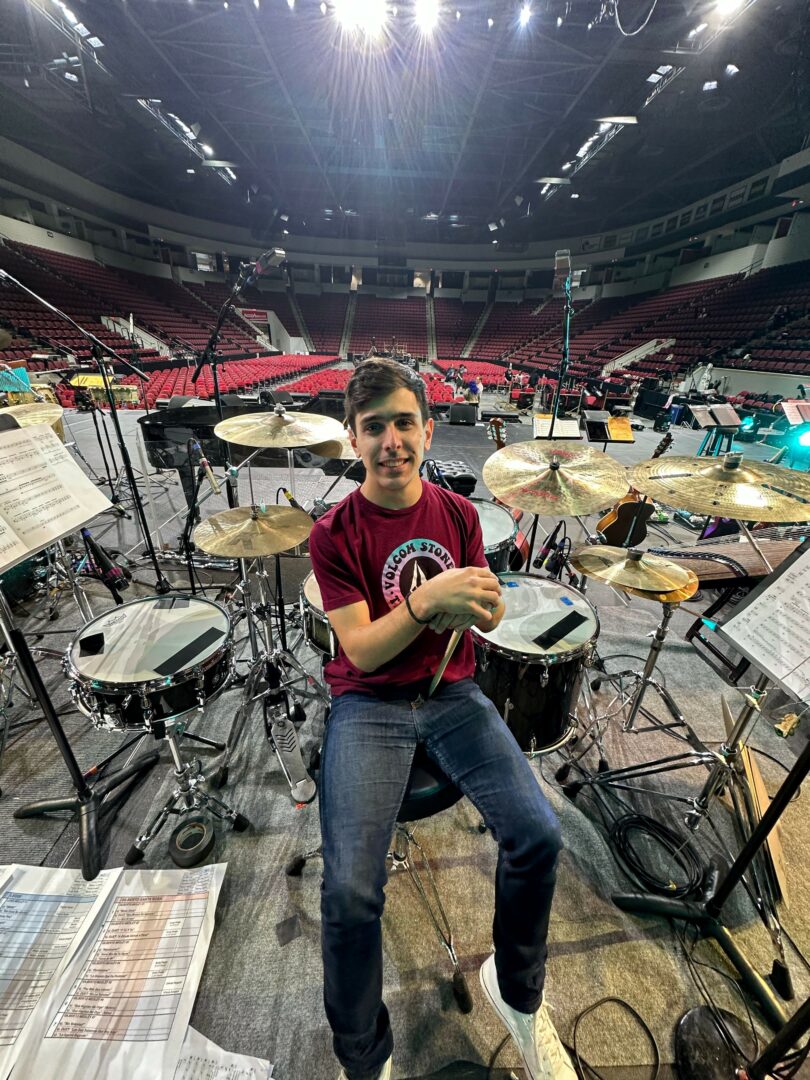
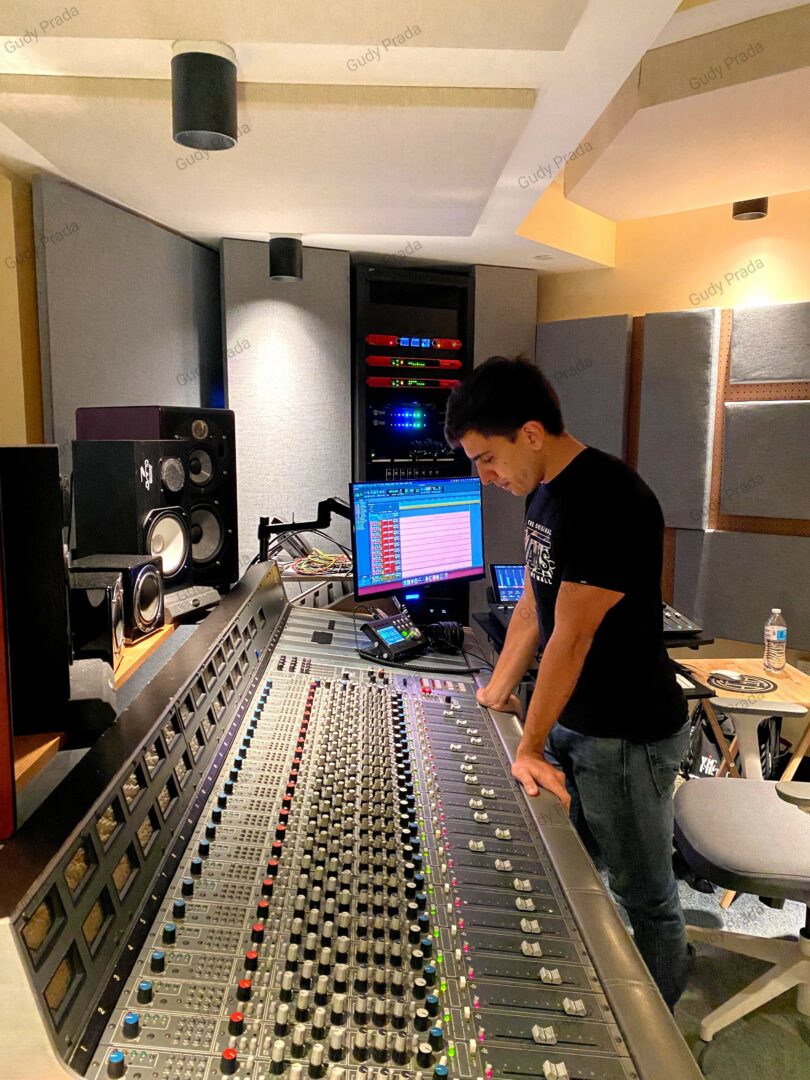
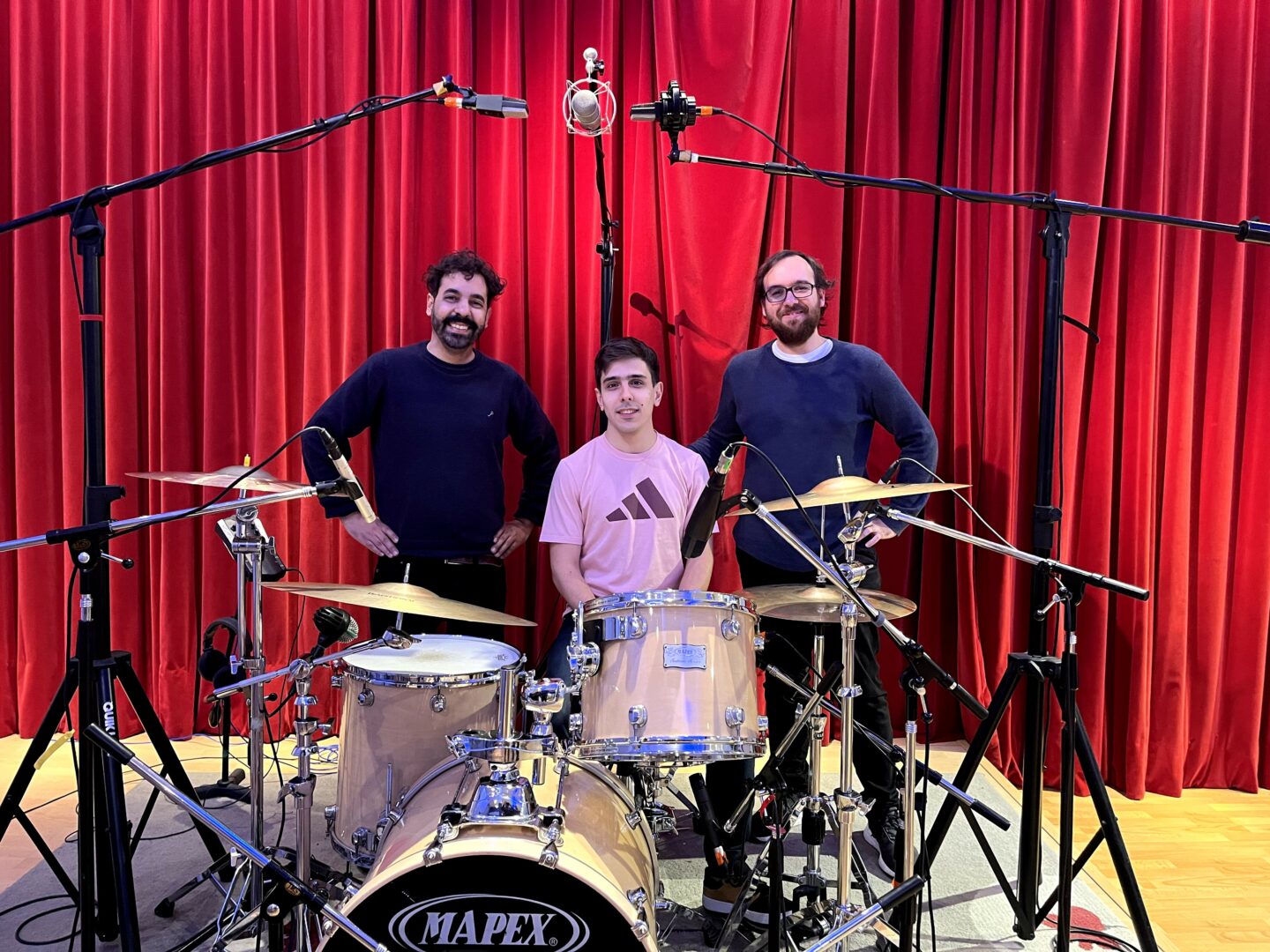
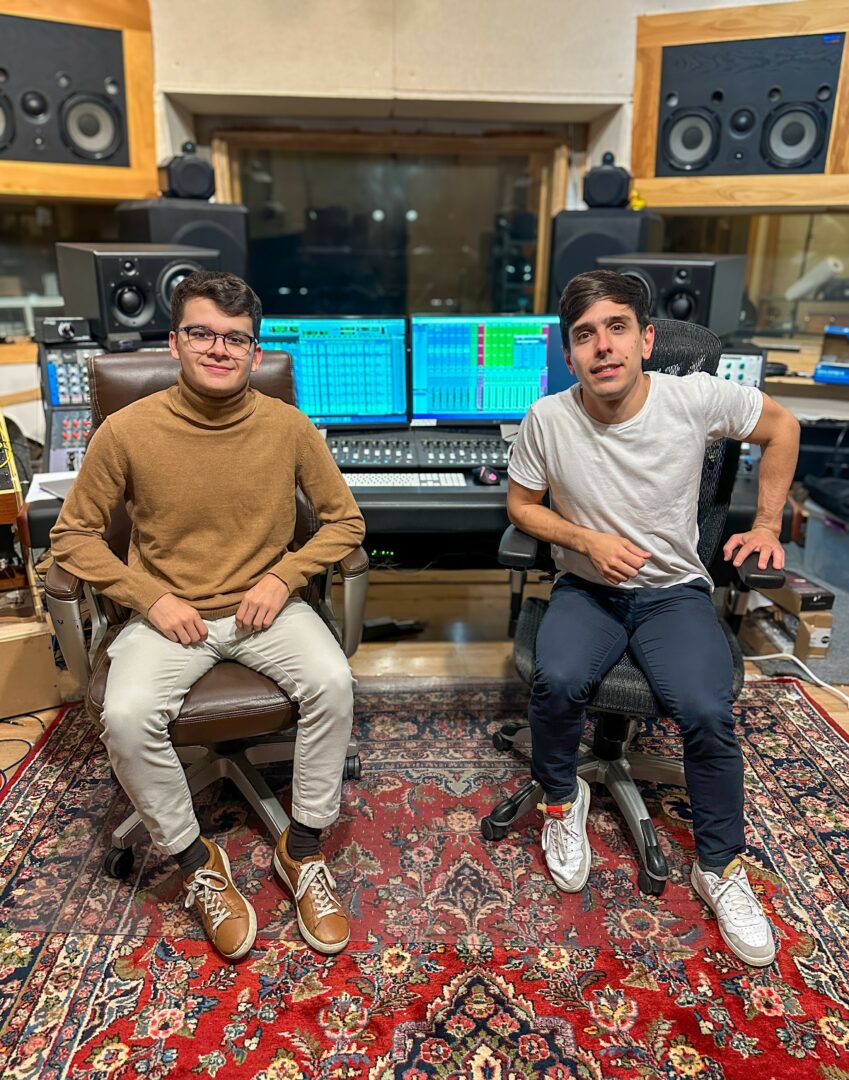
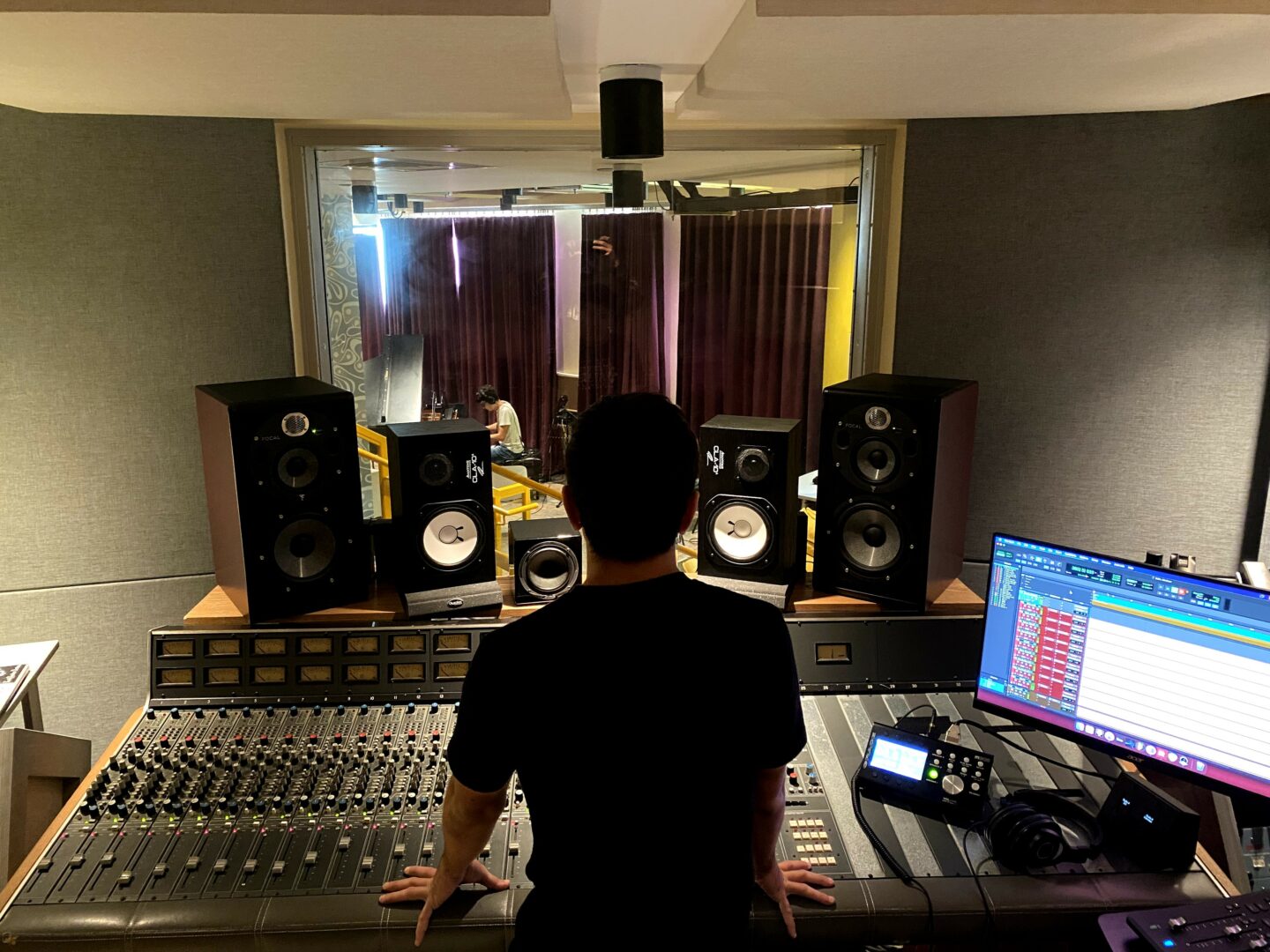
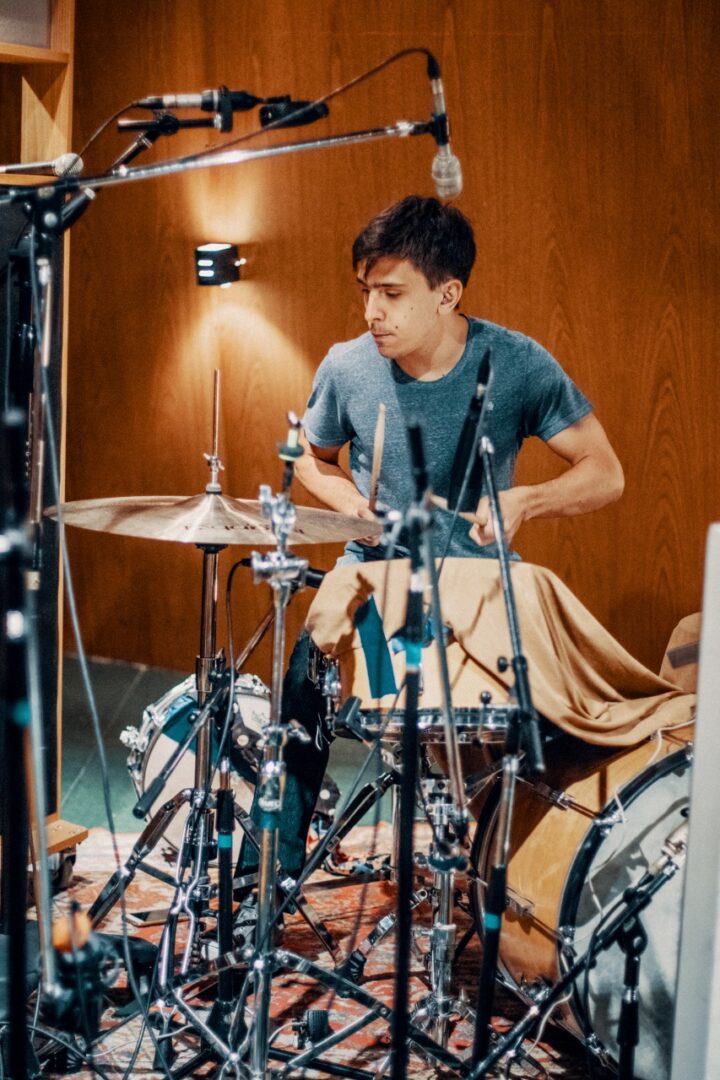
I’m Gudy Prada, I’m a drummer and a Mixing Engineer. Mainly, I’ve had and I’m lucky enough to work with people from all over the world. Since I arrived in the United States, I’ve had the opportunity to work on high caliber projects, and that has opened the doors to the global market, where I work with people from all over the world. I’ve worked with artists, playing as a drummer on projects, traveled around the country playing on different stages, and I’ve also worked as a mixing engineer for some international records. As a drummer and mixing engineer, I always try to be very detailed, I work very consistently with a method that allows me to reach all the edges of my work, and make my work consistent and solid. I’m a person who works a lot with reliability, I’m a person who can be counted on, and who really pay attention to detail. I think that’s what has led me to be lucky enough to play in great places like the “Teatro Colón”, being chosen in a small group for the opera “Die Soldaten”, having been able to play at Boston Calling Festival, and touring around Europe. I think that all of that, in large part, comes from the methodology of my work, and those achievements are very important in my career, and they are what have pushed me to be better in a certain way. The fact of being able to work in various areas, makes me very versatile, and I think that’s what draws my attention, and allows me to work in different areas of the music industry, and be able to reach more people and more projects.
Amazing, so let’s take a moment to go back in time. What part of you has served its purpose and must now be released?
What I’ve been trying to let go of lately is that need to keep everything under tight control and to overthink every detail. Being super organized and meticulous definitely helped me early on as a musician, it got me to where I am now. But at this point, I’ve realized that the extra edge I need doesn’t come from micromanaging myself. It actually comes from loosening that grip a bit and looking at things from a broader, more fluid perspective.
So, the part of me that served its purpose is that rigid, always “in control” mindset. Now I’m letting that go and focusing on how to flow more with what the music and projects need. I’ve realized that growth often happens in unexpected ways, when you step off the usual path and look at things from a fresh perspective instead of just repeating.
I’m still working on it, since it’s a long-time habit, but I’m learning that letting go of that tight control is giving me a whole new range of experiences and actually making me better in the end.
What did suffering teach you that success never could?
Honestly, those tougher moments, those so-called “bad times” are where you really learn. Success is nice, but not everything is a highlight. I like to say you don’t live off highlights alone, because who you truly are is shaped in those times when things aren’t going your way. It’s like life is this big wheel that keeps turning, and every turn adds a new layer of learning. When everything’s easy, you’re not really picking the things that will make you better.
So what did suffering teach me that success never could? Well, it taught me that the real growth happens in the process, not just in that shiny moment when you’re having a big win. Those highlights are just a few times. The real substance is all the grind, the problem solving, and the persistence that got you there. And yes, the high points are nice. They’re a good time to pause and say, “all that work was worth it.” But most of the time, we’re living in the in-between, in the messy parts where we’re just trying to be a bit better each day. Finding that average line where both things can co-exist, is what in my opinion pushes you forward and keeps you trying to be the best version of yourself.
I think is about finding that middle ground and respecting the journey. If you respect the process, whether it’s the music, or a specific project you are working on, that’s where the real growth comes from. And that’s something success alone could never really teach.
I’d add that when you experience something firsthand, it gets attached to an emotion that sticks with you. That emotional imprint is what makes you approach things differently next time. You remember how it felt, and that memory pushes you to find a new way, to adapt, and to improve.
You don’t get that just by hearing about someone else’s struggles. Of course we can relate to that and reflect, but you have to live it and put yourself in the middle of it to really internalize it.
That’s the most important lesson from those challenging times: they leave a mark that success alone just can’t.
Alright, so if you are open to it, let’s explore some philosophical questions that touch on your values and worldview. What are the biggest lies your industry tells itself?
I think one of the biggest ones is this idea that everything has to be immediate. There’s this constant pressure to live by deadlines, by numbers, and by the idea that you should always be producing highlights. Pretending that you have to be at 100% all the time, and that’s just not real. Those expectations can be pretty dangerous, and they definitely mess with how artists feel about their work. If you want a long-term music path, you’ve got to understand that not everything can be a constant sprint and not every project is going to be an instant success.
This idea that speed and constant output are more important than what you’re actually saying. We end up prioritizing quick results over quality or depth. I was lucky to grew up with a pretty organic mindset, and still all these new demands for speed and success can feel like a lot. But the truth is that just chasing numbers or popularity for the sake of it doesn’t mean much if you’re not actually making something meaningful. It’s not about just being seen, it’s about having something worth seeing. And I think that’s a truth the industry often forgets.
Okay, so before we go, let’s tackle one more area. What will you regret not doing?
I think what I’d regret most is not being genuine, falling into doing things just to reach a point, rather than out of real sincerity. To me, being authentic and loyal matters a lot, especially nowadays. I’d regret not staying true to that.
In the end, I want what I do and who I am to be exactly what people see, just genuine intentions. That’s the best for me, and I know I’d regret it if I ever lost that. Even though it’s tough these days, it’s something I’d regret it if I ever lose.
Contact Info:
- Website: www.gudyprada.com.ar
- Instagram: @gudyprada
- Linkedin: https://www.linkedin.com/in/gudy-prada-902261313/
- Facebook: https://www.facebook.com/gudy.prada/
- Youtube: https://www.youtube.com/@gudy657
so if you or someone you know deserves recognition please let us know here.