We recently had the chance to connect with Michael Hahn and have shared our conversation below.
Michael, we’re thrilled to have you with us today. Before we jump into your intro and the heart of the interview, let’s start with a bit of an ice breaker: What’s more important to you—intelligence, energy, or integrity?
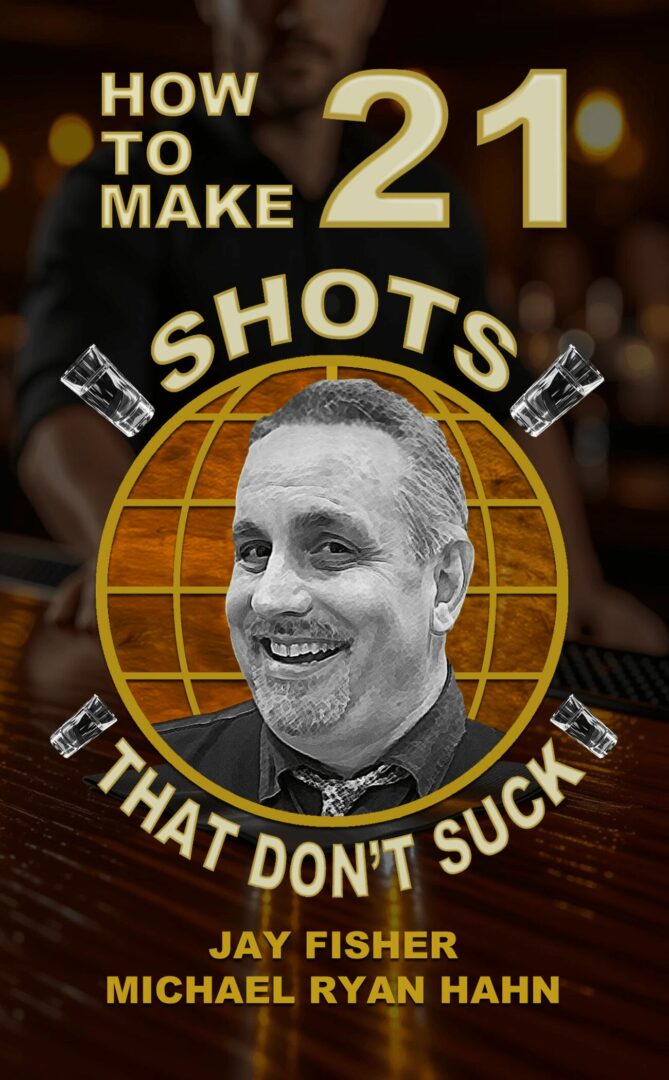
Integrity is one of the most important qualities in a person, especially when collaborating. I met a mixologist at a hotel restaurant named Jay Fisher. He’s a unique bartender who serves a fun experience with every drink: he’s loaded with history, stories, and knows more than a single human should about drinks. We hit it off, decided to work together … and 91 days later we released a book called HOW TO MAKE 21 SHOTS THAT DON’T SUCK, featuring amazing anecdotes and drink recipes. While Jay has unmatched energy and a steel trap of a mind, it was instantly being able to trust each other that made our partnership work and drove the book (the first in a series) to come to fruition so fast.
Can you briefly introduce yourself and share what makes you or your brand unique?
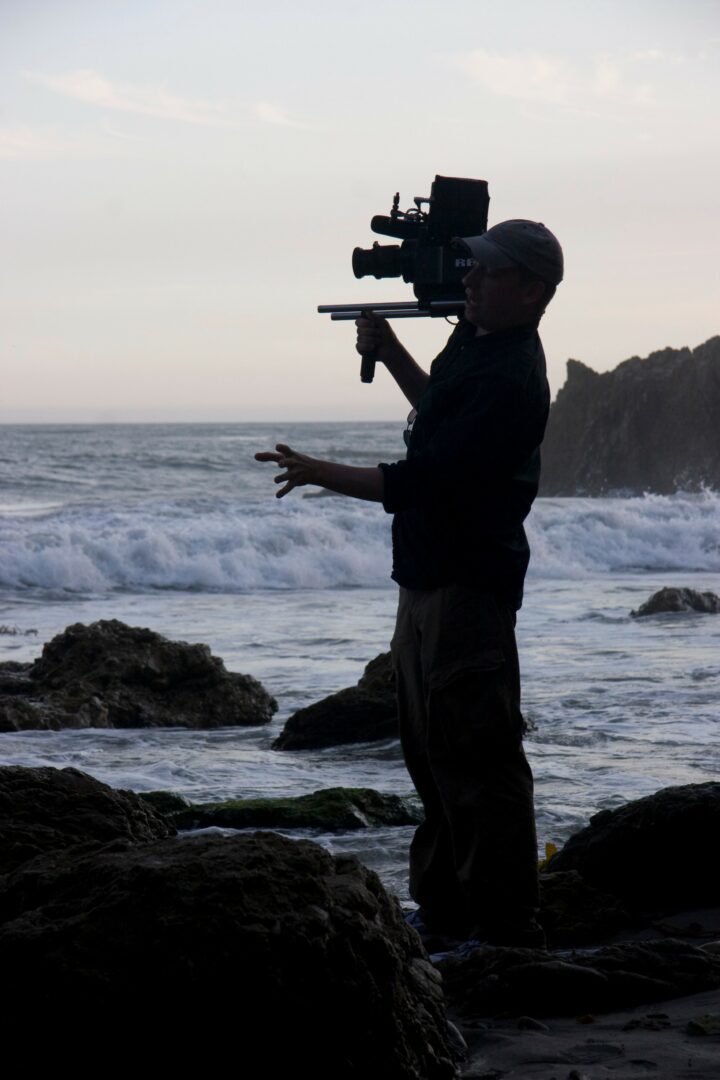
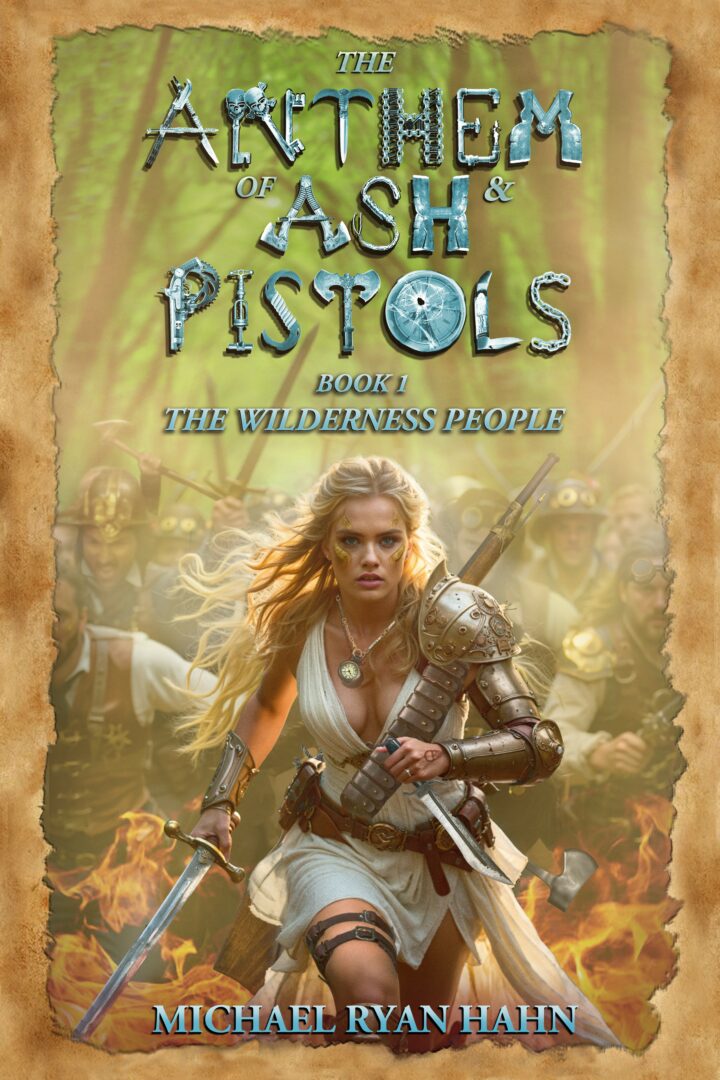
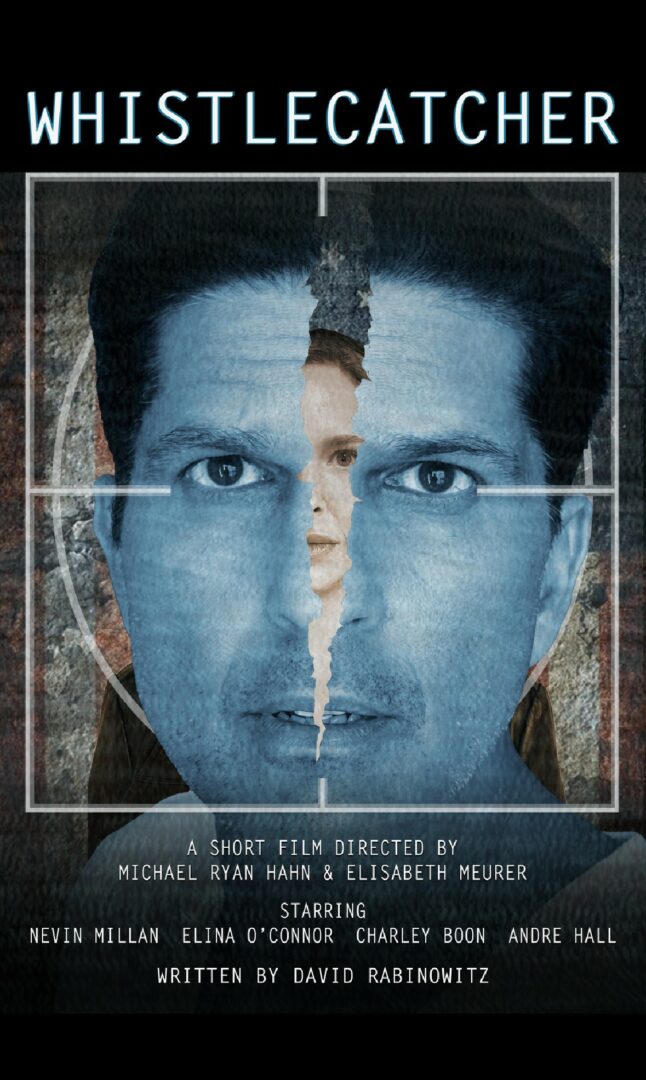
My name is Michael Ryan Hahn. I’m a filmmaker and novelist. I tell entertaining underdog stories for broad audiences. I recently co-directed a short mystery film with my wife Elisabeth Meurer, called WHISTLECATCHER, written by Oscar-winning writer David Rabinowitz (BLACKKKLANSMAN). Elisabeth and I are in post-production on a short film I wrote called SKY GUYS, about two strangers trying to catch a UFO. We made two features pre-pandemic called ENEMY EMPIRE and ALIEN THEORY, and during the pandemic I got into writing novels. The first in a steampunk fantasy series about revolution and freedom, called THE ANTHEM OF ASH & PISTOLS, is out now, with more in the pipeline. I’m especially excited about my book that released on Halloween, HOW TO MAKE 21 DRINKS THAT DON’T SUCK, because I’m so happy for Jay Fisher to see his rampantly interesting legacy make its way to the page.
Great, so let’s dive into your journey a bit more. What breaks the bonds between people—and what restores them?
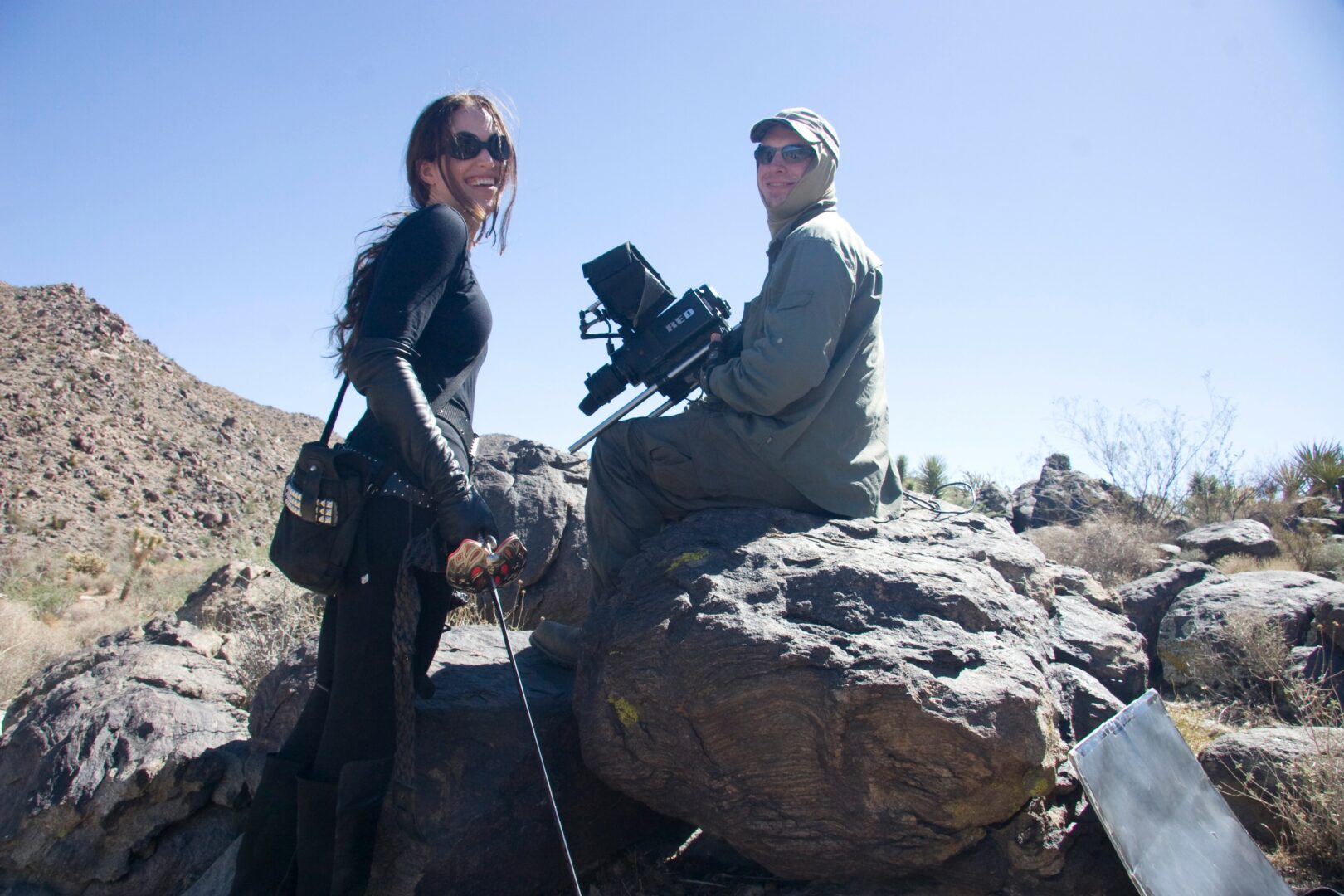
Anyone can tell you what breaks people apart. We see it all the time; it happens all the time. Often tragically. What restores bonds is harder to find, but one of the things it can be is a shared achievement that was difficult. There were a handful of actors on my first movie, ENEMY EMPIRE, who trusted me to take them out in the middle of a desert to shoot a guerilla-style adventure. The steadicam melted, the tripod broke, the weather was too hot to get much done—and that was day one. We had to hike to almost every location. There’s no way we should’ve come out of that desert with a movie—but we did. It was hard, and it was worth it, because we’ll always be friends. Unspoken trust is there, forever. We know what we can expect from each other, and we always look forward to next time. Battle scars make stronger bonds.
What did suffering teach you that success never could?
When you’re standing in the middle of the desert after just having to fire your small crew and send them home, when you barely know how to turn on the camera and there’s no time to shoot your meticulous storyboards, you can either quit or adapt. The suffering of that first project taught me how to adapt. It’s not automatically a problem today if a location falls through. On ALIEN THEORY, we couldn’t shoot on a planned football field and had to move to a house instead. Very different blocking, but I knew how to improve the story by making the location a character. How to turn a perceived weakness (a change) into a strength (an organic “choice”). I learned that on ENEMY EMPIRE when every day we didn’t know what the location would be. On WHISTLECATCHER, the hotel room we planned for wasn’t available at the last minute, and we ended up with a room where everything was in the wrong place. It only took 30 minutes to update the plan. I love being able to roll and adapt, but it wasn’t an easy skill to acquire. It came from the pressure cooker of my first movie. Wisdom comes from suffering, and you have to pay for it—but not always with money. It’s an earned thing, and after enough experience, you learn to see trouble as opportunity.
I think our readers would appreciate hearing more about your values and what you think matters in life and career, etc. So our next question is along those lines. Whose ideas do you rely on most that aren’t your own?
I’m a huge fan of Michael Arndt’s videos about BEGINNINGS and ENDINGS. His teaching about screenwriting structure is what led me to becoming a finalist in ScreenCraft three times and winning once. I can’t recommend him enough. Check out pandemoniuminc.com to see what he’s saying. He knows how to build a story that makes people stand up and cheer.
Before we go, we’d love to hear your thoughts on some longer-run, legacy type questions. When do you feel most at peace?
The moment a film or a book is finished is incredibly satisfying and relieving. There’s tremendous gratitude, coupled with excitement for getting to share it with people and bring them some joy. It’s a quiet celebration in your heart. You see it when the Olympian wins a race, when the actor takes a bow, when the director calls “wrap.” It’s a transitional moment, the real-life finale of what Joseph Campbell’s heroes do. And it’s a great place to be—but it doesn’t last long. A lull follows, and the only cure is to start making something else as quickly as possible!
Contact Info:
- Website: https://michaelryanhahn.com
- Twitter: @michaelryanhahn


so if you or someone you know deserves recognition please let us know here.