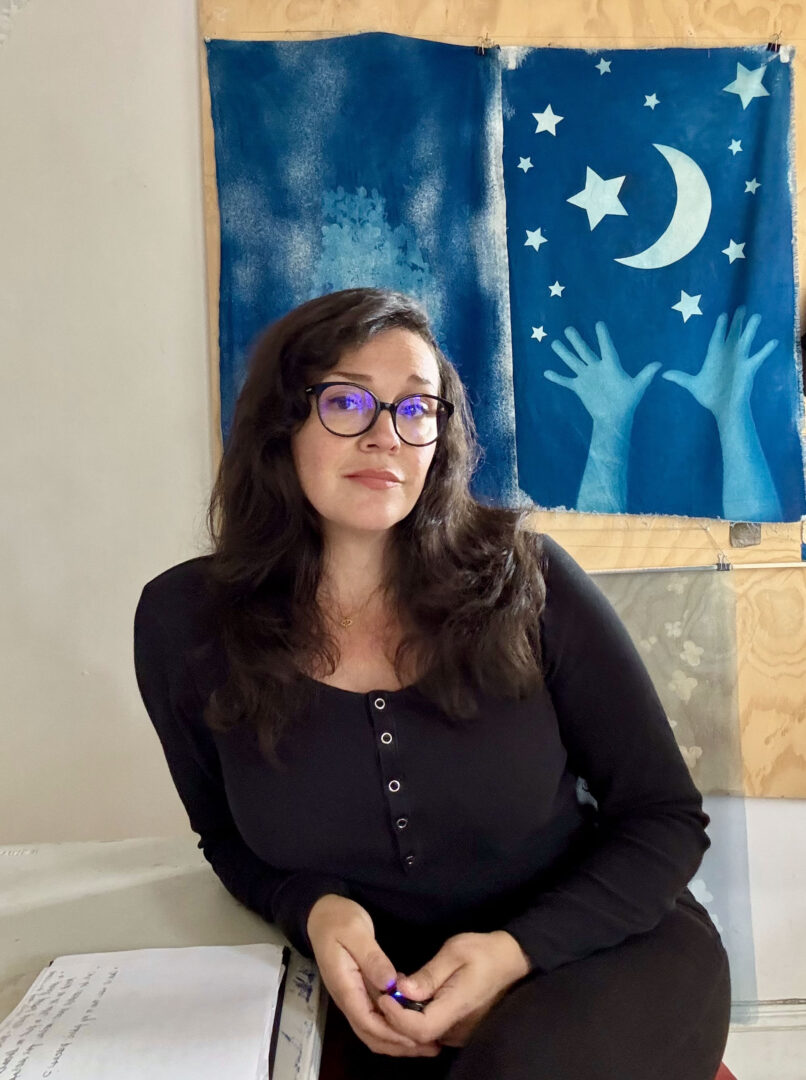
We’re looking forward to introducing you to Natali Bravo-Barbee. Check out our conversation below.
Natali, a huge thanks to you for investing the time to share your wisdom with those who are seeking it. We think it’s so important for us to share stories with our neighbors, friends and community because knowledge multiples when we share with each other. Let’s jump in: What is a normal day like for you right now?
My day starts with getting my kids ready for school. Once they’re off, I spend some time responding to emails and packing my bag for the studio. I’m currently an artist in residence on Governors Island, a small island off the southeast side of Manhattan in New York City. Being an AiR gives me dedicated time, space, and resources to focus on making new artwork. From home, I usually Citibike to the ferry, cross the East River on the new electric ferry, and walk onto the island. Noland Park, where my studio is, feels almost like a small, quiet town. Most of my day is spent in the studio, working on cyanotypes and photography, experimenting with materials, and developing ideas inspired by the island and its surroundings. As the residency comes to an end, I’ll be looking for new artist residency opportunities that allow me to balance motherhood with my creative practice.
Can you briefly introduce yourself and share what makes you or your brand unique?
I’m Natali Bravo-Barbee, a New York–based photo-based installation artist. My work explores memory, personal history, and the ways objects and environments carry stories. I often use cyanotypes, instant photography, and sculptural installations to create pieces that invite viewers to interact and reflect. My projects are rooted in lived experience—whether through family artifacts, personal relics, or site-specific explorations like my current work on Governors Island, where I’m finishing an artist residency. I’m especially interested in the intersection of photography and physical space, using materials and light to capture ephemeral moments and histories that might otherwise be overlooked.
Okay, so here’s a deep one: What’s a moment that really shaped how you see the world?
A moment that really shaped how I see the world was moving from Córdoba, Argentina, to New York as a child. My family fled harsh economic situations amid political conditions during the Dirty War. That experience gave me an early awareness of what it means to be not only uprooted from your native land but also outcast, and of the ways people navigate migration. It made me deeply attuned to what one leaves behind—memory, loss, and the places that hold echoes of my ancestry. This awareness now shapes my work and inquiry as an artist. I’m currently exploring origins, the roots of story, and seeking connections between personal histories and broader human experiences, often through cyanotypes.
When did you stop hiding your pain and start using it as power?
I am a survivor of domestic violence, and for a long time, I carried that pain quietly, feeling isolated and unsure of how to process it. Over time, I realized that my experience didn’t have to remain a source of shame or silence—it could become a force for expression and change. Part of my healing involved creating Flores de Femicidio, a project that honors the lives of women lost to gender-based violence. Through this work, I began to transform my pain into power, using my empowered voice to tell the stories of women who aren’t here to tell their stories, reclaiming my own voice while bearing witness to theirs.
Sure, so let’s go deeper into your values and how you think. What’s a belief or project you’re committed to, no matter how long it takes?
I’m deeply committed to my process. Every project I start begins with an idea and research, and I stay with it through every stage, no matter how long it takes. Some of my works take more than two years to develop, and I follow them to the end, exploring materials, concepts, and personal connections along the way. At the same time, I’ve learned to trust myself enough to recognize when a project isn’t the right fit. In those moments, I go back to the drawing board, knowing that staying true to the process is more important than forcing an outcome.
Okay, so before we go, let’s tackle one more area. Could you give everything your best, even if no one ever praised you for it?
Yes—I believe in giving everything my best, even if no one ever praises it. For me, the act of creating and the integrity of my process matter more than recognition. Each piece I make carries intention, research, and care, whether it’s seen by thousands or just experienced by me in the studio. I want my work to hold meaning and truth, not for accolades, but as a reflection of my values, my story, and the stories I aim to honor. In that sense, the work itself becomes its own reward and its own legacy.
Contact Info:
- Website: https://www.natalibarbee.com
- Instagram: https://www.instagram.com/barbee_bravo/
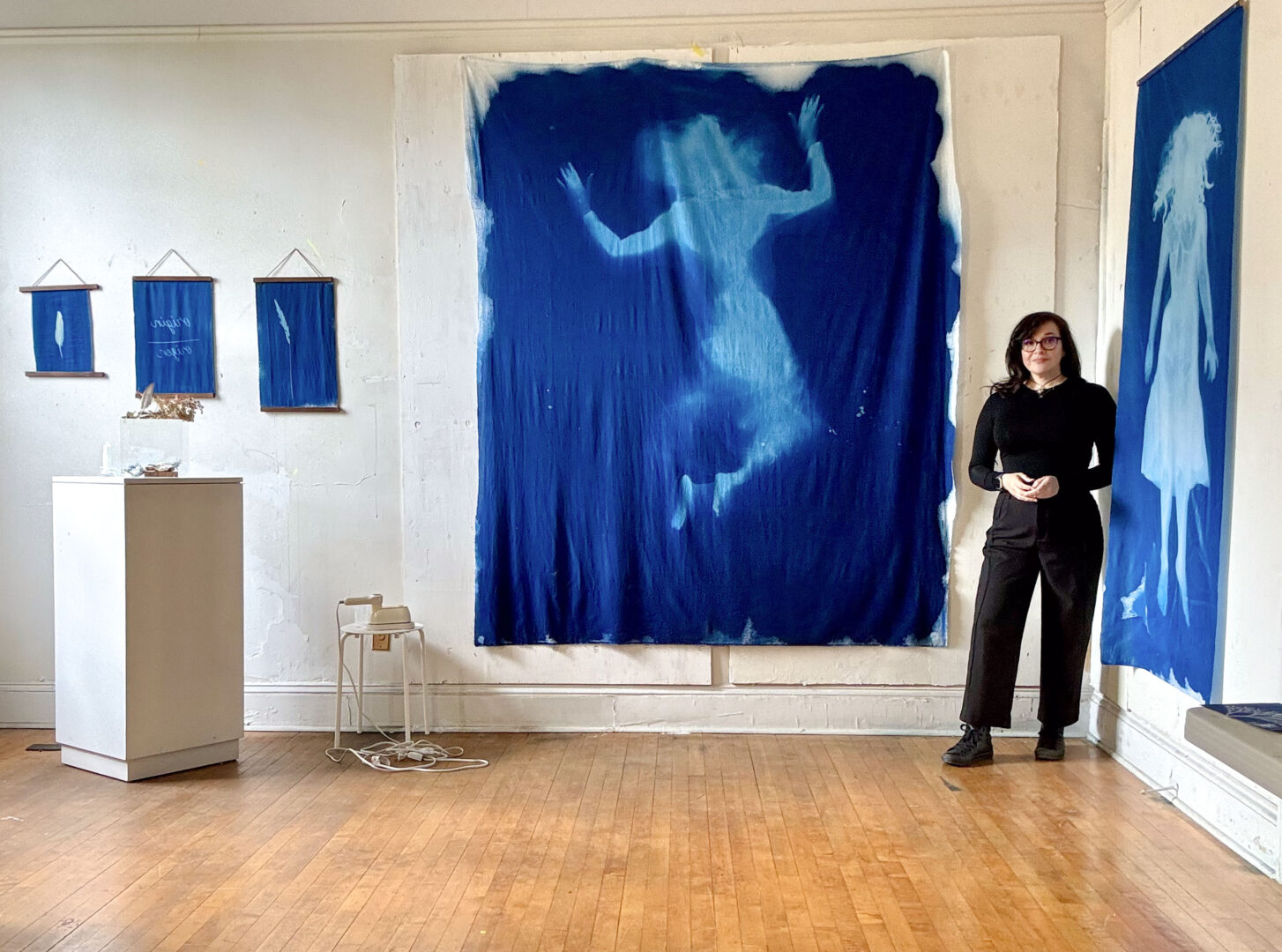
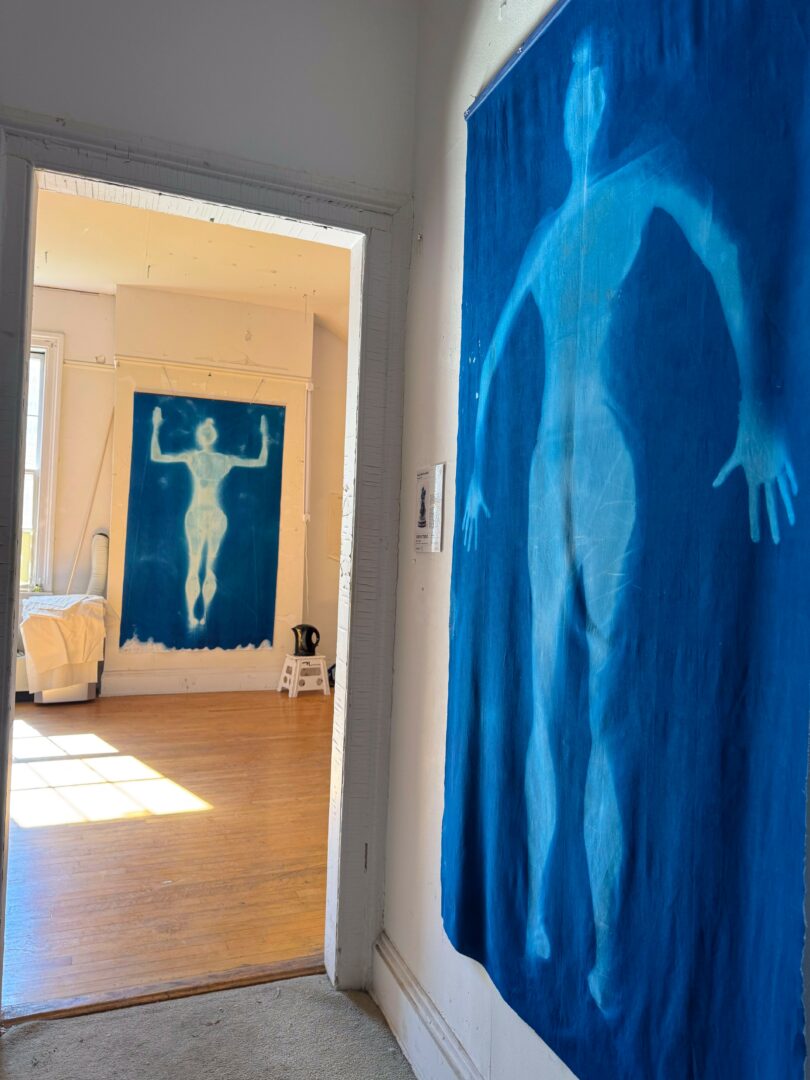
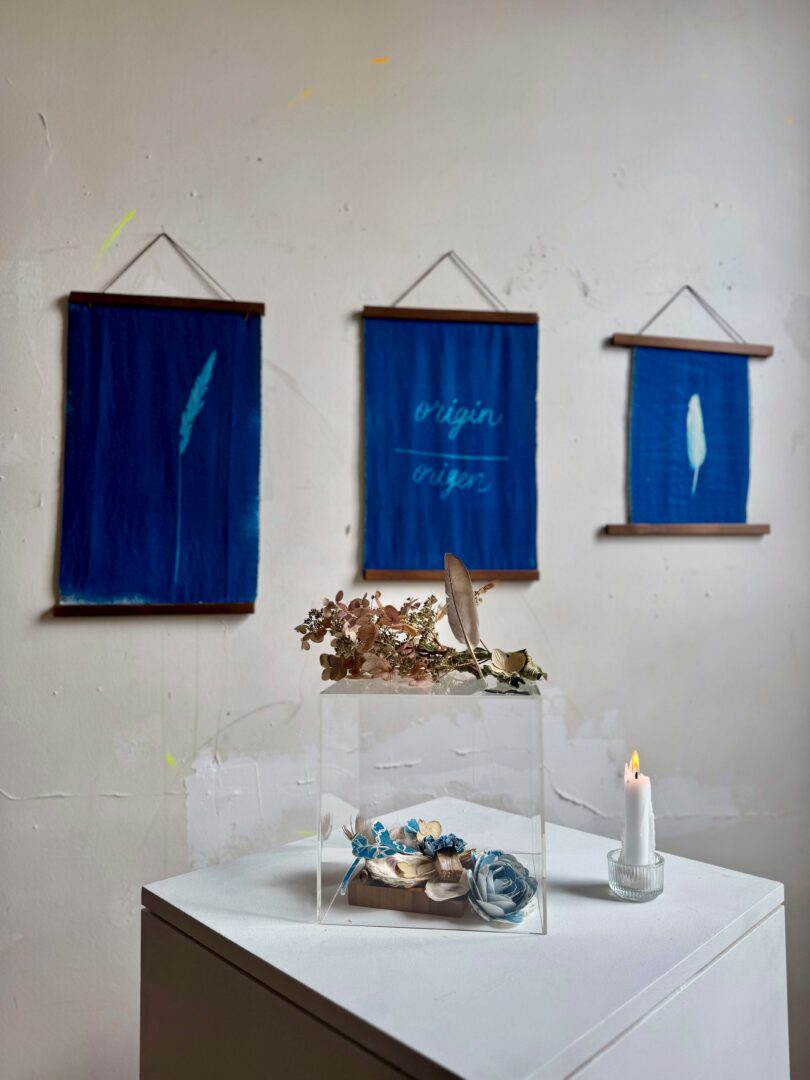
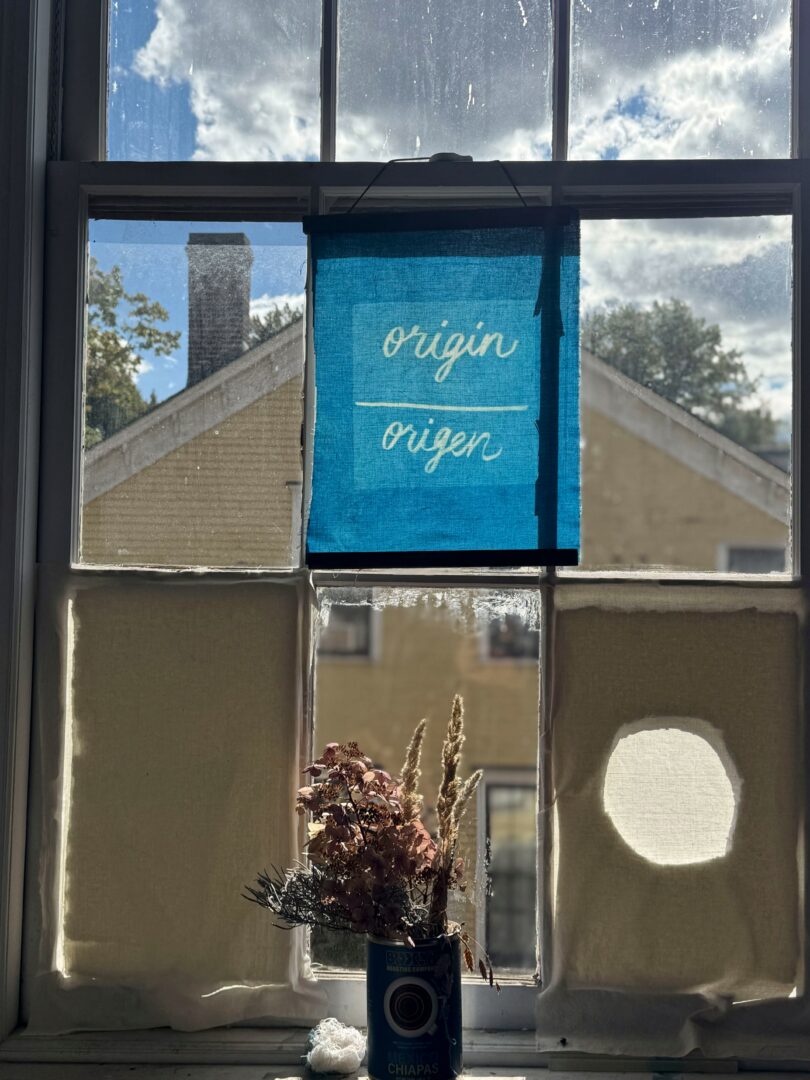
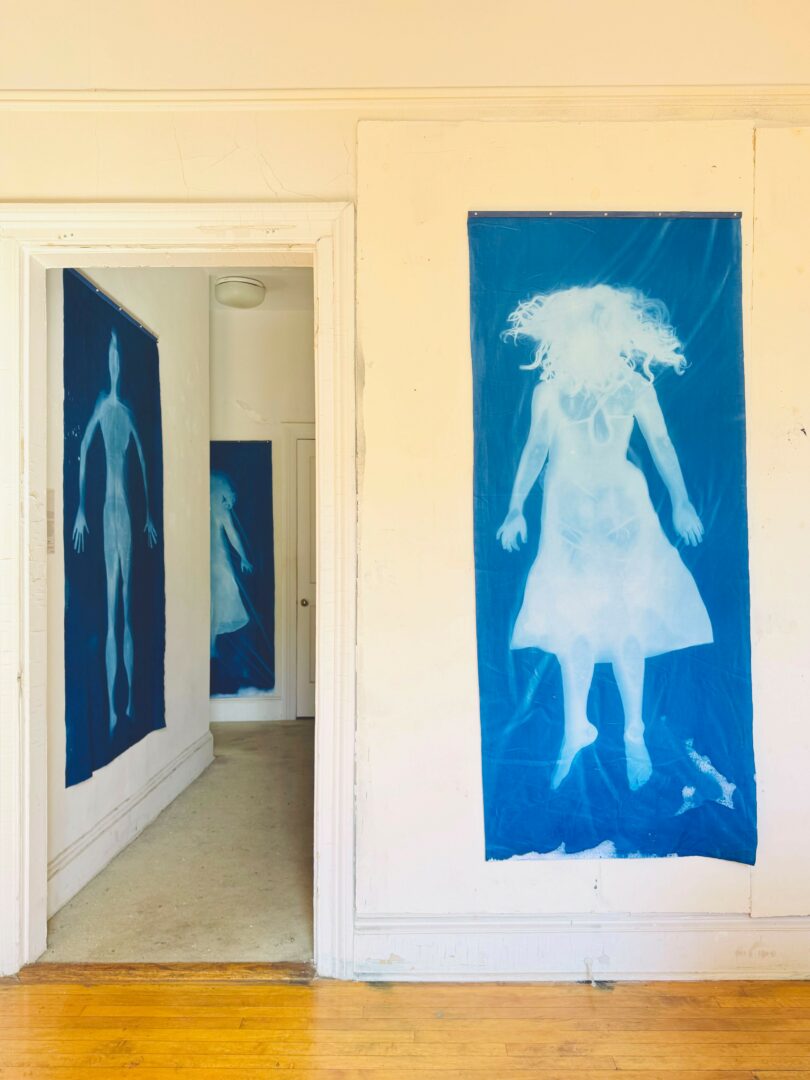
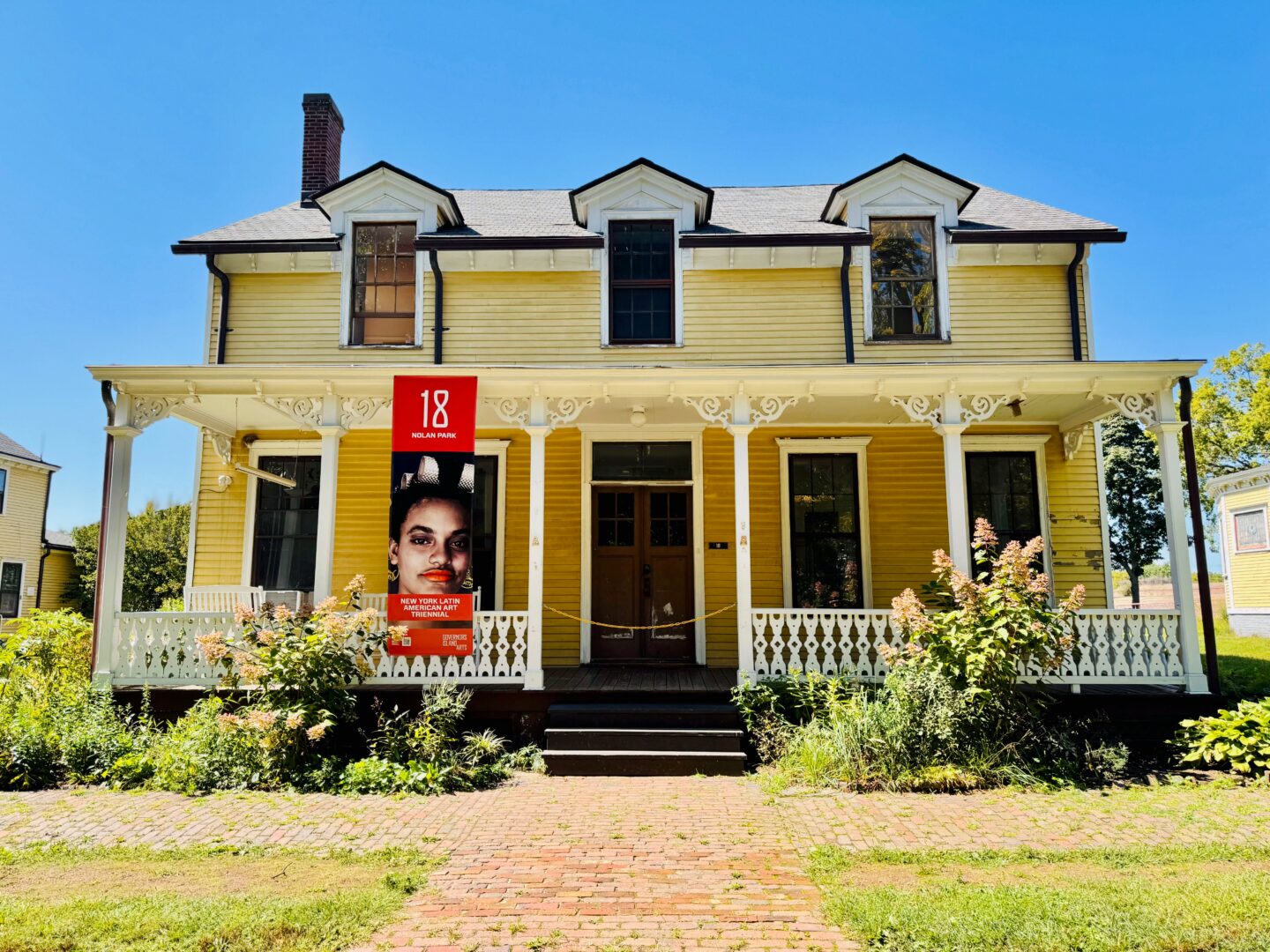
Image Credits
Natali Bravo-Barbee
so if you or someone you know deserves recognition please let us know here.