We’re looking forward to introducing you to Ernesto Zapata Urrutiabeascoa. Check out our conversation below.
Ernesto, we’re thrilled to have you with us today. Before we jump into your intro and the heart of the interview, let’s start with a bit of an ice breaker: Have any recent moments made you laugh or feel proud?
I recently solved a structural problem I’d been wrestling with for weeks on a new piece. The form kept wanting to collapse under its own weight, and I was so stubborn about making it work. When I finally figured it out—it was this small shift in the internal armature—I literally did a victory dance in my studio. My dog was very unimpressed, but I felt like I’d conquered Everest!”
Can you briefly introduce yourself and share what makes you or your brand unique?
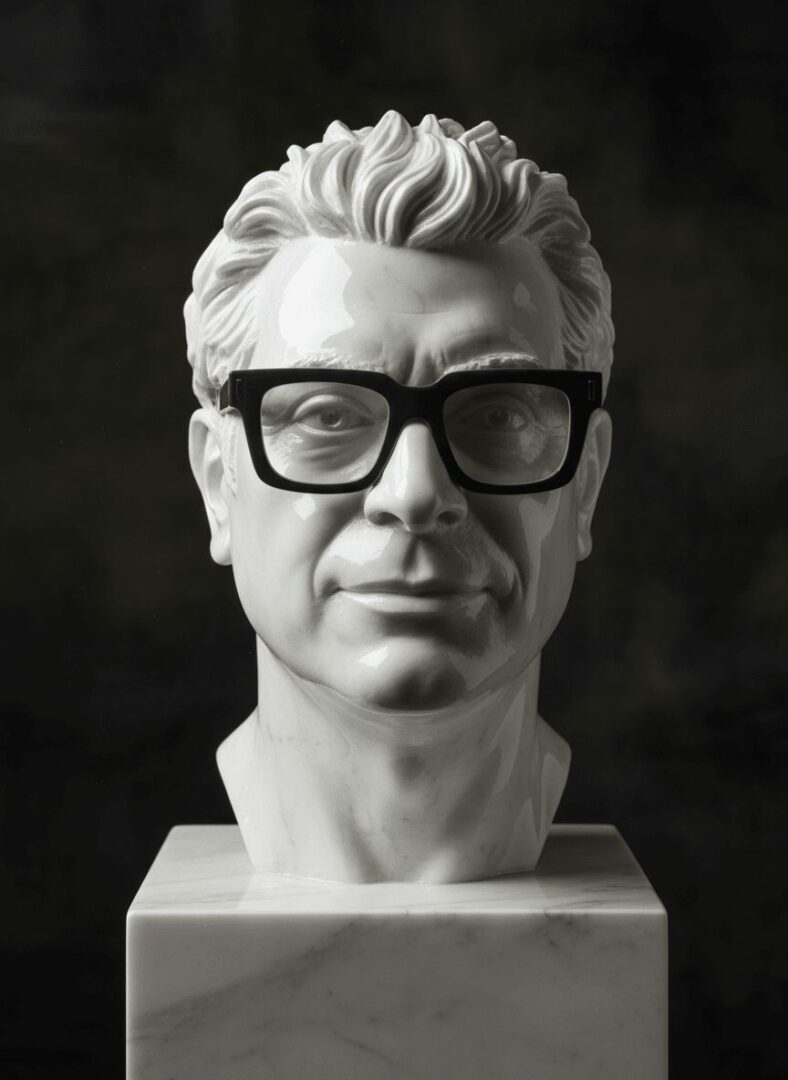
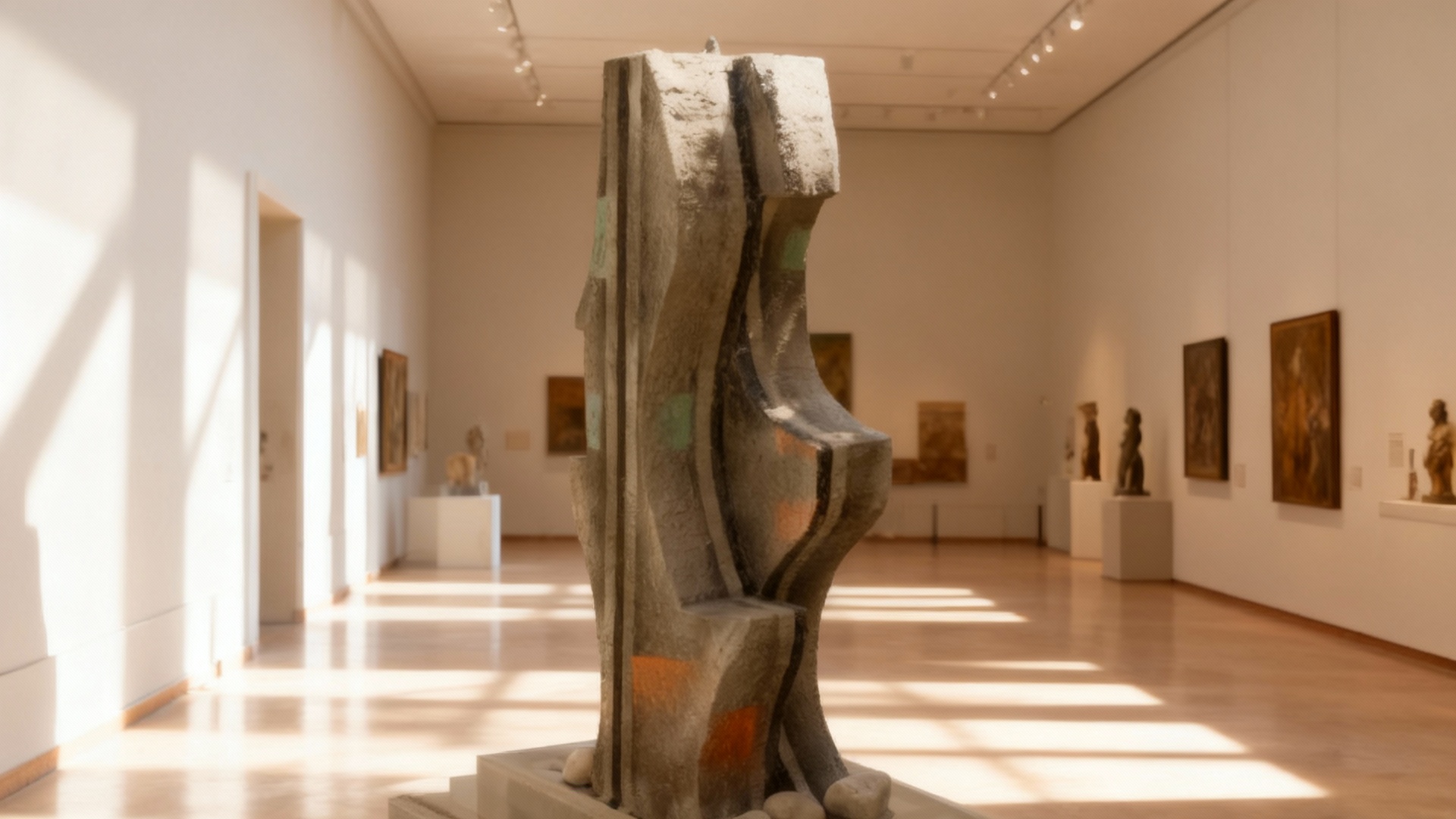
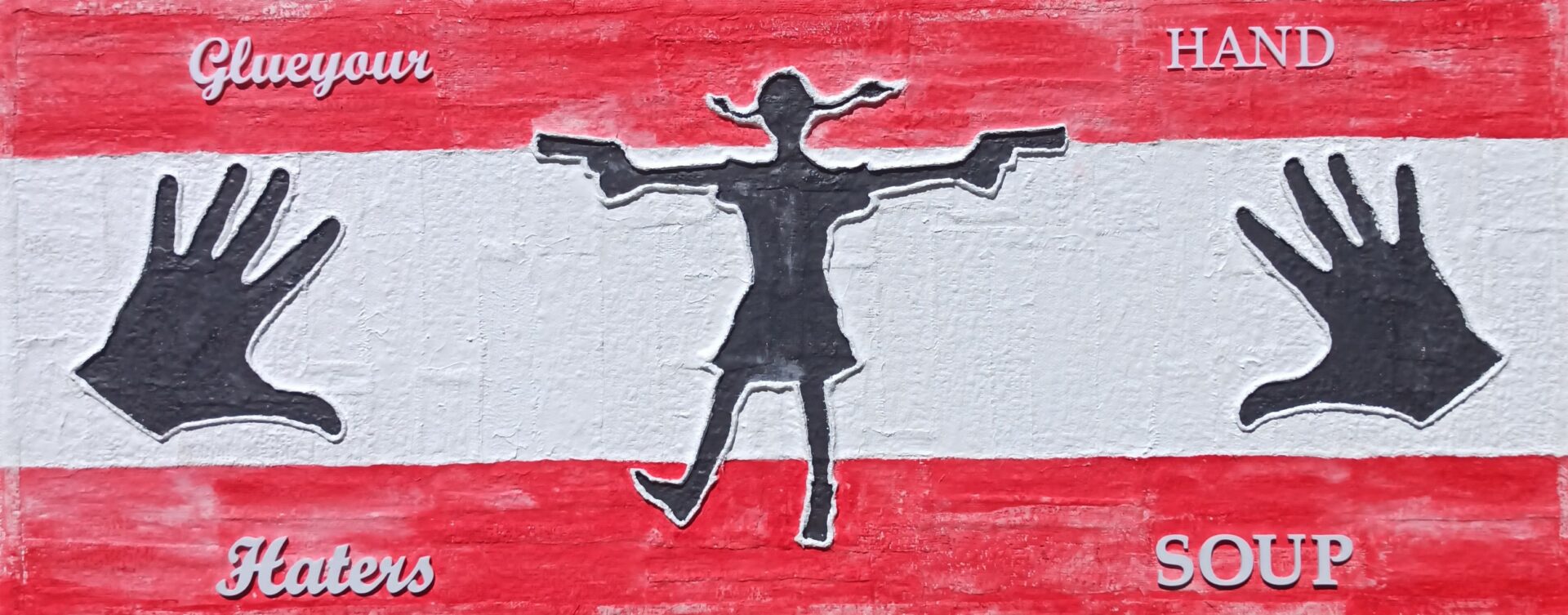
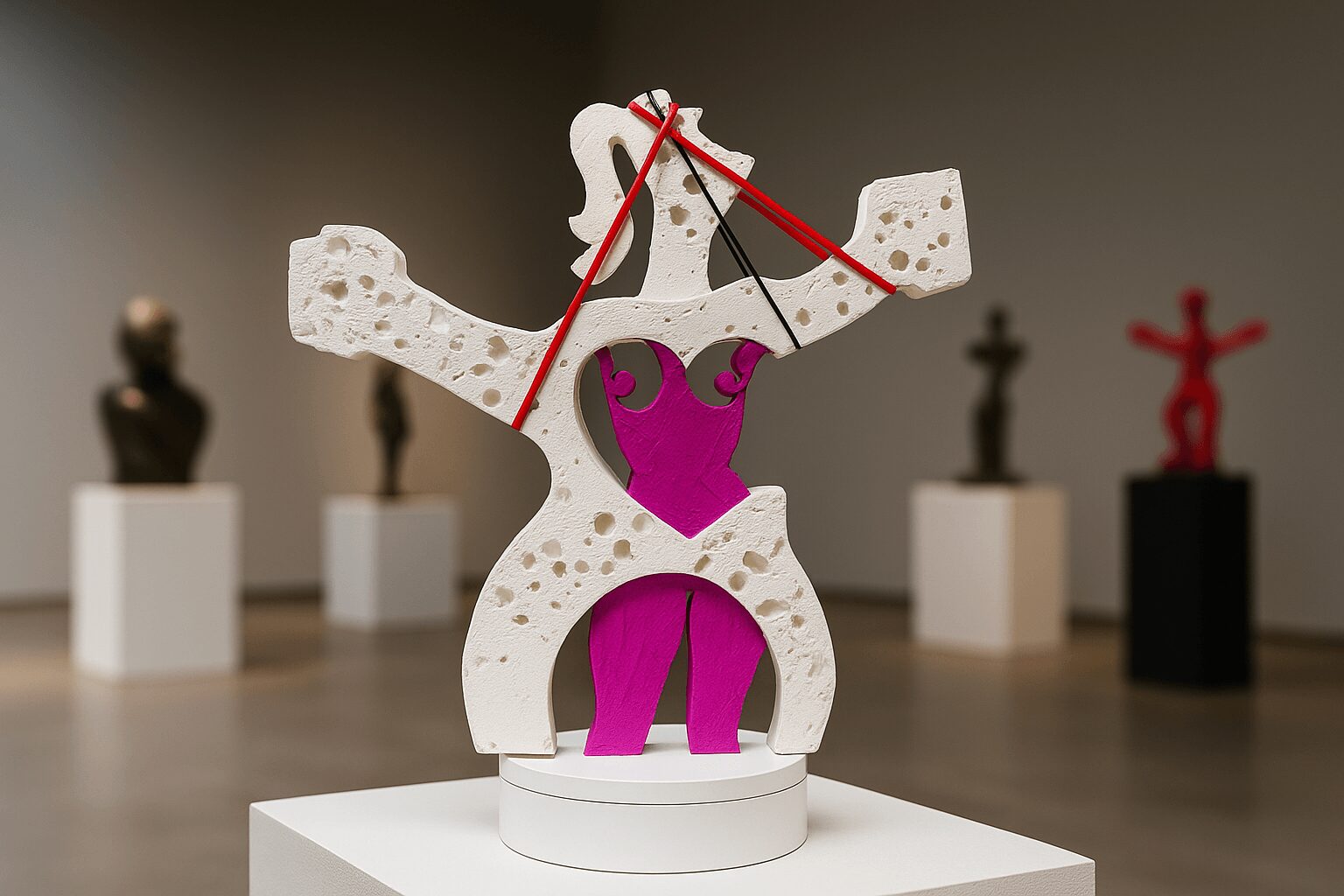
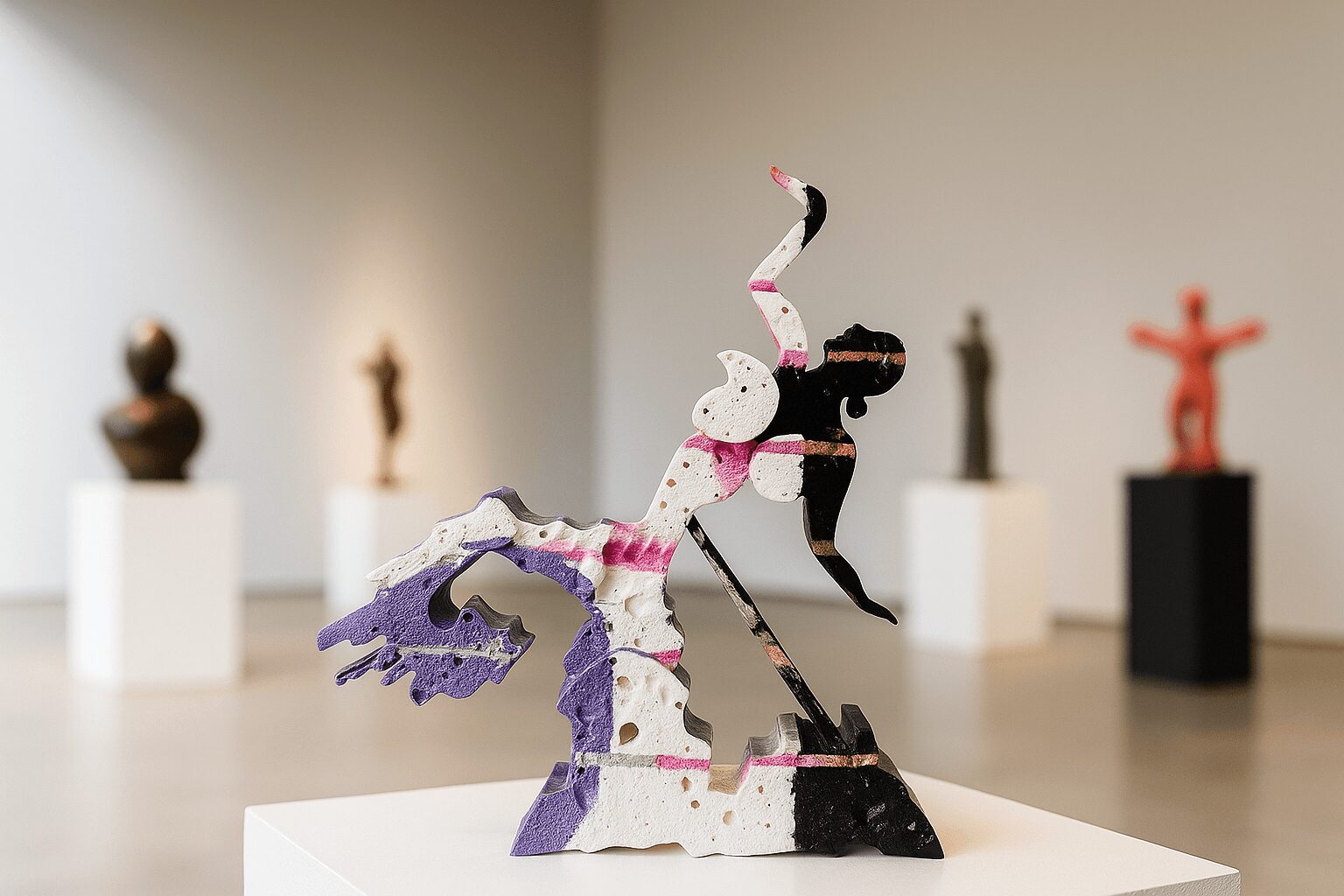
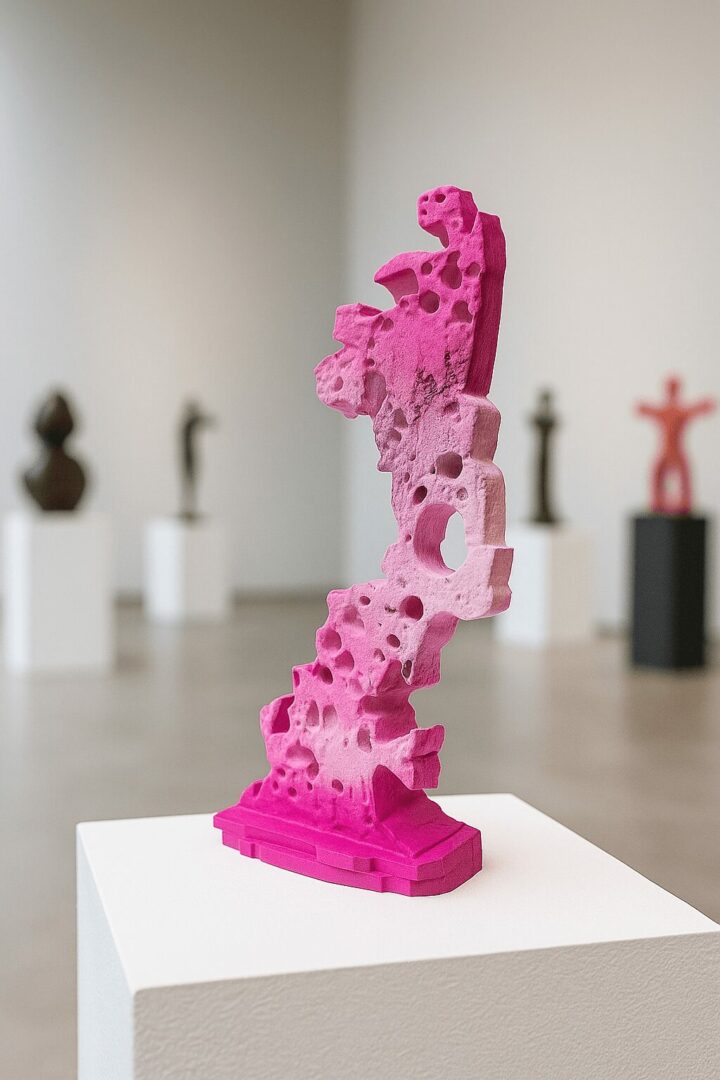
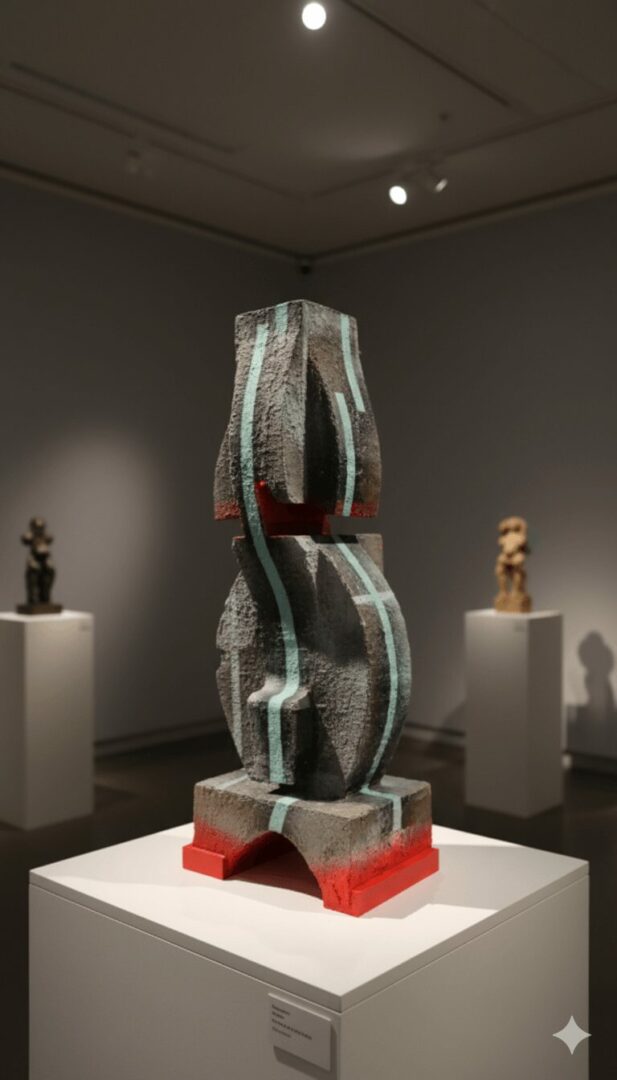
I’m a sculptor who works at the intersection of social commentary and material innovation. I create pieces using unconventional materials and unusual color combinations to build forms that challenge expectations—both visually and conceptually. My work is driven by a need to offer alternative perspectives on current events, to make people see familiar issues through a completely different lens.
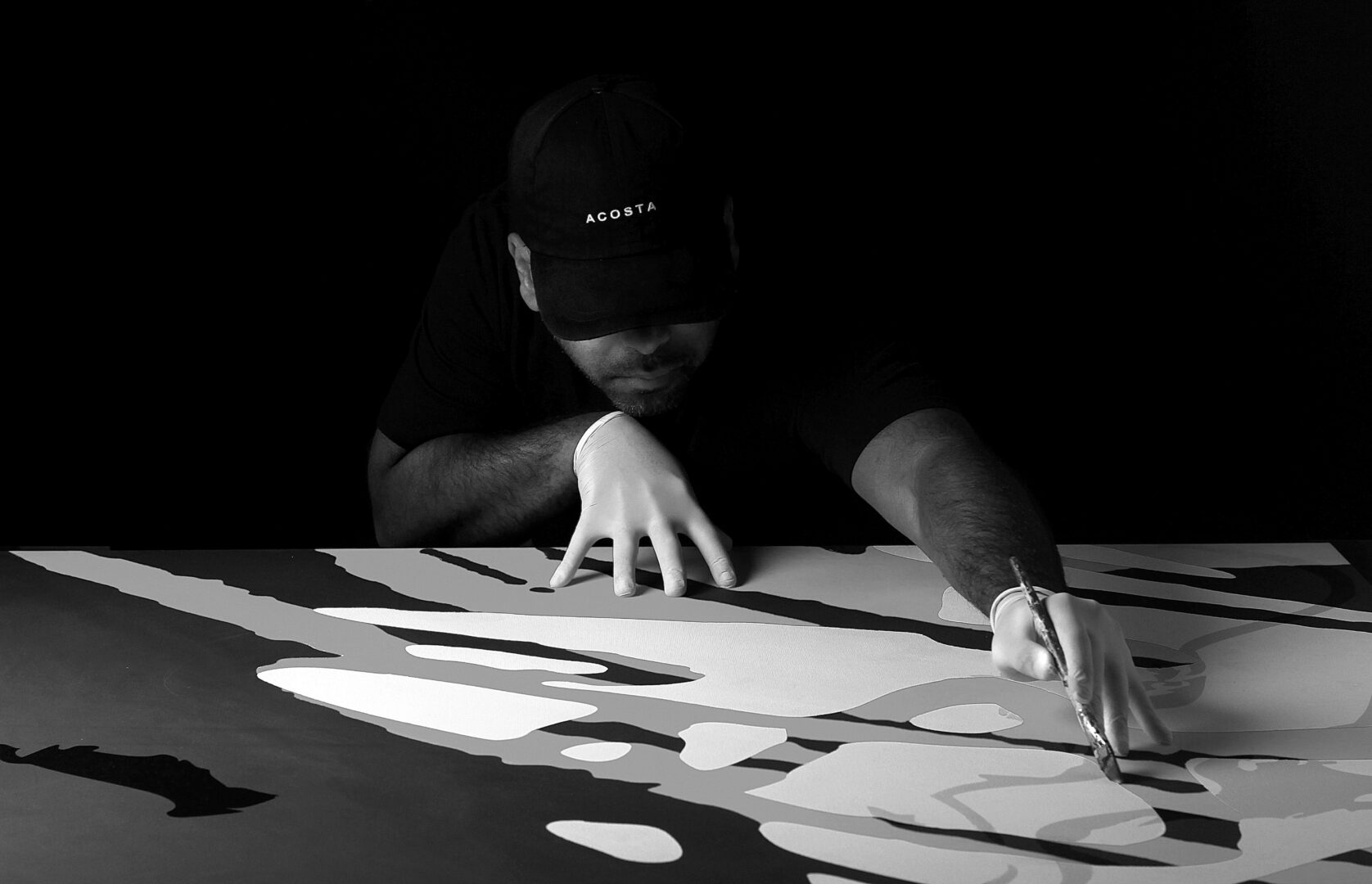
My themes are intentionally varied because the world doesn’t operate in neat categories, and neither should art. Right now, I’m exploring kinetic sculpture—pieces with movement, like fountains—and also creating paintings that express strong viewpoints. I’m eclectic in my range but pragmatic in my execution: if an idea demands to exist, I’ll find a way to make it happen, even if it means inventing new techniques or repurposing materials in ways they’ve never been used before.
My journey into sculpture actually started on a whim. One evening, my partner had gone out to dinner with colleagues, and I found myself restless at home. So I decided to create something—a reinterpretation of the Statue of Liberty. I placed a small figure of Liberty inside a bleeding brain, using materials no one would expect for sculpture. That piece captured something I couldn’t express in words: the tension between ideals and reality, freedom and suffering. I’ve been hooked ever since, driven by that same urge to transform abstract ideas into tangible, thought-provoking forms
Appreciate your sharing that. Let’s talk about your life, growing up and some of topics and learnings around that. What’s a moment that really shaped how you see the world?
Honestly? That night I created my first sculpture—the Statue of Liberty inside a bleeding brain. I wasn’t trying to make art; I was just restless and needed to express this frustration I’d been feeling about the gap between what we’re told to believe and what actually happens in the world. When I finished it, I realized I’d externalized something I’d been carrying around but couldn’t articulate. It shaped how I see creative work now—not as decoration, but as a way to make visible the contradictions we live with every day.
Was there ever a time you almost gave up?
Of course. There are times when the practical side of art—the cost of materials, the time invested with no guarantee of return, the uncertainty—weighs heavily. There was a period when I seriously considered giving it up as a hobby and looking for something more stable. But every time I considered it, I found myself mentally designing the next piece, obsessing over a new idea. I realized it wasn’t really a choice: I need to create to understand the world and my place in it.
Sure, so let’s go deeper into your values and how you think. What’s a cultural value you protect at all costs?
The freedom to question. I fiercely protect the right—and I would say, the responsibility—to critically examine everything around us, especially the narratives presented to us as absolute truths. In my work, that means creating pieces that may unsettle or challenge, but that invite dialogue. I believe that the moment we stop questioning, stop offering alternative perspectives, we lose something essential to our humanity. Art must have that space for dissent, for critique, for showing what others prefer not to see.
The freedom to experiment and fail. We live in a culture that increasingly values only successful outcomes, things polished and perfect from the first try. But true innovation—in both art and thought—requires the freedom to try crazy things, to use ‘wrong’ materials, to pursue ideas that may not work. I protect that space for exploration because without it, everything becomes predictable and safe. And what is safe rarely challenges or transforms anything.
Okay, so before we go, let’s tackle one more area. If immortality were real, what would you build?
I would build a constantly evolving work—a kind of living sculpture that documented and responded to each era it passed through. Imagine a structure that started small but grew with each significant historical event, each injustice, each revolution. Every century would add new layers, new materials, new forms. It would be a three-dimensional critique of human civilization, growing organically through time. With immortality, I could dedicate decades to a single section, centuries to perfecting techniques that don’t even exist yet. It would be the ultimate sculptural witness to humanity.
Contact Info:
- Website: https://www.16ernestos.com
- Instagram: https://www.instagram.com/ernestozapataurrutiabeascoa/
so if you or someone you know deserves recognition please let us know here.