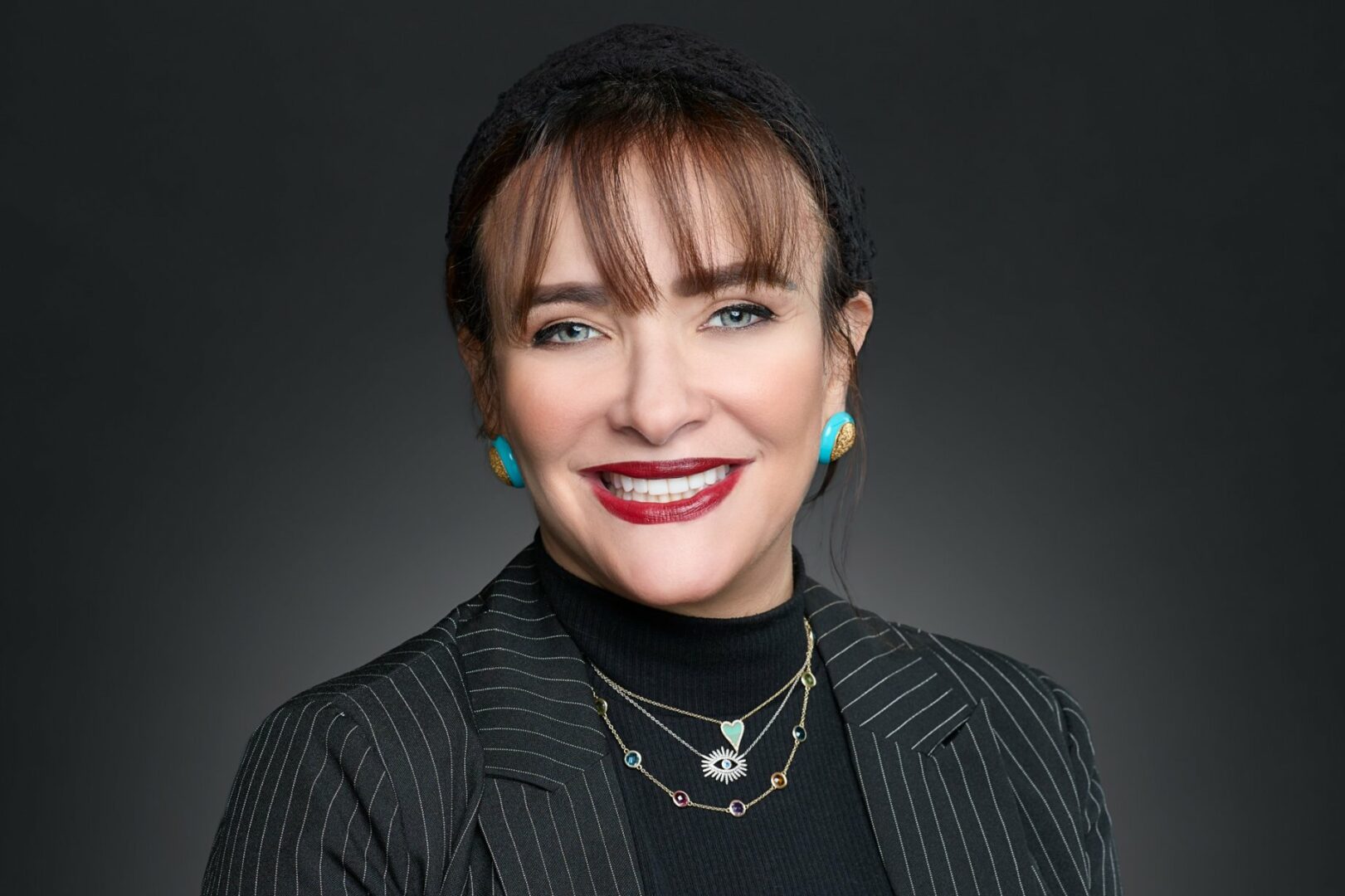
We recently had the chance to connect with Dr. Dalia Sherif and have shared our conversation below.
Dalia, a huge thanks to you for investing the time to share your wisdom with those who are seeking it. We think it’s so important for us to share stories with our neighbors, friends and community because knowledge multiples when we share with each other. Let’s jump in: What’s more important to you—intelligence, energy, or integrity?
That’s a question I think every leader wrestles with at some point. For me, integrity stands above them all because it anchors the other two. I remember this line from a book I read: “If you don’t have integrity, intelligence and energy will work against you rather than for you.”
Intelligence can solve problems, and energy can move mountains, but without integrity, neither creates lasting value. Integrity gives intelligence a conscience and energy a compass. It’s what turns ambition into purpose.
In my experience, true leadership begins when intellect and drive meet moral courage. I believe Albert Einstein reminded us not to become people of success, but rather people of value. That line stays with me. Value doesn’t come from how fast we think or how hard we work; it comes from the principles that guide those efforts.
Integrity is the quiet force that builds trust in teams, in institutions, and in oneself. It’s doing the right thing when no one is watching, and still doing it when everyone is. It’s the thread that holds credibility together, and once that thread unravels, no amount of brilliance or enthusiasm can mend it. Integrity is not performance; it’s alignment, the moment when values, words, and actions move in unison.
So when I think about leadership, especially in education, I see intelligence as the light that helps us understand the world, and energy as the fire that drives us to change it. Yet integrity is the gravity that keeps us grounded. It reminds us that brilliance without honesty is hollow, and progress without principle is perilous. In the end, people don’t follow titles or strategies; they follow authenticity. They follow the leader whose convictions remain steady when the winds shift, whose choices reflect both courage and conscience. That’s the kind of integrity that doesn’t just lead, it inspires.
Can you briefly introduce yourself and share what makes you or your brand unique?
I am a woman shaped by two great worlds, rooted in the values of where I came from and lifted by the grace of where I arrived. My journey has been defined by faith, service, and deep gratitude for the nation where I grew up and the nation that opened its doors to those who carry big dreams in humble hands. In 2011, I arrived in Houston with three young children, a few suitcases, and a faith that light is born not from clarity, but from the courage to walk through the dark. There was no map, only the quiet conviction that resilience and learning could turn hardship into hope. I worked three jobs to keep our family moving forward. Through exhaustion, service, and grace, I discovered doors I never knew existed, doors that only open to those who refuse to stop knocking. Each obstacle became a lesson in humility, each setback a reminder that strength is not the absence of struggle, but the courage to rise after it.
In those years, I learned that leadership is not granted by title or circumstance; it is born in the quiet moments when you choose faith over fear and rebuild when it may feel easier to retreat. I didn’t know what came next, but I knew I could always start again, carrying what I’d learned instead of what I’d lost. Step by step, I earned an MBA, and later a PhD, volunteering and serving others at every turn. Education became both my compass and my calling, a way not just to rise, but to lift others.
When I enrolled in my PhD program, someone actually said, “You really don’t need a PhD for this. We get applications from people with doctorates all the time, and we rarely even interview them because it’s often more than what the role requires.” What they forgot to see is that education is not just about fitting into a role; it’s about growing beyond it. Learning is the bridge that carries people from limitation to possibility, from stability to mobility. We don’t pursue education to stay where we are, we pursue it to expand who we are and to create space for those who come after us. But I learned something powerful: you cannot live by the value others assign to you. You have to know your own worth and walk toward it quietly, consistently, and with conviction.
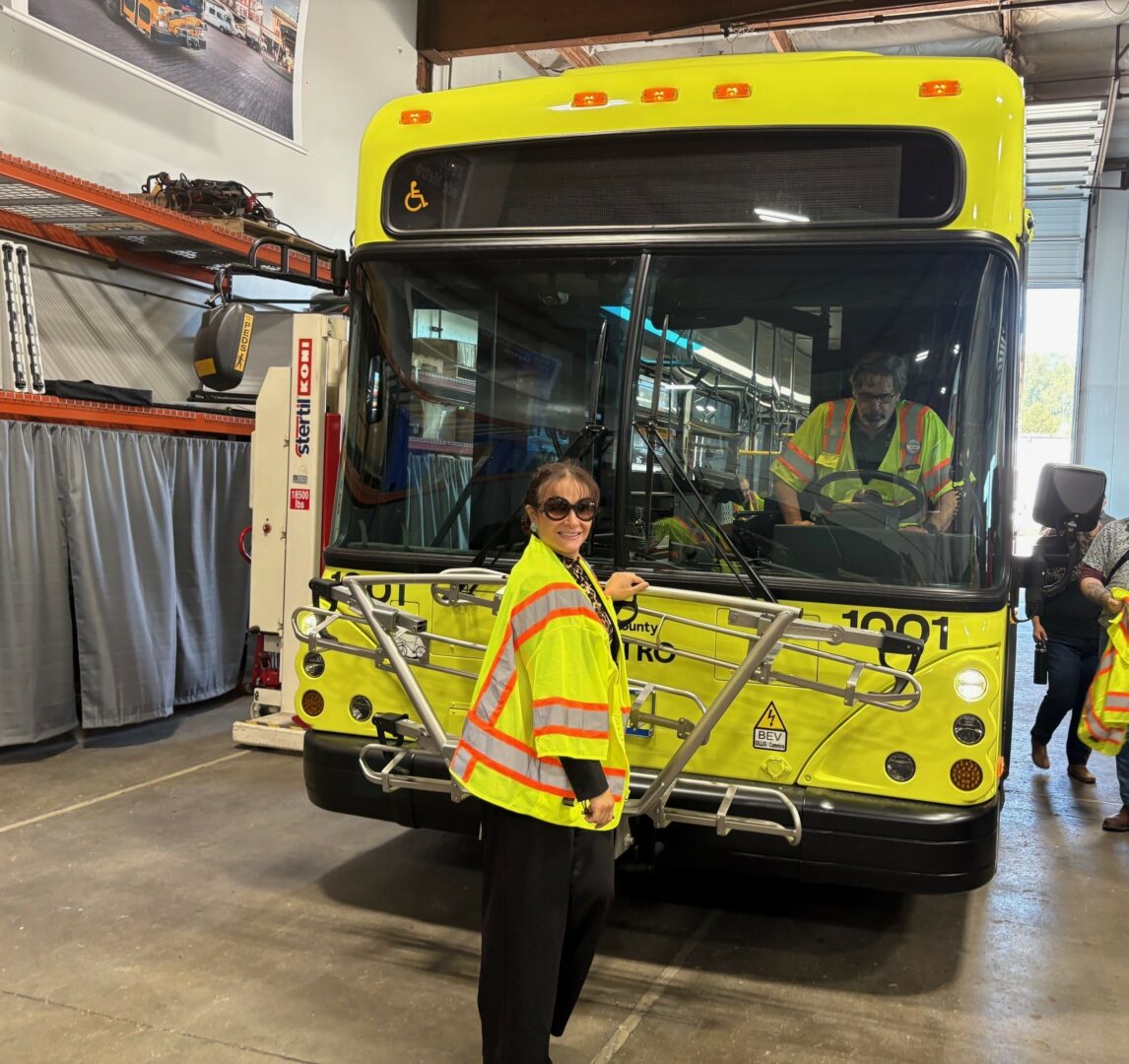
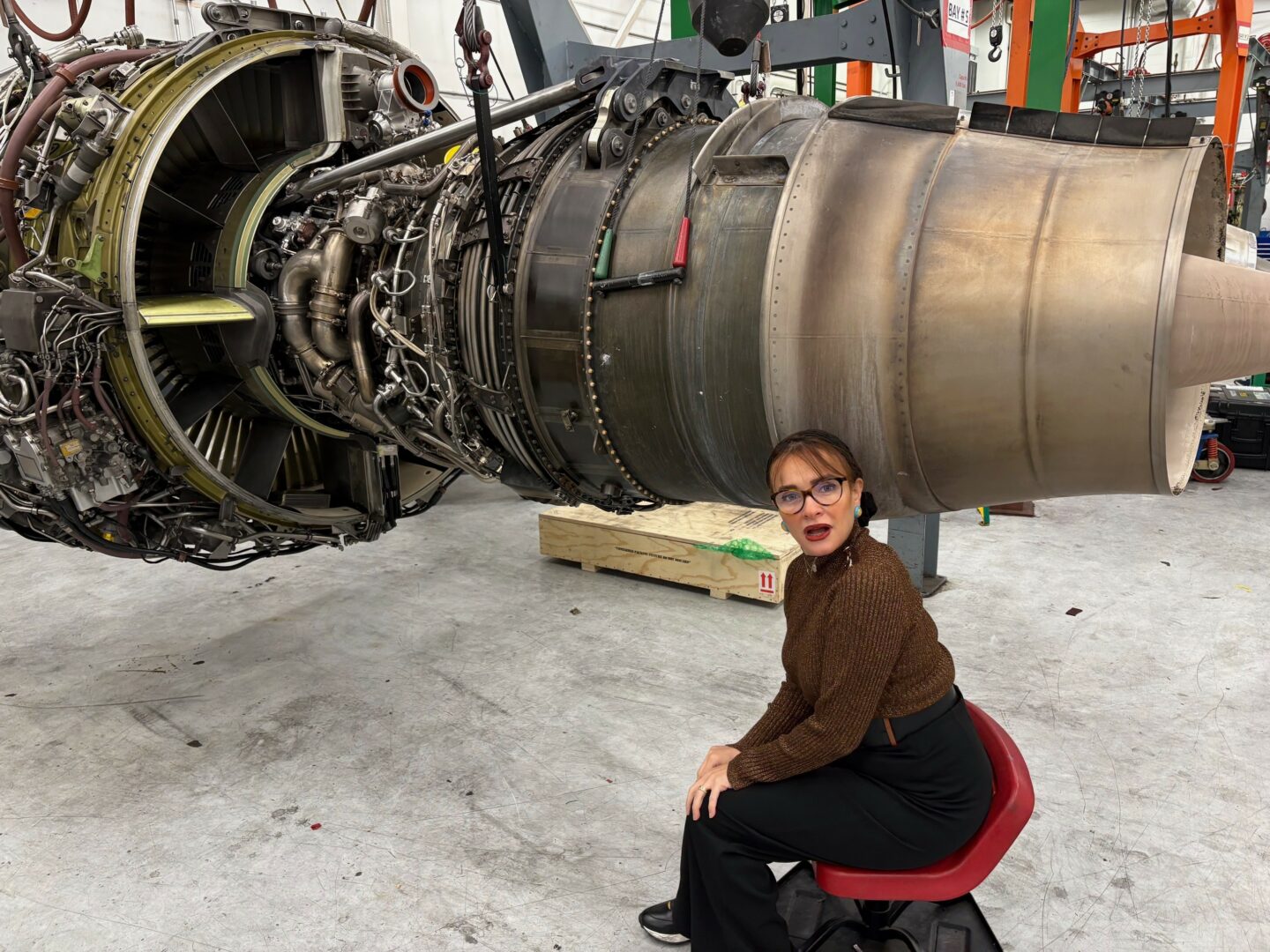
What I’ve discovered through this journey is that reinvention is not only about starting over; it’s about rediscovering who you’ve always been. Every challenge I faced became a mirror reflecting strengths I didn’t know I had. I learned that courage isn’t loud; sometimes it’s the whisper that says, “Try again tomorrow.” I’ve come to believe that faith in yourself, even when no one else sees your potential, is the most radical act of hope there is. I fell in love with community colleges, their quiet courage, their open doors, their belief that education belongs to everyone. What began as a mission became a calling, to build pathways where others saw walls. I helped create four affordable, life-changing bachelor’s programs that turned possibility into reality: Nursing, Emergency Management, Applied Energy, Manufacturing and Trades Management, and Cybersecurity. For the latter, I became a student again myself, earning several certifications so I could serve with integrity and lead with understanding. In those programs, I witnessed the truest meaning of transformation, a student crossing the stage cradling her newborn, a father and son graduating together, proud veterans, and single parents rising beyond circumstances. Each story was a reminder that education is not simply about degrees, it is about believing again in what is possible.
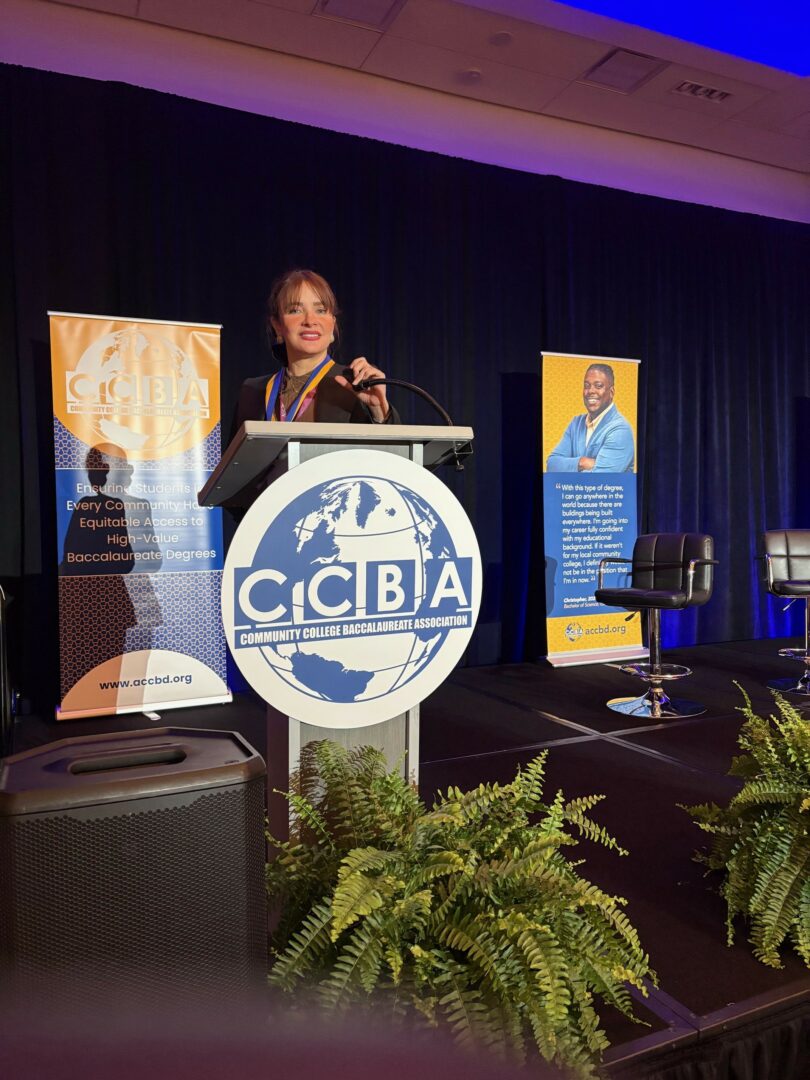
Today, my work is about opening doors for others, especially for students who feel unseen or uncertain. I’ve built programs that connect education to purpose, that show students that no dream is too far if they believe in their capacity to grow. I also serve on several boards that carry forward the same mission, turning financial barriers into open doors for students who dare to dream. That’s the work that humbles me the most, helping others find the courage to believe in themselves, just as I once had to. Serving others through education isn’t just what I do; it’s who I am. My story is not about success; it’s about faith, perseverance, and the quiet miracle that happens when you choose to believe in people before they believe in themselves.
Great, so let’s dive into your journey a bit more. Who saw you clearly before you could see yourself?
When I think about who saw me clearly before I could see myself, it was my teacher, Iman, my English teacher in Egypt. I still remember the Grade Four essay contest I almost didn’t enter. English was my second language, and every sentence felt like a mountain I wasn’t sure I could climb. My voice was small, my confidence even smaller. But Iman looked at me and said, “Try. I know you have something to say.” So I did. I wrote not with perfect grammar or polished words, but with truth, with heart, and with all the courage I had. I didn’t know it then, but that moment still defines me. It was the first time I understood that being seen is its own kind of healing, and that sometimes the smallest act of belief can awaken a lifetime of purpose.
When the results came out, I won second place at my school. I was too shocked to tell my family. I stood among the top students, being recognized by school officials for excellence in writing, in a language that once intimidated me. My parents were speechless. I was stunned. But Iman just smiled and said, “See? I told you. Your voice has power.” That moment changed everything. Every step, from disbelief to recognition, became proof that sometimes others see the light in us long before we dare to see it ourselves. Iman’s belief became the mirror that reflected a version of me I hadn’t yet met. And that experience still guides me today, to see potential in others before they see it in themselves, and to have the courage to tell them so. Because sometimes, it’s not enough to quietly believe in someone; you have to speak it powerfully into their life so they can begin to believe it too.
What have been the defining wounds of your life—and how have you healed them?
The deepest wounds in my life didn’t come only from strangers, they sometimes came from people I trusted. Betrayal, backstabbing, belittling, envy, and even gaslighting, I’ve known them all. Each one felt like a theft, not just of peace, but of self. When people you’ve supported turn against you, it shakes the ground beneath everything you thought was solid. It makes you question your worth, your instincts, even your kindness. I’ve lived through that. I’ve watched people rewrite truth to fit their fear, and for a while, I carried their lies like proof that I had failed. These weren’t just acts, they were lessons in disguise. When you are betrayed by someone you believed in, it fractures your sense of safety. When you’re belittled, it tests the strength of your self-worth. When you are envied, it reminds you that your light has been seen, even by those who wish it hadn’t been.
For a long time, I carried those wounds like scars I wanted to hide. I replayed conversations, defended myself in silence, and tried to prove my goodness to people who had already decided to misunderstand me. But I learned that healing is not found in bitterness, it’s found in release. Betrayal does not define your worth; it simply reveals the truth of others. Envy is the tax of excellence. And gaslighting? It’s the moment you learn that your intuition is real and doesn’t need permission to exist.
I healed by reclaiming my narrative, by choosing not to let bitterness narrate my story. I turned pain into service, anger into clarity, and disappointment into discipline. Healing, for me, wasn’t forgetting; it was remembering differently. It was learning to thank the wound for what it revealed. Every betrayal showed me resilience. Every act of envy confirmed that my light reached farther than I knew. And every attempt to belittle me reminded me that strength isn’t proven by how loudly you fight back, but by how gracefully you continue to rise. I built spaces where others could rise without fear of being diminished. I learned that real power is quiet, it’s in showing up again, unbroken, unbitter, and unbent. I learned that being belittled is just proof that your presence magnifies something someone else is afraid to face. And I stopped asking, ‘Why did they do this to me?’ and started asking, ‘What is this trying to teach me?’
I learned to trust my intuition louder than someone else’s manipulation. I learned that loyalty is not a contract, it’s a reflection of integrity. I learned that if life blesses you with a true friend, one who sees you when you feel invisible, who hears the words you cannot say, and who stands beside you without condition, hold on to them with both hands and never let go. True friendship is a rare grace, the kind that doesn’t just walk with you through the fire but whispers that you were never meant to face it alone. I learned that other people’s limitations are not my ceiling. And I learned that the same wounds that once broke me open also became the spaces where healing found its way in.
So a lot of these questions go deep, but if you are open to it, we’ve got a few more questions that we’d love to get your take on. What important truth do very few people agree with you on?
One important truth that very few people agree with me on is this: unconditional kindness is not weakness; it’s power in its purest form. The world often confuses kindness with fragility or being a pushover, as if compassion makes you less capable. But I’ve learned that leading with kindness takes far more strength than leading with ego. It demands restraint, empathy, and faith that goodness still matters in a world that often forgets it. Psychology has shown that even something as small as a genuine smile at a stranger can alter their brain chemistry, reduce stress hormones, and, in some cases, change a life. It’s a reminder that we are all wired to respond to connection, even in its simplest forms.
Every person you meet is fighting a battle you cannot see, a quiet war of doubt, pain, or exhaustion. That’s why kindness matters. It costs nothing, yet it changes everything. When you choose to see people, to hear them, to acknowledge their worth, you restore a part of the world that cynicism tries to erase.
Kindness is not the opposite of strength; it is the quiet force that gives strength its purpose. Empathy builds trust. Respect earns loyalty. And grace, especially in difficult moments, is what transforms leadership into legacy. Maya Angelou once said, “People will forget what you said, people will forget what you did, but people will never forget how you made them feel.” In leadership, that isn’t just a quote, it’s a calling. When you lead with kindness, you create belonging. When you lead with empathy, you build teams that endure long after the work is done. Kindness is free, yet it remains the rarest form of wealth. Lead with it, and you won’t just achieve success, you’ll leave a mark that lasts.
Okay, we’ve made it essentially to the end. One last question before you go. What is the story you hope people tell about you when you’re gone?
When I’m gone, I don’t want to be remembered for accomplishments. I hope people remember how they felt when I was near, safe, seen, and believed in. I hope they’ll say I helped them find hope in themselves when the world made them doubt. That I noticed their light before they did, and reminded them it was meant to shine.
I want my students to remember that I didn’t just teach them content, I empowered them to own their voices and their stories. I want them to say that my classroom was a place where they felt seen, heard, and capable of more than they imagined. That I reminded them that leadership isn’t something you are born with, it’s something you build, one act of courage at a time.
I want my story to be one of quiet impact, not noise, but presence. Not control, but influence. I hope people will remember me as someone who led with heart, who never confused authority with empathy, and who used every platform not for recognition, but for elevation.
In the end, legacy isn’t what we leave behind, it’s what we leave within people: courage, confidence, and kindness. As Rumi wrote, ‘When you do things from your soul, you feel a river moving in you, a joy.’ That’s what I want people to remember, that I lived with purpose, loved without fear, and believed that every human being deserves to be seen.
Contact Info:

so if you or someone you know deserves recognition please let us know here.