We recently connected with Javaid and have shared our conversation below.
Alright, so we’re so thrilled to have Javaid with us today – welcome and maybe we can jump right into it with a question about one of your qualities that we most admire. How did you develop your work ethic? Where do you think you get it from?
My work ethic comes primarily from my parents. They both emigrated from Pakistan to New York City under a both economic and social pressures, as well as religious persecution in their home country. They had to really grind to build a life in a foreign land and I picked up that grind. No one’s going to hand anything to you, you have to go out and work for it.
Great, so let’s take a few minutes and cover your story. What should folks know about you and what you do?
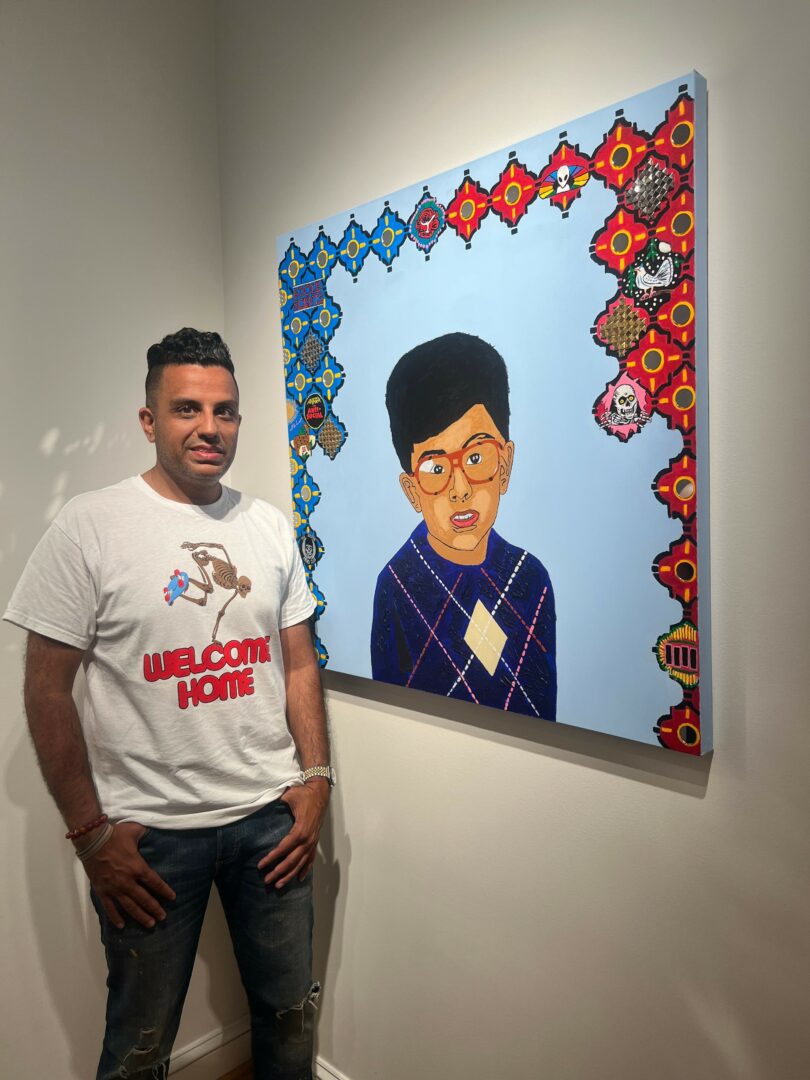
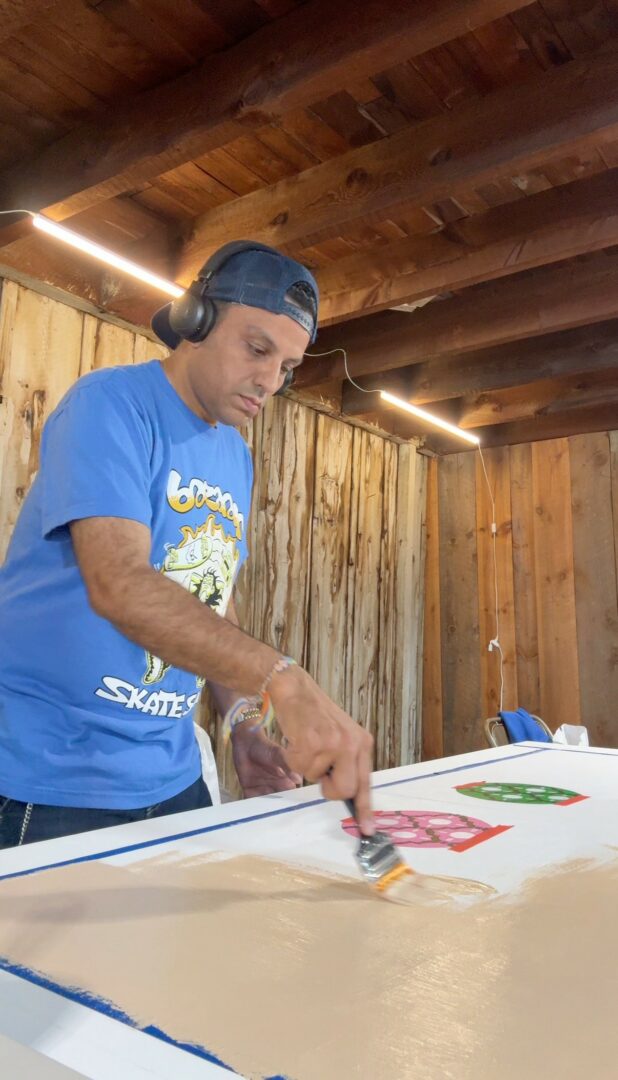
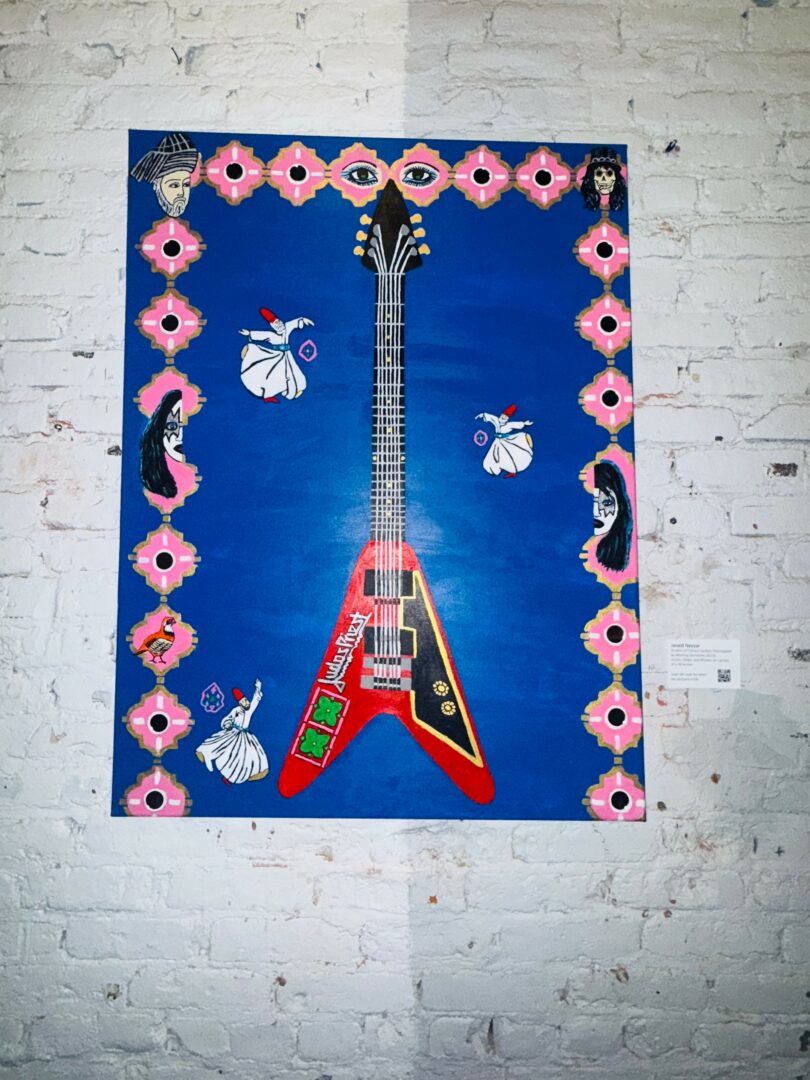
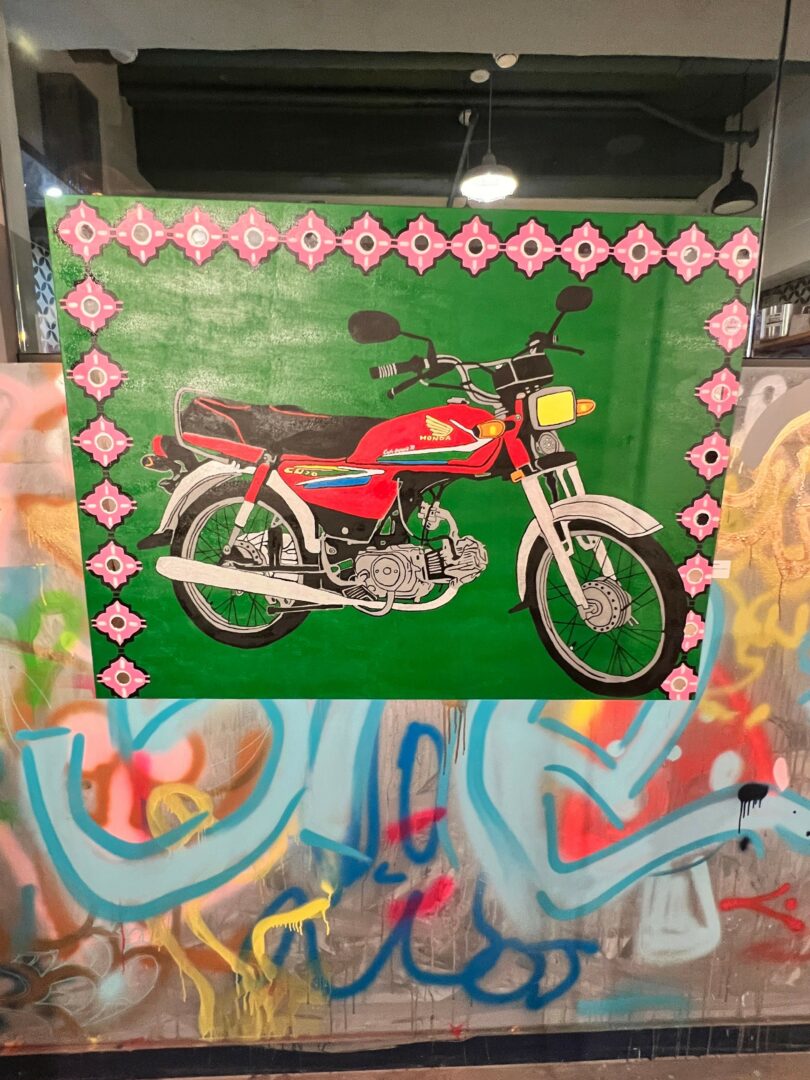
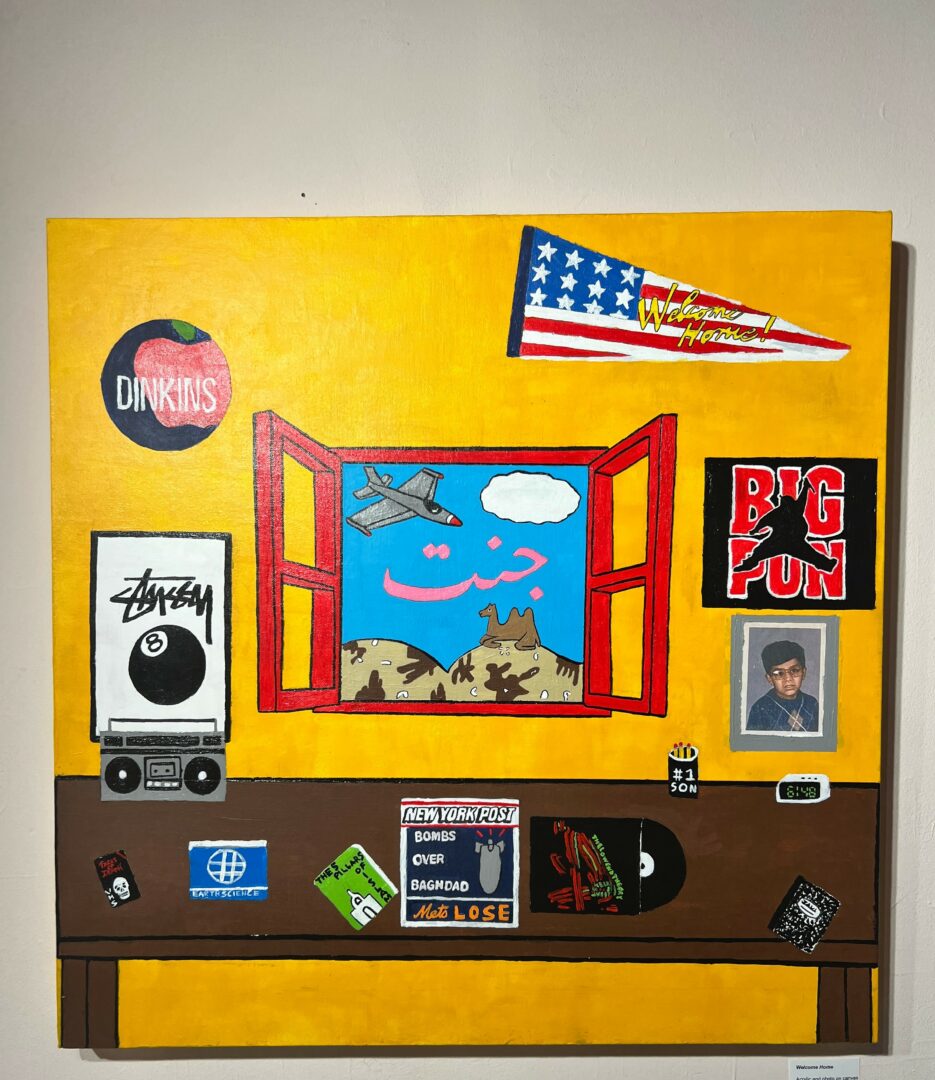
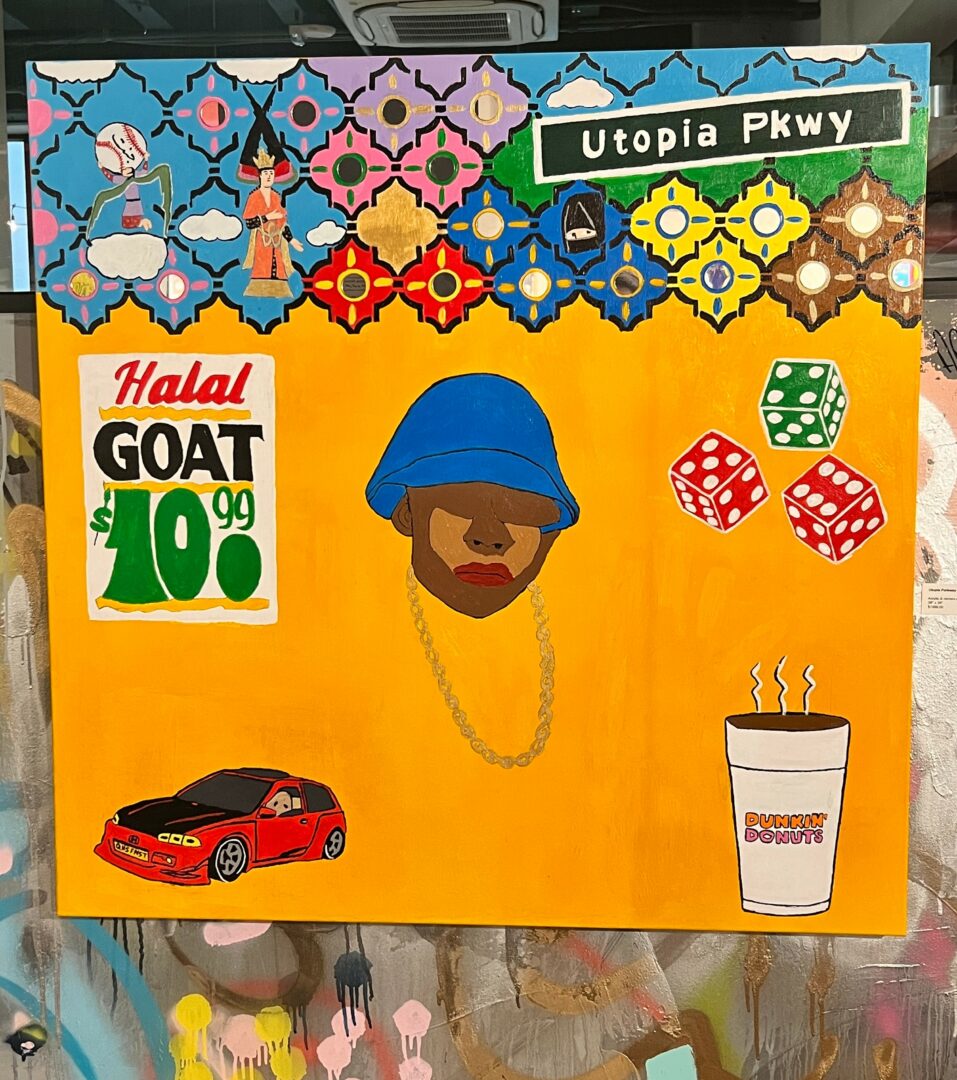
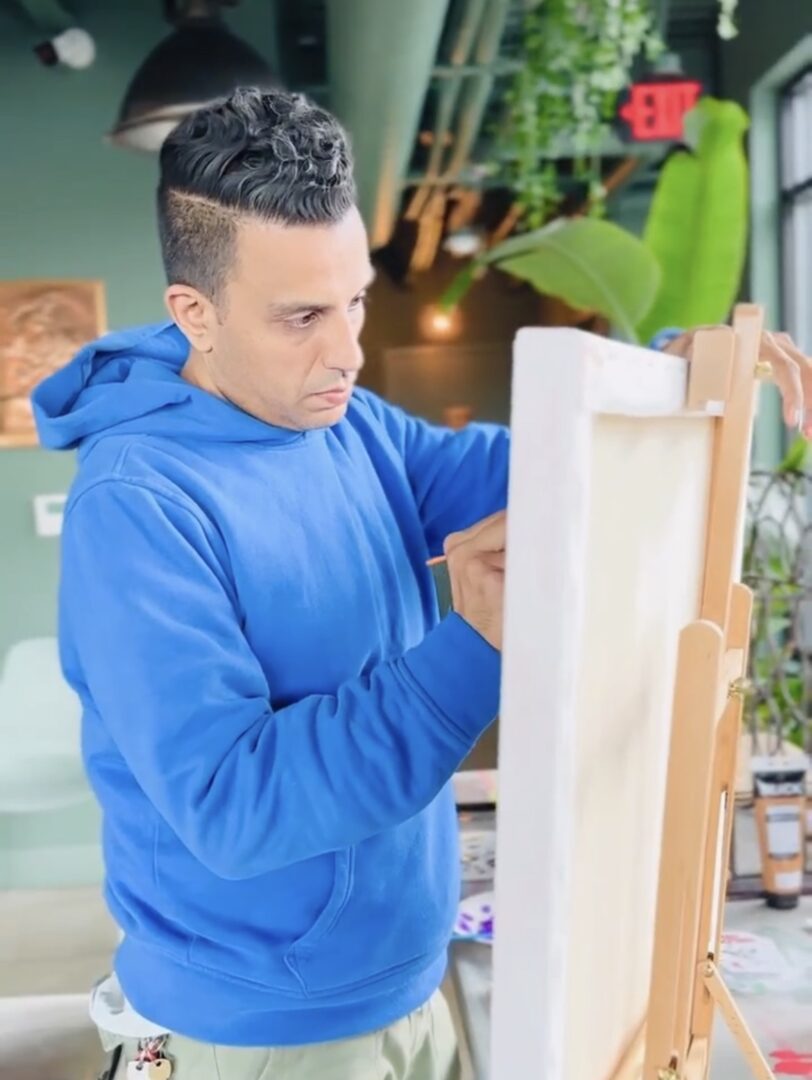
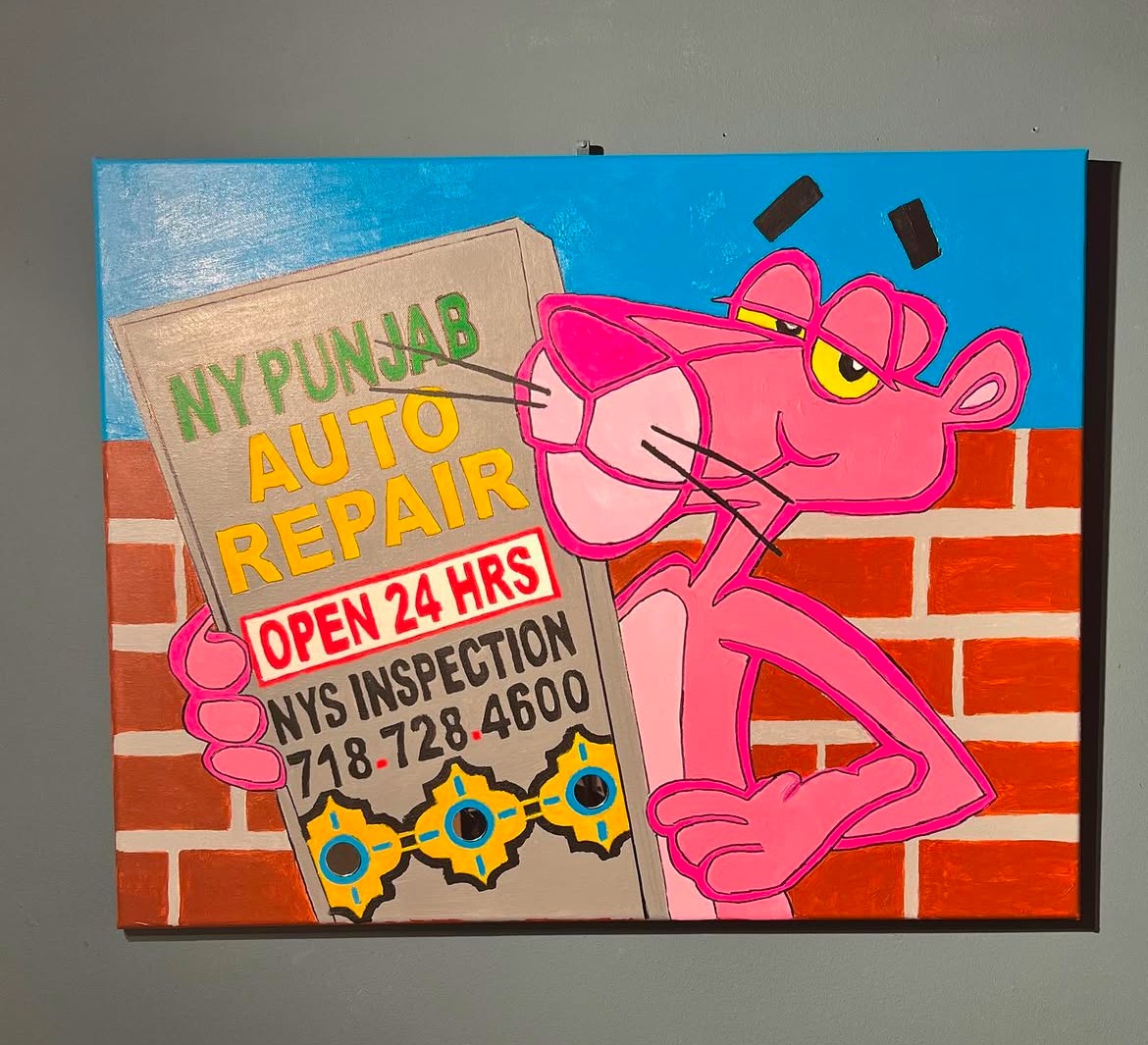
I’m a self taught artist, born and raised in Queens in New York City. I’m a lawyer as a profession and started making art about 6 years ago, around the time when my father was terminally ill. Art became an outlet of expression for all the emotions and grief I was dealing with. My work was also born out of not seeing my lived experience as a Pakistani-American raised in America being represented in the galleries and museums I was visiting.
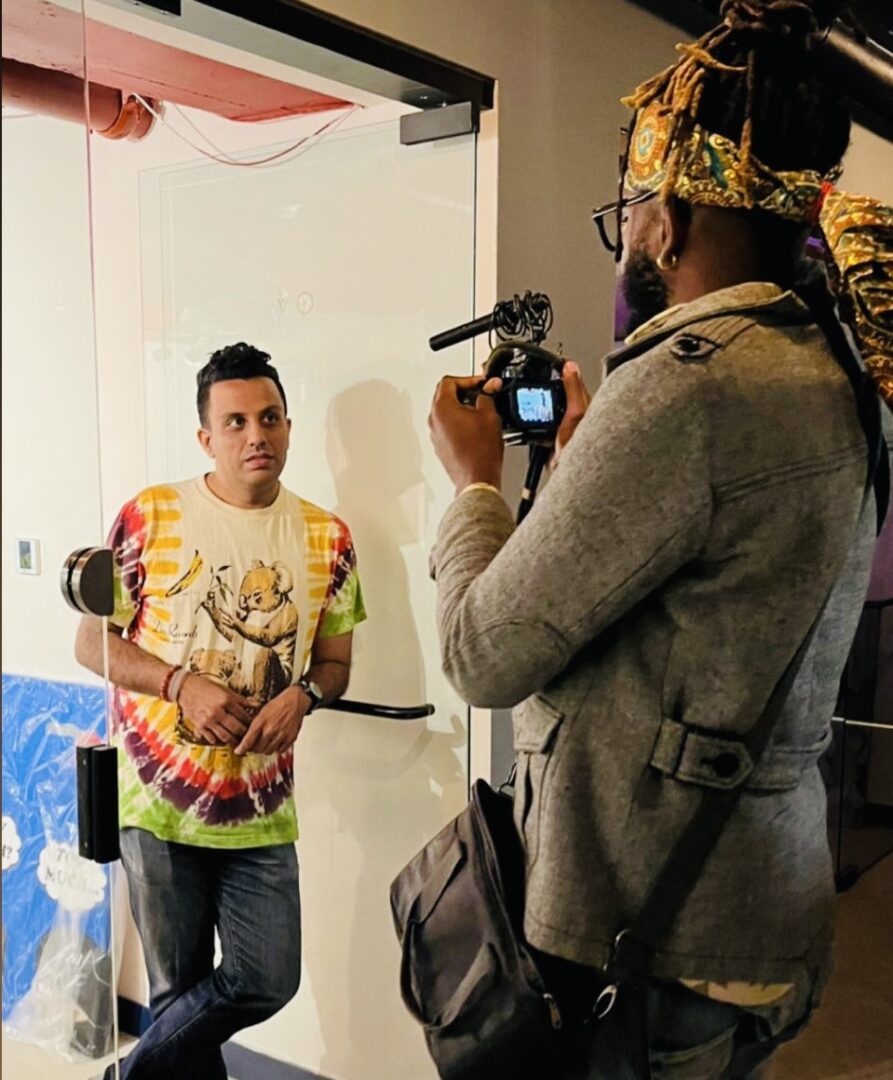
It’s honestly been a whirlwind of great fortune since I started to make work. I’ve had two solo shows, shown in New York City and Los Angeles and was awarded a MacDowell fellowship in 2024. I also was selected for a residency at The Wassaic Project in upstate New York next summer. Really humbled by and grateful for all these opportunities.
There is so much advice out there about all the different skills and qualities folks need to develop in order to succeed in today’s highly competitive environment and often it can feel overwhelming. So, if we had to break it down to just the three that matter most, which three skills or qualities would you focus on?
3 things most impactful in my journey have been curiosity, adaptability and professionalism. I think being curious makes you a better artist. I don’t pretend to know everything and you can learn so much from asking questions of other artists and curators. It can also lead to other unexpected opportunities you weren’t aware of.
Adaptability is huge because things are constantly changing in the art world. It’s up, it’s down, you have shows, then you have no shows. Staying flexible, not attached to a particular outcome and just focusing on making work has been helpful for me.
Also being professional as an artist goes a long way. I treat every show like the Super Bowl, whether it’s a group show I have one piece in or a solo. Show up early for installation day, support the folks that give you opportunities and promote the show to the best of your ability.
Thanks so much for sharing all these insights with us today. Before we go, is there a book that’s played in important role in your development?
The Creative Act: A Way of Being by Rick Rubin has been hugely influential for me. I’ve been a massive fan of Rick Rubin and all the music production work he’s done for artists I love like Slayer, Danzig, LL Cool J, the Red Hot Chili Peppers and many others. But the advice he offers in the book is widely applicable beyond music and extends to all art.
The biggest nugget of wisdom I took away from Rick is “the audience comes last”. The point of this is if you’re making work to please a particular audience, the work might end up being watered down or bland. The best thing you can do for the audience is make work that speaks to you the most, that’s ultimately what the audience wants to see. I’m going to hold onto that nugget for a while.
Contact Info:
- Website: https://www.jnayyarart.com/
- Instagram: @jnayyarart
so if you or someone you know deserves recognition please let us know here.